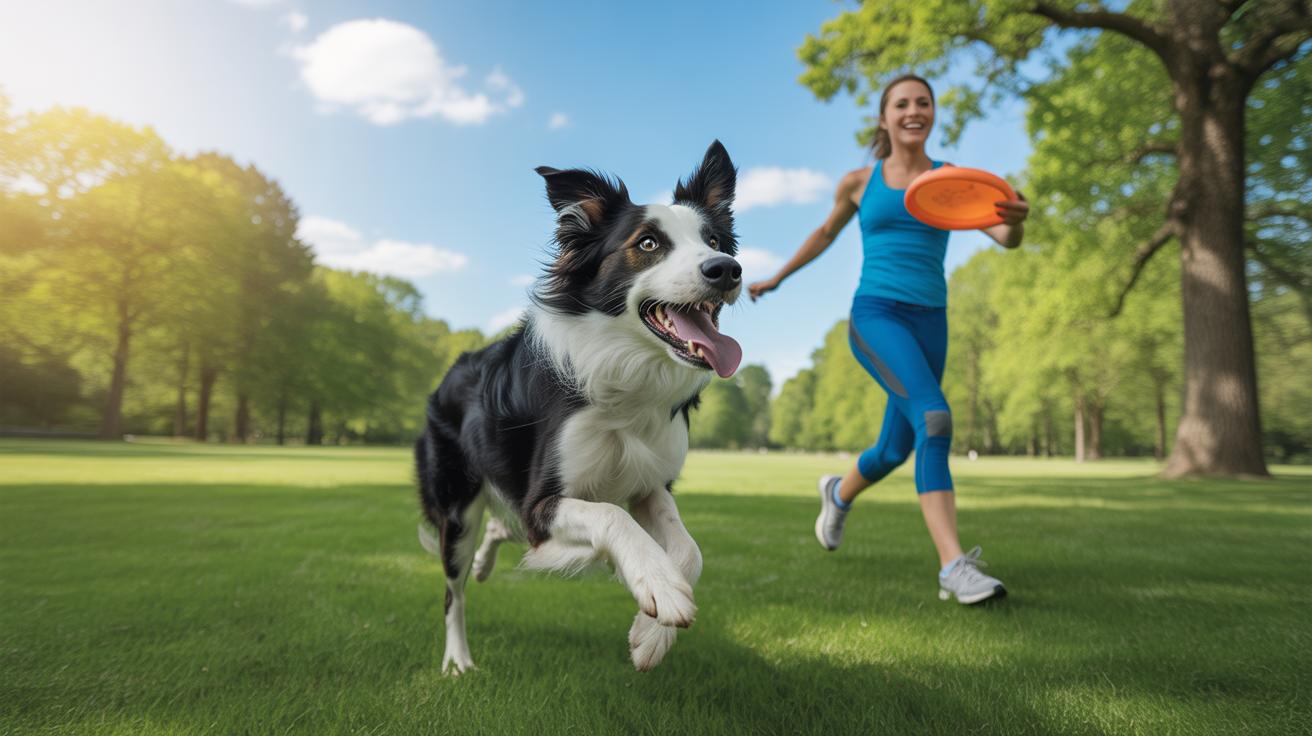
Understanding The Border Collie Breed Origins And The Dog Border Collie Legacy
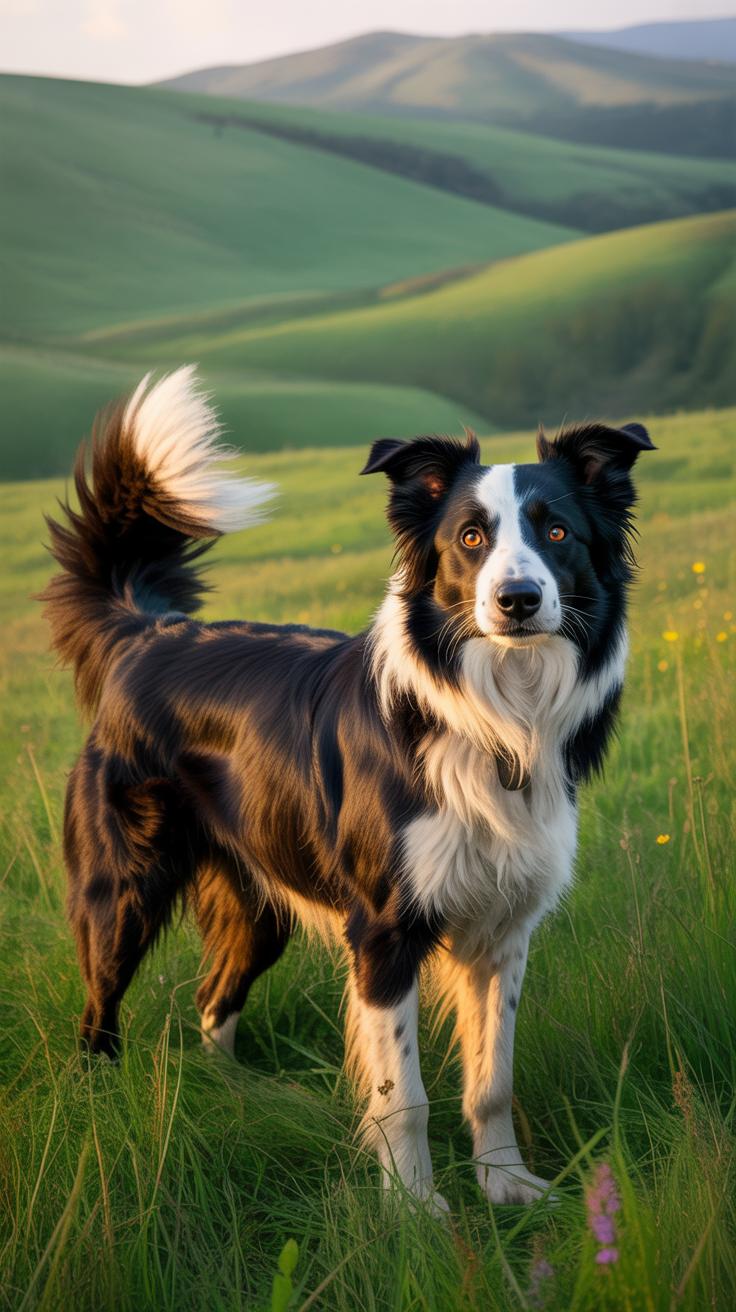
From Scottish Highlands To Your Backyard: A Brief History Of The Border Collie
Border Collies originated in the border country between Scotland and England. Shepherds bred these dogs for specific utility rather than aesthetics. They needed animals capable of navigating rough terrain in harsh weather. Every modern Border Collie traces its lineage back to Old Hemp, a dog born in 1893. This foundational sire established the intense working style and physical stamina we see today.
The breed thrives on the “eye” technique. This involves a silent, predatory stare used to control sheep movements. This trait was perfected over centuries of selective breeding for livestock management. Understanding this history is vital for owners. You are not buying a lap dog. You are bringing home a refined biological machine designed for high stakes agricultural labor. This heritage dictates their current daily requirements.
Temperament And Intelligence: What Makes This Dog Breed Uniquely Demanding
Intelligence in this breed is a double edged sword. They rank as the smartest dog breed based on task acquisition and problem solving skills. This means they learn commands in fewer than five repetitions. However, they also learn bad habits just as quickly. Without a clear job to perform, they invent their own tasks. Often, these tasks involve destructive behaviors or herding moving objects.
Active owners must provide more than just physical exercise. Mental stimulation is a non negotiable requirement for this breed. They possess a high drive to work and please their handlers. If you fail to lead, the dog will take control of the environment. Expect a dog that observes your every move. Their intense focus makes them elite athletes but also high maintenance companions in a standard home.

Border Collie Size Comparison What To Expect As Your Dog Grows
Average Height, Weight, And Build: How Border Collies Compare To Similar Herding Breeds
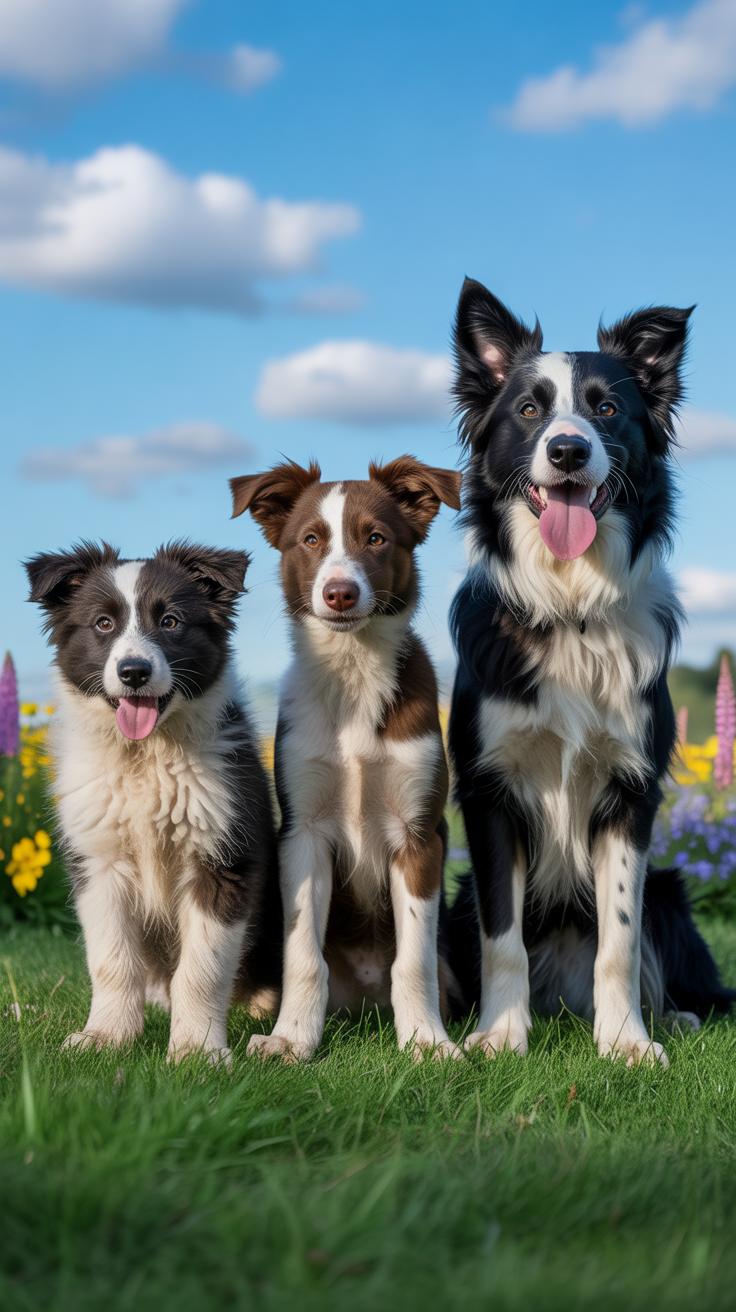
Border Collies are medium-sized dogs built for endurance rather than raw power. Adult males typically stand between 19 and 22 inches at the shoulder. Females usually measure 18 to 21 inches. Weight ranges from 30 to 55 pounds depending on sex and bone structure. Their lean frame allows for sudden pivots and high-speed bursts. This build is more aerodynamic than the heavier Australian Shepherd.
Herding breeds vary significantly in bone density and muscle mass. Border Collies possess a lighter skeleton than the sturdy Australian Cattle Dog. This lower weight reduces ground impact during long working shifts. They have a double coat that adds visual bulk without increasing weight. Their rectangular profile provides a low center of gravity. This specific geometry supports the predatory crouch style unique to the breed when moving livestock.
How Size And Body Composition Affect Exercise Needs And Activity Planning
Body composition dictates the type of work a Border Collie can handle. Their high muscle-to-fat ratio requires consistent physical output to maintain metabolic health. Because they are light, they excel at climbing and jumping. Owners must manage high-impact activities until growth plates close around 14 months of age. Early overexertion leads to joint issues. A lean dog handles heat better but needs calories for cold weather.

Strategic activity planning should match the dog’s physical peak. The breed has a deep chest for lung capacity. This supports sustained aerobic activities like trail running or long-distance hiking. Their lean limbs are prone to soft tissue injuries if they lack proper conditioning. You must balance high-intensity sprints with steady endurance work. Proper weight management is vital. Even two extra pounds will strain their ligaments during sharp turns.
Border Collie Working Instincts Channeling Natural Drive Into Daily Exercise
Why Border Collies Were Bred To Work All Day And What That Means For Your Routine
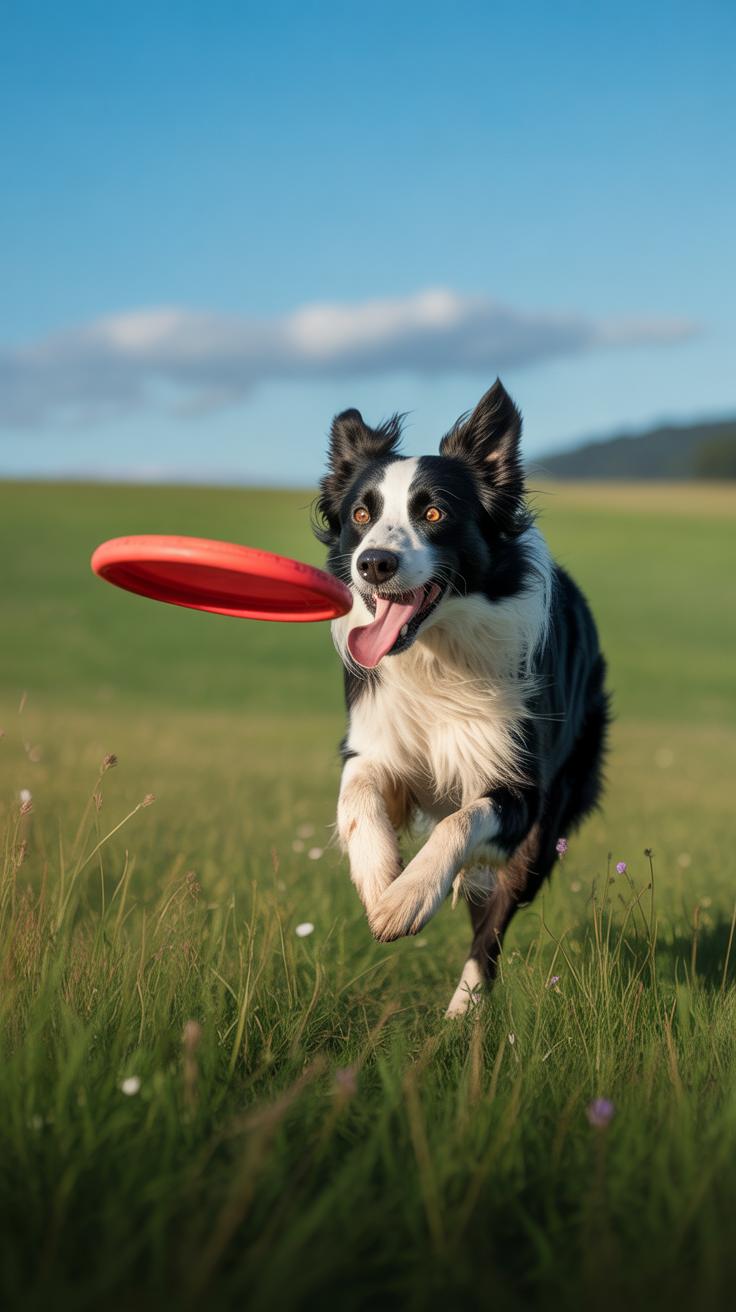
Border collies originate from the harsh border country between Scotland and England. Shepherds bred them for incredible stamina and the ability to move sheep across rugged terrain. These dogs do not have an off switch because their survival once depended on constant movement. They possess a physiological need for high-output activity. You cannot treat them like a typical house pet or a low-energy companion dog.
A standard walk around the block fails this breed. Their history as livestock herders means they expect to cover miles every single day. Your daily routine must include intense physical exertion to mimic a day on the farm. If you do not provide this outlet, the dog will become frustrated. An active owner must prioritize long-distance running or vigorous play to keep the dog healthy and satisfied.
Mental Stimulation And Physical Activity: Balancing Both To Prevent Destructive Behavior
Physical exercise alone is not enough for a border collie. These dogs are highly intelligent and need jobs to perform. A tired body with a bored mind leads to destructive habits like chewing furniture or herding children. You must engage their brain through training and problem-solving. This mental load is just as exhausting for the dog as a three-mile run in the park.
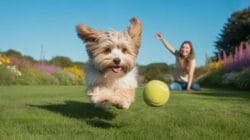
Balance your schedule between aerobic exercise and cognitive tasks. Use nose work, agility drills, or complex command training to challenge their focus. A balanced dog is a calm dog. If the dog only receives physical activity, it becomes an elite athlete with no purpose. This combination ensures the dog stays focused on you rather than finding its own ways to stay busy inside your home.
Tips For Border Collie Owners Building A Sustainable Daily Care Routine
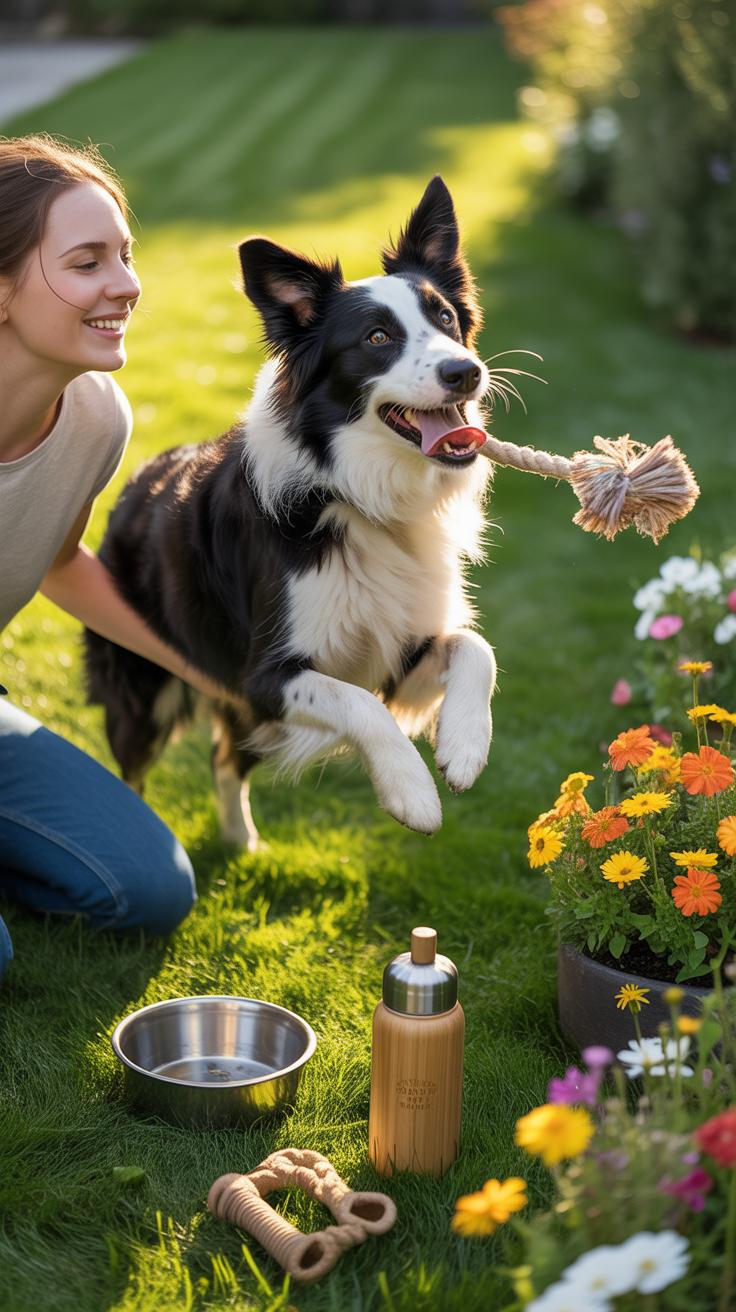
Daily Exercise Minimums, Feeding Schedules, And Grooming Basics Every Owner Should Know
Border Collies require a structured daily schedule to manage their high energy levels. You must provide at least two hours of physical activity combined with mental tasks. Divide food into two equal meals to prevent bloat and maintain steady glucose levels. Stick to a rigid timing for walks and training. Consistency reduces anxiety in this breed by making the day predictable and manageable.
- Physical Exercise: Provide ninety to one hundred twenty minutes of vigorous movement daily. This includes running, hiking, or fetching. Simple walks are insufficient for this working breed. They need to pant and use their muscles to remain calm indoors.
- Mental Work: Dedicate thirty minutes to brain games or skill training. Use puzzle feeders or hide-and-seek games to exhaust their minds. A bored Border Collie will find destructive ways to entertain itself by chewing furniture or herding family members.
- Feeding Routine: Use high-protein kibble divided into morning and evening portions. High-energy dogs burn calories quickly but should not eat right before or after heavy exercise. This gap prevents gastric torsion, which is a life-threatening emergency for active dogs.
- Coat Maintenance: Brush the double coat twice a week to remove loose fur and debris. This breed sheds heavily during seasonal changes. Regular brushing prevents painful mats and allows you to check for ticks or burrs picked up during outdoor activities.
- Rest Periods: Schedule forced downtime in a crate or on a mat. These dogs lack an off switch and will work until they collapse. Teaching a place command ensures the dog recovers physically and mentally between high-intensity exercise sessions throughout the day.
Focus on high-quality nutrition to support joint health and muscular recovery. Active dogs need specific calorie counts based on their daily work output. Grooming serves as a health check for injuries sustained during runs. Check paw pads for tears and nails for cracks after every trail session. A disciplined routine ensures the dog stays fit and ready for the next day of work.
Recognizing Signs Of Overstimulation And Under Exercise In Your Border Collie
Identify the difference between a tired dog and a stressed one immediately. Overstimulation occurs when the dog’s environment provides too much sensory input. You will see dilated pupils, frantic movement, and an inability to follow basic commands. The dog may nip at heels or shadows. This state requires immediate removal from the stimulus and a quiet area to decompress and lower cortisol levels.

Under-exercise manifests through repetitive and destructive behaviors. If your dog circles, barks at walls, or destroys bedding, you are failing their activity needs. They may become hyper-fixated on moving objects like cars or bicycles. These behaviors are not personality quirks but symptoms of a surplus of energy. Adjust your training volume upward instantly when you spot these patterns to maintain a safe and stable home.
Border Collie Puppy Training Starting Strong From Day One
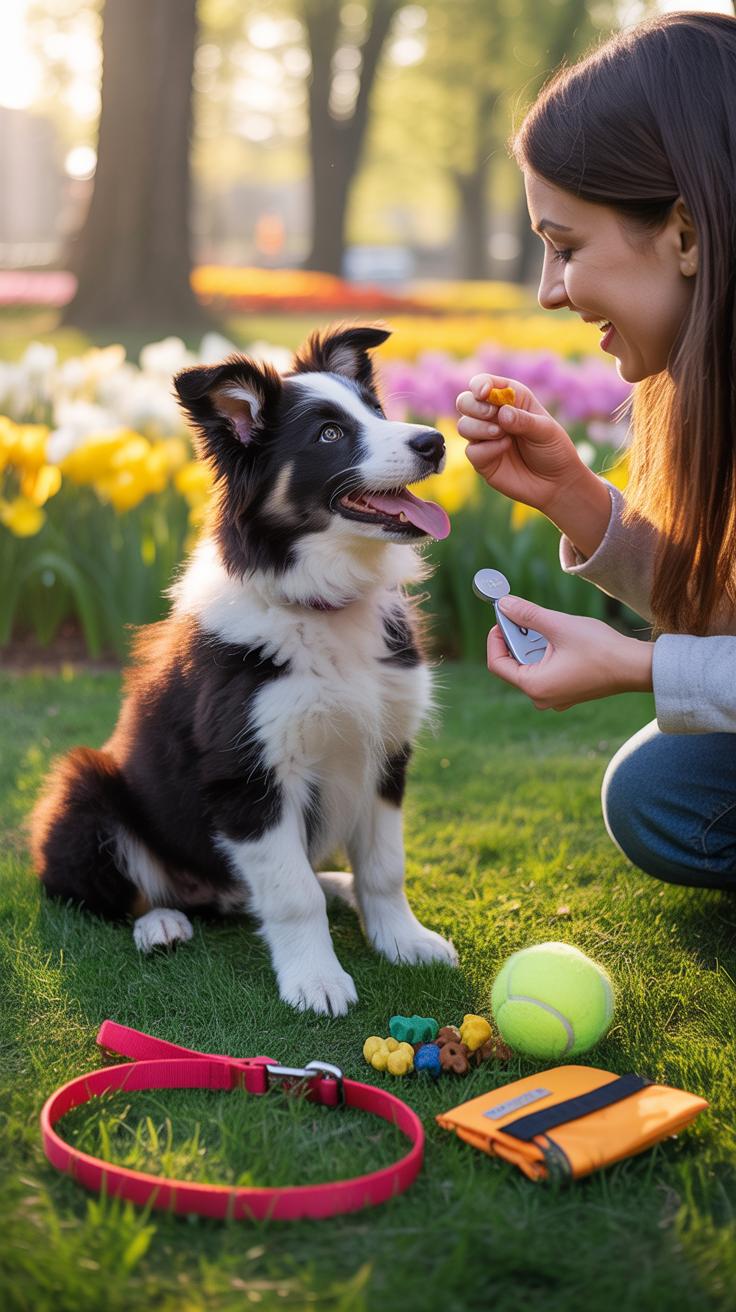
Socialization Windows And Early Obedience: The Foundation Every Border Collie Puppy Needs
Border Collies possess a narrow socialization window that closes by sixteen weeks. Owners must expose puppies to various surfaces, loud noises, and diverse people during this period. Failure to act leads to reactivity or fear-based aggression. Sharp focus on environmental stability prevents the breed from becoming neurotic. You must introduce new stimuli systematically to build a confident working partner for future athletic activities.
Early obedience starts with focus exercises rather than complex tricks. Teach the puppy to look at you amid distractions. This engagement forms the basis for off-leash reliability. Implement crate training immediately to provide a mandatory off-switch. Border Collies often lack a natural ability to rest. Establishing these boundaries early ensures the dog remains manageable as its physical drive and energy levels increase.
Positive Reinforcement Techniques That Work Best For High Drive Puppies
High-drive Border Collies respond best to precision timing and high-value rewards. Use small, meaty treats to mark successful maneuvers instantly. This breed learns fast and will repeat behaviors that provide a clear payoff. Eliminate physical corrections which can cause a sensitive puppy to shut down. Focus on capturing desirable movements and reinforcing them. Clear communication builds the trust necessary for high-speed sport work.

Direct the puppy’s natural herding instinct into structured play. Use tug toys or balls as rewards for following commands. This converts their innate drive into a functional training tool. Variable reinforcement schedules keep the dog engaged and eager to work. You must stay consistent with your cues and hand signals. Frequent, short training sessions prevent mental fatigue. Always end each practice on a successful repetition to maintain progress.
Border Collie Mountain Activities Taking Your Dog To New Elevations
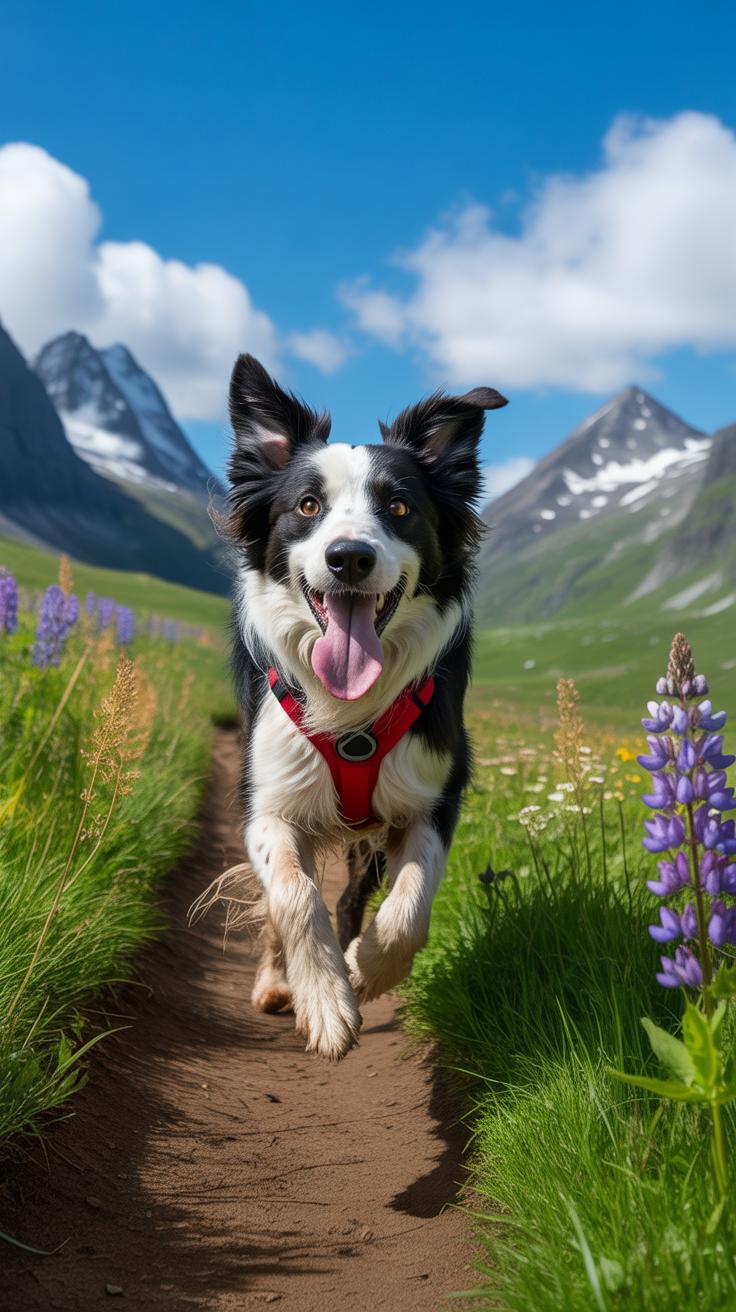
Trail Hiking And Mountain Trekking: How Border Collies Perform In High Altitude Environments
Border Collies possess a high aerobic capacity and a lean musculoskeletal structure. These traits make them superior mountain athletes. Their history as livestock workers in the rugged hills of Scotland Developed their ability to navigate steep slopes and uneven terrain. At high altitudes, these dogs adapt to lower oxygen levels more efficiently than many larger breeds. Their light frame reduces joint impact during vertical climbs.
Physical performance transitions from trail running to technical trekking requires monitoring heart rates and gait changes. Higher elevations increase the risk of dehydration and exhaustion due to thinner air. Owners must watch for signs of altitude sickness, such as lethargy or vomiting. A steady pace prevents overexertion. Even fit dogs need periodic rest to allow their respiratory systems to catch up with the increased physical demand.
Safety Gear, Paw Protection, And Hydration Planning For Mountain Outings
Mountain environments present sharp rocks, extreme temperature shifts, and limited water sources. Owners must carry specific equipment to mitigate these risks. Traditional nylon harnesses may chafe over long distances. High-quality technical gear focuses on load distribution and breathability. Protection for the paws and a strict hydration protocol are the most critical components for safety on rocky peaks or during winter ascents.
- Ruffwear Grip Trex Boots: These boots use Vibram outsoles to provide traction on slick granite and protection against sharp scree fields. They prevent pad lacerations and ice buildup between toes in alpine conditions.
- Filtered Water System: Carrying a portable filtration squeeze bottle allows you to utilize natural streams safely. This removes the need to carry 100 percent of the dog’s water weight on long mountain treks.
- Tactical Lifting Harness: A harness with a reinforced handle allows you to lift the dog over vertical obstacles. This is vital for navigating technical sections where the dog cannot jump safely or needs physical spotting.
- High-Visibility Vest: Mountain weather changes rapidly and fog can reduce visibility to zero within minutes. A reflective, bright orange vest ensures you do not lose visual contact with your dog in dense brush or timber.
- Collapsible Silicone Bowl: These bowls provide a stable, clean surface for drinking and eating. They take up minimal space in a pack. Proper bowls encourage the dog to drink more frequently than drinking from a hand.

Paws undergo heavy friction on mountain trails. Check the paw pads for tears every hour when hiking on abrasive surfaces like sandstone or frozen crust. Apply wax-based salves before and after the hike to maintain skin elasticity. Always pack a basic first aid kit containing cohesive bandages and antiseptic. This ensures minor injuries do not turn into serious infections while you are miles from the base.
Border Collie Adventure Outdoor Sports And Activities Your Dog Will Love
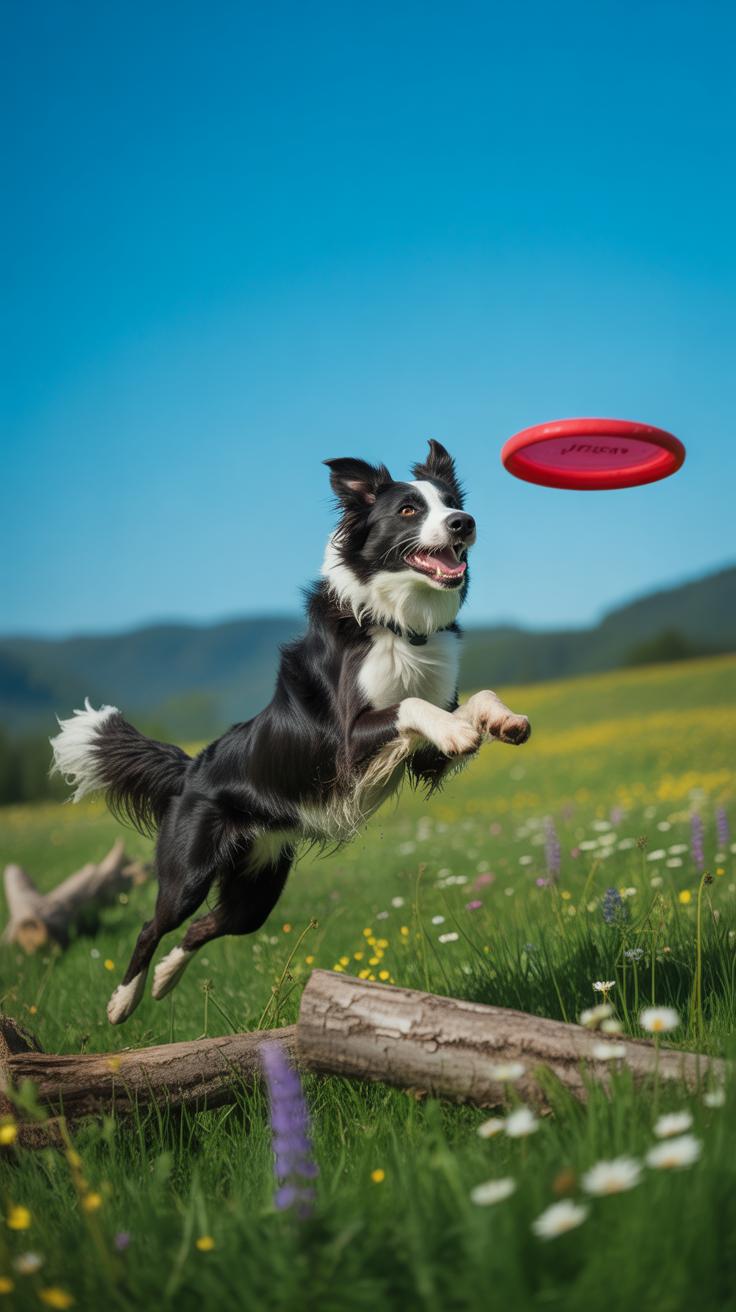
Agility, Flyball, Frisbee, And Herding Trials: Structured Sports For The Active Border Collie
Structured dog sports utilize the natural working instinct of the breed. Agility courses test speed and directional control through obstacles. Flyball relies on high intensity relay racing and ball retrieval skills. Competitive Frisbee or disc dog events leverage their natural prey drive and jumping ability. These activities satisfy the need for a job. They prevent the destructive behaviors often seen in bored working dogs.
Herding trials offer the most authentic outlet for Border Collie genetics. Trainers use the dog’s natural eye and gather instincts to move livestock. This sport requires intense focus and precise communication between the handler and the dog. Owners must seek professional instruction to manage safety for both the dog and the sheep. Proper training ensures the dog uses its drive in a controlled and productive manner.
A dog who has no work to do is a dog with a heavy heart, for their greatest joy is found in the miles we share and the duties we fulfill together.
Swimming, Cycling, And Off Leash Trail Running: Matching Activities To Your Fitness Level
Off-leash trail running provides high cardiovascular benefits for both the dog and the owner. Border Collies possess the stamina to cover significant distances on technical terrain. Owners should wait until the dog’s growth plates close before starting high impact running. This usually occurs around eighteen months of age. Keep the dog hydrated and check paw pads for tears after every run on sharp or rocky surfaces.

Cycling and swimming offer diverse ways to burn energy without identical physical strain. Swimming is a low impact full body workout that protects the dog’s joints. Use a life jacket in moving water to ensure safety during fatigue. Biking or canicross requires a specific harness to prevent neck injuries. Always monitor the outdoor temperature to avoid heatstroke during these high intensity activities in the summer months.
Border Collie Travel How To Hit The Road With Your High Energy Dog
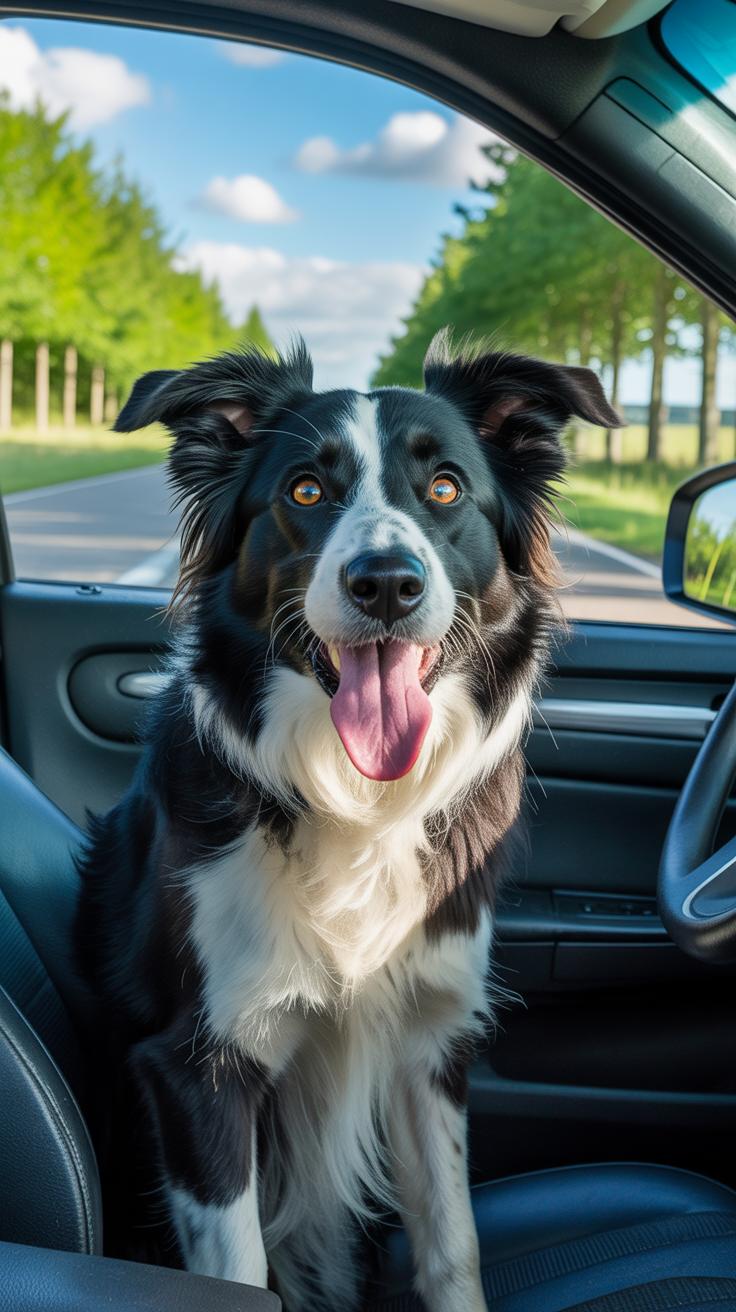
Planning Pet Friendly Road Trips And Overnight Stays With A Border Collie
Successful travel starts with selecting the right lodging. Border Collies possess high drive and voice. Booking ground-floor rooms at hotels prevents heavy foot traffic from triggering their guarding instincts. Always confirm pet policies regarding weight and breed before arrival. Use satellite maps to locate nearby green spaces or fenced parks. These spots allow for off-leash sprinting before you check into your room for the evening.
Secure your dog inside the vehicle with a crash-tested crate or a heavy-duty harness. Border Collies often try to pace when bored or anxious in cars. Physical restraint prevents distracted driving and keeps the dog safe during sudden stops. Pack a portable water bowl and familiar bedding to reduce stress in new environments. Maintain a consistent feeding schedule to avoid digestive upset while moving between different climates or altitudes.
Managing Exercise And Mental Engagement During Long Travel Days
Long hours in a car frustrate a working breed. You must plan stops every two or three hours for active movement. Standard bathroom breaks are not enough for this dog. Use these intervals for short, intense games of fetch or tug. High-intensity bursts of exercise burn more energy in less time. This strategy helps the dog remain calm and settled during the next leg of your journey.
Mental stimulation is just as vital as physical movement during travel. Bring durable rubber toys stuffed with frozen food to keep the dog occupied while driving. Use nose work games at rest stops by Hiding treats around the grass for them to find. These tasks engage their brain and tire them out faster than walking. A mentally exhausted Border Collie handles the confinement of a vehicle with much less barking or destructive behavior.
Health And Nutrition For Dogs Keeping Your Border Collie Fit And Thriving
Common Health Conditions In Border Collies And How Active Owners Can Help Prevent Them
Border Collies face specific genetic risks like hip dysplasia and Collie Eye Anomaly. Active owners must track physical movement to spot early lameness or vision changes. Regular veterinary screenings for these inherited traits prevent long term injuries during high impact work. Joint health depends on maintaining a lean body weight through consistent exercise. Excess fat puts unnecessary stress on the skeletal structure during jumps.
Preventive care includes managing Border Collie Collapse during intense heat or high arousal states. Watch for staggering or disorientation during fast runs. Use cooling breaks and keep sessions short in humid weather. Strong core muscles protect the spine from injuries during sharp turns. Incorporate stability exercises into your weekly routine. This physical preparation reduces the risk of ligament tears and keeps the dog working longer.
Nutritional Needs Of A High Activity Border Collie: Protein, Calories, And Recovery
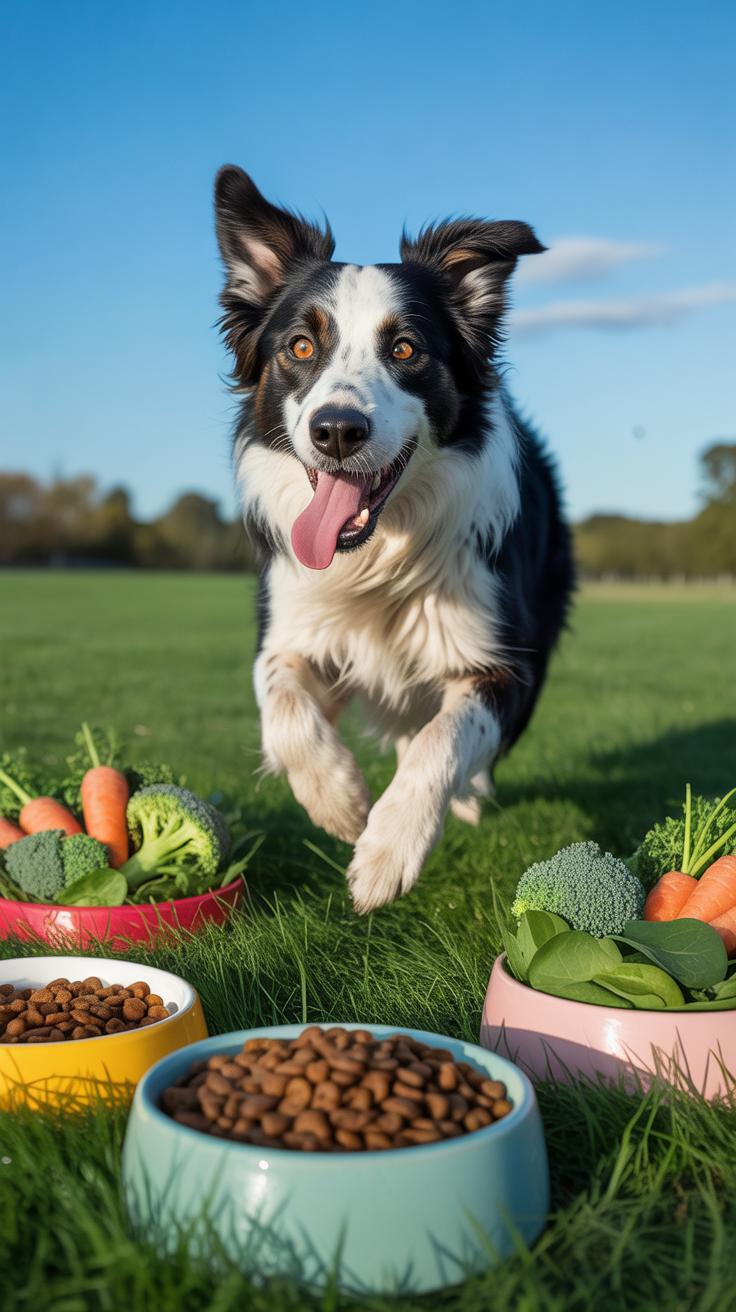
High activity dogs require nutrient dense food to fuel extreme energy output. Prioritize animal based proteins to repair muscle tissue after long hikes or agility training. Active Border Collies need more calories than sedentary pets to maintain their weight. Look for high fat content to provide sustained energy during endurance tasks. Quality kibble or raw diets must balance these macronutrients to avoid digestion issues.
Recovery timing is as important as the food itself. Feed your dog several hours before intense activity to prevent gastric torsion. Provide a small meal after exercise to replenish glycogen stores in the muscles. Fresh water must be available at all times to prevent dehydration and organ stress. Monitor body condition scores monthly. Adjust portions based on the current training load to ensure peak performance and health.
Building A Lifelong Bond Active Ownership And What Your Border Collie Needs Most From You
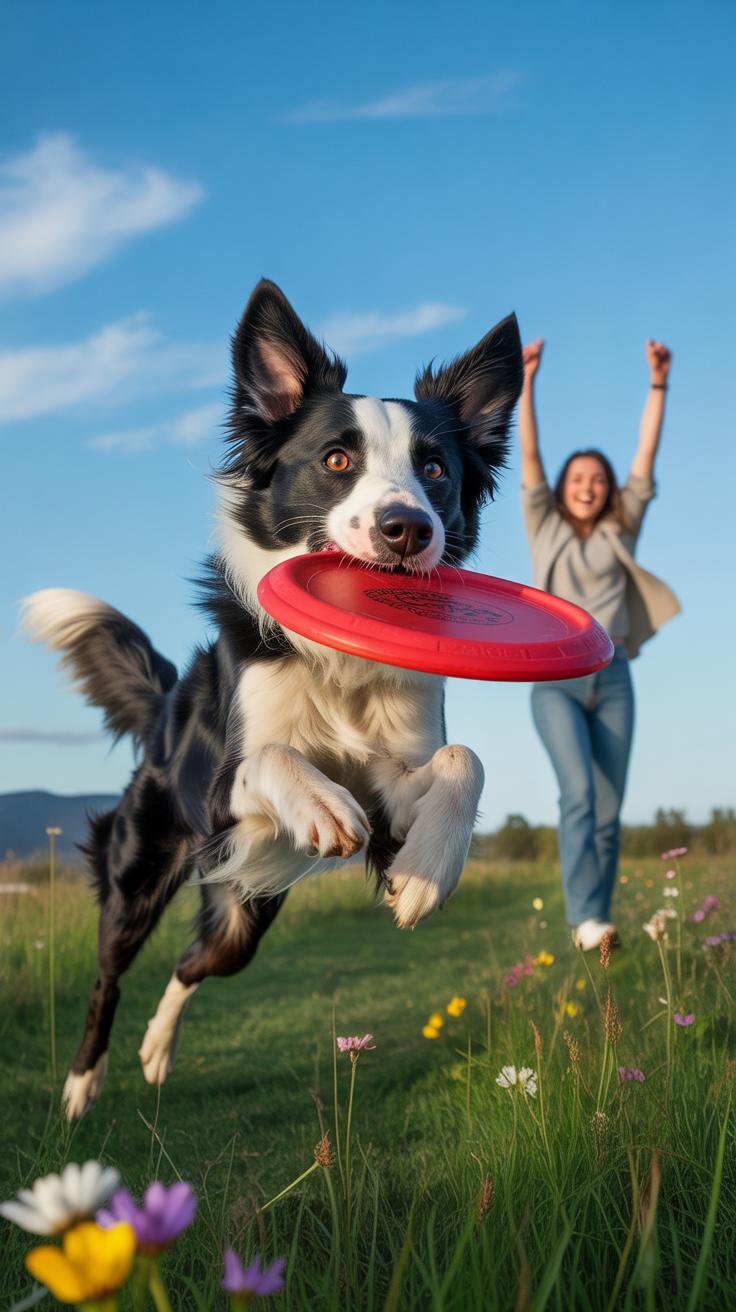
How Consistent Activity And Engagement Deepens Trust Between Owner And Dog
Border Collies view shared work as the highest form of social connection. This breed evolved to work alongside shepherds in rugged environments. When you provide structured tasks, you fulfill their genetic drive. Consistent activity proves you are a capable leader. This builds a predictable environment where the dog feels secure. Trust grows when the dog understands your cues during high stakes movement.
Physical exercise alone is insufficient for this breed. You must integrate mental challenges into every session. Training for agility or advanced obedience requires intense focus on your body language. This synchronization creates a deep nonverbal bond. The dog learns to anticipate your moves and rely on your direction. Active owners who prioritize this engagement see fewer behavioral issues. Engagement replaces anxiety with purposeful action.
Adapting Your Border Collie’S Activity Level As They Age Into Their Senior Years
Aging Border Collies maintain a high work drive even as their joints stiffen. You must monitor their recovery times closely. High impact activities like jumping or sharp turns can cause injury. Transition from intense frisbee sessions to long walks or scent work. Scent work provides the mental exhaustion they crave without the physical toll. Consistency remains vital to prevent cognitive decline in older dogs.
Adjust the environment to support their mobility during activity. Use ramps and softer landing surfaces if you continue light training. Short, frequent sessions are more effective than one long outing. Watch for signs of fatigue such as slowing pace or heavy panting. Your role shifts from coach to guardian of their physical health. Maintaining a lean body weight reduces stress on aging limbs. Adaptive movement ensures a high quality of life.
Frequently Asked Questions

Are Border Collies a good choice for first-time dog owners?
While they are incredibly intelligent, these dogs require significant commitment. Border collie active owners understand that this breed isn’t a passive companion; they need hours of physical exercise and mental stimulation daily. For a beginner, success depends on your willingness to adopt an athletic lifestyle. If you enjoy hiking, running, and constant training, a Border Collie can be a rewarding partner, but they are best suited for those dedicated to an high-energy routine.
How can I keep my Border Collie mentally stimulated at home?
Beyond physical runs, mental enrichment is vital for this breed’s well-being. You can challenge them by hidden treat games, advanced trick training, or teaching them the names of specific toys. For border collie active owners, nose work and interactive puzzle feeders are excellent ways to tire out a dog’s brain when you aren’t on the trails. Aim for at least thirty minutes of focused “brain work” daily to prevent boredom and destructive behaviors.
Is it expensive to provide appropriate activities for a Border Collie?
Providing for this breed doesn’t have to break the bank. While professional agility classes and high-end gear are nice, you can create a DIY obstacle course in your backyard using PVC pipes or hula hoops. Focus on low-cost activities like frisbee, long hikes, or neighborhood runs. The biggest investment isn’t financial; it’s your time. Simple consistent engagement and outdoor exploration are the most effective ways to keep your dog happy and healthy.