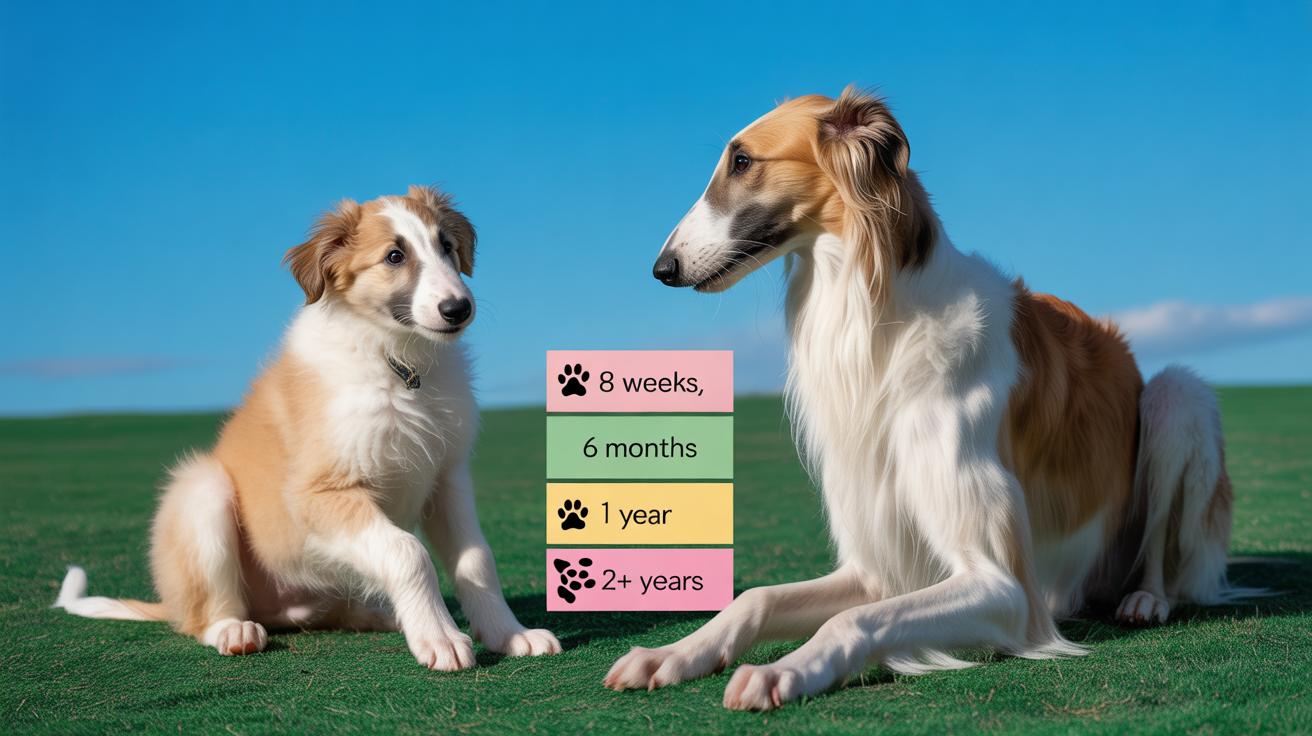
What To Expect From Borzoi Puppies In Their First 8 Weeks Of Life
Newborn Borzoi Baby Size, Weight, And Physical Characteristics
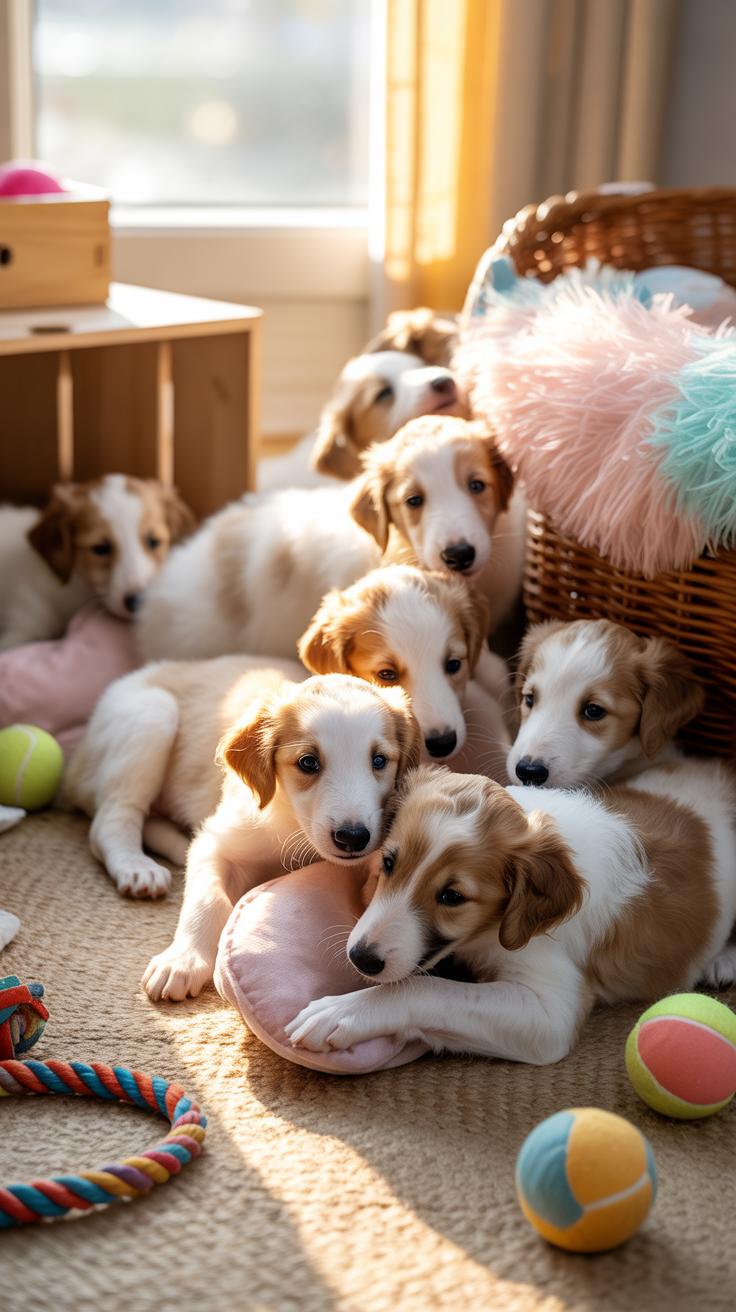
Newborn Borzoi arrive at weights between 15 and 22 ounces. These puppies feature blunt muzzles and soft ears. They do not resemble the elegant adults yet. Their bones are mostly cartilage at this stage. This protects them during birth. Breeders must monitor daily weight gains to ensure health. Stable growth indicates a strong latch and sufficient milk intake from the mother.
The skeletal structure of a Borzoi puppy is unique among sighthounds. Their chests are flat rather than deep during these first weeks. Their coats are short and velvety. This fur will eventually grow into a heavy silken coat. Breeders focus on keeping the puppies warm because they cannot regulate body temperature. Heat lamps or nesting boxes are essential tools. These physical traits support rapid bone elongation later.
Early Developmental Milestones: Eyes, Ears, And Mobility In The First Two Months
Borzoi puppies start life blind and deaf. Their eyes usually open between 10 and 14 days. Vision is blurry at first. Ear canals open shortly after the eyes. By three weeks, puppies begin to perceive noise and moving shapes. Socialization starts now. They learn to recognize the breeder and their littermates. This sensory input is vital for their future as stable hunting companions.
Mobility increases rapidly during weeks four through eight. Puppies transition from crawling to a wobbly trot. They grow their first set of sharp teeth around week three. This allows them to start eating solid gruel. By week eight, they show the classic sighthound instinct to chase. Their coordination improves every day. They are now ready to leave the mother and enter their permanent homes for specialized training.

Borzoi Puppy Growth Chart Month By Month Weight And Height Progression
Borzoi Puppy Height Guide: Tracking Shoulder Height From 2 To 12 Months
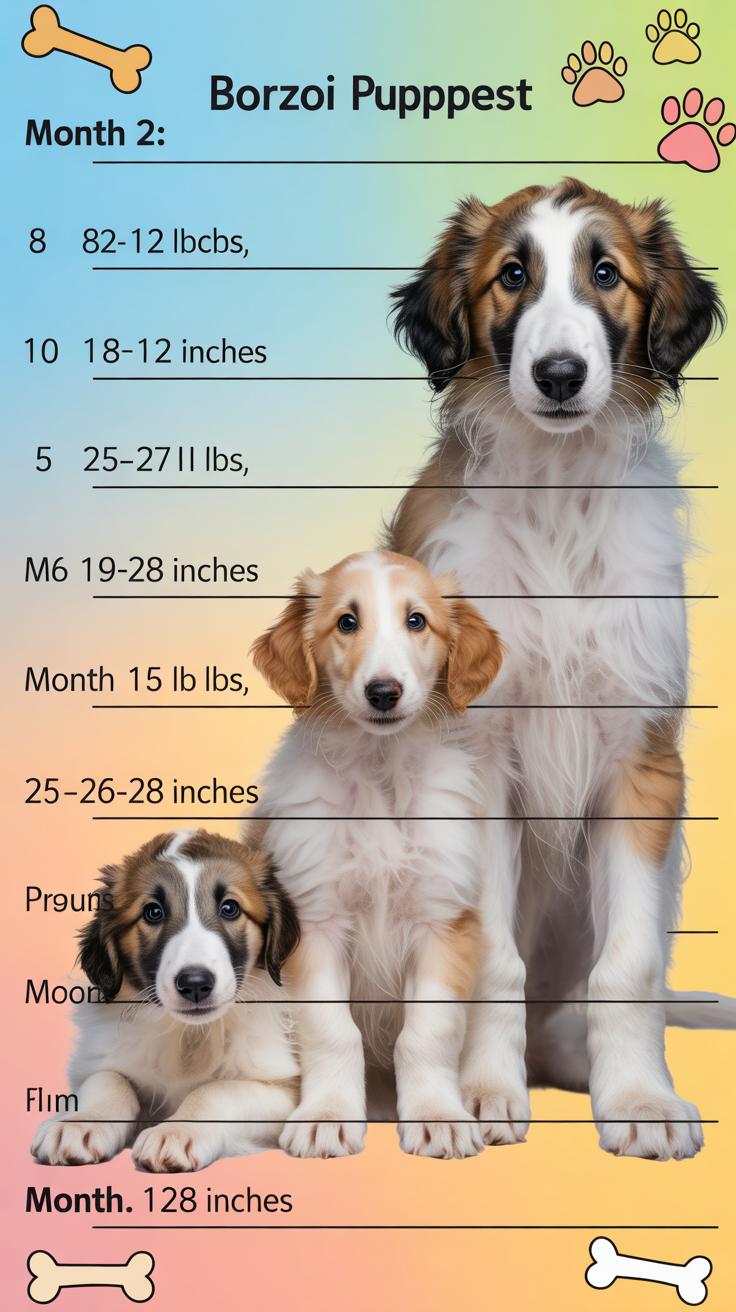
A Borzoi puppy starts between 8 and 11 inches tall at 8 weeks. This sighthound grows rapidly during the first 6 months. By 4 months, most reach 18 to 22 inches at the shoulder. They possess long leg bones that require steady growth. Rapid plate closure is not the goal here. Owners must track height to ensure skeletal development stays on a consistent upward curve.
By 9 months, the puppy nears its adult height but lacks physical density. Males typically stand 26 to 28 inches at this stage. Females remain slightly shorter. Growth slows down significantly after month 10. While height plateaus near the first year, minor changes occur until age 2. Expect the final height to range between 26 and 30 inches depending on its biological sex and lineage.
Average Weight Ranges For Borzoi Dog Puppies At Each Stage Of Growth
Standard weight for an 8 week old puppy ranges from 10 to 20 pounds. Sustained weight gain is critical during the first half of the year. A 4 month old Borzoi usually weighs between 35 and 50 pounds. This breed must stay lean to protect developing joints. Excess body fat puts dangerous stress on the fast growing radius and ulna bones during early development.

Weight gain continues steadily until the 18 month mark. A 6 month old puppy often hits 55 to 65 pounds. Adult males eventually weigh 75 to 105 pounds while females stay between 60 and 85 pounds. Do not overfeed to force size. Borzoi are naturally thin sighthounds. Heavy feeding leads to bone deformities. Focus on a slow and lean growth trajectory for long term health.
The Russian Wolfhound Puppy Growth Timeline Key Phases Explained
Juvenile Phase (3–6 Months): Rapid Bone And Muscle Development In The Russian Wolfhound Puppy
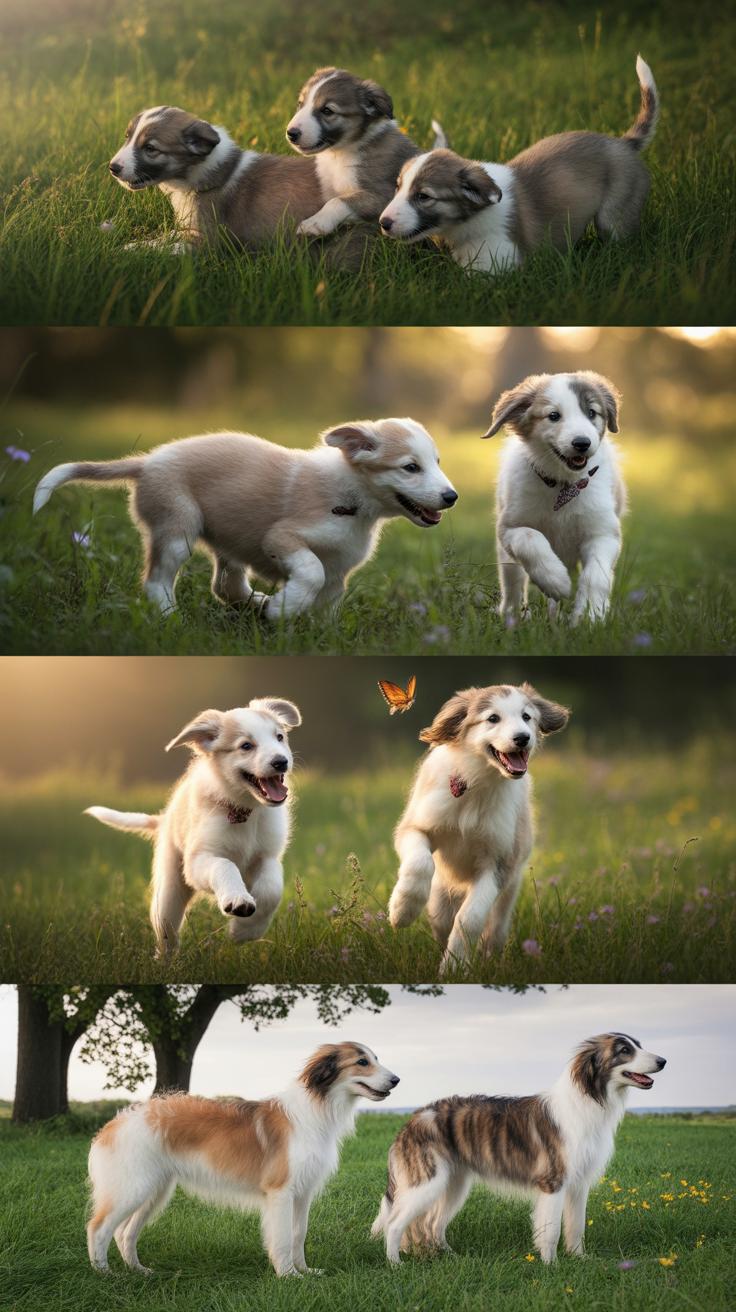
Borzoi puppies experience extreme skeletal growth during this window. Long bones in the legs lengthen at an unsustainable rate. Owners must monitor caloric intake to prevent orthopedic issues. Excessive calcium or protein causes bone spurs and joint misalignment. The puppy looks disjointed because the front and rear grow at different speeds. Keep exercise low impact to protect soft growth plates at the joints.
Muscle mass begins to catch up to the skeletal frame by the fifth month. The chest remains narrow while the legs gain significant height. This stage requires high-quality fuel without overfeeding. Fat puppies face lifelong structural damage. Soft tissues cannot support excess weight on a rapidly expanding frame. Monitor the ribs. You should feel them easily under the skin but not see them protruding sharply.
Adolescent Phase (6–18 Months): When The Borzoi’S Lean Sighthound Frame Really Takes Shape
Growth slows down but stays consistent during this period. The dog reaches its final height by twelve months. Filling out takes much longer. The deep chest and arched loin become prominent as the rib pack expands. This phase transitions the puppy from a lanky juvenile to a functional sighthound. Bone density increases significantly. Growth plates in the long bones finally close toward the end of this range.

The coat undergoes a massive transition during these months. Silky adult hair replaces the fuzzy puppy down. You will notice the characteristic feathering on the tail and legs. Hormonal changes impact both physical appearance and mental focus. Males typically develop more heavy bone and mass than females. Do not rush high-intensity running. Wait for full structural maturity before starting any rigorous lure coursing or competitive athletic training.
How Adult Borzoi Development Differs From The Puppy Growth Stage
When Do Borzois Stop Growing? Understanding Full Physical Maturity
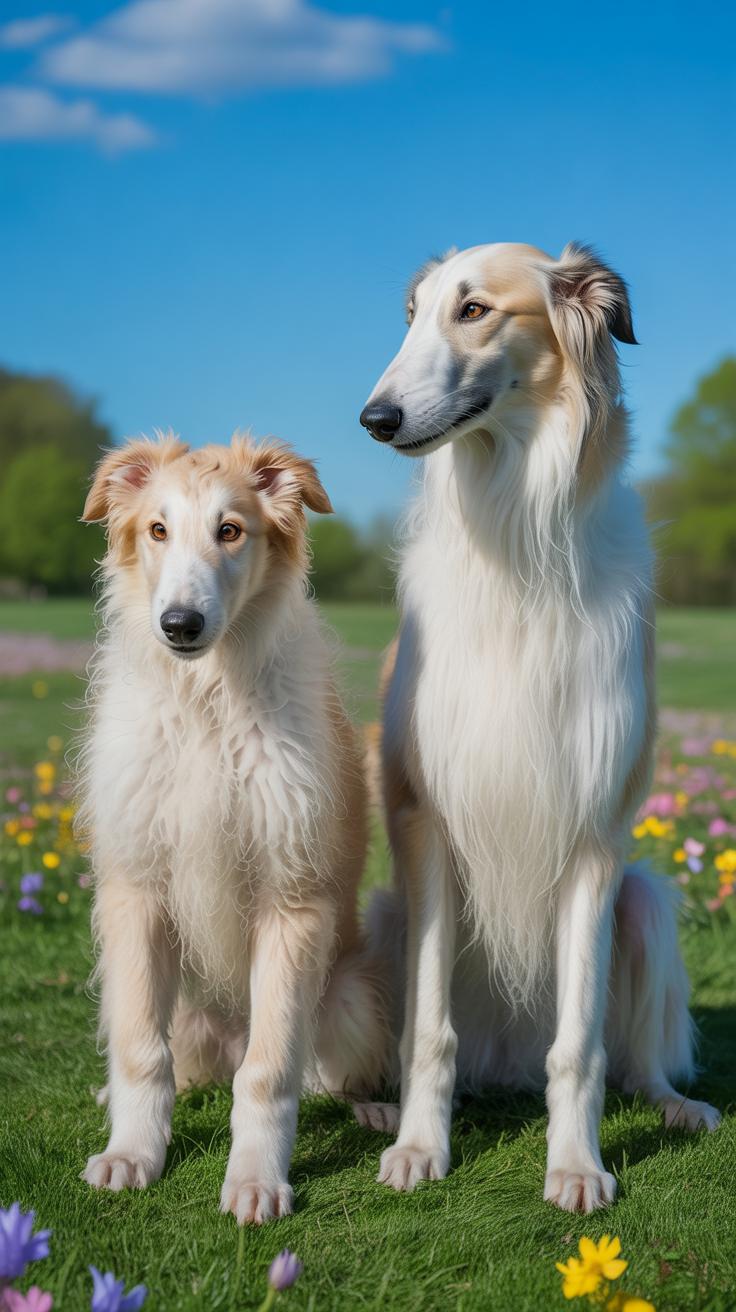
The Borzoi is a slow-maturing sighthound. While they reach their full height by eighteen months, skeletal maturity takes longer. Growth plates in the long bones do not fuse until the dog is around two years old. Owners often mistake height for finished growth. You must manage caloric intake and exercise impact carefully until the dog reaches three years of age for safe bone density development.
Physical maturity involves more than bone length. Muscle mass and ligament strength continue to develop well into the third or fourth year. This stage defines the transition from a lanky juvenile to a functional athlete. Do not expect your dog to look like a finished adult until this window closes. Rushing high-impact activity before this point risks permanent joint damage. True maturity is a slow and steady process.
Comparing Puppy Proportions To Adult Body Structure: Coat, Chest Depth, And Leg Length
Puppy proportions prioritize leg length over body depth. Young Borzois appear leggy and uncoordinated because their limbs grow faster than their chests. An adult Borzoi features a deep brisket that reaches the elbows to facilitate lung capacity. This chest drop happens gradually as the rib cage matures. You will observe a shift from a rectangular profile to the classic deep-chested sighthound silhouette over several years.
Coat development also marks a significant change between stages. Puppies have soft, fuzzy fur that offers little protection. The adult silky coat, including the characteristic neck ruff and feathering, takes three years to fully bloom. Hormonal changes and age dictate the density and length of this protective layer. This coat is functional, designed for speed and wind resistance in cold climates. Adult structure focus remains on power and efficiency.
Nutrition And Feeding Guidelines For Borzoi Dog Puppies At Every Growth Stage
What To Feed Borzoi Puppies: Protein, Caloric Needs, And Large Breed Puppy Formulas
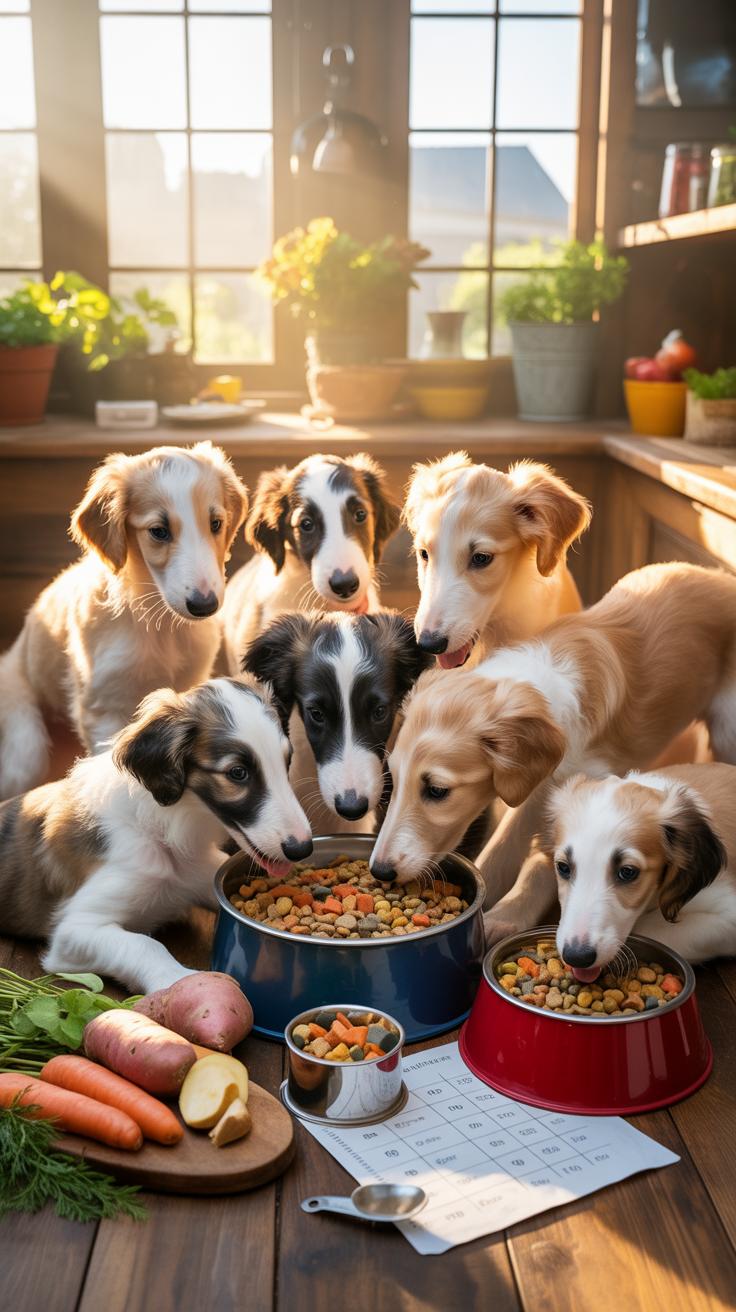
Borzoi puppies grow rapidly and require high-quality large-breed puppy formulas. These formulas manage calcium-to-phosphorus ratios to prevent skeletal deformities like hip dysplasia. You must prioritize animal-based proteins to build lean muscle on their long frames. Avoid high-calorie diets that cause sudden weight spikes. Excess weight puts dangerous stress on soft bones and developing joints. Monitor calorie intake to ensure steady and controlled growth patterns.
Puppies need three to four small meals daily to maintain energy levels. This frequent feeding schedule also helps prevent gastric torsion or bloat. This condition is a major health risk for deep-chested sighthounds. Do not supplement with extra calcium or minerals if using a balanced commercial diet. Over-supplementation leads to permanent bone damage. Keep the puppy thin enough to feel the ribs but not see them.
Transitioning Borzoi Dog Puppies From Puppy Food To An Adult Diet Safely
Most Borzoi puppies reach skeletal maturity between twelve and eighteen months. Transition them to adult food during this window to slow down growth rates. Continuing puppy food too long provides excessive energy that leads to orthopedic issues. Look for adult formulas specifically designed for active large breeds. These foods usually contain lower fat percentages than puppy versions. Always make nutritional changes slowly over ten days.

Mix a small portion of adult food with the puppy food initially. Increase the adult food ratio every two days until the switch is complete. This method prevents digestive upset and diarrhea. Watch for signs of allergies or coat changes during the switch. A healthy Borzoi should have a clear skin and a glossy coat. Consult with your breeder or vet if you notice sudden weight loss or lethargy.
Borzoi Dog Care Tips For Supporting Healthy Growth In Puppies And Adults
Exercise Boundaries For Growing Borzois: Protecting Developing Joints And Growth Plates
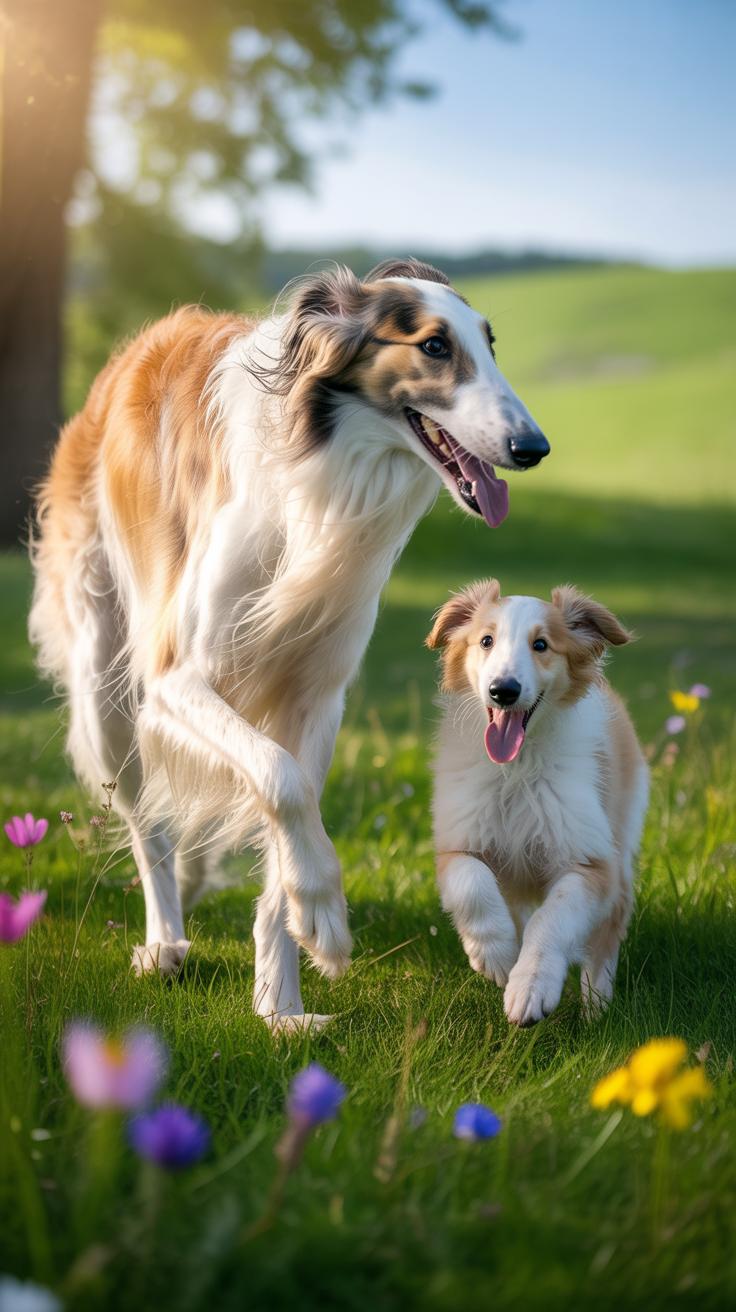
Borzoi puppies grow at an extreme rate during their first year. Their long limbs contain growth plates that remain open and vulnerable to injury. High impact activities like jumping or long distance running cause permanent joint damage. You must restrict exercise to short walks and free play on soft surfaces. Hard pavement or repetitive stairs increase the risk of skeletal deformities and future hip issues.
Adult Borzois require significant space to reach full speed. However, you should never allow forced running until the dog reaches two years of age. This delay ensures the growth plates have fully fused. Monitor your dog for signs of fatigue or limping after activity. Always provide a soft bed to prevent hygromas on their elbows. Controlled movement builds necessary muscle without overstressing the delicate sighthound skeletal structure.
Watching a Borzoi outgrow its puppy chart is like seeing a whimsical sketch bloom into a masterpiece of living art. The gangly strides of youth eventually surrender to a quiet, breathtaking elegance that defines the soul of the breed.
Veterinary Care, Vaccinations, And Health Screening Recommendations By Growth Stage
Puppies require a rigorous medical schedule to survive common canine pathogens. Your veterinarian will establish a baseline for your Borzoi through physical exams and blood work. Early intervention prevents minor issues from becoming lifelong chronic conditions. You must prioritize cardiac and thyroid screenings as the dog matures. These specific health checks detect breed specific vulnerabilities before they become critical or life threatening for your animal.
- Core Vaccinations: Administer Distemper, Parvovirus, and Adenovirus vaccines in a series starting at six weeks. These shots prevent highly contagious and often fatal diseases. Boosters occur every one to three years depending on local laws and veterinary advice to maintain high immunity levels throughout the dog’s life.
- Rabies Protocol: Provide the first Rabies shot between twelve and sixteen weeks of age. This vaccination is a legal requirement in most regions. It protects both the dog and the public from a zoonotic virus that has no cure once symptoms appear in the animal.
- OFA Cardiac Exams: Schedule an echocardiogram or advanced cardiac screening once the Borzoi reaches adulthood. The breed is susceptible to heart conditions like cardiomyopathy. Early detection through these specific tests allows for medical management that can significantly extend the life expectancy of your sighthound.
- Thyroid Testing: Perform full thyroid panels annually starting at two years of age. Autoimmune thyroiditis is common in many large sighthound breeds. Monitoring these levels ensures your dog maintains proper metabolism and skin health. It also helps prevent behavioral changes often associated with low thyroid function.
- Hip and Elbow Evaluation: Submit X-rays to the Orthopedic Foundation for Animals after the dog is twenty-four months old. These scans confirm the absence of dysplasia in the joints. Obtaining these clearances is essential if you plan to participate in performance sports or any form of sanctioned breeding program.

Preventative care extends beyond simple shots to include strict parasite control. Heartworm and flea prevention are mandatory for maintaining overall health. Borzois have a unique sensitivity to certain anesthesia types due to low body fat. Always discuss sighthound specific protocols with your vet before any surgical procedure. Proper medical management during the growth phase sets the foundation for a healthy and mobile adult dog.
Common Growth Concerns In Borzois Puppy Development And How To Address Them
Signs Of Healthy Vs. Stunted Growth: What Borzois Puppy Owners Should Monitor
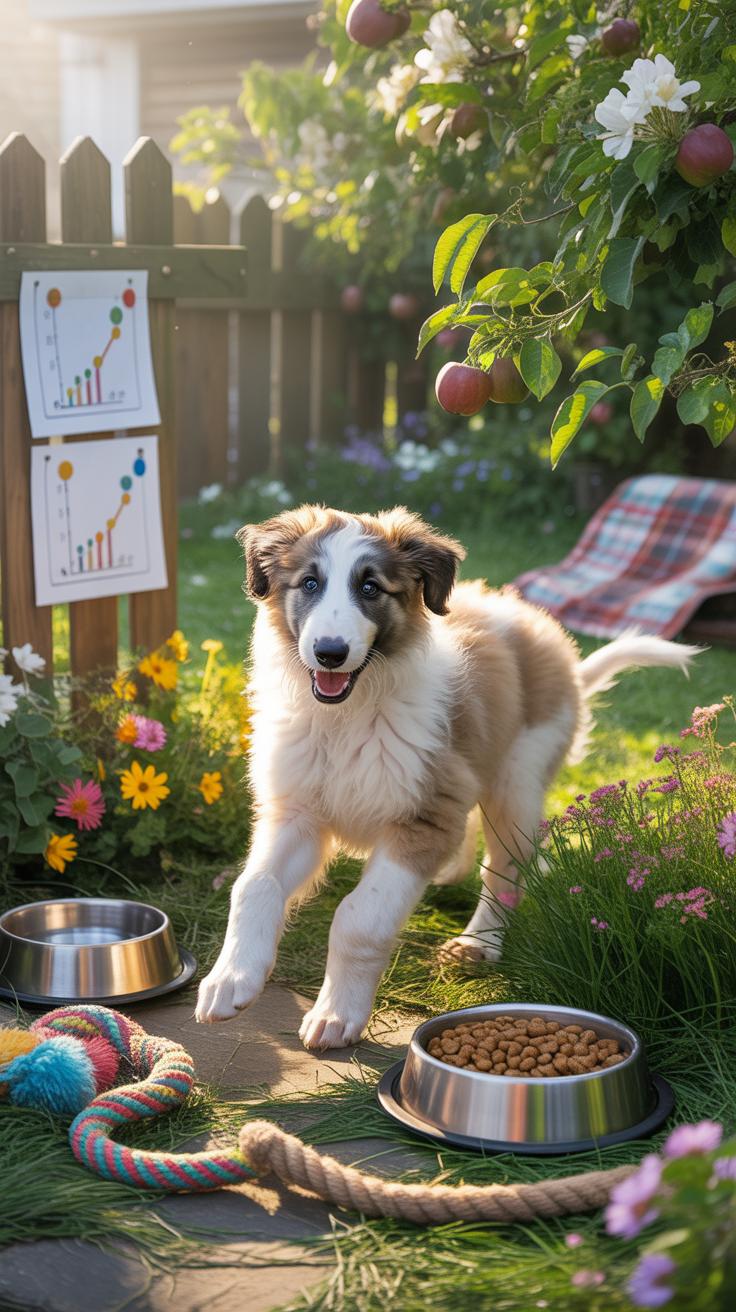
Healthy Borzoi growth requires steady upward progression without sudden weight spikes. You must monitor bone density and muscle attachment points. These sighthounds have thin skin that reveals their skeletal structure. You should feel the ribs but not see them prominently from a distance. Knobby joints are normal in young puppies. However, bulging or painful joints signal growth plate issues. Watch the gait carefully for fluid movement.
Stunted growth often stems from poor nutrition or parasitic heat. Internal parasites steal nutrients during critical development windows. If the puppy has a potbelly but thin limbs, act immediately. Check for a dull coat and lethargy as these indicate systemic failures. Provide high quality protein but limit calcium to prevent skeletal deformities. Consistent veterinary weigh-ins track the curve. Adjust caloric intake based on activity levels to maintain a lean frame.
Is There Such A Thing As A Mini Borzoi? Separating Myth From Breed Standard Facts
There is no such thing as a Mini Borzoi. This term is a marketing gimmick used by unethical breeders. The AKC breed standard requires males to stand at least 28 inches. Females must stand at least 26 inches. Anything smaller is an outlier or a crossbreed. Do not buy puppies marketed as miniatures. These dogs often have genetic defects or health problems.
History defines the Borzoi by its utility as a large game hunter. They needed size and speed to take down wolves in Russia. A smaller version would lack the leverage and stride length required for this work. Breeding for smaller size ignores centuries of functional evolution. It compromises the structural integrity of the sight hound profile. Stick to established breeders who follow the official height and weight standards.
Socializing And Training Borzoi Puppies As They Grow Into Adult Dogs
Critical Socialization Windows For Borzoi Puppies: Building Confidence From An Early Age
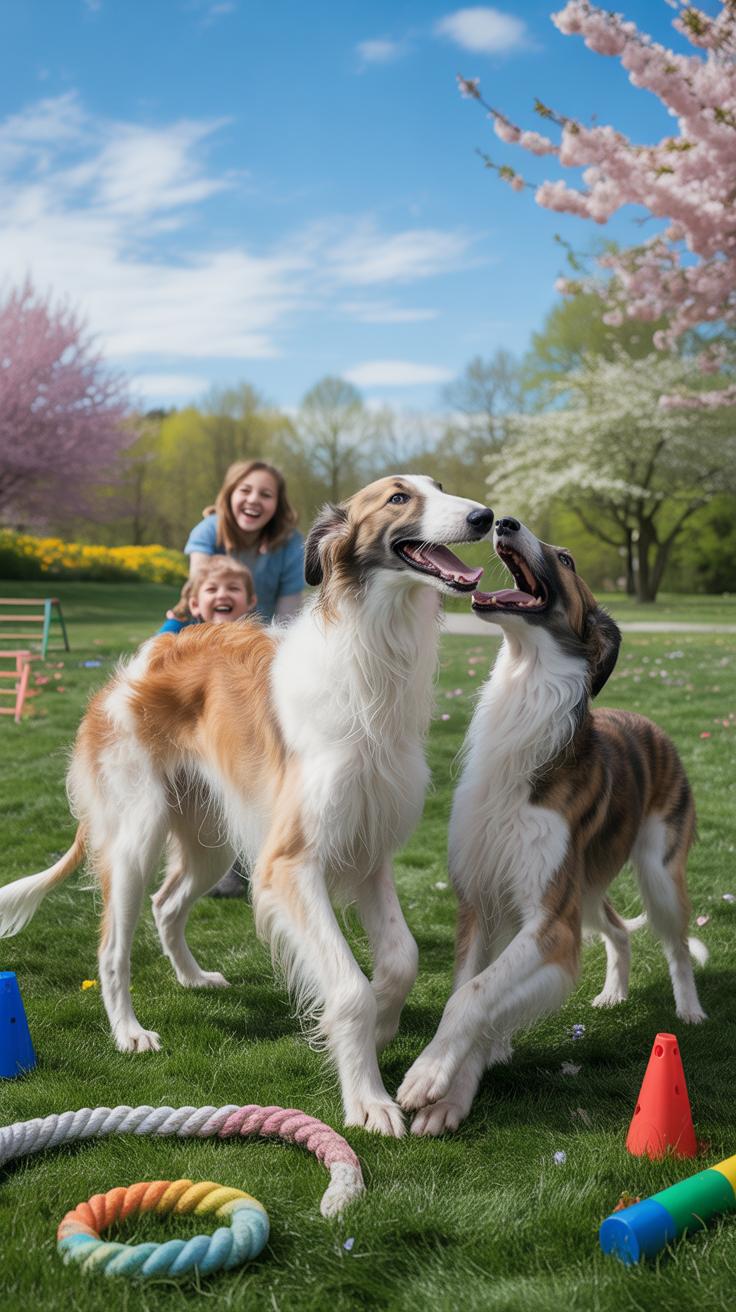
The primary socialization window closes by sixteen weeks. You must expose Borzoi puppies to diverse sights and sounds immediately. This breed naturally tends toward aloofness and caution. Failure to act now results in a fearful adult. Fear leads to flight responses or defensive aggression. Take your puppy to high traffic areas. Ensure all meetings with strangers stay positive and controlled.
Borzoi are sighthounds bred for the hunt. Their instinct to chase moving objects is hardwired. You must socialize them with small dogs and cats early. Without this, your adult dog will view smaller pets as prey. Desensitize them to touch on their long limbs and paws. This prevents grooming issues later in life. Consistent exposure builds a stable dog that handles new environments without panic.
Training Tips Tailored To The Borzoi’S Independent Sighthound Temperament At Each Life Stage
Training a Borzoi requires a shift in mindset. They do not live to please you like a retriever. They think for themselves and ignore repetitive commands. Keep sessions short and high value. Use food or toys to maintain focus. Harsh corrections will cause the dog to shut down completely. Focus on building a partnership based on trust and clear expectations.
- Recall Limitations: Never trust a Borzoi off leash in open areas. Their hunting drive overrides all training when they see motion. Use a long lead for exercise in unsecured spaces.
- Positive Reinforcement: Use high reward treats to counter their natural stubbornness. Borzoi respond best to praise and food rather than physical pressure. Reward the behavior you want immediately to ensure they make the correct association.
- Short Sessions: Limit formal training to five or ten minutes. These dogs lose interest quickly once they master a concept. Moving too slowly causes them to disengage and ignore your cues entirely.
- Leash Manners: Start loose lead training the day you bring them home. An adult Borzoi is powerful enough to pull a grown human off balance. Teach them to walk calmly before they reach their full weight.
- Threshold Training: Teach your puppy to wait at doors and gates. This prevents them from bolting into dangerous situations or traffic. High impulse control is the most tactical skill you can teach this specific breed.
Adolescence brings a second wave of testing boundaries. Your puppy might suddenly ignore commands they previously knew. Stay patient and return to basic foundations. Increase the value of rewards during this phase to keep them engaged. As they reach physical maturity, their focus improves. A well trained adult Borzoi is quiet and dignified in the home but always ready for speed.
Frequently Asked Questions

How long does it take for a Borzoi to reach its full adult size?
While most small breeds finish growing by their first birthday, the Borzoi is a slow-maturing giant. Expect your borzoi puppy growth journey to span roughly 18 to 24 months. While they typically reach their full height by one year, they will continue to “fill out,” gaining muscle mass and developing their deep chest well into their second year. Patience is key when watching these elegant sighthounds mature into their final proportions.
How can I use a growth chart to ensure my puppy is developing correctly?
Using a borzoi puppy growth chart is a helpful way to track milestones, but remember that individual genetics vary. Focus on steady, incremental weight gain rather than rapid spikes, which can stress developing joints. Check your puppy’s ribs weekly; you should be able to feel them easily without a thick layer of fat. If your dog falls significantly outside the average ranges, consult your veterinarian to adjust their specialized large-breed puppy formula.
Is raising a Borzoi puppy more expensive than other large breeds?
Raising this breed requires a specific budget for high-quality nutrition and veterinary care. Because they grow so rapidly yet take a long time to mature, they require premium large-breed puppy food to prevent orthopedic issues. Additionally, as they reach adult size, costs for preventative gastrointestinal procedures, like a gastropexy, and high-quality bedding should be considered. Investing in their development early on helps avoid significant medical expenses as they age into adulthood.