
What Is Pet Behavior Science And Why It Matters For Dog Behaviors
The Biological And Evolutionary Roots Of Canine Behavior
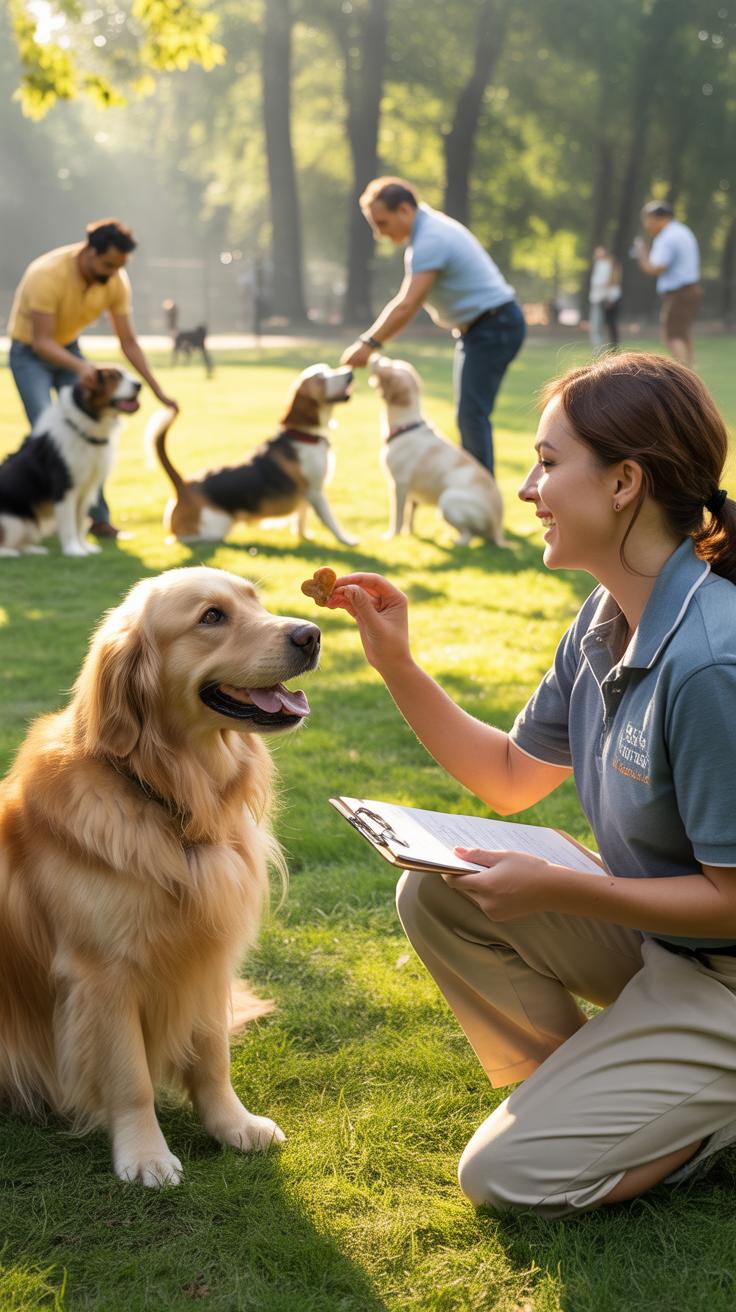
Modern dog behavior stems from the biology of the gray wolf. Domestication started over 15000 years ago but did not erase primal instincts. Dogs still operate on survival drives like hunting and guarding territory. High energy levels and chasing smaller animals come from these old genes. You must view your dog as a predator living in a human home to understand their daily actions.
Genetic selection by humans created different breed traits. Shepherds herd because we emphasized their prey drive without the final kill bite. Terriers dig because we bred them to find underground vermin. Pet behavior science explained simply means looking at the DNA of the animal. You cannot fight biology with simple commands. You must provide outlets for these deep instincts to prevent destructive behavior in the house.
How Behavioral Science Helps Owners Decode What Their Dog Is Communicating
Behavioral science focuses on observable actions and body language. Dogs do not use logic like humans do. They use signals to show stress or comfort. Licking lips or yawning often means a dog feels anxious or pressured. When you learn these signs you stop guessing what your dog wants. This data allows you to fix problems before they start. Precise observation leads to better training results.
Science shows that dogs learn through consequences and associations. This is called operant and classical conditioning. If a dog gets a treat for sitting they will sit more often. If a vacuum scares them they may bark at all loud noises. Understanding this prevents you from blaming the dog for being stubborn. You are not a pack leader. You are a trainer who manages the environment to shape better habits.

Reading The Signs Dog Behavior Meaning Behind Common Confusing Actions

Why Dogs Tilt Their Heads, Chase Their Tails, And Stare Intensely
Dogs tilt their heads to improve audio perception and visual clarity. Recent studies suggest this movement helps adjust the outer ear to locate sounds. It also moves the muzzle out of the line of sight. This allows the dog to read human facial expressions better. Dogs use this tactic when they hear words or tones they associate with specific rewards or tasks.
Staring serves as a communication tool or a hunting vestige. Intense eye contact releases oxytocin in both the dog and the owner. This chemical bond strengthens social ties. Tail chasing often stems from boredom or a lack of mental stimulation in younger animals. However, constant chasing may indicate a medical issue or a compulsive disorder. Watch for frequency to determine if the behavior requires intervention.
The Science Of Zoomies, Circling, And Other Repetitive Dog Movements
Zoomies represent Frenetic Random Activity Periods or FRAPs. These bursts of energy happen after a dog experiences high stress or long periods of physical restraint. The body releases pent-up tension through rapid running. Common triggers include baths, grooming sessions, or the dog waking up from a long nap. This physical ritual allows the canine to reset its nervous system and return to a calm state.

Circling before lying down is an ancestral survival instinct. Wild ancestors flattened grass and drove away pests by walking in tight circles. This action also tests the ground for stability and hidden predators. When a dog circles before defecating, it aligns itself with the magnetic field of the Earth. Research confirms dogs prefer a north-south axis for this task. These movements are deeply rooted in canine evolutionary biology.
The Role Of Dog Wellness In Shaping Everyday Behavior
How Physical Health Conditions Can Trigger Unusual Or Alarming Behaviors
Physical pain often dictates sudden changes in dog behavior. A calm dog might snap or bite if it suffers from undiagnosed joint inflammation or dental disease. Veterinary science confirms that animals mask pain as a survival instinct. By the time an owner notices a behavioral shift, the medical issue is usually advanced. Sudden aggression or irritability often signals a physiological problem rather than a personality flaw.
Internal imbalances also drive strange actions. Thyroid dysfunction or neurological disorders can cause a dog to pace, stare at walls, or act disoriented. Metabolic issues like kidney disease often increase thirst and lead to accidents in the house. Owners must treat these actions as symptoms of illness. Resolving the underlying health condition usually corrects the behavior. Always rule out physical discomfort before attempting expensive behavioral training.
The Connection Between Mental Stimulation Stress And Behavioral Wellbeing
Mental health directly affects how a dog interacts with its environment. Boredom creates chronic stress in working breeds with high cognitive needs. This stress manifests as destructive chewing, excessive barking, or repetitive grooming. A dog lacks the tools to self-soothe in a static environment. Enrichment activities force the brain to work and lower cortisol levels. High cortisol leads to hyper-reactivity and poor impulse control in daily life.

Chronic stress alters the brain structure of a dog over time. Lack of mental outlets forces the animal to find its own stimulation. This often leads to digging or escaping the yard. Providing puzzles and scent work satisfies hunting instincts. These activities lower its heart rate and improve sleep quality. A resting dog is less likely to show anxiety or fear-based aggression. Wellness requires both a healthy body and a busy mind.
Early Instincts And Puppy Development Why Young Dogs Act The Way They Do

Critical Socialization Windows And Their Lasting Impact On Adult Dog Behavior
Puppies experience a vital neurological phase between three and fourteen weeks of age. This window determines how the brain processes external stimuli for the rest of the dog’s life. During this period, the brain builds neural pathways based on environmental exposure. If a puppy does not encounter common sights and sounds now, it will likely view them as threats during adulthood.
Missing this developmental period causes permanent behavioral deficits. Dogs deprived of early variety often develop chronic fear and reactivity. You cannot fully compensate for poor early socialization once the window closes. Science shows that puppies need positive encounters with different people, surfaces, and environments. This exposure builds a stable foundation for a confident adult dog. Owners must prioritize these interactions immediately.
Mouthing, Biting, And Play Aggression In Puppies: What The Science Says
Young dogs use their mouths as their primary sensory tool. They lack hands to explore objects and social boundaries. When puppies bite, they are testing the physical limits of their environment and their peers. This behavior is biologically driven exploration, not true aggression. Litters naturally teach each other bite inhibition. A puppy learns to control jaw pressure when its siblings yell or stop playing.

Owners often mistake this exploratory behavior for dominance or anger. In reality, the puppy is seeking feedback on its physical power. Science confirms that play biting facilitates proper social development and jaw control. Punishing this behavior creates confusion and fear. Instead, redirect the puppy to appropriate items. Providing clear feedback helps the dog learn which materials are acceptable for chewing. This process ensures a safe adult mouth.
The Psychology Of Dog Potty Training What Owners Often Get Wrong
How Dogs Actually Learn Elimination Habits Through Association And Routine
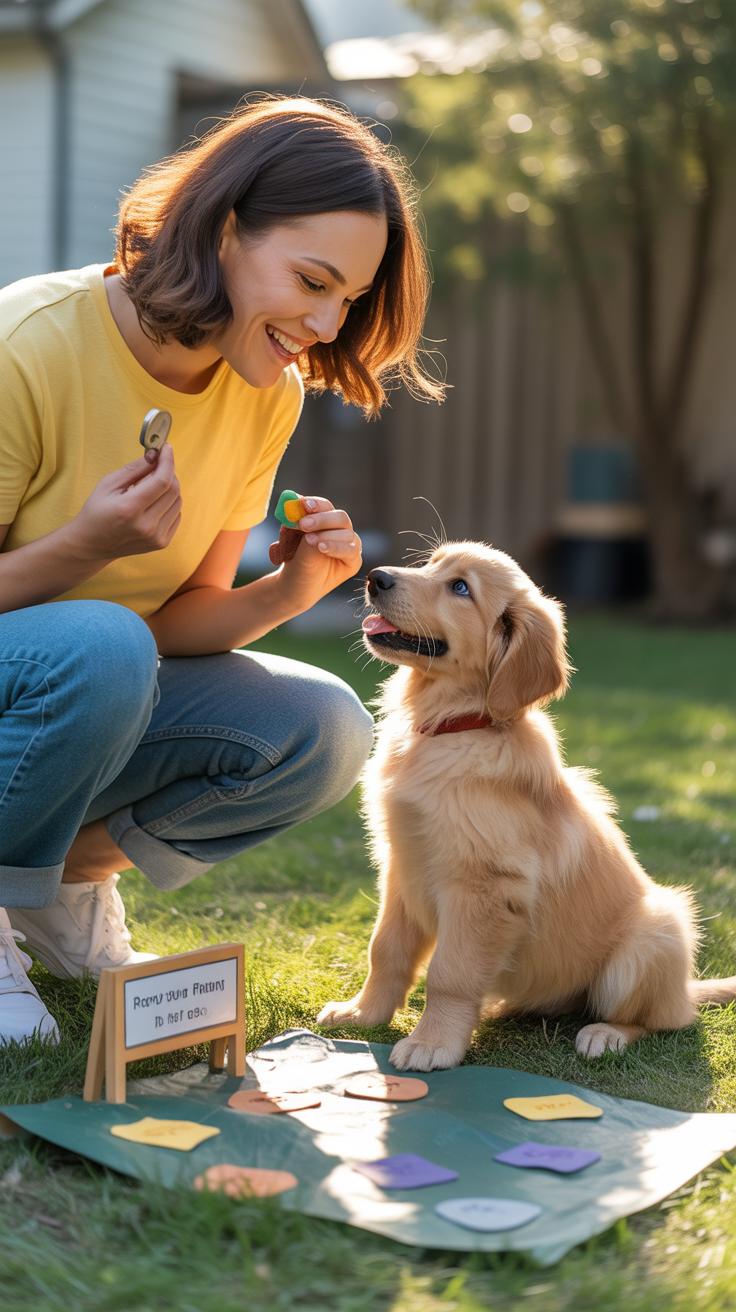
Dogs learn through classical and operant conditioning. They associate specific surfaces like grass or gravel with the act of elimination. This is called substrate preference. When a dog feels a certain texture under its paws, it triggers the biological urge to go. You must reinforce this link immediately with high-value rewards. Timing is critical because dogs live in the present and cannot link past actions to current rewards.
Maintaining a strict schedule regulates the canine digestive system. Routine creates predictability for the animal. Dogs have limited bladder control during biological development stages. Feeding at the same time every day ensures predictable elimination windows. You must physically supervise the dog during these windows to capture the behavior. Success relies on your ability to manage the environment and prevent random associations with indoor surfaces like rugs or wood floors.
Why Accidents Happen And The Science Behind Regression In Potty Training
Regression usually stems from medical issues or environmental stress. Urinary tract infections or parasites cause physical urgency that overrides previous training. Sudden changes in the household also trigger cortisol spikes. High stress affects a dog’s executive function and memory. Do not assume the dog is being defiant. Science proves dogs lack the cognitive capacity for spite. They simply react to internal or external biological pressures.

Incomplete scent removal often causes repeat accidents in the same spot. Standard cleaners fail to break down uric acid crystals. Dogs have a powerful sense of smell and seek out these pheromone markers. Use enzymatic cleaners to eliminate these chemical signals entirely. If the scent remains, the dog views that indoor area as a designated latrine. Strict management and deep cleaning are the only ways to break this cycle once it starts.
Positive Reinforcement The Science Backed Method That Shapes Dog Behavior
How Operant Conditioning And Reward Based Learning Work In The Canine Brain
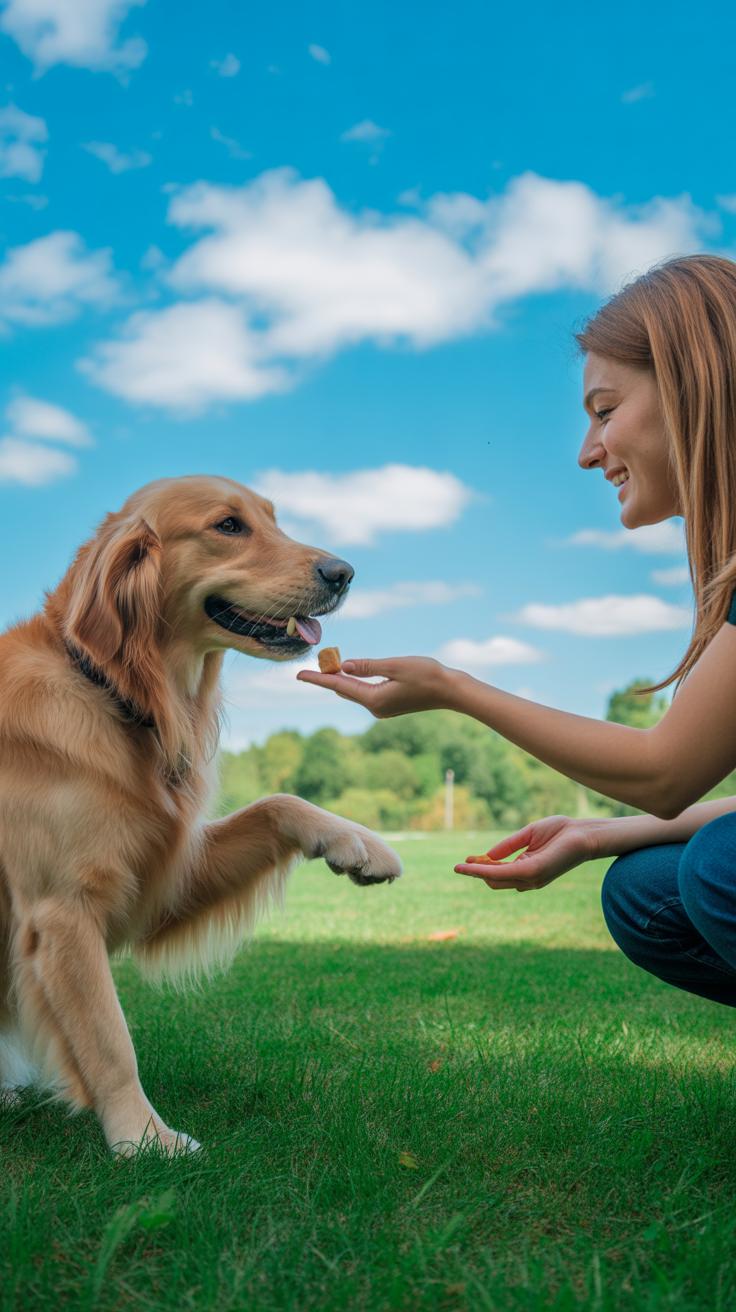
Operant conditioning relies on the relationship between an action and its consequence. When a dog performs a specific behavior and receives a reward, the brain releases dopamine. This chemical signal strengthens the neural pathways associated with that action. Positive reinforcement focuses on adding a desirable stimulus to increase the frequency of a behavior. This makes the dog a willing participant in the learning process.
The canine brain prioritizes outcomes that lead to survival or comfort. By timing the reward precisely, you mark the exact movement you want the dog to repeat. This creates a clear communication loop between the owner and the animal. Dogs learn to offer behaviors voluntarily to trigger the reward. Consistency in this method builds a reliable response and increases the speed of memory retention during training.
Why Punishment Based Approaches Often Backfire According To Behavioral Research
Punishment-based methods rely on fear and physical discomfort to stop unwanted actions. Research shows these techniques often lead to unintended high stress levels. A dog in a state of fear cannot process new information efficiently. They may stop the behavior in the moment but fail to learn the desired alternative. This creates a gap in communication that can lead to redirected aggression or shut-down behavior.

Aversive techniques frequently cause dogs to associate the punishment with the owner rather than the action. This erodes the bond of trust and leads to unpredictable responses in high-pressure situations. Behavioral science confirms that positive reinforcement is more effective for long-term reliability. Punishment only suppresses behavior without addressing the underlying emotional cause. This approach increases the risk of the behavior returning once the threat is removed.
Understanding The Hyper Dog The Science Behind Overexcitement And Arousal
What Causes High Arousal States In Dogs And How The Nervous System Is Involved
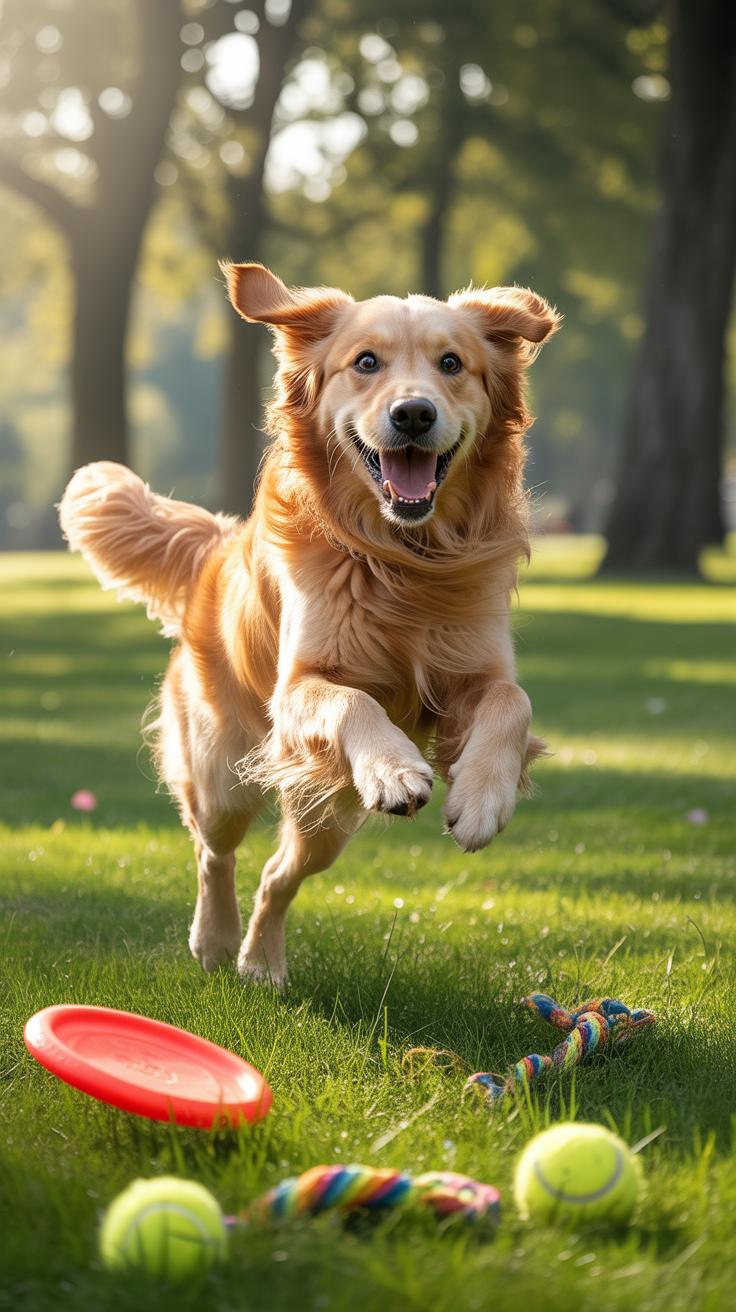
High arousal in dogs stems from the sympathetic nervous system. This system triggers the fight-or-flight response. When a dog encounters a stimulus, the brain releases cortisol and adrenaline. These hormones increase heart rate and blood flow to the muscles. The dog enters a state of physiological readiness. This response is not a choice. It is a biological reaction to environmental triggers.
The prefrontal cortex handles decision making and impulse control. High arousal shuts down this part of the brain. The primitive brain takes over during these spikes. Dogs cannot process complex commands when they are over threshold. Genetics and early socialization also play major roles. Some breeds have lower thresholds for stimulation. Understanding this biology is the first step toward effective pet behavior science explained.
Behind every mysterious head tilt and midnight zoomie lies a profound evolution of love written in their DNA. To understand the science of their quirks is to finally speak the silent language of our oldest friends.
Proven Tips For Dog Behavior Management When Dealing With An Overactive Dog
Behavior management requires controlling the environment to prevent chemical spikes. You must identify triggers before the dog reacts. Focus on lowering the heart rate through calm activities. Use scent work and licking to activate the parasympathetic nervous system. This system counters the stress response. Consistent routines help stabilize the dog. Aim for proactive intervention instead of reactive punishment.
- Environmental Management: Identify and remove triggers that cause immediate overexcitement. Use visual barriers like window film or fences to block stimulating sights. Reducing the number of daily stress events prevents the phenomenon known as trigger stacking in high energy dogs.
- Biological Fulfillment: Engage the dog in species-appropriate behaviors like sniffing and foraging. Scent work lowers the heart rate and provides mental exhaustion. These activities use the brain without spiking adrenaline like high impact games of fetch do.
- Impulse Control Training: Practice foundational exercises such as stays or waiting at doors. These drills strengthen the prefrontal cortex over time. Teaching a dog to wait for a reward builds the mental muscle required to remain calm during stressful situations.
- Relaxation Protocol: Reward the dog for choosing to lie down and relax. Use high-value treats to reinforce spontaneous calm behavior. This creates a positive association with stillness. Eventually, the dog learns that being quiet is more rewarding than being hyperactive.
- Scheduled Decompression: Provide regular periods of deep rest in a quiet space. Dogs need significant sleep to process cortisol and recover from daily activity. A crate or a dedicated room ensures the dog is not constantly interrupted by household movement.

Effective management shifts the focus from stopping movement to changing the emotional state. Stop using high-energy toys if the dog becomes obsessive. Substitute those toys with long-lasting chews or frozen mats. Physical exercise is necessary but insufficient on its own. Total exhaustion does not solve chronic arousal issues. You must train the brain to find a neutral state in every environment.
Practical Dog Training Tips Grounded In Behavioral Science
How To Apply Behavioral Science Principles To Your Daily Training Routine
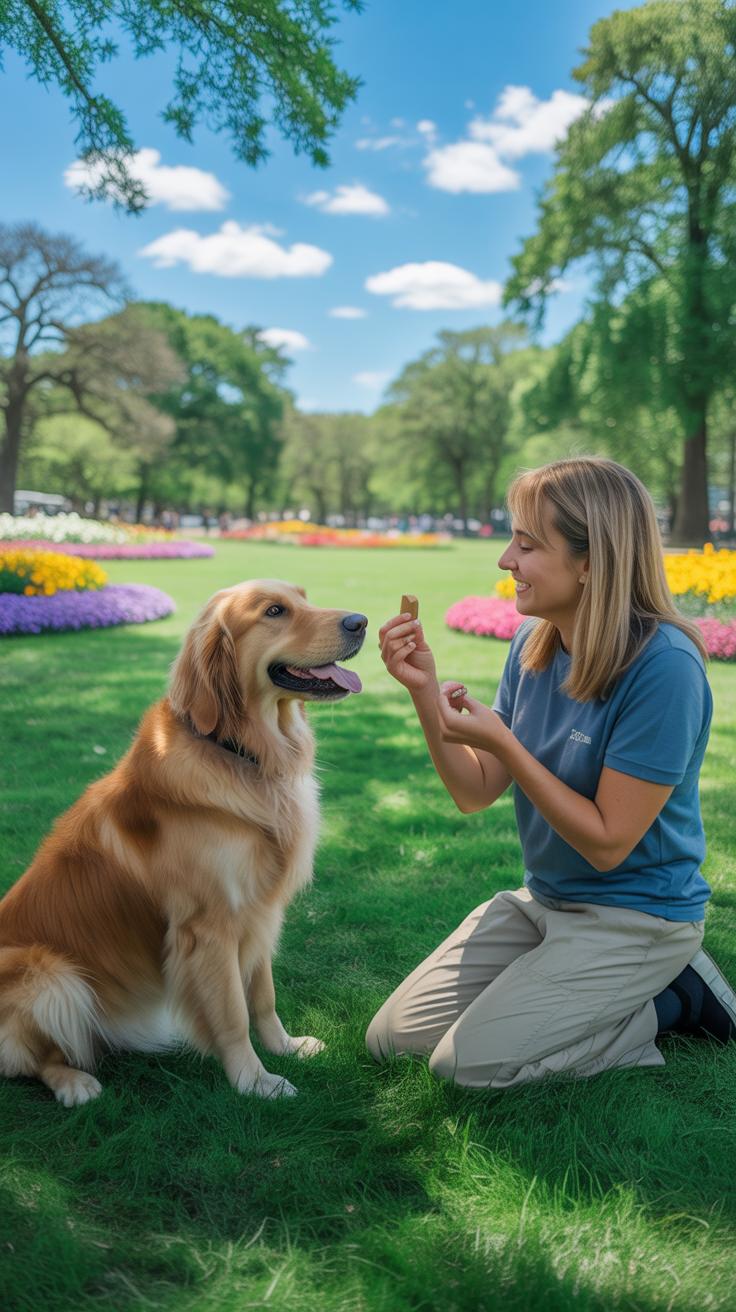
Behavioral science centers on operant conditioning to modify animal actions. You must identify specific triggers and consequences to change how your dog responds. Timing is the most critical factor in this process. You must deliver rewards within one second of the desired behavior. This immediate feedback creates a clear neurological link between the action and the positive reinforcement provided.
- Positive Reinforcement: Add a high-value stimulus immediately after the dog performs the correct command. This increases the probability of the behavior happening again. Use food, play, or praise as primary motivators to reinforce chemical pathways in the brain.
- Negative Punishment: Remove a desired stimulus like your attention or a toy when the dog performs an unwanted behavior. This reduces the frequency of that action without using physical force. This technique works best for stopping jumping or demand barking.
- Clicker Training: Use a distinct sound to mark the exact moment your dog performs the right task. This bridge signal tells the dog exactly what earned the reward. It eliminates confusion caused by the variable tones found in human speech patterns.
- Variable Reinforcement Schedules: Transition from rewarding every success to rewarding randomly once the dog learns a command. This keeps the dog engaged and makes the behavior more resistant to extinction. This mimics natural scavenging patterns where rewards are not always guaranteed.
- Counter Conditioning: Change a dog’s emotional response to a specific trigger by pairing it with something they love. If the dog fears the vacuum, provide treats only when the machine is present. This replaces a fear response with a positive association over time.
Consistency across all household members prevents cognitive dissonance in the dog. Animals thrive on predictable patterns and clear boundaries. Use the same verbal cues and hand signals every time to avoid confusing the animal. Short and frequent training sessions are more effective than long occasional ones. This approach respects the limited attention span of the canine brain and ensures better long-term retention.
When To Seek Professional Help Recognizing Behavior That Goes Beyond Training
Standard obedience training cannot fix deep-seated psychological issues rooted in genetics or trauma. You must recognize when a behavior stems from pathological anxiety rather than a lack of manners. If your dog shows extreme aggression or persistent self-mutilation, simple commands will not solve the problem. These cases require a clinical approach to address the underlying physiological triggers of the animal.

Certified Applied Animal Behaviorists or Veterinary Behaviorists offer specialized medical and psychological interventions. These professionals look at brain chemistry and environmental stressors that standard trainers might miss. Seeking help early prevents the behavior from becoming a permanent habit. Do not wait for a bite or a serious injury to occur before consulting an expert. Professional intervention ensures safety and provides a data-driven path to recovery.
Frequently Asked Questions

Why do pets exhibit strange habits like zooming or kneading?
These actions are actually rooted in survival instincts and biological needs. Zoomies, or Frenetic Random Activity Periods, allow animals to release pent-up energy or stress. Similarly, when cats knead blankets, they are mimicking a childhood comfort behavior used to stimulate milk flow. Understanding this pet behavior science explained helps owners realize that these quirky movements are healthy, natural expressions of your animal’s internal emotional state and physical well-being.
How can I use science to stop my pet from acting out at home?
To address unwanted habits effectively, you must focus on positive reinforcement and environmental enrichment. Science shows that animals respond better to rewards than punishment. Try identifying the root cause, such as boredom or anxiety, and provide interactive toys that satisfy their natural predatory instincts. When you have this pet behavior science explained, you can create a structured routine that reduces stress and encourages much calmer, more predictable responses from your furry friend.
Is professional behavioral therapy necessary for every confusing pet habit?
Not every unusual quirk requires an expensive specialist. Many common issues can be managed at home using free online resources and consistent training techniques. By observing your pet’s body language and researching the biological reasons behind their actions, you can often solve minor behavioral puzzles yourself. Professional help is best reserved for cases involving aggression or severe distress, but basic understanding is accessible to every owner regardless of their current budget.