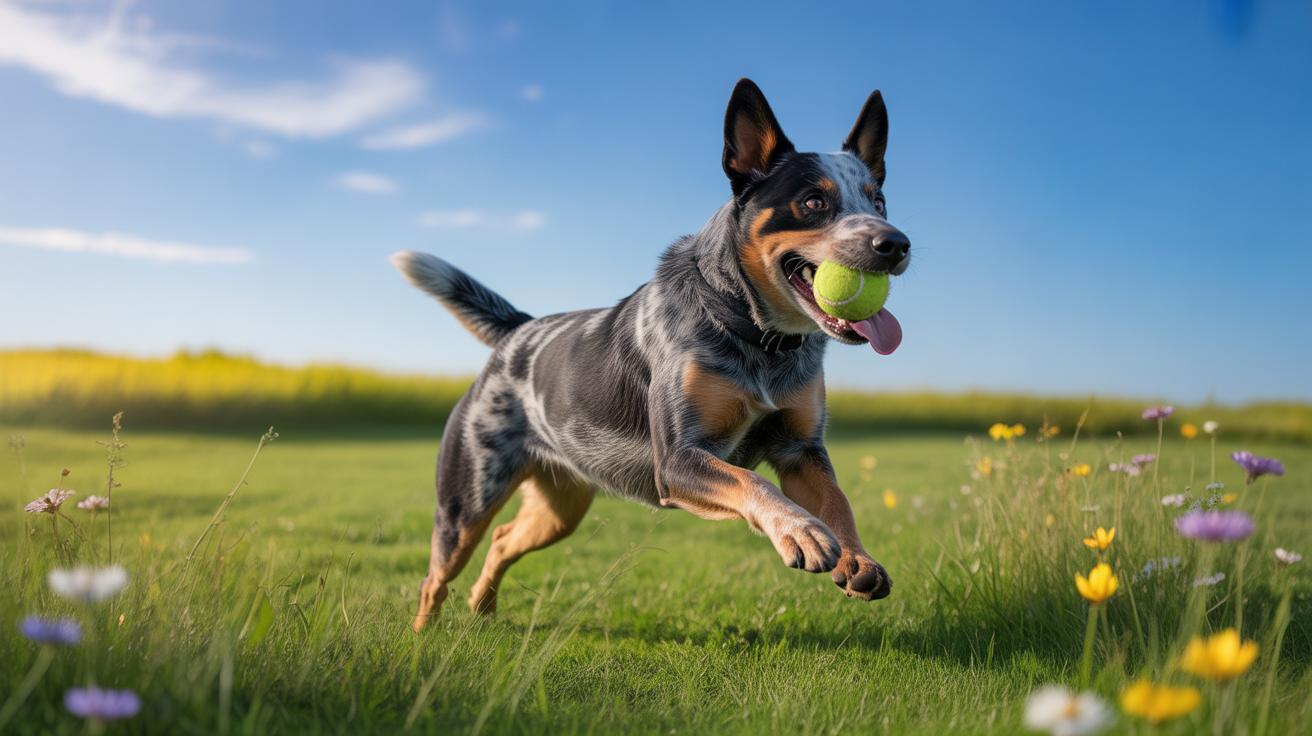
Understanding Blue Heeler Dogs Breed Origins And Natural Energy Levels
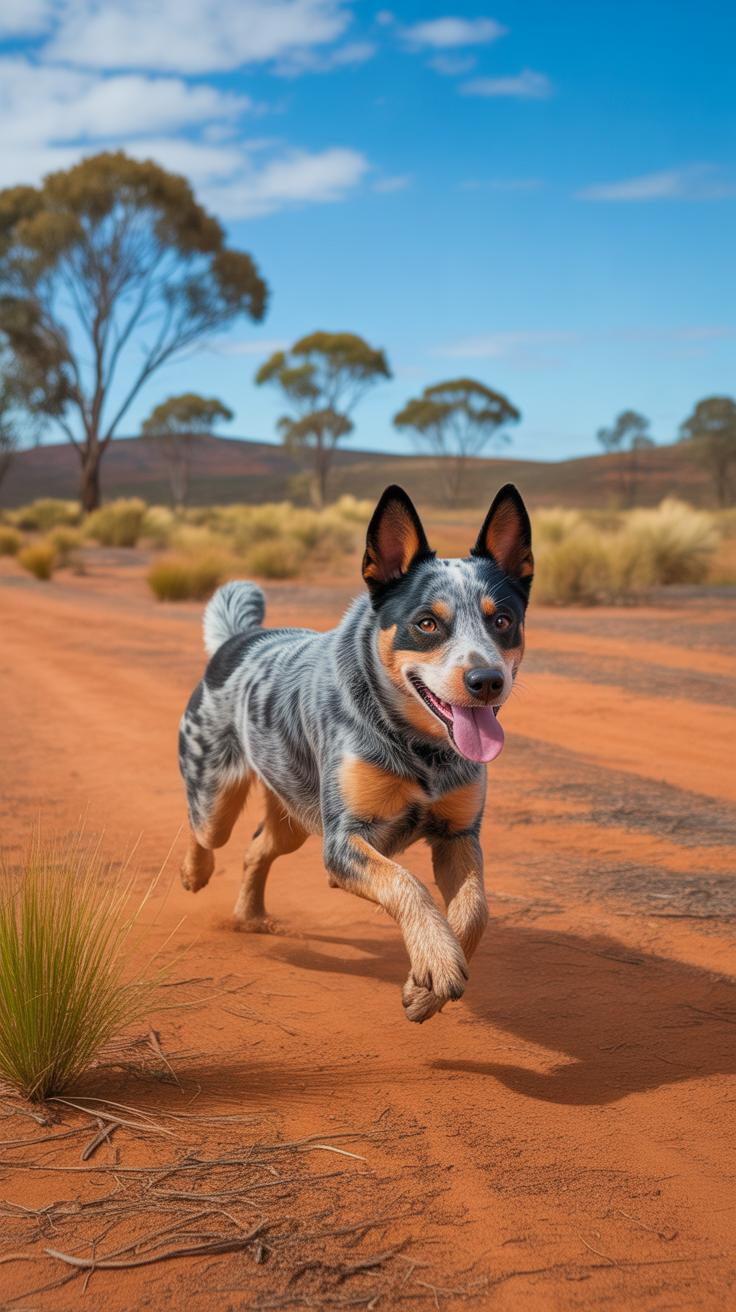
The Working Heritage Behind The Blue Heeler’S Stamina
Settlers in 19th-century Australia needed a dog to handle wild cattle across vast, rugged terrain. They crossed Smithfield dogs with native Dingoes to create a resilient worker. This crossbreeding produced the Australian Cattle Dog, commonly known as the Blue Heeler. These dogs possess quiet power and unmatched endurance. They were built to survive high heat and travel dozens of miles every single day without failing their masters.
The breed history dictates their current physical requirements. You cannot treat a Blue Heeler like a typical house pet. They are biological machines designed for constant movement and hard labor. Their muscles and lungs function at a high level because their ancestors survived in the harsh Australian Outback. If you ignore this genetic history, the dog will become restless. They require intense physical engagement to maintain their health and mental stability.
What Their Herding Instinct Tells Us About Their Exercise Needs
Blue Heelers are “heelers” because they nip at the heels of stubborn livestock to move them. This herding instinct is a drive to control and direct movement. It is not a choice for the dog. Use this instinct to structure their exercise sessions. They need tasks that simulate a job. Without a clear objective, they will attempt to herd children, cars, or other pets in your home.
Exercise for this breed must involve more than just walking. They require high-speed bursts and directional changes to satisfy their predatory and herding cycles. Their energy levels do not deplete with a simple stroll around the block. You must engage their brains along with their bodies. Use fetch, agility drills, or frisbee to mimic the stopping and turning moves of cattle work. This keeps the dog sharp and tired.

How Much Exercise Do Blue Heelers Actually Need Each Day
Daily Exercise Minimums For Adult Blue Heelers
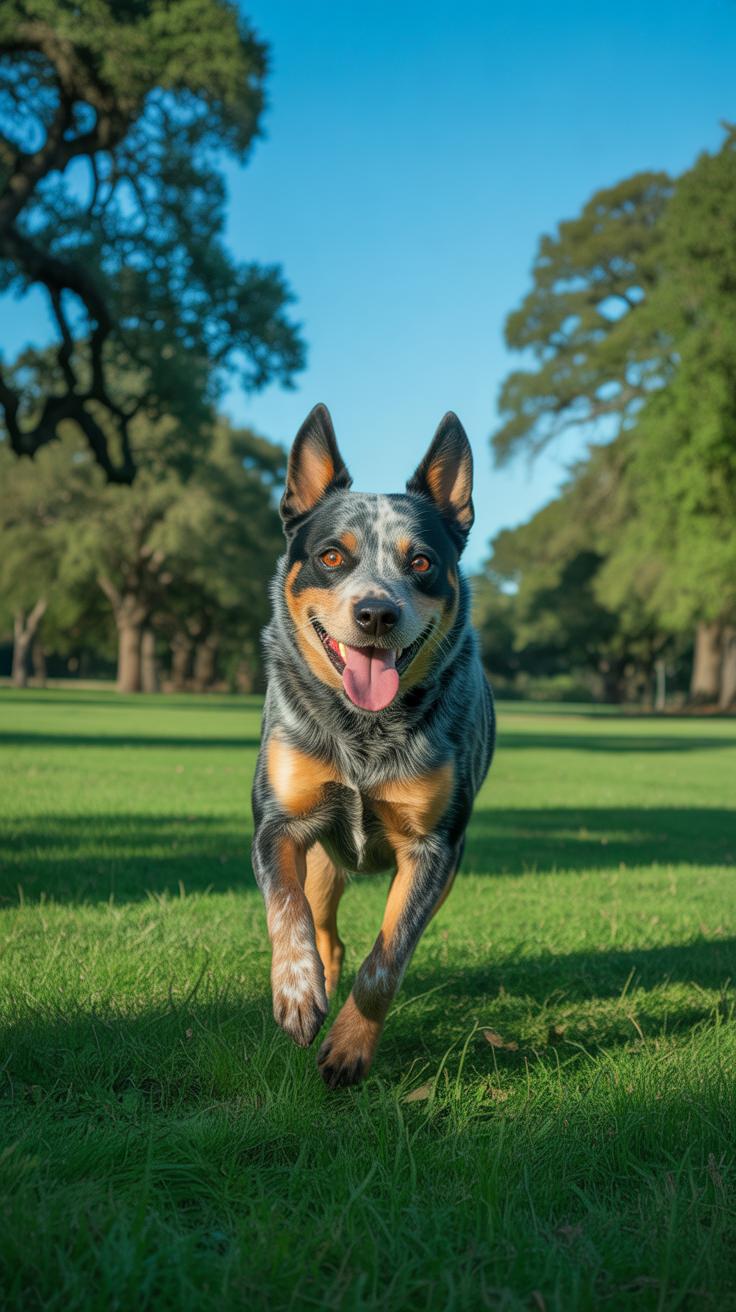
Adult Blue Heelers require a minimum of 90 to 120 minutes of vigorous activity every day. This breed originated from dingoes and British herding dogs to drive cattle across harsh Australian terrain. They possess high aerobic capacity and a drive to work. Walking on a leash is insufficient. They need high-intensity intervals that elevate their heart rate and challenge their stamina consistently.
Mental stimulation must accompany this physical output to prevent destructive behaviors. A bored Blue Heeler will create its own work by herding children or destroying furniture. You should split the daily requirement into two distinct sessions. Use one morning session for physical exertion and one evening session for task-based training. Consistent intensity ensures the dog remains calm and manageable within a domestic environment.
How Age, Health, And Lifestyle Affect Their Activity Requirements
Puppies and senior dogs have different physiological limits that dictate their exercise schedules. Young Blue Heelers have soft growth plates that are prone to injury from repetitive high-impact jumping or long runs on hard pavement. Keep puppy sessions short and focused on low-impact movement. Senior dogs maintain the drive to work but face joint degradation. You must monitor their recovery times and adjust for signs of stiffness.

Your personal lifestyle directly impacts the dog’s behavioral health and fitness levels. A sedentary owner cannot meet the biological needs of this working breed through passive interaction. If you live in a city, you must provide structured tasks like fetch or agility to simulate the work of a cattle station. Adjust the duration based on environmental factors like heat. These dogs overheat quickly during intense summer afternoon sessions.
Blue Heeler Puppy Care Tips Exercising Your Pup The Right Way
Why Over Exercising A Blue Heeler Puppy Can Cause Long Term Joint Damage
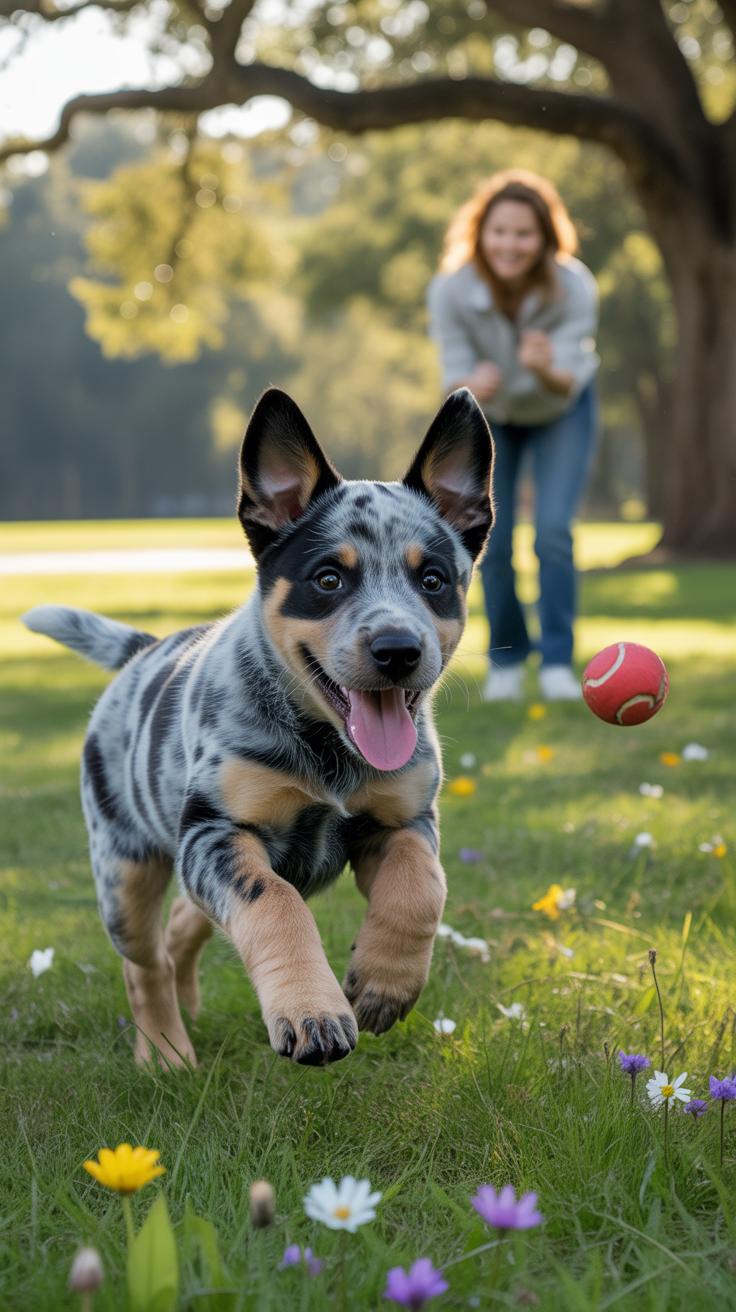
Blue Heeler puppies have growth plates that do not close until they are at least one year old. These plates consist of soft tissue at the ends of growing bones. Hard impact or repetitive strain during this period causes permanent injury. Pushing a young pup to run long distances on pavement leads to hip dysplasia or elbow luxation. You must protect their structural integrity early.
High intensity training destroys a puppy before it reaches its prime. Forcing a Blue Heeler to jump high or run for miles creates micro-tears in developing ligaments. These injuries often manifest as chronic arthritis in later years. You cannot fix joint damage once it occurs. Stick to low impact movements until the skeleton matures. Professional trainers prioritize bone health over immediate energy depletion.
Safe And Age Appropriate Activities For Blue Heeler Puppies
Effective puppy exercise focuses on mental stimulation and short bursts of movement. Use the five minute rule for structured activity. Provide five minutes of formal exercise for every month of the dog’s age, up to twice daily. A four month old pup needs only twenty minutes of walking. This prevents exhaustion and keeps the heart healthy without overstressing the limbs. Safety requires discipline.

Prioritize sniffing and basic obedience drills over physical speed. Blue Heelers are working dogs that crave a job. Use food puzzles and short fetch sessions on soft grass to burn calories. These tasks build neural pathways and improve coordination. Socialization acts as a form of exercise that does not strain joints. Controlled play with older dogs teaches boundaries. Monitor for signs of fatigue to prevent accidents.
The Best Physical Exercise Activities For Blue Heeler Dogs
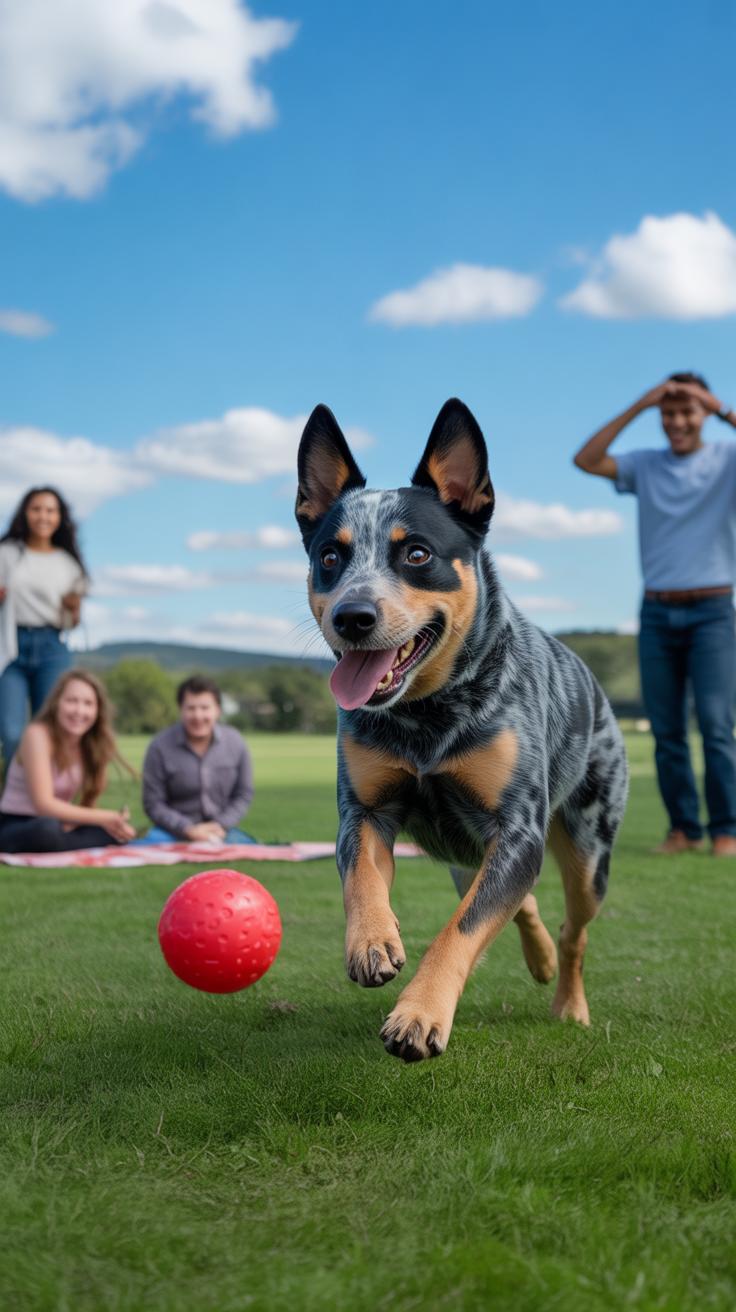
High Energy Activities That Match A Blue Heeler Natural Drive
Blue Heelers require high intensity work to satisfy their breeding as cattle herders. These dogs possess a physiological need for explosive movement and sustained endurance. Standard walks do not drain their energy reserves or engage their predatory drive. You must provide activities that mimic the erratic movement of livestock to keep them physically stable and prevent destructive behaviors.
- Flirt Pole Training: This tool uses a lure on a rope to simulate moving prey. It forces the dog to change directions quickly and jump. This activity builds fast twitch muscle fibers and improves coordination while burning calories in a short timeframe.
- Herding Balls: Large weighted balls allow the dog to use its head and chest to move an object. This mimics herding cattle without the need for live animals. It provides a massive physical outlet for their natural pushing and chasing instincts.
- Agility Courses: Running through tunnels and over hurdles requires both speed and precision. Blue Heelers excel here because they are compact and muscular. These courses build core strength and increase the bond between the handler and the working dog.
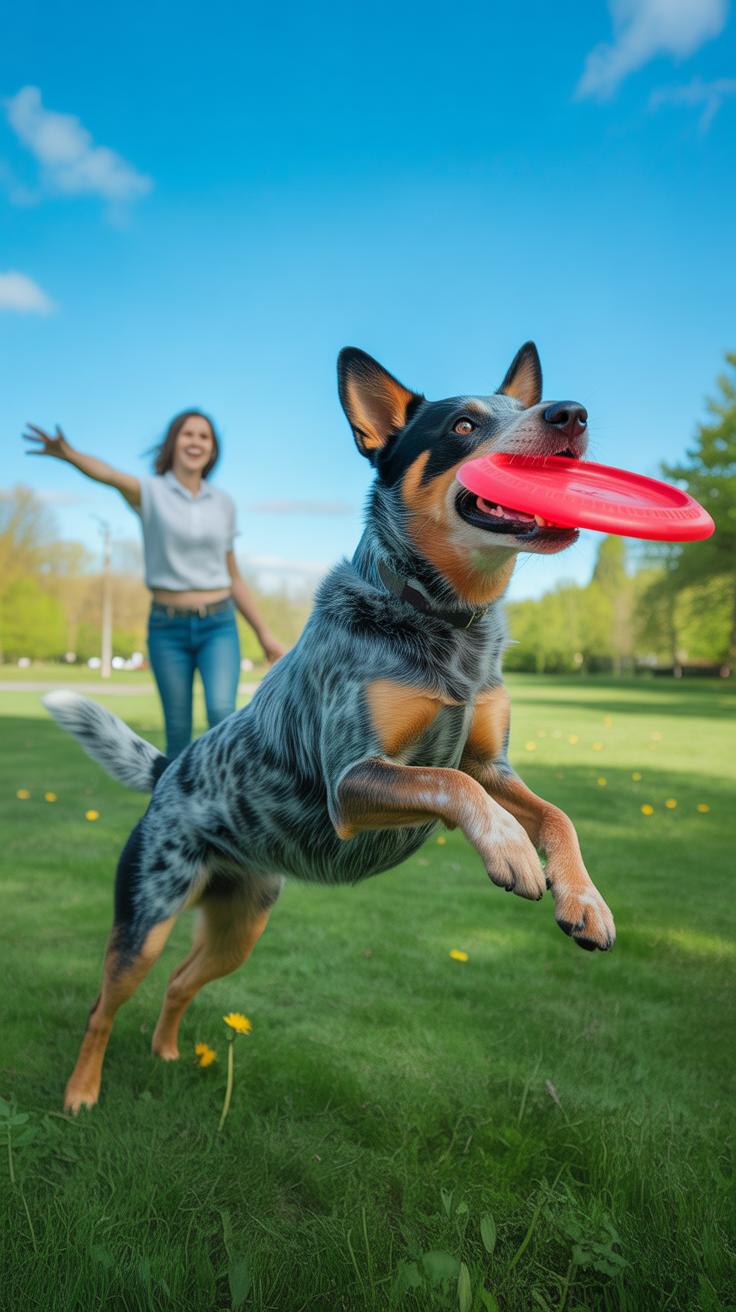
- Disc Dog Sports: Chasing a flying disc combines high speed running with vertical leaping. These dogs have the drive to catch moving objects mid air. It tests their athleticism and timing while providing the heavy impact exercise their frame is built to handle.
- Hiking and Trail Running: Long distance movement over uneven terrain engages different muscle groups. This builds cardiovascular endurance and mimics the long days spent on a ranch. It is the most effective way to build long term stamina and lean muscle mass.
Structured play sessions must focus on controlled intensity rather than mindless running. Use fetch or high speed drills to push their heart rate into the working zone. Monitor the surface to avoid joint stress on hard pavement. High energy activities should last at least forty five minutes daily to meet their baseline physiological requirements for health and behavioral balance.
How To Structure A Daily Exercise Routine That Keeps Them Engaged
Consistency creates a calm working dog. You must break the day into three distinct sessions to prevent boredom and overstimulation. Start with a high intensity burst in the morning to burn off overnight energy. Follow this with a mid day task that requires focus and physical movement. End the day with a steady endurance activity to ensure a full night of rest.

Interval training prevents the dog from becoming an endurance athlete with no off switch. Mix short sprints with periods of walking or stationary work to teach the dog how to regulate its own energy. A structured routine reduces cortisol levels and stops the dog from seeking its own work through nipping or barking. Stick to a firm schedule to maintain the dog’s mental equilibrium.
Australian Cattle Dog Herding Training As A Form Of Exercise
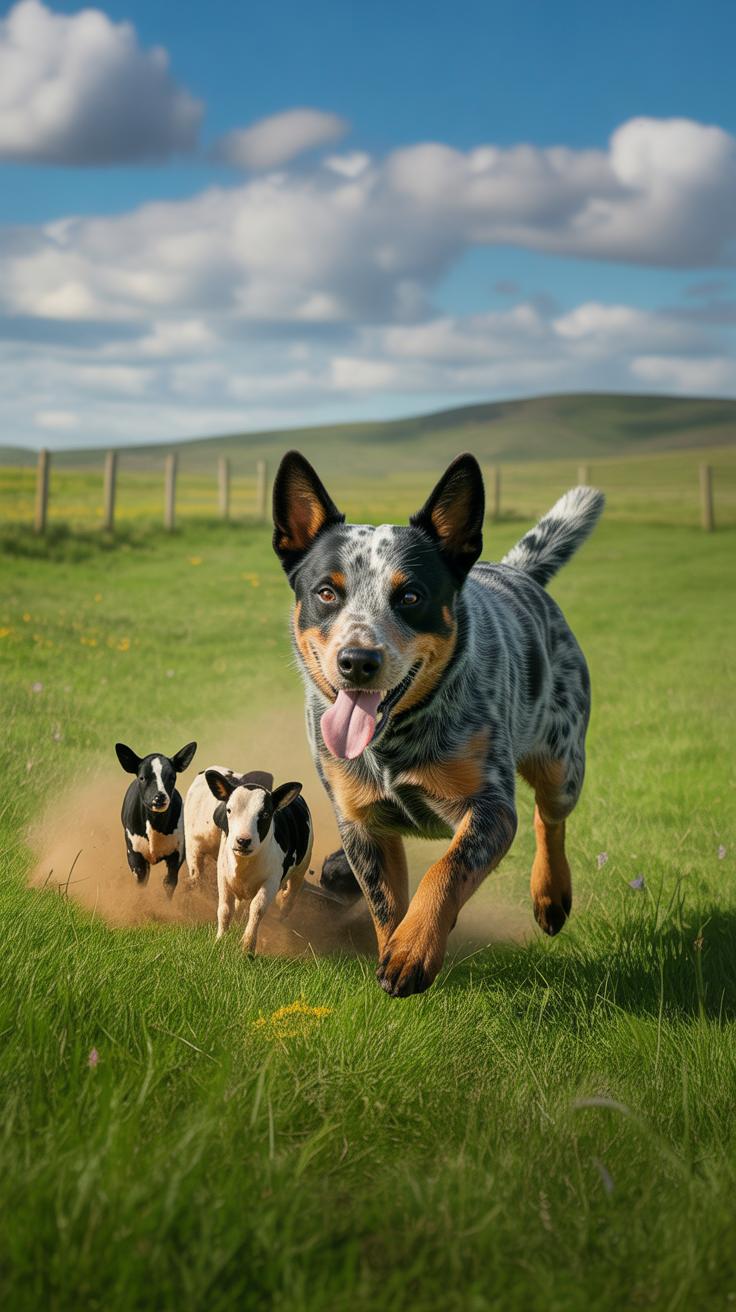
Why Herding Activities Fulfill Both The Physical And Mental Needs Of A Blue Heeler
Blue Heelers possess a high drive designed for moving stubborn cattle across rough Australian terrain. This work requires immense cardiovascular endurance and sudden bursts of speed. When you engage them in herding, you tap into their genetic programming. They use their entire bodies to pivot and sprint. This physical output prevents obesity and keeps their joints fluid through natural, functional movement patterns.
Mental stimulation is just as critical as physical exertion for this breed. Herding is a complex problem-solving task. The dog must read the movement of an object and react instantly to control it. This level of focus exhausts the brain more effectively than a standard walk. It stops destructive behaviors caused by boredom. Solving these spatial puzzles keeps their sharp minds occupied and builds a deep worker-owner bond.
How To Introduce Herding Training Even Without A Farm Or Livestock
You do not need a flock of sheep to simulate herding work. Treibball is a competitive sport that uses large inflatable fitness balls as substitute livestock. Your dog must drive these balls into a goal using their nose or chest. This setup replicates the directional commands and pushing movements used on a ranch. It provides a structured environment where the dog learns to control its intensity.

Flirt poles and herding balls offer high-intensity alternatives in small backyards. A flirt pole uses a lure on a rope to trigger the dog’s predatory chase drive. You can practice stop and go commands during the chase to build impulse control. Herding balls are heavy plastic spheres that the dog cannot bite or pick up. They provide resistance training as the dog works to maneuver the ball across the grass.
Mental Stimulation The Exercise Component Most Blue Heeler Owners Overlook
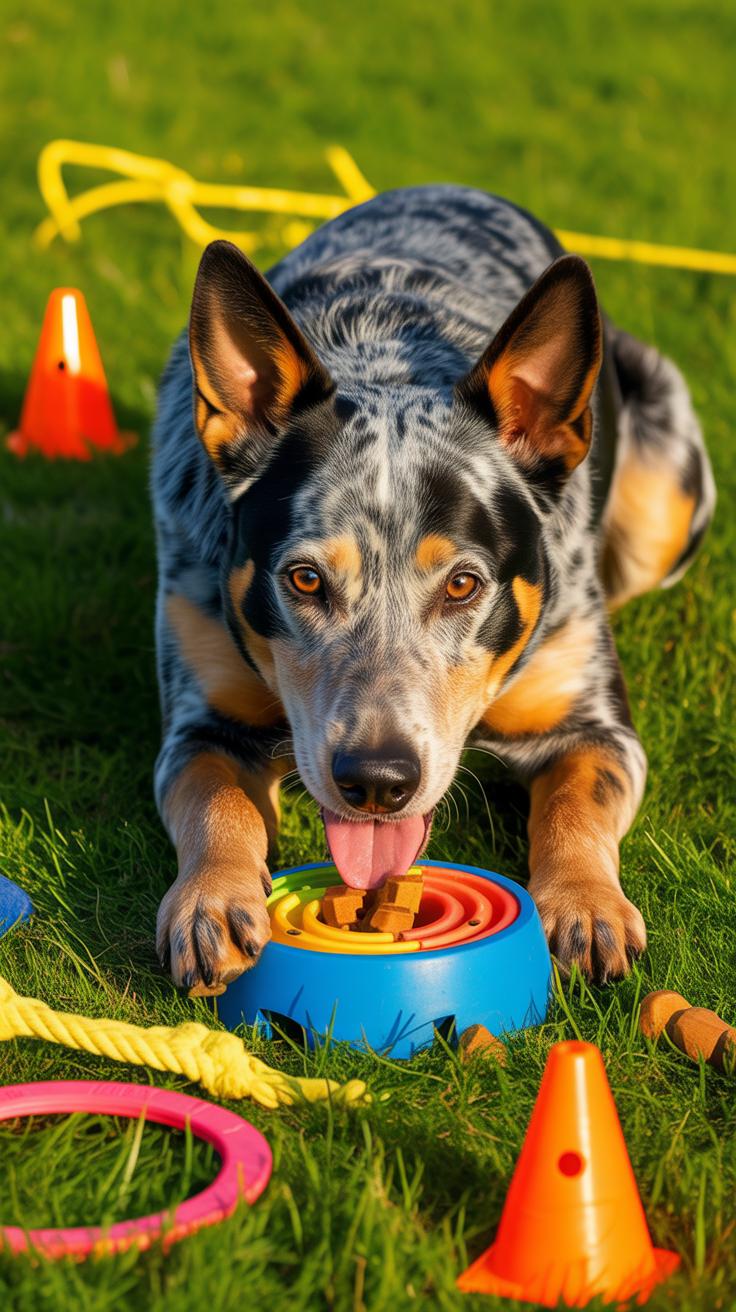
Why Mental Exercise Is Just As Critical As Physical Activity For This Breed
Blue Heelers are bred to manage livestock across vast Australian landscapes. They possess a high level of operational intelligence. Physical running alone does not satisfy their neurological needs. If you only provide physical activity, you create a high-stamina athlete that is still bored. A bored Heeler becomes destructive. They will invent their own jobs, like herding children or chewing through drywall.
Mental fatigue is more effective at calming a dog than physical exhaustion. High-level cognitive tasks lower cortisol levels and prevent obsessive behaviors. You must force the dog to use its brain to solve problems daily. This approach mirrors the decision-making they used in the field. Effective training sessions involve complex commands and rapid transitions. These exercises drain their energy faster than a five-mile run on a leash.
Puzzle Toys, Scent Work, And Problem Solving Games That Tire A Blue Heeler Out
Puzzle toys provide a constructive outlet for a Heeler’s natural drive to work for food. Use advanced dispensers that require multiple steps to unlock a reward. This process mimics the persistence needed to move difficult cattle. Simple toys are insufficient for this breed. They learn the mechanics quickly and lose interest. You must rotate these tools to maintain a high level of cognitive challenge.

Scent work utilizes the dog’s powerful olfactory system to burn energy. Hide specific scents or treats around your property to trigger their tracking instincts. This activity forces the dog to focus intensely on a single task. Such focus is mentally taxing. It provides a structured environment where the dog can succeed. Implement these games during the work day to keep the dog occupied while you are busy.
Blue Heeler Training Tips Combining Obedience Work With Daily Exercise
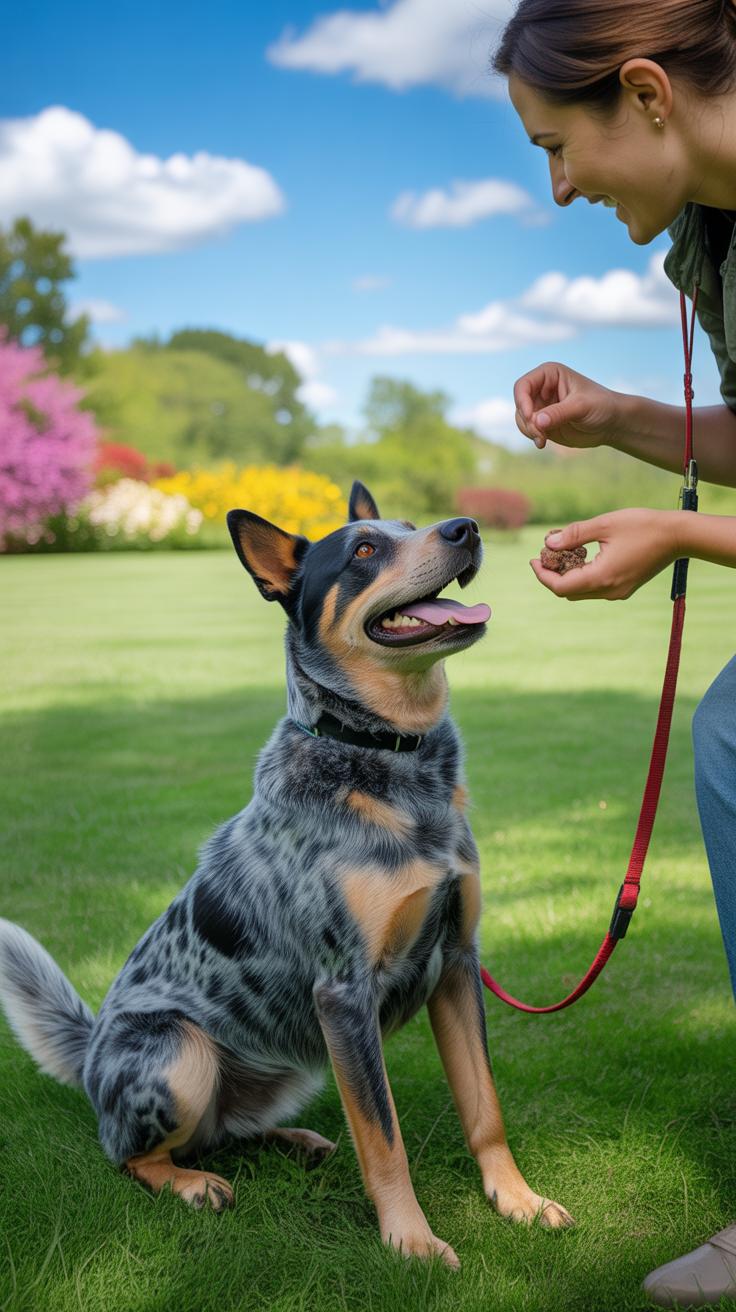
How To Weave Training Sessions Into Walks And Outdoor Activities
Blue Heelers view every outdoor excursion as a job. Do not let them walk on a loose leash without purpose. Stop every three minutes to practice sit and stay commands. This forces the dog to focus on you instead of the environment. High intensity bursts of movement followed by sudden stops build impulse control. This strategy turns a simple walk into a complex mental workout.
Effective exercise requires active engagement from both handler and dog. Use fetch sessions to practice “drop it” and “wait” commands. Make the dog remain in a stationary position while the ball is mid-air. Release them only after they make eye contact. This technique replicates their historical cattle driving roots. It teaches them to manage their high energy levels while following specific verbal or hand signals.
A Blue Heeler doesn’t just want a walk, they want a mission shared with the person they love. To keep them happy, you must let them work until the sun goes down and their heart is full.
Blue Heeler Cattle Dog Training Methods That Reinforce Good Behavior During Exercise
Positive reinforcement yields the fastest results for this breed. Use high value rewards to mark successful transitions during movement. If the dog pulls on the leash, stop immediately. Wait for them to return to your side before moving again. This teaches that forward motion is earned through calm behavior. Consistency is vital because this breed will exploit any lack of leadership or unclear rules.

Incorporate agility maneuvers into your standard running route. Use curbs, benches, or logs as physical obstacles. Command the dog to jump or weave through these items while maintaining pace. This mimics the physical demands of navigating rough Australian terrain. By adding these tasks, you address the dog’s need for physical exertion and technical precision. Correct performance reduces boredom and prevents the development of destructive backyard habits.
How To Train A Blue Heeler To Channel Energy Positively Instead Of Destructively
Recognizing The Warning Signs Of An Under Exercised Blue Heeler
Blue Heelers possess a high genetic drive to work and move. When owners ignore these blue heeler exercise requirements, the dog seeks its own stimulation. This often results in behaviors that look like aggression but are actually signs of extreme boredom. You must learn to spot these markers before the dog creates permanent damage to your home or its own psyche.
- Excessive Nibbling and Heeling: The dog may nip at heels or ankles of humans and other pets. This behavior stems from their history as cattle drivers where they used precise bites to move stubborn livestock. Without a job, they treat your family like a stray herd.
- Destructive Chewing Patterns: Bored Heelers target high-value items like furniture, drywall, or shoes. Their powerful jaws require tough materials to work through. This physical destruction releases pent-up energy that wasn’t spent during a walk or training session.
- Continuous Pacing and Vigilance: An under-exercised dog will pace along fence lines or room perimeters. They stay in a constant state of high alert and react to minor sounds. This hyper-vigilance indicates the dog has no outlet for its innate protective and territorial instincts.
- Repetitive Barking Strategies: Heelers use a sharp, piercing bark to communicate their frustration. They may bark at shadows, birds, or nothing at all to get your attention. This noise serves as a vocal release for the physical pressure they feel from lack of movement.
- Digging and Tunneling Behaviors: Many Heelers will excavate backyard areas when they lack mental stimulation. This provides a sensory experience and physical workout they are not getting elsewhere. They will ruin landscaping to fulfill the urge to perform a difficult physical task.
Ignoring these signs leads to a stressed animal and a ruined living environment. A Blue Heeler does not grow out of these habits naturally. You must intervene with physical labor and mental tasks. Physical exhaustion is the only way to reset their baseline behavior. Consistent monitoring ensures you catch the shift from calm companion to high-energy destroyer early.
Training Blue Heelers To Redirect Unwanted Behaviors Through Structured Activity
To stop destructive habits, you must replace the bad behavior with a specific job. If the dog nips at ankles, immediately introduce a flirt pole or a ball. This redirects the instinct to bite onto an appropriate object. You must act within seconds of the behavior to make the connection clear. Reward the dog only when it focuses entirely on the new task.

Structured activity requires more than just running in a circle. Use agility drills or nose work to tire the brain and the body simultaneously. A fatigued Blue Heeler is a compliant Blue Heeler. Set a strict daily schedule that includes high-intensity sprints and complex trick training. Consistency prevents the dog from searching for its own entertainment. Command-based play ensures you remain the leader of the work.
How To Train A Blue Heeler Puppy To Build Good Exercise Habits Early
Establishing A Consistent Activity Schedule From The First Weeks Home
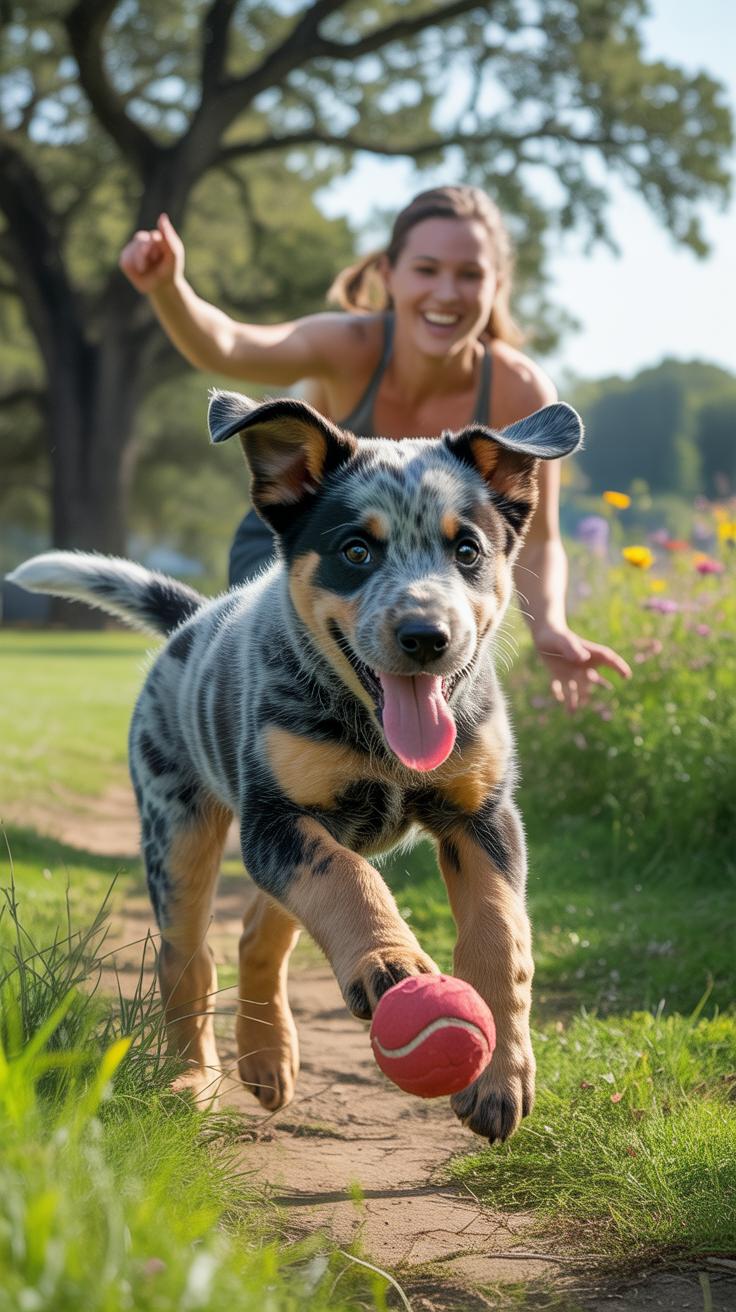
Start a routine the day the puppy arrives. Blue Heelers thrive on predictable structures because they are programmed for farm work. Set specific times for short walks, play, and meals. This prevents the puppy from developing anxious behaviors or searching for its own jobs. A strict schedule teaches the dog when to expend energy and when to remain calm inside the house.
Focus on short bursts of activity rather than long treks. Puppy joints are vulnerable to injury during the first year of growth. Limit structured exercise to five minutes for every month of the dog’s age. Use these sessions to practice basic commands like sit and stay. Combining physical movement with mental discipline creates a balanced adult dog. Consistency now prevents destructive habits later in life.
Socialization Through Exercise: Why Early Exposure Shapes A Calmer Adult Dog
Use exercise as a tool for environmental exposure. Take the puppy to different terrains like gravel, tall grass, and pavement. Introduce new sounds and smells while the dog is moving. This builds confidence and reduces the breed’s natural tendency to be overprotective or reactive. A well-traveled puppy understands that new surroundings are not threats. Correct socialization during physical activity ensures a stable temperament.
Keep the puppy focused on you during outdoor sessions. Use toys or small treats to maintain engagement in busy areas. This stops the dog from fixating on moving objects like cars or bikes. Heelers have a high prey drive and will chase anything that moves. Early training teaches the dog to ignore distractions. Effective socialization yields an adult dog that can exercise safely in public spaces without losing control.
Cattle Dog Training And Exercise For Blue Heelers Living In Small Spaces Or Urban Environments
Can A Blue Heeler Thrive In An Apartment Or City Setting With The Right Exercise Plan
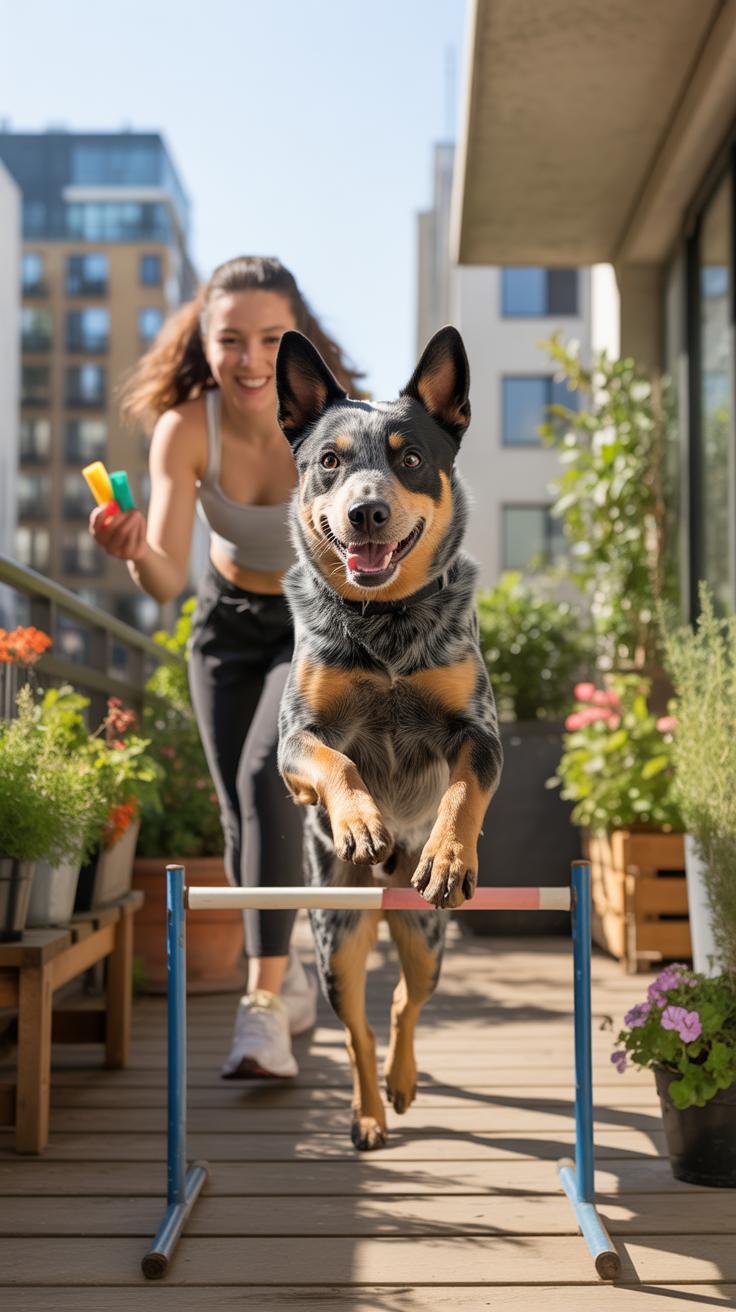
Blue Heelers can survive in small apartments only if owners commit to extreme daily schedules. These dogs possess a drive bred for herding cattle across vast Australian landscapes. They do not have an off switch. Living in a city means you must replace traditional ranch work with structured tasks. Without these tasks, the dog will develop destructive behaviors like chewing furniture or excessive barking.
Success depends on high intensity outdoor sessions every single day. Owners must provide at least two hours of vigorous activity regardless of weather or living space size. You must treat the apartment solely as a place for resting between workouts. Mental exhaustion is just as vital as physical fatigue. If you cannot provide multiple daily outings for work, this breed will fail in an urban environment.
Adapting Your Blue Heeler’S Workout Routine To Limited Outdoor Access
Urban environments lack open acreage, so you must maximize small spaces. Use long lines in local parks to simulate wide movement. Incorporate flirt poles to trigger the dog’s prey drive in confined grass patches. This tool allows the dog to sprint and pivot in a small radius. High-intensity interval training compensates for the lack of long distance roaming found on a typical working farm.
Indoor sessions should focus on scent work and complex trick training to drain mental energy. Use food puzzles to make them work for every meal. This prevents the boredom that leads to neurosis in herding breeds. Vertical space can also work if you train the dog to use stable furniture for balance exercises. Consistency remains the most important factor for maintaining a calm dog in a city.
Frequently Asked Questions

How much physical activity does a Blue Heeler need every day?
Because they were bred as high-energy herding dogs, meeting Blue Heeler exercise requirements usually involves at least 90 to 120 minutes of vigorous activity daily. This shouldn’t just be a slow stroll around the block; these athletic dogs thrive when they have the chance to run, fetch, or hike. Without this essential physical outlet, they may become bored and develop destructive behaviors around your home like chewing or excessive barking.
What are some fun ways to tire out a Blue Heeler at home?
To effectively meet Blue Heeler exercise requirements, you should combine physical tasks with mental stimulation. Set up a backyard agility course using cones and tunnels, or engage in a high-intensity game of Frisbee. “Flirt poles” are also excellent for burning energy quickly. Always include “brain games” like scent work or hide-and-seek, as tiring out their sharp minds is just as important as exhausting their powerful muscles.
Can I keep a Blue Heeler active if I don’t have a huge backyard?
Absolutely! You don’t need a massive estate to keep this breed happy, but you must be creative with public spaces. Utilizing local dog parks, hiking trails, or open fields for long-leash training can provide the space they crave. Indoors, use interactive puzzle toys and teach new tricks to provide mental engagement. Consistency is key; as long as you prioritize their daily outings, a smaller living space is perfectly manageable.