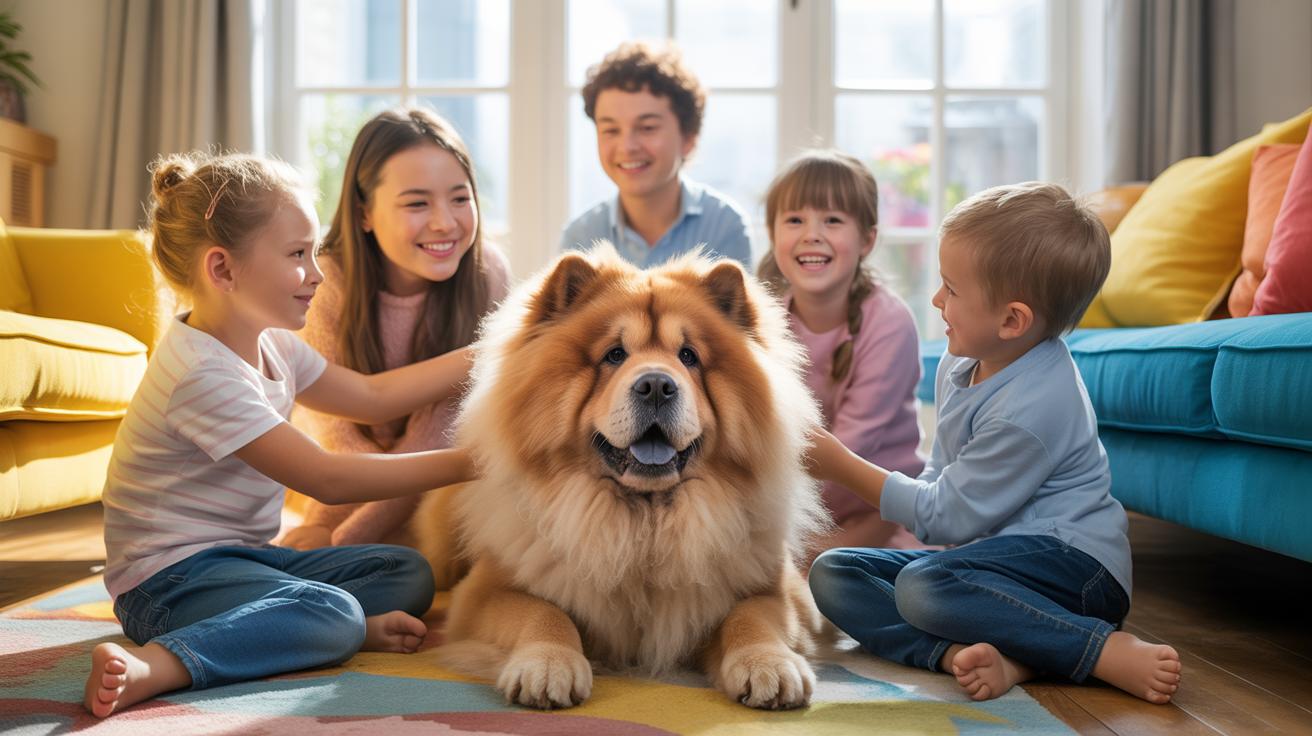
Understanding The Chow Chow Temperament A Breed Built On Loyalty And Independence
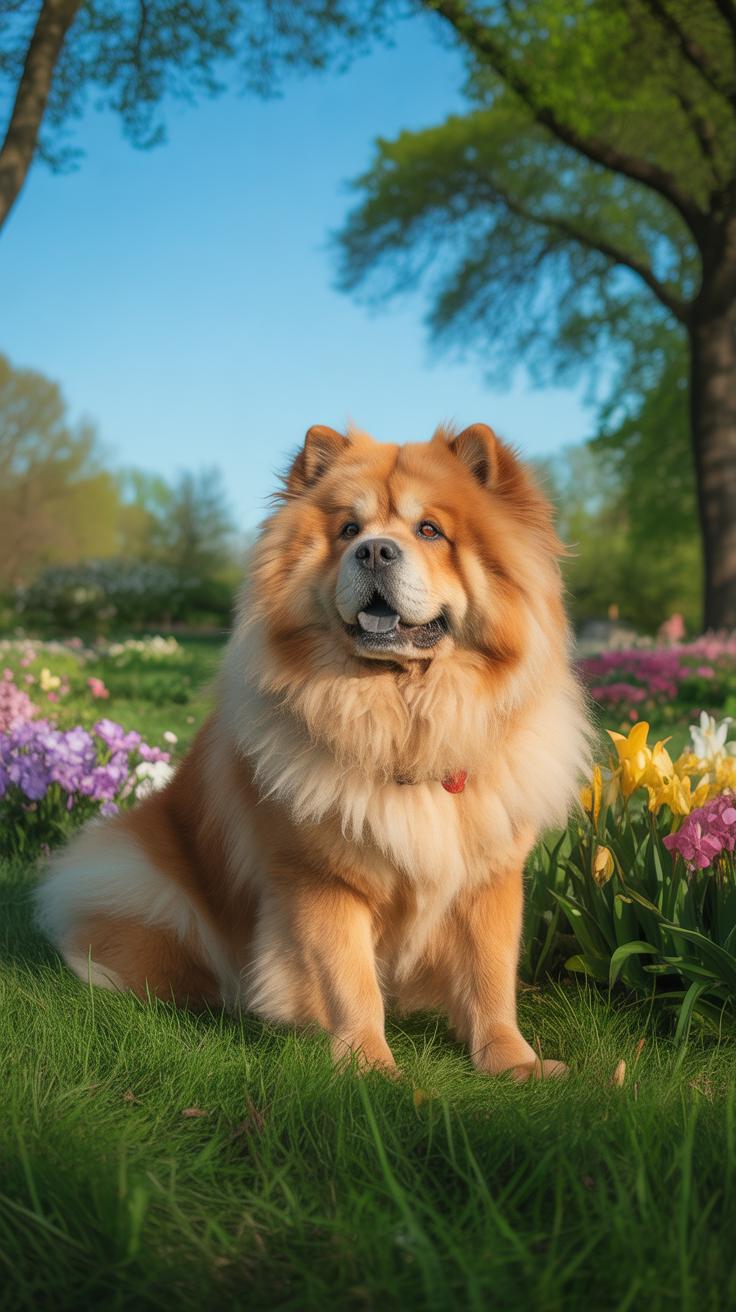
The Natural Personality Traits Of A Chow Chow Dog
The Chow Chow operates with a cat-like demeanor. It possesses a calm and dignified nature that is rare in the working dog world. You will not find this breed begging for attention or engaging in frantic play. They prioritize order and quiet. Their primitive genetics dictate a reserved approach to life. This breed values personal space and expects others to respect it.
This dog functions as a stoic protector. It does not bark without a specific reason. Owners should expect a high level of discernment from this breed. They evaluate situations before acting. They are clean and easy to housebreak because they naturally dislike mess. These dogs do not live to please you. They live to exist alongside you as an equal partner in the home.
Why Chow Chows Are Known For Being Aloof Yet Deeply Loyal
Ancient Chinese history defines the loyalty of the Chow Chow. These dogs served as palace guards and hunters for centuries. They developed a strong bond with their primary handlers while remaining suspicious of outsiders. This genetic legacy continues today. A Chow Chow views its family as its pack. It will guard the home and the people within it with absolute quiet dedication.
The aloofness is a survival mechanism. It allows the dog to identify threats without getting distracted by social cues. While they may not lick your face, they will follow you from room to room. They show affection through presence rather than physical contact. Earning their trust takes time and consistency. Once you secure that trust, the breed becomes an immovable force of security for your household.
Chow Chow Family Compatibility Are They A Good Fit For Home Life
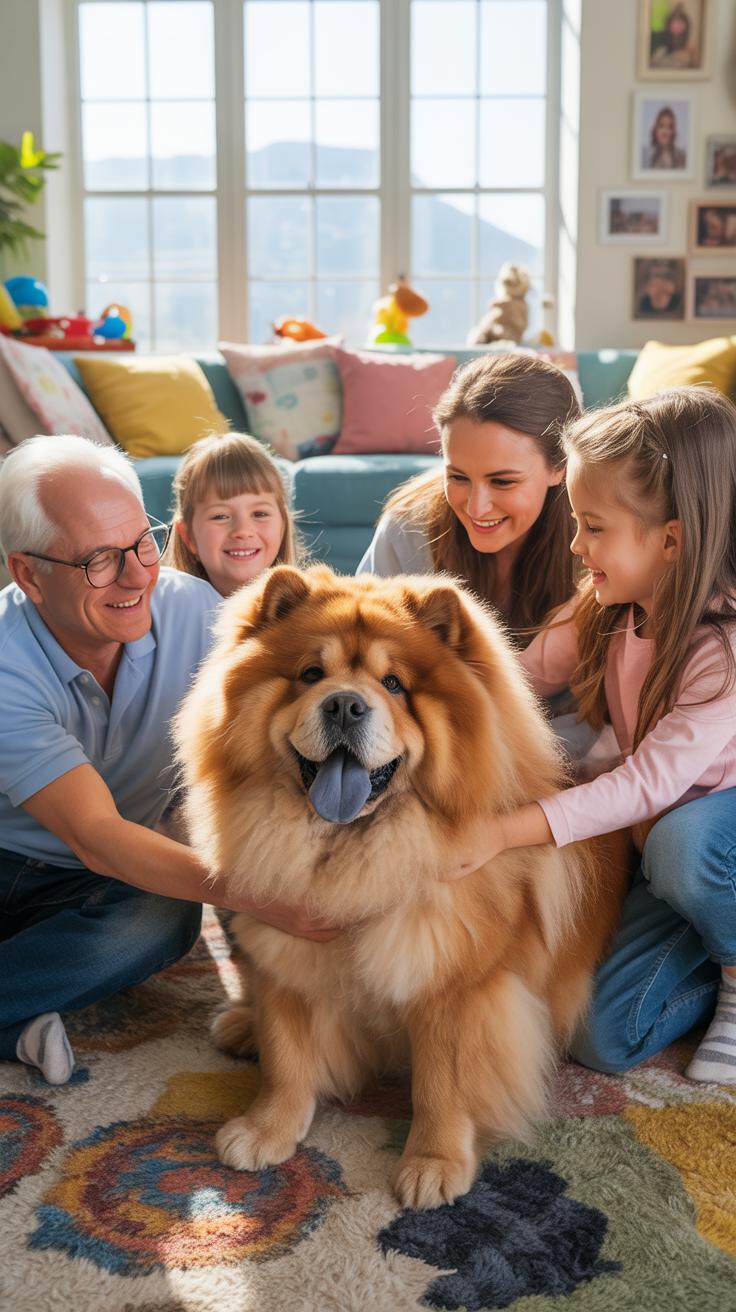
How The Chow Chow Bonds With Its Primary Family Members
Chow Chows demonstrate a cat-like loyalty to their immediate household. They do not crave constant physical attention or follow owners from room to room. Instead, they prefer to stay in the same area to observe family activities. This breed develops a very deep bond with one or two main people. They show affection through quiet presence rather than jumping or licking.
This bond is rooted in their history as versatile working dogs in China. They served as hunters and temple guardians for centuries. This legacy created a dog that values its pack but maintains independence. You must respect their personal space to keep their trust. They are not dogs for families that want a high-energy playmate. They offer steady protection and devotion instead.
Chow Chow Behavior Around Strangers And Guests In The Home
Chow Chows possess a natural suspicion of anyone outside their inner circle. They view your home as a territory that requires active defense. When guests arrive, the dog will likely stay back and watch. They do not welcome strangers with excitement. Most will remain aloof or indifferent to visitors. You must manage these introductions carefully to ensure the dog feels secure and calm.

Early socialization is the only way to temper this guarding instinct. Without it, the dog may see every guest as a threat. They are highly discerning and will sense tension in the room. Guests should never force interaction or reach toward the dog’s head. Instruct visitors to ignore the dog until it decides to approach. This strategy prevents defensive reactions and maintains a controlled environment.
Chow Chow Dogs With Children What Parents Need To Know
How Chow Chows Typically Interact With Young Children
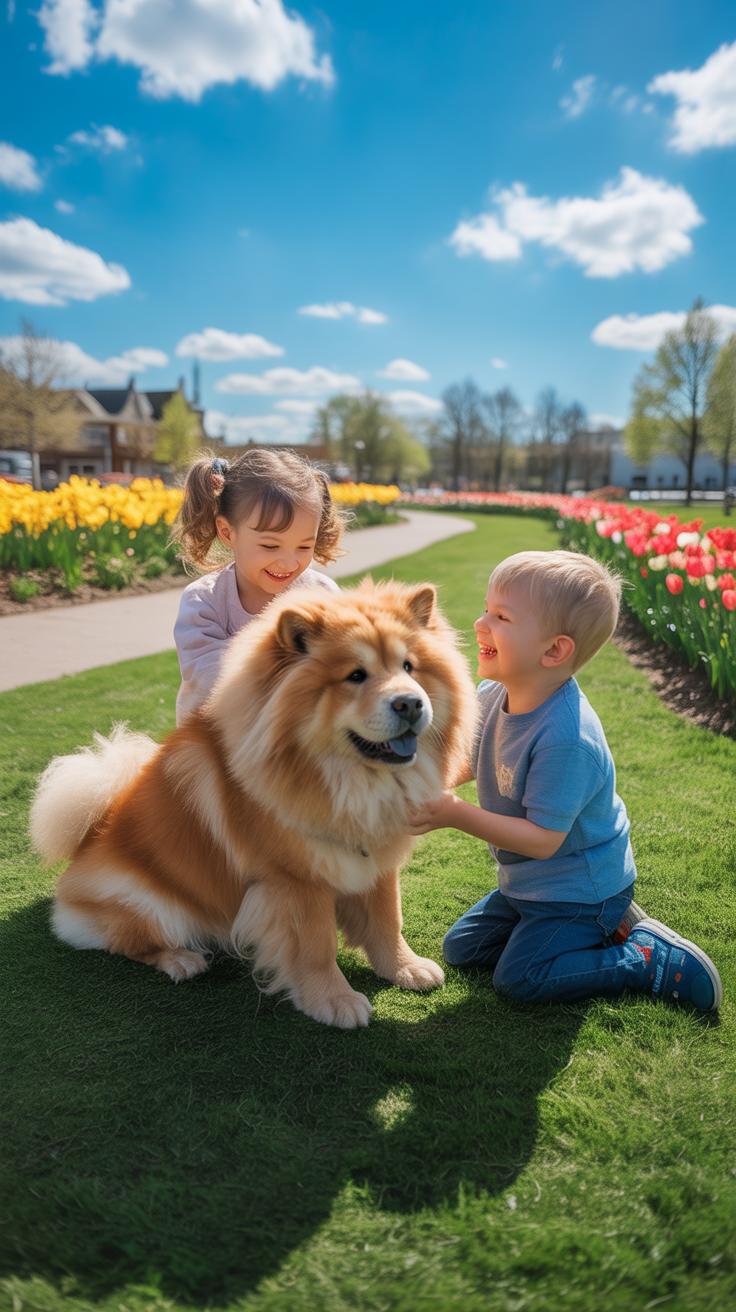
Chow Chows do not possess the natural patience found in sporting breeds. They view themselves as equals or superiors within the home hierarchy. Noise and erratic movements from toddlers often trigger their guarding instincts or cause stress. This breed values personal space and will defend it if a child corners them. They rarely tolerate ear pulling, tail grabbing, or uninvited physical contact.
Ancient Chinese history defines this breed as a serious guardian and hunter. These utility roots mean the dog prioritizes territory over play. A Chow Chow usually remains indifferent to children they do not know. Within their own family, they show loyalty but rarely engage in high-energy games. They function best as calm companions for older, respectful children who understand how to approach a sensitive animal.
Tips For Safely Raising A Chow Chow Alongside Kids
Parents must establish themselves as the pack leaders immediately. The dog needs to see that all humans, including children, occupy a higher rank. Unsupervised interactions between Chows and young kids are dangerous and prohibited. You must teach the child how to read canine body language. A stiff posture or a low growl means the dog requires immediate physical distance to avoid a defensive bite.
- Early Socialization: Expose the puppy to various sights, sounds, and people before fourteen weeks. This controlled exposure reduces the fear-based aggression common in the breed. It helps the dog view children as normal household elements rather than threats.
- Respectful Boundaries: Designate a crate or a specific room as the dog’s private sanctuary. Teach children that they must never enter this space or disturb the dog while it sleeps. Giving the dog an escape route prevents cornered reactions.
- Feeding Safety: Keep children away from the dog during meal times. Chow Chows often exhibit resource guarding and may bite to protect their food bowl. Feed the animal in a separate area to eliminate competition or accidental interference.
- Hand Feeding: Involve older children in the feeding process under strict adult supervision. Having the child offer treats or food helps the dog associate the child with positive outcomes. This builds trust and reinforces the child’s status as a provider.
- Supervised Play: Monitor every second of interaction between the dog and the child. Stop any roughhousing immediately before the dog’s arousal levels peak. You must intervene the moment the dog shows signs of stress or the child becomes too loud.

Consistency dictates the success of this pairing. Use firm commands and set clear rules for both the dog and the children. If the dog displays any signs of aggression, consult a professional trainer who specializes in primitive breeds. The goal is a peaceful coexistence based on mutual respect rather than a playful friendship. Proper management ensures the safety of the child and the dog.
Socialization And Training The Key To A Well Adjusted Chow Chow Family Dog
Why Early Socialization Is Critical For The Chow Chow Breed
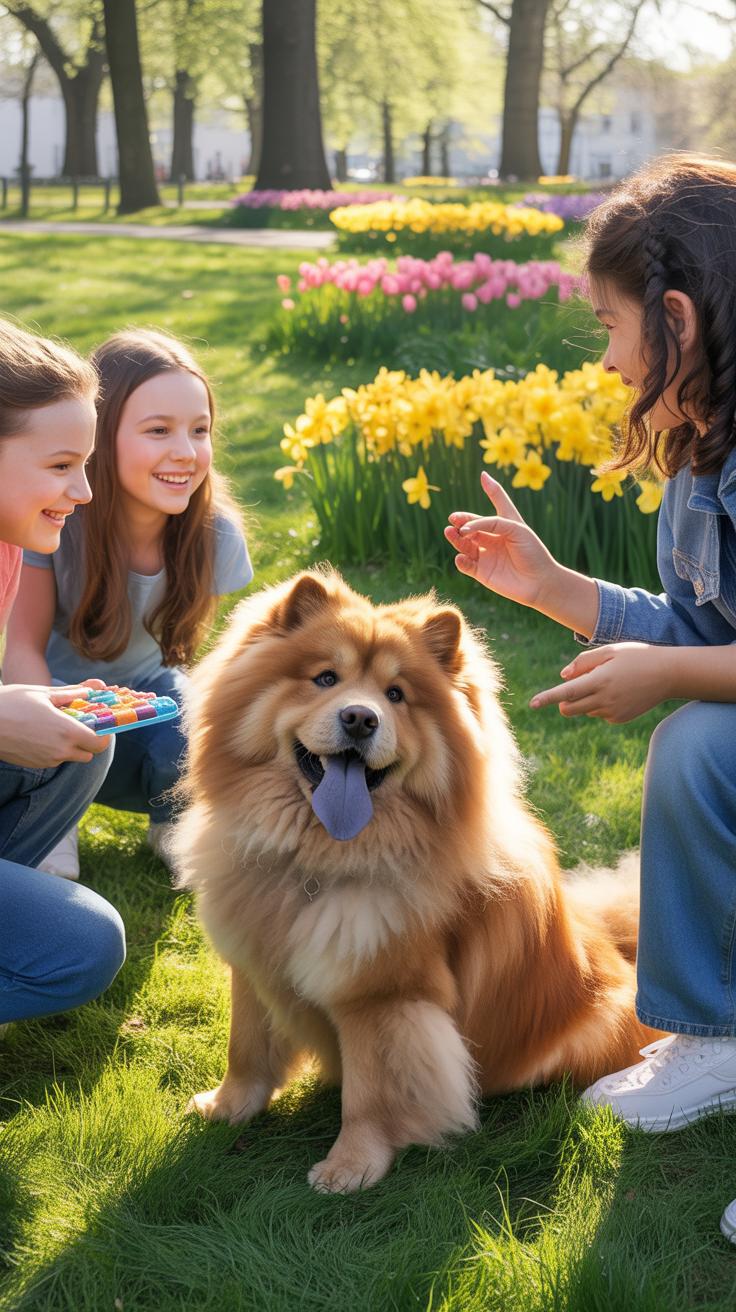
Chow Chows possess a natural instinct to guard and protect their territory as ancient temple guardians. Without early exposure to varied environments, this trait quickly turns into extreme suspicion toward strangers. You must introduce a puppy to different sights, sounds, and people before the age of sixteen weeks. This prevents their reactive nature from becoming their primary response to guests or children.
Puppies that miss this developmental window often grow into adults that identify anything outside the nuclear family as a threat. Proper socialization minimizes the risk of unprovoked aggression. You must actively manage encounters with new people to show the dog that visitors are safe. This effort builds a stable foundation. It ensures the dog remains calm when life disrupts its established daily routine.
Effective Training Approaches That Work With A Chow Chow’S Independent Nature
This breed does not live to please people. They rank low on working intelligence but high on survival instincts. Traditional repetitive drills will fail because the Chow Chow finds them pointless. You must use positive reinforcement combined with firm, clear boundaries. Respect is the primary currency with this breed. If you do not lead, the dog will assume the position of authority itself.

Keep training sessions short and high in value. Use food or toys to reward desired behaviors immediately. Avoid harsh physical discipline as this breed easily loses trust and will become defensive. Focus on consistency across all family members so the dog receives one clear message. Training must emphasize the “why” for the dog. They learn quickly when they see a direct benefit for their cooperation.
Chow Chow Family Outdoors Exercise Needs And Outdoor Temperament
How Much Daily Exercise Does A Chow Chow Actually Need?
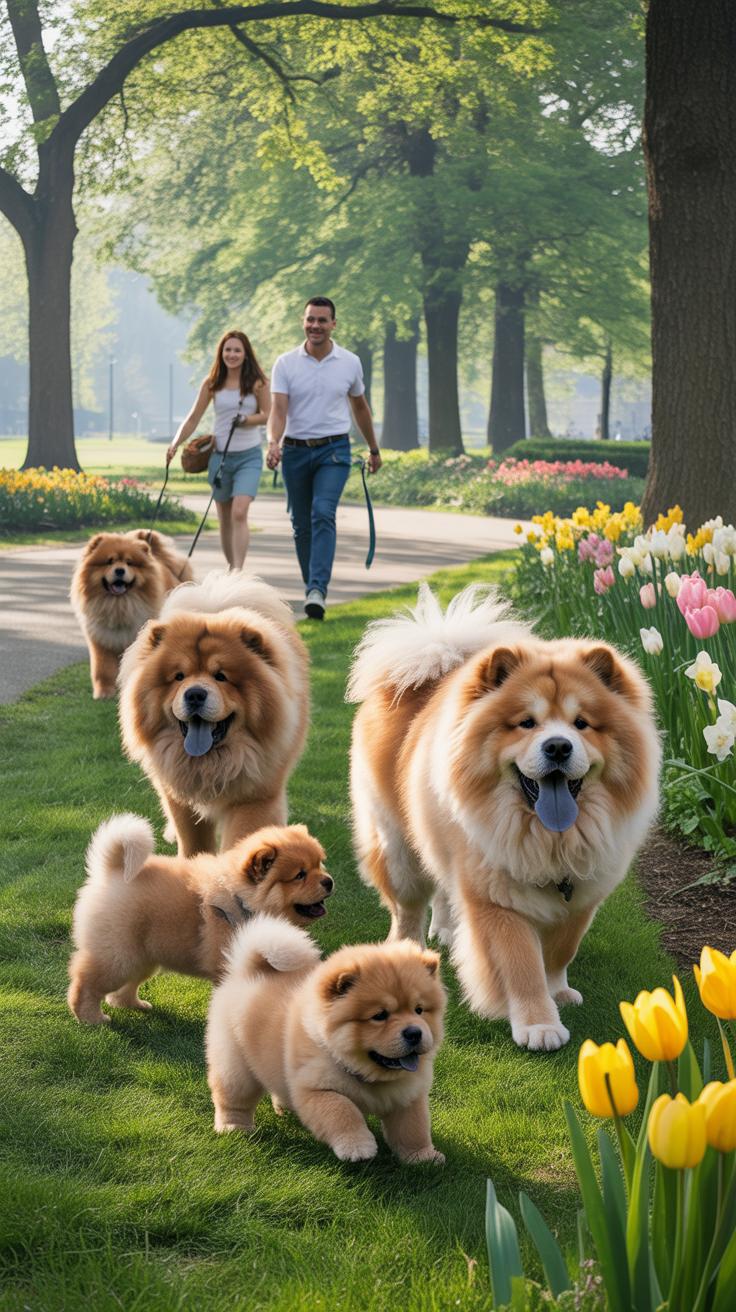
Chow Chows require moderate physical activity rather than high-intensity exercise. Plan for about forty-five to sixty minutes of movement daily. Split this time into two or three brisk walks. Chows prioritize patrolling their territory over chasing balls or running long distances. Their heavy coats and compact build make them prone to overheating. You must schedule outdoor sessions during the coolest parts of the day.
This breed lacks the stamina of working herding dogs. They will stop walking when they feel tired. You cannot force them to continue without risking heat stroke or joint strain. Consistent but low-impact routines work best for their health. Standard walks provide necessary mental stimulation and weight management. Monitor your dog for heavy panting or slowing pace. Stop all physical activity immediately if the dog shows signs of heat distress.
Outdoor Activities The Whole Family Can Enjoy With A Chow Chow
Family outings should focus on low-speed exploration and environment changes. Chows enjoy walking on new trails where they can sniff and observe surroundings. These dogs possess a strong hunting instinct from their history as multipurpose temple guards. Keep them on a sturdy leash at all times during these trips. They rarely enjoy dog parks or chaotic groups of strange pets. Choose quiet paths to keep stress levels low.

Yard time allows the family to engage with the dog in a controlled space. Simple games of hide and seek with treats offer mental engagement without overexertion. Children must learn to respect the dog’s space during outdoor play. Do not encourage roughhousing or high-speed chasing games. Chows prefer to watch their family from a shaded spot. This passive participation still strengthens the family bond without taxing the dog’s physical limits.
Fluffy Chow Chow Dogs On Leash Managing Their Strong Willed Behavior In Public
Understanding Leash Behavior And Territorial Instincts In Chow Chows
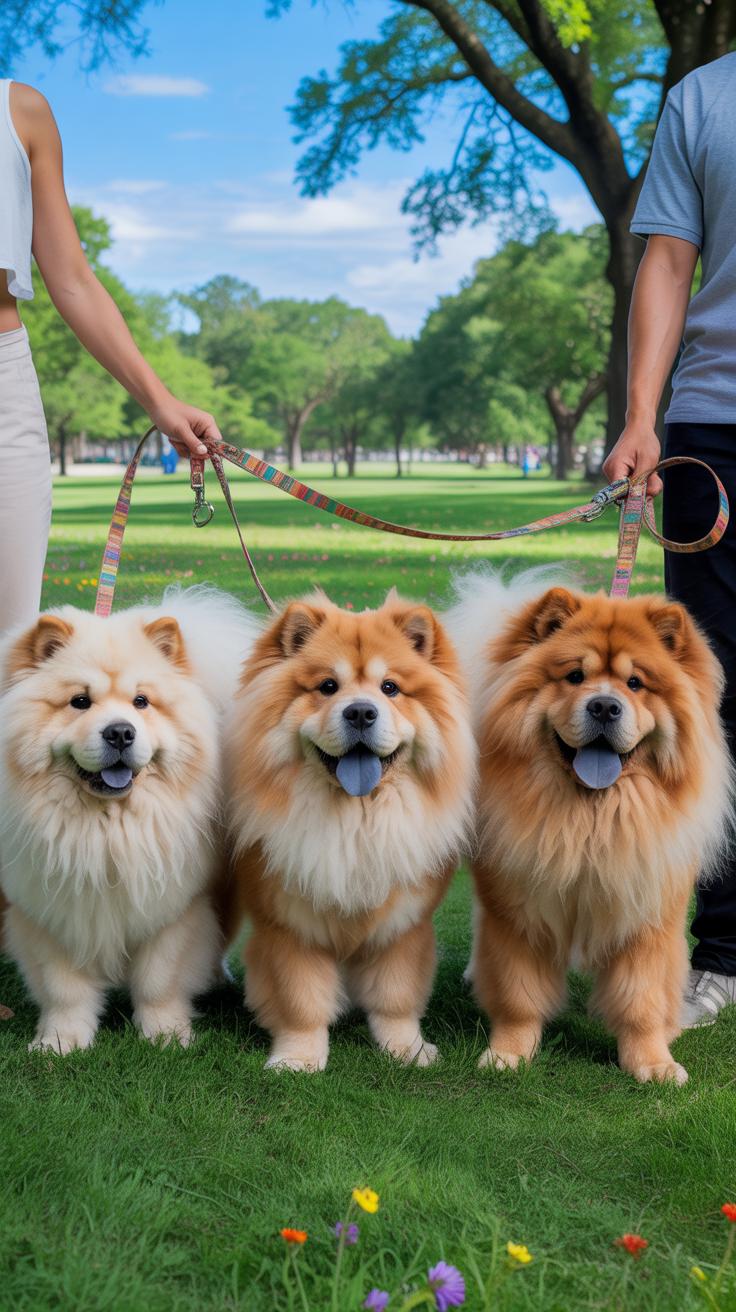
Chow Chows view the world through a territorial lens. On a leash, this dog considers the space around its handler as its property. It will defend this mobile territory from perceived intruders. This breed was historically used as a guard dog in ancient China. That DNA dictates its reaction to strangers. It does not seek attention from outsiders during walks.
A Chow Chow on a leash often displays aloofness or reactiveness. It has a high prey drive and will chase small animals. Owners must keep the lead tight and maintain control. This dog does not aim to please its owner in the same way a retriever does. It makes independent decisions based on its environment. Firm management is necessary to override its natural instincts.
How To Safely Walk A Chow Chow Around Other Dogs And People
Public walks require clear leadership and specific equipment. A front-clip harness offers better control than a standard collar. This reduces the dog’s ability to pull and protects its neck. You must watch for body language cues like stiff ears or a raised tail. These signs indicate the dog is preparing to react. Maintain a safe distance from other pedestrians.
- Use A Short Leash: Long retractable leads are dangerous for this breed. A sturdy six-foot leather or nylon leash provides the necessary leverage. This allows the handler to guide the dog away from potential triggers quickly. Control is the priority when navigating crowded urban spaces or narrow trails.
- Maintain Distance: Keep the dog at a threshold where it feels comfortable. Do not let strangers approach or pet the dog without warning. This breed values personal space and may snap if it feels cornered. Creating a physical buffer prevents reactive barking and lunging behavior during daily exercise.
- Positive Reinforcement: Carry high-value treats to reward calm behavior. Marking the moment the dog looks at a distraction without reacting builds better habits. This reinforces the idea that ignoring strangers results in a reward. Consistency helps the dog associate public outings with positive outcomes rather than threats.
- Continuous Movement: Avoid standing still when other dogs pass by. Keeping a steady pace prevents the Chow Chow from fixating on a Target. Movement diffuses tension and focuses the dog’s attention on the walk itself. If the dog begins to stare, change direction immediately to break its concentration.
- Early Socialization: Expose the dog to various sights and sounds from a young age. While it will remain naturally reserved, familiarity reduces extreme fear-based reactions. A socialized Chow Chow learns to tolerate the presence of others without feeling the need to attack. This training is essential for long-term safety.

Safe walking depends on the handler’s ability to anticipate problems. Never assume the dog will be friendly to unknown animals. The breed is naturally suspicious of strange dogs. Always communicate clearly with other owners to prevent unplanned interactions. Strict boundaries keep the dog, the family, and the public safe. Focus on repetition and discipline to ensure every walk stays under control.
Chow Chow Dog Breed Infographic Key Temperament Facts Families Should Know At A Glance
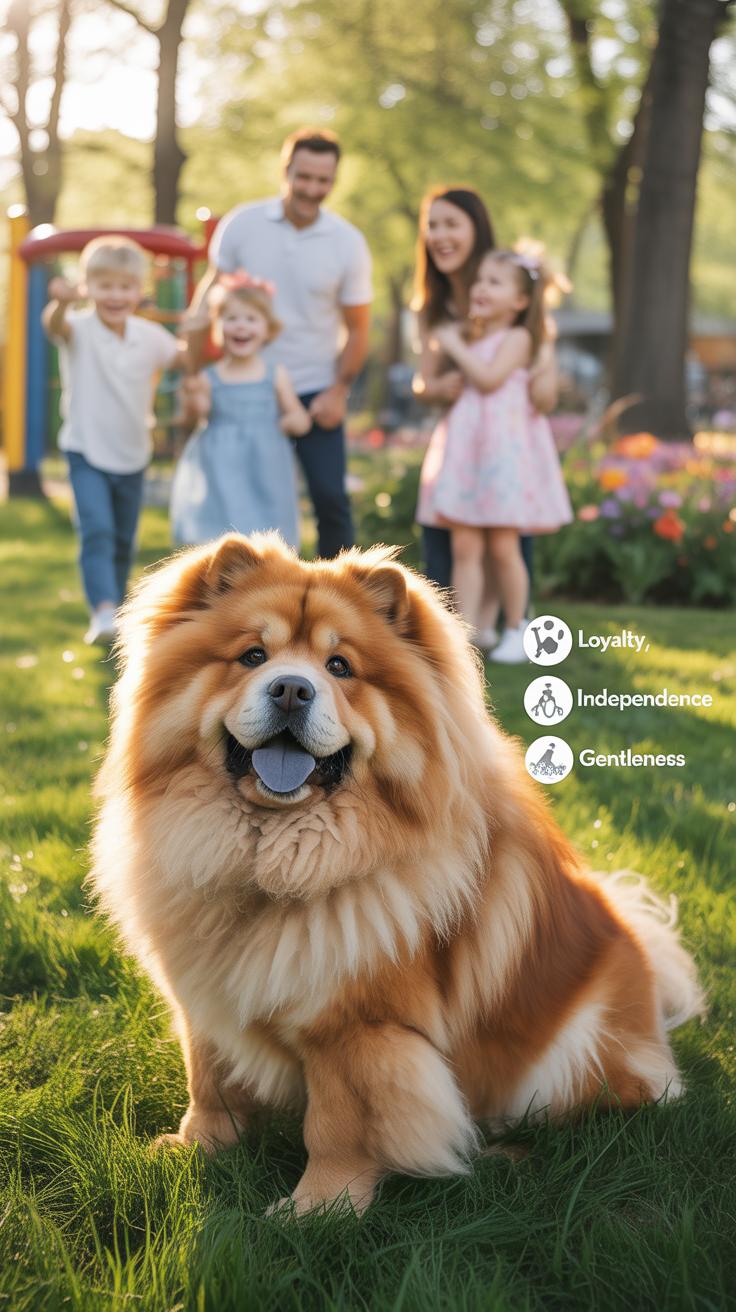
Core Breed Characteristics That Define The Chow Chow’S Family Temperament
Chow Chows function as guardians rather than playmates. This breed originated in China for hunting and protection duties. They lack the eager to please drive found in sporting dogs. Their bond with the family relies on mutual respect and physical space. They show affection through quiet presence instead of constant physical contact. This aloofness is a genetic trait that defines their daily interactions.
Families must understand that these dogs value territory above all else. They possess a high prey drive and a strong protective instinct toward their home. They rarely bark without a valid reason. High intelligence leads to independent decision making rather than mindless obedience. Training requires firm boundaries from the start. A Chow Chow views itself as an equal member of the household hierarchy.
The Chow Chow is a loyal companion whose fierce devotion to his family is hidden beneath a quiet, dignified spirit. To earn the trust of this lionhearted friend is to find a guardian who loves with his whole soul.
Chow Chow Temperament Compared To Other Popular Family Dog Breeds
The Chow Chow differs significantly from Golden Retrievers or Labradors in social settings. Sporting breeds seek out strangers for attention and praise. The Chow Chow remains indifferent or suspicious of outsiders. They do not require the high level of activity that working breeds demand. Their energy levels are moderate which suits indoor living well. They prioritize guarding the perimeter over chasing a ball.

Comparing this breed to Shepherds reveals a lack of biddability. Shepherds follow complex commands to satisfy their owners. Chows evaluate the necessity of a command before acting. They are cleaner and quieter than most large breeds. They do not display the separation anxiety common in toy breeds. A Chow Chow is self-sufficient and requires a leader who understands feline-like independence in a large canine body.
Is The Chow Chow Right For Your Family Honest Pros And Cons To Consider
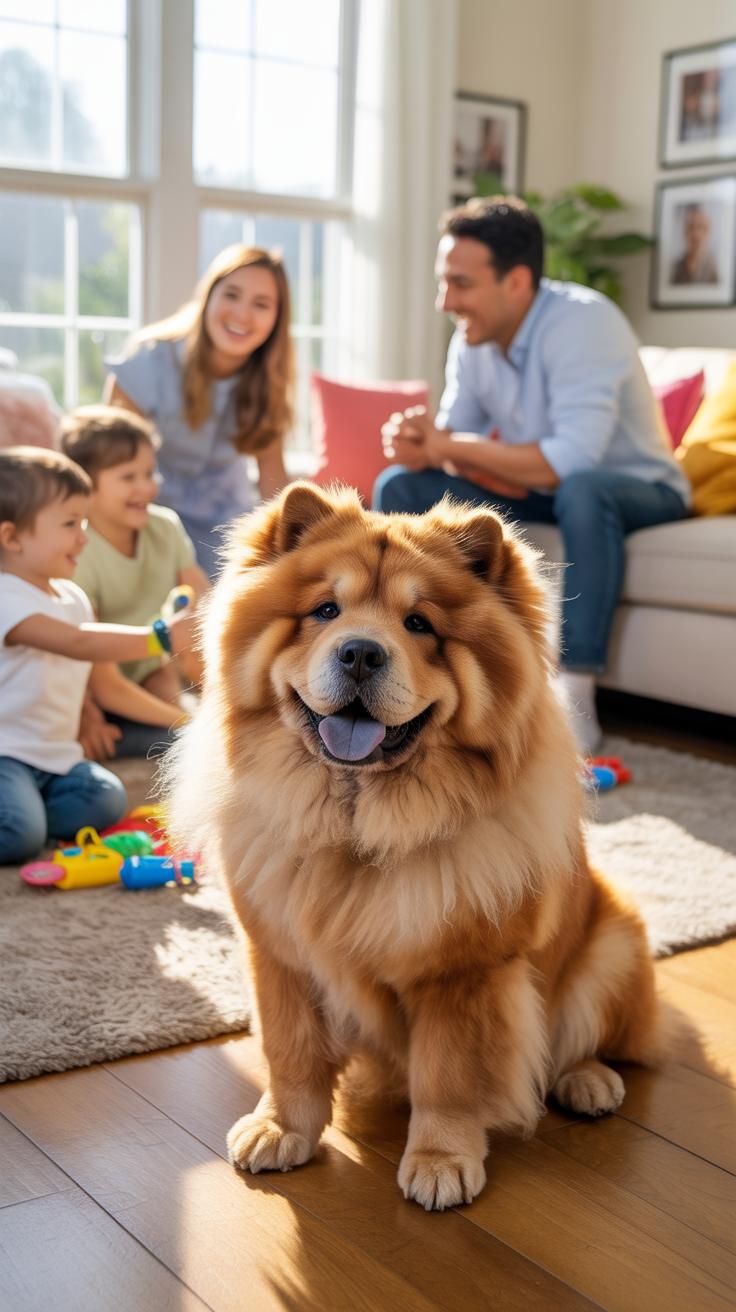
The Real Rewards Of Welcoming A Chow Chow Into Your Family Home
The Chow Chow offers deep loyalty to a single household. This breed functions as a silent guardian. Unlike high-energy dogs, the Chow Chow remains calm indoors. It does not demand constant attention or physical play. This independence suits busy families who value a quiet environment. Families receive a dedicated protector that stays alert to strangers while remaining peaceful around its owners.
Ownership rewards those who appreciate feline-like traits in a canine. The Chow Chow is naturally clean and easy to housebreak. It rarely barks without a specific reason. This breed provides a dignified presence that respects personal space. Consistent owners find the Chow Chow is a stable companion. It creates a secure atmosphere. The dog views the family as its primary pack and defends that circle.
The Challenges Of Owning A Chow Chow And How To Manage Them
Chow Chows present significant management hurdles regarding socialization. This breed is biologically hardwired to be suspicious of outsiders. Without early and intense training, they become overly aggressive toward guests or other pets. Owners must exert firm leadership every day. You cannot skip training sessions with this breed. They possess a stubborn streak rooted in their history as independent hunters and guard dogs.

Physical maintenance adds another layer of difficulty. Their thick double coat requires frequent grooming to prevent painful matting. Heat stroke is a major risk due to their heavy fur and flat faces. You must provide climate-controlled spaces during summer months. Additionally, these dogs carry higher insurance risks in certain regions. Potential owners must verify local bite laws and housing restrictions before committing to this powerful, ancient breed.
Frequently Asked Questions

Are Chow Chows generally considered friendly pets for households with children?
Understanding the Chow Chow temperament with family is essential before bringing one home. While naturally loyal and protective, they are more stoic than typical “playful” breeds. They bond deeply with their inner circle but prefer a calm environment. They are best suited for families with older children who understand how to respect a dog’s personal space, as they value their independence and do not always enjoy high-energy roughhousing.
How can I socialize a Chow Chow to ensure they behave well around my relatives?
To improve the Chow Chow temperament with family and visitors, start socialization during puppyhood. Gradually expose your dog to different sights, sounds, and people in a controlled manner. Use positive reinforcement to reward calm behavior during introductions. Consistent, firm leadership helps them understand their role in the pack, ensuring they remain composed and focused when guests or extended family members come over to visit your home.
Is a Chow Chow an affordable breed for a family on a budget to maintain?
Beyond the initial adoption cost, Chow Chows require a significant financial commitment for grooming and health. Their thick double coats need professional grooming every six to eight weeks to prevent matting, which can be pricey. Additionally, potential hip dysplasia or eye issues may lead to higher veterinary bills. Families should budget for high-quality food and routine healthcare to ensure this dignified breed remains a happy, healthy companion.