What Are Cichlids And Why Are They A Great Beginner Fish Tank Choice
Understanding The Cichlid Family: Origins And Natural Habitats
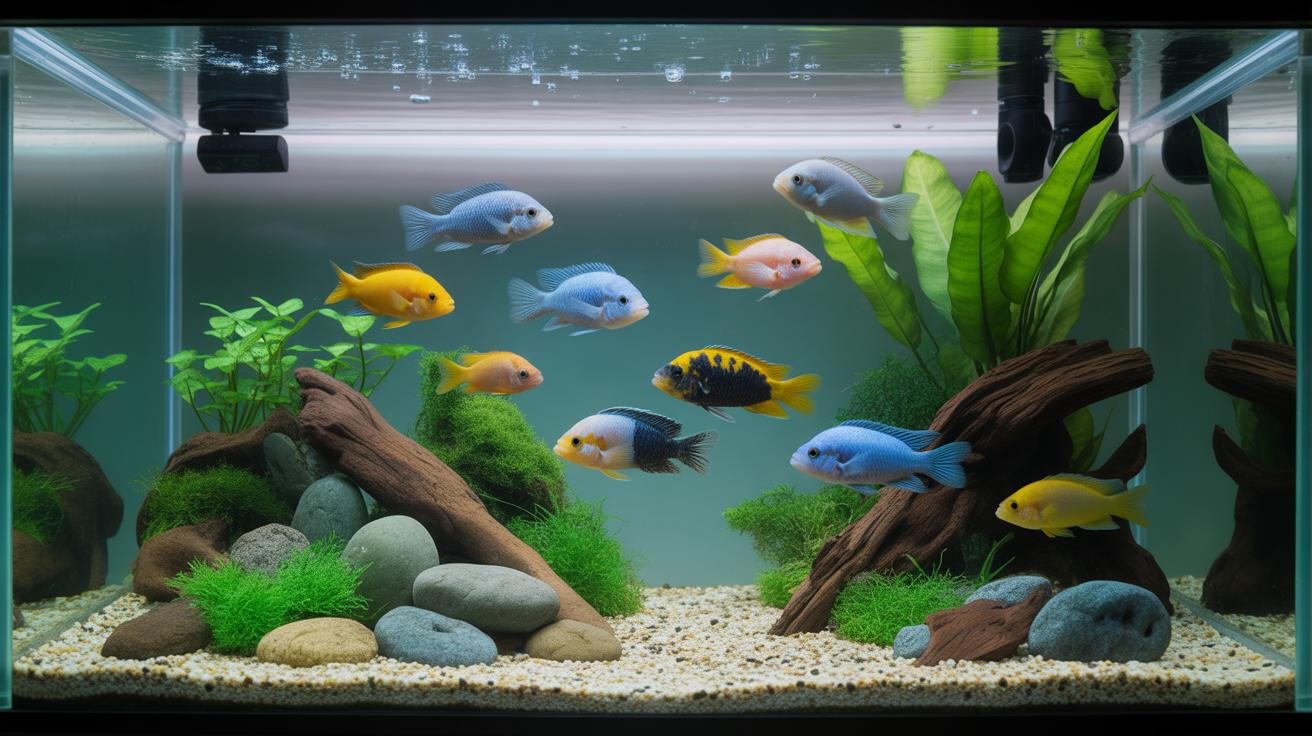
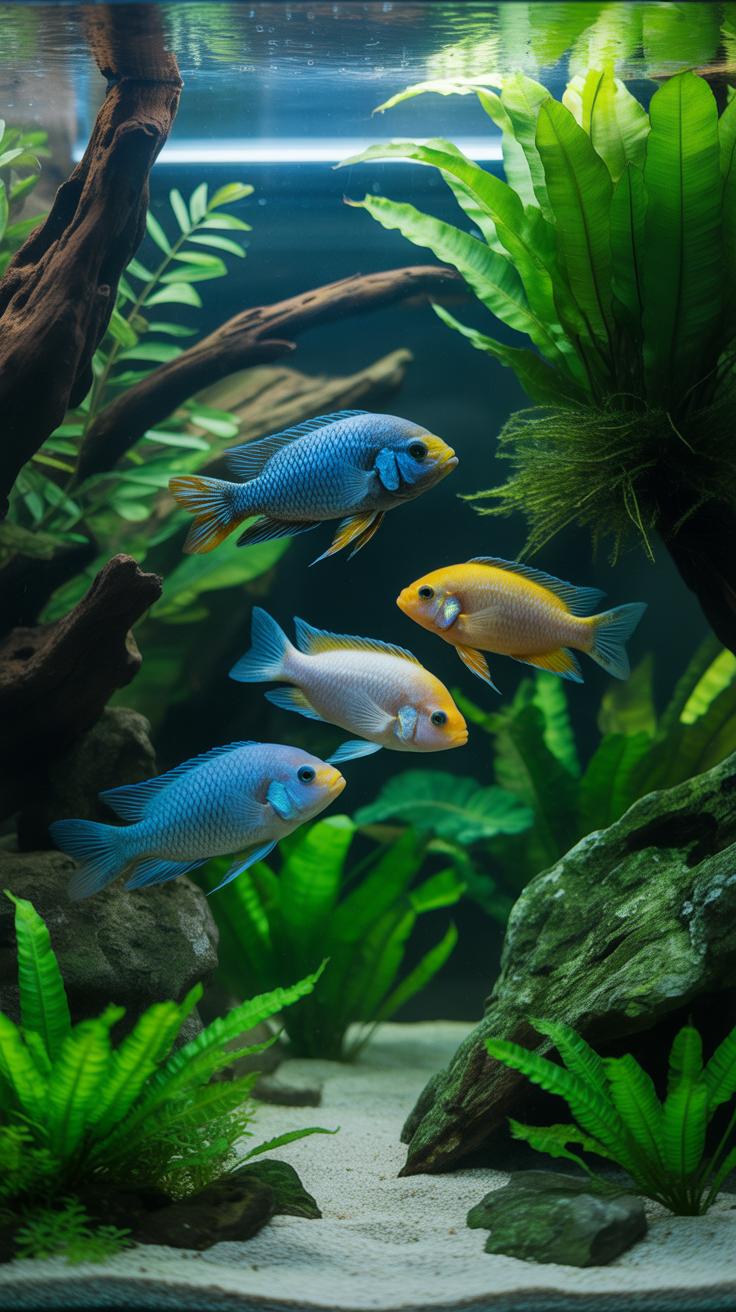
Cichlids belong to one of the largest vertebrate families on the planet. Most hobbyist species originate from three primary locations which include Lake Malawi, Lake Tanganyika, and South America. These fish occupy specific biological niches within their native waters. This geographic diversity determines their water chemistry needs. Some thrive in hard alkaline water while others require soft acidic environments to stay healthy.
Natural habitats dictate physical traits and social structures. Rift Lake species live in rocky environments with high mineral content. South American species often inhabit slow moving rivers with dense vegetation. You must understand these origins to provide the correct substrate and rockwork. Using the wrong minerals or layout will lead to stress and disease. Successful keepers match the tank environment to these historical native zones.
Why Cichlids Are Popular Among Beginner And Experienced Aquarists Alike
Cichlids offer high levels of interaction compared to standard community fish. Many species recognize their owners and respond to movement outside the glass. This behavioral complexity makes them rewarding for people who want more than a static display. Beginners find them resilient because they handle minor water fluctuations better than sensitive tropical species. Their hardiness allows for a manageable learning curve in water chemistry.
These fish exhibit advanced parental care and social hierarchies. Unlike many egg scattering fish, cichlids guard their young and defend clear territories. This allows you to observe complex natural behaviors in a home setting. Their vivid colors rival those of saltwater reef fish but involve much lower maintenance costs. They provide a high impact visual result for anyone willing to follow a basic structural plan.

Choosing The Right Aquarium Setup Tank Size Shape And Placement
What Tank Size Do You Need For A Cichlid Aquarium Setup?
Cichlids require more space than standard tropical fish due to extreme territorial aggression. A twenty gallon tank is the absolute minimum for small shell dwellers. Most African species from Lake Malawi or Lake Tanganyika need at least fifty five gallons to survive. Larger Central American species often require seventy five to one hundred gallons. Proper volume dilutes high nitrogen waste levels that these heavy eaters produce daily.
Footprint matters more than height for these fish. Buy long or wide tanks instead of tall towers. Cichlids claim horizontal territory along the substrate. A long tank allows subordinate fish to flee from dominant males. Tall tanks waste vertical space because most cichlids hover near rockwork at the bottom. Maximizing the bottom surface area reduces lethal fighting and provides room for necessary rock structures.
Where To Place Your Cichlid Tank In Your Home For Best Results
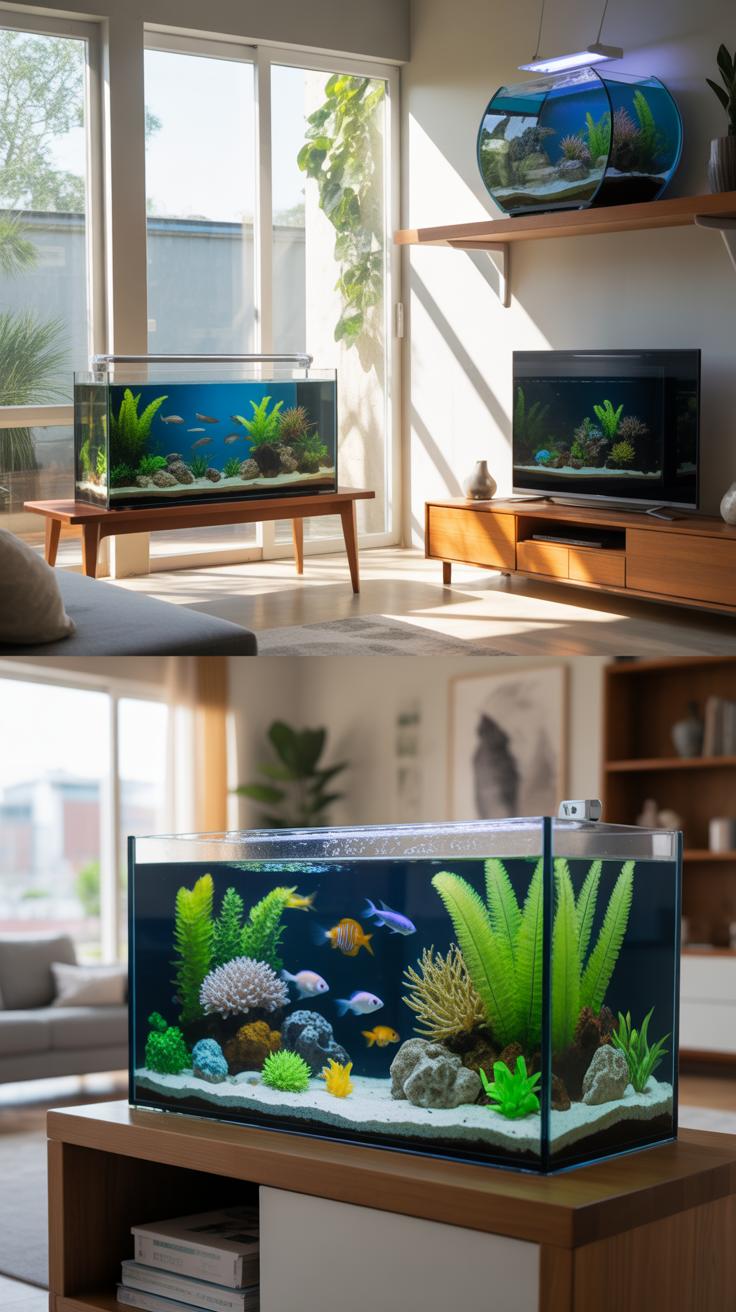
Place your aquarium on a load bearing floor near a structural wall. A full seventy five gallon tank weighs over eight hundred pounds. Ensure the floor can support this concentrated weight without sagging. Keep the tank away from windows and direct sunlight. Sunlight triggers massive algae blooms and causes dangerous temperature spikes. Stable water temperatures are critical for long term cichlid health and stress reduction.

Avoid high traffic areas and loud doorways. Walking paths create shadows that startle fish and trigger hiding behaviors. Select a spot near a grounded electrical outlet and a water source. You will perform frequent large water changes to manage nitrate levels. Proximity to a sink simplifies this weekly maintenance. Level the stand perfectly to prevent glass stress and eventual seam failure. Tank leveling prevents leaks and floor damage.
Essential Equipment For Your Beginner Fish Tank Setup Tips
Must Have Equipment: Filters, Heaters, And Lighting Explained
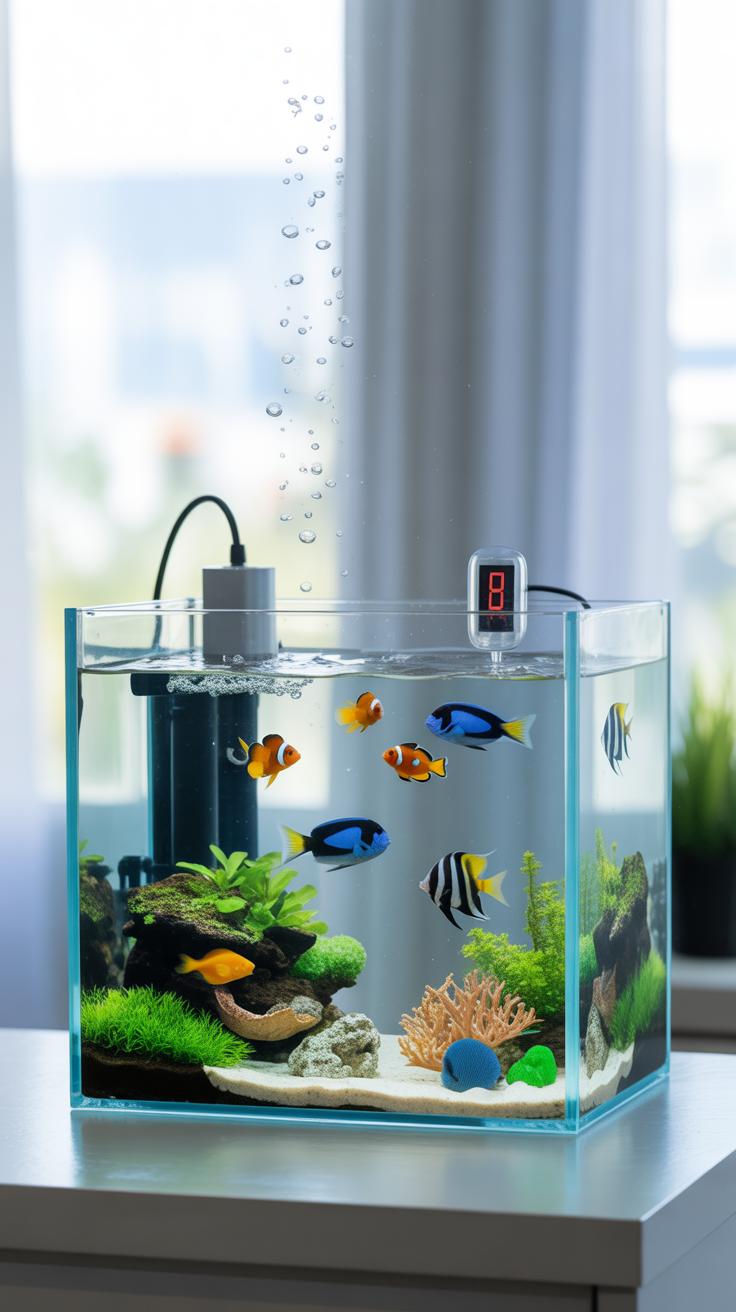
Cichlids produce massive amounts of biological waste compared to other tropical fish. You must select a filtration system rated for at least double your tank volume to maintain water quality. Temperature stability is also critical because these fish originate from stable thermal environments. Without a reliable heater, your fish will suffer from suppressed immune systems and frequent disease outbreaks.
- Canister Filters: These units offer superior mechanical and biological filtration volume. They sit outside the tank and handle high waste loads effectively. Use these for larger African Cichlid setups to keep the water clear and chemically stable.
- Submersible Heaters: You need a high-quality heater to maintain temperatures between 76 and 82 degrees Fahrenheit. Select a model with an adjustable thermostat. Ensure the wattage matches your total water volume to prevent dangerous fluctuations.
- LED Lighting Systems: Modern LED strips provide the specific spectrum needed to highlight the natural colors of your fish. They run cool and do not fluctuate water temperatures. Choose a light with a built-in timer to establish a consistent day and night cycle.
- Air Pumps: Cichlids require high oxygen levels to thrive in warm water. Air pumps drive stones or sponge filters that break the water surface. This gas exchange prevents carbon dioxide buildup and keeps your fish active and healthy.
- Water Testing Kits: You cannot manage what you do not measure. A liquid test kit tracks ammonia, nitrite, and nitrate levels. This is the only way to know if your biological filter is functioning and when you must perform water changes.
Lighting serves more than just visual appeal in a cichlid environment. It regulates the biological clock of the fish and can grow beneficial algae for mbuna species to graze upon. Poor lighting choices lead to excessive brown algae or stressed fish. Position your equipment to ensure even heat distribution and maximum water flow throughout the entire aquarium frame.
Optional But Helpful Gear That Improves Cichlid Tank Health
Dedicated powerheads increase internal water circulation to eliminate dead spots where waste accumulates. Cichlids often dig in the substrate, which can pin debris in corners without targeted flow. Adding a powerhead mimics the natural currents found in the Rift Lakes or South American rivers. This extra movement forces waste toward the filter intake and provides exercise for your fish.

Standard glass lids or mesh covers prevent jumpers and reduce evaporation rates. Many cichlid species are aggressive and will leap from the water during territorial disputes. A tight lid also helps maintain a constant air temperature above the water surface. Using an automatic feeder ensures consistent nutrition if your schedule is unpredictable. These tools minimize human error and provide a more stable environment.
Aquarium Setup Ideas Substrate Rocks And DCor For Cichlids
Choosing The Right Substrate: Sand Vs. Gravel For Cichlid Tanks
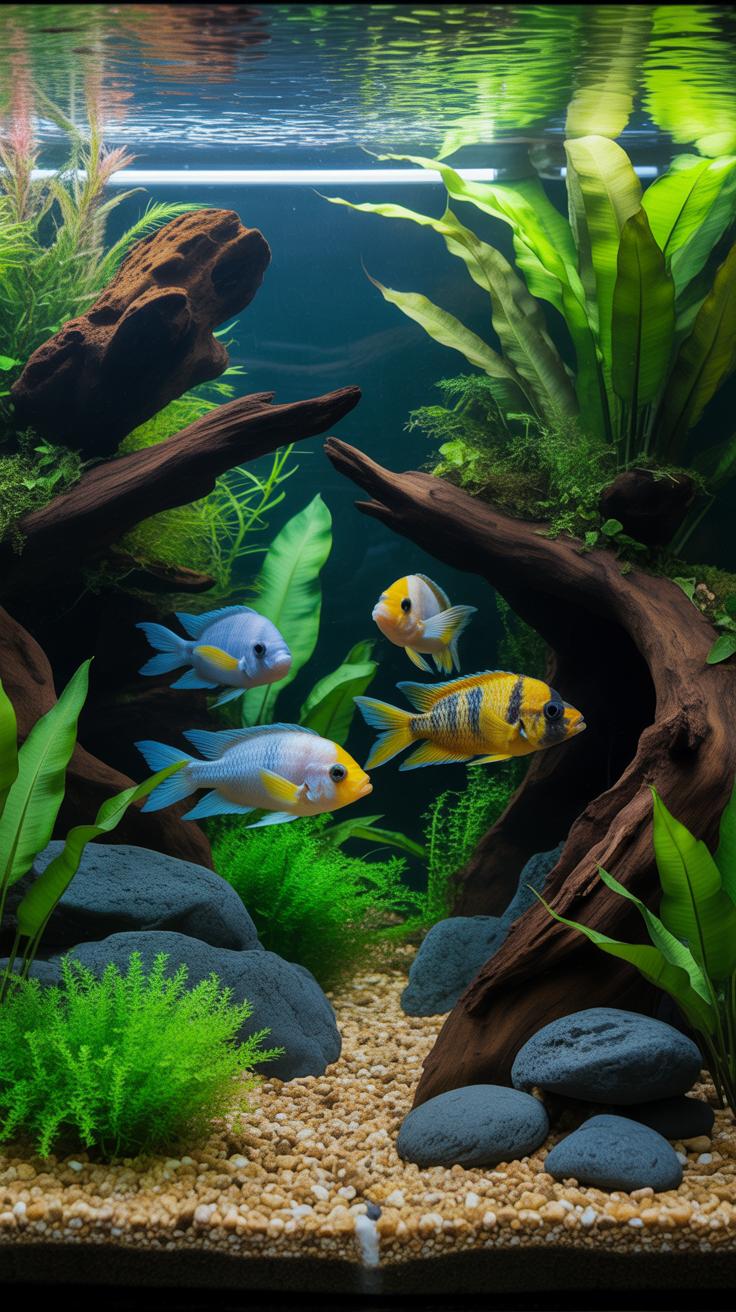
Sand is the superior choice for most cichlid species. African cichlids from Lake Malawi and Lake Tanganyika constantly sift through the bottom of the lake. They dig to build nests or find food. Coarse gravel can damage their gills and mouths during this natural behavior. Fine sand allows these fish to display their instincts safely. It also prevents waste from falling deep into cracks.
Aragonite or crushed coral sand helps maintain high pH levels. These materials act as natural buffers to keep the water alkaline. Use a depth of at least two inches for diggers. Darker sand can reduce fish stress and make their colors pop. Lighter sand reflects light more intensely. Choose your substrate based on the specific water chemistry needs of your species. Maintenance is easier because waste sits on top.
How To Arrange Rocks And Caves To Mimic Natural Cichlid Habitats
Cichlids are highly territorial and aggressive. You must use rocks to create visual breaks and defined boundaries. Use heavy materials like Texas Hole Rock, slate, or lava rock. Place the bottom layer of rocks directly on the aquarium glass before adding sand. This prevents the structure from collapsing when the fish dig underneath. Stack the rocks high to reach the middle and upper water columns.

Create multiple tunnels and caves to give subordinate fish places to hide. Ensure each cave has a clear entrance and exit if possible. This reduces trapped fish during chases. Map out the rock work to create several distinct zones. Each dominant male will claim a specific pile of rocks. Proper layout reduces fighting and keeps the tank peaceful. Aim for a rugged and chaotic look to mimic a reef.
Water Parameters The Foundation Of Any African Cichlid Care Guide
Ideal Water Temperature, PH, And Hardness Levels For African Cichlids
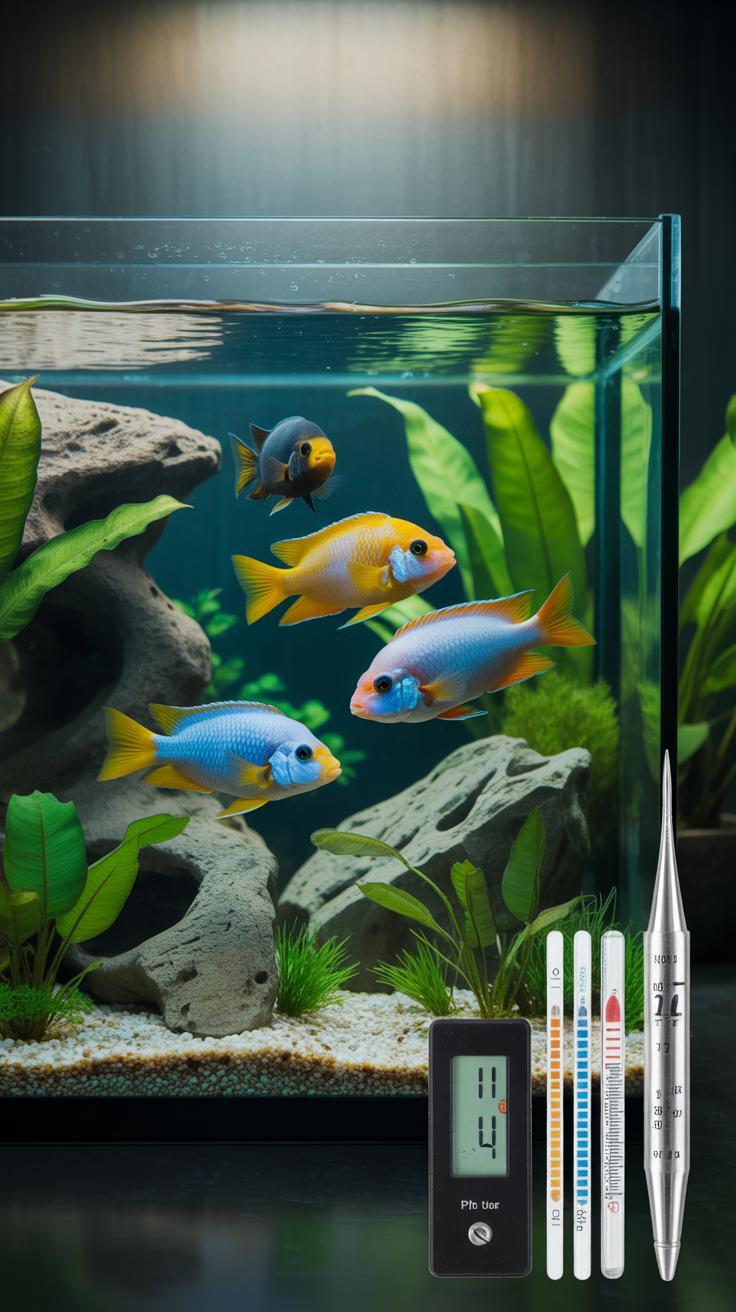
African Cichlids from Lake Malawi and Lake Tanganyika require specific alkaline conditions to thrive. Keep your water temperature between 76 and 82 degrees Fahrenheit. Maintaining a pH level between 7.8 and 8.6 is critical for their health. These fish evolved in rift lakes with high mineral content. Lower pH levels stress their immune systems and cause metabolic failure. Accuracy here prevents sudden stock loss.
General hardness and carbonate hardness must remain high. Aim for a dGH of 10 to 20 and a dKH of 10 to 15. These values provide a buffer against pH swings. High mineral content mimics the natural tectonic chemistry of the African rift valley. If your local tap water is soft, you must use mineral salts. Never guess these levels. Consistent monitoring ensures your fish stay aggressive and vibrant.
How To Test And Maintain Stable Water Conditions In Your Cichlid Tank
Use liquid reagent test kits for the most accurate results. Test your water every week before you perform maintenance. Focus on ammonia, nitrite, and nitrate levels alongside pH and hardness. Ammonia and nitrite must always read zero. If these levels rise, your biological filter is failing. High nitrates indicate you need a larger water change. Routine testing catches chemistry shifts before they kill your fish.

Stability matters more than hitting a perfect number. Large shifts in pH or temperature shock the fish. When you change water, match the temperature and chemistry of the new water to the tank. Use crushed coral or aragonite sand as a substrate to naturally buffer the pH. Perform 30 to 50 percent water changes weekly to remove waste. Consistent habits create a stable environment where your cichlids will live longer.
Cycling Your Tank A Critical Step In Your Cichlid Tank Ideas Plan
What Is The Nitrogen Cycle And Why Does It Matter For Your Cichlid Tank?
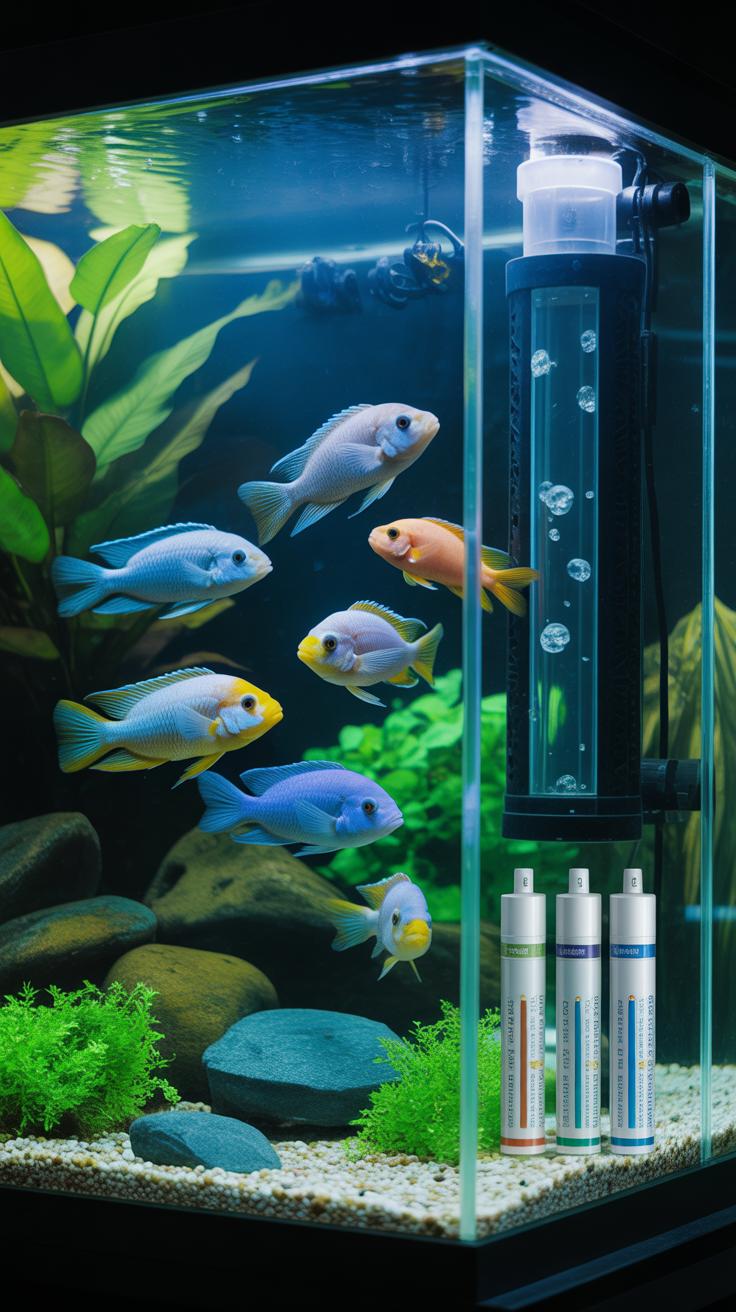
The nitrogen cycle is the biological process that converts toxic fish waste into safer compounds. Fish release ammonia through their gills and waste. Ammonia is a potent poison that kills cichlids quickly. Beneficial bacteria must colonize your filter media to process this ammonia. Without these bacteria, your tank remains a toxic environment. This process turns ammonia into nitrite and then into nitrate.
Nitrite is just as dangerous as ammonia and causes respiratory distress. Nitrate is the final product and is only safe in low concentrations. You must establish this cycle before adding your first fish. Cichlids produce high amounts of waste compared to other species. A failure to cycle the tank leads to New Tank Syndrome. This condition results in sudden fish death and cloudy water.
Step By Step Guide To Cycling A New Cichlid Aquarium Before Adding Fish
Fishless cycling is the most efficient method to prepare your aquarium. You introduce a source of pure ammonia to trigger bacterial growth without harming animals. This process requires patience and consistent water testing. You must track ammonia, nitrite, and nitrate levels daily. Bacteria need a surface to grow on, so keep your filters running at all times throughout this phase.
- Add Ammonia Source: Introduce pure household ammonia or a small amount of fish food to the water. Aim for an ammonia concentration of two to four parts per million. This serves as the primary food source for your initial bacterial colony.
- Monitor Nitrite Levels: Test your water every two days. You will eventually see ammonia levels drop and nitrite levels rise. This indicates that the first group of beneficial bacteria is actively converting waste into this secondary compound.
- Wait For Nitrite Spike: Continue monitoring until your nitrite levels peak and then begin to fall toward zero. This phase usually takes the longest time. Do not add fish yet, as nitrite prevents oxygen from reaching the blood of the fish.
- Test For Nitrates: Check for the presence of nitrates in the water. Nitrate production proves that the second group of bacteria is established. Once ammonia and nitrite both read zero, your biological filter is officially functioning and ready for a biological load.
- Perform Water Change: Execute a large water change of fifty to seventy percent before adding cichlids. This step removes the high nitrate accumulation that built up during the cycling process. Ensure the new water is dechlorinated and matches the tank temperature exactly.

Verify the cycle by adding a small dose of ammonia and testing twenty-four hours later. Both ammonia and nitrite must return to zero within that window. If the levels remain elevated, your bacterial colony is not yet strong enough. Once the system processes ammonia instantly, you can safely introduce your cichlids. Always add fish gradually to avoid overwhelming the newly established bacterial colony.
How To Care For African Cichlids Feeding Behavior And Tank Mates
What To Feed African Cichlids: Diet Types And Feeding Frequency
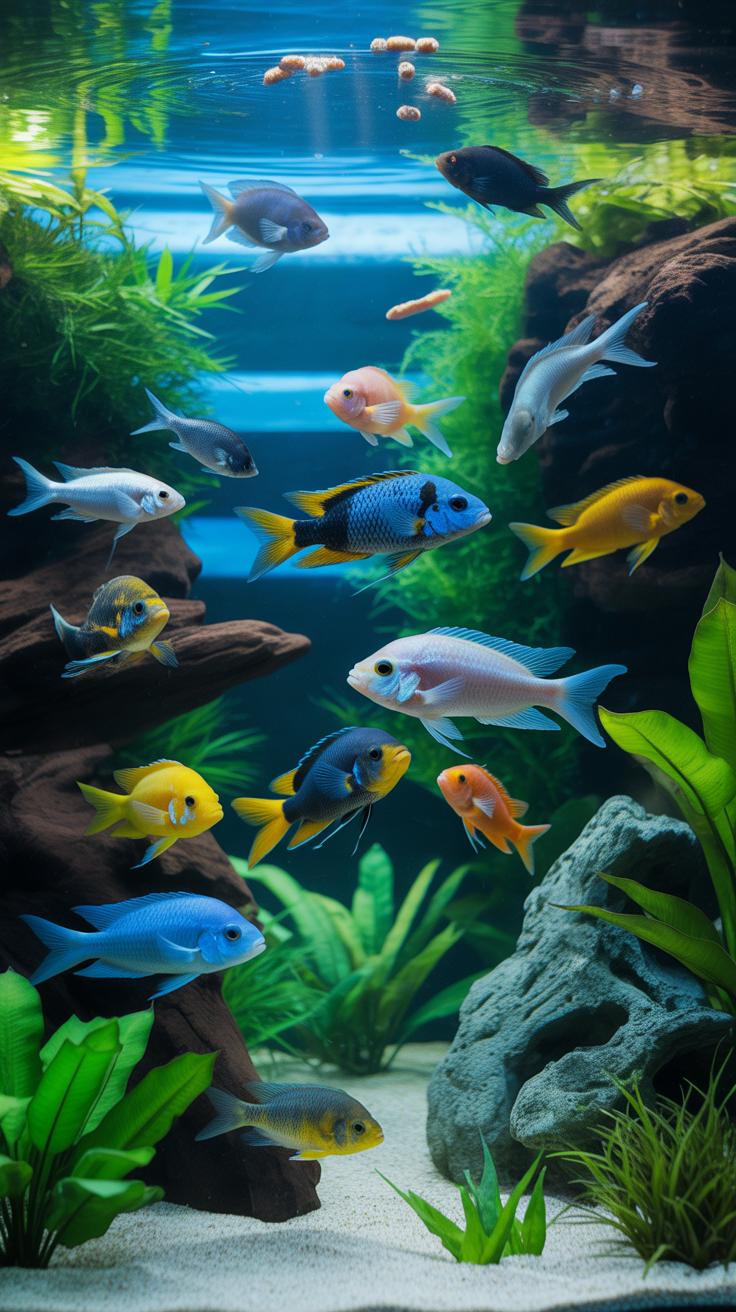
African Cichlids require specific diets based on their lake of origin. Most Mbuna from Lake Malawi are herbivores. They eat algae and plant matter. Feeding them high-protein worms or meaty foods causes digestive blockages. This leads to a fatal condition called Malawi Bloat. You must choose a high-quality spirulina flake or pellet. These provide the necessary fiber to keep their long digestive tracts moving.
Feed your fish twice daily in small amounts. Only give them what they can consume in under two minutes. Overfeeding ruins water quality and spikes nitrate levels. Consistent schedules help stabilize the tank environment. Younger fish need more frequent feedings for growth. Adults thrive on a lean diet. Supplement with fresh blanched vegetables like zucchini or peas once a week to improve gut health and clear systems.
Understanding Cichlid Aggression And Choosing Compatible Tank Mates
Cichlids are naturally territorial and aggressive. They fight for dominance and breeding spots. You must manage this behavior through strategic overstocking. Adding more fish spreads out the aggression. No single fish becomes a constant target. You also need many rocks and caves. These breaks in the line of sight allow weaker fish to hide. Proper tank layout prevents the alpha from claiming the entire floor.

Choose tank mates that share the same water chemistry and temperament. Never mix African Cichlids with South American species. Their water requirements and social cues differ too much. Keep fish from the same lake together for the best results. Stick with similar sizes to prevent predation. Large males will eat any fish that fits in their mouths. Always monitor the hierarchy after adding new fish to ensure no individuals face extreme bullying.
African Cichlid Care Tips Routine Maintenance To Keep Your Tank Thriving
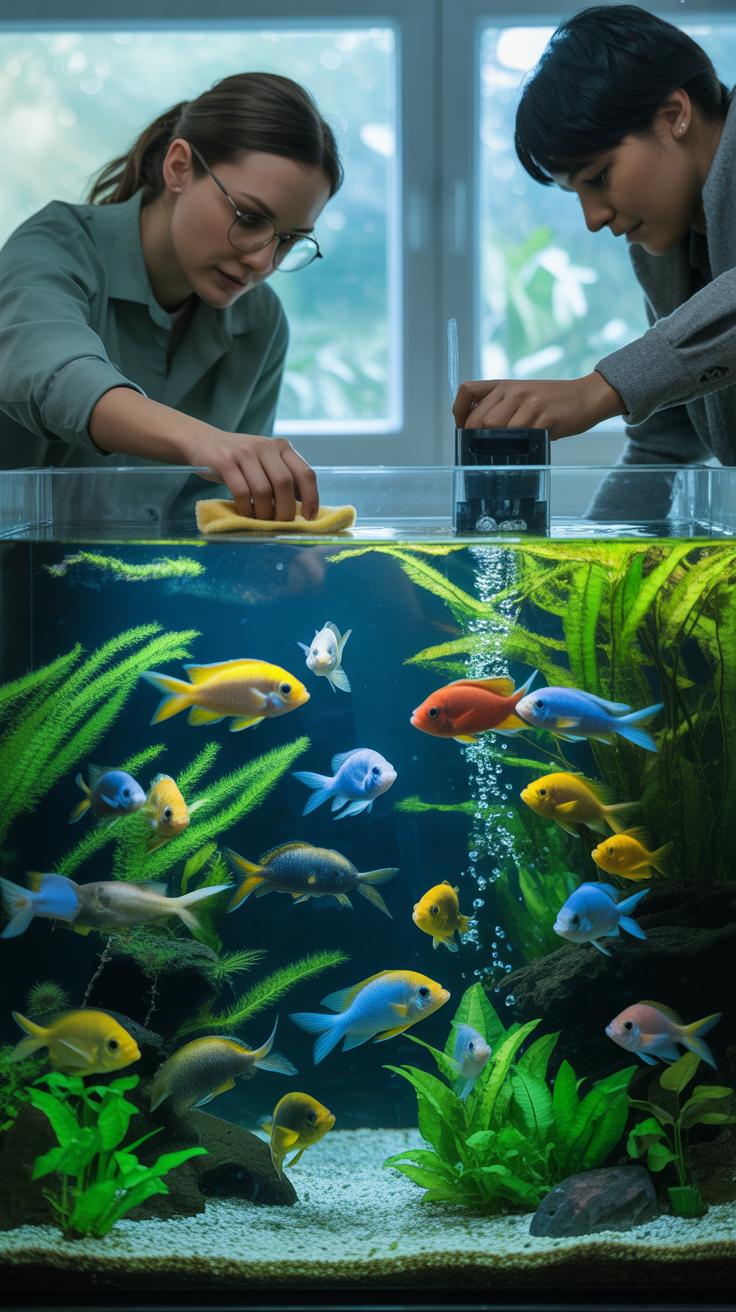
How Often Should You Perform Water Changes In A Cichlid Tank?
Cichlids produce a high amount of biological waste. You must perform water changes weekly to maintain low nitrate levels. Change 25 to 50 percent of the water every seven days. This schedule prevents nitrogen compounds from reaching toxic levels. Large bioloads require aggressive filtration and strict replacement intervals. Check your water parameters with a liquid test kit to ensure levels remain safe.
Consistency prevents osmotic shock in your fish. Match the temperature and pH of the new water to the current tank conditions. Use a high-quality water conditioner to remove chlorine and chloramines immediately. Neglecting this routine leads to stunted growth and increased aggression levels. Regular maintenance is the only way to sustain a healthy African Cichlid environment over the long term.
Hand-picking each stone for a new sanctuary reminds us that we are not just building an aquarium, but a vibrant home where life truly flourishes. Setting up your first tank is the start of a lifelong conversation with the wonders of the underwater world.
Spotting Early Signs Of Illness And Common Cichlid Health Issues To Watch
Monitor your fish daily for behavioral changes. Healthy cichlids are active and have strong appetites. Watch for clamped fins, rubbing against rocks, or gasping at the surface. These signs indicate poor water quality or external parasites. Malawi Bloat is a common issue caused by stress or improper diet. Swollen abdomens and labored breathing characterize this condition. Act fast if you see these symptoms.

White spots on the scales often signal Ich. This parasite spreads rapidly in warm aquarium environments. Quarantining new fish prevents the introduction of disease to your main display. Keep a secondary tank ready for emergency treatments. Promptly removing sick fish reduces the risk of a total colony collapse. Maintain high oxygen levels and stable temperatures to support the immune systems of your African Cichlids.
Your African Cichlid Guide To Species Selection For A Beginner Tank
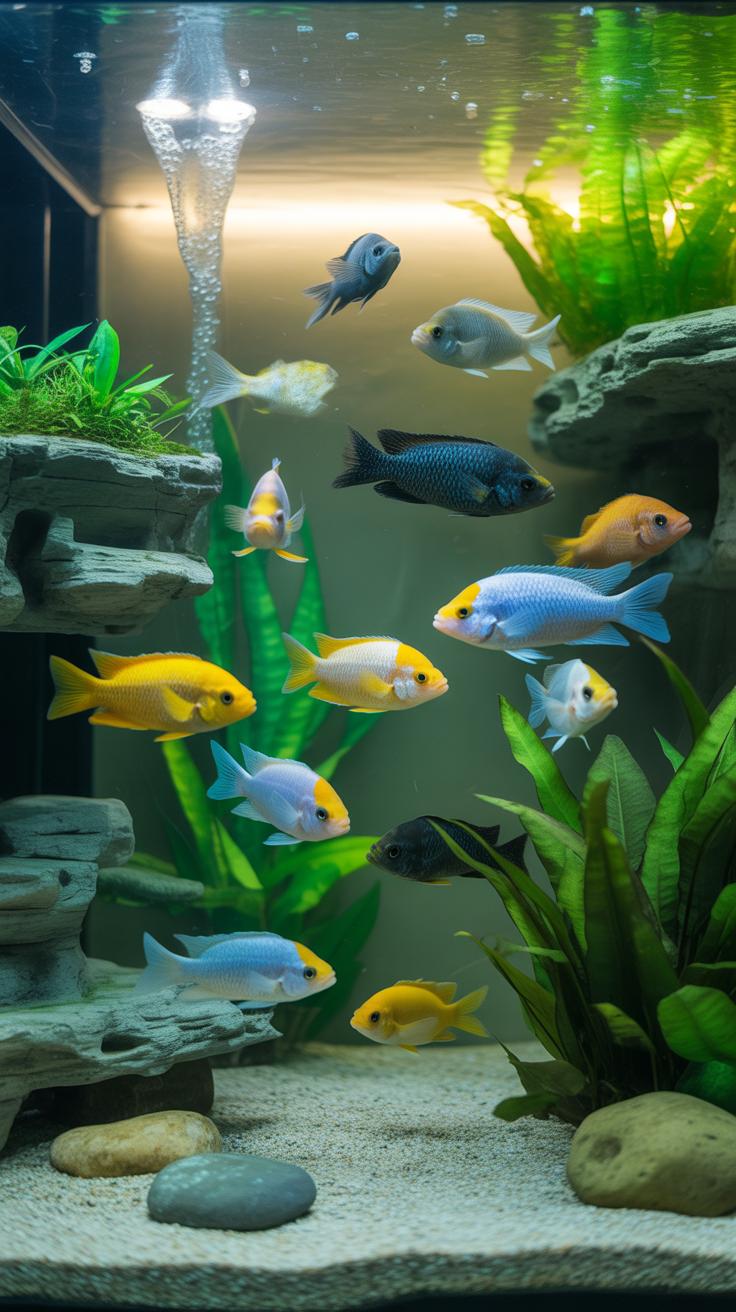
Top Beginner Friendly African Cichlid Species: Mbuna, Peacocks, And More
Beginners should start with hardy species from Lake Malawi. Yellow Lab Mbuna are the standard choice due to their manageable aggression and striking color. They thrive in rocky environments and tolerate common water chemistry fluctuations better than other rift lake species. Avoid mixing Mbuna with Peacocks if you lack experience. Their dietary needs and social behaviors differ too much for a novice to manage safely.
Yellow Tail Acei are another tactical choice for new keepers. Unlike most Mbuna that stay near rocks, Acei swim in open water. This behavior provides visual movement throughout the entire aquarium. Electric Blue Peacocks offer intense color but require more swimming space and less aggressive tank mates. Always verify the specific lake of origin before buying. Mixing fish from different lakes causes chemical and behavioral conflicts.
How Many Cichlids Can You Keep And How To Stock Your Tank Responsibly
Cichlid stocking requires a strategy called controlled overstocking. You must keep more fish than a standard community tank to spread out aggression. If you only keep three fish, the strongest will kill the others. By keeping ten or twelve, the dominant male cannot focus his attacks on a single target. Higher fish density demands heavy filtration and frequent water changes to manage the increased biological load.
Plan your stocking based on a 1-to-3 male-to-female ratio. Too many males lead to lethal territorial battles over breeding rights. Research the adult size of your chosen species before purchasing juveniles. A six-inch fish needs more space than a two-inch juvenile. Introduce all fish at the same time if possible. Adding new fish to an established colony often results in the immediate death of the newcomers.
Frequently Asked Questions

Are cichlids a good choice for someone new to the aquarium hobby?
While some species are aggressive, cichlids are excellent for beginners because they are incredibly hardy and full of personality. The key to success is following a proper cichlid tank setup guide to ensure you select compatible species and the right environment. By understanding their unique territorial behaviors and water requirements from the start, you can enjoy a vibrant, active underwater community that thrives for many years in your home.
How do I properly arrange rocks and decor for a cichlid environment?
When following a cichlid tank setup guide, focus on creating plenty of caves and visual barriers using stacked rocks or slate. Cichlids are naturally territorial, so providing distinct hiding spots helps reduce aggression between fish. Ensure your rock structures are secure and placed directly on the tank bottom rather than on top of the sand, as many species love to dig and could inadvertently cause a collapse.
Is it possible to set up a beautiful cichlid aquarium on a tight budget?
Absolutely! You can save significantly by sourcing natural lace rock or river stones from local landscaping yards rather than boutique pet stores; just ensure they are thoroughly cleaned and aquarium-safe. Additionally, opting for a high-quality sponge filter and purchasing younger, smaller fish can keep initial costs low. A stunning setup doesn’t require a fortune, just smart planning around the essential needs of your specific fish.