
Understanding Ferrets Care Temperament Behavior And What To Expect
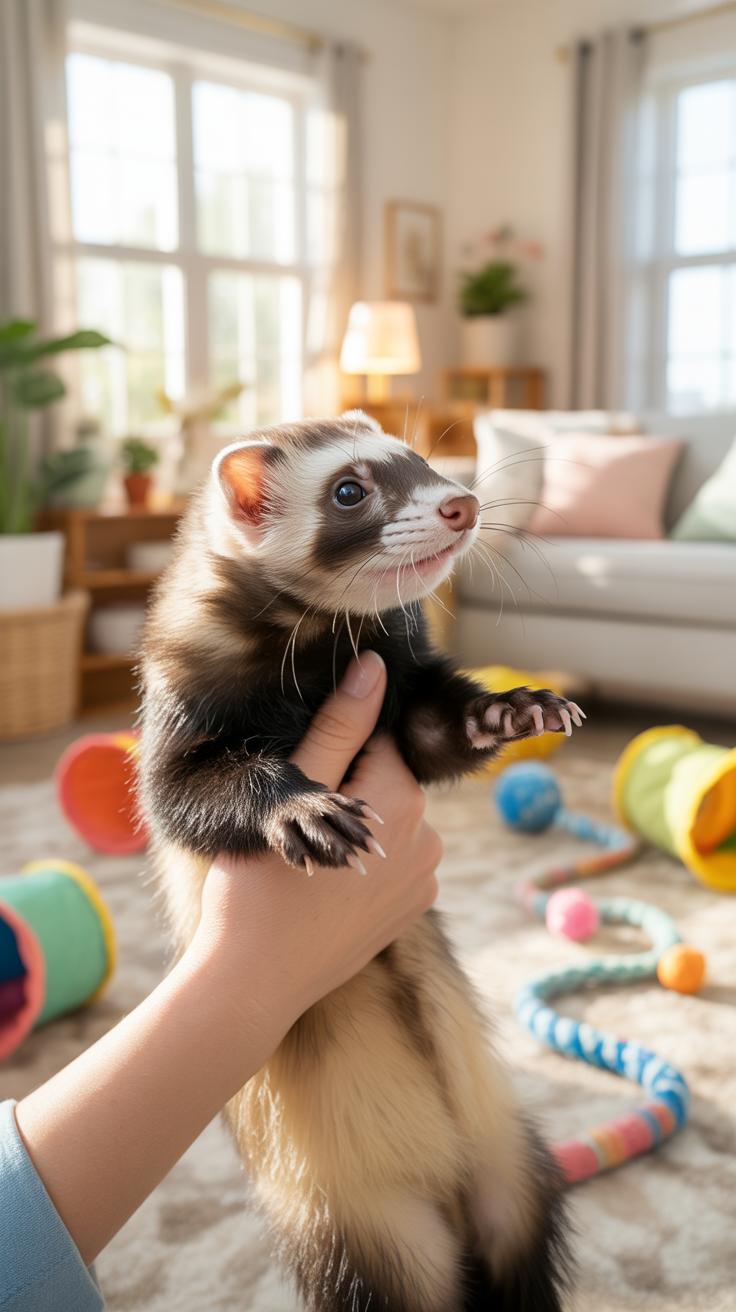
The Natural Personality And Social Nature Of Domestic Ferrets
Domestic ferrets descend from the European polecat and retain high intelligence. These animals are obligate carnivores with a crepuscular sleep cycle. They sleep up to twenty hours daily but remain highly active during waking periods. You must understand their need for social interaction. They are not solitary pets. Ferrets require daily engagement with humans or other ferrets to maintain mental health and prevent destructive boredom behaviors.
Ferrets possess a bold and curious nature. They explore their environment using their mouths and paws. This drive often leads them into dangerous situations or tight spaces. You must manage their environment strictly. Their social hierarchy is generally peaceful but involves physical play. Owners must commit at least four hours of out-of-cage time daily. Shortening this time leads to lethargy and stress for the animal.
Common Ferret Behaviors Every New Owner Should Recognize
The weasel war dance is the most common behavior you will see. The ferret arches its back, bounces sideways, and often bumps into objects. This movement signals pure excitement and playfulness. It is not an aggressive display or a seizure. You should also expect soft clucking sounds known as dooking. These vocalizations indicate the ferret is happy or interested in its current activity or surroundings.
Ferrets have a natural instinct to steal and hide items. This behavior is called caching. They target shiny objects, rubber, or keys and store them in secure corners. You must monitor these stashes to ensure they do not ingest harmful materials. Nipping is another common behavior used during play. Younger ferrets must learn bite inhibition through consistent training. They use their mouths to communicate and test their boundaries constantly.

Your Complete Ferret Supplies List Before Bringing Your Pet Home
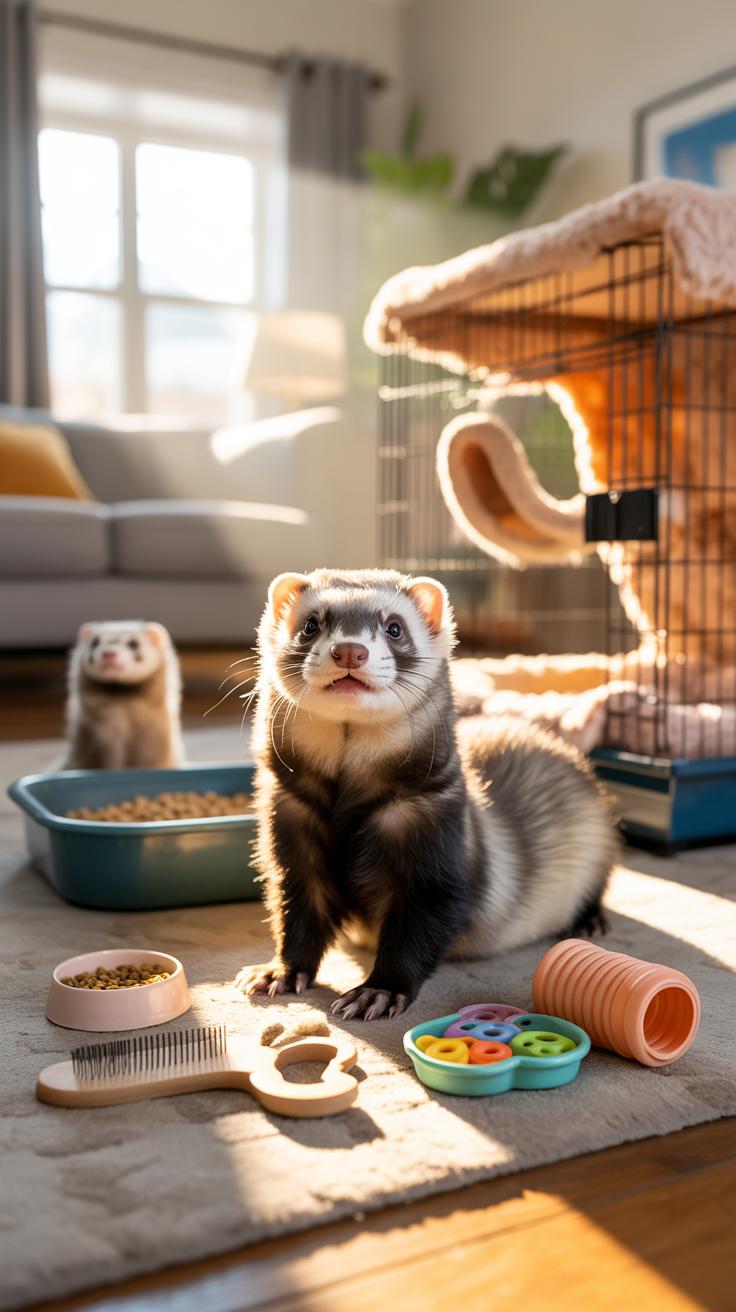
Essential Supplies Every Ferret Owner Needs From Day One
You must secure your ferret in a multi-level wire cage to ensure safety and proper airflow. Wood cages absorb urine and bacteria which creates health risks. Floor space matters but vertical room allows for natural climbing. Buy a heavy ceramic bowl for water because ferrets will flip plastic dishes. A large corner litter box with high walls prevents messes during the training phase.
- Multi-Level Wire Cage: Purchase a metal cage with solid floors to prevent foot injuries like bumblefoot. Avoid cages with wide bar spacing because ferrets can squeeze through gaps smaller than one inch easily.
- High-Back Litter Box: Select a box specifically designed for small animals with a low entry point and high rear walls. This design contains waste effectively and fits into cage corners to save floor space.
- Heavy Ceramic Food Bowl: Choose heavy stoneware that the ferret cannot tip or carry. Skip plastic bowls because ferrets chew them and the porous material traps harmful bacteria that cause skin infections on their chins.
- Hammocks and Bedding: Provide multiple fleece blankets or hanging hammocks for sleeping quarters. Avoid towels or looped fabrics because ferret claws get snagged in the fibers which leads to broken toes or ripped nails.
- Paper-Based Pelleted Litter: Use recycled paper pellets instead of clay or clumping cat litter. Clay dust causes respiratory distress while clumping litter sticks to their noses and can cause fatal internal blockages if ingested.
Diet requires high-protein kibble specifically formulated for obligate carnivores. Ferrets cannot digest fiber or sugar so avoid treats containing fruit or grains. Stock up on a high-quality ferret food that lists poultry as the first three ingredients. Keep a pet carrier ready for transportation and vet visits. Invest in cleaning supplies like enzymatic cleaners to neutralize odors without using harsh chemicals that irritate sensitive ferret lungs.
Where To Buy Quality Ferret Supplies Without Overspending
Direct your budget toward a high-quality cage and save money on accessories. Search online marketplaces for used Ferret Nation or Critter Nation cages which are the industry standard for durability. Sanitize any secondhand equipment with a bleach solution before use. Avoid pet store markup on bedding by using old fleece blankets or shirts. Fleece does not fray and provides excellent warmth for much less cash.

Wholesale clubs and online retailers offer the best prices on bulk litter and food. Subscription services often provide discounts on recurring orders of essential consumables. Do not buy expensive ferret toys which often contain thin rubber that they can swallow. Use hard plastic cat balls or dryer vent tubes for inexpensive enrichment. Check farm supply stores for large bags of wood stove pellets as a cheap, safe litter alternative.
Ferret Care Basics Health Hygiene And Routine Maintenance
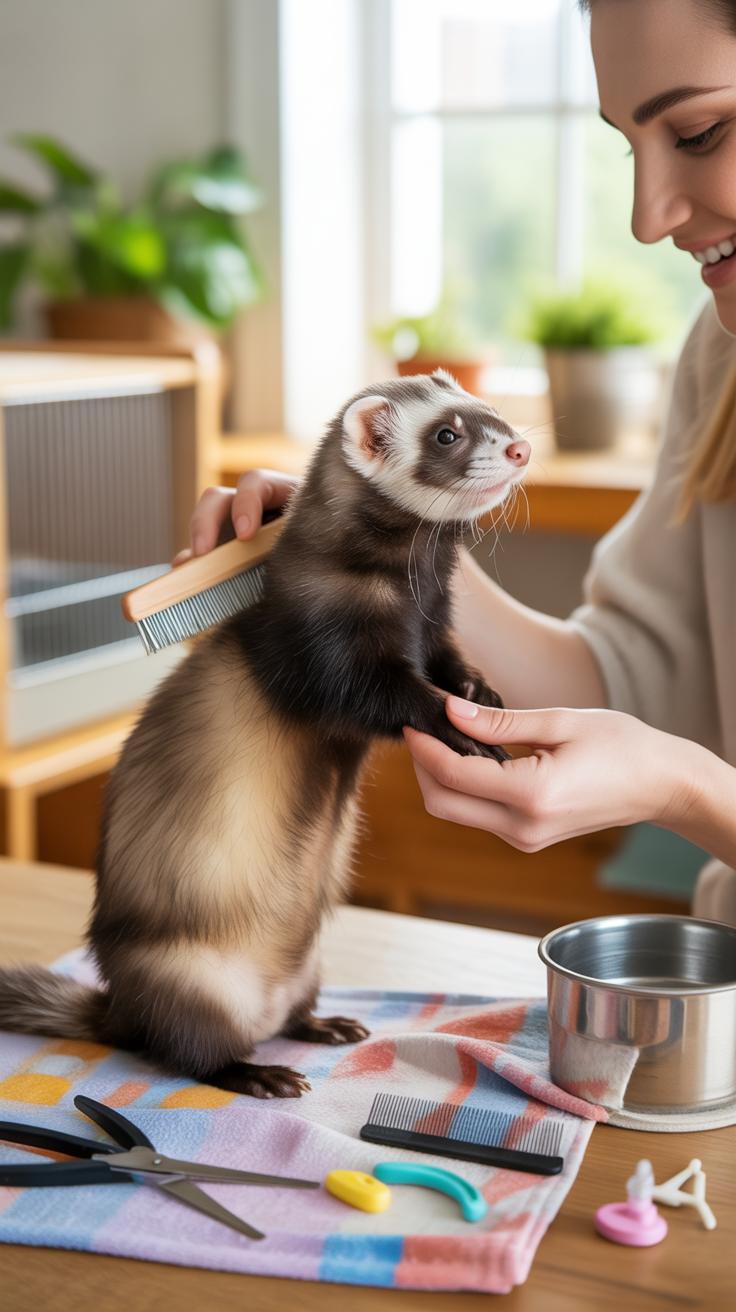
Grooming Routines That Keep Your Ferret Clean And Comfortable
Ferrets require minimal bathing to maintain skin health. Over-washing strips natural oils and causes the skin to overproduce musk. Aim for a bath every three months using a ferret-specific shampoo. Human products disrupt their pH balance and cause irritation. Clean their ears weekly using a liquid ear cleaner and a cotton ball. Remove dark wax to prevent ear mite infestations and infections.
Clip nails every two weeks to prevent snags on bedding or carpets. Use cat nail clippers and apply styptic powder if you cut the quick. Brush teeth twice a month with feline toothpaste and a soft brush. Dental disease is common and leads to organ failure if ignored. Consistent grooming prevents costly medical bills and keeps the ferret comfortable in its environment. Regular maintenance is a requirement.
How To Spot Early Signs Of Illness In Your Ferret
Monitoring litter box habits provides the fastest diagnostic data. Healthy stools are firm and brown. Green, slimy, or birdseed-textured stools indicate digestive distress or infection. Straining while urinating is an emergency and often signals a blockage. Observe their energy levels daily. A ferret that refuses to play or hides in unusual spots is likely in pain. Lethargy is never a normal phase for these animals.
Check the coat and skin for abnormalities. Hair loss on the tail or back often points to adrenal gland disease. This condition is prevalent in domestic ferrets and requires veterinary intervention. Look for pale gums or excessive drooling, which signal insulinoma or low blood sugar. Pay attention to coughing or wheezing as these indicate heart issues. Early detection saves lives and reduces the overall cost of ownership.
Building The Perfect Ferret Supplies Checklist For A Safe Environment
Must Have Safety And Enrichment Items On Your Ferret Checklist
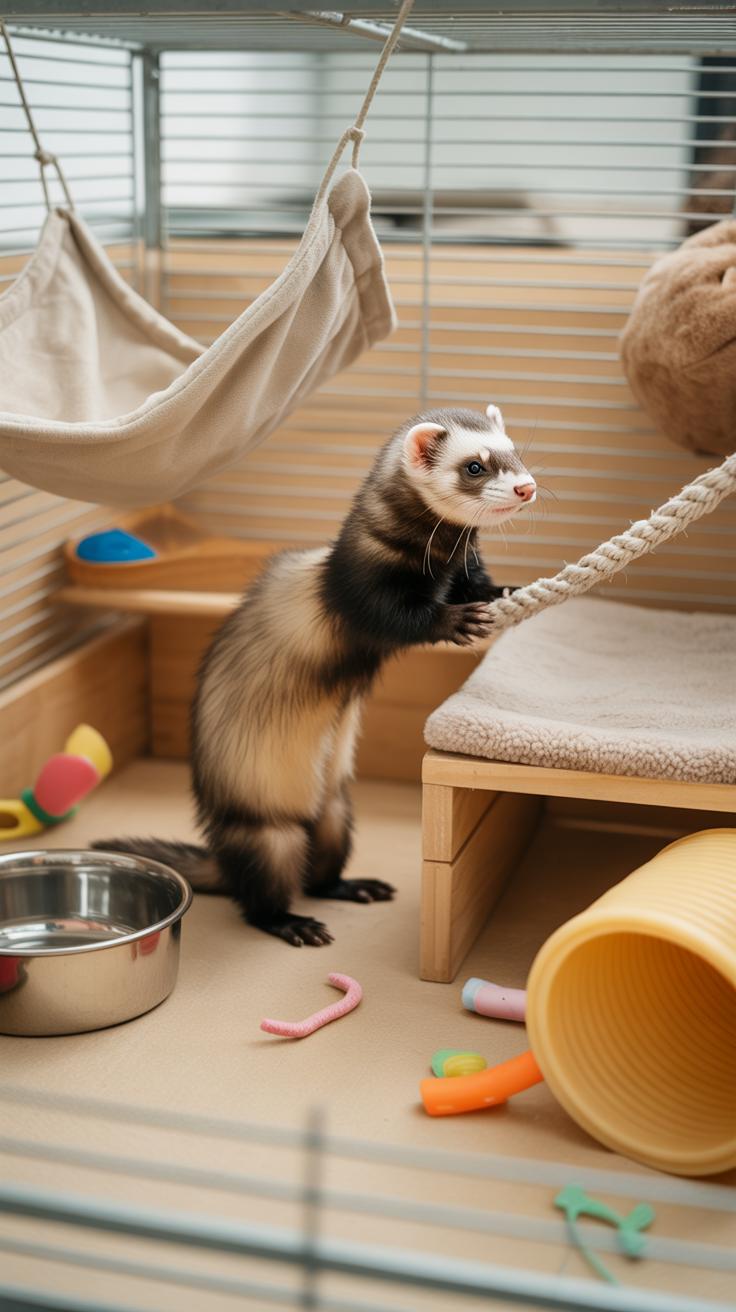
Ferrets require specific gear to survive and thrive in a domestic setting. You must prioritize escape-proof housing and high-quality bedding to prevent injury. Generic small animal supplies often fail to meet ferret-specific needs. Focus on rugged materials that withstand chewing and digging. Safety items reduce the risk of intestinal blockages. Enrichment tools prevent depression and destructive behavioral patterns in active ferrets.
- Multi-Level Wired Cage: Purchase a cage with solid floors and narrow bar spacing. Wire floors cause foot injuries like bumblefoot. Multiple levels allow for distinct sleeping, eating, and bathroom zones. Ensure the locking mechanism is heavy duty because ferrets are skilled escape artists.
- Heavy Ceramic Bowls: Use tip-proof ceramic crocks for food and water. Plastic bowls are too light and become chew toys. Ferrets habitually flip lightweight containers, leading to dehydration and wasted food. Ceramic is easy to sanitize and resists bacterial growth over time.
- Washable Fleece Bedding: Buy high-quality fleece blankets and hanging hammocks. Avoid towels or fabrics with loose loops that catch ferret claws. Fleece stays warm and does not unravel into dangerous threads. You must wash these weekly to control natural musk odors and skin oils.
- High-Back Litter Boxes: Install boxes with high walls in several cage corners. Ferrets back into corners to eliminate. Low-profile pans allow waste to spill over the edge onto your floors. Use recycled paper pellets rather than clumping clay or dusty wood shavings to protect their lungs.
- Hard Plastic Enrichment Toys: Select durable toys like hard plastic balls or dryer vents for tunnels. Avoid soft rubber or foam materials. Ferrets easily swallow small pieces of rubber, which causes fatal intestinal blockages. Stick to items that cannot be shredded by sharp teeth and strong jaws.
Safety starts with a secure perimeter and ends with safe digestion. Check every item for small parts that could break off. You must inspect toys daily for wear and tear. Remove damaged items immediately to prevent ingestion. A clean environment and indestructible playthings form the foundation of health. Invest in quality now to avoid expensive emergency veterinary visits later.
How To Prioritize Your Ferret Checklist On A Budget
Strategic spending ensures you provide essential care without overextending your finances. Focus your initial budget on a high-quality cage and premium high-protein food. These two items dictate the long-term health and safety of your pet. You can save money on enrichment by using household items like cardboard boxes and PVC pipes. Used cages are often available but require deep cleaning and disinfection before use.

Avoid spending money on unnecessary grooming supplies like perfumes or fancy costumes. Ferrets do not need frequent baths, as water strips their skin of natural oils. Focus your remaining funds on a dedicated emergency vet fund. This cash reserve is more important than a large collection of toys. Smart owners prioritize structural needs and medical security over aesthetic accessories. Keep your setup functional, clean, and safe above all else.
Pet Ferret Home Setup Tips Creating A Safe And Stimulating Space
How To Ferret Proof A Room Before Allowing Free Roam Time
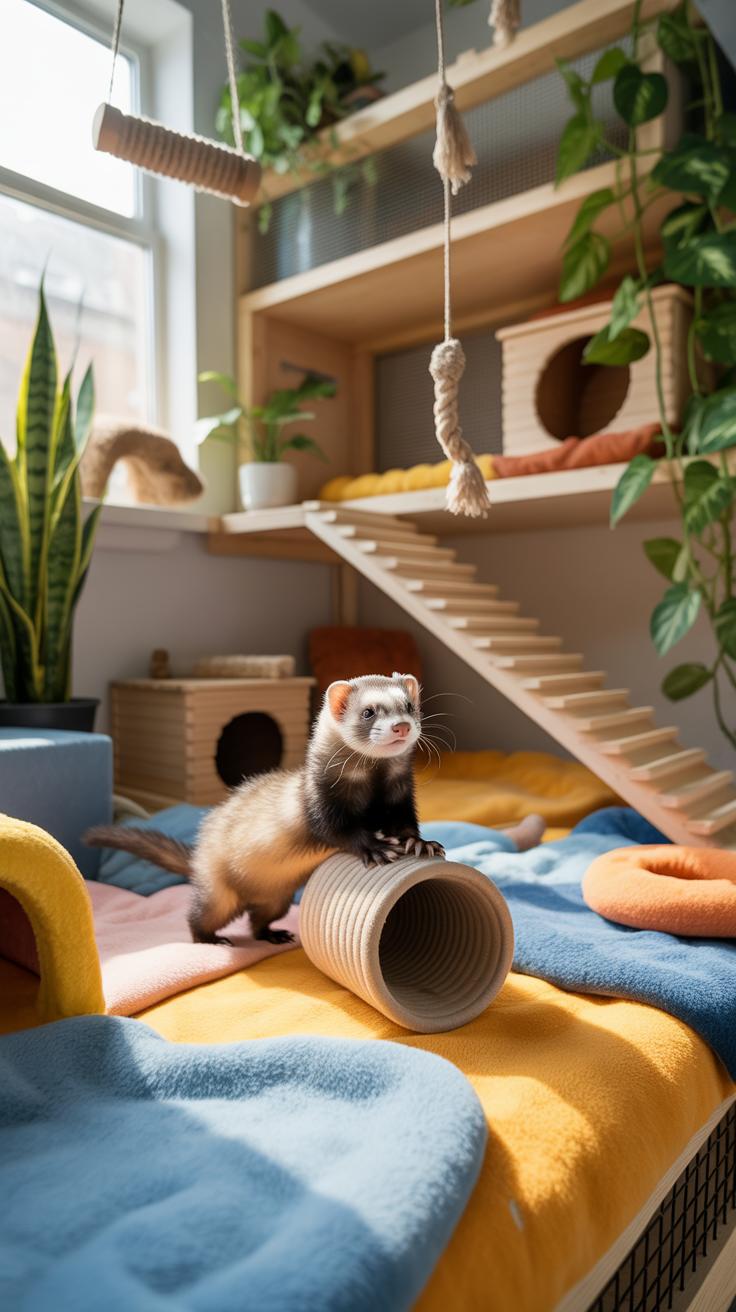
Ferrets possess flexible skeletons and can squeeze through any opening larger than one inch. You must seal gap areas under cabinets and behind appliances. Use solid materials like plywood or hardware cloth rather than cardboard. Check for holes in drywall or floorboards. Inspect the underside of reclining furniture. These mechanisms crush pets instantly. Remove any chairs with moving parts from the designated area.
Check your floors for small rubber or plastic objects. Ferrets chew and swallow these items. This lead to fatal intestinal blockages and expensive surgeries. Ensure all windows stay latched. Screen mesh cannot hold a determined ferret. Lift all electrical cords off the floor or use hard plastic cord protectors. Secure all low cabinets with child safety locks to prevent access to cleaning chemicals.
Choosing The Right Location In Your Home For A Ferret Living Area
Place the ferret cage in a room with stable temperatures. Ferrets lack sweat glands and suffer heatstroke easily. Keep the environment between sixty and eighty degrees Fahrenheit. Avoid direct sunlight from large windows. Do not place the enclosure near radiators or air vents. Ensure the room has a door to control access. This prevents other larger pets from entering without supervision.

Select a high traffic area where the animals see daily activity. Ferrets are social and need visual interaction to prevent boredom. However, ensure the spot stays quiet during the day. Ferrets sleep up to eighteen hours and require rest periods. Use a room with easy to clean flooring like tile or laminate. Spills and litter box misses happen frequently. Avoid bedrooms if you are a light sleeper.
Ferret Feeding Tips Diet Nutrition And Meal Scheduling
What Ferrets Should Eat: Protein Rich Diets Explained
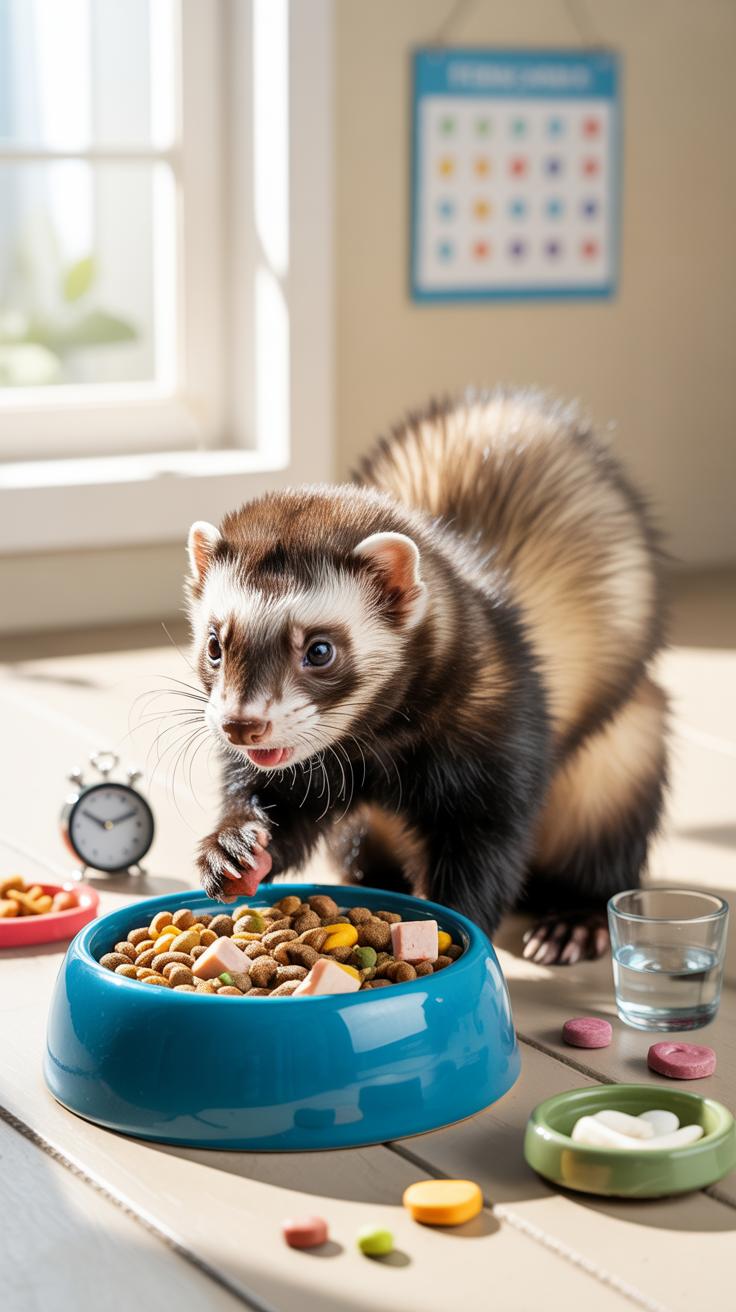
Ferrets are obligate carnivores with extremely short digestive tracts. They process food in roughly three to four hours. Their bodies require high amounts of animal protein and fat to function. You must provide food containing at least thirty-five percent protein and fifteen to twenty percent fat. Look for meat as the first three ingredients. Quality kibble or raw meat diets satisfy these metabolic needs effectively.
Avoid plant-based proteins altogether. Ferrets cannot digest fiber or complex carbohydrates. These fillers lead to serious health issues like insulinoma and bladder stones. Water must always be available in a clean bowl. Dehydration happens fast because of their high metabolism. Consistency is key with their diet. Stick to high-quality animal sources to ensure your ferret maintains a healthy weight and thick coat throughout its life.
Foods To Avoid And Feeding Mistakes New Ferret Owners Often Make
Sugar is a primary enemy for ferrets. Never feed them fruit, honey, or corn syrup. These ingredients spike blood sugar and cause pancreatic damage. Dairy is another common mistake for new owners. Ferrets are lactose intolerant and will suffer from severe diarrhea if they consume milk or cheese. Avoid any treats containing grains or starches. These items offer zero nutritional value and create long-term health complications.

New owners often leave food out too long or change brands suddenly. Ferrets imprint on their food by six months of age. If you do not mix different high-quality kibbles early, they may starve if your specific brand becomes unavailable. Do not rely on cheap cat food or dog food. These products lack the concentrated taurine and animal fat ferrets require. Stick to meat-only treats like cooked egg or freeze-dried raw snacks.
Cute Ferret Cage Ideas Designing A Comfortable And Engaging Home
How To Choose The Right Cage Size And Layout For Your Ferret
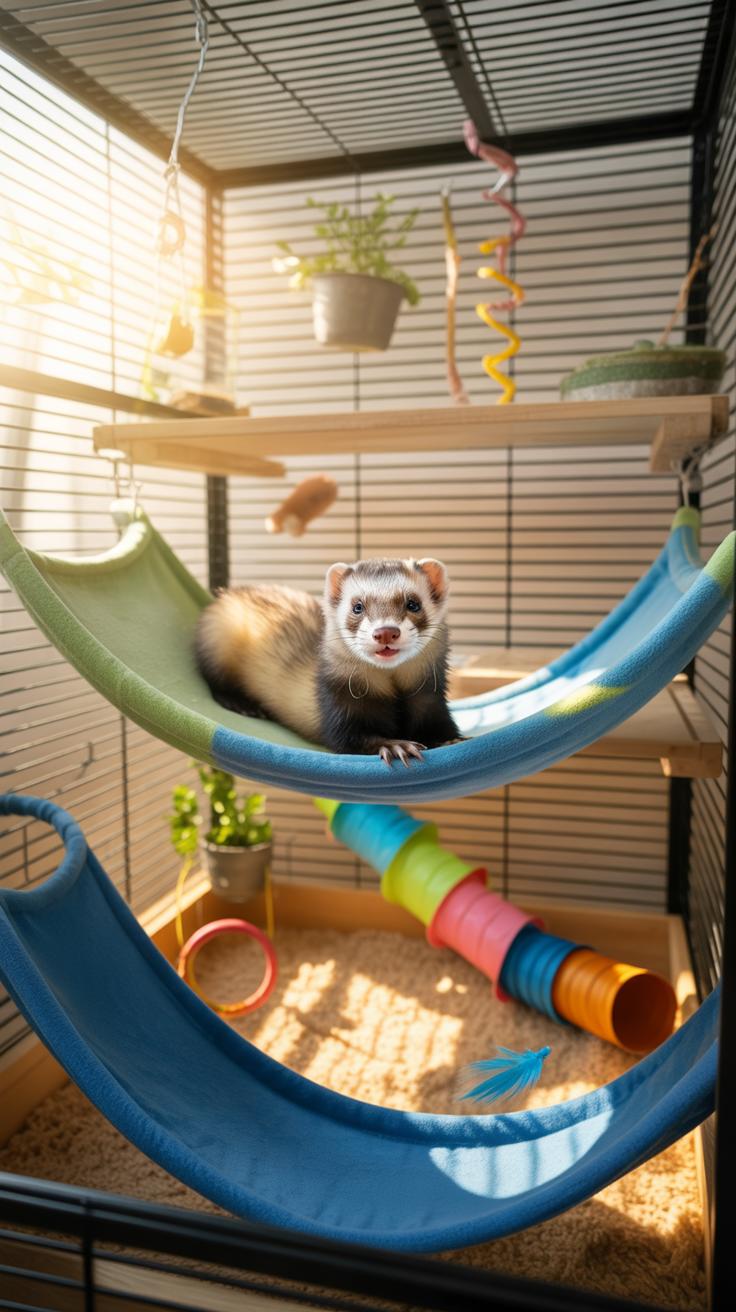
Ferret cages must prioritize vertical space and ventilation. A single ferret requires at least four cubic feet of living space. Choose a multi-level wire cage with a solid metal base. Avoid glass tanks or plastic bins because they trap ammonia and cause respiratory distress. Ensure the bar spacing is no wider than one inch. Small ferrets can squeeze through larger gaps or get their heads pinned.
Plan the layout to separate the sleeping area from the litter box. Place the bathroom on the bottom level in a corner. Put food and water bowls on an upper level to keep them clean. Use solid ramps or felt-covered ladders to connect the floors. Wire floors hurt ferret paws and cause bumblefoot. Cover any wire mesh with linoleum or fleece to provide a safe walking surface for the animal.
Fun And Functional Cage Accessories That Ferrets Love
Ferrets spend eighteen hours a day sleeping and require specialized bedding. Hanging hammocks and fleece sleep sacks mimic the burrows ferrets use in the wild. Avoid towels or fabrics with loose loops that catch claws. Use heavy ceramic crocks for food and water to prevent tipping. Ferrets enjoy digging and will easily flip lightweight plastic bowls. Secure water bottles to the outside of the cage to save floor space.

Engagement requires toys that stimulate hunting instincts. Install flexible plastic dryer vents or industrial tubes for climbing and tunneling. These materials provide better durability than cheap pet store alternatives. Soft plush toys are safe if you remove small plastic eyes or buttons. Check every accessory daily for signs of chewing or wear. Remove any damaged items immediately to prevent the ferret from swallowing rubber or stuffing which causes lethal blockages.
Ferret Stuff That Actually Matters Toys Bedding And Enrichment
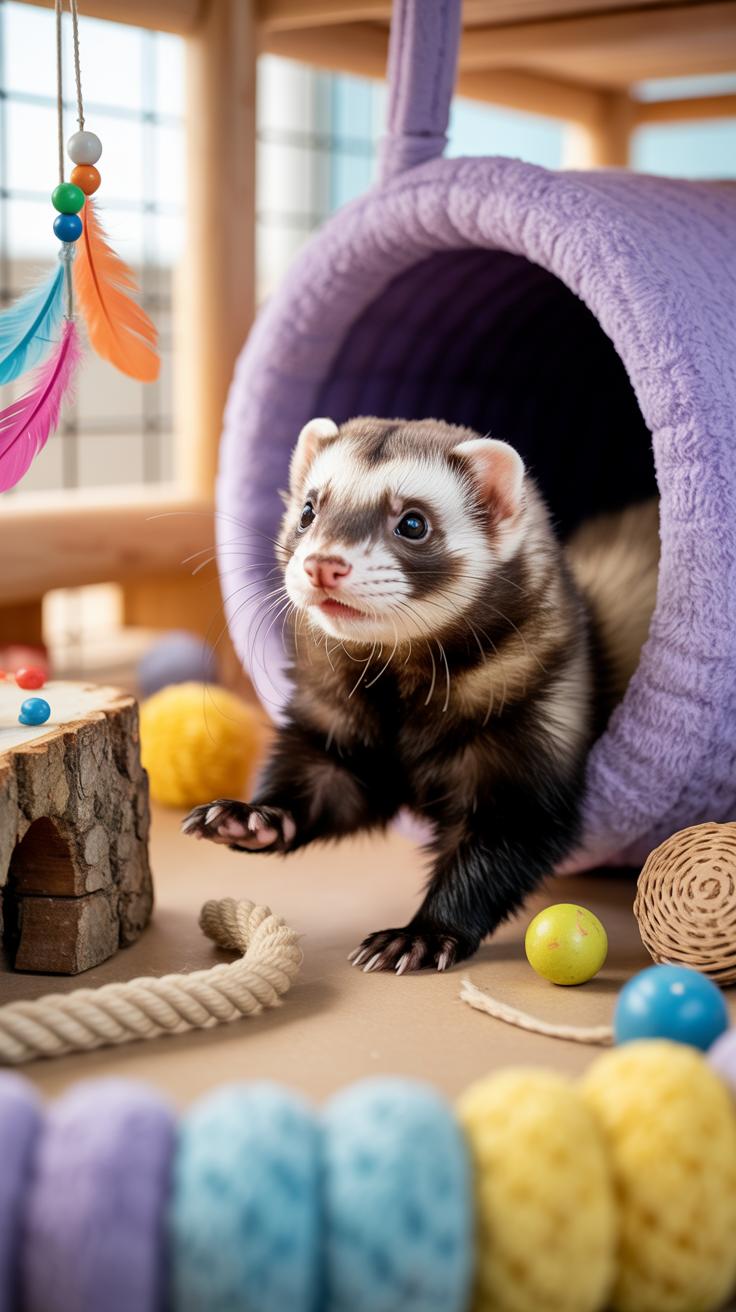
The Best Types Of Toys And Play Items To Keep Ferrets Mentally Active
Ferrets possess a high prey drive and natural tunneling instincts. Tactical enrichment must engage these traits. Use dryer hoses or heavy duty plastic pipes to simulate burrows. Buy sturdy cat teasers to trigger their hunting response. Avoid soft rubber or latex toys entirely. Ferrets will chew and swallow small pieces of these materials. This causes fatal intestinal blockages that require expensive emergency surgery.
Focus on interactive play to maintain cognitive health. Hide high value treats inside foraging boxes filled with crinkled paper or starch packing peanuts. This forces the animal to use its nose and paws to find food. Rotate the toy selection every week. This prevents boredom and keeps the ferret engaged with its environment. Constant mental stimulation reduces destructive behaviors like cage biting or digging at carpets.
A ferret is a handful of magic, requiring a gentle hand and a full heart to guide their playful spirit home. To care for one is to embrace a lifetime of laughter and silent, starlit whiskers.
Bedding Options And Sleep Habits: What Every Ferret Owner Should Know
Ferrets sleep between eighteen and twenty hours per day. They require metabolic recovery time in a dark and secure environment. Use washable fleece blankets and hanging hammocks to provide comfort. Avoid wood shavings like cedar or pine. These materials contain aromatic oils that cause respiratory distress in small mammals. High quality fabric bedding absorbs oils from the ferret skin and stays warm during deep sleep.

Cleanliness determines the health of the sleeping area. Wash all bedding once a week using unscented detergent. Strong fragrances irritate a ferret’s sensitive nose. Check for loose threads or holes daily. Ferrets can get their limbs or heads caught in frayed fabric. This leads to broken bones or strangulation. Professional owners always keep three sets of bedding to ensure a clean cycle is always available.
Veterinary Care And Long Term Ferret Health What Owners Must Plan For

Vaccinations, Spaying, And Neutering: Routine Vet Needs For Ferrets
Ferrets require specific vaccinations to survive. You must schedule shots for rabies and canine distemper. Use only ferret-approved vaccines to avoid lethal reactions. Distemper is nearly one hundred percent fatal in ferrets. Start boosters at eight weeks old. Repeat these shots every year. Find a vet who specializes in exotic animals. Traditional cat and dog vets often lack the specific knowledge required.
Most ferrets from large breeders arrive already spayed or neutered. Check for two small blue tattoos in the ear. These marks confirm the surgery and descenting. Intact females face a lethal risk called estrogen toxicity if they do not mate. This condition causes bone marrow suppression and death. If your ferret is intact, schedule the surgery immediately. This procedure is a medical necessity for their survival.
Common Health Conditions In Ferrets And How To Stay Ahead Of Them
Ferrets over age three often develop insulinoma or adrenal disease. Insulinoma is a cancer of the pancreas that causes low blood sugar. Watch for drooling, pawing at the mouth, or hind limb weakness. Adrenal disease causes hair loss and aggression. These conditions require lifelong medication or surgery. Early detection through biannual blood work saves money and extends life. Do not wait for symptoms.
Foreign body ingestion kills many young ferrets. They swallow rubber, foam, and plastic items. This causes intestinal blockages that require expensive emergency surgery. Proof your home by removing all soft chewable materials. Look for signs of lethargy or thin, ribbon-like stools. Constant vigilance is your best defense. Establish an emergency fund specifically for these events. Veterinary costs for ferrets are high and non-negotiable.
Frequently Asked Questions

Is it difficult for a beginner to look after a pet ferret?
While ferrets are incredibly rewarding companions, they do require more specialized attention than a typical hamster or cat. As outlined in our ferret care guide beginners should expect to spend significant time on socialization and “ferret-proofing” their living space. These energetic animals are highly social and intelligent, meaning they need several hours of daily interaction and mental stimulation to stay healthy and bonded to their new owners.
How do I properly set up a safe habitat for my new ferret?
Creating a secure home starts with a large, multi-level wire cage featuring solid floors to protect their sensitive paws. To follow a proper ferret care guide beginners must remove any small hazards from the room, as ferrets can squeeze through tiny gaps. Fill the habitat with soft fleece bedding, a heavy food crock, a water bottle, and a litter box secured to the corner to ensure a clean and organized environment.
What are the primary ongoing costs associated with owning a ferret?
Beyond the initial setup, your budget should prioritize high-quality, meat-based kibble and annual veterinary exams. Ferrets are prone to specific health issues, so setting aside an emergency fund for specialized “exotic” vet care is essential. Additionally, you will need to regularly replace litter, provide fresh enrichment toys, and maintain their bedding. While they are a financial commitment, the joy these playful “carpet sharks” bring makes the investment well worth it.