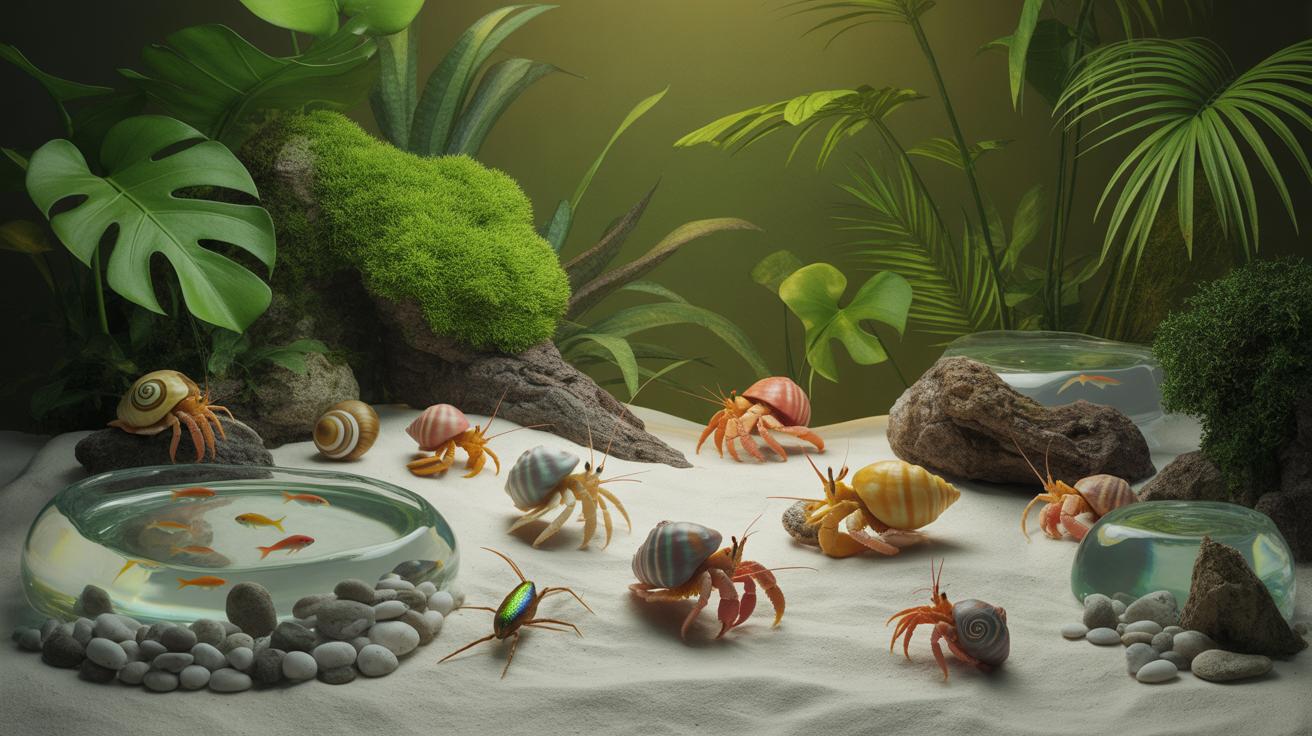
Understanding Hermit Crab Behavior Before Introducing Tank Mates
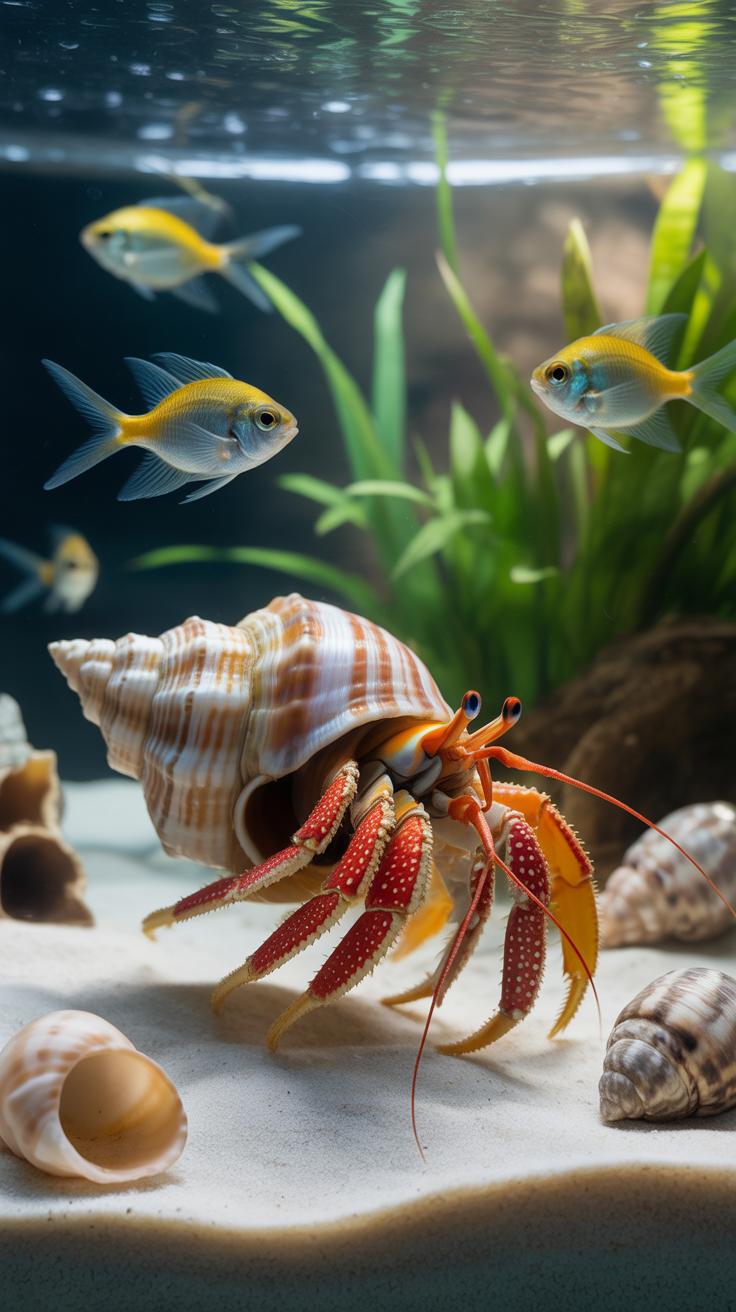
How Hermit Crabs Interact With Other Animals In A Shared Space
Land hermit crabs are scavengers and opportunistic feeders. They possess powerful chelipeds used for defense and dismantling food sources. In a shared enclosure, they do not exhibit social bonds with other species. They view smaller organisms as potential meals and larger ones as threats. Movement or vibrations from other animals can trigger a defensive retreat into their shells or an aggressive pinch.
Space hierarchy dictates most interactions within the tank. Hermit crabs require specific territories for climbing and hiding. Introducing a high-energy species disrupts these natural patterns. If a tank mate enters a crab’s personal space, the crab often uses its legs to push the intruder away. Success depends on selecting companions that occupy different niches and do not compete for the same food or shells.
Why Hermit Crab Care Knowledge Is Essential Before Adding Companions
Maintaining a stable environment is the foundation of hermit crab health. Crabs require high humidity and precise temperature ranges to breathe through modified gills. Any added animal must thrive in these exact same conditions. If a companion requires different heat or moisture levels, the shared habitat will fail. You must master the baseline environment before you consider complicating the ecosystem with more life.
Molting is the most critical period in a hermit crab’s life cycle. They bury themselves in deep substrate and become completely immobile and soft. During this time, they are defenseless against predators and curious tank mates. You must understand the risks of subsurface interference. An uninformed owner might add animals that dig or hunt. This mistake leads to the death of the molting crab.

What Makes A Hermit Crab Tank Setup Compatible For Cohabitation
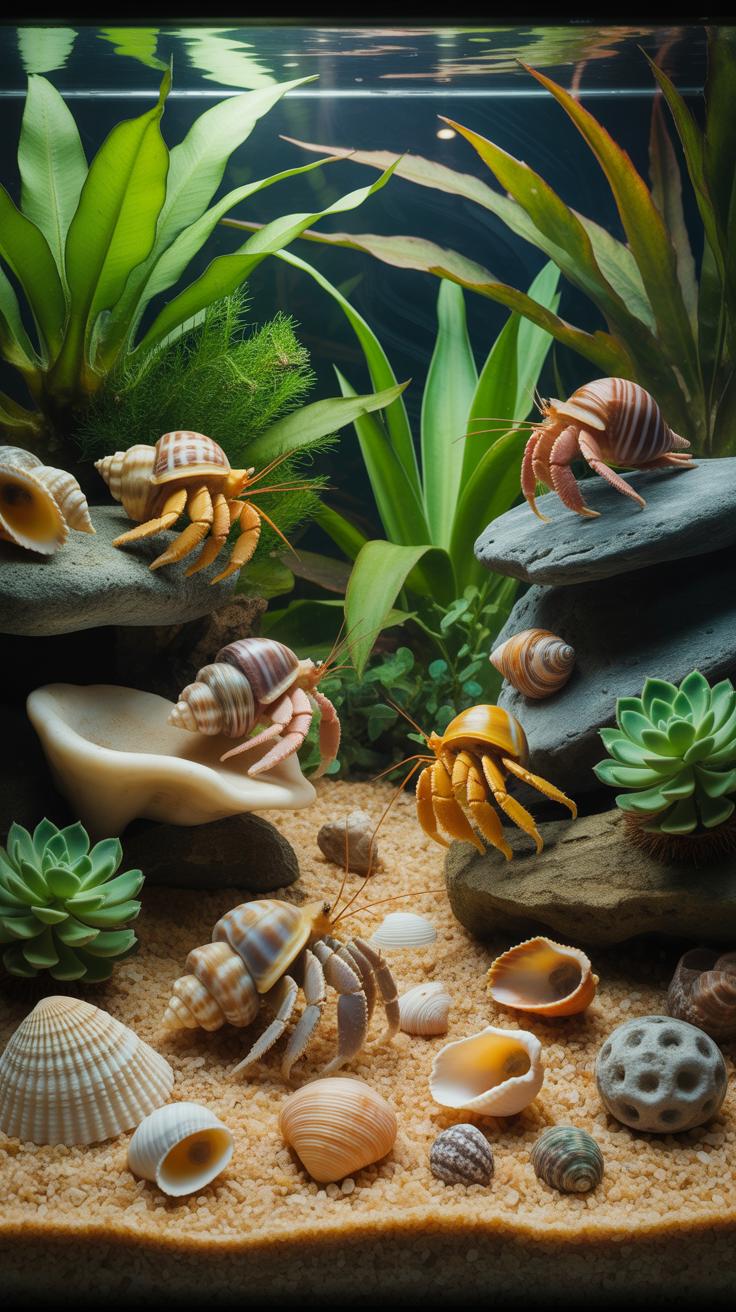
Minimum Tank Size And Environmental Conditions Needed For Multiple Species
Hermit crabs require significant floor space to thrive. Adding more species increases the demand for territory. A standard ten gallon tank works for two small crabs. Adding different animals requires at least a twenty gallon long tank. This extra space prevents resource competition. Each animal must have enough room to roam without bumping into others. Cramped quarters lead to stress and physical conflict between species.
Proper ventilation and enclosure security are tactical musts. You must use a solid glass lid to trap moisture. Mesh tops allow humidity to escape and cause gill damage. Ensure the lid fits tightly so occupants cannot escape. Creating distinct zones within the tank helps different species find their own comfort. High quality enclosures provide deep vertical space for climbing. This maximizes the usable area for all inhabitants.
The beauty of a peaceful tide pool reminds us that even the smallest creatures flourish best when they share their home with gentle, silent friends. True harmony is found when every shell and claw exists in quiet kindness with its neighbor.
Temperature, Humidity, And Substrate Requirements That Suit Hermit Crabs And Their Companions
Tropical hermit crabs need a consistent climate to survive. Maintain a temperature between eighty and eighty-five degrees Fahrenheit. Humidity must stay above seventy-five percent at all times. These conditions allow crabs to breathe through modified gills. Any tank mate you choose must survive exactly in this range. Failure to match these specific needs results in respiratory failure or death for the delicate inhabitants.
The substrate serves as the foundation for the entire ecosystem. Use a mix of five parts play sand to one part coconut fiber. This ratio holds moisture and supports tunnels during the molting process. The substrate depth must be at least six inches or three times the height of the largest crab. This depth protects molting crabs from predators and tank mates. Proper substrate prevents collapse and keeps the environment stable.
Safe Reptile Tank Mates Hermit Crab Enclosure Ideas That Work For Both
Which Reptile Species Can Safely Share A Hermit Crab Enclosure
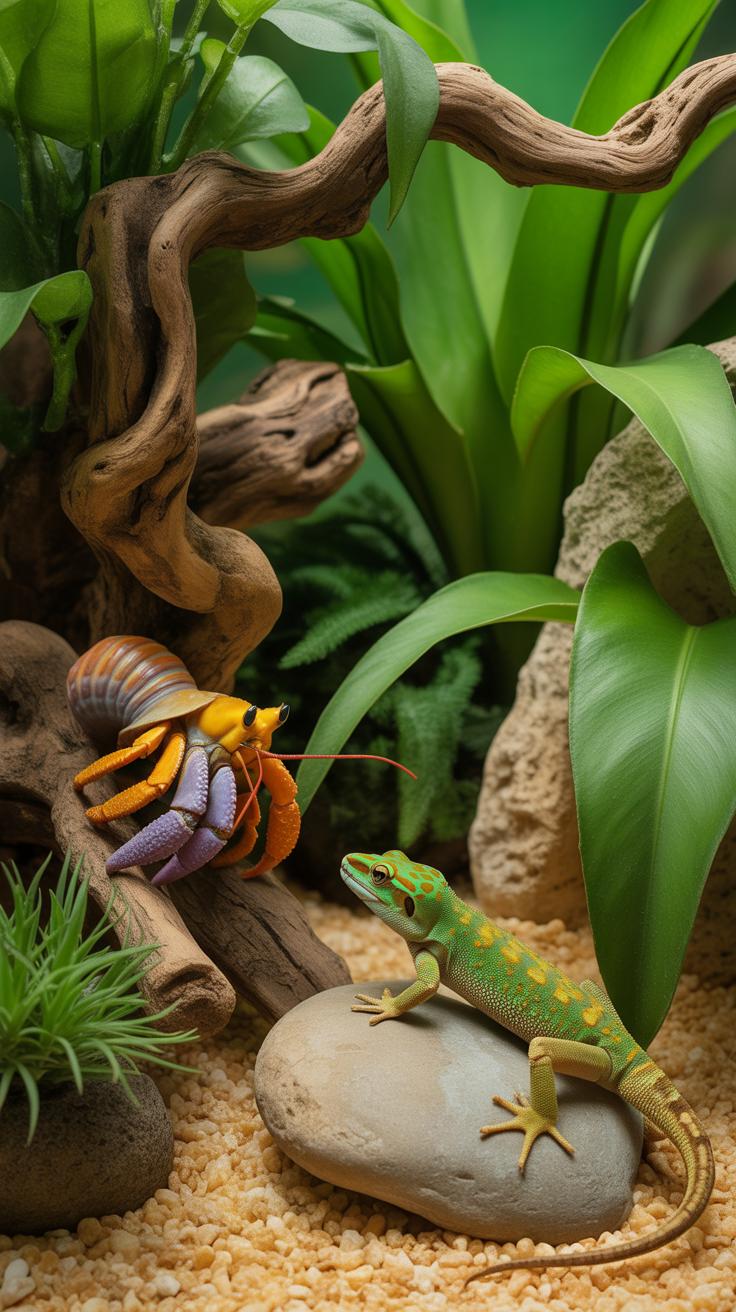
Most reptile species are poor choices for cohabitation with hermit crabs. Success requires matching environmental needs exactly. Hermit crabs need high humidity and specific heat ranges. Only small, docile geckos usually fit this profile. Large reptiles see crabs as prey or competitors. Stick to micro-geckos that inhabit similar tropical climates. These species do not disrupt the substrate or attack the crabs during their vulnerable molting cycles.
Mourning geckos are the primary candidate for a shared enclosure. They thrive in the same eighty percent humidity that hermit crabs require. These geckos stay small and mostly occupy the vertical space of the tank. Crabs remain on the floor or lower branches. This spatial separation prevents direct conflict. Avoid any reptile that digs. Burrowing reptiles will find and eat molting crabs underground. This is a fatal mistake for your colony.
Key Precautions When Housing Reptiles Alongside Hermit Crabs
Waste management is the biggest tactical challenge in a shared tank. Reptiles produce high nitrogen waste that can foul the substrate quickly. Hermit crabs have sensitive respiratory systems and cannot handle ammonia spikes. You must use a robust bioactive setup with springtails and isopods. These clean-up crews process waste before it poisons the soil. Without a bioactive system, the risk of bacterial infection for the crabs increases significantly.
The second major risk is physical competition for resources. Both animals need calcium and fresh water. You must provide multiple water sources to prevent crowding. Ensure the reptile cannot drown in the deep water pools crabs require for shell hydration. Use mesh covers or ramps for safety. Check that the reptile diet does not attract pests like ants. These insects kill molting crabs. Constant monitoring of behavior and air quality is mandatory for safety.
Snails And Isopods Hermit Crab Habitat Ideas For A Cleanup Crew
How Land Snails And Isopods Contribute To A Balanced Hermit Crab Habitat
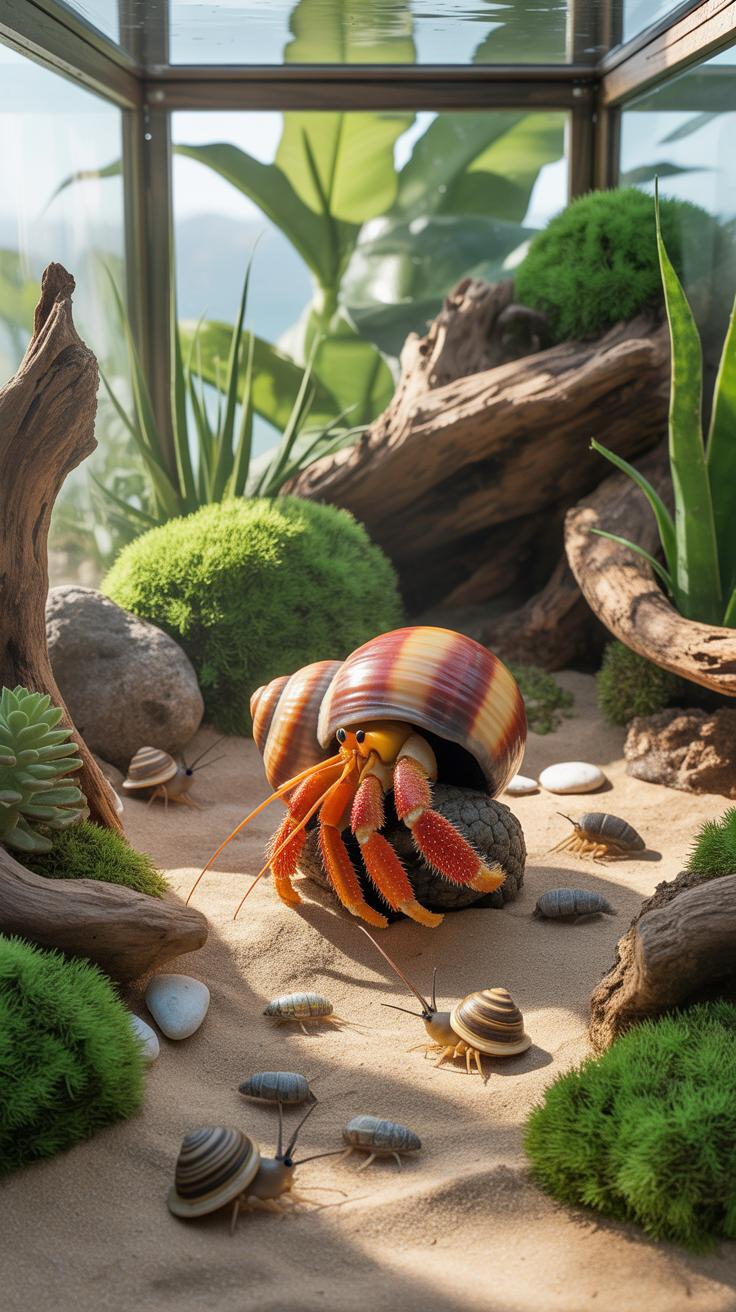
Hermit crab enclosures require high humidity and warm temperatures. These conditions often lead to mold growth and waste accumulation. Isopods and snails act as a biological cleanup crew. They consume leftover food and decaying organic matter before it rots. This prevents ammonia buildup in the substrate. Maintaining a clean floor is essential for crab health. These small scavengers process waste into nutrients.
Isopods also aerate the substrate as they burrow. This movement prevents the soil from compacting over time. Compaction can trap gases that harm molting crabs. Land snails contribute by consuming algae and film on glass surfaces. These species do not compete with crabs for primary resources. They fill a specific ecological niche within the terrarium. Their presence mirrors natural tropical ecosystems where crabs thrive.
Recommended Isopod And Snail Species That Thrive With Hermit Crabs
Select species that thrive in eighty percent humidity and warm tropical temperatures. Not all isopods work because some can be too aggressive during a crab molt. Use smaller, docile species that focus strictly on waste. Avoid larger protein hungry isopods like Porcellio laevis. These may disturb crabs when they are vulnerable. Sticky land snails provide extra cleaning on the tank walls.
- Powder Blue Isopods: These are hardy and tolerate the high humidity well. They reproduce quickly to maintain a stable population. They eat waste without bothering the crabs. They are the most common choice for bioactive setups.
- Dwarf White Isopods: These tiny scavengers stay mostly underground in the substrate. They are excellent for aerating soil and eating mold. Their small size makes them zero threat to molting crabs. They provide deep cleaning services in the tank.
- Amber Snails: These snails stay small and love moist glass. They eat algae and biofilm without eating the crabs food. They coexist peacefully in tropical environments. They thrive in the same heat levels as the hermit crabs.
- Panda King Isopods: These thrive in damp wood and leaf litter. They prefer the same cave like hiding spots as hermit crabs. They process decaying wood which helps keep the tank floor clean. They are slow moving and non aggressive.
- Orchid Snails: These are very small and help manage organic debris. They do not require extra care beyond what the crabs receive. They help clean crevices that are hard for you to reach manually. They stay active in high humidity.
Always introduce these animals after the substrate has cycled for two weeks. Ensure there is enough leaf litter and cork bark for cover. This provides the cleanup crew with safe breeding grounds. Regulate the population by managing the amount of supplemental food. A balanced population keeps the habitat self sustaining. Monitor the moisture levels to ensure both the crabs and the scavengers remain active.
Springtails And Other Micro Organisms In A DIY Hermit Crab Habitat Ideas Setup
The Role Of Springtails In Maintaining A Healthy Hermit Crab Habitat Upgrade
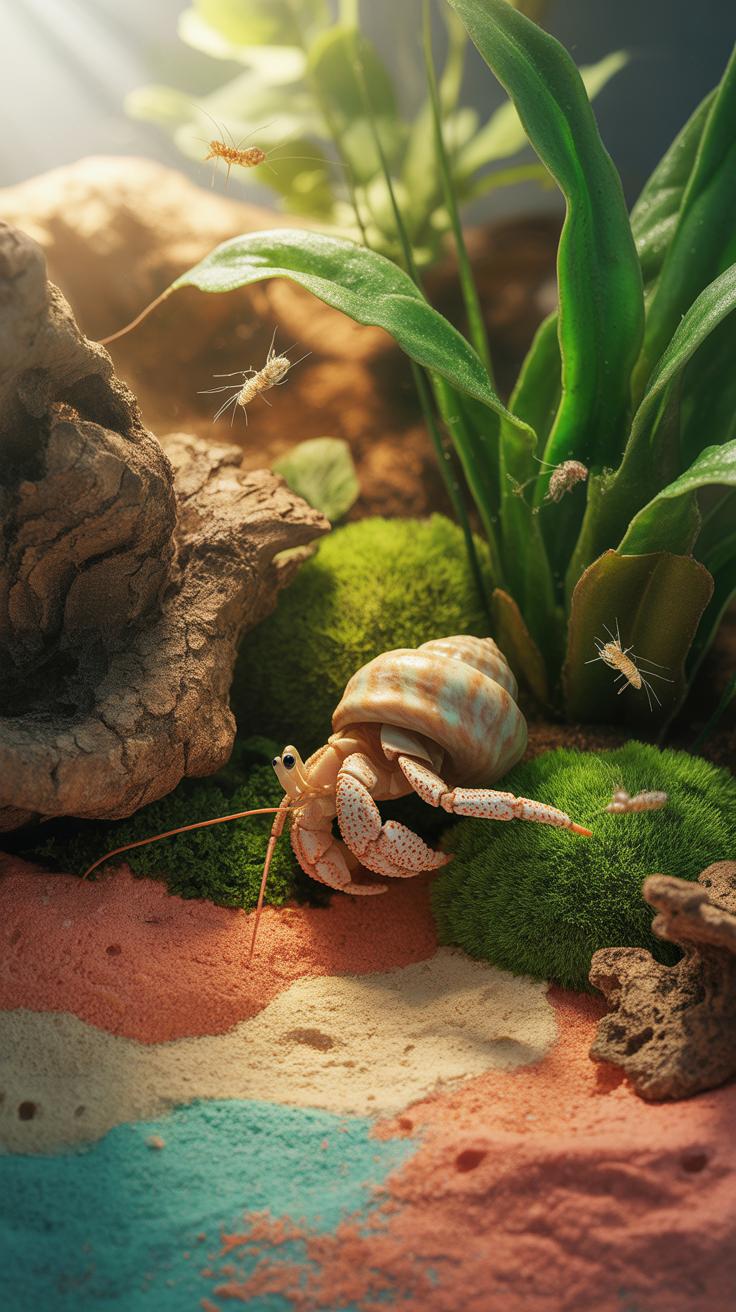
Springtails serve as the primary waste management team in a bioactive hermit crab enclosure. These tiny hexapods consume mold, fungi, and decaying organic matter before they contaminate the substrate. High humidity levels in crabitats often trigger rapid fungal growth. Springtails neutralize this threat by eating the spores. This natural process prevents the buildup of harmful pathogens that could stress or sicken your crabs.
A clean substrate is vital for molting success. Hermit crabs spend weeks underground where bacterial blooms can be fatal. Springtails move through the top layers of the sand and coco fiber mix to keep it aerated and fresh. They do not bother the crabs or compete for their food. Integrating these micro-organisms creates a self-sustaining cycle. It reduces the need for full substrate changes and maintains a stable environment.
How To Introduce Micro Organisms Safely Without Disrupting Hermit Crab Health
You must source your micro-organisms from reputable captive-bred suppliers to avoid introducing wild parasites or pesticides. Start by purchasing a starter culture of temperate springtails. These thrive in the warm, moist conditions required by tropical hermit crabs. Check the culture for any predatory mites or unwanted insects before adding them. Quarantine new cultures for a few days to ensure the population is healthy and free of hitchhikers.

Release the springtails directly onto the damp substrate near the moss pit or a piece of cork bark. These areas provide the immediate cover and moisture they need to establish a colony. Do not bury them deep in the sand. Let them migrate naturally. Avoid using chemical cleaners or heavy miticides in the tank once they are active. These substances will kill your beneficial micro-organisms and nullify the benefits of your bioactive setup.
Animals To Avoid Incompatible Tank Mates That Threaten Hermit Crab Tank Ideas
Predatory And Aggressive Species That Should Never Share A Hermit Crab Tank
Hermit crabs are vulnerable soft bodied animals during molting. They bury themselves to shed their exoskeletons. Large lizards and predatory mammals view crabs as prey. These larger animals can dig up and consume molting crabs. Their weight also collapses the tunnels crabs build. This leads to suffocation or direct physical trauma. Never mix these species in the same enclosure.
Aggressive insects like large centipedes or scorpions pose a lethal threat. These predators hunt in confined spaces. They can easily pierce the soft tissue of a crab using venom or strong pincers. Physical aggression creates constant stress for the crab. Stress prevents successful molting and shortens their lifespan. Hermit crabs require a peaceful environment to thrive. Avoid all known predators.
Why Fish, Frogs, And Certain Insects Are Risky Hermit Crab Tank Mates
Fish and frogs require specific water or humidity levels that conflict with hermit crab needs. Standing water deep enough for fish poses a drowning risk to crabs. Hermit crabs are not fully aquatic and need land. Frogs also have sensitive skin that reacts poorly to the salt crusts crabs leave behind. The chemical balance in a joint tank is impossible to maintain.

Certain insects like ants or large beetles compete for food and space. Ants can swarm a crab and attack its eyes or gills. This leads to death or severe injury. Beetles might eat the crab during its vulnerable molting stage. These insects also introduce bacteria and parasites into the substrate. Stick to safe cleaners like springtails and avoid all risky insects.
Hermit Crab Habitat Ideas Tanks DIY Building A Multi Species Enclosure On A Budget
DIY Hermit Crab Tank Ideas For Safely Housing Multiple Compatible Species
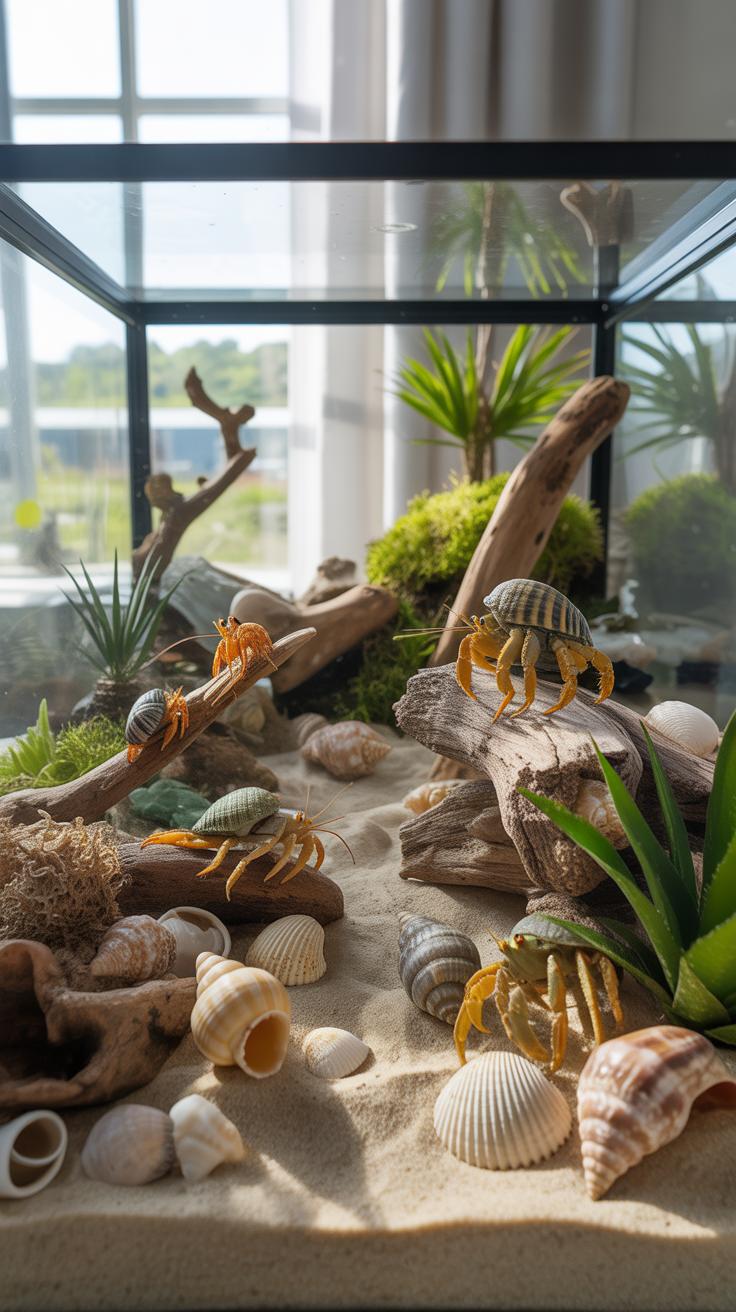
Building a multi-species tank requires vertical space and high humidity. Repurposing old glass aquariums is the most cost-effective method for DIY enthusiasts. You must ensure the tank holds at least 20 gallons to manage the biological load of different species. Seal all mesh lids with glass or polycarbonate sheets to trap heat. This creates the stable tropical environment needed for crabs and micro-fauna.
- Second-hand Glass Aquariums: Find used tanks at thrift stores or online marketplaces. Thoroughly clean them with white vinegar to remove mineral deposits. These provide the structural integrity needed to hold heavy damp substrate without leaking or bowing under the pressure.
- Polycarbonate Lid Sheets: Buy these from hardware stores to replace basic screen tops. Cut them to fit your specific tank dimensions. These sheets prevent humidity loss and allow for high-intensity lighting. Retaining moisture is critical when housing secondary species like springtails.
- Vertical Cork Bark Walls: Use silicone to attach raw cork bark to the back of the tank. This doubles the usable surface area for your animals. It allows crabs and smaller inhabitants like isopods to hide and climb away from the floor level.
- Bespoke Substrate Blends: Mix five parts play sand with one part coconut fiber. This ratio supports tunneling for crabs while providing organic matter for scavenger tank mates. Ensure the mix is damp enough to hold its shape for safe molting chambers.
- PVC Pipe Tunnels: Bury short sections of PVC pipe beneath the substrate. This adds structural support to the underground environment. It creates permanent burrows that prevent tunnel collapses. These safe zones help different species coexist without accidental territory disputes during sensitive molting periods.
Strategic DIY planning prevents cross-species aggression and environmental failure. Focus on tiered levels to separate large crabs from smaller cleanup crews. Use suction cups to hang lightweight resin bowls for water and food. This keeps the floor clear for burrowing. High-density stocking requires frequent air cycles, so incorporate small vents. Always test new materials for chemical leaching before introducing your live animals.
Natural DéCor And Dividers That Support A Shared Hermit Crab Habitat Upgrade
Incorporate natural barriers to define specific zones within the enclosure. Branching driftwood and flat slate rocks act as physical dividers that break lines of sight. This reduces stress for both the crabs and their smaller tank mates. Strategic placement of these items allows different species to feed and rest in separate areas. Always boil or bake organic materials to kill pathogens before use.

Cholla wood and dried leaf litter provide essential micro-habitats for a functional ecosystem. These natural elements offer hiding spots and supplemental nutrition for scavengers. Layering these materials creates a forest floor effect that mimics a wild coastal environment. Durable plants like air plants can also provide cover without requiring deep root systems. Proper layout ensures all occupants feel secure in the communal space.
Monitoring And Maintaining A Safe Multi Species Hermit Crab Tank Ideas Environment
Daily And Weekly Observation Habits To Keep All Tank Inhabitants Healthy
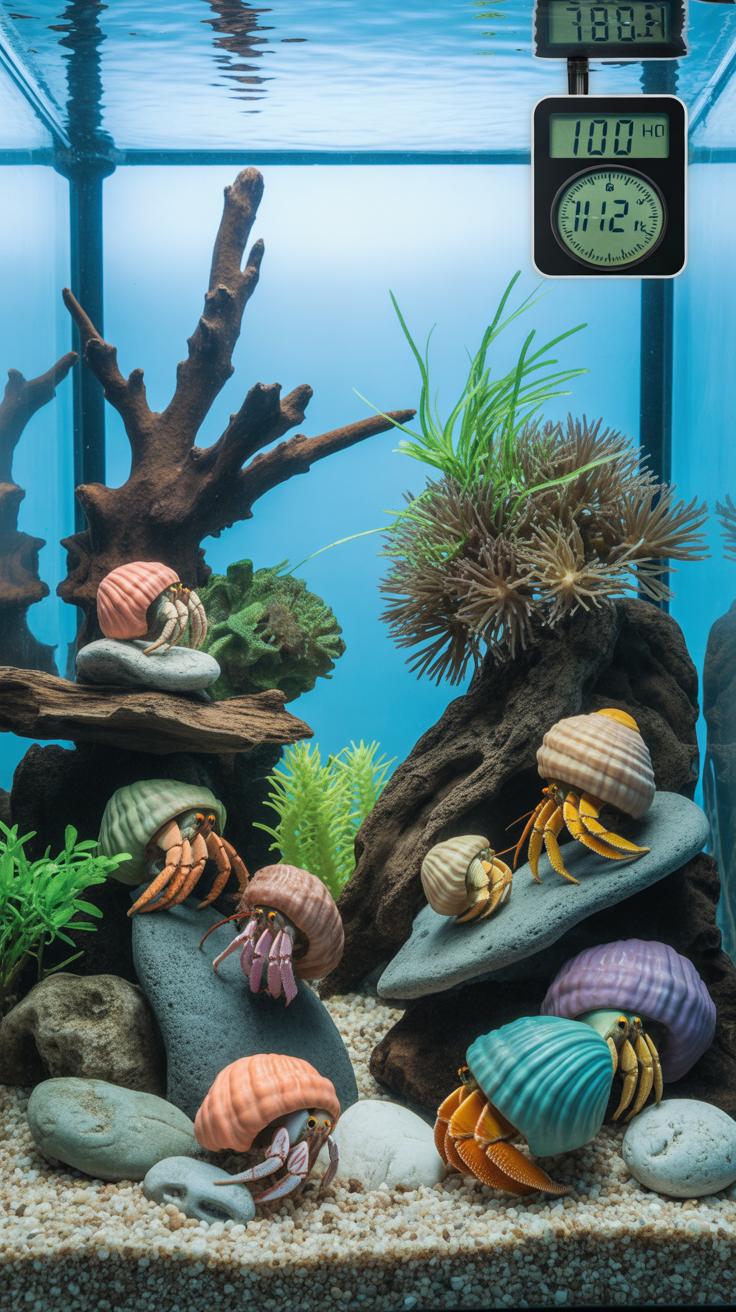
Monitor your tank every morning and night. Check the humidity and temperature gauges first. These metrics must stay constant for hermit crabs and their roommates like isopods. Look for active movement across the substrate. Ensure the water pools are clean and free of debris. Spot clean any leftover food to prevent mold growth. High hygiene standards prevent cross-species infections and keep the air quality high.
Dedicate time each weekend for a deep status check. Inspect the substrate depth and moisture levels. Verify that springtails are processing waste efficiently. Look for any tunnels near the glass to track molting crabs. Do not disturb the sand if a crab is underground. Replace all fresh water and salt water entirely. Consistent maintenance prevents the buildup of harmful ammonia. Stable environments reduce the risk of interspecies competition and aggression.
Signs Of Stress Or Conflict To Watch For In A Shared Hermit Crab Habitat
Watch for physical changes in your animals. Hermit crabs show stress by dropping limbs or leaving their shells. Isopods may huddle in unusual numbers if the environment becomes toxic. Monitor the feeding area for guarding behavior. If one species prevents another from eating, you must intervene. Aggression usually stems from a lack of resources or space. Identifying these cues early prevents deaths within the enclosure.

Listen for chirping sounds from the crabs at night. This often indicates a dispute over shells or territory. Inspect the shells of your crabs for new chips or damage. These marks suggest physical altercations with tank mates. Check if smaller inhabitants are disappearing at an alarming rate. Rapid population drops signal a predatory imbalance. Adjust the hiding spots or food volume immediately to restore peace. Quick action saves your investment and maintains a healthy ecosystem.
Frequently Asked Questions

Can I keep other small pets in the same enclosure as my hermit crabs?
While it is tempting to create a mini ecosystem, the reality is that most traditional pets are not suitable companions. Because they require very specific heat and humidity levels, finding hermit crab tank mates safe for the environment is difficult. Crabs are also vulnerable during molting. Most experts recommend keeping hermit crabs only with other hermit crabs to ensure every inhabitant stays healthy, hydrated, and stress-free.
How do I safely introduce new companions to an established crabitat?
When introducing new hermit crab tank mates safe for your setup, start with a quarantine period in a separate tank to check for mites or illness. Once cleared, rearrange the decor in the main habitat to reset territories. Monitor their interactions closely for a few days to ensure there is no aggression over shells or food. Proper deep substrate and plenty of extra shells are essential to prevent any potential competition.
Are there any affordable insects or cleaners that can live with hermit crabs?
If you are looking for a low-cost way to enhance your tank, consider “cleaner crews” like isopods or springtails. These tiny invertebrates are inexpensive, widely available, and help break down waste and leftover food. They are generally considered safe tank mates because they do not bother the crabs and help maintain a cleaner environment. They are the perfect budget-friendly solution for hobbyists wanting a more bio-active and naturalistic habitat.