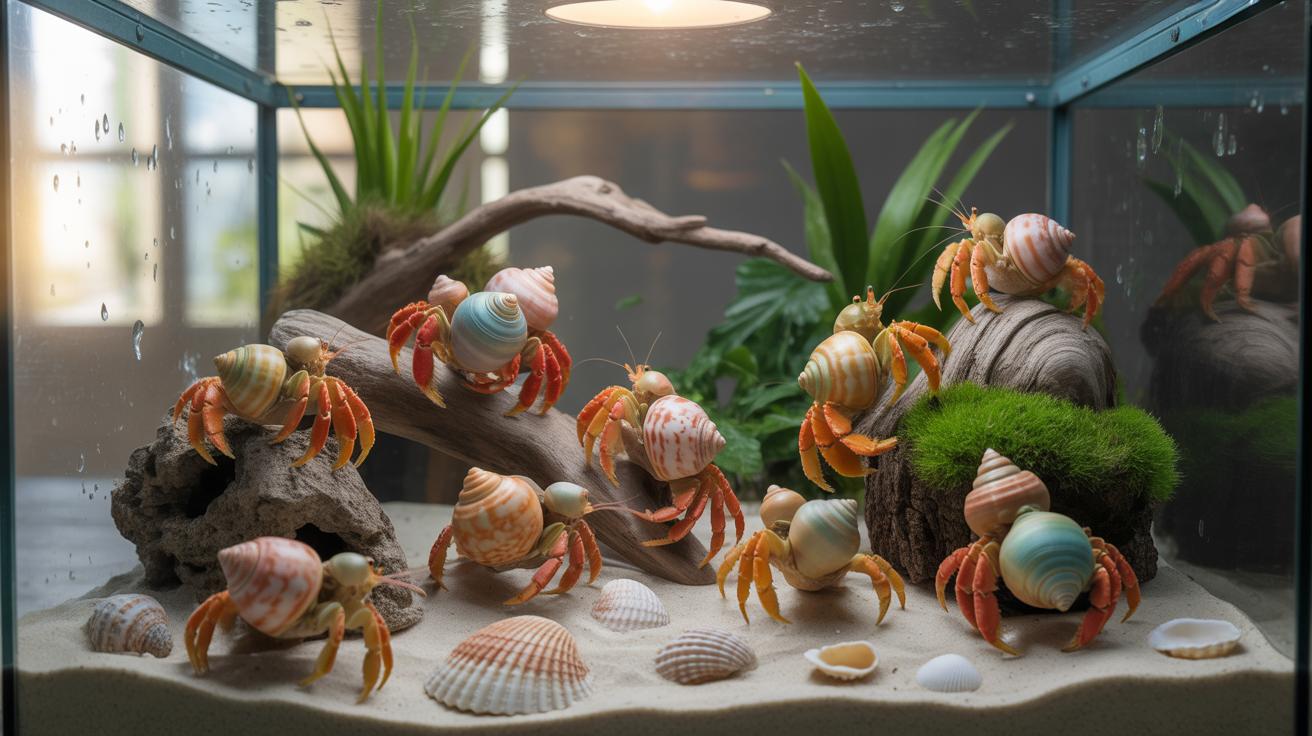
What Type Of Crab Is A Hermit Crab And Why It Matters For Their Lifespan
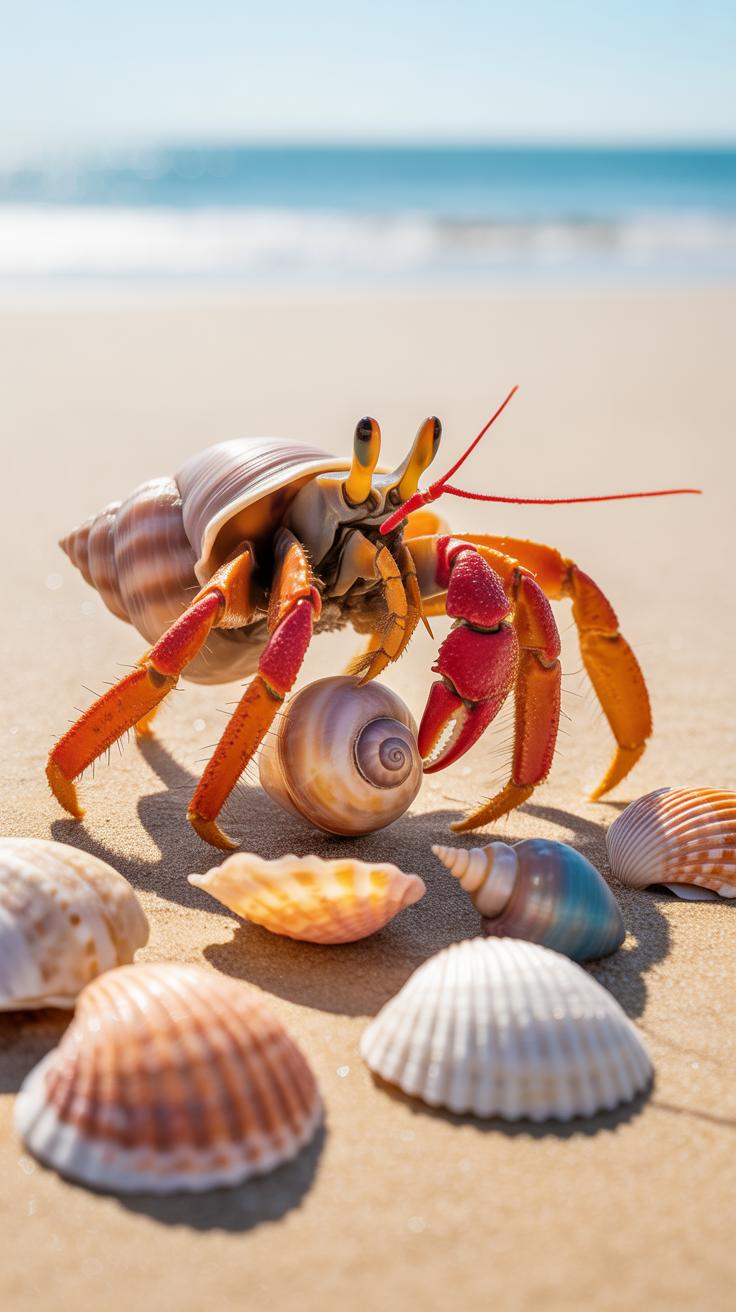
Understanding What Kind Of Crab A Hermit Crab Actually Is
Hermit crabs are decapod crustaceans but they are not true crabs. They belong to the superfamily Paguroidea. Unlike true crabs that grow their own hard shells, hermit crabs have soft, vulnerable abdomens. They must scavenge discarded gastropod shells to protect themselves from predators and dehydration. This biological trait dictates their entire survival strategy. If they cannot find a suitable shell, they will die quickly.
These animals are social land-dwellers that rely on modified gills to breathe. They require high humidity to keep these gills moist. If the air is too dry, they suffocate. This unique physiology means they are not “low maintenance” pets. They are complex tropical organisms with specific environmental needs. Understanding this biological reality is the first step in ensuring they survive for more than a few months.
How Species Differences Among Hermit Crabs Influence How Long They Live As Pets
Species plays a massive role in how long hermit crabs live as pets. The Caribbean hermit crab, or Coenobita clypeatus, is the most common pet variety. In the wild, these crabs can live for over 30 years. In captivity, many die within a year due to poor care. However, dedicated keepers have documented individual crabs living for over 40 years by mimicking their natural habitat perfectly.
Other species like the Ecuadorian crab have different needs and lifespans. They move faster and require more heat. If you treat every species the same, you will shorten their lives. Accurate species identification allows you to set the correct temperature and humidity levels. Proper care scales with the specific biological demands of the breed. Buying a crab without knowing its species is a recipe for a short-lived pet.
How Long Hermit Crabs Live As Pets On Average
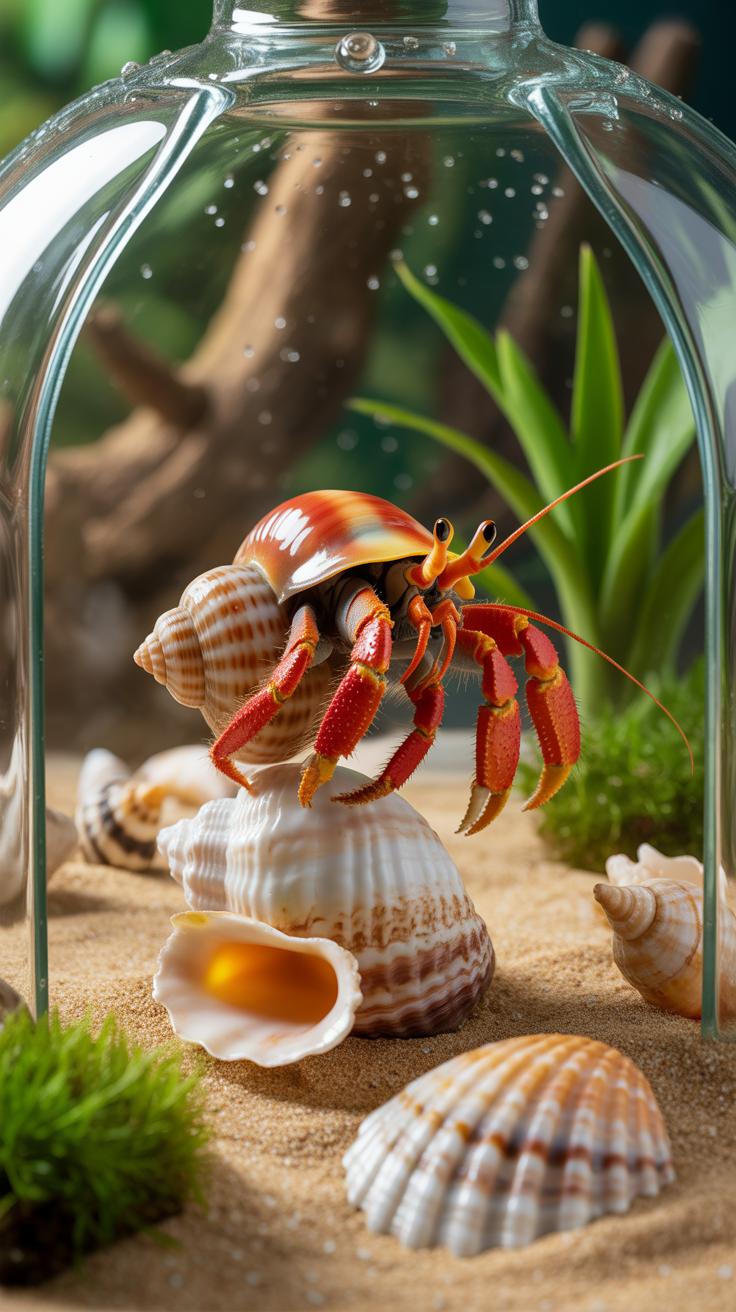
Typical Lifespan Ranges For Pet Hermit Crabs In Captivity
Most pet hermit crabs die within the first year of ownership. This high mortality rate stems from poor initial care and physiological stress from the pet trade. Owners who provide deep substrate and high humidity see better results immediately. Average captive crabs often live between five and fifteen years when kept in stable conditions. Success depends on maintaining heat and moisture levels every single day.
Sophisticated keepers can extend this lifespan significantly beyond the ten year mark. Expert accounts show some crabs reaching twenty or even thirty years in home tanks. These long lived specimens require large tanks and consistent mineral supplementation. You must facilitate successful molting to reach these high ages. Without deep sand and salt water, the crab cannot survive its natural growth cycles or reach its full age potential.
When we offer these small wanderers a true home, their journey can span decades, becoming lifelong companions that bridge the memories of our youth with the wisdom of our years.
How Wild Hermit Crab Lifespans Compare To Those Kept As Pets
Wild hermit crabs live much longer than the average pet. In their natural habitats, these crustaceans can reach ages of thirty to fifty years. Nature provides the precise humidity and mineral variety that most home setups lack. Predation and shell scarcity are their only major threats. In the wild, they have unlimited space to forage for balanced nutrients and find safe places to burrow.
Captive life usually cuts these numbers by more than half for most owners. The removal from the wild causes permanent damage to their gills and stress levels. Even the best tanks fail to replicate the complex ecosystem of a tropical beach perfectly. You are fighting a losing battle against biology if your humidity stays low. Proper captive care aims to bridge this massive gap between wild longevity and domestic reality.
Hermit Crab Pet Care Basics That Directly Affect Longevity
The Essential Tank Setup Every Pet Hermit Crab Needs To Survive And Thrive
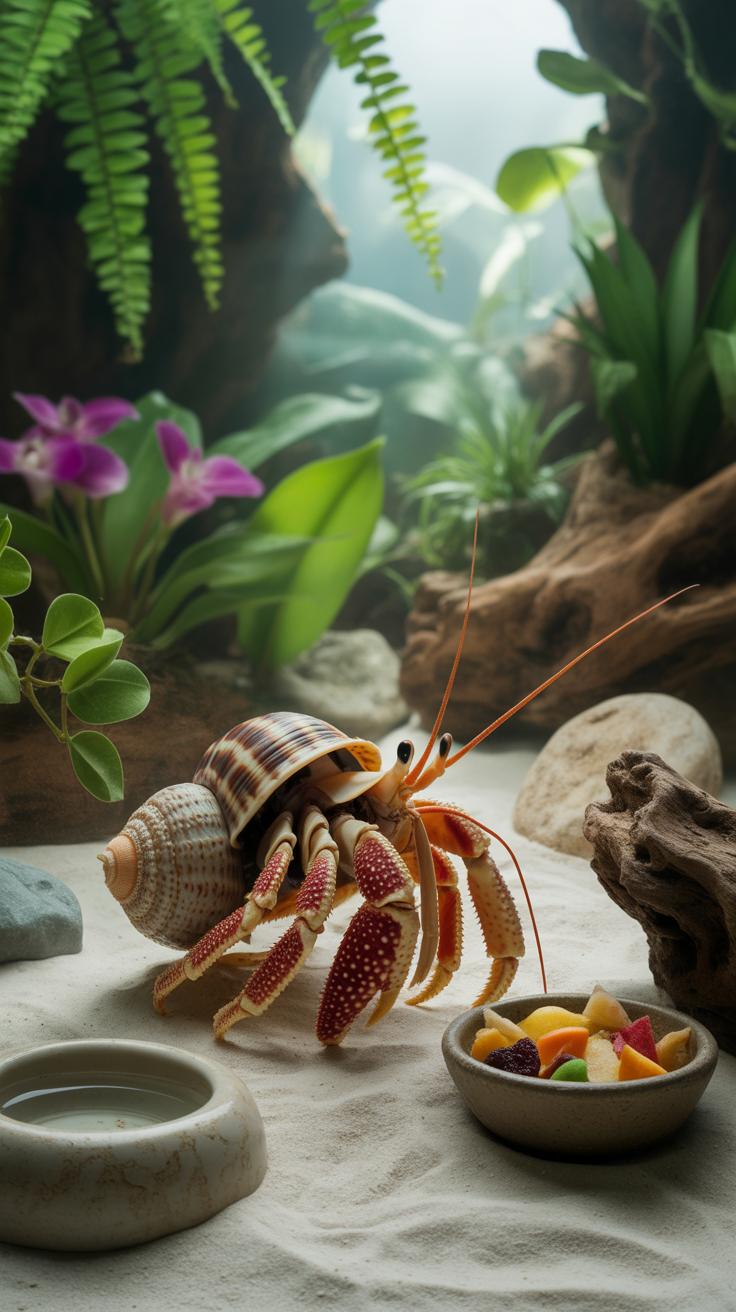
A glass aquarium with a sealed lid is the baseline requirement for survival. Plastic crates fail because they do not hold the necessary weight or moisture. You must provide a substrate depth of at least six inches or three times the height of your largest crab. Use a mix of play sand and coconut fiber. This depth allows crabs to bury themselves safely during molting.
Space determines health and reduces lethal aggression between tank mates. You need a minimum of ten gallons of space per crab to prevent overcrowding. Crabs require two separate water pools for soaking. One pool must contain treated fresh water while the other must contain marine salt water. Use deep enough bowls so the crabs can fully submerge their shells to hydrate their gills.
Temperature And Humidity Levels That Support A Longer Healthier Hermit Crab Life
Hermit crabs possess modified gills that require moisture to function. You must maintain a relative humidity level of at least seventy-five percent at all times. If the air stays too dry, the crabs will slowly suffocate as their gills harden. Use a digital hygrometer to monitor these levels because analog gauges are notoriously inaccurate. A glass lid helps trap this vital moisture inside the enclosure.
Consistent heat is the second pillar of long-term health. Keep the tank temperature between seventy-five and eighty-five degrees Fahrenheit. Use an under-tank heater mounted on the back or side of the glass above the substrate line. Placing heaters underneath the tank can cook burrowing crabs and dry out the substrate. Proper heat drives the metabolic processes necessary for growth and successful shedding of the exoskeleton.
How To Care For Hermit Crabs The Right Way From Day One
Setting Up The Right Environment Before Bringing Your Hermit Crab Home
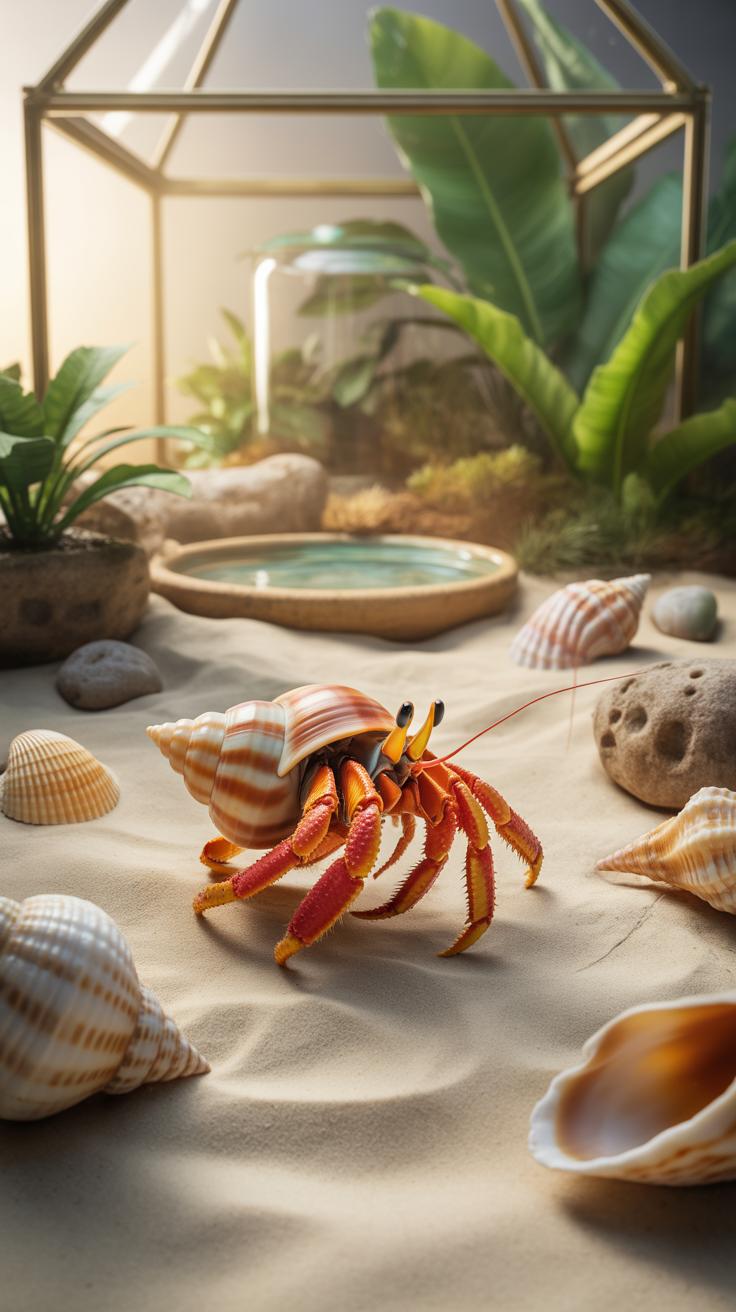
The initial enclosure setup dictates the survival rate of captive hermit crabs. You must establish a stable microclimate before the animal arrives. Use a glass tank with a sealed lid to trap heat and humidity. Maintain a consistent temperature between 75 and 85 degrees Fahrenheit. Humidity must stay above 70 percent so the crabs can breathe through their modified gills. Dry air causes permanent gill damage and eventual suffocation.
Substrate is the most critical physical component of the habitat. Mix play sand with coconut fiber at a five-to-one ratio. This mixture must be moist enough to hold its shape for tunneling. Depth matters more than surface area for long-term health. Provide at least six inches of substrate or three times the height of your largest crab. This depth allows crabs to bury themselves safely during the high-stress molting process.
Handling, Socialization, And Stress Reduction For A Longer Living Hermit Crab
Minimize physical handling to keep stress levels low. Hermit crabs are prey animals and view overhead movement as a predatory threat. Forcing a crab out of its shell or picking it up frequently disrupts its natural behavior. Use the first month to let the crab acclimate to its new surroundings without interference. High stress leads to limb autotomy where the crab drops its own legs to survive perceived danger.
Socialization is a biological necessity for these scavengers. They live in large colonies in the wild and thrive on interaction with their own species. Keeping a single crab leads to lethargy and a shortened lifespan. Buy at least two or three crabs of similar size to ensure a healthy social structure. Provide multiple shells and resources to prevent competition or aggression. Active, social crabs live much longer than isolated ones.
Hermit Crab Care Tips That Most Pet Owners Overlook

The Importance Of Shell Selection And Having Enough Spare Shells Available
Hermit crabs possess soft abdomens that require external protection from physical damage and dehydration. They do not grow their own shells. Instead, they must find recycled snail shells to survive. If a crab lacks a proper shell, it faces extreme stress and eventual death. Pet owners often provide too few options. This scarcity triggers aggressive behavior and shell fights among tank mates.
You must provide at least three to five empty shells per crab. These shells must have the correct opening shape and size. Land hermit crabs typically prefer round or oval openings depending on their specific species. Never use painted shells because the chemicals are toxic to the animal. Natural shells are the only safe choice. Inspect every shell for cracks or sharp edges before adding them.
Key Hermit Crab Care Tips To Extend Your Pets Life By Years
Standard pet store advice often leads to premature death within months. To ensure your pet lives for decades, you must focus on humidity and substrate depth. Crabs breathe through modified gills that require constant moisture. If the air is too dry, they suffocate slowly. You must maintain a precise environment to support their complex molting cycles and long-term health.
- Substrate Depth: Maintain at least six inches of substrate or three times the height of your largest crab. Use a mix of five parts play sand to one part coconut fiber. This allows crabs to tunnel safely for molting.
- Humidity Control: Keep the enclosure humidity between 75 and 85 percent at all times. Use a calibrated hygrometer to track levels. Low humidity causes permanent gill damage and prevents the crab from breathing properly.
- Water Quality: Provide two deep pools of water for soaking and drinking. One pool must contain treated fresh water and the other must contain marine salt water. Use a high-quality marine salt designed for reef tanks.
- Temperature Regulation: Maintain a heat gradient between 75 and 85 degrees Fahrenheit. Use under-tank heaters mounted on the back or sides of the glass. Never place heaters under the substrate because it can burn molting crabs.
- Nutritional Variety: Feed a diverse diet of animal proteins, calcium, and vegetation. Avoid commercial pellets containing copper sulfate or ethoxyquin. Crabs need chitin from dried shrimp or insects to build strong new exoskeletons during the molting process.
Molting is the most dangerous time in a hermit crab’s life. They bury themselves deep underground for weeks or months to shed their skin. Never dig up a buried crab. Interrupting this process usually results in a fatal shock. High-quality care allows these animals to live over thirty years. Focus on these environmental factors to move past the typical one-year survival mark.
What Do Hermit Crabs Eat And How Feeding Habits Shape Their Lifespan
Hermit Crab Feeding Habits In The Wild Versus In Captivity
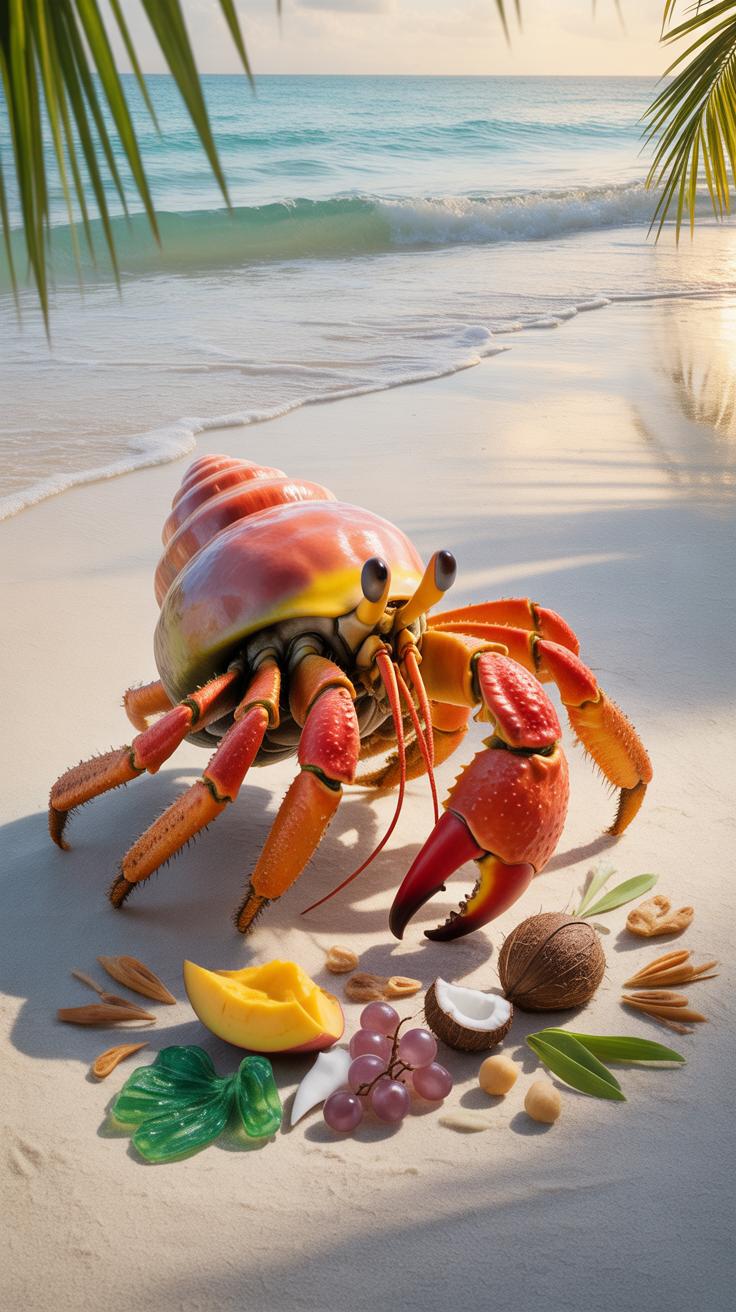
Wild hermit crabs are opportunistic scavengers. They hunt for fallen fruit, leaf litter, and animal remains along tropical shorelines. This diverse diet provides the essential minerals required for successful molting and growth. In nature, they satisfy their curiosity by sampling different organic materials daily. This variety ensures they receive a full spectrum of vitamins and minerals needed to survive for decades.
Captive crabs often suffer from nutritional deficiencies because owners rely on processed pellets. These commercial foods contain preservatives and copper sulfates that damage crab health over time. Lack of variety leads to sensory dulling and failed molts. To match wild longevity, you must provide a rotating menu of fresh foods. High quality nutrition directly impacts how long hermit crabs live as pets by fueling their recovery.
Safe And Nutritious Foods To Feed Your Hermit Crab Regularly
Hermit crabs require specific nutrients to maintain their exoskeletons and nervous systems. Calcium and carotene are the most critical components for long-term health. Calcium strengthens the shell after a molt while carotene maintains their vibrant color and immune function. You must avoid seasoned foods or anything containing pesticides. Fresh, organic options represent the safest path to ensuring your pet thrives for many years.
- Calcium Sources: Provide crushed eggshells, oyster shells, or cuttlebone at all times. Crabs consume these materials to harden their new exoskeletons after molting. Without constant access to calcium, the crab will become weak and may eventually die during a shedding cycle.
- Animal Proteins: Offer unseasoned shrimp, krill, or cooked egg as a primary protein source. Proteins support muscle growth and overall energy levels. In the wild, crabs scavenge fish or insects, so replicating this intake is essential for maintaining their physical strength in a tank.
- Leafy Greens: Feed kale, spinach, or broccoli to supply iron and magnesium. These vegetables support metabolic functions and help the crab process other nutrients. Use organic produce to ensure no chemical residues harm the crab. Wash all greens thoroughly with dechlorinated water before serving.
- Bright Fruits: Include mango, papaya, or carrots to provide necessary carotene. Carotene is a pigment that helps crabs keep their deep red or purple color. It also acts as an antioxidant. Crabs naturally seek out these fallen fruits in their native tropical habitats.
- Healthy Fats: Give small amounts of coconut oil or walnuts to provide energy. Fats are calorie-dense and help the crab build reserves for the weeks it spends underground during a molt. These healthy fats support the central nervous system and help the crab manage environmental stress.

Avoid feeding your crabs the same items every day. They exhibit a behavior called food boredom where they stop eating if the menu lacks variety. Rotate their food every twenty-four hours to keep them active and engaged. Providing a mix of proteins, fats, and minerals prevents dietary crashes. Proper feeding is the most effective way to prevent premature death in your crab colony.
What Do Hermit Crabs Do During The Day And How Daytime Behavior Reflects Their Health
Understanding Hermit Crab Daytime Behavior Patterns In A Home Habitat
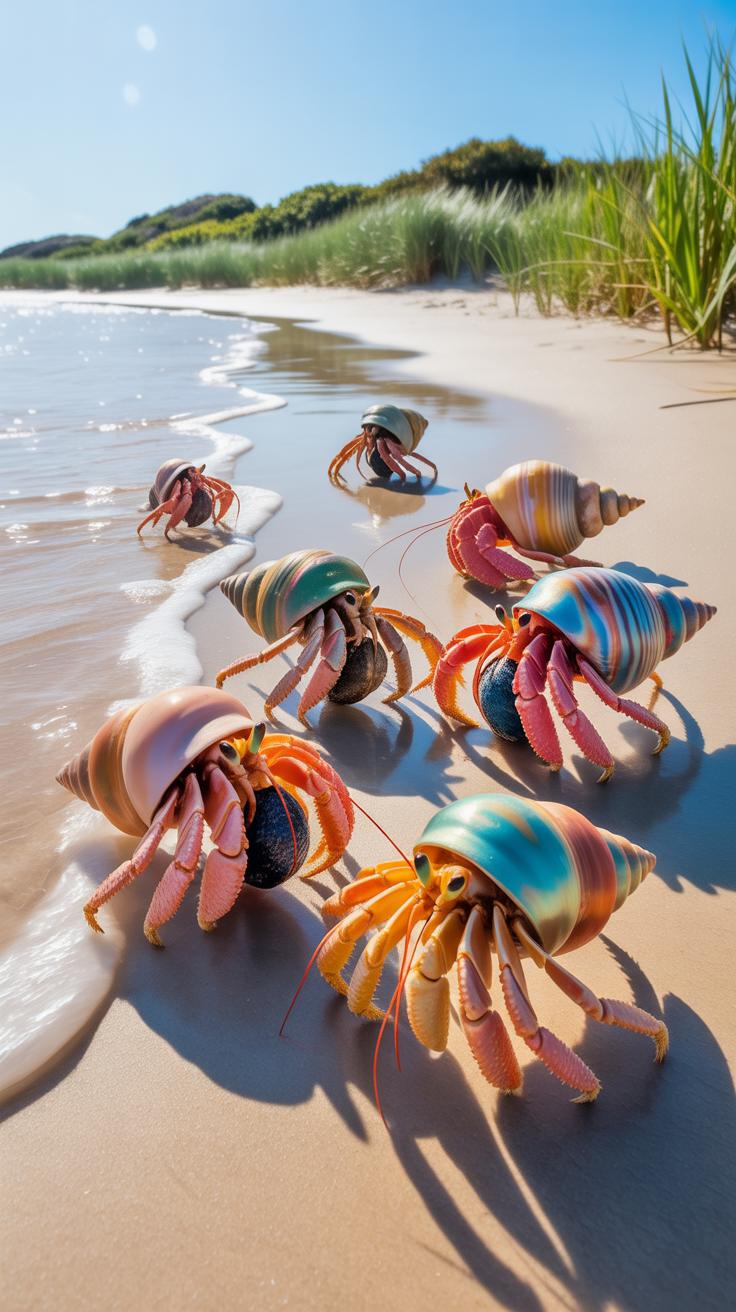
Hermit crabs are naturally nocturnal animals. In their native tropical environments, they hide during the day to avoid heat and predators. This instinct remains strong in a home habitat. Most healthy pet crabs spend daylight hours tucked inside shells or buried under substrate. You should expect very little movement while your lights are on. This resting phase is vital for their survival.
Daytime inactivity is not a sign of boredom or illness. These animals use this time to conserve moisture and energy. They often cluster together in dark corners or under hides to maintain humidity levels. If you see a crab sitting still for hours, it is likely sleeping. Respect this natural rhythm to reduce stress. Forcing interaction during the day disrupts their biological clock and shortens their lifespan.
How To Read Your Hermit Crab’S Daytime Activity As A Sign Of Its Overall Well Being
Activity levels during the day provide clues about health and tank conditions. A crab that stays tucked tight in its shell is usually resting well. However, if a crab sits outside its shell or appears limp during the day, check your humidity immediately. Lethargy combined with a lack of muscle tension signals a crisis. High heat or low oxygen often forces unusual daytime behaviors that lead to death.

Constant daytime wandering can also signal a problem with the environment. If your crab refuses to hide, the substrate might be too dry or too shallow for burrowing. Healthy crabs prioritize safety and moisture during light hours. Monitoring these patterns helps you catch environmental failures before they become fatal. Consistent behavior indicates a stable habitat. Sudden changes in daylight habits often mean the crab is stressed or preparing to molt.
What Do Hermit Crabs Do At Night And Why Nocturnal Behavior Matters
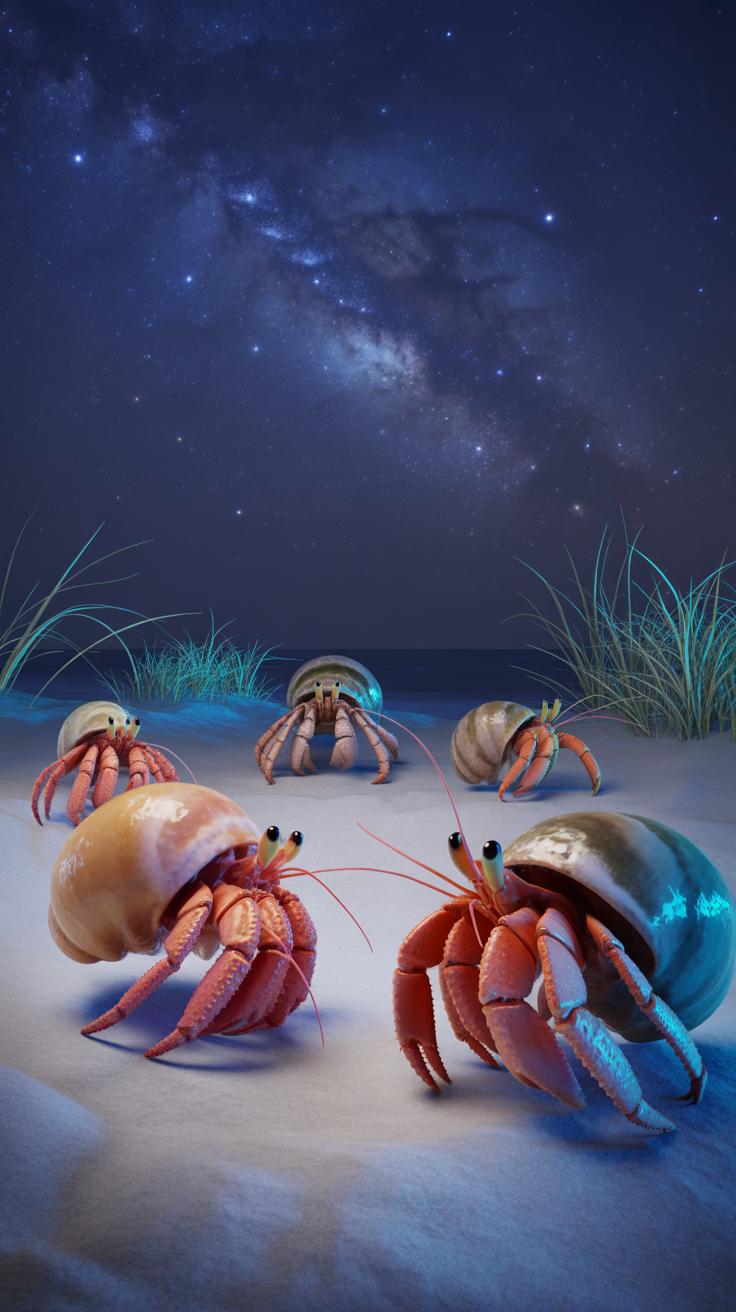
The Natural Nocturnal Habits Of Hermit Crabs And What They Do After Dark
Hermit crabs are strictly nocturnal animals in their natural habitats. They spend daylight hours hiding under debris or buried in sand to avoid heat and predators. Once the sun sets, they emerge for metabolic activities. Darkness triggers their foraging instincts. They travel significant distances to find food and water sources. This movement keeps their muscles strong and their respiratory systems functioning at peak efficiency.
Nighttime is when these creatures perform critical social and survival tasks. They interact with others to assess shell quality and hierarchy. They also spend hours submerged in water pools to replenish their shell moisture. Without this dark period, their biological clocks fail. Constant light exposure causes chronic stress. Stress leads to lethargy and eventually kills pet crabs long before they reach their full age potential.
How Supporting Nighttime Activity Contributes To A Longer Pet Hermit Crab Lifespan
Proper nighttime management directly impacts how long hermit crabs live as pets. Owners must provide total darkness for at least twelve hours every day. This cycle regulates the hormones needed for successful molting. Crabs that cannot follow natural light patterns often suffer from failed molts. Molting is the most dangerous stage of their life. Ensuring a stable circadian rhythm reduces the risk of death during this process.

Active crabs stay healthy longer than sedentary ones. Providing wheels, climbing structures, and foraging toys ensures they burn energy during their peak hours. This physical exertion prevents muscle atrophy and supports a healthy metabolism. A crab that can climb and explore every night maintains the vitality required to live for decades. Neglecting these nighttime needs leads to a weakened immune system and a much shorter life.
The Molting Process And Its Critical Role In How Long Hermit Crabs Live As Pets
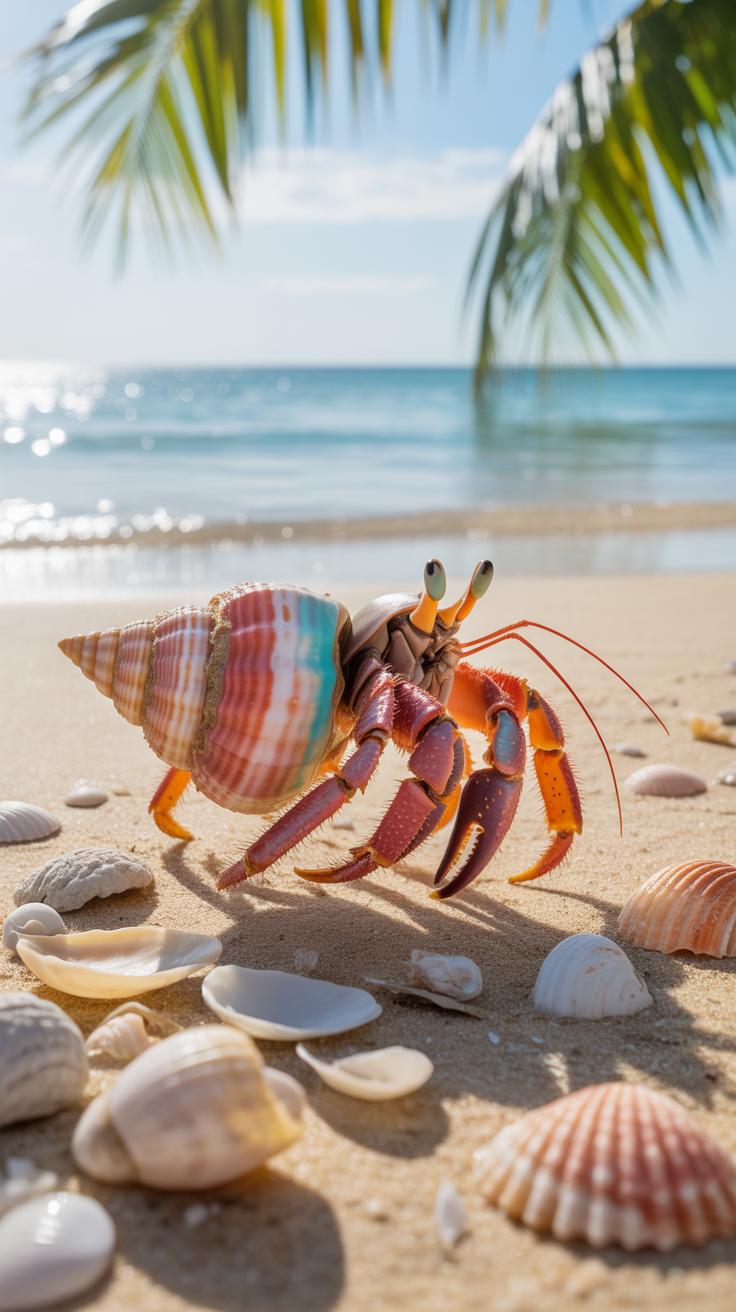
What Molting Is And Why It Is The Most Vulnerable Time In A Hermit Crab’S Life
Molting is the biological process where a hermit crab sheds its entire exoskeleton to grow. Because their outer shell is rigid, they cannot increase in size without discarding it. This process involves intense hormonal changes and significant physical strain. The crab must pull its body out of the old casing. During this phase, the crab is soft and lacks any physical protection from the environment.
The vulnerability comes from the soft new skin underneath. This new layer takes days or weeks to harden. Predators or aggressive tank mates can easily kill a molting crab during this window. The crab also loses its ability to move or defend itself effectively. If the environment lacks deep substrate or proper humidity, the crab will die. This stage determines the overall lifespan of your pet.
How To Properly Support Your Hermit Crab Before, During, And After Molting
Support starts with substrate depth and consistency. You must provide at least six inches of moist sand and coconut fiber. This allows the crab to tunnel underground and create a safe molt cave. Do not disturb a crab once it buries itself. Digging up a molting crab causes stress and often leads to death. Substrate must remain damp enough to hold its shape during excavation.
Dietary prep is the next tactical step. Crabs need extra calcium and chitin before they go down. Feed them crushed eggshells and dried shrimp to build nutrient reserves. After the molt, leave the old exoskeleton in the tank. The crab will eat it to reclaim lost minerals. Ensure the humidity stays at eighty percent. High humidity allows the crab to breathe and lubricates the shedding process.
Common Mistakes That Shorten How Long Hermit Crabs Live As Pets
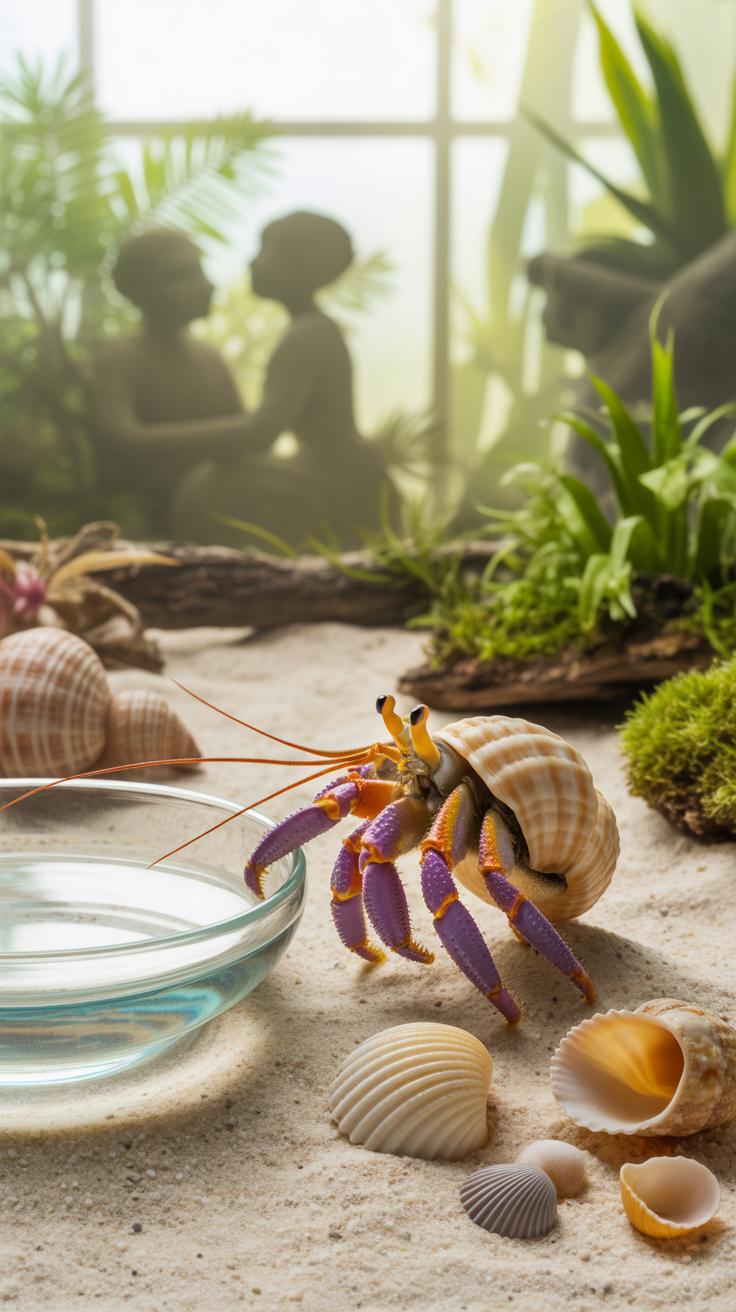
Environmental And Husbandry Errors That Unknowingly Reduce A Hermit Crab’S Lifespan
Poor humidity is the primary killer of pet hermit crabs. These animals breathe through modified gills that must stay moist. If the air is too dry, they suffocate slowly over several weeks. Most owners use screen tops that let moisture escape. You must seal the tank to maintain eighty percent humidity. Without this moisture, the crab cannot undergo the gas exchange needed to survive.
Substrate depth and quality also dictate survival rates. Use a mix of play sand and coconut fiber. This mixture must be deep enough for the crab to bury itself completely. Most keepers provide only two inches of sand. This prevents successful molting. A crab that cannot molt will eventually die from stress or physical restriction. Ensure the substrate stays damp enough to hold a tunnel shape.
Warning Signs Your Hermit Crab Is Struggling And How To Course Correct Quickly
Lethargy and limb loss indicate extreme physiological stress. A healthy crab stays active at night and retreats into its shell when handled. If a crab drops a claw or leg, evaluate your water sources immediately. You must provide both fresh and salt water treated with a dechlorinator. Use marine grade salt mix rather than table salt. Proper mineral balance stops the metabolic collapse that leads to self-mutilation.
Surface molting is a critical emergency signal. Crabs usually bury themselves to shed their exoskeleton in private. If a crab sheds on the surface, other crabs may attack it. Place the molting crab in a separate isolation tank right away. Maintain high heat and humidity during this period. Do not touch the crab while its new skin hardens. This intervention prevents immediate death and allows the crab to recover safely.
Frequently Asked Questions

What is the typical life expectancy for a hermit crab in a home environment?
Many people are surprised to learn how long hermit crabs live as pets when their specific biological needs are met. While those in poor conditions may only survive a few months, a well-cared-for hermit crab can easily live for 10 to 15 years. In extraordinary cases, dedicated owners have maintained these social crustaceans for over 30 years by meticulously mimicking their tropical coastal habitats through proper heat and humidity management.
How can I set up an enclosure to ensure my hermit crab lives a full life?
To maximize how long hermit crabs live as pets, you must provide a balanced environment. Start with a glass tank that holds humidity at 70-80% and maintain temperatures around 80°F. Use a deep substrate of play sand and coconut fiber for molting, and always provide both fresh and salt dechlorinated water. Adding climbing structures and plenty of hiding spots will keep them active, enriched, and stress-free for the long term.
Is it expensive to provide the care necessary for a long-lived hermit crab?
The initial setup is the most significant investment, costing between $100 and $200 for a quality tank, lighting, and substrate. However, once established, the ongoing costs are very budget-friendly. Monthly expenses for fresh vegetables, protein, and water conditioners are minimal. Providing a high-quality life doesn’t require a massive budget, just a commitment to maintaining the specific environmental parameters that allow these unique creatures to thrive for decades.