
Understanding Tortoise Care And Why Daily Feeding Amounts Matter
Why Overfeeding And Underfeeding Are Both Harmful To Tortoises
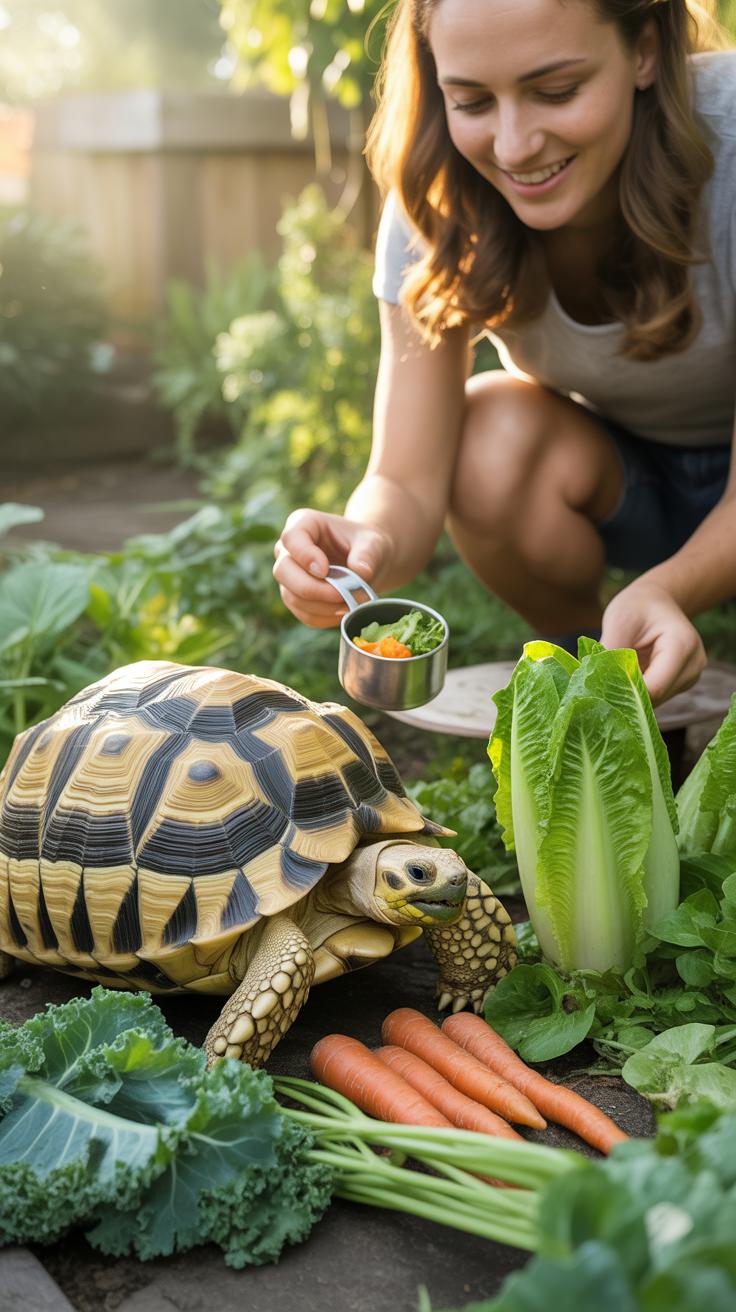
Overfeeding causes rapid growth and internal damage. This leads to pyramiding where the shell grows upward in peaks. Excess nutrients strain the liver and kidneys. High protein diets cause metabolic bone disease from calcium imbalances. This weakens the skeleton and shell structure. Proper feeding keeps your tortoise lean and healthy. You must measure portions to prevent these permanent physical deformities and early death.
Underfeeding stops growth and weakens the immune system. Malnourished tortoises lack the energy to move or bask. Their muscles waste away over time. Small portions lead to vitamin deficiencies that affect eyesight and respiratory health. A tortoise needs consistent calories to maintain its body heat and organ function. Balance is the only way to ensure your tortoise lives for several decades without chronic pain.
How A Tortoise’S Natural Habitat Shapes Its Nutritional Needs
Tortoises evolved in arid environments with scarce resources. Most species eat high-fiber weeds and grasses found in dry scrublands. They spend hours searching for small amounts of low-energy food. Their digestive systems process tough plant matter slowly to extract every nutrient. You must replicate this low-protein and high-fiber intake in captivity. This prevents the animal from growing too fast for its internal organs.
Seasonal changes in the wild dictate food availability. Many tortoises gorge during wet seasons and fast during dry periods or winter. This cycle regulates their metabolism naturally. Keeping a tortoise in a temperature-controlled tank means it never stops eating. You must act as the regulator. Provide a diet that mimics the tough, fibrous plants of their ancestral homes. High-quality hay and greens are the best substitutes.

How Much To Feed A Tortoise The General Rules Of The Tortoise Feeding Guide
The Head Size Method: A Practical Way To Measure Portion Size
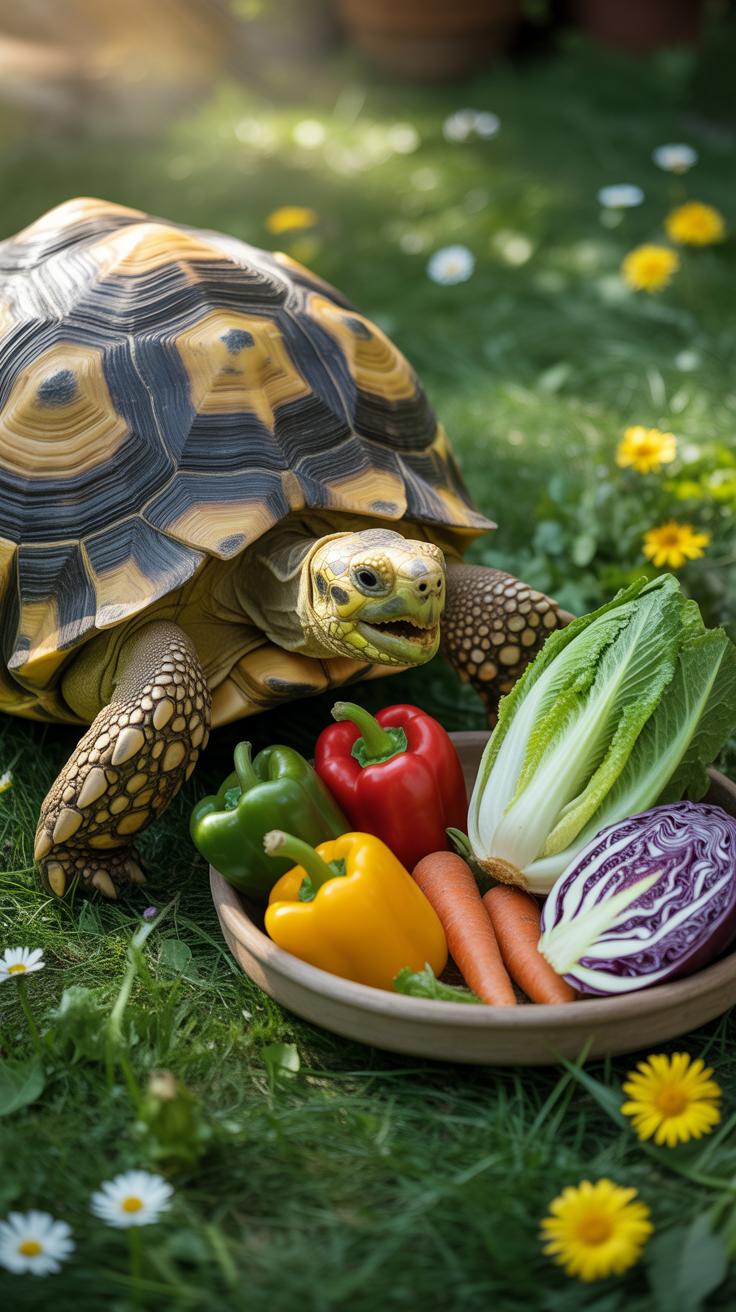
Tortoise owners struggle with volume because shells hide stomach capacity. The head size method solves this problem by using the tortoise as its own measuring cup. Imagine a pile of food equal to the size of your tortoise’s head and neck. This volume represents a safe daily ration for most herbivorous species. It prevents overfeeding while ensuring the animal receives the nutrients required for survival.
Apply this method daily to keep growth rates steady and healthy. If the tortoise finishes the pile in minutes and searches for more, the portion is correct. Excess leftovers indicate you must scale back the volume immediately. Food sitting in the enclosure rots and attracts pests. Watch the animal eat to verify it consumes the entire portion. Adjust the quantity slightly based on seasonal activity levels.
How Feeding Frequency Changes From Hatchlings To Adult Tortoises
Hatchlings require daily feedings to support rapid bone and shell development. Their high metabolic rate means they burn energy quickly and cannot skip meals without stress. Provide a fresh pile of greens every morning during their first two years. Consistency at this stage prevents shell pyramiding and metabolic bone disease. Failure to feed young tortoises daily leads to irreversible physical deformities and weak immune systems.

Adult tortoises have slower metabolisms and benefit from a more sporadic schedule. You should feed adults five to six days a week. Skipping one or two days mimics natural grazing patterns found in the wild. This “starve day” prevents obesity and liver issues common in captive reptiles. Observe the body condition of the tortoise regularly. If the legs look fatty or the tortoise moves slowly, reduce the weekly frequency.
Tortoise Food What To Feed And What To Avoid Every Day
Core Safe Foods That Should Make Up The Bulk Of A Tortoise’S Diet
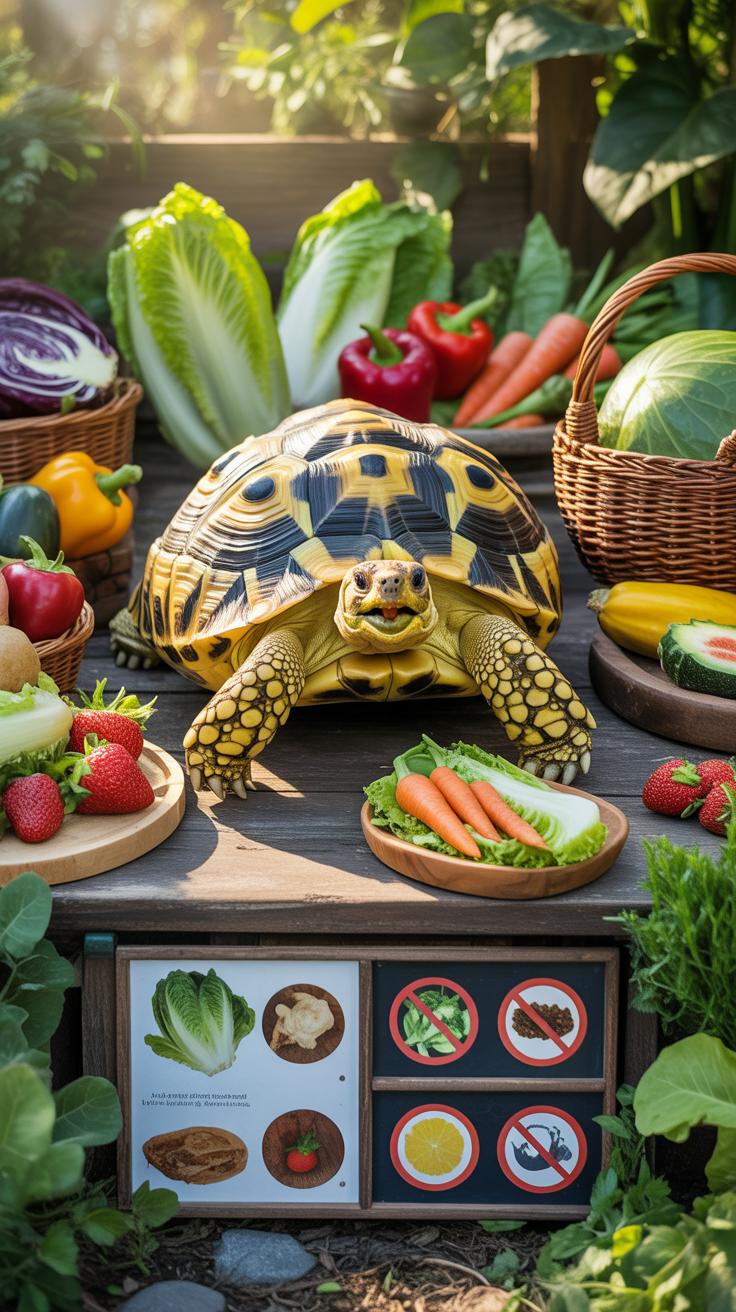
Most tortoises are herbivores requiring high-fiber, low-protein diets to simulate their natural environments. You must provide a variety of leafy greens and weeds to ensure proper nutrient intake. These plants provide the foundational vitamins and minerals needed for bone health and shell development. Focus on calcium-rich options to prevent metabolic bone disease and ensure your tortoise grows at a healthy, steady rate.
- Broadleaf Weeds: Dandelion, clover, and plantain are superior choices because they offer high fiber and essential minerals. These plants mimic the natural forage tortoises find in the wild. Ensure all weeds are free from pesticides and chemical fertilizers before feeding them to your pet.
- Leafy Greens: Romaine lettuce, escarole, and endive provide necessary hydration and bulk. Avoid iceberg lettuce because it lacks nutritional value and contains too much water. Rotate these greens weekly to give your tortoise a broad range of vitamins and prevent any single nutrient deficiency.
- Opuntia Cactus: This cactus is an excellent source of calcium and water. Large tortoise species benefit greatly from the pads because they help wear down beaks naturally. Remove large spines before offering the pads to your animal to prevent injury.
- Grass and Hay: Species like the Sulcata require large amounts of Timothy hay or orchard grass. These high-fiber foods keep the digestive system moving and prevent diarrhea. Keep fresh hay available at all times for grazing species to promote natural behavior and gut health.
- Flower Heads: Hibiscus and pansies are safe treats that add variety to the diet. These flowers contain natural antioxidants and encourage picky eaters to consume their main meals. Only use flowers that you grow yourself or buy from organic sources to avoid toxic residues.
Balance is the primary goal when selecting daily food items. You should aim for a diet that is at least seventy percent leafy greens and grasses. Supplying the correct ratios prevents obesity and secondary health complications. High-quality forage supports the immune system and maintains the integrity of the shell. Always wash all store-bought produce thoroughly to remove any lingering agricultural sprays.
Common Foods That Are Toxic Or Harmful And Must Be Avoided
You must eliminate high-protein foods like cat or dog food from a tortoise’s diet. These items cause rapid growth and permanent shell deformities known as pyramiding. Excessive protein also places extreme stress on the kidneys and can lead to organ failure over time. Stick to plant-based options that match the digestive capabilities of a reptile. Avoid feeding meat products unless you keep a specific omnivorous species.

Standard garden plants like azaleas, foxglove, and rhododendrons are highly toxic if ingested by your tortoise. Rhubarb and beet greens contain high levels of oxalates which interfere with calcium absorption. This chemical interference weakens the skeleton and softens the shell. You should also avoid citrus fruits and onions as they cause severe stomach irritation. Always verify the safety of any new plant before placing it in the enclosure.
Sulcata Tortoise Feeding How Much Does The African Spurred Tortoise Need Daily
Daily Grass And Hay Intake For Sulcata Tortoises At Every Life Stage
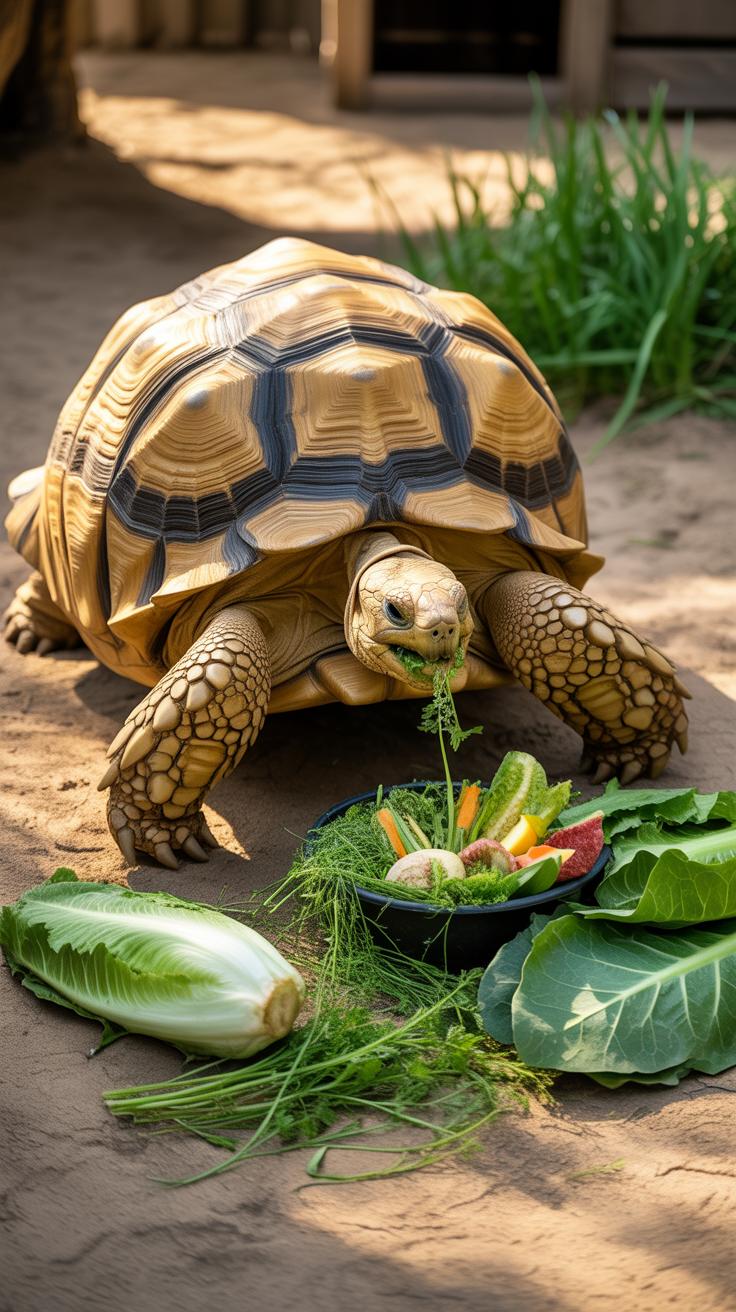
Sulcata tortoises require a diet consisting of eighty five percent grasses and hay. Hatchlings need finely chopped orchard grass or timothy hay daily to build bone density. Offer a pile of food roughly the size of the tortoise shell every morning. Remove uneaten portions after several hours to prevent mold. Constant access to clean fiber ensures steady growth without causing metabolic issues.
Adult Sulcatas possess massive appetites and require bulk forage to maintain gut health. Provide mature tortoises with large quantities of pesticide free dried grasses or Bermuda hay. These animals are grazing machines that eat throughout the daylight hours. Restricting forage leads to boredom and digestive failure. Ensure the tortoise consumes enough dry matter to produce firm waste. Fiber is the most critical fuel for this species.
Why High Protein And High Sugar Foods Are Especially Dangerous For Sulcatas
Excess protein causes permanent physical damage to the Sulcata shell and internal organs. High protein levels trigger rapid growth spurts that lead to pyramidal peaking. This deformity weakens the skeletal structure and cannot be reversed. Limit grocery store greens and avoid cat or dog food entirely. These heavy proteins strain the kidneys and shorten the lifespan of the animal significantly.

Sugar is equally toxic to the Sulcata digestive tract. Their hindgut fermentation process cannot process glucose from fruit. Feeding fruit causes blooms of harmful bacteria and parasites in the intestines. This leads to painful bloating, diarrhea, and severe dehydration. Stick to low nutrient desert flora to mimic their natural Saharan habitat. Protecting the gut biome is vital for long term survival and health.
Red Footed Tortoise Diet Unique Feeding Needs Compared To Other Species

How Much Fruit And Protein A Red Footed Tortoise Actually Needs Each Week
Red footed tortoises differ from desert species because they require regular fruit intake. Fruit should make up roughly fifteen percent of their weekly food volume. You must provide this three times per week to mimic their natural tropical habitat. Excess fruit causes diarrhea while insufficient fruit leads to energy drops. Monitor your tortoise to ensure they process these sugars efficiently without gaining weight.
Protein is the second critical pillar for this species. Unlike Mediterranean tortoises, red foots scavenge for animal matter. Provide a small serving of low fat protein once every week or two. Earthworms or soaked reptile pellets serve this purpose well. High protein levels prevent shell deformities and support organ health. Do not skip this step or your tortoise will suffer from severe nutritional deficiencies.
Balancing Leafy Greens, Fruit, And Animal Protein In The Red Foot’S Daily Meals
Daily meals must prioritize calcium rich leafy greens as the primary base. Greens should constitute seventy percent of every plate you serve. Use mustard greens, collards, or dandelion leaves to provide essential fiber and minerals. This foundation supports proper digestion and bone growth over the lifespan of the animal. If you only feed fruit, the tortoise will develop metabolic bone disease and die.

The remaining portion of the daily meal consists of vegetables and occasional fruit. Plan your feeding schedule so the tortoise receives a variety of colors and textures daily. This variety ensures they get a full spectrum of vitamins. Consistency is your goal when managing these three distinct food groups. Measure portions by the size of the tortoise shell to avoid overfeeding or wasting expensive fresh produce.
Using A Tortoise Food Chart To Track And Plan Daily Portions
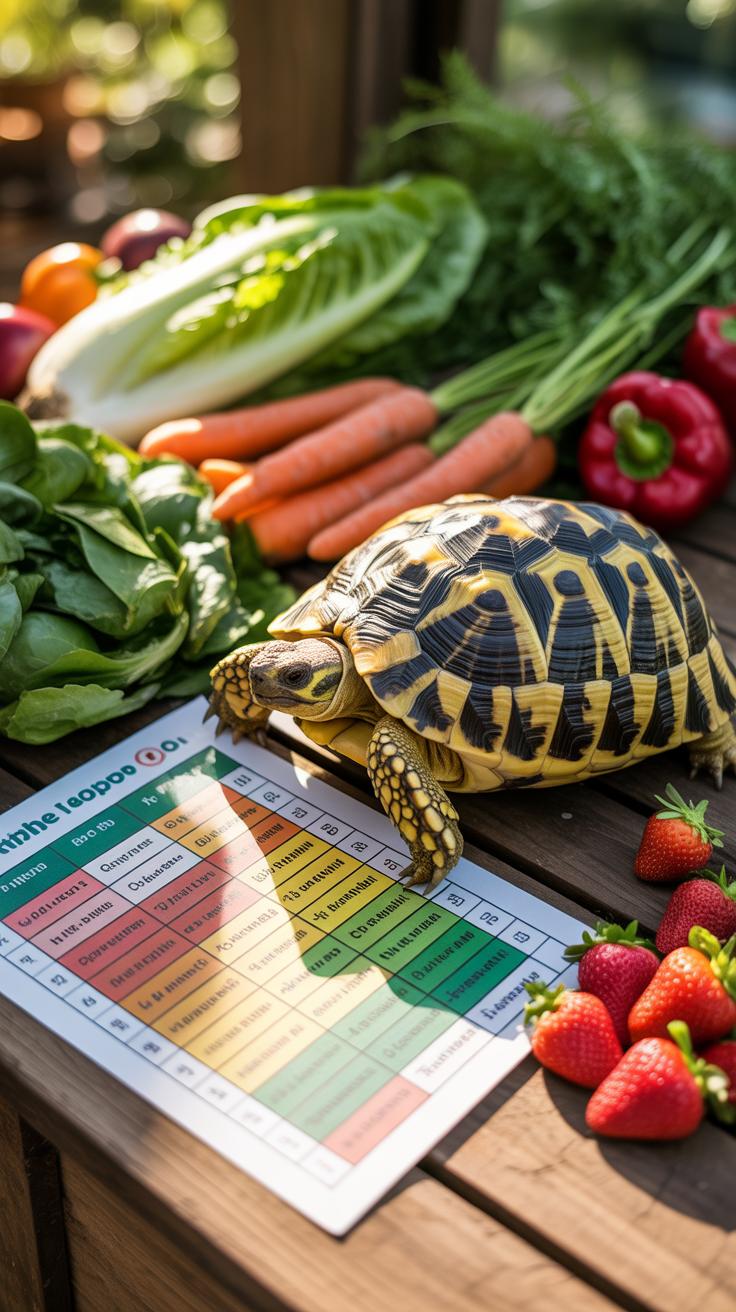
How To Read And Apply A Tortoise Food Chart For Your Specific Species
A food chart directs your daily feeding strategy based on biological requirements. Mediterranean species like the Hermann’s tortoise require high fiber and low protein. Desert species like the Sulcata need massive volumes of coarse grasses. Tropical species like the Red-foot require fruit and occasional protein. Identify your tortoise species first. Use the chart to match nutrient density with the digestive speed of your animal.
Charts serve as a baseline for volume and frequency. Most charts use the shell size method or the ten-minute rule. Measure the tortoise across its plastron to determine the correct surface area of greens. Apply the chart data to your daily weighing routine. Tracking weight alongside food intake Prevents obesity and shell deformities. Consistency ensures the tortoise receives stable mineral ratios every single day.
Seasonal Adjustments: How Food Portions Should Change Throughout The Year
Seasonal shifts dictate metabolic speed and hunger levels. Metabolism slows down as light cycles shorten and temperatures drop in autumn. Tortoises naturally reduce their intake during this period. You must scale back portions to prevent undigested food from rotting in the gut. This is critical for species that undergo brumation. Monitor the environment and adjust the feed volume to match the internal clock of the tortoise.

Spring and summer require a sharp increase in food delivery. Higher temperatures and longer daylight hours spike the activity levels of the tortoise. Provide more hydration-heavy greens during peak summer heat to prevent dehydration. Use the food chart to transition between high-growth summer phases and maintenance winter phases. Adjusting food based on the season mimics the natural availability of forage in the wild habitat.
Tortoise Food List Building A Balanced Weekly Meal Rotation
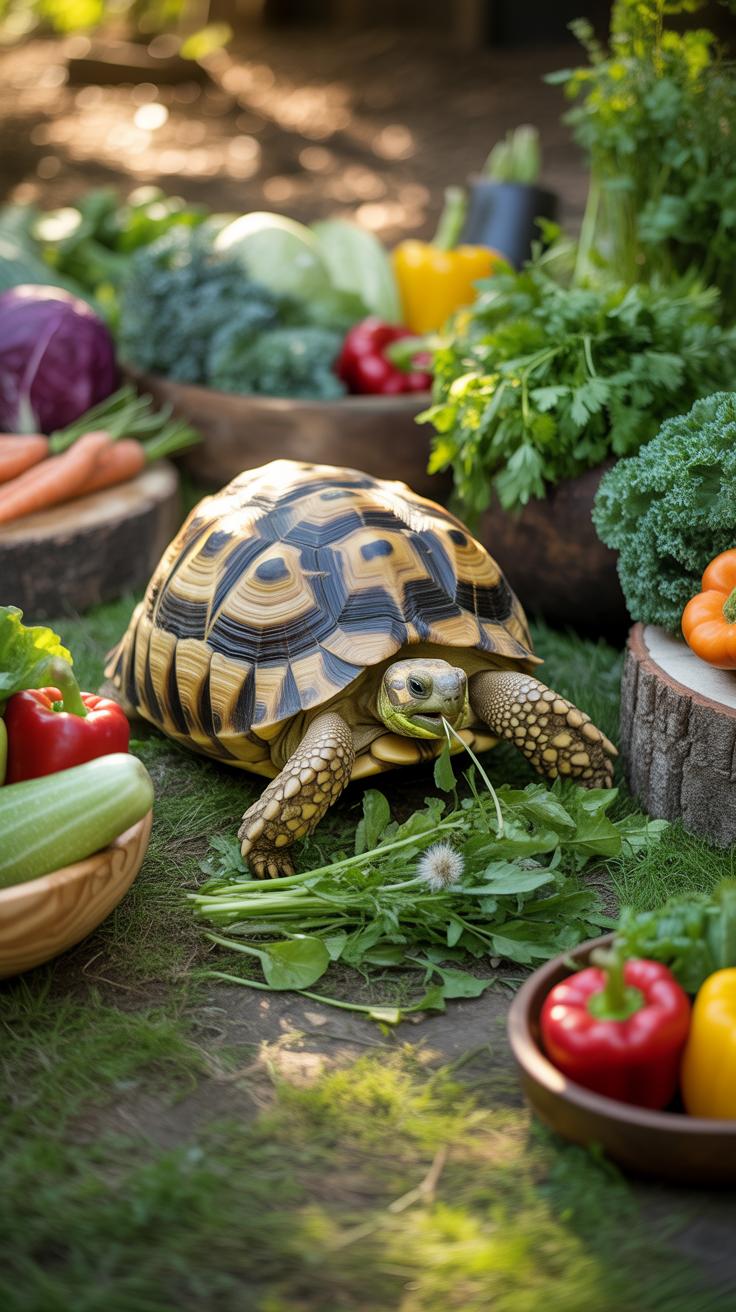
Best Leafy Greens, Weeds, And Flowers To Rotate Into The Weekly Diet
A tortoise requires high fiber and low protein to maintain healthy organ function. You must replicate their wild foraging habits by providing a diverse range of plant matter. Relying on a single food source leads to nutrient deficiencies and metabolic bone disease. Rotate items daily to ensure the animal receives various vitamins and minerals necessary for steady growth and shell development.
- Dandelion Greens: These common weeds provide high levels of Vitamin A and calcium. They act as a natural diuretic and support kidney health in most Mediterranean and desert species. Feed both the leaves and the yellow flowers regularly.
- Opuntia Cactus: Also known as prickly pear, this is a superior hydration source. It contains a high calcium-to-phosphorus ratio which is vital for shell strength. Remove large spines before offering pads to smaller or juvenile tortoises.
- Hibiscus Flowers: These blooms are highly palatable and rich in antioxidants. They serve as a safe treat that encourages feeding behavior in picky eaters. Both the leaves and the flowers are safe for frequent consumption in a rotation.
- Mulberry Leaves: These leaves offer excellent fiber content and essential proteins for developing tortoises. They are a staple for larger species like Sulcatas but benefit all herbivores. Ensure the tree has not been treated with any chemical pesticides.
- Plantain Weeds: This low-growing broadleaf weed is a fundamental fiber source found in wild habitats. It helps regulate the digestive tract and prevents loose stools. It is often more nutritious than many store-bought grocery store greens.
Avoid light-colored lettuces like iceberg because they lack nutritional density. Focus on dark, leafy greens that withstand wilting. Map out a seven-day schedule to track which nutrients the tortoise consumes. This strategy prevents the animal from becoming fixated on one food type. Consistent variety is the only tactic that ensures long-term health and prevents shell pyramiding caused by poor nutrition.
Feeding your tortoise is a slow dance of patience, much like tending a garden where just enough nourishment allows a gentle soul to thrive for a lifetime. Treat each meal as a steady promise of care that honors their ancient, quiet pace.
The Role Of Calcium Supplements And Hydration In Daily Tortoise Nutrition
Calcium is the most critical mineral for a tortoise. Without it, the skeletal structure softens and the beak becomes overgrown. You must dust food with pure calcium carbonate powder at least three times per week. Younger tortoises require more frequent supplementation during peak growth phases. Provide a cuttlebone in the enclosure so the animal can self-regulate its calcium intake while trimming its beak.
Hydration is just as important as solid food for digestion and waste elimination. A tortoise absorbs water through its cloaca during shallow soaks. Provide a shallow water dish every day for drinking and wading. Soaking the tortoise in lukewarm water twice a week prevents bladder stones. High-protein diets without adequate water intake lead to fatal kidney failure. Monitor humidity levels to help the tortoise retain internal moisture.
Tortoise Diet And Care Linking Proper Feeding To Long Term Health
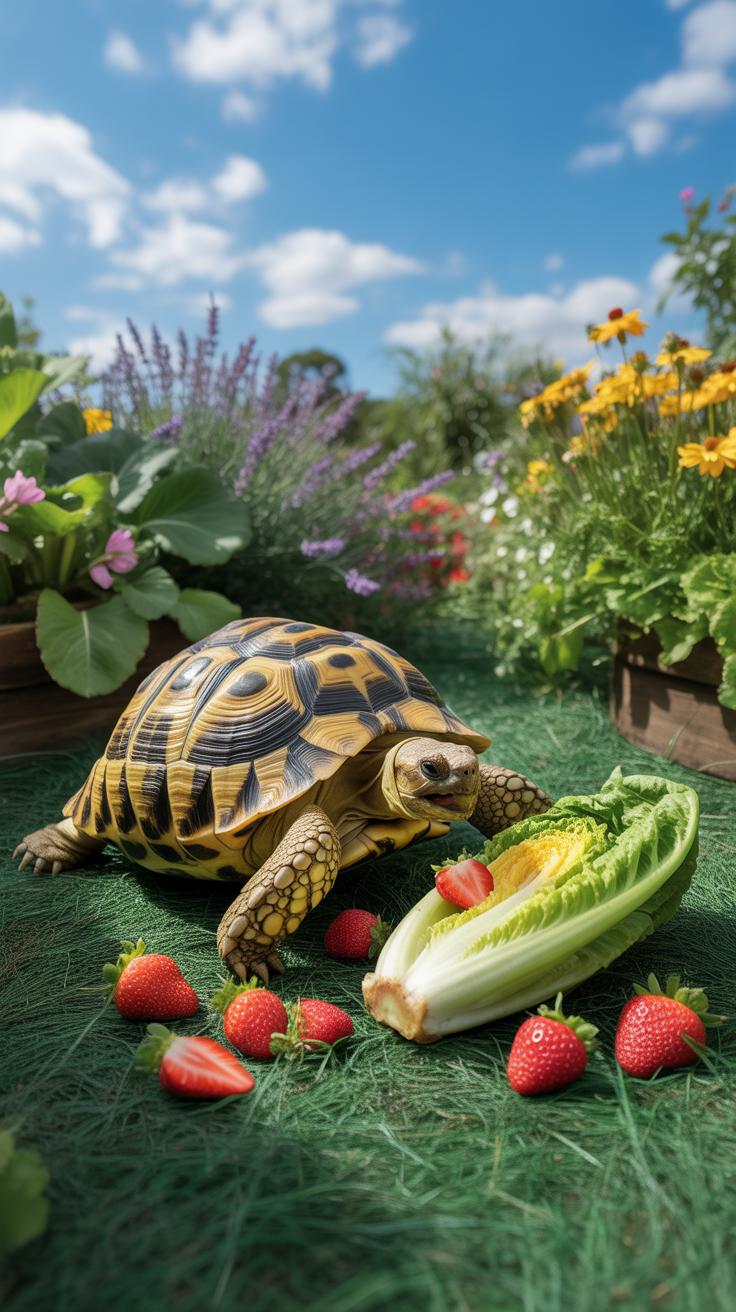
How Nutrition Directly Affects Shell Development, Growth Rate, And Lifespan
Nutrition dictates the structural integrity of the tortoise shell. Proper calcium levels and correct protein intake prevent metabolic bone disease. High protein levels cause the shell to grow too fast. This leads to pyramiding where the scutes rise into peaks. This damage is permanent and restricts internal organ space. Control the growth rate by limiting high calorie foods and processed pellets.
A correct diet boosts the immune system and extends lifespan significantly. Tortoises in the wild eat low nutrient weeds and grasses. Replicating this slow growth pace ensures strong bone density and healthy organ function. Rapid weight gain stresses the heart and liver. Consistent feeding of high fiber plants keeps the digestive tract moving. This prevents stones and impaction which are common killers.
Signs Your Tortoise’S Feeding Routine Needs Adjustment And When To See A Vet
Monitor your tortoise for physical changes that signal poor nutrition. Sunken eyes or a soft shell indicate severe dehydration or mineral deficiencies. Check the beak for overgrowth during feeding sessions. An overgrown beak prevents the tortoise from biting tough vegetation correctly. If the tortoise stops eating entirely for several days, it requires immediate attention. Lack of appetite often points to an underlying respiratory infection.

Examine the waste to assess digestive health. Runny stools mean the diet lacks sufficient fiber or contains too much fruit. If you notice white gritty discharge in the urine, reduce the calcium supplement dosage. These urates show the kidneys are working too hard. Visit a vet if the tortoise shows lethargy or drags its plastron on the ground. Professional intervention fixes small issues before they become terminal.
Frequently Asked Questions

How can I tell if I am overfeeding or underfeeding my new pet?
Determining how much to feed a tortoise can be tricky for beginners. A reliable rule of thumb is the “shell size” method, where you offer a pile of fresh leafy greens roughly the same size as your tortoise’s shell once per day. If they finish every scrap within minutes, you may need to offer slightly more, but ensure they maintain a consistent growth rate rather than becoming overweight too quickly.
What is the best way to measure a daily portion of food?
Measuring the perfect portion involves observing their appetite over twenty minutes. To master how much to feed a tortoise effectively, provide a variety of high-fiber weeds and grasses that mimic their natural habitat. If significant leftovers remain after half an hour, reduce the portion next time to prevent spoilage. Consistency is key, so try to offer their main meal during the warmest part of the day when their metabolism is highest.
Can I feed my tortoise on a budget using grocery store produce?
Absolutely! You can provide a nutritious diet without spending much by focusing on budget-friendly staples like collard greens, turnip greens, and mustard greens from the supermarket. To keep costs low, supplement these with safe, free forage like dandelion greens and clover from your own chemical-free garden. This variety ensures your tortoise receives essential vitamins and minerals while keeping your weekly grocery bill surprisingly manageable and your pet very healthy.