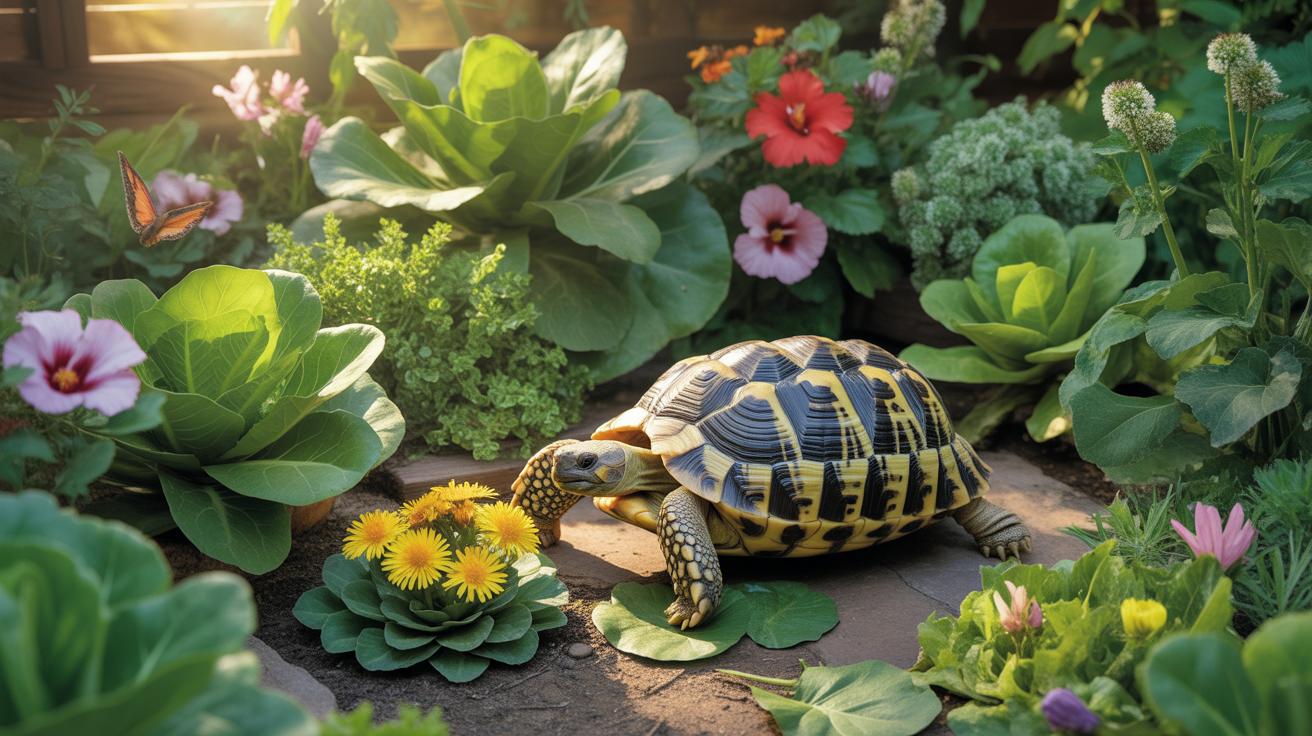
Why Tortoise Care Starts With The Right Diet And Plant Choices
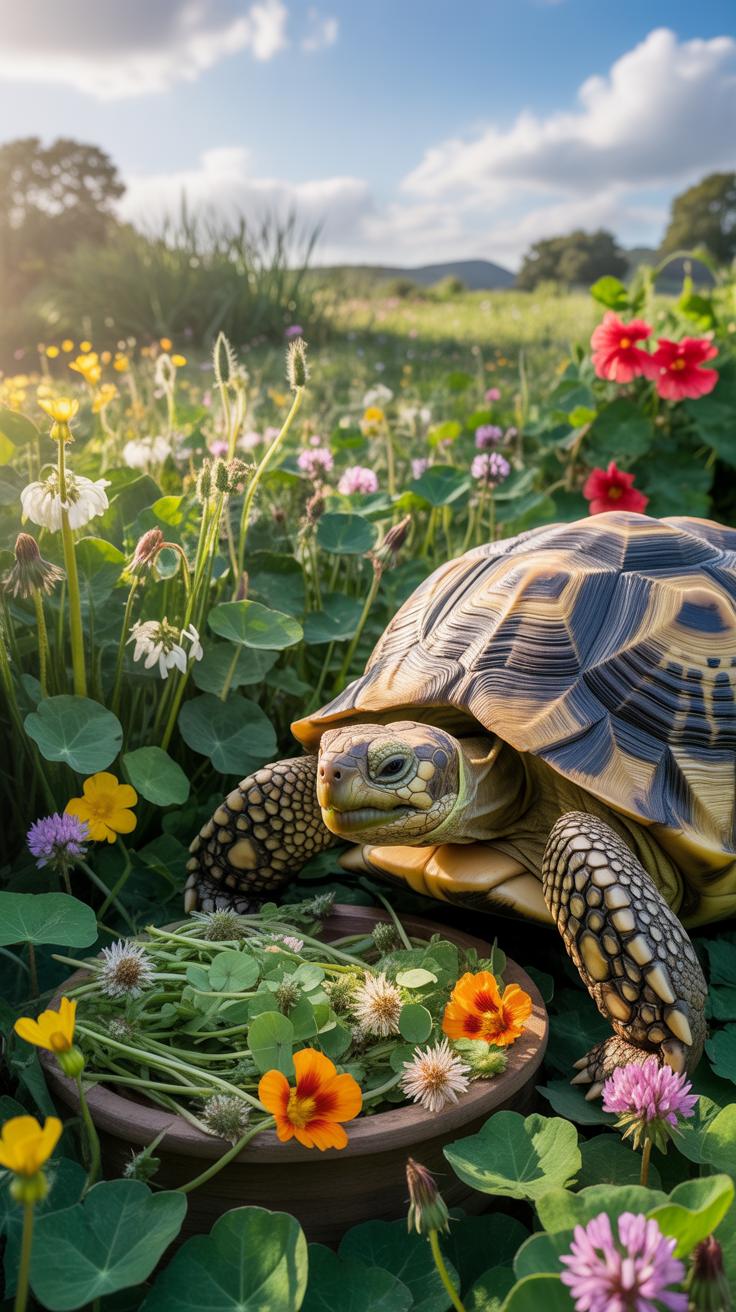
How A Plant Based Diet Supports Tortoise Health And Longevity
Tortoises evolved over millions of years as opportunistic herbivores. Their digestive systems thrive on high-volume, low-energy vegetation found in arid or grassland environments. Proper plant choices ensure slow and steady growth. Rapid growth from high-protein diets causes permanent shell deformities. A biology-driven diet prevents metabolic bone disease. Correct nutrition supports organ function and immune system response. This translates directly to a lifespan spanning several decades.
Strategic planting mimics natural grazing patterns. Captive tortoises often suffer from boredom and sedentary lifestyles. Foraging for specific leaves and flowers provides necessary mental stimulation. It also encourages physical movement across the enclosure. You must select plants that provide bioactive compounds not found in commercial pellets. Real plants offer the correct chemical balance for gut microflora. This foundation is non-negotiable for anyone serious about long-term tortoise survival and health.
The Role Of Fiber, Calcium, And Hydration In A Tortoise’S Plant Diet
Fiber acts as the primary engine for tortoise digestion. High-fiber plants slow down the transit of food through the gut. This allows the tortoise to extract maximum nutrients from tough vegetation. Without enough fiber, tortoises develop loose stools and parasitic blooms. You must prioritize weeds and grasses over soft fruits. Fiber maintains the beak shape through natural wear during the chewing process. It keeps the entire system functional.
Calcium and hydration are the other two pillars of this diet. Tortoises require a high calcium-to-phosphorus ratio to build dense bone and shell tissue. Many edible plants like dandelions provide this naturally. Adequate hydration comes from the high water content in fresh greens. This moisture prevents bladder stones and kidney failure. You do not just feed the animal. You provide a hydration source and a mineral supplement through raw vegetation.

What Plants Do Tortoises Eat In The Wild Vs In Captivity
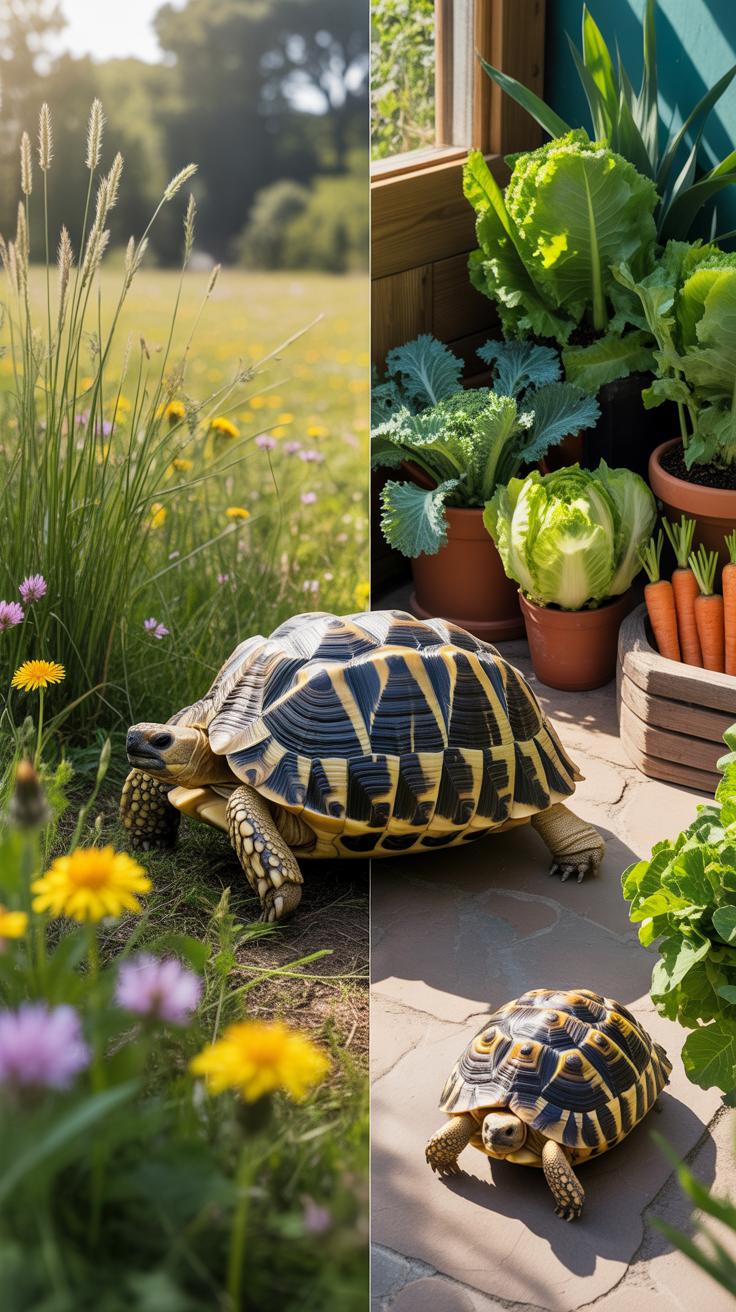
Natural Foraging Habits: What Wild Tortoises Graze On
Wild tortoises survive by eating several dozen plant species across vast ranges. They primarily consume low-growing weeds, tough grasses, and succulent leaves. These plants offer high fiber content and specific minerals like calcium. Most wild forage is seasonally available and grows in nutrient-poor soil. This creates a slow growth rate for the tortoise. Tortoises spend hours searching for these specific nutrients to maintain health.
Wild diets fluctuate based on rainfall and temperature. During dry seasons, tortoises consume dried stalks and hay-like vegetation. This roughage keeps their digestive tracts moving efficiently. They rarely encounter high-sugar fruits or protein-rich legumes in their natural desert or scrubland habitats. Grazing behavior focuses on quantity over calorie density. This prevents rapid weight gain and bone deformities. Wild tortoises are opportunistic but highly specialized feeders.
To plant a garden is to believe in tomorrow. There is no greater joy than watching your ancient friend feast upon the harvest you tended with love.
Bridging The Gap: Replicating Wild Plant Variety In A Home Garden
Captive tortoises often suffer from a narrow diet of grocery store greens. Most commercial produce lacks the fiber and mineral complexity found in wild weeds. To bridge this gap, you must grow specific plants that mimic natural forage. Focus on high-calcium greens and coarse grasses. Avoid plants treated with pesticides or heavy fertilizers. These chemicals disrupt the tortoise’s internal flora and can cause long-term organ damage.

Establishing a home garden allows for constant access to fresh, diverse forage. You can control the soil quality to ensure high mineral content in the leaves. Mix leafy greens with edible flowers to provide different textures and nutrients. This variety prevents pickiness and ensures the tortoise gets necessary vitamins. Rotational grazing in an outdoor enclosure mimics wild movement patterns. This strategy promotes better physical health and mental stimulation for your tortoise.
What Plants Are Safe For Tortoises Understanding The Basics
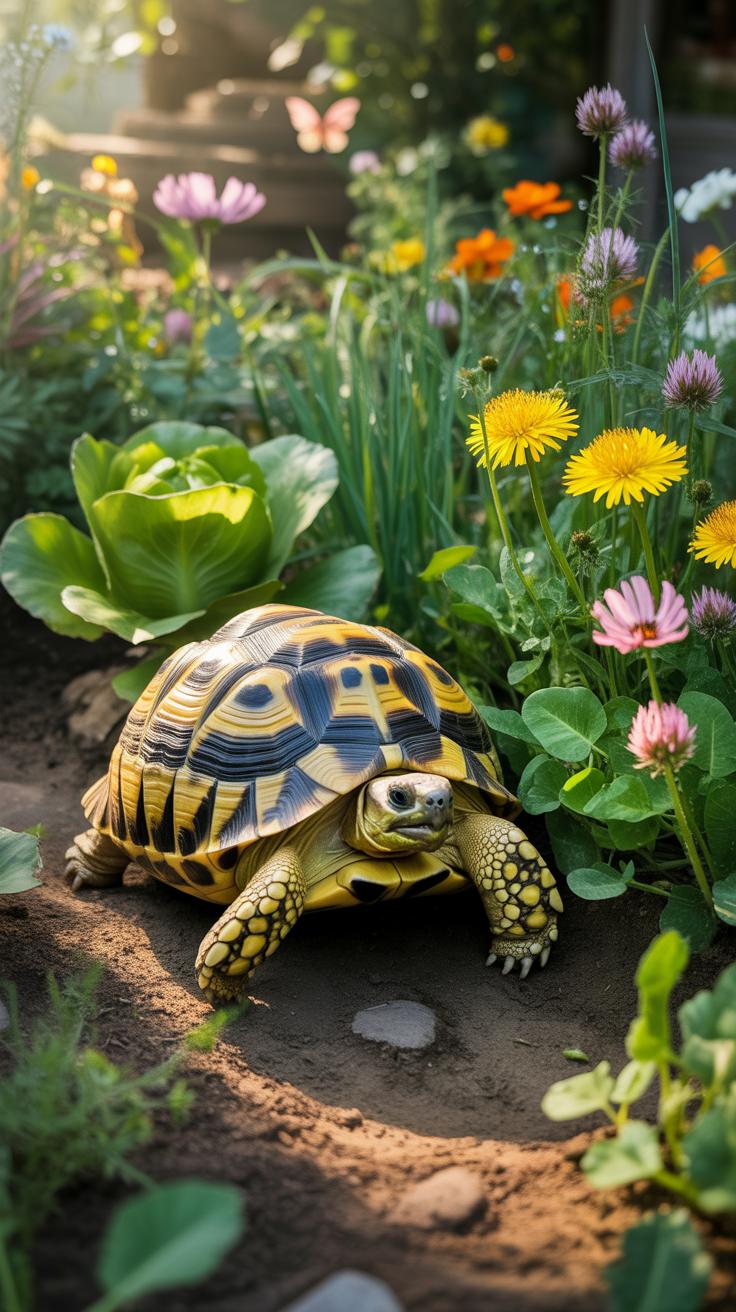
Key Traits That Make A Plant Safe Or Unsafe For Tortoises
Safe plants for tortoises must have low oxalic acid and high fiber content. High fiber aids digestion and mimics natural grazing patterns. You should prioritize plants with a high calcium to phosphorus ratio. This ratio ensures proper bone and shell development. Tortoises need weeds and grasses that provide roughage. Avoid plants with thick, waxy leaves unless you verify their safety first.
Unsafe plants often contain toxic alkaloids or high levels of protein. Rapid protein intake causes shell pyramiding and kidney failure. Avoid any plant that produces milky sap when broken. This sap usually indicates the presence of irritating latex or cardiac glycosides. Plants grown with systemic pesticides are also a major risk. These chemicals stay inside the plant tissue even after you wash the leaves thoroughly.
Common Toxic Plants To Avoid Growing Near Your Tortoise Enclosure
Toxic plants can cause immediate organ failure or long term health issues for your reptile. Many decorative garden flowers contain chemical compounds meant to deter herbivores. You must maintain a buffer zone around the enclosure to prevent seeds or leaves from blowing inside. Identification is your primary defense against accidental poisoning. Check every species name before you plant anything in the vicinity.
- Azaleas: These shrubs contain grayanotoxins that disrupt nerve and muscle function. Even a small amount can cause vomiting, tremors, and cardiac distress. They are common in landscaping but represent a lethal threat to all tortoise species regardless of size.
- Foxglove: This plant contains digitalis and other cardiac glycosides. These chemicals interfere directly with the heart rate and can cause sudden death. It is highly toxic and should never be accessible to any grazing animal or kept near food sources.
- Rhubarb: The leaves of this plant house high concentrations of oxalic acid. This acid binds to calcium and prevents the tortoise from using it. Eating these leaves leads to acute kidney damage and severe metabolic bone disease over a short period.
- Hydrangeas: These garden favorites contain cyanogenic glycosides which release cyanide when digested. Cyanide prevents the body from using oxygen at a cellular level. Rapid ingestion results in respiratory failure and is often fatal without immediate and specialized veterinary intervention.
- Lily of the Valley: This plant contains dozens of different cardiac glycosides similar to those in foxglove. Every part of the plant is toxic including the flowers and the water in the soil. Exposure causes irregular pulse, blurred vision, and eventual heart failure.

Eliminate these plants from your yard to ensure the safety of your tortoise. Do not rely on the animal to ignore toxic plants. Captive tortoises often lose the survival instincts that prevent them from eating harmful greens. Wind and rain can carry toxic debris into the pen. Removing these species entirely is the only way to mitigate the risk of accidental ingestion.
Tortoise Safe Plants Top Edible Varieties You Can Grow At Home
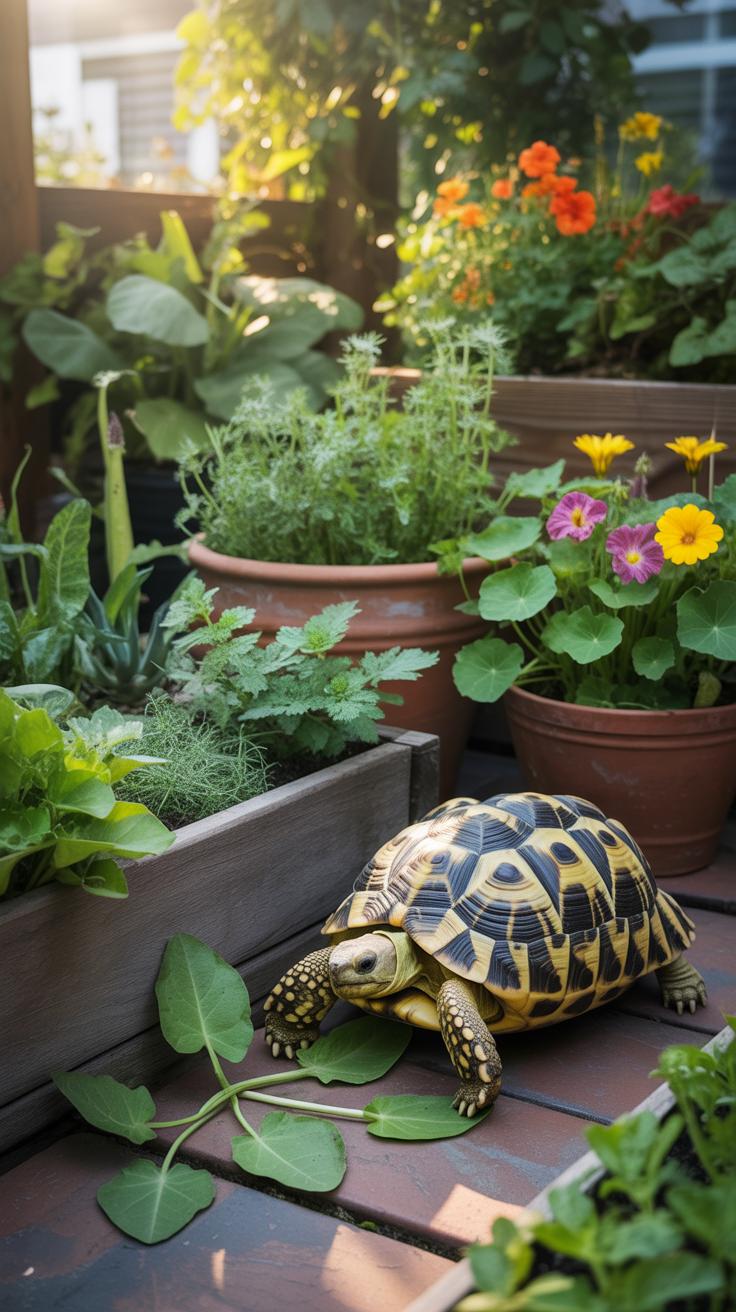
Grasses, Weeds, And Broadleaf Plants That Are Tortoise Friendly
Greenery forms the primary fiber source for most tortoise species. High-fiber diets prevent digestive issues and ensure slow, steady growth rates. You can easily cultivate these plants in backyard plots or indoor containers. Focusing on weeds reduces your dependency on commercial grocery store greens. These plants offer a superior calcium-to-phosphorus ratio compared to standard lettuce varieties.
- Dandelion: Both the leaves and flowers provide high levels of Vitamin A and calcium. This hardy weed grows in most soil types and thrives without chemical fertilizers. It is a staple for most species because it supports kidney health.
- Plantain: Not the fruit, but the broadleaf or ribbed garden weed. It contains high fiber levels and antimicrobial properties. This plant survives heavy foot traffic and provides essential roughage that promotes healthy gut function in grazing tortoises.
- Timothy Grass: This is a mandatory dietary component for grazing species like Sulcatas and Leopards. It provides the necessary bulk to move food through long digestive tracts. You can grow it from seed in large outdoor enclosures or controlled trays.
- Chickweed: This moisture-rich plant serves as an excellent hydration source during hot summer months. It grows quickly in cool, shaded areas and offers a soft texture easy for younger hatchlings to consume. It is rich in vitamins and minerals.
- Clover: White and red clover varieties provide necessary protein and minerals for growing tortoises. Use these sparingly as part of a mixed diet rather than a sole food source. Clover fixes nitrogen in the soil and grows rapidly in patches.
Select diverse species to mimic natural foraging patterns. Constant rotation of these plants prevents nutritional deficiencies and boredom. Control your growing environment to avoid pesticide contamination from neighbors or runoff. Use organic seeds to ensure the plants remain safe for long-term consumption. Harvest plants at various growth stages to provide different textures and fiber concentrations for your animal.
Edible Flowers And Herbs That Provide Nutritional Benefits For Tortoises
Flowers offer essential micronutrients and psychological stimulation through varied colors and scents. Most tortoises are opportunistic foragers that gravitate toward bright blooms in the wild. Hibiscus stands out as a top choice because the entire plant is edible and safe. Growing your own flowers ensures they are free from the toxic systemic pesticides often found in nursery-bought ornamental plants.

Herbs provide concentrated vitamins and help diversify the flavor profile of the daily ration. Use rosemary, thyme, and oregano as aromatic additions to the enclosure rather than primary food sources. These plants are hardy and withstand the trampling of larger tortoises. They also serve as natural shade and cover. Integrate these woody herbs into your landscaping to create a functional and edible habitat for your pet.
Tortoise Food From Your Garden Growing Leafy Greens And Succulents
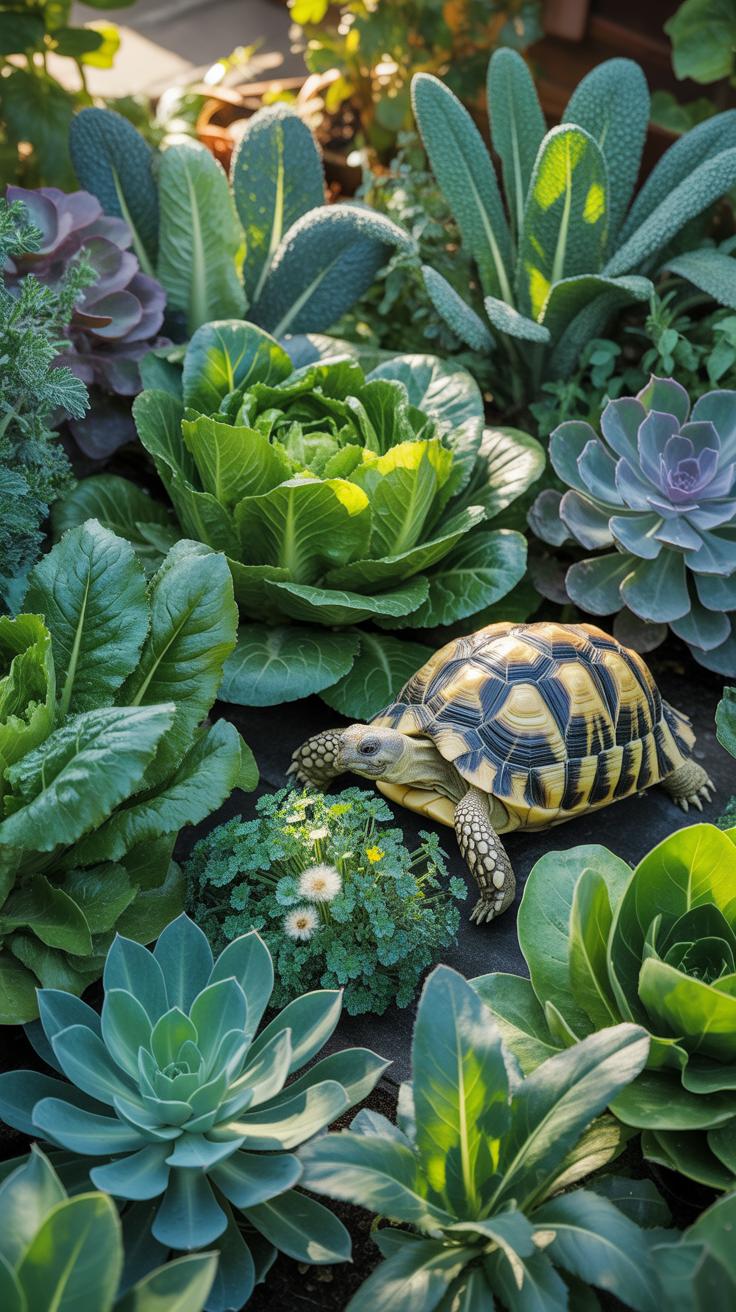
Best Leafy Greens To Cultivate For A Balanced Tortoise Diet
Cultivating your own greens ensures a pesticide-free food supply. Direct sunlight and well-drained soil produce nutrient-dense plants. Focus on broadleaf weeds and garden vegetables like turnip greens or collards. These plants offer high calcium and low phosphorus levels. This ratio is critical for bone and shell development. Growing these at home allows you to harvest them at a young, tender stage for better digestion.
Strategic variety prevents nutritional deficiencies in captive tortoises. Do not rely on one single plant species for daily feeding. Rotate crops to mimic natural foraging patterns. Mustard greens and dandelion leaves provide necessary fiber and vitamins. These plants grow quickly in most temperate climates with minimal maintenance. Ensure the soil remains free of chemical fertilizers. Clean soil produces safe, organic forage that supports long-term health and vitality.
Succulents And Cacti As A Nutritious, Hydrating Tortoise Food Source
Succulents and cacti serve as essential water sources in dry environments. Opuntia cacti, also known as prickly pear, provide high calcium levels. You must remove large spines before feeding to prevent mouth injuries. These plants store massive amounts of water in their pads. This hydration is vital for species from arid regions. Use sandy soil and full sun to grow these hardy plants effectively.

Aloe vera and stonecrop varieties like Sedum offer supplementary nutrition. These plants are easy to grow in small spaces or pots. They withstand heat and drought while maintaining their nutritional value. Check specific species for safety before planting. Some ornamental succulents contain toxins that can harm your animal. Stick to proven, non-toxic varieties to ensure safety. Fresh succulents help maintain proper kidney function through natural moisture intake.
Sulcata Tortoise Care Best Plants To Grow For AfricaS Giant Grazers
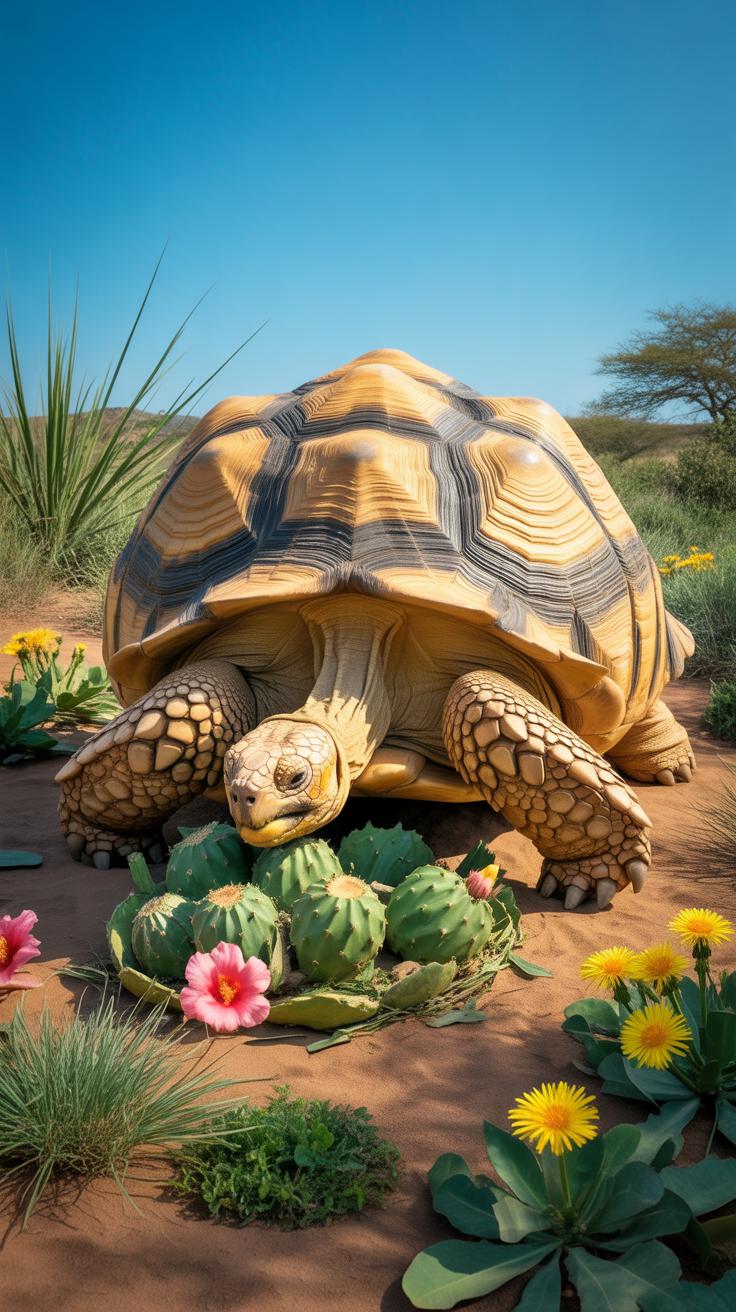
High Fiber Grasses And Hay Plants That Suit The Sulcata’S Digestive Needs
Sulcata tortoises require a diet consisting of seventy-five percent grasses and hay. Their digestive tracts process high-fiber vegetation to extract nutrients and maintain gut motility. Fiber prevents loose stools and promotes healthy growth rates. You must avoid soft vegetables or fruits that lack structural carbohydrates. Grasses mimic the natural forage found in the sub-Saharan Sahel region. This ensures the tortoise stays satiated while maintaining a lean body mass.
Planting diverse grass species prevents nutritional gaps. Bermuda grass and Timothy grass provide the necessary bulk for these large reptiles. Orchard grass offers a softer texture but still carries high fiber levels. You should allow these plants to mature before grazing begins. This strategy creates a sustainable food source within the enclosure. Consistent access to these grasses reduces the risk of metabolic bone disease and shell pyramiding caused by high protein.
Drought Tolerant Edible Plants Ideal For Sulcata Tortoise Outdoor Enclosures
Sulcata tortoises live in arid environments and require plants that handle heat and low water. Opuntia cacti serve as a primary hydration and calcium source. These plants thrive in poor soil and intense sun. The thick pads provide substantial calories without excessive sugar. Growing these in the enclosure ensures a fresh supply of food. This reduces your reliance on store-bought greens that often lack necessary calcium-to-phosphorus ratios.

Succulents and woody shrubs provide shade and forage simultaneously. Desert hibiscus and mulberry trees offer edible leaves that withstand dry spells. These plants create a microclimate that helps the tortoise regulate its body temperature. Deep roots allow these species to survive the trampling and heavy grazing of a large tortoise. Select species that do not require chemical fertilizers or pesticides. This keeps the environment safe for the tortoise to inhabit year-round.
Red Footed Tortoise Diet Tropical Edible Plants Worth Growing
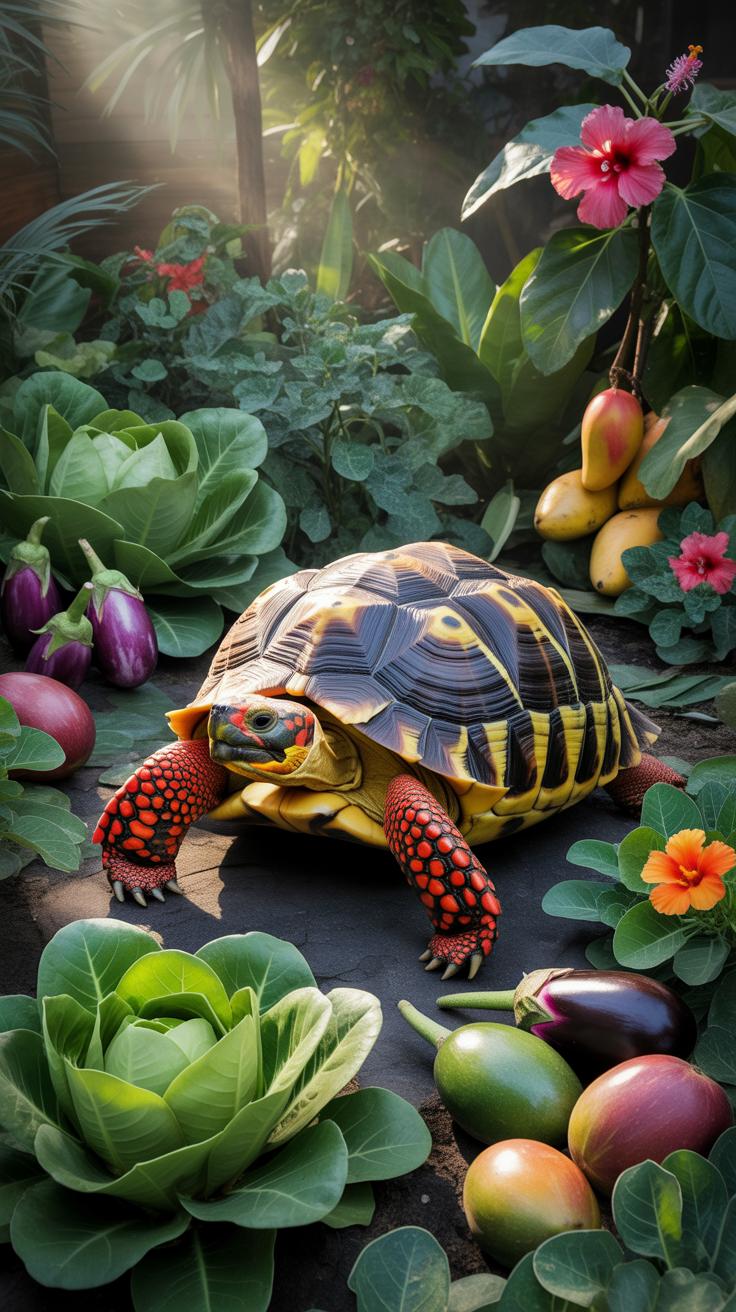
Tropical Fruits, Leaves, And Vines That Red Footed Tortoises Thrive On
Red footed tortoises differ from desert species because they require dietary fruit. They evolved in South American forests where fallen fruit is common. You must provide them with plants like papaya and mango. These fruits offer necessary sugars and nutrients that other tortoises cannot process well. Growing these plants at home ensures your tortoise eats organic, ripened food without harmful pesticides.
Broadleaf plants and climbing vines provide essential calcium and fiber. Red foots favor hibiscus leaves and flowers. They also eat grape leaves and sweet potato vines. These greens offer a dense nutrient profile that supports shell growth. You should prioritize dark leafy greens over light colored lettuce. Focus on variety to prevent nutritional gaps. High quality foliage forms the foundation of a healthy tropical reptile diet.
How To Create A Humid Garden Patch That Mimics A Red Foot’S Natural Habitat
You must control the environment to grow the right plants. Red footed tortoises need high humidity to avoid pyramiding. Plant your garden in a shaded area or use a greenhouse structure. Use deep organic soil that holds moisture without becoming stagnant. This setup supports tropical plants like ferns and hostas. These plants create a microclimate that keeps your tortoise hydrated through their skin and lungs.

Strategic planting provides both food and security. Group tall plants together to create dense thickets. This prevents the soil from drying out too fast. Use heavy mulching with cypress or orchid bark to maintain ground moisture. A humid patch allows your tortoise to forage naturally while staying cool. Consistent irrigation is required to keep the foliage lush. Proper habitat design reduces stress and encourages active feeding behaviors.
Desert Tortoise Care Drought Hardy Plants For Arid Tortoise Habitats
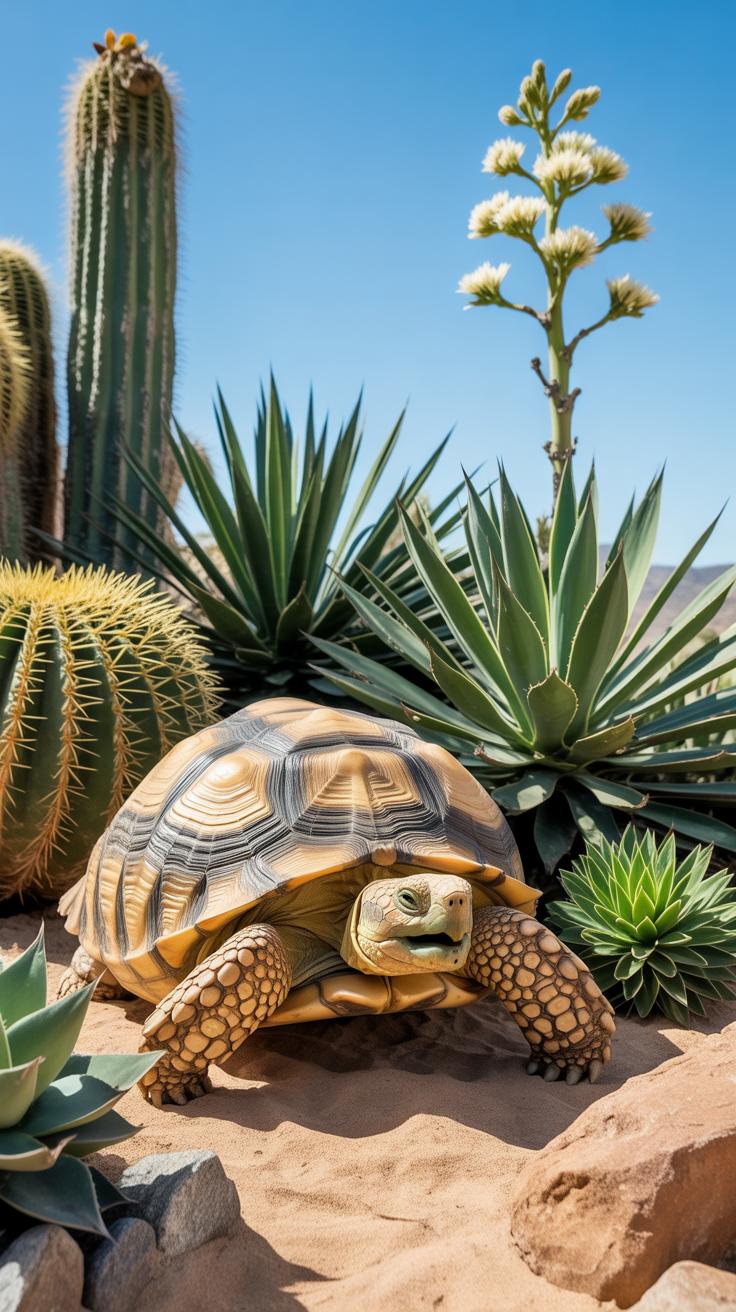
Native Desert Wildflowers And Shrubs That Desert Tortoises Naturally Consume
Desert tortoises rely on specific seasonal vegetation to survive harsh environments. Desert mallow and evening primrose provide essential moisture and nutrients during the spring bloom. These plants offer high fiber content which keeps the digestive system moving. Globemallow is a primary food source in the Mojave and Sonoran regions because it grows quickly after rain. You must focus on these native species to replicate a natural diet.
Shrubs like the brittlebush or creosote offer more than just food. They provide critical shade and microclimates that prevent overheating. Tortoises nibble on the new growth of these woody plants when grasses are scarce. Do not overlook the importance of dry forage. Native perennial grasses like big galleta are necessary for long-term health. Use these plants to build a functional ecosystem rather than a simple aesthetic garden.
Designing A Low Water Tortoise Garden Suited To A Desert Tortoise Habitat
Strategic garden design focuses on water efficiency and accessibility. Group plants by their water needs to create hydrozones. Use rock mulch or decomposed granite to retain soil moisture without increasing humidity levels too much. Ensure all plants are reachable at ground level so the tortoise does not strain itself. Place sturdier shrubs near the perimeter to act as natural windbreaks and visual barriers for the enclosure.

Incorporate natural topographical changes like slopes and burrows into your planting plan. Place drought-hardy succulents like Opuntia cacti in sunny areas. These plants store water and provide a treat that helps with hydration. Avoid using chemical fertilizers or pesticides in this space. They contaminate the soil and the food supply. Precise plant placement ensures your tortoise can forage naturally while staying safe from extreme heat or predators.
Planning Your Tortoise Habitat Garden Practical Growing Tips For Every Setup
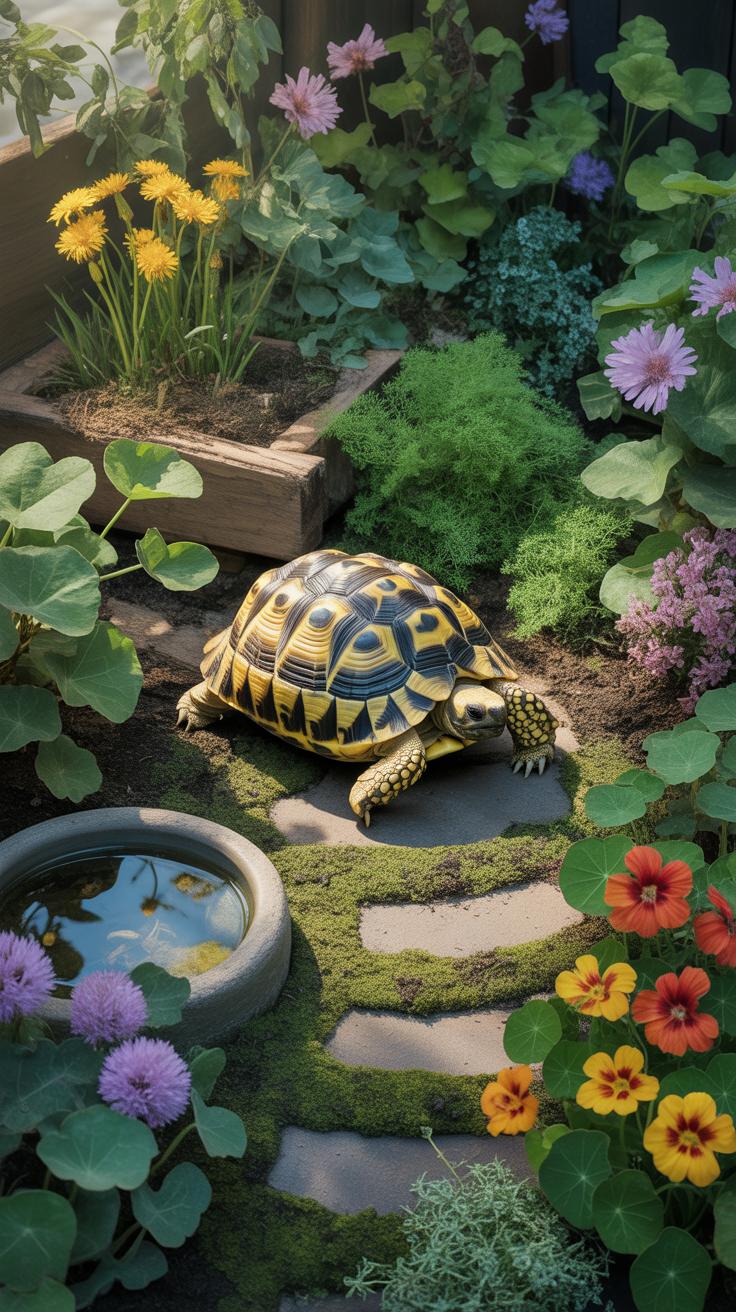
Indoor Vs. Outdoor Tortoise Plant Gardens: What Works Best For Each Setup
Indoor setups require intense management of light and moisture. Grow lights must provide the correct spectrum for plant photosynthesis without overheating the tortoise enclosure. Use shallow pots to prevent tortoises from digging up roots. Succulents and spider plants thrive in these controlled spaces. You must use organic soil free from perlite or chemical fertilizers. Tortoises will eat these toxic additives if they are exposed.
Outdoor gardens maximize natural sunlight and space. Large enclosures allow for deep-rooted plants like hibiscus and mulberry trees. These provide both food and essential shade. Use physical barriers like mesh or rocks to protect young plants from being trampled. Diverse microclimates in an outdoor garden support a wider variety of weeds and grasses. This setup mimics a natural habitat and encourages natural foraging behaviors throughout the day.
Seasonal Planting, Harvesting, And Rotating Edible Plants For Year Round Tortoise Feeding
Strategic rotation prevents overgrazing and soil depletion. Divide your planting area into zones to allow one section to recover while the tortoise grazes another. Plant fast-growing seeds like clover and dandelion in early spring. These provide immediate forage as temperatures rise. During peak summer, harvest and dry excess greens to create a hay supply. This ensures you have high-fiber food available when fresh growth slows down.
Winter feeding requires planning for cold-hardy species. Broadleaf plantain and certain grasses survive light frosts in many climates. If you live in a harsh environment, move portable planters indoors before the first freeze. This provides a continuous supply of fresh nutrients. Use a staggered planting schedule every three weeks. This tactic ensures a steady succession of sprouts and mature leaves. Consistent rotation keeps the tortoise diet diverse and healthy.
Frequently Asked Questions

Which edible plants are safest for a beginner tortoise owner to grow?
If you are new to gardening for your pet, start with hardy options like dandelions, clover, and hibiscus. These species are incredibly resilient and provide excellent nutritional value. Our tortoise edible plants guide recommends these because they grow quickly in various climates and are easily recognizable. Starting with these staples ensures your tortoise has a steady supply of calcium-rich forage while you learn the basics of reptile-safe gardening.
How do I ensure the plants I grow are safe for my tortoise to eat?
Safety begins with organic practices. Always grow your greens from organic seeds in untreated soil to avoid dangerous pesticides or synthetic fertilizers. When following a tortoise edible plants guide, it is crucial to verify each species is non-toxic. Additionally, ensure your growing area is protected from outdoor chemicals or runoff and wash all harvested leaves thoroughly to remove any lingering debris or garden pests before serving them to your pet.
Can I grow a tortoise garden on a tight budget?
Absolutely! Growing your own forage is significantly cheaper than buying store-bought greens. You can save money by harvesting seeds from safe wild plants or purchasing bulk wildflower mixes designed for reptiles. Using repurposed containers and making your own compost also cuts costs. Cultivating a sustainable food source at home reduces your weekly grocery bill while providing your tortoise with a much fresher, more diverse diet than any supermarket can offer.