Why Tortoise Care Starts With Knowing What Not To Feed
The Hidden Danger In Everyday Foods
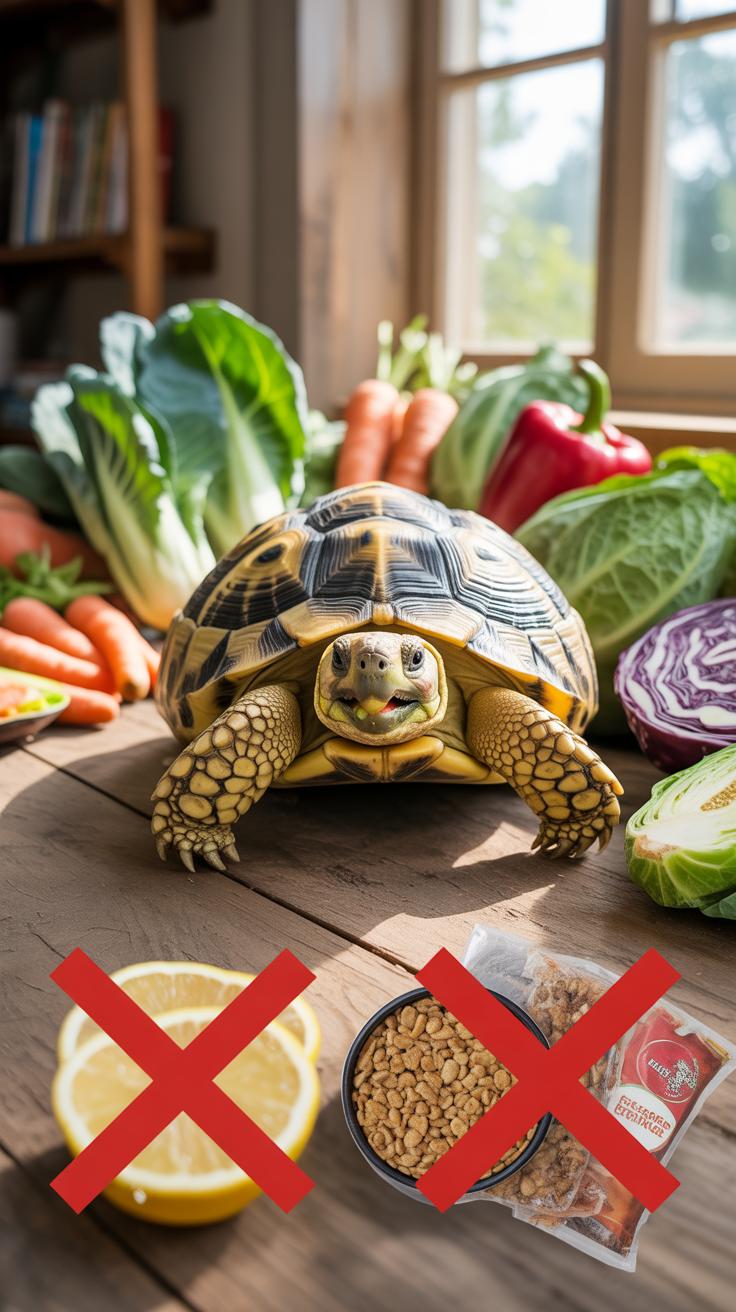
Tortoises face significant risks from common grocery store produce. Many items that humans eat safely contain high levels of oxalates and goitrogens. These compounds interfere with calcium absorption and thyroid function in reptiles. Owners often assume that green vegetables are universally safe. This mistake leads to chronic health issues that take years to manifest. You must identify these chemical threats before they enter the enclosure.
Dietary errors often stem from a lack of species-specific knowledge. Mediterranean and desert tortoises require high-fiber diets with very low sugar content. Feeding fruit or high-protein vegetables disrupts their natural metabolic balance. These items lack the coarse texture needed for beak maintenance and proper gut motility. Strategic feeding requires checking every plant against a verified tortoise foods to avoid list. One wrong meal can trigger internal distress.
How Toxic Foods Affect A Tortoise Digestive System
Toxic foods cause immediate and long-term damage to the digestive tract. High-sugar fruits ferment rapidly in the hindgut of a tortoise. This process creates an acidic environment that kills beneficial bacteria. When the gut microbiome fails, the tortoise cannot extract nutrients from its food. This leads to painful gas, bloating, and systemic inflammation. Proper digestion relies on a stable pH level that sugary foods destroy.
Secondary complications from poor diet include metabolic bone disease and organ failure. When a tortoise eats foods high in oxalic acid, the acid binds to calcium in the gut. This prevents the tortoise from building a strong shell or skeletal structure. The kidneys then work overtime to filter these complexes, leading to stone formation. Real damage occurs long before the tortoise shows outward signs of illness. You must act as a strict gatekeeper.

The Core Tortoise Foods To Avoid List Every Owner Must Know
High Risk Foods That Should Never Enter The Enclosure
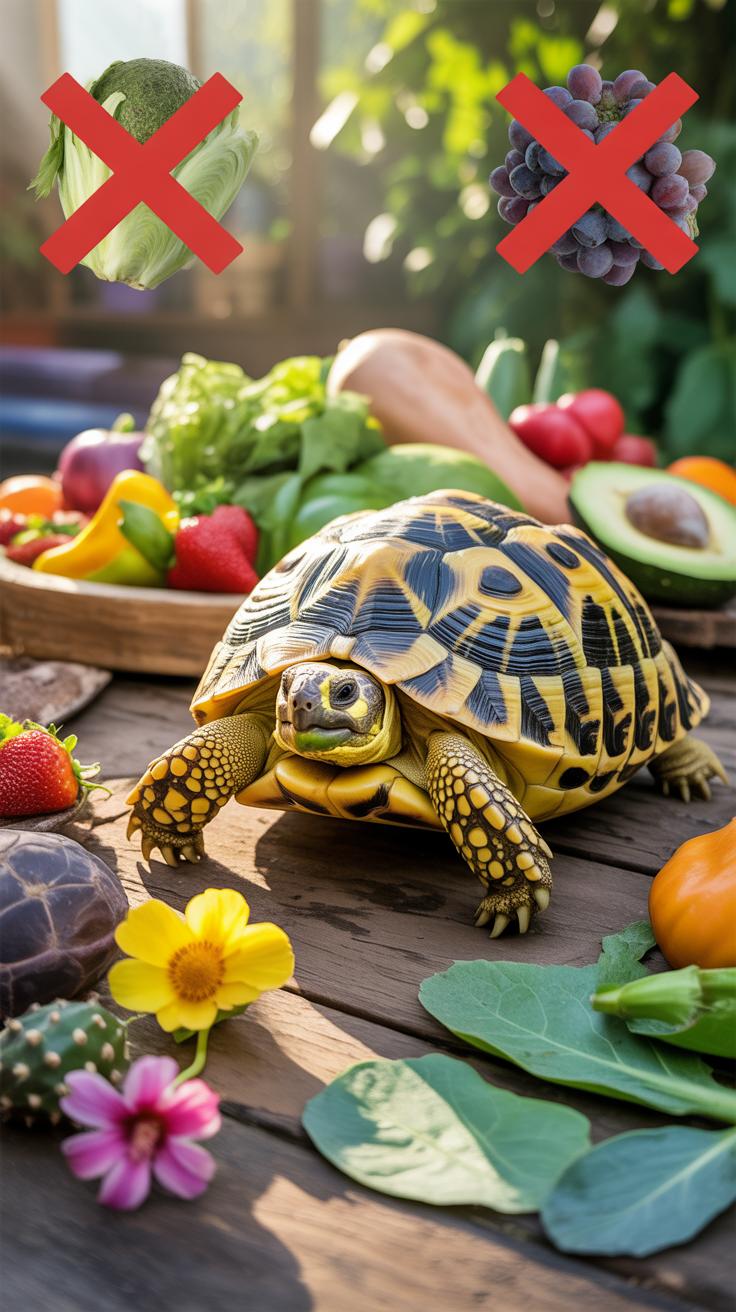
Tortoises possess specialized digestive systems designed for low nutrient and high fiber intake. Feeding them processed or toxic items causes immediate health failure. Many common household foods contain chemicals or compounds that act as poisons to chelonians. You must vet every item before it reaches the enclosure floor. One wrong feeding choice can lead to organ failure or chronic pain.
- Toxic Decorative Plants: Azaleas and rhododendrons contain grayanotoxins that disrupt nerve and muscle function in tortoises. These common garden plants cause rapid decline if ingested even in small amounts. Always verify plant species before allowing any grazing near landscaping.
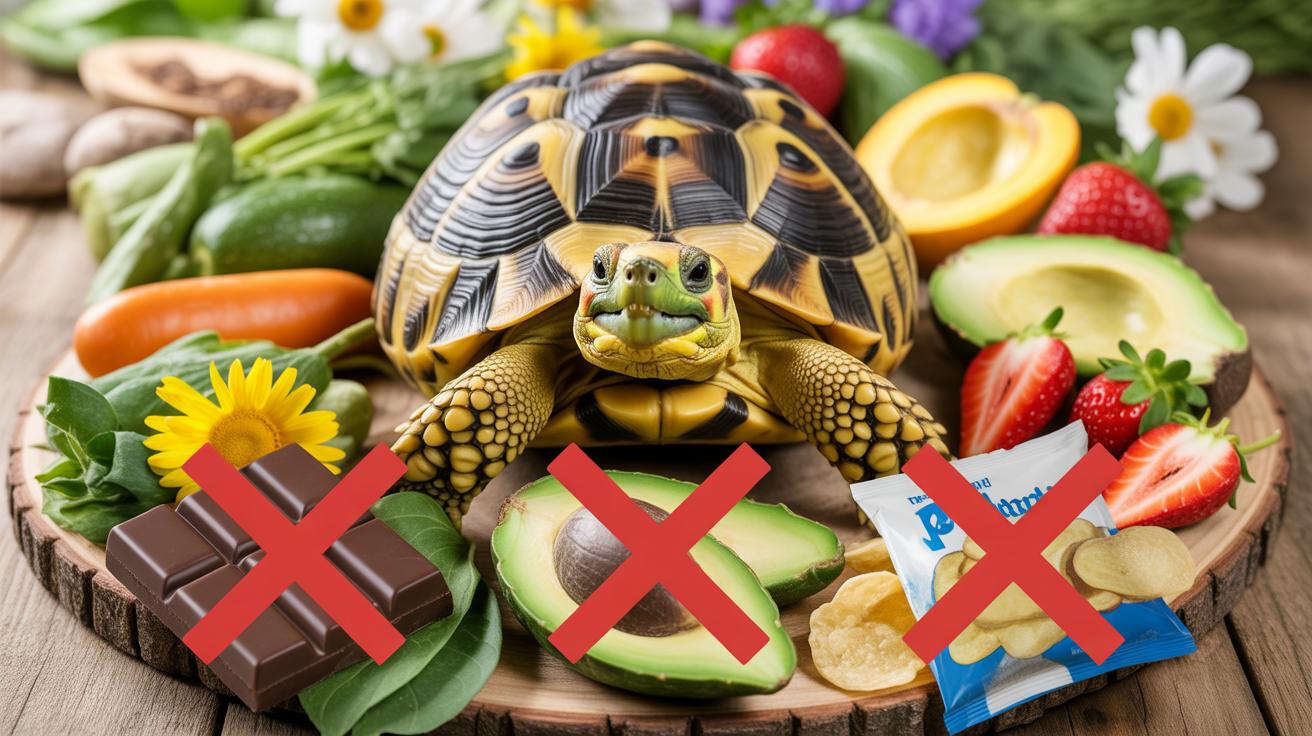
- Avocados: This fruit contains persin which is a fungicidal toxin known to be lethal to many cold blooded animals. The high fat content also strains the tortoise liver which is not equipped to process heavy oils. Avoid all parts including the skin and pit.
- Processed Human Foods: Breads and pastas contain gluten and sugars that trigger dangerous bacterial blooms in the gut. These items lack any nutritional value for reptiles and cause severe bloating. Junk food leads to obesity and lethargy in species designed for lean foraging.
- All Meat Products: Feeding animal protein to herbivorous tortoises causes accelerated growth and permanent shell pyramids. High protein intake puts extreme pressure on the kidneys leading to renal failure. Stick to plant based diets to mimic their natural evolutionary requirements and metabolic limits.
- Dairy Products: Tortoises lack the enzymes necessary to break down lactose found in milk or cheese. Feeding dairy causes severe gastrointestinal distress and prevents the absorption of essential nutrients. These items have no place in a reptile diet and will cause long term harm.
Avoid all items high in oxalates or phosphorus as they block calcium absorption. While some foods are not immediately lethal they cause slow degradation of bone density. High sugar fruits like melons should stay out of the daily rotation for most species. Stick to leafy greens and grasses to ensure the animal lives a full and healthy life.
By showing our slow and steady companions what is truly good for them and steering clear of the harmful, we honor their ancient rhythm and keep their gentle spirits thriving.
Why These Foods Are Considered Dangerous For Tortoises
Tortoises evolved to process tough and fibrous vegetation over long periods. Their digestive tracts rely on fermentation to extract energy from poor quality forage. When you introduce high sugar or high protein items the fermentation process breaks down. This shift creates gas build up and allows harmful bacteria to overtake the natural gut flora balance.

Nutrient toxicity occurs because tortoise kidneys and livers cannot filter modern chemical additives or high fat loads. Pyramiding occurs when soft tissues grow faster than the skeletal structure can support. This leads to a lifetime of mobility issues and internal organ compression. Strategic feeding requires mimicking the scarce and rugged environment where these reptiles originally thrived for millions of years.
Tortoise Food Mistakes Fruits And Sugary Items To Steer Clear Of
Why High Sugar Fruits Disrupt Gut Flora In Tortoises
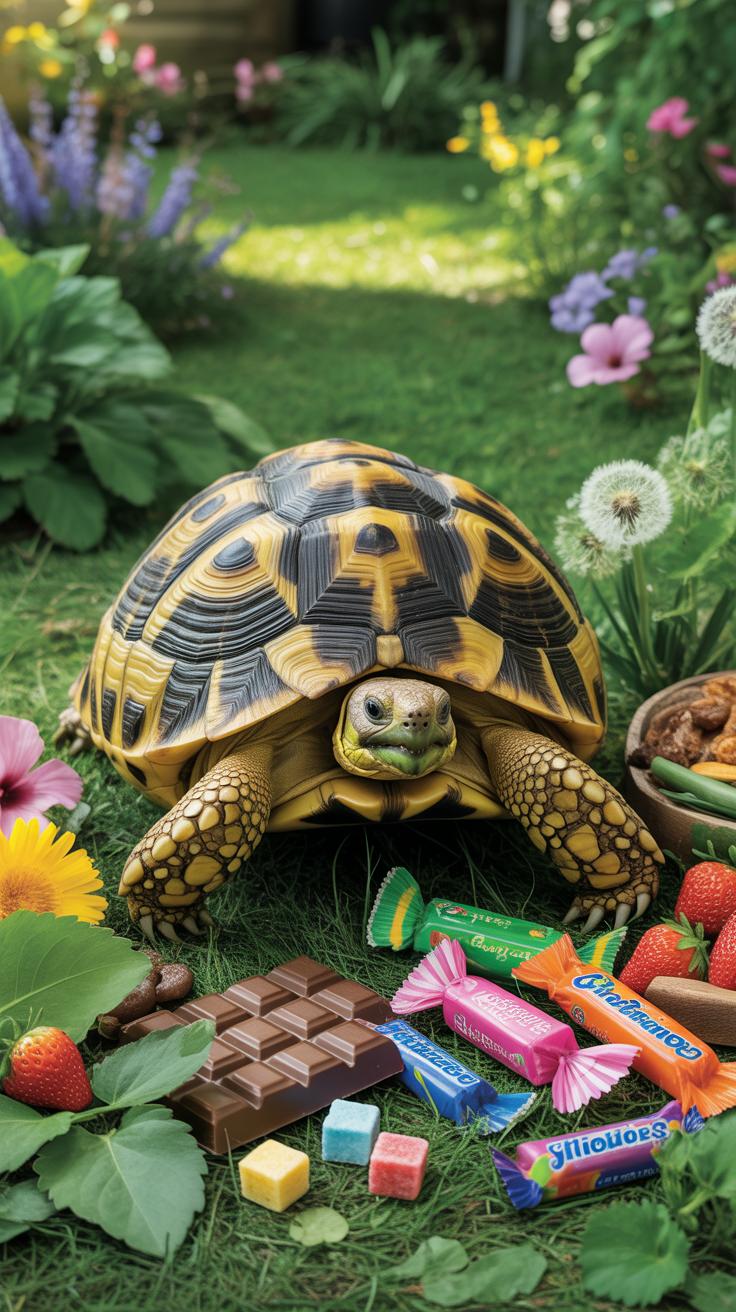
Tortoise hindguts function like fermentation vats. They rely on specialized bacteria to break down tough cellulose from grasses and weeds. Introducing high levels of sugar causes a rapid spike in acid production within the digestive tract. This acidic environment kills beneficial microbes needed for fiber digestion. Once these bacteria die, the animal cannot extract nutrients from its primary food sources.
Sugar also fuels the overgrowth of harmful pathogens and parasites. Rapid fermentation leads to painful gas buildup and bloating. This pressure can compress internal organs and cause respiratory distress in severe cases. Sugary items also speed up the transit time of waste through the bowels. This prevents the tortoise from absorbing water properly. Chronic diarrhea and dehydration often follow frequent fruit consumption.
Which Fruits Are The Most Problematic And Why
Grapefruit and other citrus fruits pose the highest risk due to citric acid. This acid irritates the sensitive lining of the esophagus and stomach. Bananas and grapes contain excessive sugar concentrations that the tortoise metabolism cannot process efficiently. These items provide high calorie counts without the necessary fiber. Excess energy from sugar often leads to unhealthy shell growth patterns and obesity.

Avoid feeding stone fruits like cherries or peaches because they contain cyanogenic glycosides. These compounds can release toxins if the tortoise consumes pits or stems. Melons contain high water content but almost no nutritional value for Mediterranean or desert species. Feeding these fruits creates a cycle of picky eating. Tortoises will often refuse vital greens once they become accustomed to the taste of sugar.
Sulcata Tortoise Diet Pitfalls Foods That Are Species Specifically Harmful
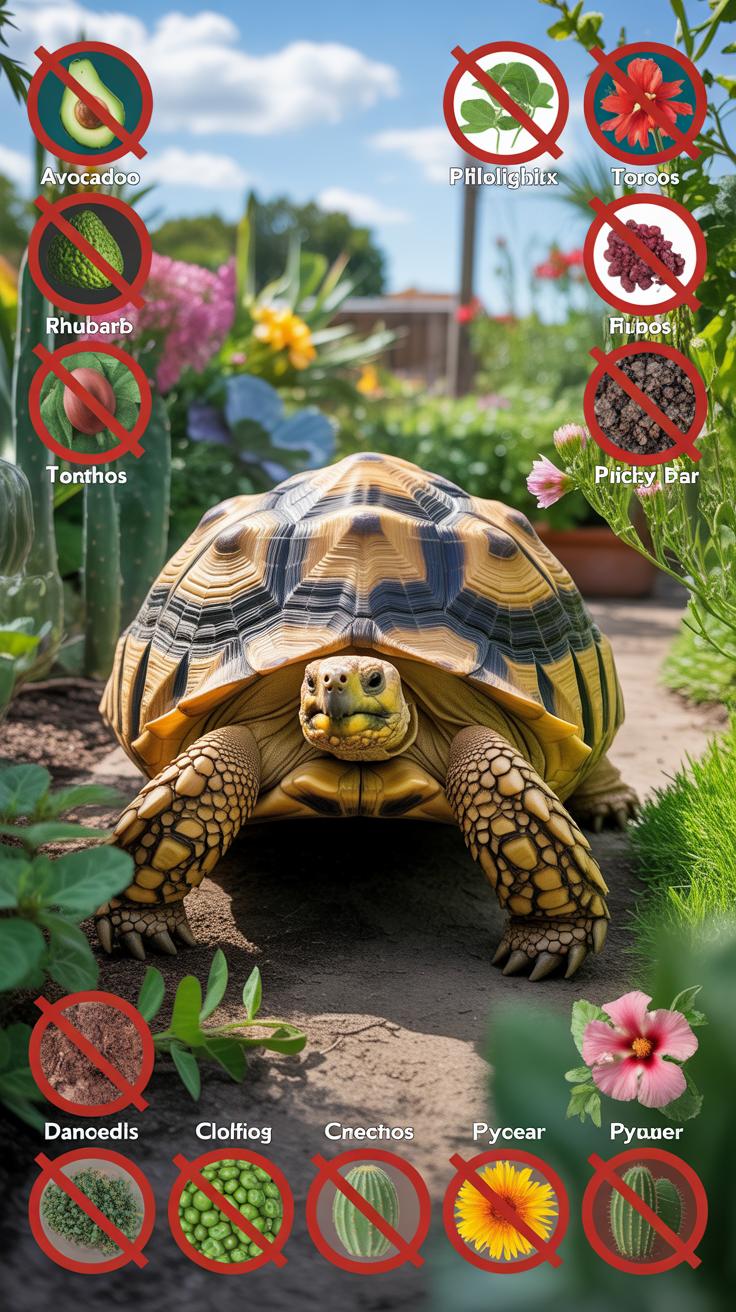
Why The Sulcatas Grazing Nature Makes Certain Foods Especially Dangerous
Sulcata tortoises evolved in the arid Sahel region of Africa. Their bodies are built to process low nutrient grasses and high fiber stalks. They spend hours grazing on poor quality forage to meet their caloric needs. This biological drive makes them prone to overeating when presented with calorie dense options. Their digestive tracts require constant roughage to move waste through their long intestines effectively.
Feeding these tortoises high sugar fruits or soft vegetables disrupts their gut flora. Sugar ferments quickly in their warm digestive tract and causes painful gas or diarrhea. This process can lead to a fatal shift in pH levels. It also ruins their appetite for the coarse hay they actually need. You must prioritize dry fiber over hydration heavy foods to mimic their natural harsh environment.
Protein Rich Foods And Why They Cause Pyramiding In Sulcata Tortoises
High protein levels are a primary driver of metabolic bone disease and shell pyramiding. Sulcatas naturally grow at a slow and steady pace on a lean diet. When owners feed them cat food or legumes, the excess nitrogen forces rapid growth. This puts extreme stress on the internal organs and the skeletal structure. The shell plates lift upward instead of growing flat and smooth.

Pyramiding is permanent and often indicates kidney damage. Excessive protein causes the kidneys to work overtime to filter out waste products. This leads to dehydration and the formation of bladder stones. These stones can become large enough to block the digestive tract and kill the animal. Stick to a strict grass based diet to ensure the shell develops correctly and organs remain healthy.
Russian Tortoise Food Hazards Regional Diet Needs And What To Avoid
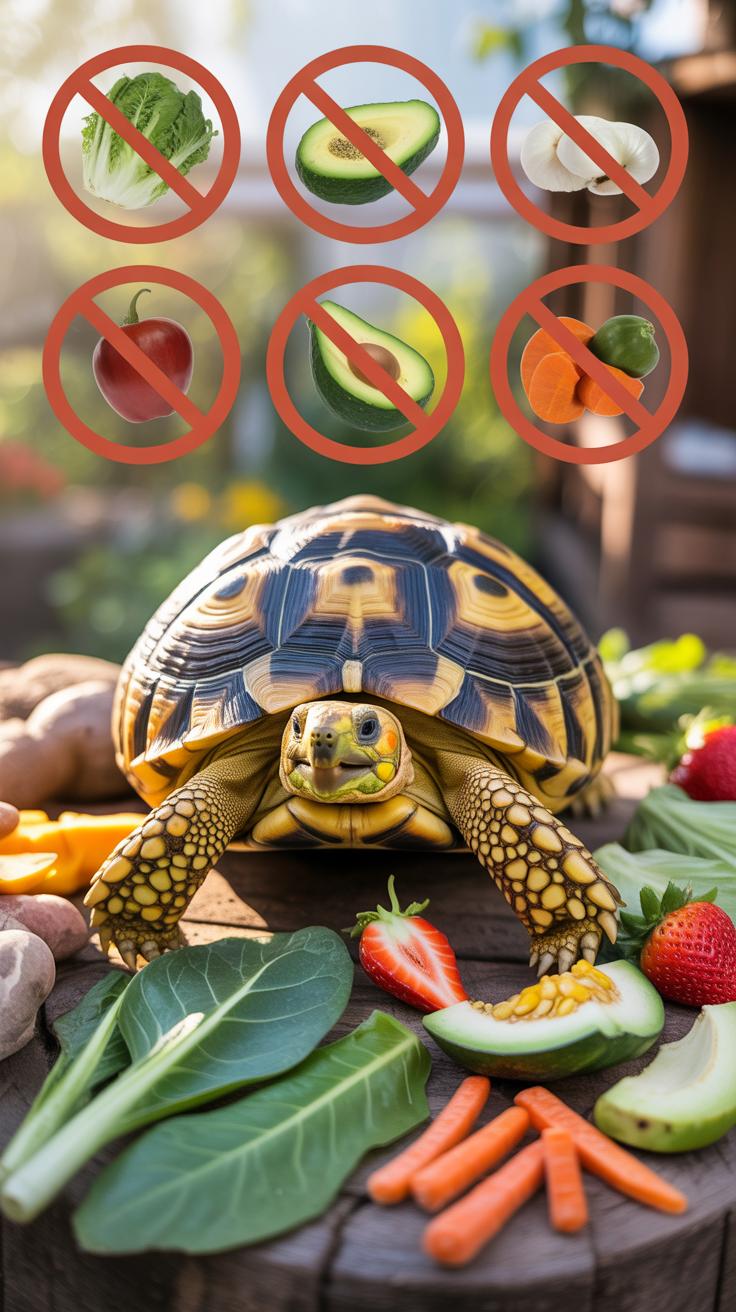
How The Russian Tortoise Native Habitat Shapes Its Dietary Restrictions
Russian tortoises thrive in arid Central Asian steppes. Their bodies evolved to process high-fiber vegetation and tough weeds. These regions offer very little sugar and virtually no fruit. The tortoise digestive system extracts every nutrient from poor soil plants. In captivity, high-calorie foods cause rapid, unhealthy growth. This leads to shell pyramiding and metabolic bone disease. You must mimic this lean environment to ensure survival.
Water management is a survival tactic for this species. Their native habitat experiences extreme droughts and temperature swings. They store water efficiently and process minerals differently than tropical species. Rich, watery vegetables disrupt their gut flora. This causes diarrhea and massive dehydration. Stick to dry, leafy greens and weeds. Avoid any food that deviates from the rugged, low-protein plants found in the dry Asian plains.
Common Vegetables That Are Safe For Humans But Harmful To Russian Tortoises
Many grocery store staples contain high levels of oxalic acid. Spinach and beet greens are primary examples. These chemicals bind to calcium and prevent the tortoise from absorbing it. This leads to soft shells and broken limbs. Even if a vegetable is organic, it can be toxic to a tortoise. Never assume human safety translates to reptile safety. Focus on calcium to phosphorus ratios.

Goitrogens found in cruciferous vegetables pose a different threat. Kale, cabbage, and broccoli can damage the thyroid gland if fed frequently. This slows down the metabolism and causes organ failure over time. Some owners use iceberg lettuce to hydrate their pets. This is a mistake. It lacks all necessary nutrients and fills the stomach with useless water. Use dark, fibrous weeds like dandelion or plantain instead.
Reptile Care 101 Why Animal Proteins Are Off The Menu For Most Tortoises
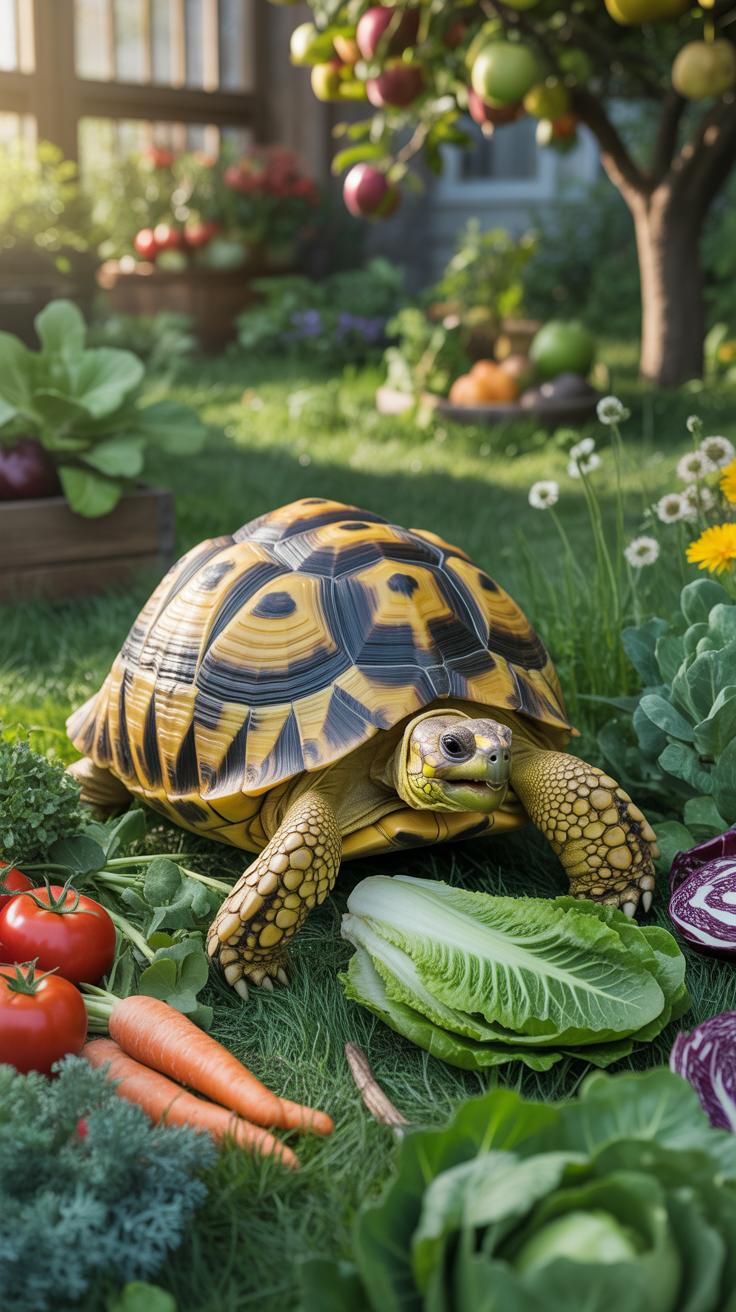
The Physiological Reasons Tortoises Cannot Process Animal Protein Efficiently
Most tortoises are herbivorous reptiles with digestive systems built for high-fiber plant matter. Their long digestive tracts ferment cellulose over several days to extract steady energy. This slow process does not handle meat or dairy effectively. Animal proteins break down too quickly and disrupt the gut bacteria needed for fiber digestion. This creates toxic byproducts that the animal cannot expel through normal metabolic pathways.
The tortoise liver and kidneys are not designed to filter the high levels of purines found in animal flesh. Excess protein forces the body to produce high amounts of uric acid. Unlike mammals, tortoises cannot flush these toxins easily without high water consumption. This physiological limitation makes animal products a primary item on any tortoise foods to avoid list. Stick to high-fiber weeds and grasses instead.
Kidney Damage And Shell Deformities Linked To High Protein Diets
High-protein diets cause permanent physical damage to tortoises. The most visible sign is pyramidal growth, where the shell scutes grow upward into sharp peaks. This deformity is often irreversible and indicates poor internal health. When you feed a tortoise meat, the bones and organs grow at unnatural rates. This creates a weak skeletal structure that cannot support the animal as it matures into an adult.

The kidneys suffer first when a tortoise eats too much protein. Chronic dehydration occurs because the body uses all available water to process nitrogenous waste. This leads to the formation of bladder stones and eventual renal failure. Many captive tortoises die young because owners provide cat food or meat as a treat. Eliminate all animal protein to ensure your tortoise maintains proper shell density and healthy organ function.
Toxic Plants And Garden Greens To Remove From Your Tortoise Food List
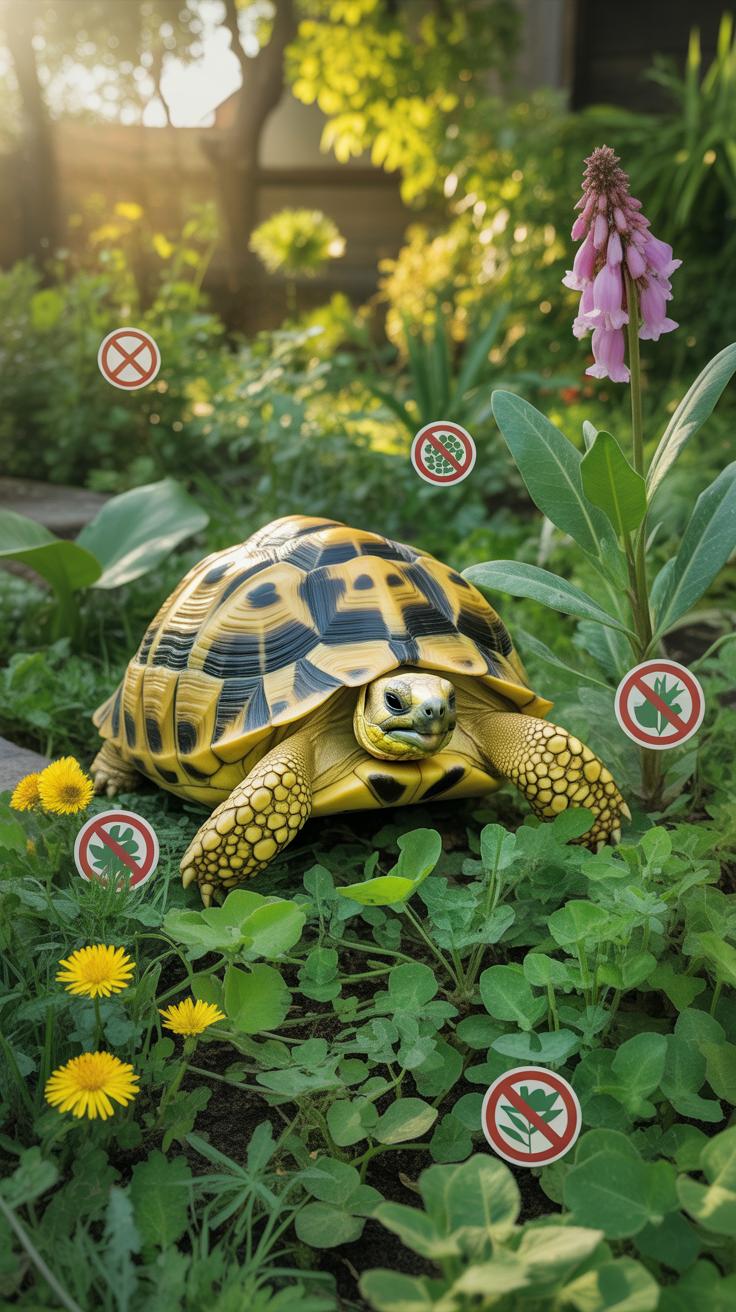
Common Backyard And Houseplants That Are Poisonous To Tortoises
Many common garden plants contain alkaloids, glycosides, or oxalates that cause systemic organ failure in tortoises. You must identify these species immediately to prevent accidental ingestion. Tortoises lack the instinct to avoid all toxic plants, especially when hungry or browsing in new environments. Consumption leads to symptoms ranging from excessive salivation and lethargy to sudden death from respiratory paralysis or cardiac arrest.
- Azaleas and Rhododendrons: These contain grayanotoxins that disrupt nerve and muscle function. Even a small amount can cause vomiting, seizures, and heart failure. They are among the most lethal garden shrubs for all tortoise species.
- Ivy Hedera: English ivy and related species contain triterpenoid saponins. Ingestion causes severe gastrointestinal distress, oral irritation, and breathing difficulties. Creeping vines often hide in grazing areas, making them a high risk for roaming tortoises.
- Foxglove: This plant produces digitalis, a potent cardiac glycoside used in heart medication. In a tortoise, it causes irregular heartbeats and rapid death. Never plant these near enclosures or allow petals to fall into grazing pits.
- Hydrangeas: These shrubs contain cyanide-producing compounds known as cyanogenic glycosides. Ingestion inhibits the ability of cells to use oxygen effectively. This leads to rapid tissue damage and can be fatal if the tortoise consumes high concentrations of new buds.
- Lily of the Valley: This plant contains multiple cardenolides that act directly on the heart muscle. It causes severe stomach upset and dangerous heart rate fluctuations. Its small size makes it easy for a tortoise to consume the entire plant quickly.
Houseplants like Poinsettias or Peace Lilies also represent significant threats when they drop leaves on the floor. Check your indoor and outdoor spaces for these specific toxins. Remove any plant that produces a milky sap, as this juice often contains irritating latex or caustic chemicals. Clearing these items from your tortoise foods to avoid list ensures the animal lives a long life without chemical poisoning.
How To Audit Your Garden Before Letting Your Tortoise Roam Freely
Walk your entire perimeter and identify every plant species before releasing your tortoise. Dig up toxic bulbs such as daffodils or tulips, as these contain lycorine which triggers severe neurological distress. Remove weeds like nightshade or hemlock that naturally invade lawn spaces. Use a plant identification app to verify any mystery growth. If you cannot identify a plant with total certainty, remove it from the area immediately.

Check the ground for fallen debris from overhanging trees. Oak leaves and acorns contain tannins that damage the liver and kidneys over time. Pine needles and sap can cause internal punctures or chemical burns in the digestive tract. Clear all old mulch that might contain treated wood or hidden fungus. Maintain a clean grazing zone by physically blocking access to ornamental flower beds using solid wood or brick borders.
Pet Turtle And Tortoise Confusion Why Their Diets Are Not Interchangeable
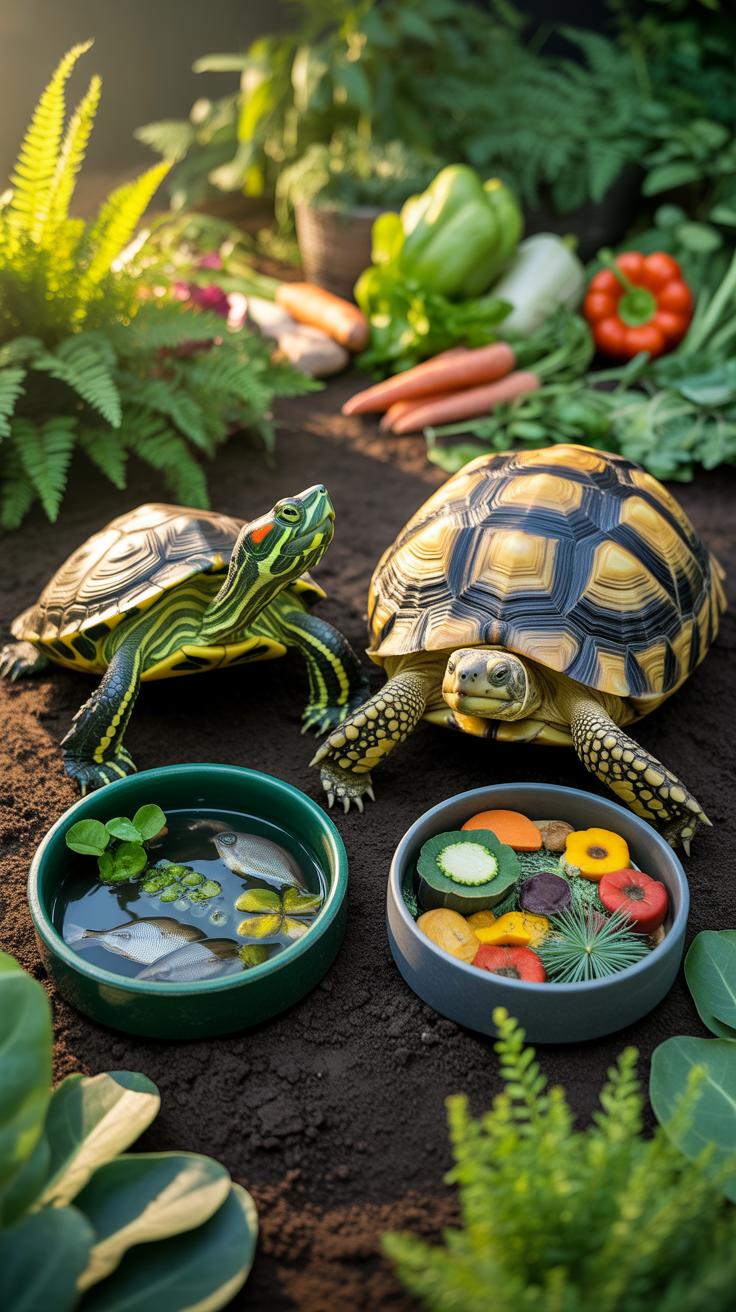
Key Biological Differences Between Pet Turtles And Tortoises That Affect Diet
Turtles and tortoises have evolved different digestive systems to survive in their specific environments. Most tortoises are strict herbivores. They possess long digestive tracts designed to break down tough plant cellulose over several days. They extract nutrients from low-quality grasses and weeds. Their bodies cannot process animal proteins or heavy fats efficiently. High-protein items will cause rapid and unhealthy growth in these land-dwelling reptiles.
Aquatic turtles are typically omnivores or carnivores. They require animal protein to maintain their health and shell strength. These species have shorter digestive tracts that process meat and insects quickly. Their kidneys and livers handle high protein levels that would destroy a tortoise’s organs. You must acknowledge these biological boundaries to prevent long-term health failure. Mixing these two distinct dietary paths leads to metabolic disaster for the animal.
Why Feeding Tortoise Food To Aquatic Turtles And Vice Versa Can Cause Harm
Feeding aquatic turtle food to a tortoise introduces dangerous levels of animal protein and fat. This mistake triggers shell pyramiding and severe kidney damage. The tortoise’s body cannot filter these dense nutrients effectively. This leads to painful gout or total organ failure. High-protein diets also cause the shell to grow faster than the bone structure can support. This results in a weak and deformed skeletal system.

Conversely, feeding tortoise food to a turtle starves the aquatic reptile of essential amino acids and fats. Turtles will suffer from vitamin deficiencies and muscle wasting on a grass-based diet. They lack the specialized gut bacteria to survive on fiber alone. This lack of proper fuel weakens their immune system and makes them susceptible to shell rot. Using one food for both species is a tactical error that ensures poor health results.
Turtle Terrarium Setup Mistakes That Lead To Accidental Harmful Feeding
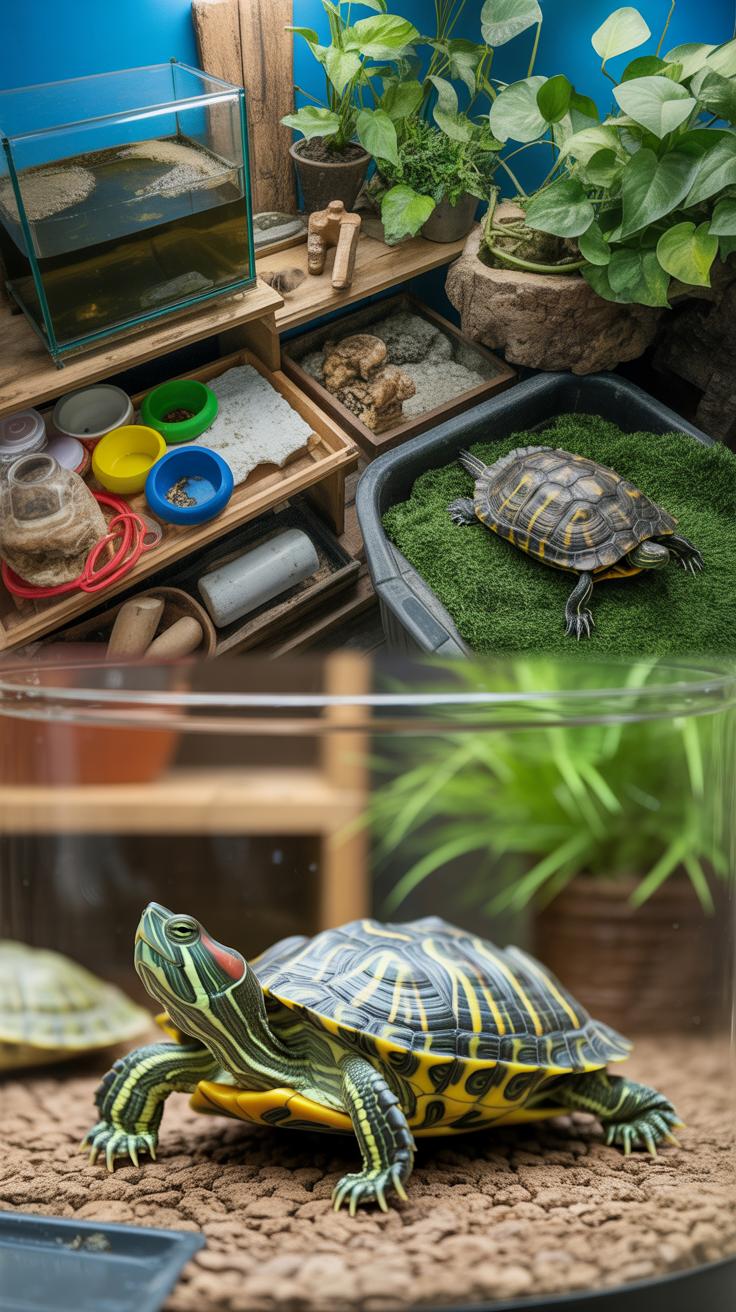
How Incorrect Substrate And DéCor Plants End Up Being Ingested
Turtles and tortoises identify food through scent and movement. Using loose substrates like walnut shells or small gravel creates a high risk of impaction. These animals often lunge at prey or greens and swallow the floor material by accident. This material blocks the digestive tract and can cause death. You must choose solid liners or large river stones to prevent this.
Many keepers use plastic plants to make the enclosure look natural. Hungry or bored turtles will bite these silk and plastic decorations. They cannot digest synthetic fibers or dyes. These materials tear the stomach lining or lodge in the throat. Remove any fake plants that show bite marks immediately. Use only safe, edible live plants if you want greenery inside the habitat.
Environmental Toxins Inside The Enclosure That Are Often Overlooked
Chemical residues often coat new terrarium decorations and equipment. Manufacturers apply flame retardants and pesticides to artificial logs and hides. These toxins leach into the water or soil over time. The turtle then absorbs these poisons through its skin or by drinking the water. You must scrub every new item with hot water before placing it inside the tank.
Improper lighting setups also create toxic conditions. Glass or plastic lids can melt if heat lamps sit too close. This process releases toxic fumes into the air that the animal breathes. Some low-quality secondary thermometers use lead or mercury components. If these break, they contaminate the entire environment. Stick to digital sensors and high-quality mounting gear to keep the enclosure safe.
Building A Safe And Balanced Tortoise Food List For Long Term Health
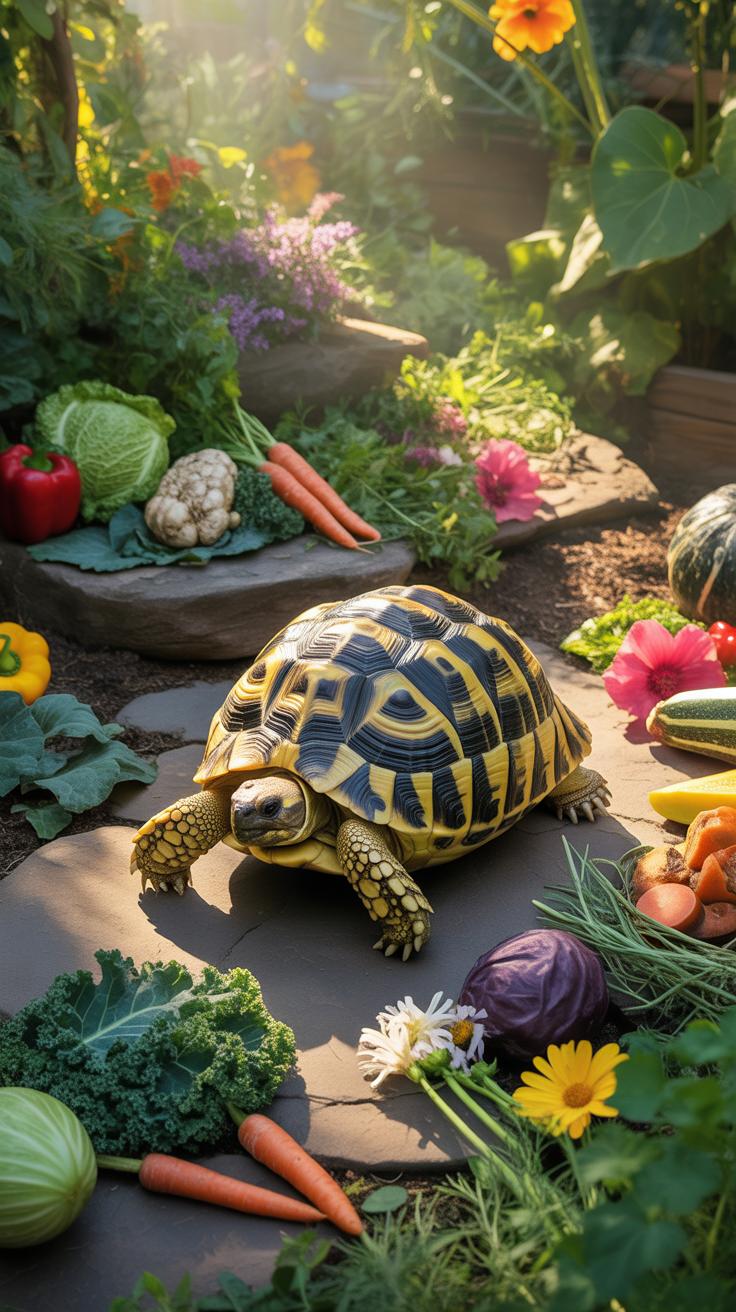
How To Replace Harmful Foods With Nutritionally Equivalent Safe Alternatives
Stop feeding iceberg lettuce and grocery store fruits immediately. These items lack fiber and contain too much sugar or water. Replace low-nutrient greens with dark leafy options like dandelion greens, mulberry leaves, and orchard grass. These provide the essential fiber required for proper hindgut fermentation. Foraging for wild, pesticide-free weeds mimics natural grazing patterns. This shift ensures the tortoise receives vital minerals without metabolic risks.
Replace high-protein cat or dog food with calcium-rich weeds and specialized tortoise pellets. High protein causes shell pyramiding and kidney failure. Utilize hibiscus flowers and opuntia cactus pads to provide moisture and calcium safely. Check the calcium-to-phosphorus ratio of every new plant. Aim for a 2:1 ratio to support skeletal integrity. This tactical approach eliminates dietary toxins while maintaining high energy levels and healthy growth rates.
Consulting A Reptile Vet: When Diet Concerns Require Professional Guidance
Schedule a professional consultation if your tortoise stops eating or shows shell softness. General veterinarians often lack specific chelonian expertise. Seek a certified reptile specialist to evaluate blood panels for nutrient deficiencies. Chronic lethargy or swollen eyes often signal vitamin A deficits or poor hydration. A specialist identifies these metabolic issues before they become fatal. Early intervention saves time and prevents expensive long-term medical treatments.
Discuss your feeding log during every annual checkup. Professionals use these records to spot patterns that lead to bladder stones or obesity. If you notice beak overgrowth, ask for a trim and a diet adjustment. Harder forage materials naturally wear down the beak. Expert guidance ensures your tortoise foods to avoid list stays current with the latest herpetological research. Consistent professional oversight maintains health and extends the animal’s lifespan.
Frequently Asked Questions

What are the most dangerous items on a tortoise foods to avoid list?
The most dangerous items for your pet include toxic plants like azaleas, foxglove, and ivy, alongside processed human snacks. You should strictly avoid dairy, meat, and high-protein dog or cat food, as these can cause irreversible kidney damage and shell deformities. Keeping a reliable tortoise foods to avoid list nearby ensures you never accidentally offer harmful items like rhubarb or avocado, which contain compounds that are poisonous to most chelonia species.
How can I double-check if a new vegetable is safe for my tortoise?
Before introducing any new vegetable, cross-reference it against a specialized tortoise foods to avoid list to ensure it isn’t high in oxalates or goitrogens. These substances can interfere with calcium absorption and thyroid function. Always wash organic produce thoroughly to remove pesticides and introduce safe new greens gradually. If you are ever unsure about a specific plant’s safety, it is best to err on the side of caution and stick to proven staples.
Are there affordable grocery store greens that I should stay away from?
While grocery shopping is convenient, avoid buying iceberg lettuce as it offers almost no nutritional value and can cause diarrhea. You should also skip budget-friendly spinach and beet greens in large quantities due to their high oxalic acid content. Instead, look for affordable, nutrient-dense alternatives like kale, collard greens, or dandelion greens. These provide the essential fiber and vitamins your tortoise needs to thrive without the health risks of cheaper, watery options.