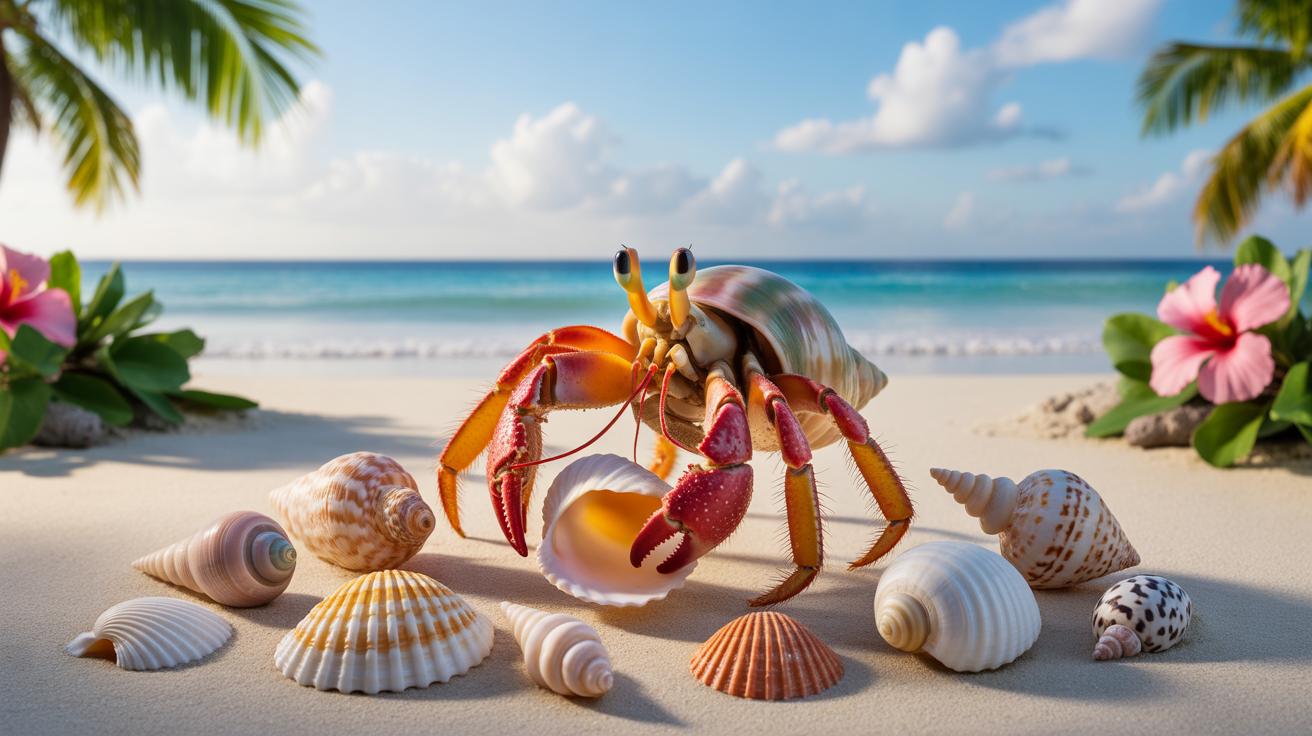
Understanding Why Shell Selection Matters For Hermit Crab Care

How Hermit Crabs Use Shells For Protection And Growth
Hermit crabs possess soft, vulnerable abdomens that lack a hard exoskeleton. They rely on scavenged gastropod shells to shield their bodies from predators and environmental threats. The shell acts as a mobile fortress. Without a proper shell, the crab faces immediate risks of dehydration and physical injury. It must find a secure home to survive in the wild or in a tank.
Growth cycles dictate the need for new housing. A hermit crab molts its skin to grow larger. After molting, the crab requires a slightly bigger shell to accommodate its increased body mass. If a larger shell is unavailable, the crab cannot expand properly. This constraint halts natural development. Owners must provide a variety of shell sizes to support these frequent and necessary growth spurts.
The Risks Of A Poorly Fitted Shell On Your Hermit Crabs Health
A shell that is too small causes physical stress and restricted movement. The crab cannot fully retract into the opening for protection. This exposure leaves the crab vulnerable to attacks from tank mates. It also prevents the crab from maintaining the internal humidity needed for its modified gills. Constant struggle with a tight fit leads to exhaustion and eventual death from stress.
Overly large shells present different tactical challenges. A heavy shell slows the crab down and wastes vital energy during movement. The crab may lose its grip on the interior, causing it to drop the shell entirely. This leaves the soft abdomen exposed to the air. Proper fitting is not about fashion. It is a biological requirement for maintaining moisture levels and preventing lethal physical damage.

What Size Shell For Hermit Crab The Core Measurement Rules
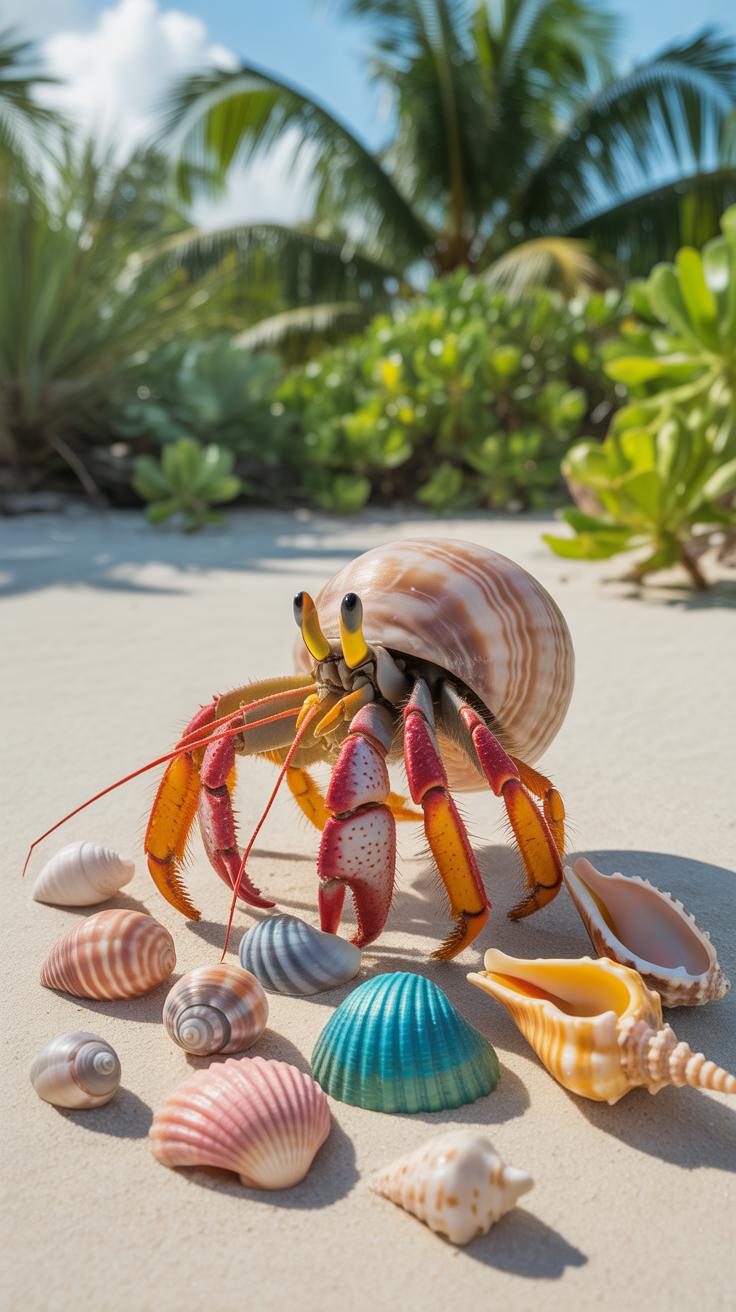
How To Measure Your Hermit Crab’S Opening To Find The Right Fit
Measure the shell opening rather than the entire shell width. Use a standard ruler or a digital caliper for precision. Focus on the diameter of the aperture where the crab retracts its body. You must measure the widest point of this opening. Accuracy is vital because a few millimeters determine the safety of the animal. Note the current measurement to establish a baseline.
Determine the size of the crab by checking its big pincher when it is inside the shell. The large claw acts as a shield or door. It should sit flush with the edges of the opening once the crab retreats. If the claw leaves a large gap, the shell is too big. If the crab cannot fully retract, the shell is too small.
The General Size Ratio Rule: Shell Opening Vs. Crab Body Width
A healthy hermit crab normally needs a replacement shell with an opening slightly larger than its current one. Growth happens during the molting process. Increase the opening diameter by approximately one eighth of an inch for a growing crab. Providing multiple options allows the crab to select the specific fit it requires for its current weight. Crabs prioritize comfort and protection during this selection process.

Offer at least three to five shells per crab in various sizes. Some crabs prefer a tight fit to reduce weight while others choose roomier shells for easier movement. Never force a crab into a new home. Maintain a range of sizes that slightly exceed the current opening measurement. This strategy prevents shell fights and ensures every crab has access to a secure and protective outer casing.
A Guide To The Most Common Hermit Crab Shells And Their Uses
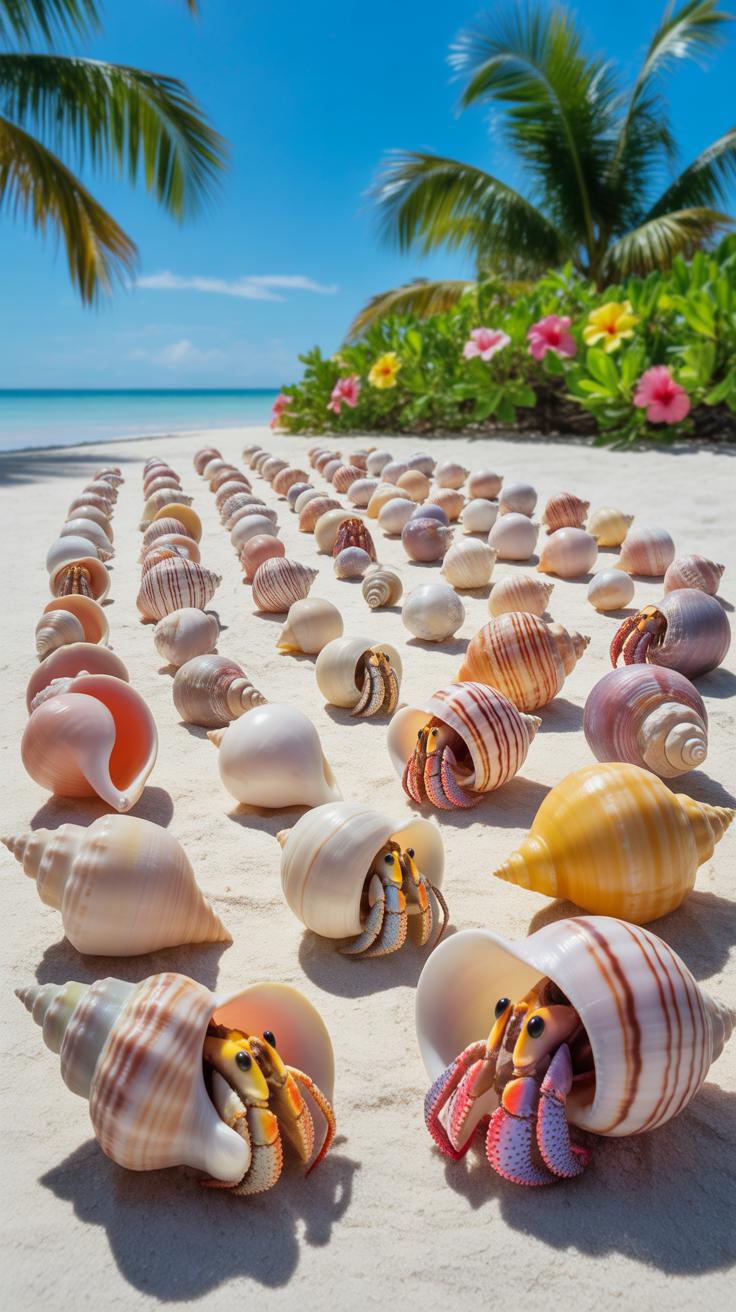
Natural Shell Types That Hermit Crabs Prefer In The Wild And In Captivity
Hermit crabs prioritize safety and mobility when choosing shells. In the wild, Purple Pincher crabs typically favor shells with round openings. Turbo shells represent the gold standard for this species because they provide a deep interior and a balanced center of gravity. These shells allow the crab to retract fully and protect its soft abdomen from predators and dehydration.
Ecuadorian hermit crabs prefer shells with D-shaped or oval openings. These crabs have flatter bodies and often choose Babylonia or Nerite shells. Regardless of the species, you must provide multiple size options. A crab will reject even the best material if the fit is incorrect. Always offer at least five natural shells per crab to prevent aggressive shell fighting within the tank.
Growth is a process of trial and error, a series of transitions into homes that finally fit just right. Finding the perfect shell is the quiet art of honoring who you are becoming while never forgetting where you began.
Shells To Always Avoid: Painted, Coated, And Synthetic Crab Shells
Never buy painted or decorated shells for your hermit crabs. Manufacturers use industrial paints that contain toxic chemicals like lead and volatile organic compounds. Crabs often pick at their shells and ingest these chips during normal grooming. This behavior leads to slow poisoning and death. The paint also creates a smooth interior surface that prevents the crab from gripping the shell effectively.
Avoid synthetic materials like plastic or glass shells. These materials do not hold moisture and fail to maintain the humidity levels needed for gill health. Synthetic shells are often transparent and expose the crab to light, which causes significant stress. Stick to unpolished, natural shells that have been boiled in dechlorinated water. Natural calcium carbonate shells support the health of the crab without introducing artificial hazards.
Hermit Crab Ideas For Offering Shell Variety And Encouraging Natural Switching
Why You Should Always Offer Multiple Shell Options At Once
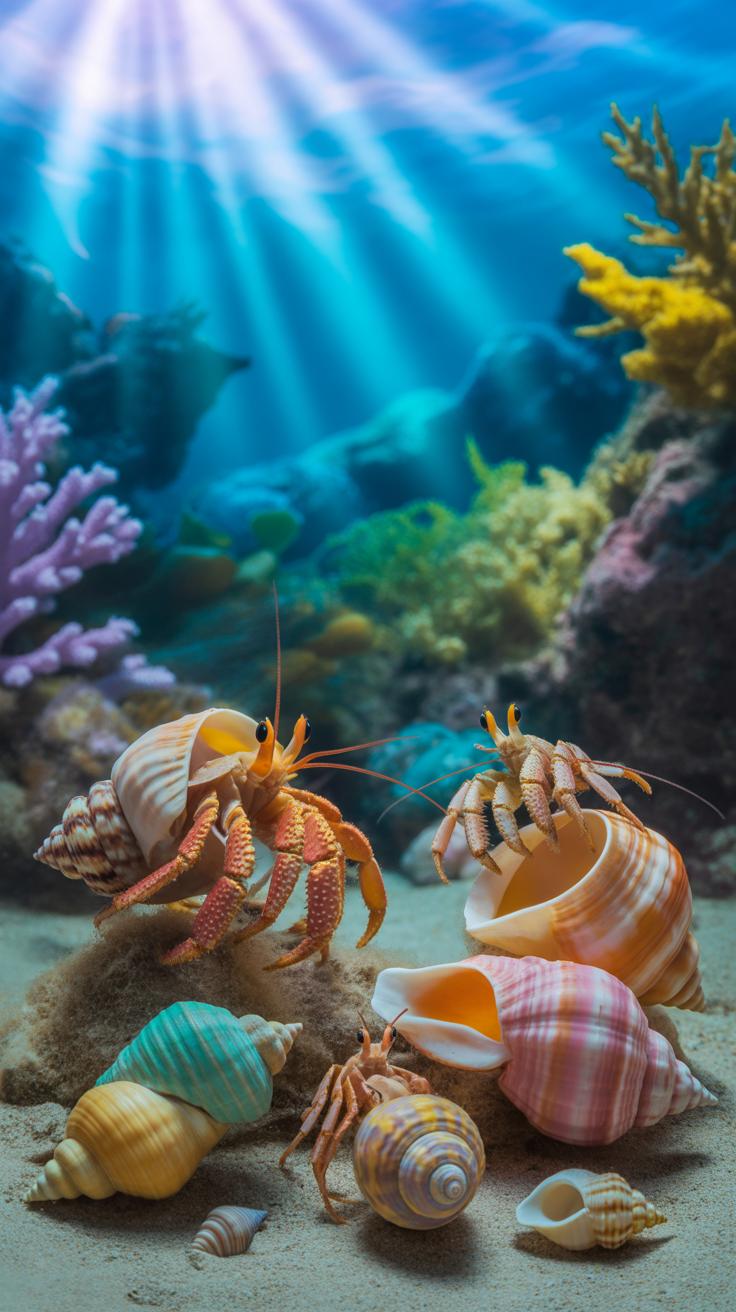
Hermit crabs possess unique abdominal structures that require specific shell internal geometries for survival. Providing only one or two shells creates life-threatening stress. Every crab has a different body shape and preference. You must offer at least five suitable shells per crab to prevent shell fights. These fights lead to limb loss or death. Variety ensures each crab finds a perfect fit for its specific growth stage.
Shell availability mirrors the natural competition found on tropical coastlines. Crabs constantly evaluate their current housing against new options to find better protection or easier movement. Without a diverse selection, crabs may remain in damaged or undersized shells. This stunts their growth and weakens their health. Providing a wide range of sizes and shapes encourages frequent, healthy molting cycles. It also reduces aggression between tank mates significantly.
Creative And Safe Ways To Present New Shells Inside The Habitat
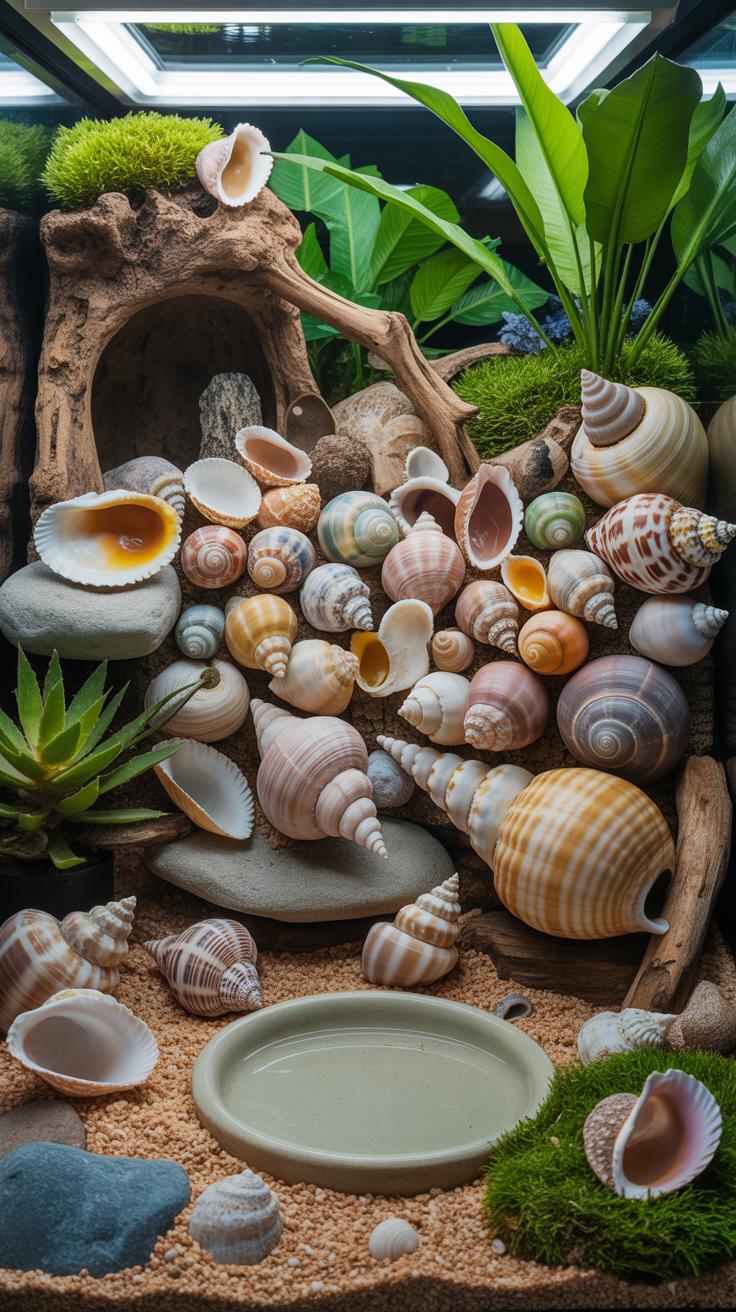
The placement of new shells impacts how quickly crabs investigate them. Store shells in a dedicated shell shop area within the enclosure. Use a sturdy glass or resin dish to keep shells off the damp substrate. Substrate inside a shell creates blockages that prevent a crab from entering. Keeping shells clean and dry ensures they remain attractive and usable for any crab looking to switch homes.

Strategic placement near heat sources or water basins can also trigger interest. Always boil shells in dechlorinated salt water before placing them in the habitat. This removes debris and adds a familiar scent that attracts the crabs. Do not scatter shells randomly where they might get buried. Check the shell shop daily to ensure no shells have flipped over. Crabs need easy access to the openings to inspect the interior properly.
Vole Shell Hermit Crab Size What It Means And When It Applies
Understanding Shell Size Grades And Where The Vole Shell Category Fits
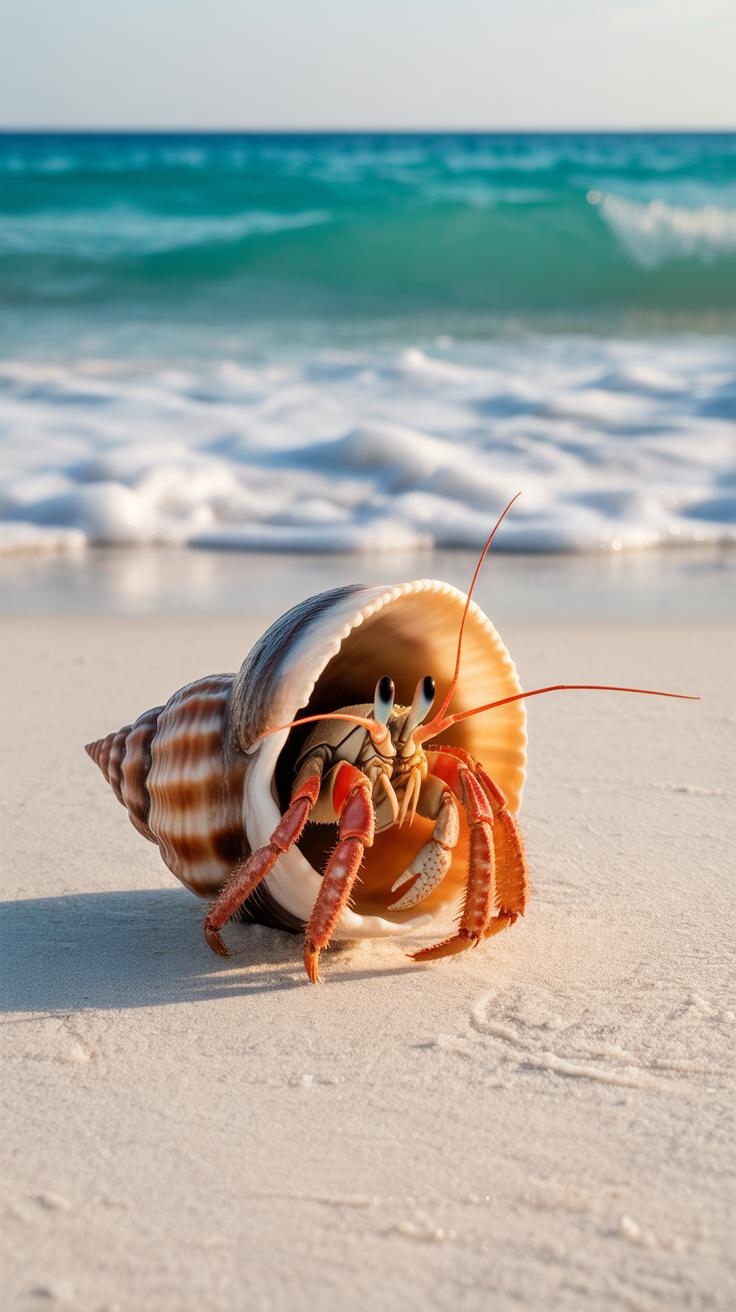
Suppliers use the term Vole to describe a specific size range in the shell trade. This category usually refers to shell openings between one half inch and three quarters of an inch. It sits between the small and medium retail grades. You must measure the aperture width to confirm the fit. Do not rely on the total shell length. The opening shape determines if the crab can enter.
Crab owners often find Vole sizes in bulk packs of Turbo or Magpie shells. These shells offer a round opening which is the standard for purple pincher crabs. Most commercial grading systems use these labels to simplify inventory management. You should use a digital caliper to verify these dimensions before purchase. Accurate measurements prevent you from buying useless stock. Consistent grading ensures your crabs have the right options.
Matching Vole Sized Shells To The Appropriate Hermit Crab Growth Stage
Vole sized shells serve crabs in the juvenile to sub adult transition phase. These crabs have outgrown small shells but cannot fill large ones yet. A crab in this stage needs a variety of opening shapes. You must provide at least three options in the Vole range for every crab. Proper sizing reduces aggression and stress within the tank. Use these shells for crabs with a dime sized walking leg spread.
Watch for specific behavior to know when to use Vole shells. Your crab will check several shells before it chooses one. If the crab sits too far out of its current shell, it needs a Vole size upgrade. Ensure the shell weight is low so the crab moves easily. Heavy shells burn too much energy for growing crabs. Lightweight Turbo shells in this size range are the most effective tactical choice for health.
Reading Your Hermit CrabS Behavior To Know When A Shell Change Is Needed
Physical And Behavioral Signs That Your Hermit Crab Needs A New Shell
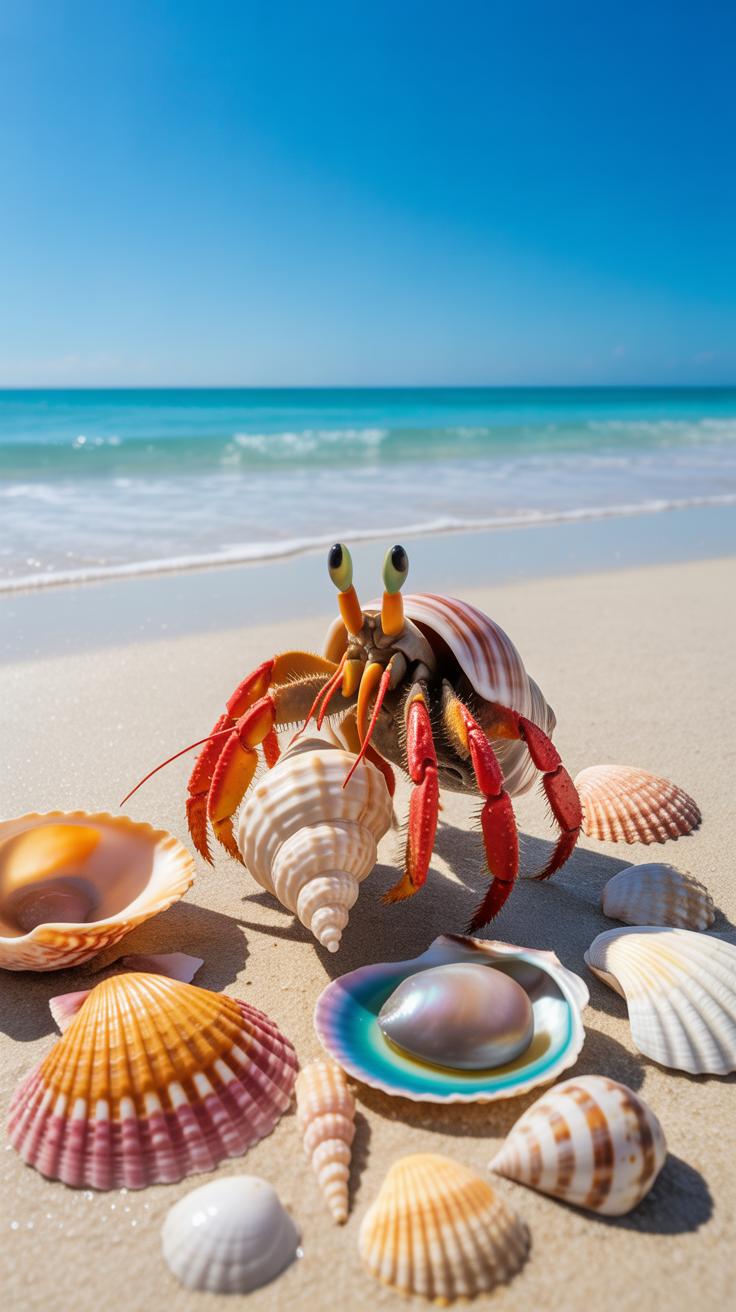
Hermit crabs do not grow their own shells. They must find larger ones as their body mass increases. Monitoring daily activity is the only way to track this growth. A crab that cannot retract fully into its shell is in immediate danger. This lack of space leaves the soft abdomen exposed to predators and dehydration. Watch for specific actions that signal discomfort or growth.
- Shell Window Shopping: The crab spends excessive time inspecting and rolling other shells in the tank. It will use its antennae and claws to measure the interior depth and opening width. This tactical scouting precedes a physical move because the crab must ensure the new home fits perfectly.
- Tight Fitment: You will notice the crab cannot pull its large pincer and legs deep inside the opening. If the crab remains visible when retracted, the shell is too small. Proper fitment allows the large claw to act as a front door that seals the opening completely.
- Abdominal Exposure: The crab may leave its shell frequently or appear to hang out of it. Exposure of the soft, coiled abdomen is a high-risk behavior. This usually indicates the current shell is too heavy, the wrong shape, or lacks the internal volume required for a comfortable grip.
- Aggressive Shell Jacking: A crab may attempt to forcibly remove another crab from its shell. This behavior is called shell rapping. It involves the aggressor hitting its shell against the target. This indicates a severe domestic shortage in the habitat. You must add more variety and sizes immediately.
- Sluggish Movement: The crab struggles to carry its current weight across the substrate. As crabs grow, their strength must match the shell mass. If the crab drags the shell heavily or moves less than usual, the weight-to-size ratio is likely off. Providing lighter, natural Turbo shells often solves this.
Assess the physical condition of the current shell daily. Crabs will abandon shells that have jagged edges or internal debris. If a crab spends hours hovering near the shell pile without switching, the available options may be the wrong species or size. Maintain a ratio of at least five shells per crab. Variety prevents stress and reduces the risk of lethal shell fights between tank mates.
How Molting Cycles Affect Shell Needs And What To Prepare In Advance
Molting is the biological process where a crab sheds its exoskeleton to grow. This cycle dictates shell requirements more than any other factor. Before a molt, crabs consume extra calcium and store water in their current shell. They often bury themselves for weeks. You cannot move or disturb them during this time. A crab often emerges from a molt significantly larger and needs a new shell.

Prepare the habitat before the crab disappears underground. Add a range of shells that are ten to fifteen percent larger than the current one. Have these options ready for when the crab resurfaces with its sensitive new exoskeleton. Speed is critical during this transition. A fresh molt leaves the crab soft and vulnerable. If the right shell is not nearby, the crab faces extreme physical stress during its recovery phase.
Building Your Hermit Crab Supplies List Shells And Supporting Essentials
What To Include On Your Hermit Crab Supplies List Beyond Just Shells
Proper shell selection fails without a supportive environment. You must provide a variety of shell types to accommodate different species preferences. Purple pincher crabs typically favor round openings while Ecuadorian crabs often choose “D” shaped openings. You must also maintain high humidity to keep the crab healthy enough to move. A dry crab cannot effectively transition into a new, heavier shell.
- Calibrated Hygrometer: Use a digital hygrometer to monitor humidity levels constantly. Hermit crabs breathe through modified gills that require moisture to function. If the air is too dry, the crab becomes sluggish and will fail to change shells when necessary for growth.
- Marine Salt Mix: Purchase a high quality marine salt designed for reef tanks. Hermit crabs need access to salt water to regulate the salinity of the water they store inside their shells. This shell water keeps their delicate abdomens moist and protected.
- Deep Substrate: Mix play sand with coconut fiber at a five to one ratio. The substrate must be at least six inches deep or three times the height of your largest crab. This allows crabs to bury themselves safely during the stressful molting process.
- Dechlorinated Fresh Water: Treat all tap water with a conditioner that removes chlorine and heavy metals. Crabs require a fresh water source for drinking and bathing. Ensure the water pools are deep enough for the crab to submerge but include a clear exit path.
- Measuring Calipers: Buy a small set of calipers to measure shell openings accurately. Guessing shell sizes leads to wasted money and naked crabs. Precise measurements ensure you buy shells with openings slightly larger than the crab’s current large claw and overall body width.
Organize your supplies to prioritize health and safety. Every item on this list directly impacts how well a crab adapts to its new home. If you neglect environmental factors like heat or substrate depth, the crab will refuse even the best shells. Focus on creating a stable habitat first. Then introduce the shell variety needed to support natural growth and molting cycles.
How To Source Quality Hermit Crab Shells Safely And Affordably
Avoid buying shells from souvenir shops or large chain pet stores. These vendors often sell painted or polished shells that contain toxic chemicals. Painted shells can chip and poison the crab or cause the animal to get stuck inside. Instead, look for wholesale shell suppliers or specialized online shops. These sources provide natural, un-coated shells that mimic what crabs find in the wild.

Buy shells in bulk to lower your costs per unit. Search for “natural turbo shells” or “magpie shells” in craft supply warehouses. These outlets sell the same calcium based structures at a fraction of pet store prices. Always boil new shells in dechlorinated salt water for five minutes before use. This process removes debris and bacteria while making the shells more attractive to your hermit crabs.
Advanced Hermit Crab Care Tips For Long Term Shell Management
Guidance On How To Clean And Sanitize New Shells Before Introducing Them To Your Crab
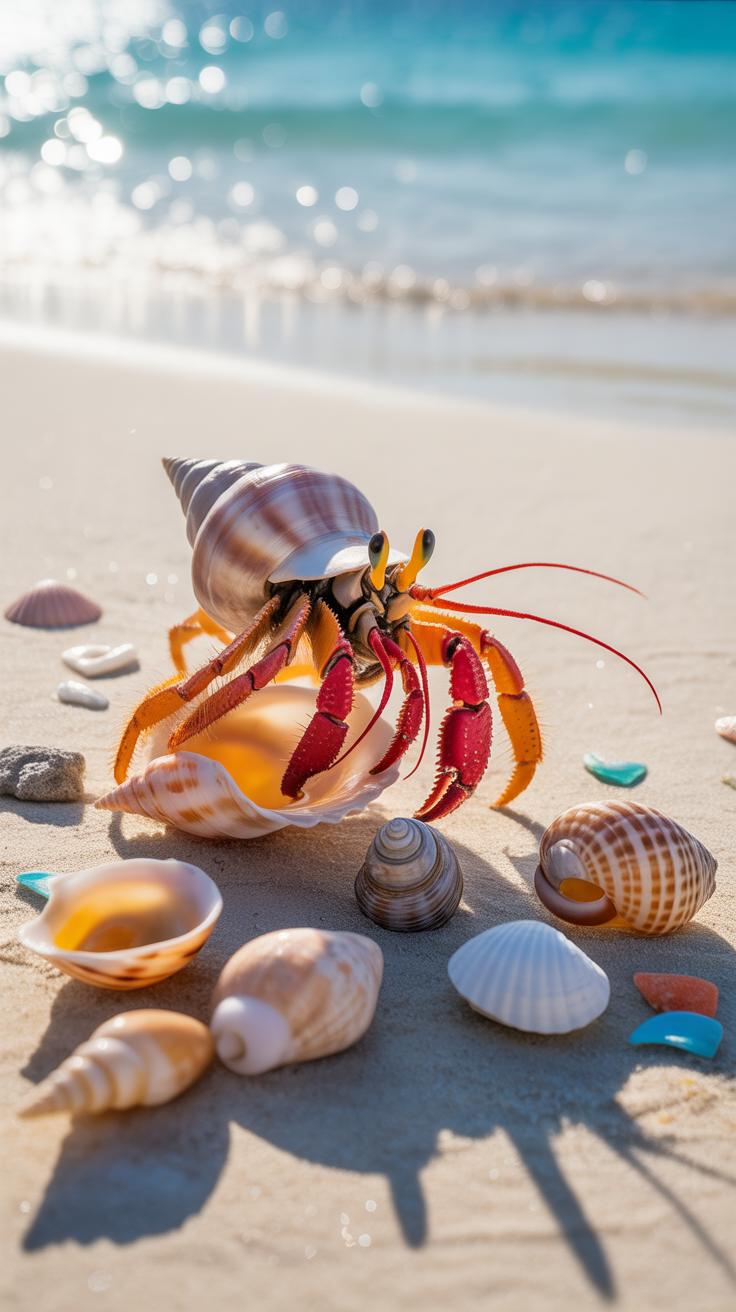
New shells often carry bacteria, pesticides, or debris from the ocean or shipping warehouses. Boiling is the most effective method to eliminate these hazards. Submerge the shells in a pot of dechlorinated water. Bring the water to a rolling boil. Let the shells sit in the boiling water for at least five minutes. This process kills pathogens and loosens any internal sand or grit stuck inside.
Once boiled, move the shells to a clean container. Let them cool completely before placing them in the tank. Use a final rinse of dechlorinated salt water to prepare the shell for occupancy. This mimics natural conditions and encourages the crab to investigate the new home. Never use bleach or soap during this process. Chemical residues sink into the porous material and will kill your hermit crab quickly.
Tracking Shell Changes Over Time To Monitor Your Hermit Crab’S Growth
Successful keepers track shell swaps to understand the growth rate of their crabs. Rapid changes often indicate a growth spurt or an upcoming molt. Record the date and the specific style of the new shell. This data helps you predict when to purchase the next size up. If a crab ignores larger options, it may be satisfied with its current volume or the options are incorrect.

Photographs provide a visual record of how the crab fits its armor. Check if the large pincher can fully seal the opening. This is a critical defense mechanism. If the crab sits too deep or hangs out too far, the sizing is wrong. Consistent monitoring prevents stress and reduces the risk of shell fights in a colony. Adjust your inventory based on these observations to ensure long-term health.
Frequently Asked Questions

How do I know when it is time to get a new shell for my hermit crab?
Your hermit crab will typically show signs of outgrowing its current home when its legs and large pincher can no longer retreat fully inside the opening. If the crab appears cramped or stays tucked away frequently, it is likely searching for more room. Learning how to pick right shell for hermit crab transitions ensures your pet remains protected from predators and dehydration during its sensitive growth stages and molting periods.
What is the best way to measure a hermit crab to ensure a perfect fit?
To determine the correct size, use a ruler or calipers to measure the diameter of your crab’s current shell opening. You should then look for a replacement with an opening that is approximately 1/8 to 1/4 inch larger. When you understand how to pick right shell for hermit crab housings, always focus on the aperture size rather than the overall external width to ensure the body fits comfortably inside.
Can I use shells found at the beach or from craft stores for my crabs?
While natural beach finds are beautiful, they must be thoroughly boiled in dechlorinated water to remove bacteria and salt. Avoid store-bought shells that are painted or glazed, as these coatings are toxic. For a budget-friendly and safe approach, purchase natural Turbo or Magpie shells in bulk from reputable pet suppliers. This ensures your crab has variety without the health risks associated with decorative, chemically-treated craft aisle options.