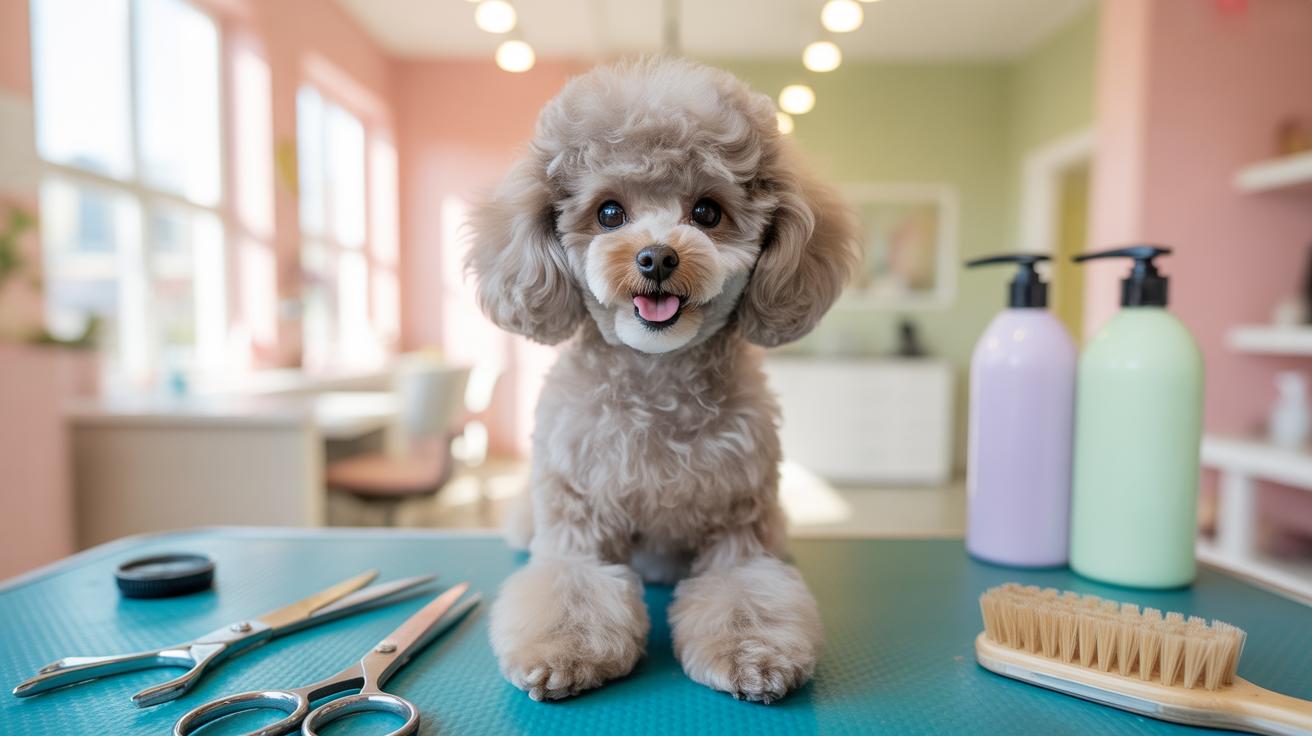
Understanding Poodle Grooming What Makes The Toy Poodle Coat Unique
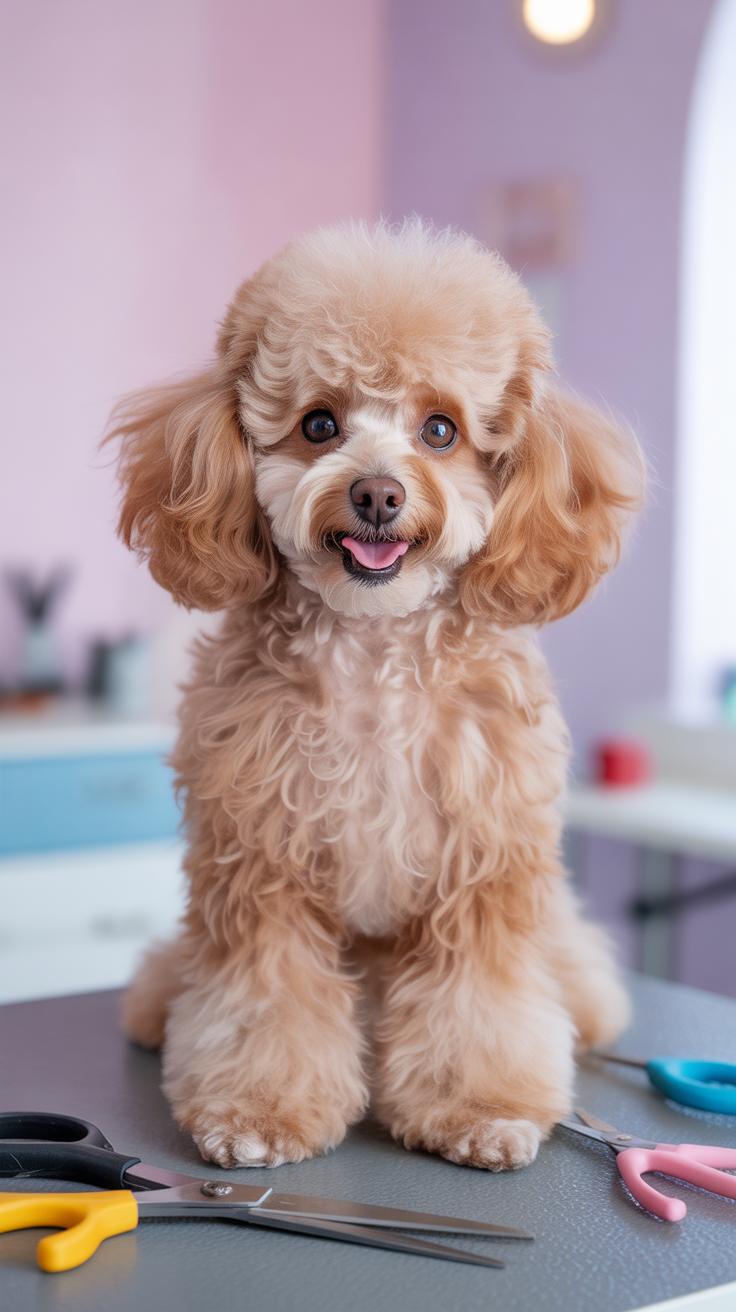
The Science Behind The Toy Poodles Curly Low Shedding Coat
The Toy Poodle coat consists of dense and curly hair rather than traditional fur. Most dogs have a double coat that sheds often. Poodles have a single-layer coat with a very long growth cycle. This means they lose very little hair on a daily basis. The tight curls trap any loose hairs that do fall out. You must brush them to remove this trapped hair.
This unique hair structure makes the breed popular for people with allergies. However, the trapped hair causes immediate matting if left alone. These mats form close to the skin and restrict air flow. This can lead to skin infections and extreme discomfort. You must understand that low-shedding does not mean low-maintenance. Regular mechanical intervention is the only way to keep this coat healthy and functional.
How Coat Texture And Density Differ Between Toy Miniature And Standard Poodles
Size variations in Poodles affect the thickness and texture of their coat. Toy Poodles often have finer hair than their larger Standard relatives. Their hair follicles sit closer together on a smaller surface area. This creates a high density that feels soft but tangles very easily. Miniature Poodles typically sit in the middle with a slightly coarser texture that holds its shape better during styling.
Standard Poodles generally possess the coarsest and most resilient hair of the three varieties. Their thick curls provide enough structural integrity to support complex show clips. Toy Poodles lack this natural rigidity because their strands are thinner and more delicate. You must adjust your grooming pressure and tool selection based on this lack of density. Finer hair requires softer brushes to avoid damaging the skin while removing knots.
Your Complete Poodle Grooming Guide Building A Routine That Works
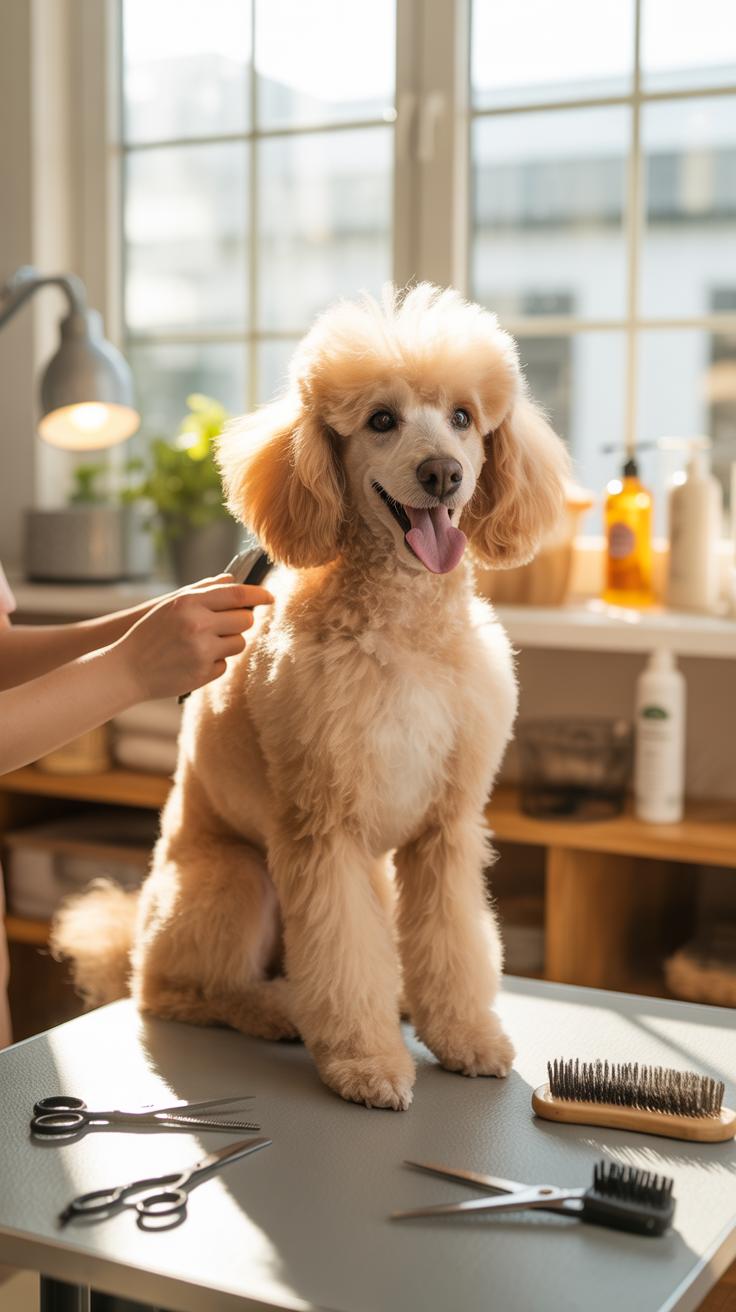
How Often Should You Groom A Toy Poodle? Setting A Realistic Schedule
Toy Poodle hair grows continuously and does not shed like most breeds. You must brush the coat daily to prevent painful mats. Focus on high friction areas behind the ears and under the legs. If you skip two days, tangles tighten into knots. These knots trap moisture against the skin. This leads to hot spots and fungal infections. Daily maintenance is your first defense.
Professional clipping must occur every four to six weeks. This timing maintains the breed standard shape and prevents eye irritation. Neglect leads to overgrown hair that obscures vision and traps debris. Bathing should happen every three weeks. Clean skin prevents sebaceous cysts and dander buildup. Consistency ensures the dog remains comfortable and healthy. A rigid schedule reduces the time spent on each individual grooming session.
Essential Grooming Tools Every Toy Poodle Owner Needs At Home
Specific tools are required to penetrate the dense, curly coat of a Toy Poodle. You cannot use standard grocery store brushes. High quality metal implements reach the skin to remove loose hair. Subpar tools only scrape the surface. This leads to hidden matting near the follicle. Invest in professional grade steel to ensure durability and effectiveness. Use a high velocity dryer to prevent dampness.
- Slicker Brush: Use a long pin slicker brush to pull through dense curls. This tool breaks up early stage tangles without pulling the skin. It is the primary tool for daily maintenance and fluffing the coat during the drying process.
- Metal Greyhound Comb: This stainless steel comb acts as a final check for mats. Run it from the skin to the tips of the hair. If the comb catches, a mat exists. Use the fine teeth for face hair and the wide teeth for the body.
- Safety Tip Shears: Round tip scissors are vital for trimming hair around the eyes and paw pads. These prevent accidental punctures if the dog moves suddenly. Keep them sharp to ensure clean cuts. Dull blades pull the hair and cause discomfort for the dog.
- Electric Clippers: Use a quiet, cordless clipper for sanitary trims and paw pad maintenance. Choose a model that stays cool during extended use. High heat can burn the delicate skin of a Toy Poodle. Professional blades like a number ten or thirty are standard industry choices.
- Detangling Spray: Apply a pH balanced spray before brushing any dry hair. This provides lubrication to prevent hair breakage and split ends. Never brush a dry poodle coat. Static electricity from dry brushing damages the hair shaft and makes the coat look frizzy.

Proper tool maintenance is just as important as the grooming itself. Clean your brushes after every use to remove dander and oils. Sanitize blades to prevent the spread of bacteria. Dull tools work harder and cause more stress for the animal. Replace shears when they no longer cut cleanly. Quality equipment lasts years and saves money on professional corrective grooming fees. Standardize your tool kit to match these professional requirements.
Toy Poodle Care Basics Bathing Drying And Brushing The Right Way
Choosing The Right Shampoo And Conditioner For A Toy Poodle’S Sensitive Skin
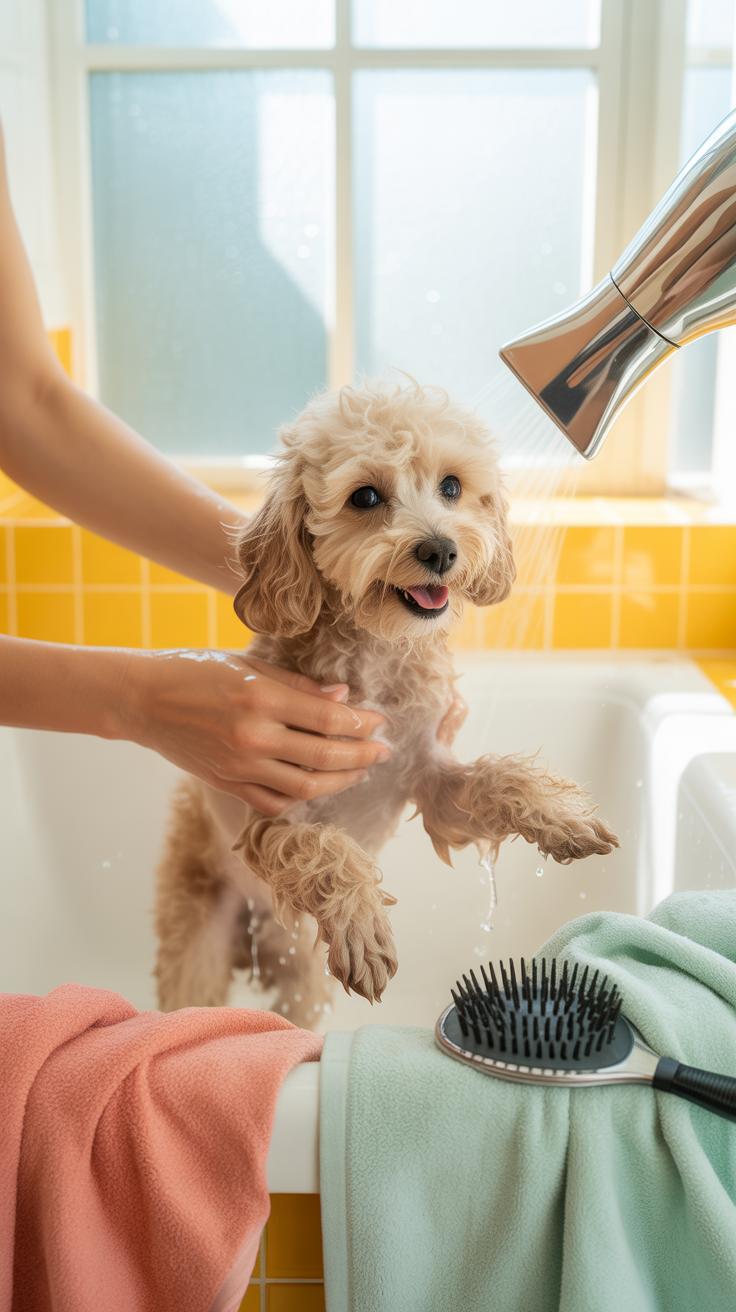
Toy Poodles have hair instead of fur. This hair grows constantly and traps natural oils and dander against the skin. You must use a pH-balanced shampoo specifically made for dogs. Human shampoos are too acidic and will damage the skin barrier. Look for products that contain oatmeal or aloe vera. These ingredients soothe irritation and provide necessary hydration for the tight curls.
Specific grooming products prevent the coat from becoming brittle and breaking. Use a high-quality conditioner after every wash. This step closes the hair cuticle and reduces static electricity. It also makes the hair easier to comb through when wet. Avoid products with heavy perfumes or dyes. These additives typically cause allergic reactions in small breeds. Focus on professional brands that prioritize moisture retention and detangling.
The grooming table is where we brush away the tangles of the day to reveal the soft, cloud-like beauty of a poodle’s true spirit. Each stroke of the comb is a gentle act of love that keeps their curls as light and airy as a childhood memory.
Brushing Techniques To Prevent Matting And Keep The Coat Fluffy Between Grooming Sessions
Daily brushing is mandatory for this breed. Use a high-quality slicker brush to reach the base of the hair. Work in small sections from the skin outward. This prevents the formation of painful mats near the body. If you only brush the surface, the bottom layer will tangle into solid knots. Use a metal greyhound comb to check your work after using the slicker brush.
Line brushing is the most effective tactical method for maintaining fluff. Part the hair with one hand and brush the exposed line with the other. This ensures you cover every square inch of the dog. Consistent brushing distributes natural oils throughout the hair shaft. This process keeps the coat healthy and shiny. It also removes loose hair before it can weave into the existing coat and cause severe matting.
Popular Poodle Grooming Styles Choosing The Right Look For Your Toy Poodle
Classic Poodle Cuts Explained: From The Puppy Clip To The Continental Cut
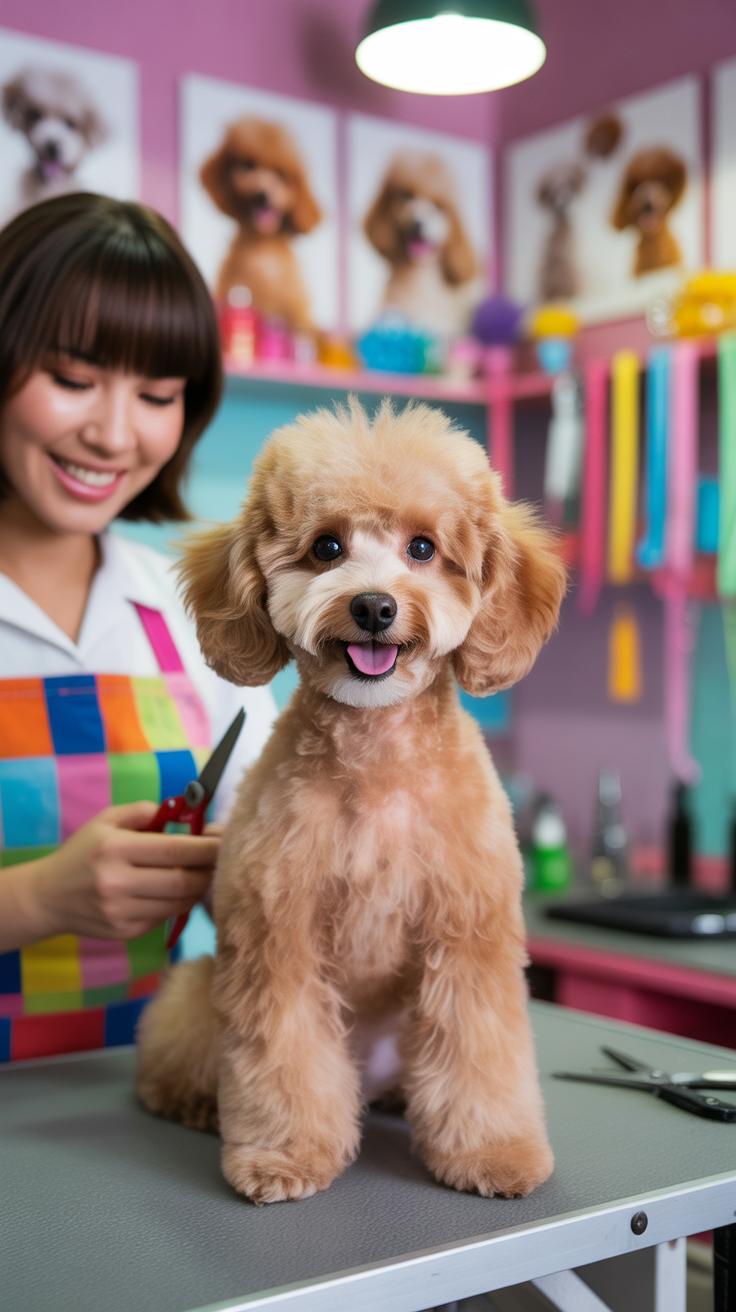
The Puppy Clip is the standard for young show dogs. It features a shaved face, feet, and tail base. The rest of the coat stays long and requires daily brushing to prevent mats. You must blend the hair carefully at the joints to keep the shape. This style focuses on health and coat protection during the early growth stages of the dog.
The Continental Cut is a historical style used for water retrieval. It leaves thick hair over the lungs and joints for warmth in cold water. You shave the face, legs, and tail, leaving rounded pompons on the hips and ankles. This look is labor intensive and requires professional skill. It serves as the primary visual standard for adult poodles in the show ring today.
Low Maintenance Poodle Grooming Styles That Still Look Polished And Neat
The Kennel Clip is the most practical choice for active pets. You trim the coat to a uniform length over the entire body. This short length reduces the time you spend on daily brushing. It also keeps the dog cool and prevents debris from getting trapped in the fur. You still shave the face and feet to maintain a clean poodle appearance.

The Teddy Bear Cut offers a soft look with less work than show clips. You keep the facial hair longer and rounder instead of shaving it close to the skin. This style hides the long muzzle and creates an approachable aesthetic. It requires regular trimming every six weeks to maintain the shape. Owners choose this style to balance a cute look with manageable home maintenance.
How To Execute A Toy Poodle Haircut Safely At Home
Step By Step Guide To Trimming Your Toy Poodle’S Face, Ears, And Paws
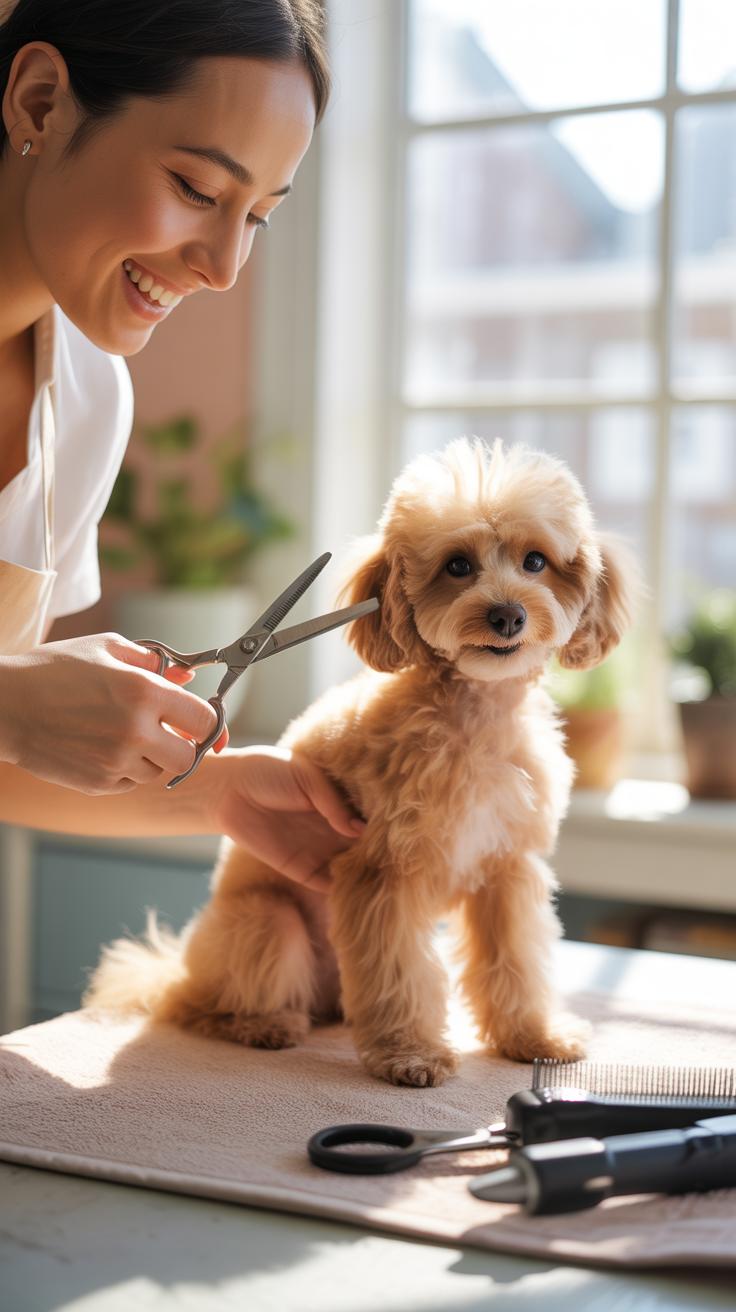
Safety starts with stable positioning and high quality tools. Hold the muzzle firmly to prevent sudden movements that lead to nicks. Use small safety shears or a number 10 blade for the face. Work from the ear base toward the nose. Clear the hair around the eyes to prevent irritation. Keep the skin taut to ensure an even cut and avoid snagging the leather.
Focus on the paws by spreading the toes to reach trapped debris. Trim the hair level with the paw pads to maintain traction on slick floors. Use a shorter blade for the sanitary areas to keep the dog clean. Avoid cutting into the ear canal hair unless you have experience. Always move the clippers in the direction of hair growth to prevent painful skin burns.
Common Toy Poodle Haircut Mistakes And How To Avoid Them
Novice groomers often fail because they lack proper preparation. Attempting to cut a matted coat causes pain and uneven results. You must brush the poodle thoroughly before clicking the shears. Many people also use the wrong blade temperature. Metal blades heat up fast and can burn sensitive skin. Check the tool heat against your own wrist every three minutes for safety.
- Skipping the Pre-Cut Bath: Cutting a dirty coat ruins your expensive clipper blades and results in a jagged finish. Dirt and grit create friction that dulls the steel instantly. Always wash and dry the dog before starting.
- Ignoring Blade Heat: High-speed clippers generate extreme thermal energy. If you do not touch the blade to your skin regularly, you will burn the dog. Use coolant spray or swap blades frequently to keep the temperature low.
- Forceful Mat Removal: Pulling on mats with scissors or clippers causes skin tears. Poodles have thin skin that bunches up inside tangled hair. Use a de-matting tool or shave underneath the knot rather than pulling it away from the body.
- Improper Scissor Angle: Holding shears with the points toward the dog leads to puncture wounds. Always keep the tips pointed away from the eyes and skin. Use the length of the blade to cut while the tips stay in safe space.
- Neglecting the Sanitary Areas: Many owners forget to trim the belly and under the tail. Hair in these zones traps waste and leads to infections or skin rot. Use a guard comb to keep this hair short without nicking the sensitive skin.

Precision requires patience and the right environment. Never rush the process when the dog is anxious or tired. Stop the session if the poodle becomes too stressed to sit still. Professional results come from steady hands and a calm animal. If you encounter a mat that is too tight, do not risk a deep cut. Consult a professional groomer to prevent a medical emergency.
Ear Nail And Dental Care The Overlooked Pillars Of Poodle Grooming
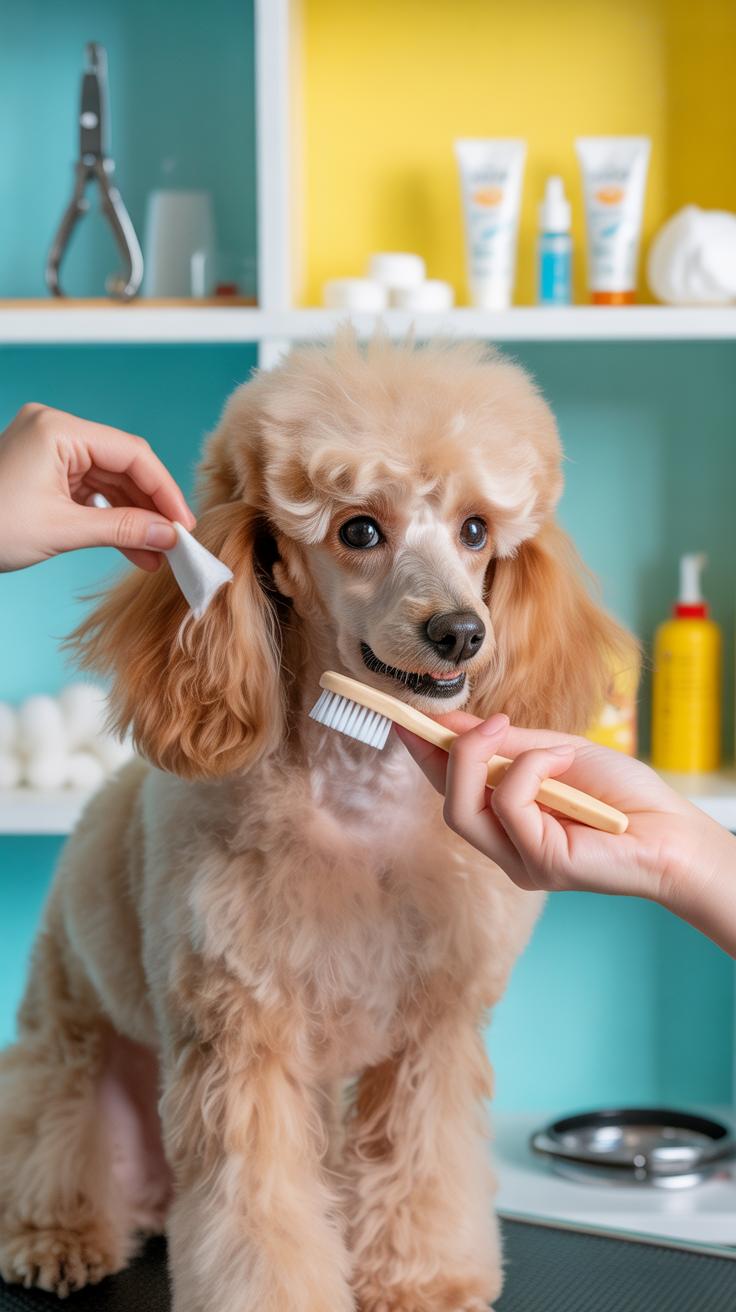
Why Toy Poodles Are Prone To Ear Infections And How Regular Cleaning Helps
Toy Poodles possess narrow ear canals and heavy hanging leather. These physical traits trap moisture and heat inside the ear. Hair grows deeply within the canal and blocks natural airflow. This environment creates a perfect breeding ground for yeast and bacteria. You must inspect the ears weekly for redness or foul odors. Neglect leads to chronic inflammation and expensive veterinary bills.
Pull excess hair from the canal using hemostats or your fingers. Use a high quality enzymatic ear cleaner to dissolve wax buildup. Apply the solution and massage the base of the ear to break up debris. Wipe the outer area with a clean cotton ball. Do not use cotton swabs inside the canal. Professional groomers prioritize this step because clean ears prevent systemic infections.
Nail Trimming And Dental Hygiene Habits That Keep Your Toy Poodle Healthy
Overgrown nails change the way a Toy Poodle walks. Long nails push the foot upward and cause joint strain over time. You should trim the nails every two to three weeks. Use sharp clippers or a rotary tool to file the tip. Watch for the quick to avoid bleeding. Short nails prevent the foot from splaying and maintain the structural integrity of the small legs.
Small breed dogs suffer from crowded teeth and rapid plaque buildup. This leads to periodontal disease and tooth loss very early. Brush your poodles teeth daily with dog specific paste. Professional cleanings are necessary but daily maintenance reduces the frequency of these procedures. Clean teeth prevent bacteria from entering the bloodstream. Focus on the back molars where tartar accumulates the fastest to ensure health.
Pet Training Tips For Poodles Getting Your Toy Poodle Comfortable With Grooming
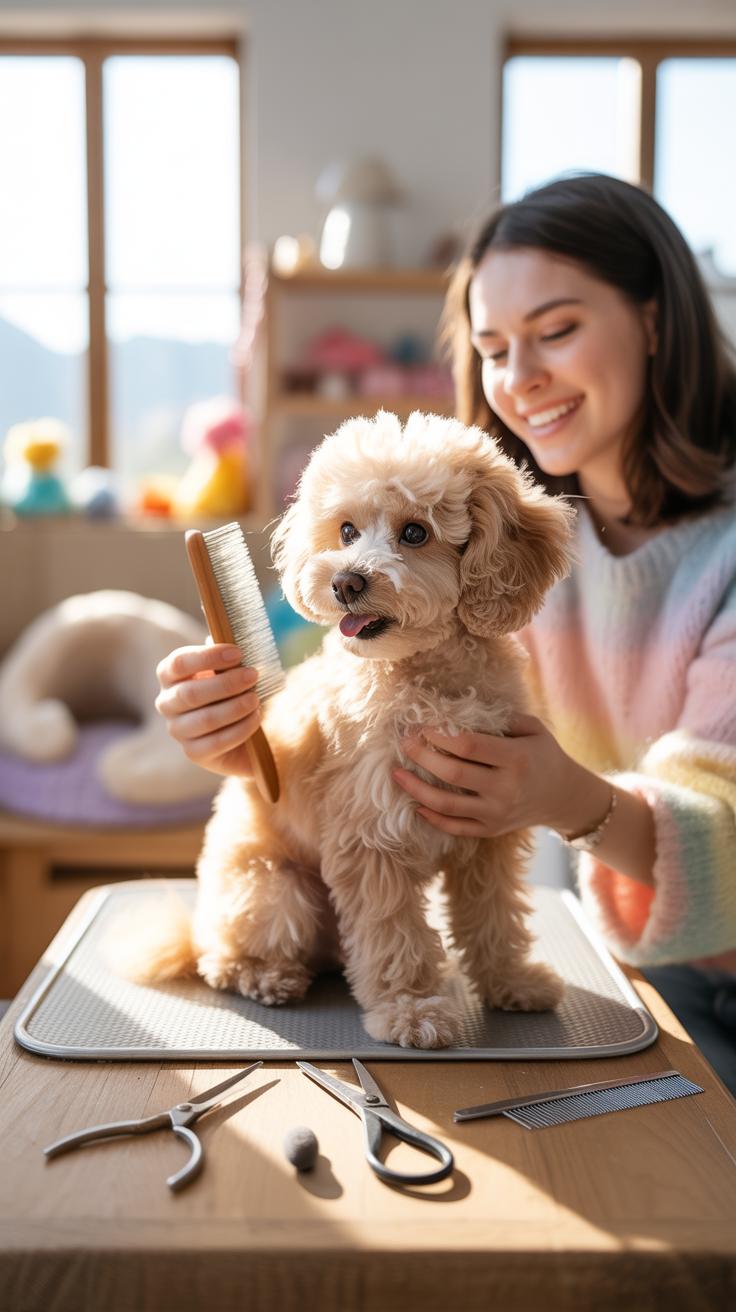
How To Desensitize A Toy Poodle Puppy To Grooming Tools And Handling
Start desensitization the day the puppy arrives home. High intelligence makes Toy Poodles prone to developing early aversions. Touch the paws, ears, and tail every day. Use your fingers to simulate the sensation of metal combs. This builds a foundation of trust before the first professional appointment. Focus on vibration next. Turn on electric clippers near the dog without touching the skin.
Place the puppy on a non-slip elevated surface to mimic a grooming table. Professional groomers use these tables to establish control and safety. Move the puppy through various standing positions while providing calm physical contact. Consistent handling reduces the startle reflex during actual coat maintenance. Introduce the scent and sight of brushes before applying pressure. This methodical exposure prevents the animal from viewing tools as threats.
Positive Reinforcement Strategies That Make Grooming A Stress Free Experience
Pair every grooming action with high-value rewards to create a positive association. Use small treats that the dog can swallow quickly. Give a treat immediately after a successful brush stroke or nail clip. Timing is critical for effective conditioning. The dog must learn that calm behavior leads to a physical reward. If the dog pulls away, stop the reward but do not punish.

Use a verbal marker like a clicker or a specific word to signal correct behavior. This provides a clear bridge between the action and the treat. Keep grooming sessions short to prevent mental fatigue and frustration. Five minutes of successful training is better than thirty minutes of struggle. End every session on a successful note to build confidence. Routine reinforcement ensures the Toy Poodle remains cooperative for more complex styling.
Professional Vs At Home Grooming What Every Toy Poodle Owner Should Know
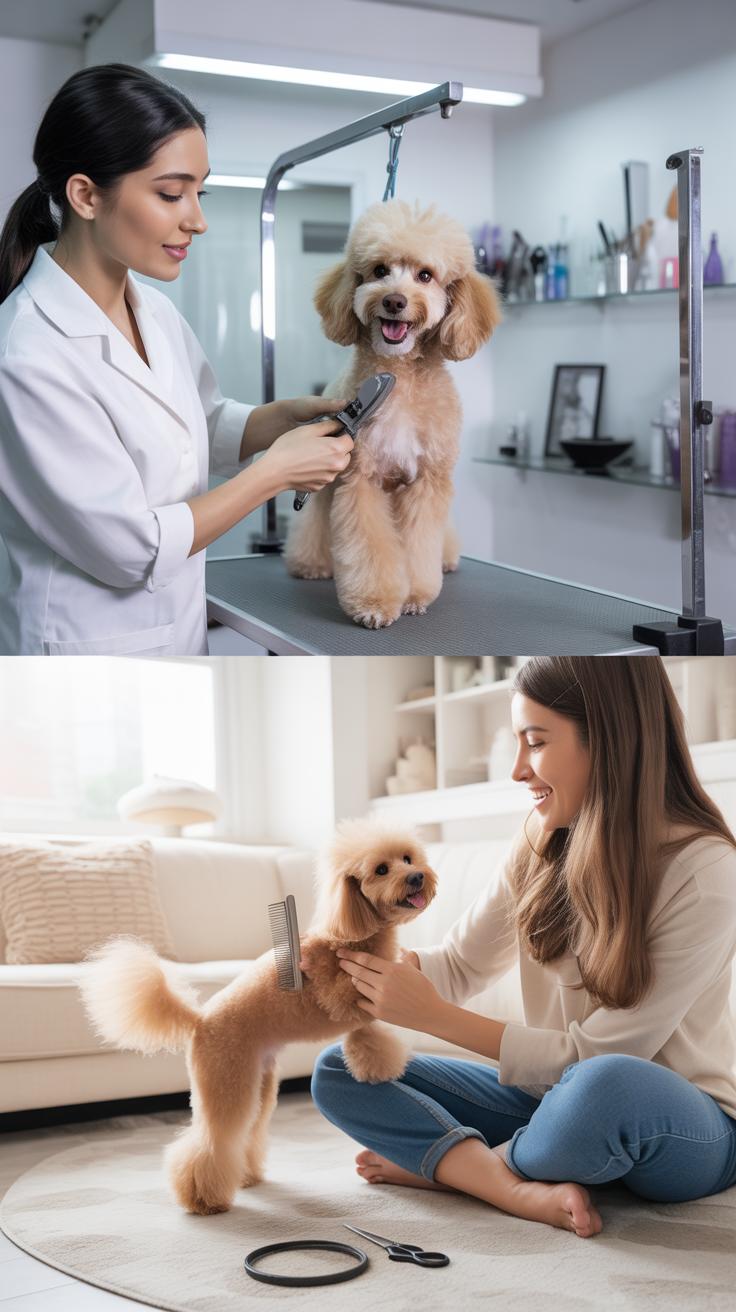
When To See A Professional Groomer And What To Expect From A Full Grooming Session
Schedule a professional visit every four to six weeks. Toy Poodles have hair, not fur. This hair grows constantly and fails to shed. Without professional intervention, the coat mats quickly. Mats pull the skin and cause pain. A full session includes a bath, blow-dry, and brush out. The groomer clips the body and shapes the face. They also clear the sanitary areas.
A professional session covers technical tasks most owners cannot move through safely. The groomer cleans the ears and plucks excess hair to prevent infections. They trim nails close to the quick without causing bleeding. Expect the groomer to express anal glands if necessary. They use high velocity dryers to straighten the hair from the root. This process ensures the coat stays fluffy and free of tangles.
How To Find A Reputable Groomer Who Understands Toy Poodle Coat Needs
Research groomers who specialize in the Poodle breed. General skills are not enough for this specific coat type. Look for National Dog Groomers Association of America certification. Ask about their experience with various Poodle clips like the Puppy or Sporting cuts. A good groomer knows how to handle the high energy of a Toy Poodle. They must maintain a clean and sterile environment to prevent disease.

Check online reviews for mentions of Poodle-specific styling. Visit the facility before booking an appointment. Observe how they handle the dogs in their care. A reputable professional explains their process clearly. They should ask for proof of vaccinations like rabies and distemper. Ensure they use high quality shears and clippers. Proper tools prevent skin irritation and heat burns. Demand transparency regarding their pricing and time frames.
Frequently Asked Questions

How often should I brush my Toy Poodle to keep their coat looking fluffy?
To maintain a soft, cloud-like texture, you should ideally brush your pet daily. Because their curly hair grows continuously, it easily traps loose fur and debris, leading to painful mats. Consistent brushing is one of the most essential toy poodle grooming tips for beginners. Using a high-quality slicker brush helps separate the curls from the root, ensuring the coat remains voluminous, tangle-free, and perfectly healthy between professional salon visits.
What is the best technique for drying a Toy Poodle to achieve maximum volume?
For that signature “poodle puff” look, the secret lies in high-velocity drying combined with line brushing. After a bath, gently pat the fur with a microfiber towel, then use a blow dryer on a low-heat setting. As you dry, brush the hair in the opposite direction of growth. Following these toy poodle grooming tips ensures the curls straighten out and stand away from the skin, creating a beautiful, salon-quality finish.
Is it possible to groom my Toy Poodle at home to save on professional costs?
Absolutely! Investing in a professional-grade grooming kit can save you hundreds of dollars annually. By learning to perform basic tasks like sanitary trims, nail clipping, and face shaping yourself, you can extend the time between expensive professional appointments. While the initial cost of shears and clippers may seem high, home maintenance is a budget-friendly way to keep your companion looking sharp while strengthening your bond through regular one-on-one care.