Understanding The Dog Stripping Process Guide What Hand Stripping Really Means
The Definition And Purpose Of Hand Stripping In Dog Grooming
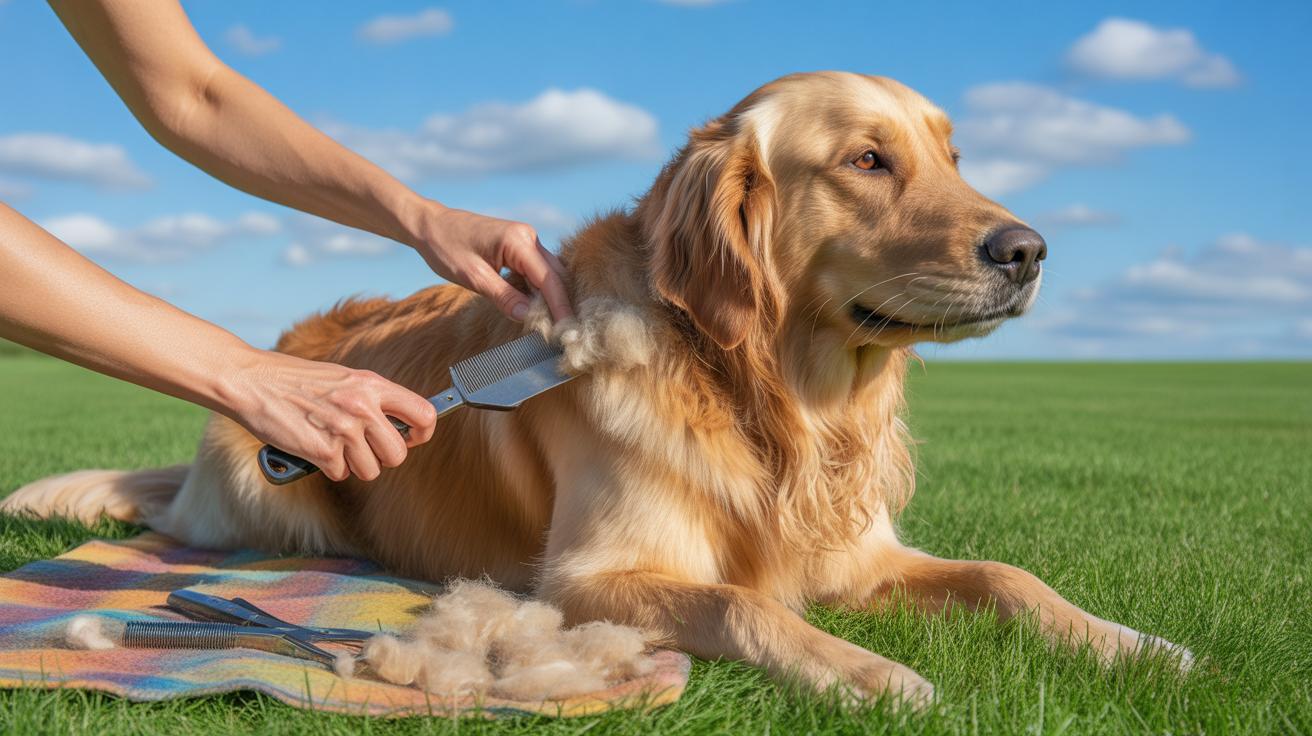
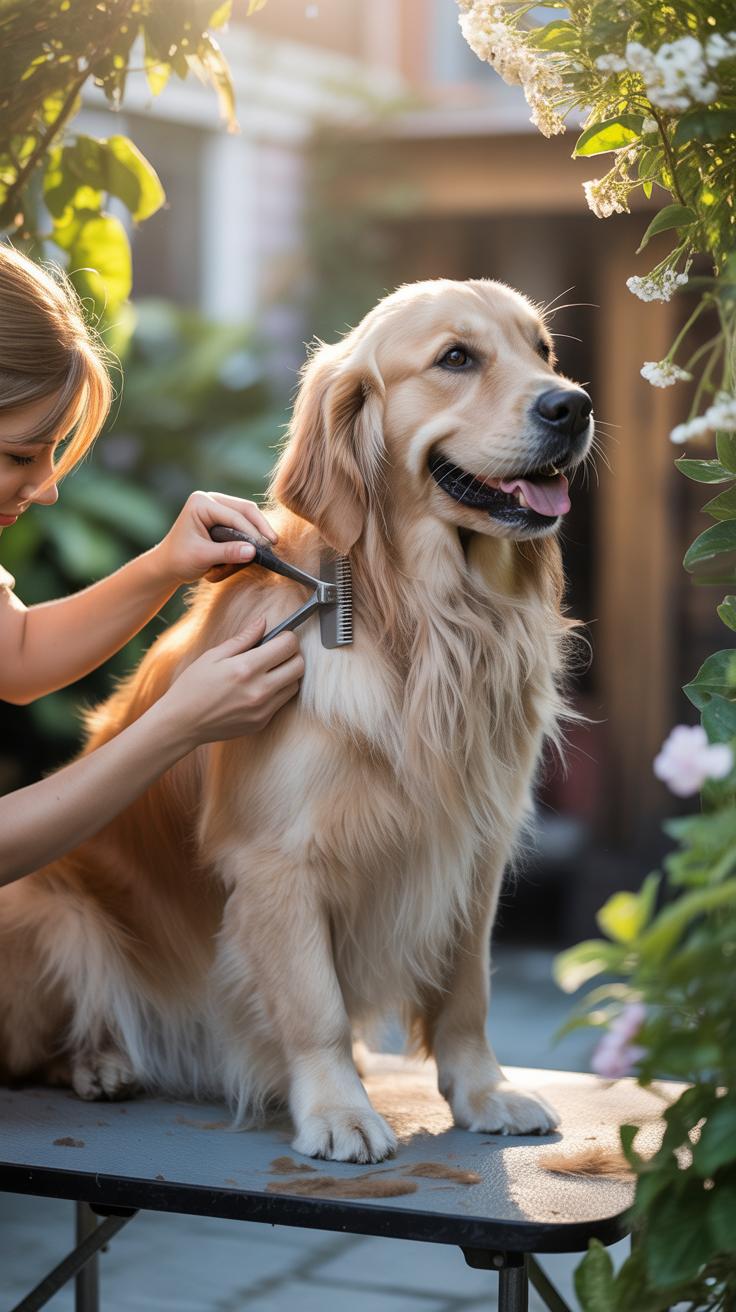
Hand stripping is the manual removal of dead hair from the follicle of wire haired breeds. This process mimics the natural shedding cycle that these specific coats cannot complete on their own. Groomers use their fingers or a dull stripping knife to pull the hair out by the root. This action makes room for a new, healthy wire coat to grow back in its place.
The primary purpose is to maintain the texture and color of the coat. Wire hair protects the dog from water, briars, and dirt. By removing the old dead layer, you ensure the skin stays healthy and the coat remains weather resistant. This technique preserves the breed standard appearance. It is a necessary mechanical process for Terriers, Schnauzers, and other breeds with harsh, wiry outer jackets.
How Hand Stripping Differs From Regular Clipping And Trimming
Clipping uses electric blades to cut the hair shaft at the surface. This leaves the dead root inside the follicle and stops the growth of new wire hair. Over time, clipping causes the coat to become soft, curly, and faded. The vibrant colors of the original coat disappear because the pigmented tips are cut off. The coat loses its protective function and becomes a magnet for debris.
Hand stripping removes the entire hair shaft from the skin. This stimulates the follicle to produce a new, hard hair with rich pigmentation. Trimming only shortens the existing hair without refreshing the coat structure. Stripping requires more time and physical effort than clipping but produces a superior result for the dog’s skin health. Correct stripping ensures the coat continues to shed water and resist matting as nature intended.
Which Dogs Benefit Most Breeds And Coat Types Suited To Hand Stripping
Wire Coated And Terrier Breeds That Require Hand Stripping
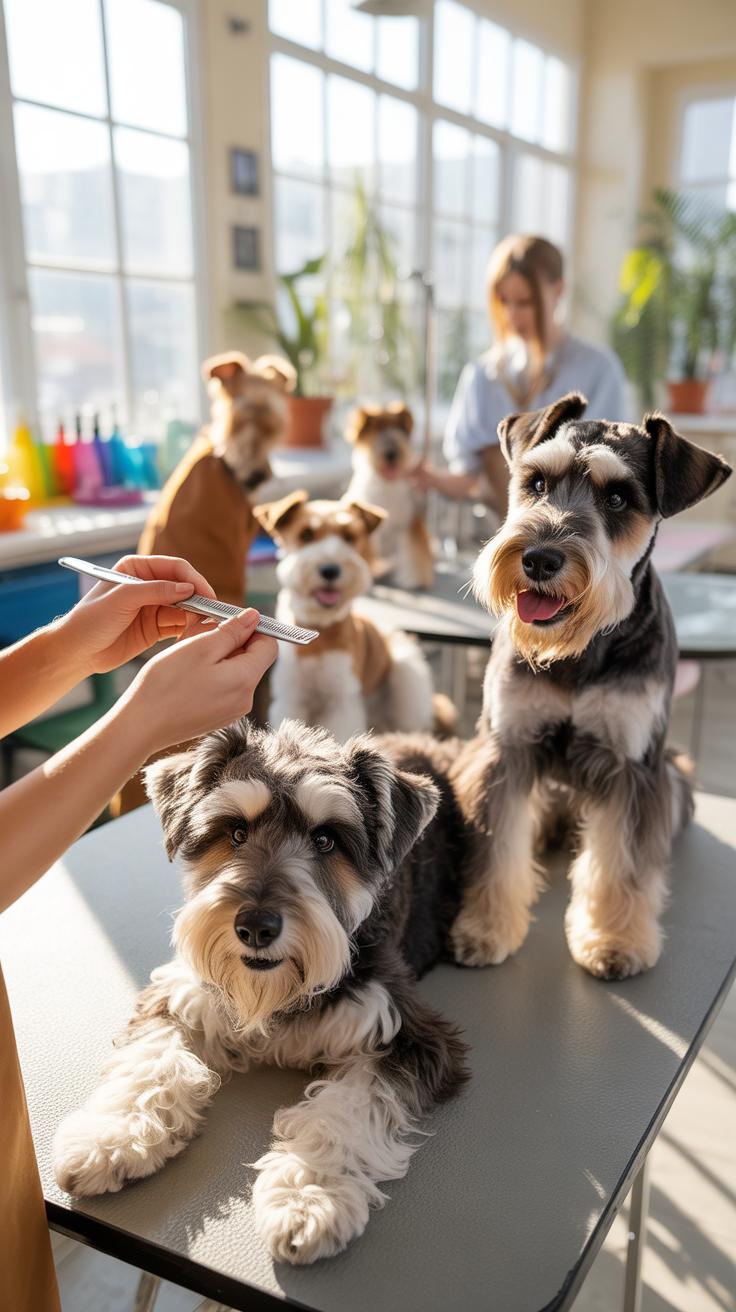
Wire-haired breeds possess a distinct dual-layer coat designed for rugged outdoor work. This coat consists of a dense undercoat and a coarse outer guard hair. Terriers like the Airedale, Border, and Lakeland rely on this texture for protection against thorns and weather. Clipping these breeds ruins the coat by cutting the hair shaft. Hand stripping maintains the follicle health.
Manual removal of dead hair allows a new, hard coat to grow in its place. This process preserves the rich color and weatherproofing abilities of the fur. Soft-coated dogs or those with silky hair do not typically require this method. Focus on breeds with a gritty texture. These dogs do not shed naturally. You must pull the hair to prevent matting.
Hand Stripping Schnauzer Coats: Breed Specific Considerations And Coat Structure
The Schnauzer coat requires specific handling to maintain its breed standard. These dogs have a harsh, wiry outer jacket and a soft undercoat. If you use electric clippers, the coat becomes soft and curly. This change destroys the protective barrier and dulls the color. Hand stripping keeps the salt and pepper markings crisp. It ensures the skin stays healthy and aerated.

Effective stripping for a Schnauzer involves pulling the overcoat in the direction of hair growth. This technique stimulates the skin and promotes blood flow. Do not strip the furnishings on the legs or the beard. Those areas stay long for the traditional profile. Focus your effort on the back and neck. Regular sessions prevent the coat from becoming “blown” or overgrown. Proper technique maintains the functional integrity.
Essential Tools And Canine Grooming Techniques For Hand Stripping
The Right Tools: Stripping Knives, Stones, Chalks, And Grooming Tables
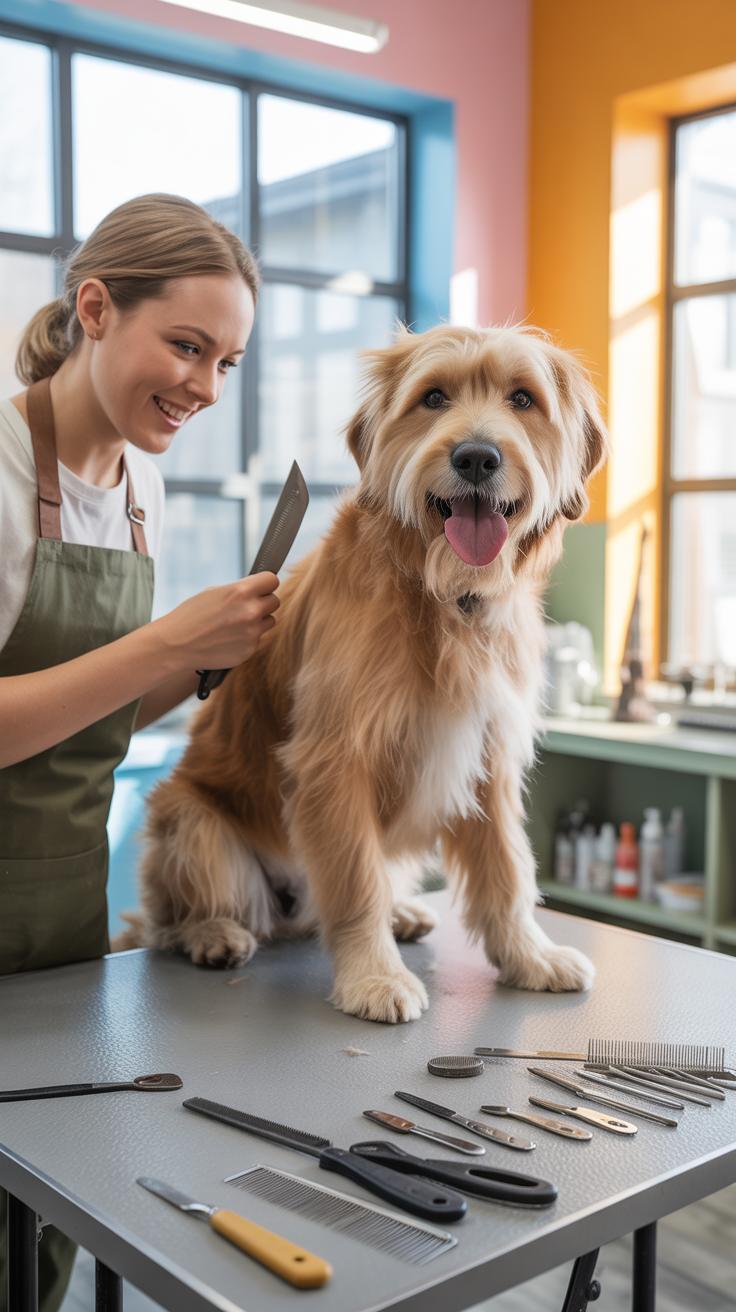
Hand stripping requires specific mechanical tools to pull hair without cutting it. Each tool manages a different coat density or body area. You must select tools based on the wire texture of the breed. Using the wrong tool will shear the hair shaft rather than removing the follicle. This ruins the coat texture and stops the regrowth of harsh guard hairs.
- Stripping Knives: These tools have serrated edges designed to grip hair. Choose a coarse knife for the body and a fine knife for the head and ears. Ensure the blade is dull so it does not cut the hair.
- Stripping Stones: These porous volcanic rocks or synthetic pumice blocks provide extra grip on slick hair. They are ideal for cleaning up flat areas and removing fine fuzz. Stones offer a gentler alternative to metal knives for sensitive dogs.
- Grooming Powder or Chalk: Apply this to the coat to increase friction between your fingers and the hair. It absorbs oils that make the coat slippery. It allows for a more precise pull and prevents hand fatigue during long sessions.
- Finger Condoms or Latex Cots: These rubber covers fit over your thumb and index finger. They provide maximum tactile grip for the plucking motion. Use them when you need to pull individual hairs by hand rather than using a metal tool.
- Professional Grooming Table: A sturdy table with a non-slip surface and a grooming arm is mandatory. It secures the dog at a workable height to prevent back strain. Stability is critical for safety when you are working with sharp tools or pulling hair.
Purchase high quality steel knives to ensure durability and consistent performance. Cheap tools often have sharp edges that slice through the coat. This causes the hair to grow back soft and dull. Check your tools regularly for damage or sharp burrs. Maintain a clean workspace to keep your equipment organized and ready for use. Proper tool maintenance extends the life of your gear.
Preparing Your Dogs Coat Before You Begin The Hand Stripping Process
Preparation starts weeks before the actual stripping session. Do not wash the dog for at least two weeks prior to work. Clean hair is too slippery to grip and lacks the necessary tension. Natural oils help you grasp the dead hair firmly. If the dog is dirty, use a damp cloth to wipe away surface mud but avoid using shampoos or conditioners.
Thoroughly brush the coat to remove all tangles and mats before you start pulling. Use a slicker brush and a metal comb to ensure the hair is separated. You cannot strip a matted coat without causing the dog pain. Identify the areas where the coat is blown or ready to come out. Press your fingers into the hair to test the release. Ready hair should slide out easily.
Step By Step Dog Grooming Tips For Performing Hand Stripping At Home
How To Grip, Pull, And Work In The Direction Of Hair Growth
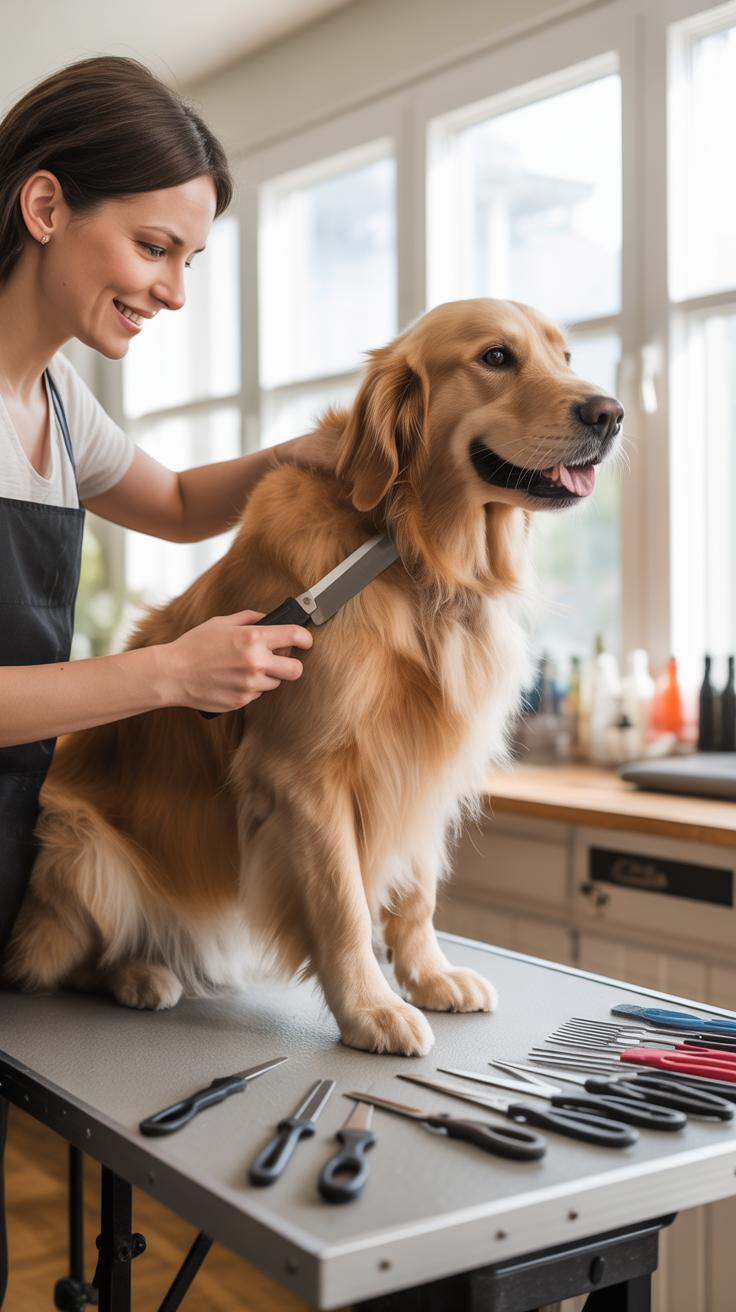
Hold a small section of hair between your thumb and the side of your index finger. Use a stripping knife or rubber finger thimbles to increase your traction. Keep your wrist locked and straight. Movement must come from your shoulder and elbow to prevent repetitive strain. Always pull in the direction the hair grows naturally. This ensures the follicle remains undamaged during the process.
Press your free hand against the skin just above the hair you intend to pull. This anchor technique keeps the skin taut and reduces discomfort for the dog. Use a quick and firm snapping motion to remove the dead topcoat. Work on one small area at a time to maintain a uniform appearance. Avoid twisting your wrist because this breaks the hair instead of pulling it out.
How To Line Brush A Dog Between Stripping Sessions To Maintain Coat Health
Line brushing keeps the undercoat from matting while you wait for the next stripping cycle. Start at the bottom of the leg or belly and work upward in horizontal sections. Hold the hair up with one hand and brush the layer beneath it down toward the skin. This method exposes the skin and ensures you reach the base of the hair. Use a slicker brush or a medium-toothed comb.
Thorough brushing removes trapped dirt and loose dander that clogs the pores. It also stimulates natural oil production which protects the wire coat from moisture. Focus on high-friction areas like the armpits and behind the ears where mats form quickly. Consistent maintenance makes the actual stripping process faster because the hair remains separated. Check for any skin irritation or bumps during every session to monitor overall health.
The Health And Coat Benefits Of Regular Hand Stripping For Dogs
How Hand Stripping Preserves Natural Coat Texture, Color, And Skin Health
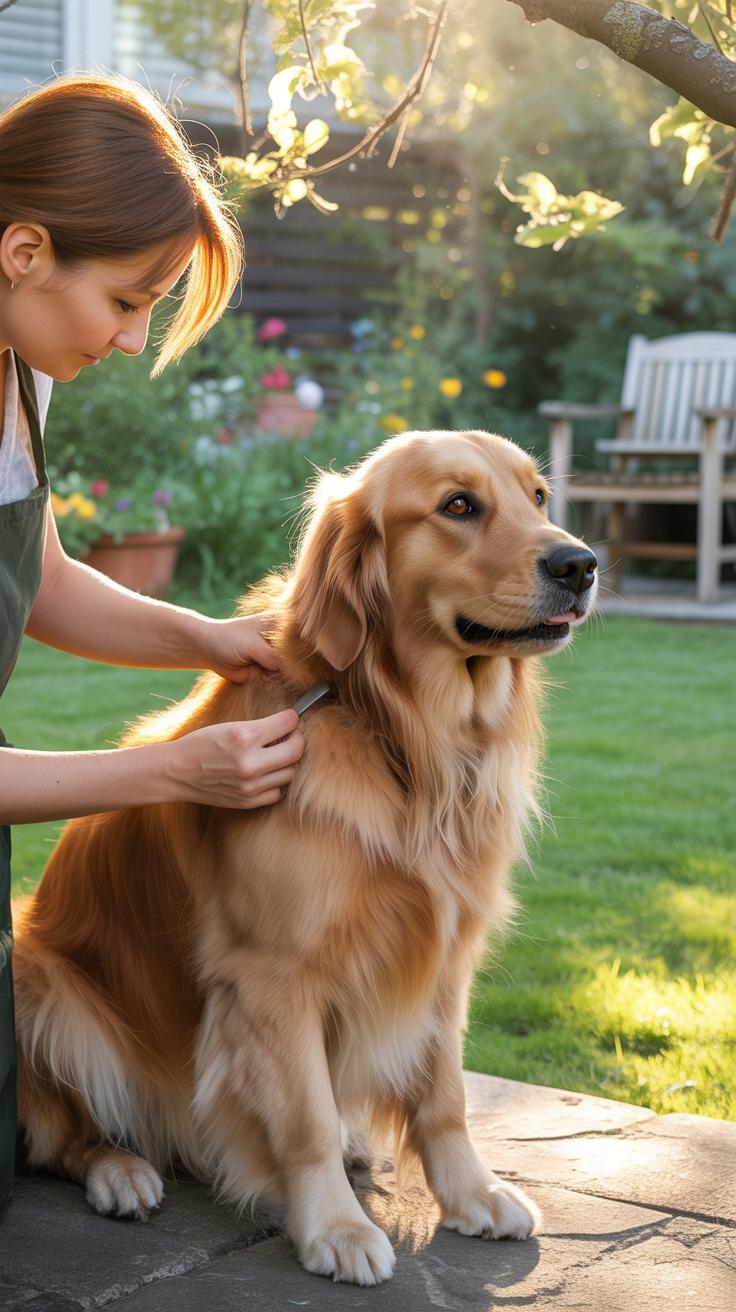
Hand stripping maintains the hard texture of wire coats by removing dead hair from the follicle. This process allows a new, coarse guard hair to grow in its place. Removing the dead hair prevents the follicle from clogging. This action promotes better skin aeration and reduces the risk of infections. The mechanical pulling action also stimulates natural skin oils. These oils keep the coat waterproof and healthy.
The color of a wire coat stays vibrant because the new hair contains full pigment. Dead hair fades over time and looks dull. Stripping ensures that only fresh, richly colored strands remain on the dog. This technique mimics the natural shedding process of wild canines. It keeps the coat functional for outdoor work. Consistent stripping cycles ensure the dog always has a protective layer of hair against harsh weather.
Why Clipping Wire Coated Dogs Instead Of Stripping Can Alter Their Coat Long Term
Clipping cuts the hair shaft instead of removing the root. This leaves the dead base of the hair inside the follicle. New hair cannot grow through a blocked follicle effectively. Over time, the coat becomes soft, curly, and thin. This texture change ruins the coat’s ability to repel water and dirt. The dog loses its natural protection. Owners often notice the hair becomes much lighter or gray.

Lack of stripping leads to a buildup of undercoat. This soft fuzzy layer traps moisture against the skin. Trapped moisture often causes hot spots and fungal issues. The skin loses its ability to breathe properly when clogged with old hair. Regular clipping eventually turns a functional hunting coat into a high-maintenance fleece. You cannot easily reverse this damage once the follicles change. Proper hand stripping is the only way to retain coat integrity.
Common Mistakes To Avoid When Hand Stripping Dogs
Gripping Too Much Coat At Once: Skin Sensitivity And Discomfort Risks
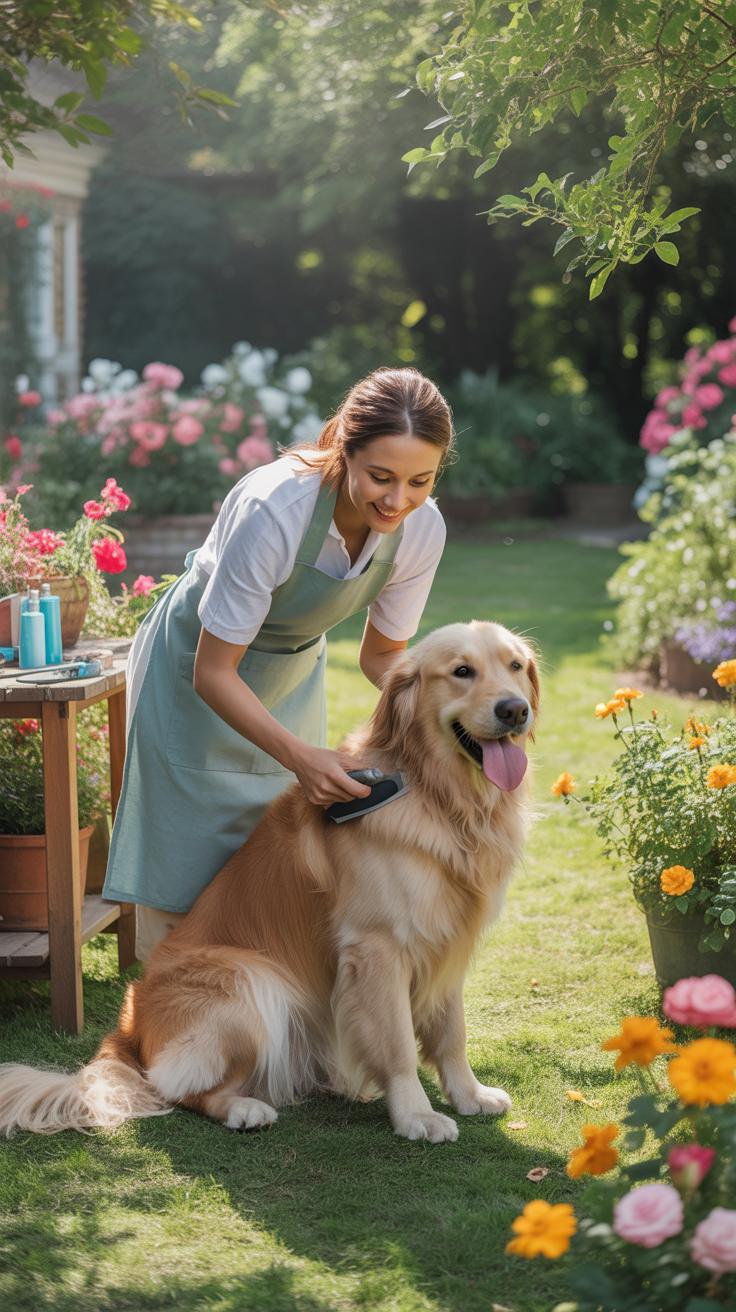
Grabbing large clumps of hair causes immediate pain. This mistake turns a routine grooming task into a traumatic event for the dog. You must pull only a few hairs at a time. This ensures the hair releases from the follicle without pulling on the skin. Strategic groomers use their thumb and forefinger to isolate small sections. This focus prevents bruising and skin inflammation.
Large grips also lead to uneven coat texture. You fail to remove the dead hair uniformly when you rush. This creates patches of blown coat and live hair. Always pull in the direction of hair growth to minimize resistance. Keeping the skin taut with your non-dominant hand is vital. This technique stabilizes the surface and reduces the tugging sensation. Accurate stripping requires patience and precision.
There is no shortcut to the bond created when you tend to a coat by hand, honoring the old ways of the terrier men. To feel the texture of the wire hair beneath your fingers is to touch the very history of the breed.
Skipping Coat Preparation And Neglecting Routine Brushing Between Sessions
Failure to prepare the coat makes stripping harder than necessary. You must remove all tangles and mats before you start pulling hair. A dirty or oily coat provides zero grip for your fingers or stone. This forces you to squeeze harder, which tires your hands. Proper preparation involves thorough brushing to separate the dead topcoat from the softer undercoat.
- Thorough Brushing: Use a slicker brush or metal comb to remove every knot. This clears the path for your stripping tool. It prevents you from accidentally pulling on tangled live hair during the session.
- Degreasing the Fur: Apply grooming powder or chalk to the coat before you begin. These materials absorb excess oils and moisture. This creates the friction needed to pull hair without slipping or causing skin irritation.
- Undercoat Raking: Utilize an undercoat rake to thin out the soft fuzzy layer. Doing this before stripping the wire hair provides better visibility. It allows you to see the blown coat clearly and target the right areas.
- Skin Inspection: Check the skin for lumps or sores during your prep. Stripping over irritated skin causes infection and extreme pain. A healthy surface is required for a safe and successful hand stripping process.
- Tool Selection: Verify your stripping knives are dull and clean. Sharp knives cut the hair rather than pulling it from the root. This ruins the wire texture. Using the correct tools during prep ensures you achieve the desired results.

Maintaining the coat between major sessions is a non-negotiable task. Neglect allows the undercoat to become impacted. An impacted coat blocks new wire hair from growing through the follicles. This leads to a soft and dull appearance. Frequent brushing stimulates blood flow to the skin and keeps the hair follicles healthy. Consistency reduces the total time spent on the grooming table.
How Often Should You Hand Strip Your Dog Timing And Coat Cycle Explained
Reading The Coat Cycle: Knowing When Your Dog’S Coat Is Ready For Stripping
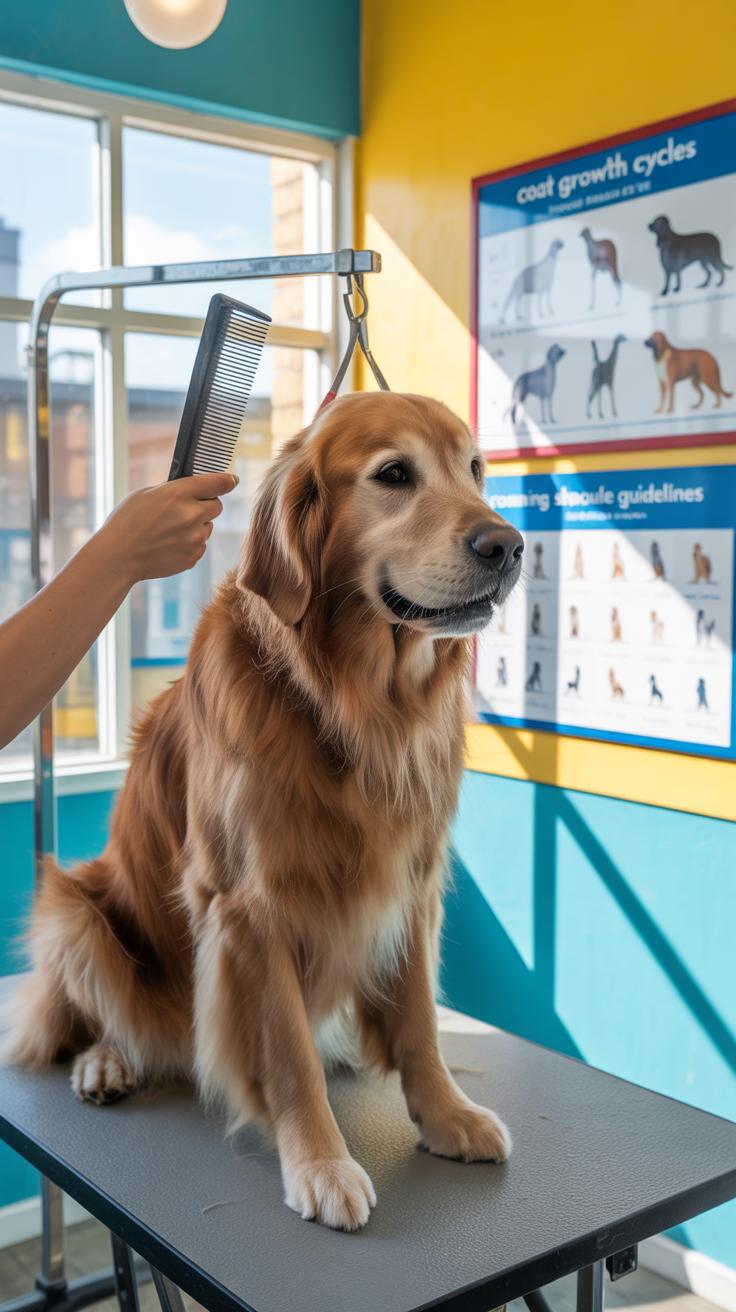
A wire coat follows a specific growth cycle. Hair grows to its maximum length and then dies. Dead hair stays in the follicle until you pull it out. You know the coat is ready when the hair looks blown or dull. Test this by grabbing a small tuft of long hair between your fingers. If it pulls out easily with no resistance, the coat is ripe.
Timing your work depends on the desired finish. A full strip removes all topcoat at once to let new hair grow back evenly. This takes months to mature. Most owners prefer rolling the coat. This involves removing the longest hairs every few weeks to keep layers at different stages. Constant maintenance prevents the dog from appearing shaggy or bald. You must monitor the texture to ensure the skin remains healthy.
Seasonal Grooming Schedules And How Frequency Varies By Breed And Lifestyle
Terriers and sporting breeds require different schedules based on their specific utility. Most wire haired dogs need a session every six to ten weeks. Busy working dogs in the field might need more frequent attention to remove burrs and debris. Show dogs often receive weekly maintenance to keep the coat in top form. Indoor pets can wait longer between sessions because they face less environmental wear.
Weather changes impact hair growth and density. Dogs grow a thicker undercoat in winter to stay warm. You must strip more aggressively in spring to help the skin breathe. Summer heat requires a shorter coat for comfort. Diet and hormones also change how fast hair grows. Check the coat every month to adjust your schedule. Proper timing prevents mats and skin irritation. Stick to a routine to keep the wire texture hard.
Professional Vs At Home Hand Stripping What Every Dog Owner Should Know
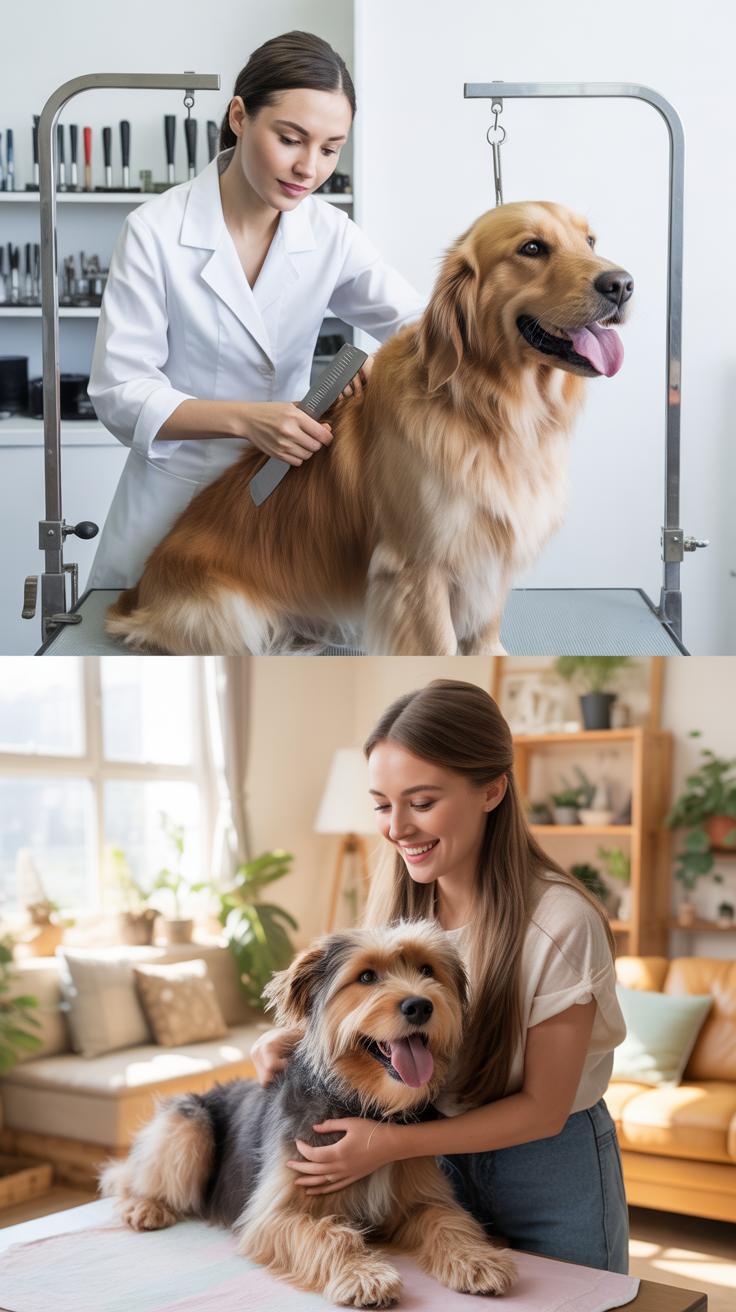
When To Seek A Professional Groomer Experienced In Hand Stripping Techniques
Professional intervention is necessary when the coat becomes blown or severely neglected. A novice owner often lacks the wrist strength and finger dexterity to clear a dense undercoat without causing skin irritation. Experts understand the hair growth cycle and can identify exactly when the follicle is ready for release. They manage the dog’s posture to ensure comfort during long sessions. Use a pro if your dog has sensitive skin or a low pain tolerance.
Groomers specialize in breed-specific patterns and structural balance. Terrier coats require precise transitions between the harsh body hair and the softer furnishings on the legs and face. A professional maintains the correct texture for show standards or function. This prevents the coat from becoming soft or faded through improper tool use. Seek an expert if you plan to enter conformation events or if you cannot identify the different layers of the wire coat.
Building Confidence As A First Time Owner Learning To Hand Strip Your Own Dog
Start by learning the mechanics of the pincer grip on a small area of the back. Use chalk or finger preserves to increase your grip on the oily hair shafts. Work in short sessions of fifteen minutes to keep the dog calm and prevent hand fatigue. Consistency matters more than speed during the learning phase. You must pull the hair in the direction of growth to avoid breaking the shaft or hurting the skin.

Invest in a quality stripping knife with blunt teeth and a comfortable stone. Cheap tools often have sharp edges that cut the hair instead of pulling it from the root. Observe your dog’s skin for redness after each session to gauge your technique. Record the growth rate to understand the rolling coat schedule. Mastery comes from repetition and observing how the hair responds to your touch over several months of maintenance.
Frequently Asked Questions

What exactly is hand stripping and does it cause pain to the dog?
Hand stripping is a specialized grooming technique used on wire-haired breeds to remove dead outer hair from the root, allowing a fresh coat to grow. While it might look intense, this process is completely painless when done correctly. Because the hair is removed at the end of its growth cycle, it is already loose in the follicle. This essential handstripping dogs guide step ensures your pet maintains a vibrant, weather-resistant coat.
How do I know if my dog is ready for the hand stripping process?
You can tell your dog is ready for grooming when their coat looks “blown” or shaggy and loses its usual texture. To test it, gently pull a small tuft of hair in the direction of growth; if it slides out easily without resistance, the coat is ripe. Following a proper handstripping dogs guide ensures you only pull mature hairs, which keeps the skin healthy and prevents the coat from becoming dull and soft.
Is it more expensive to have a professional hand strip my dog compared to clipping?
Yes, hand stripping is generally more expensive than standard machine clipping because it is a labor-intensive, artisanal skill that requires several hours of manual work. While a clip might cost significantly less, stripping preserves the rich color and wire texture of the fur. Many owners find the investment worthwhile, as the results last longer and maintain the breed’s natural aesthetic, often requiring fewer grooming appointments throughout the calendar year.