What Is A Dog Shower Head Attachment And Why Every Dog Owner Needs One
How A Dog Shower Head Attachment Differs From A Standard Shower Head
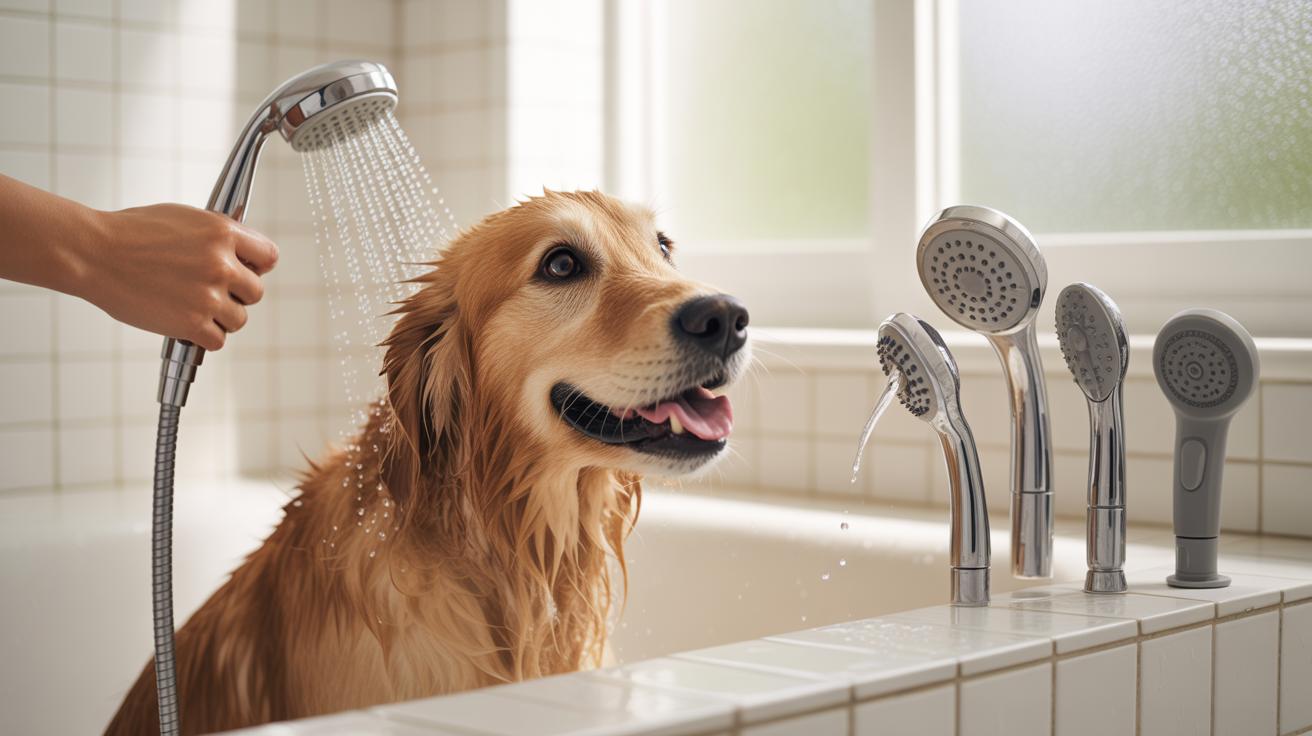
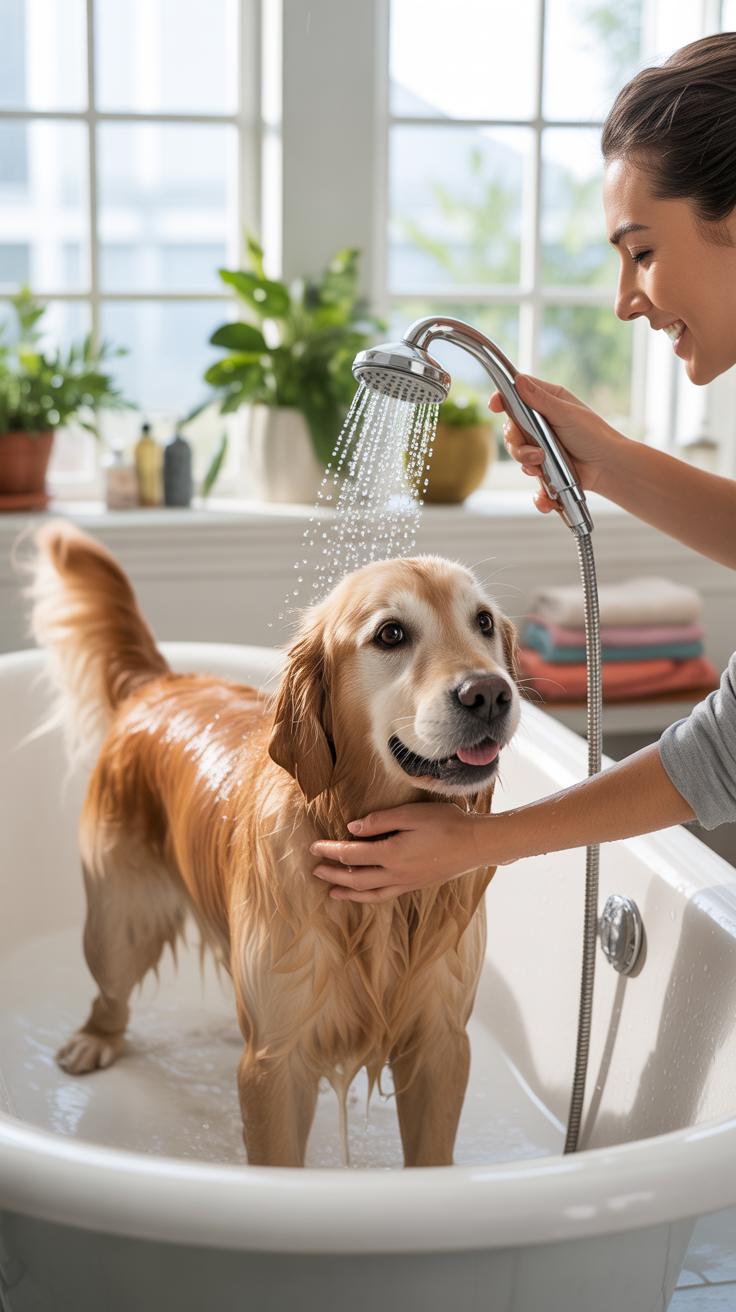
Standard shower heads focus on human comfort and wide spray patterns. They deliver water at high pressure meant for vertical rinsing. A dog shower head attachment uses specialized engineering to manage animal coats. These tools often feature long flexible hoses and ergonomic grips. This design allows you to bring the water source directly to the dog. You reach the underbelly and paws without splashing the entire room.
Precision control defines the mechanical difference between these tools. Many dog attachments include a thumb switch to pause water flow instantly. This feature prevents water waste while you scrub the fur with shampoo. Standard units lack this localized control. They also fail to offer the soft rubber nozzles found on pet versions. These nozzles penetrate thick double coats to remove trapped dirt and dander at the skin level.
The Real Benefits Of Using A Dedicated Dog Bath Shower Head At Home
Using a dedicated attachment reduces animal stress and physical strain on the owner. Traditional bathing methods involve loud splashing and unpredictable water temperature changes. A pet-specific spray head operates with lower decibel levels. This quiet operation keeps the dog calm during the process. You also avoid the back pain caused by lifting heavy buckets or bending over a tub for extended periods of time.
Efficiency saves money and time for the household. These attachments rinse thick fur faster than a standard cup or human shower head. Faster rinsing means less time spent in a wet environment. It also prevents skin irritation caused by leftover soap residue. You eliminate the need for professional groomer visits for basic cleaning. This tool turns a difficult chore into a fast and predictable maintenance task for any pet.
Types Of Dog Wash Shower Head Attachments Available On The Market
Handheld Sprayer Attachments Vs. Fixed Mount Dog Shower Head Options
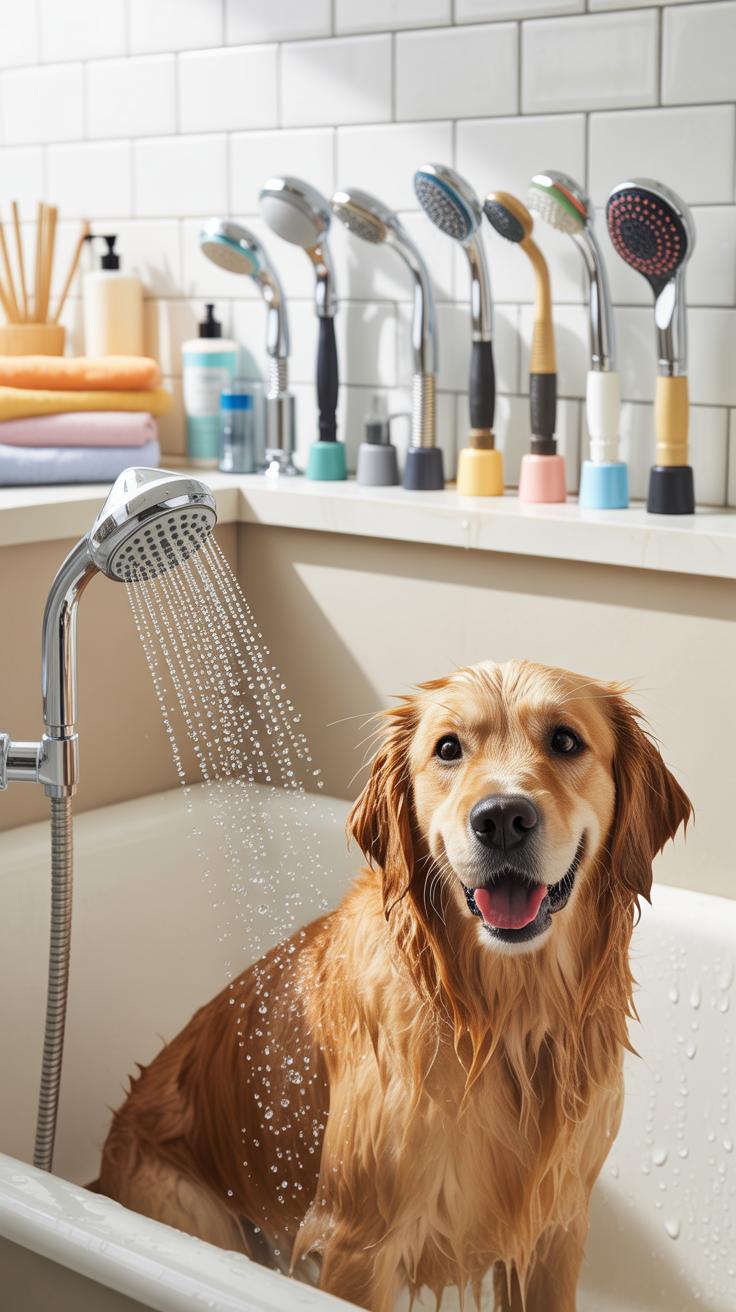
Handheld sprayer attachments provide the high level of control necessary for cleaning thick fur. These devices connect to your existing plumbing via a diverted valve or a slip-on rubber connector. You move the spray head directly to the dog. This mobility allows you to rinse the underbelly and paws without splashing water into the animal’s eyes or ears. Control remains the primary advantage.
Fixed mount dog shower heads offer less utility because they stay in one place. These units often mimic standard human shower heads but feature specialized spray patterns meant to penetrate fur. They lack the range of motion required for medium and large breeds. Most professionals avoid fixed mounts for pet grooming. You will spend more time moving the dog than cleaning it with this setup.
Hose Connected Dog Wash Shower Attachments For Outdoor And Indoor Use
Hose-connected attachments often use standardized threads to fit outdoor spigots or utility sinks. These systems feature reinforced tubing to handle higher water pressure and rough ground surfaces. Many designs include a palm-mounted brush that lets you scrub and rinse simultaneously. Use these for heavy mud or large dogs that cannot fit in a standard bathtub. They provide the most power for deep cleaning.

Indoor hose attachments typically utilize a quick-connect adapter on the sink faucet. This setup bridges the gap between a standard tap and a specialized grooming tool. You get the benefit of temperature control which is often missing from outdoor hoses. Ensure the hose length reaches the floor if you use a walk-in shower. Proper length prevents tension on the faucet and avoids leaks during the washing process.
Key Features To Look For When Choosing A Dog Wash Shower Attachment
Water Pressure Settings And Spray Modes That Matter For A Dog Bath
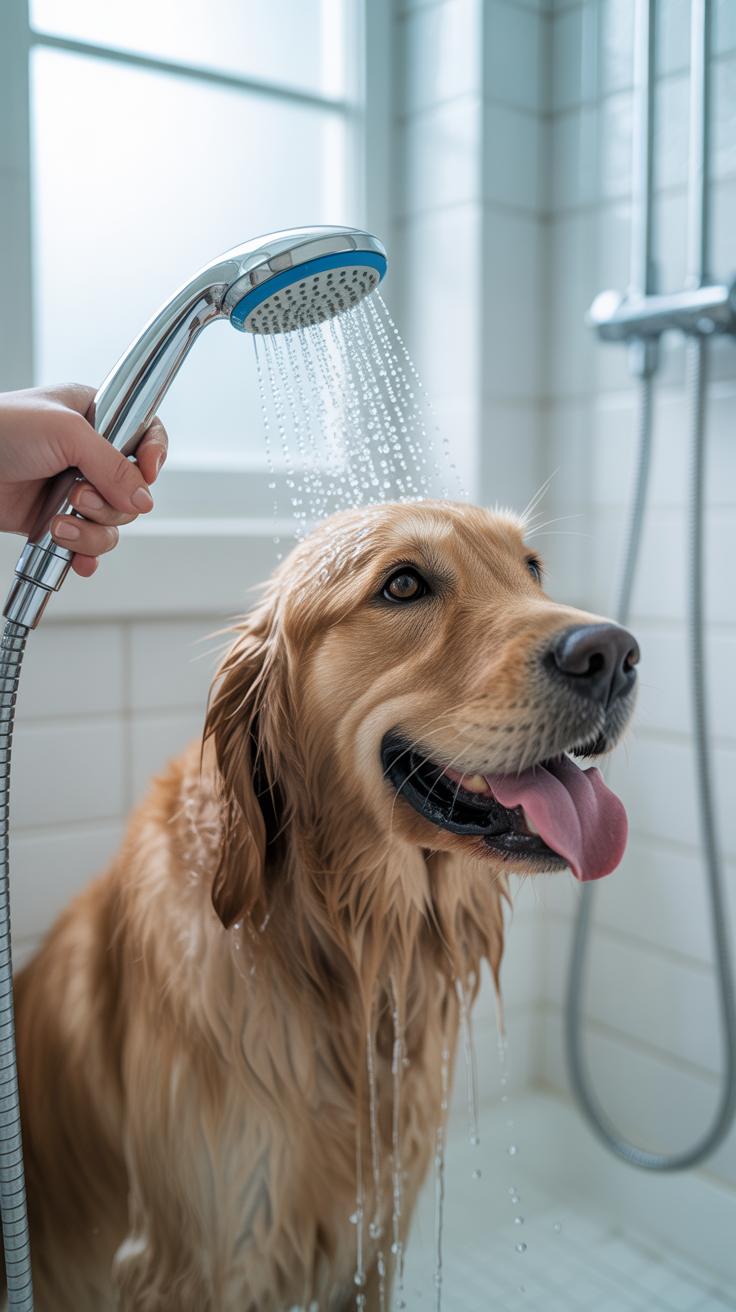
Specific spray patterns determine the efficiency of the wash. You need a high-pressure jet mode to penetrate thick double coats. This flow reaches the skin to break up trapped dirt and dander. A mist or wide-fan setting works better for sensitive areas like the face and paws. High pressure on sensitive spots causes stress. Switch modes to match the anatomy of the dog.
A pause button or flow control slider is a mandatory tactical feature. This allows you to stop the water without reaching for the main shower valves. You save water while lathering the coat. Keeping one hand on the dog ensures safety and control. Look for attachments that offer a rubberized spray face. These soft tips massage the skin and physically pull away loose hair.
The right tools turn a chore into a moment of connection, transforming a simple bath into a gentle expression of love. Finding the best shower head for your dog is about making them feel safe and cared for in your own home.
Hose Length, Connector Compatibility, And Build Material Durability
Standard shower hoses measure sixty inches. This length is often too short for larger breeds or deep tubs. Seek an attachment with an eight-foot or ten-foot stainless steel hose. Longer hoses provide the reach needed to wash the underbelly and tail without straining. Stainless steel resists kinks and leaks better than cheap plastic versions. Durability matters when a dog steps on the equipment.
Universal compatibility simplifies the installation process. Most North American showers use a standard half-inch NPT thread. Ensure the attachment includes a brass diverter valve for permanent setups. Brass resists corrosion and stripping better than plastic connectors. Check for rubber gaskets to prevent leaks at the connection points. High-quality materials prevent mid-bath failures. Solid construction keeps the tool functional for years of heavy use.
Top Rated Dog Shower Head Attachments Worth Considering In 2024
Best Dog Shower Head Attachments For Small And Medium Breeds
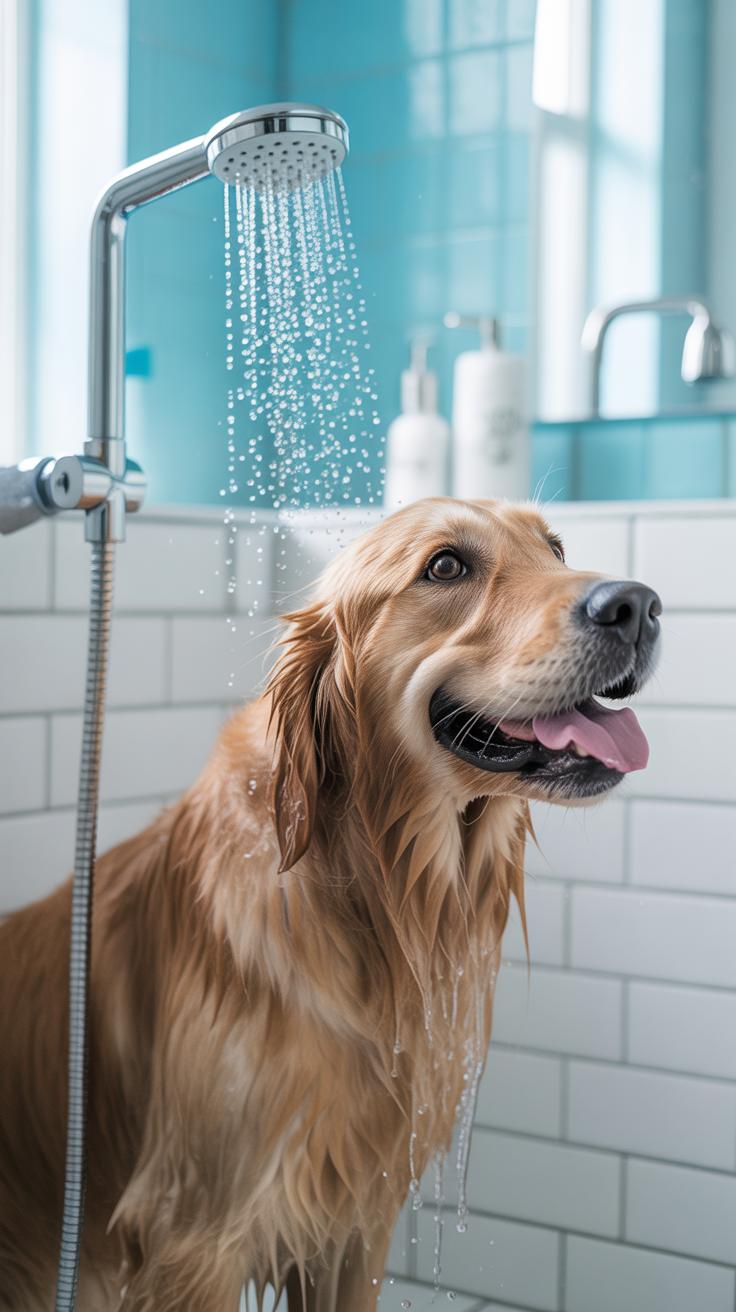
Small and medium breeds require precision water control rather than raw power. Most owners find that handheld wands with narrow spray patterns work best for these animals. These devices prevent water from entering the ears and eyes of smaller pets. You should look for attachments that offer a one-handed pause button. This feature allows you to maintain physical control of the dog.
Rubberized spray nozzles provide a dual function for shorter coats. They massage the skin while directing water through the fur. This mechanical action breaks up surface oils and lifts loose hair effectively. Choose a model with a flexible, lightweight hose. Heavy stainless steel hoses often knock into smaller dogs and cause stress. Plastic or reinforced nylon hoses offer better maneuverability in tight bathroom stalls or small tubs.
Best Dog Bath Shower Head Options For Large And Double Coated Breeds
Large breeds and double-coated dogs like Huskies or Labs demand high pressure. Standard shower heads fail to penetrate thick undercoats. You need a comb-style attachment that delivers water directly to the skin. These attachments use long tines to channel water through dense fur layers. This design ensures you rinse away all soap residue. Leftover shampoo causes skin irritation and hot spots on thick-coated breeds.

Select a heavy-duty attachment with 360-degree rotation. Large dogs require you to reach difficult angles under the belly and legs. Look for high-flow rate ratings to reduce total bath time. Faster saturation leads to faster rinsing and less water waste. Many professional-grade kits include adapters for garden hoses and indoor sinks. This versatility allows you to wash a large dog outdoors during warmer months to avoid indoor messes.
How To Install A Dog Shower Head Attachment In Your Bathroom Or Yard
Step By Step Guide To Connecting Your Dog Bath Shower Head To An Existing Faucet
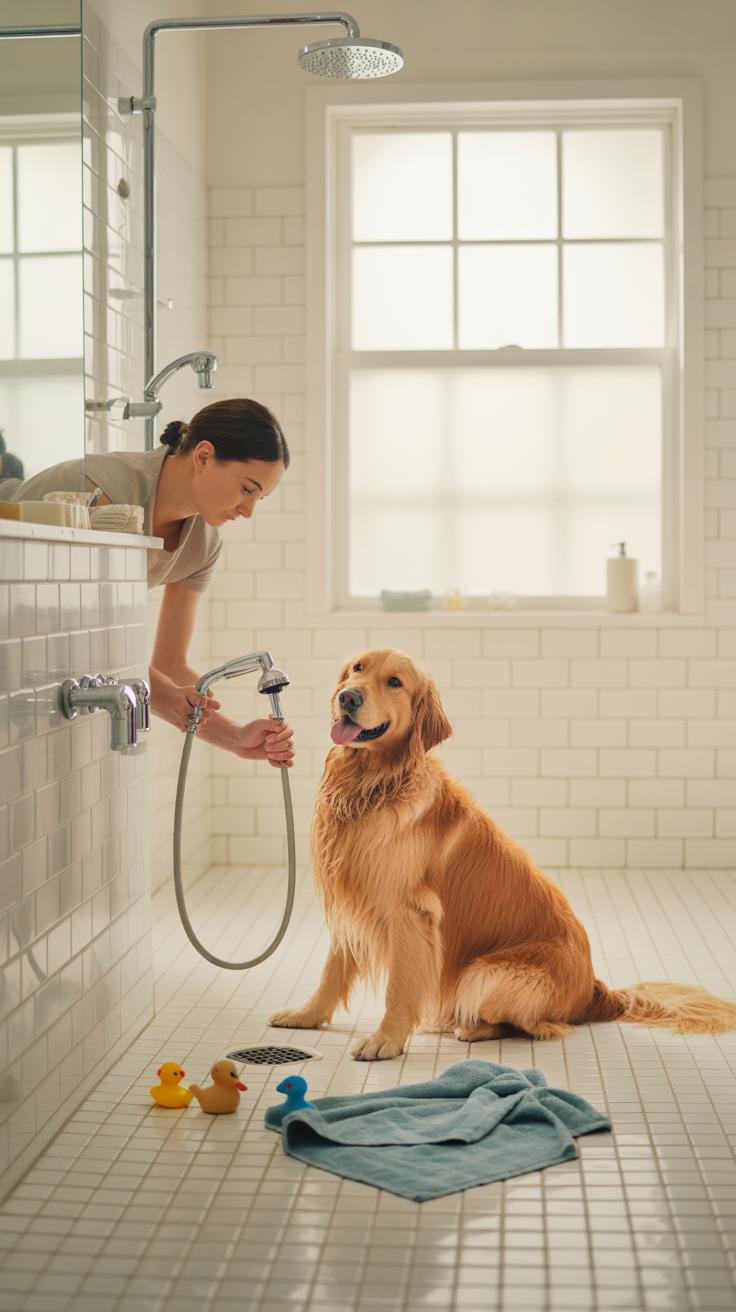
Installing a dog shower attachment requires a solid connection to your existing plumbing. Most indoor systems use a diverter valve that sits between the shower arm and the primary shower head. For outdoor setups, you will likely connect directly to a garden hose bib or a utility sink faucet. Use a wrench to ensure every connection is tight and secure.
- Pre-Installation Cleaning: Remove the existing shower head and scrub the threaded shower arm. Use a wire brush to clear away old mineral deposits or hardened plumber tape. A clean surface ensures the new diverter valve sits flush against the pipe and prevents immediate leaking at the junction.
- Apply Thread Tape: Wrap PTFE tape clockwise around the male threads of the shower arm and the diverter. Apply three to four layers to create a water-tight seal. High-quality tape fills the gaps between metal threads and prevents friction that can cause the metal to seize over time.
- Attach the Diverter: Screw the diverter valve onto the shower arm by hand first to avoid cross-threading. Use an adjustable wrench for the final half-turn. Do not over-tighten as this can crack the plastic housing or crush the internal rubber washers found in most modern dog wash kits.
- Install the Hose: Connect the flexible shower hose to the diverter outlet and the handheld sprayer. Ensure the rubber gaskets are present in both ends of the hose before tightening. These gaskets provide the primary seal and stop water from spraying out of the swivel joints during high-pressure use.
- Mount the Bracket: Secure the adhesive or suction cup wall mount at your dog’s shoulder height. This placement allows you to dock the sprayer quickly and keep your hands free. Make sure the surface is dry and free of soap scum before applying any adhesive mounts to the bathroom wall.
Turn the water on slowly to check your work. Watch for drips at each connection point while the sprayer is running. If you see water weeping from the threads, tighten the nut slightly or reapply the thread tape. Proper installation ensures consistent water pressure and prevents water damage to your drywall or tiles from hidden leaks behind the shower plate.
Common Installation Mistakes And How To Avoid Leaks Or Poor Water Flow
Many homeowners fail to inspect the internal rubber washers before assembly. These small components are the most frequent cause of leaks in dog wash systems. Physical debris or a twisted washer prevents a flush seal against the pipe. You must ensure the washer sits flat inside the hose nut. If the washer is missing, the metal-on-metal connection will leak regardless of how much tape you use.

Avoid over-tightening plastic components with metal tools. Heavy wrenches can easily snap the plastic threads found on budget-friendly attachments. Tighten these parts by hand until they are snug and then add a quarter-turn with a tool if necessary. Over-compressing the gaskets can also lead to restricted water flow. If the flow feels weak, check if you accidentally crushed the internal seal or kinked the flexible hose during the setup.
Efficient Dog Bath Tips For A Faster Calmer Washing Experience
How To Prepare Your Dog And Bathing Area Before Turning On The Water
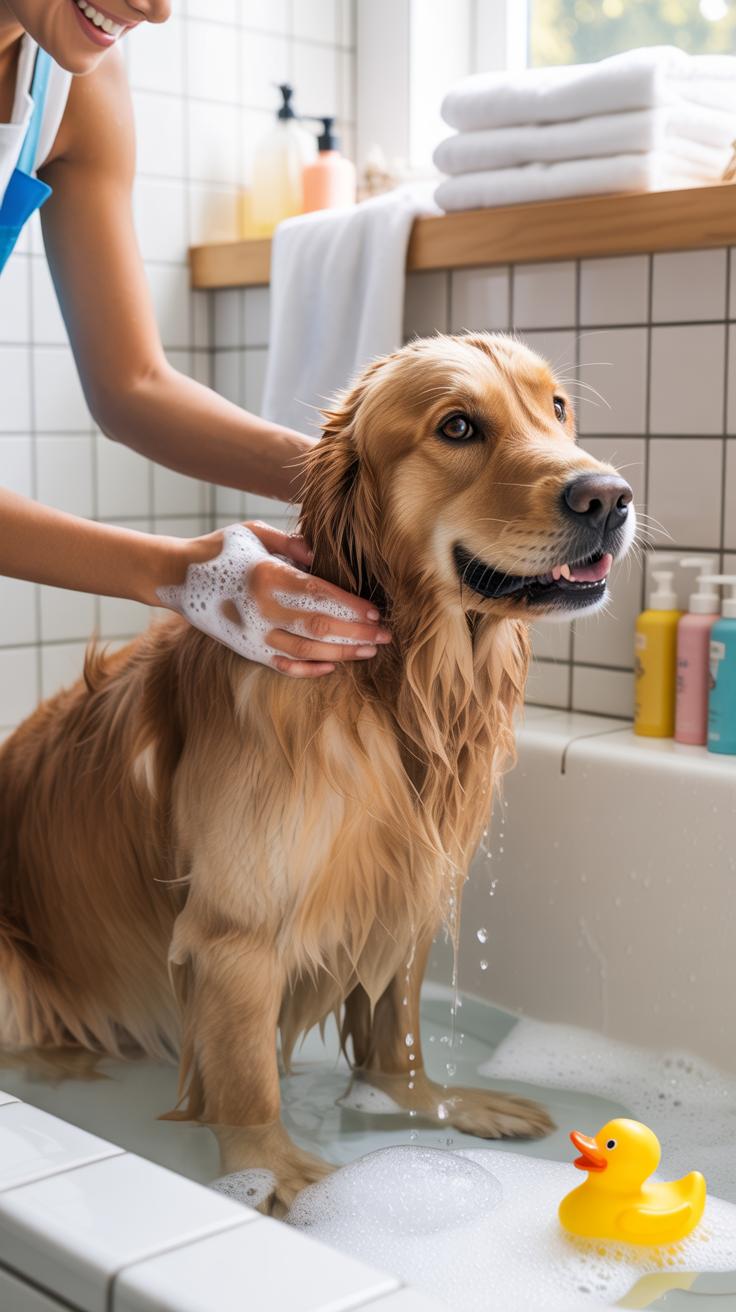
Preparation prevents panic and mess. Place a non-slip rubber mat in the tub or shower floor immediately. Dogs feel insecure on slick surfaces. This anxiety leads to struggling and potential injury. Gather all tools before bringing the dog into the room. You need your specialized shower attachment, shampoo, and at least two towels within arm’s reach. Distraction tools like lick mats also help.
Brush the dog thoroughly to remove loose fur and mats before applying water. Wetting knotted hair tightens the fibers and makes them impossible to remove later. This step also reduces the amount of hair clogging your drain. Check the water temperature on your wrist to ensure it is lukewarm. Hot water burns canine skin easily because it is thinner than human skin. Maintain a calm, assertive energy.
Efficient Dog Bath Tips For Rinsing Out Shampoo Completely Without Stress
Residual soap causes skin irritation and bacterial growth. Start rinsing at the neck and move toward the tail to push soap away from the eyes. Use the shower head on a low-pressure setting to keep the dog calm. Direct the water flow close to the skin to penetrate the undercoat. This technique ensures you reach the skin layer where dirt and oils accumulate.
- Pressure Control: Use a low-flow setting for the face and ears to prevent water from entering the ear canals. High pressure causes fear and discomfort in sensitive areas. Adjust the flow based on the specific body part you are cleaning.
- Contact Rinsing: Hold the shower head nozzle directly against the coat. This technique uses the water pressure to displace soap trapped deep within thick fur. It is more effective than spraying from a distance and reduces splashing in the bathroom.
- Ear Protection: Never spray water directly into the ear openings. This can lead to painful ear infections. Use a damp cloth for the inner ear flaps instead. Keep the dog’s head tilted downward while rinsing the neck and top of the head.
- Systematic Path: Move the attachment in a logical pattern from top to bottom and front to back. This prevents re-contaminating clean areas with soapy runoff. Follow the natural lay of the hair to ensure the water reaches the base of each follicle.
- Double Check: Feel the coat with your hands during the final rinse. If the hair feels slimy or slick, soap remains. Clean hair should feel slightly “squeaky” under your fingers. Pay extra attention to the armpits, belly, and between the paw pads.
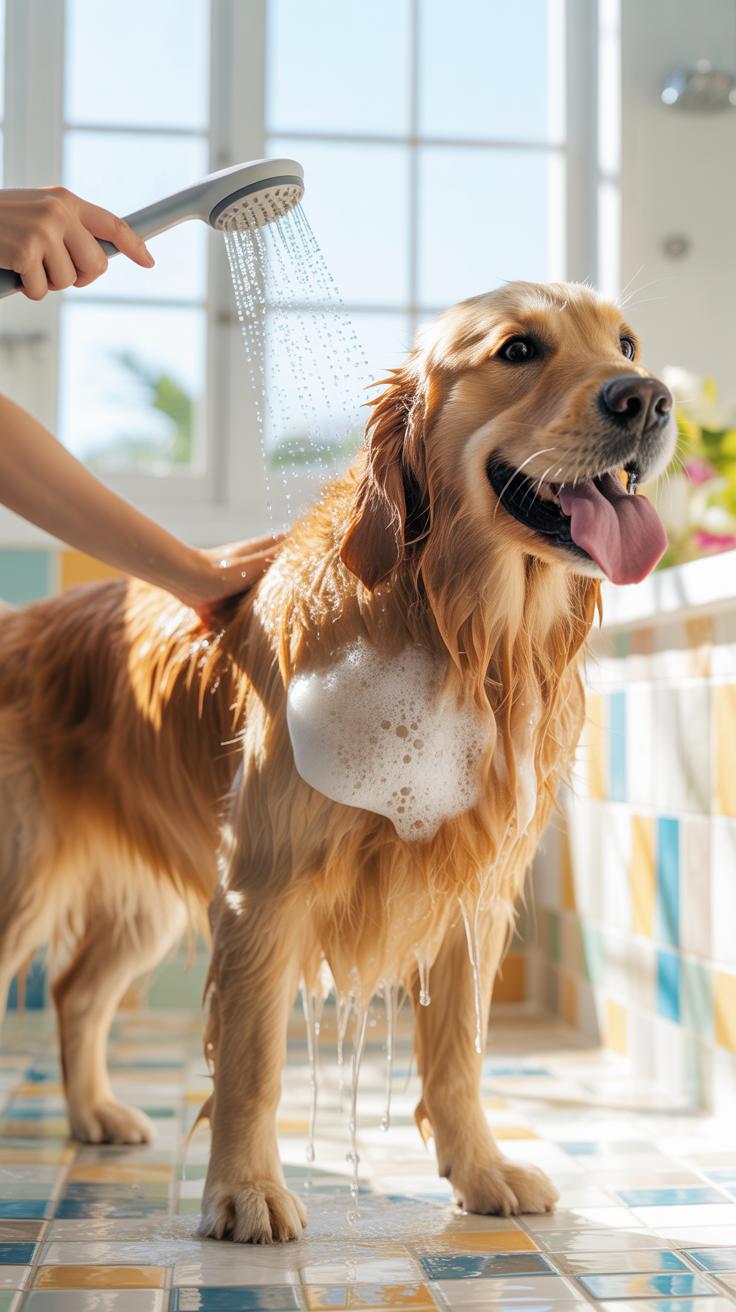
Hand-stripping the excess water from the coat before the dog exits the tub saves time. Use your hands to squeeze water out of the legs and tail in a downward motion. Place a towel over the dog’s back before they have a chance to shake. This containing move prevents water from covering your walls and mirrors. Efficient rinsing reduces drying time and prevents the damp dog smell.
The Dog Shower Brush Attachment Combining Scrubbing And Rinsing In One Tool
What A Dog Shower Brush Attachment Is And How It Works During A Dog Wash
A dog shower brush attachment integrates silicone or rubber bristles directly into the spray head. This design allows you to scrub the skin while water flows through the bristles. Most models feature a handheld wand shape with a flexible hose. You connect the hose to your existing shower arm or tub faucet. The tool provides constant water flow while you physically loosen dirt.
This attachment simplifies the washing process by removing the need to switch between a brush and a sprayer. You control the water pressure and the scrubbing intensity with one hand. The bristles penetrate the fur to reach the skin surface. This mechanical action ensures the shampoo reaches the base of the hair. It also helps to rinse out heavy soap suds more efficiently.
Which Coat Types Benefit Most From A Dog Shower Brush During Bathing
Double-coated breeds like Golden Retrievers or Huskies benefit most from these tools. Their thick undercoats often repel water, making it hard to saturate the skin. The bristles create channels for the water to bypass the topcoat. This ensures a deep clean that a standard spray cannot achieve. It also aids in the deshedding process by pulling loose hair away during the rinse.

Short-haired breeds with sensitive skin also gain advantages from soft silicone bristles. The brush provides a massage-like effect that stimulates blood flow without causing skin irritation. It helps remove dander and oils better than hand washing alone. Wire-haired breeds benefit because the brush can penetrate their stiff texture to dislodge trapped debris. Use this tool to improve hygiene for pets with dense or textured fur.
Using A Dog Shower Attachment Safely For Dogs With Sensitive Skin Or Anxiety
Choosing The Right Water Temperature And Pressure For A Gentle Dog Bath
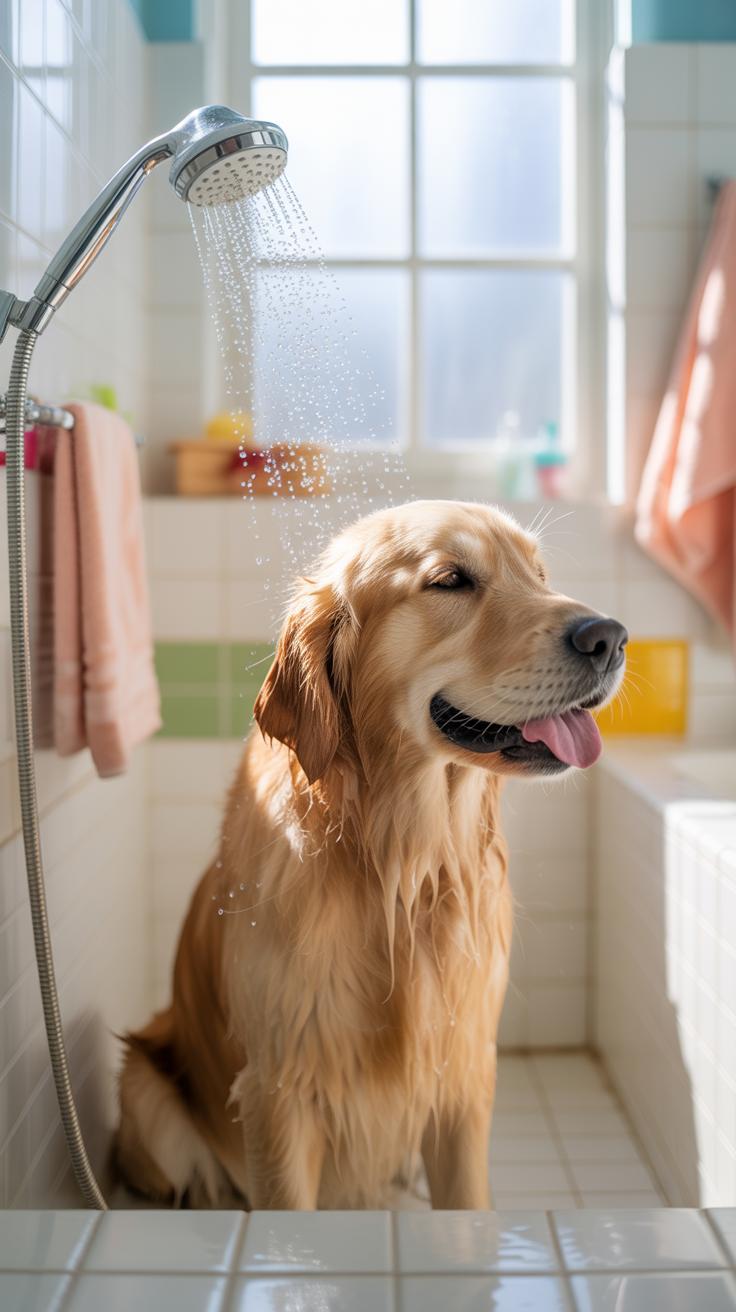
Maintain water temperature between 90 and 98 degrees Fahrenheit. Dogs have thinner skin than humans and burn easily. Use your inner wrist to test the heat before applying the stream to the dog. Elevated temperatures strip natural oils and cause immediate skin irritation. Consistency is vital for safety. Fluctuating temperatures startle the animal and increase the risk of thermal shock or physical injury during the bath.
Select an attachment with adjustable pressure settings. High pressure causes pain on sensitive skin and drives soap deep into the ear canals. Use a soft spray or aerated flow for the body and paws. Lower the flow rate when rinsing the head or underside. Gentle pressure ensures a thorough clean without causing inflammation. Controlled flow also prevents water from splashing into the eyes. Proper pressure management protects the skin barrier.
Techniques To Help Anxious Dogs Feel Comfortable During A Dog Shower
Introduce the attachment while the water is off. Let the dog sniff the tool to build familiarity. High-anxiety dogs fear the loud noise of rushing water hitting the tub floor. Minimize this sound by placing a towel on the bottom of the basin. Introduce the water flow at a very low volume. Start at the rear paws and move slowly toward the shoulders. This method prevents the dog from feeling trapped.

Keep your movements steady and predictable. Rapid motions trigger the startle reflex in nervous pets. Use a short hose to maintain close physical contact. This physical connection provides a sense of security during the process. Avoid spraying the face directly as this causes panic. Use a washcloth for the head instead. Clear communication and a calm environment reduce the heart rate. Success depends on a quiet and methodical approach.
How To Clean And Maintain Your Dog Wash Shower Head For Long Term Use
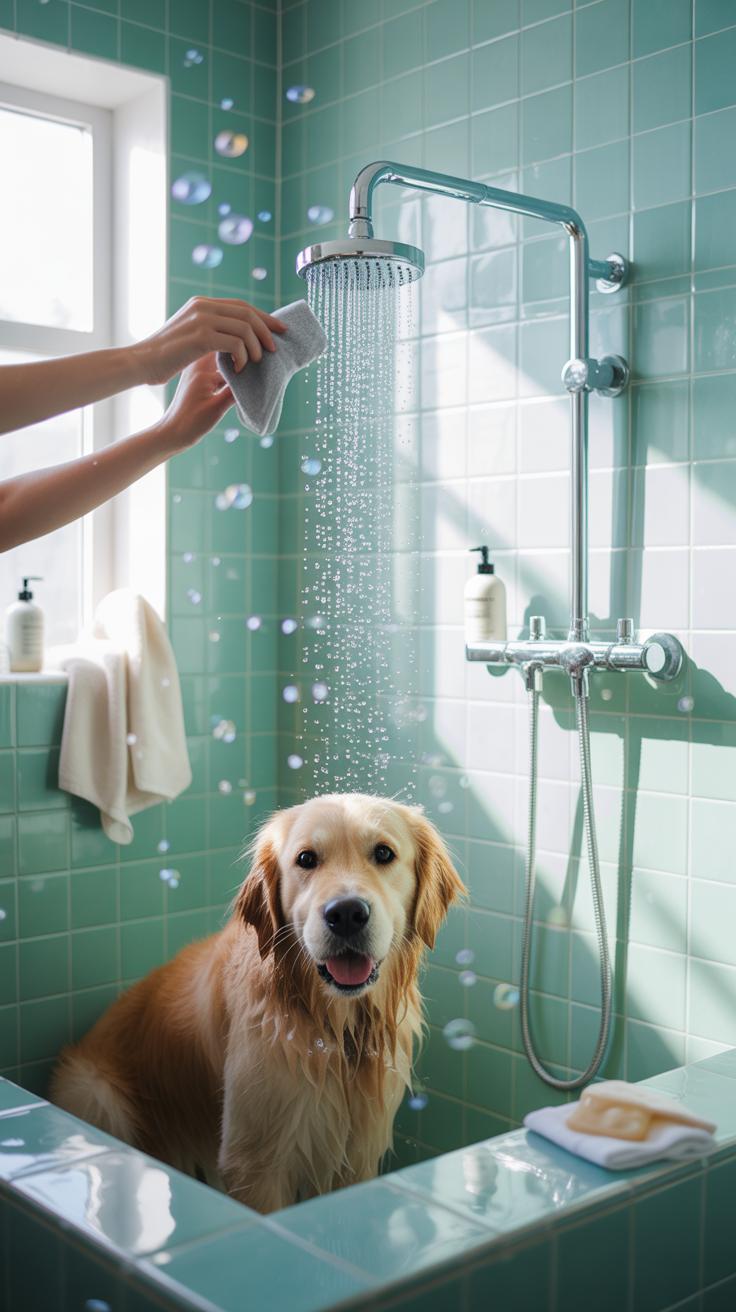
Removing Mineral Buildup And Pet Hair From Your Dog Shower Head Attachment
Hard water causes calcium and magnesium deposits to clog the nozzle spray holes over time. This buildup reduces water pressure and creates uneven flow patterns that scare nervous dogs. You must dissolve these minerals to maintain a steady stream. Submerge the shower head in a bag of white vinegar for at least six hours. This acidic solution breaks down the mineral scale without damaging the plastic or metal housing.
Pet hair often migrates into the coupling and handle during the washing process. This debris creates clogs and can lead to internal mold growth if left damp. Unscrew the unit from the hose after every three uses to check the inlet screen. Use a stiff nylon brush to scrub the rubber nozzles manually. Rinse the entire assembly with hot water to clear away loose fur and soap scum before storage.
When To Replace Your Dog Wash Shower Attachment And Signs Of Wear To Watch For
The internal seals in dog shower attachments eventually fail due to constant pressure changes. Look for leaks at the connection point or along the handle seam. A dripping unit wastes water and reduces the force needed to penetrate thick double coats. If the diverter valve sticks or fails to click into place, the internal mechanism is worn out. Replace the unit immediately to avoid sudden spray failures during a wash.
Plastic components become brittle from frequent exposure to hot water and cleaning chemicals. Inspect the hose and spray head for hairline cracks or discoloration every month. These cracks harbor bacteria and can snap under high water pressure. If the rubber nozzles have hardened or cracked, they will no longer provide a gentle massage. Purchase a new attachment when the physical integrity of the shell or the hose surface degrades.
Dog Shower Head Attachment Vs Professional Dog Wash Which Makes More Sense
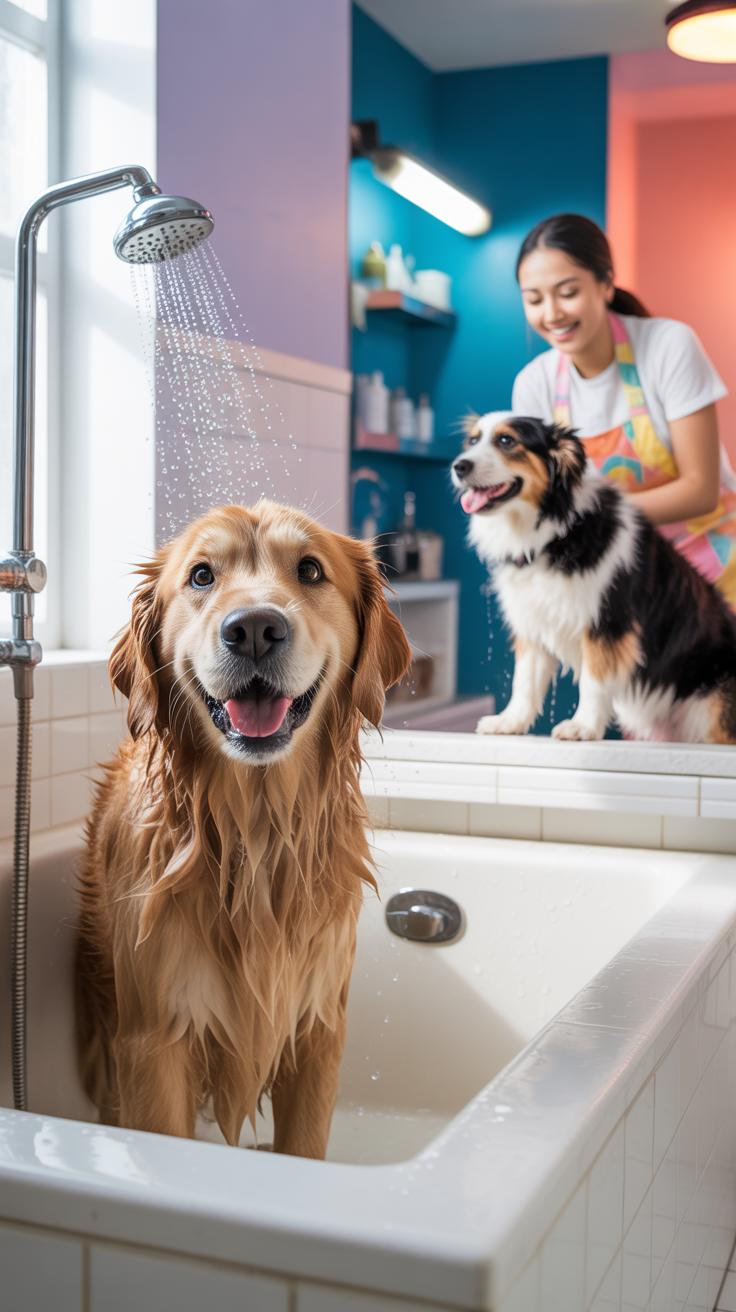
Breaking Down The Cost Comparison Between At Home Dog Wash And Grooming Salons
A quality dog shower head attachment requires a one-time investment between thirty and seventy dollars. Professional grooming sessions often cost sixty dollars or more for a single visit. Owners who wash their dogs twice a month save hundreds of dollars annually by switching to at-home solutions. The attachment pays for itself after just two uses. High-grade materials like stainless steel and brass ensure these tools last for several years of heavy use.
Professional salons charge for overhead, labor, and specialized insurance. These costs transfer directly to the consumer through service fees. Washing at home eliminates travel time and fuel expenses. You also avoid the premium prices charged for medicated shampoos or flea treatments at the groomer. Home bathing allows for precise control over water and utility usage. Tactical owners view the attachment as a long-term asset that reduces recurring service liabilities.
When A Professional Dog Bath Is Still The Better Choice Despite Having An Attachment
Professional grooming remains necessary for certain coat types and medical conditions. Double-coated breeds like Huskies or Golden Retrievers require high-velocity dryers to prevent hot spots. Home shower attachments lack the air pressure needed to remove thick undercoats effectively. Senior dogs with mobility issues often need the specialized lifting tables and restraints found in professional facilities. Safety becomes the priority when the dog cannot stand steady in a standard home bathtub.
Behavioral challenges also dictate the need for professional intervention. Aggressive or highly anxious dogs can injure themselves or their owners in a confined shower stall. Professionals use specific handling techniques to manage stress and prevent accidents during the bathing process. Additionally, certain breeds require technical clipping and ear cleaning that go beyond basic washing. Use your home attachment for routine maintenance but rely on experts for structural grooming and safety-critical tasks.
Frequently Asked Questions

Why should I consider using a specialized shower attachment for my dog?
Using a dedicated dog shower head attachment guide helps you realize that standard human shower heads often lack the control needed for pets. These specialized tools feature adjustable water pressure and targeted spray patterns that reach deep into thick fur. By using an attachment designed for canines, you create a more soothing, spa-like experience that reduces anxiety and makes the rinsing process significantly faster and more efficient for you both.
How do I properly install a dog shower attachment in my existing bathroom?
Most modern attachments are designed for simple DIY installation without needing a plumber. You typically unscrew your current shower head and insert a three-way diverter valve, which allows you to toggle between your regular shower and the pet hose. According to any reliable dog shower head attachment guide, checking for universal fittings and using plumber’s tape will ensure a leak-free connection, making it easy to wash your pup whenever needed.
Are there affordable options for those who don’t want a permanent installation?
Absolutely! If you are on a budget or renting your home, look for slip-on rubber connectors that fit directly over your bathtub faucet or shower arm. These portable, tool-free options provide a great way to wash your dog at home without making permanent changes to your plumbing. While less robust than fixed systems, they offer a highly accessible and cost-effective entry point for pet owners prioritizing convenience and value.