
Understanding King Snake Feeding Behavior In Reptile Care
How King Snakes Hunt And Feed In The Wild
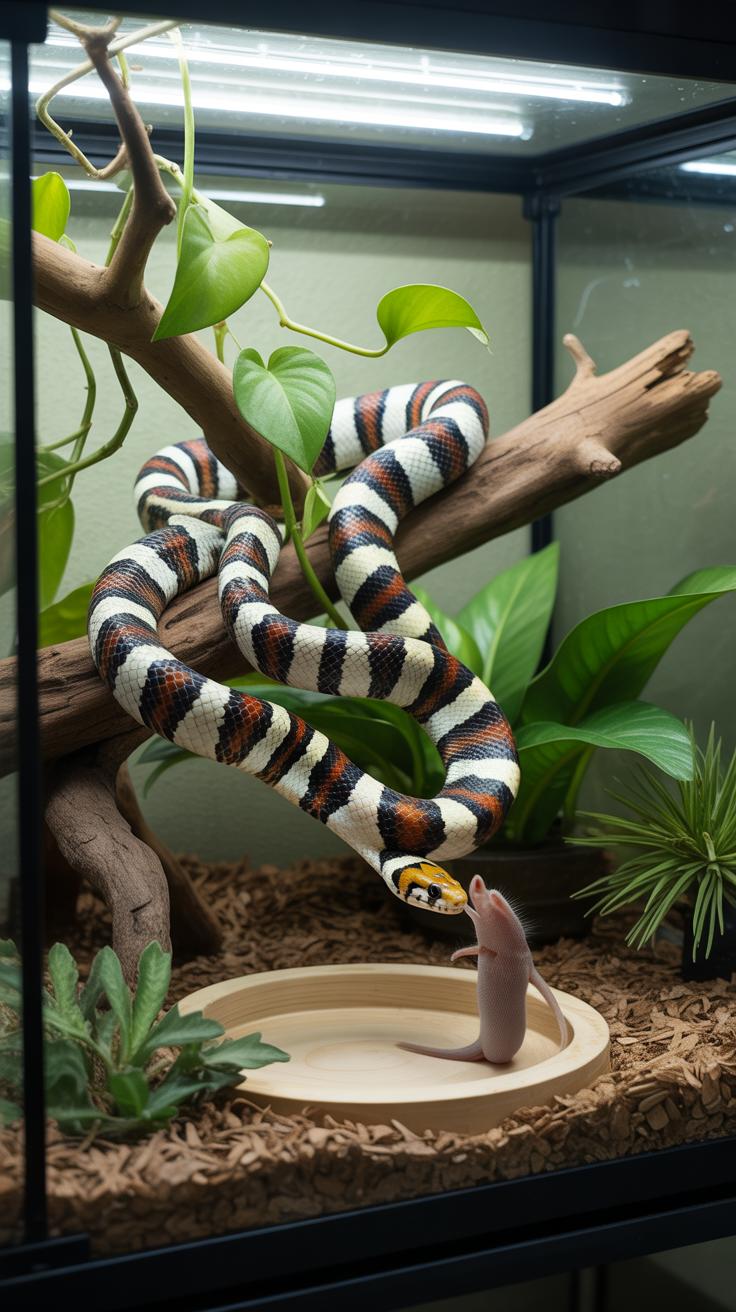
King snakes act as opportunistic predators in their natural habitats. They hunt primarily by scent and tongue flicking to locate prey. These snakes move through leaf litter and burrows to find rodents, birds, and lizards. Once they find a target, they strike quickly. They use powerful constriction to dispatch their prey. This method ensures the meal cannot fight back or cause injury during the hunt.
Their name comes from their ability to eat other snakes. They possess a natural immunity to the venom of pit vipers like rattlesnakes. This allows them to exploit a food source that other predators avoid. King snakes swallow prey head first to ensure a smooth passage down the throat. This behavior is efficient and reduces the risk of the snake choking on fur or feathers.
Why King Snake Feeding Patterns Differ From Other Pet Snakes
King snakes have a faster metabolism than many popular pet species like ball pythons. They require more frequent meals to maintain their energy levels. Owners often notice a frantic feeding response that signals a high drive to hunt. Unlike finicky eaters, king snakes rarely refuse food unless they are about to shed. This high activity level makes their feeding schedule critical for growth and health.
The diet of a king snake is more varied than typical rodent eaters. They are generalists that adapt to whatever protein is available. This dietary flexibility means they rarely experience the hunger strikes common in specialized species. Proper management involves matching this high drive with structured portions. Overfeeding is a risk because these snakes will eat almost anything offered. Consistent schedules prevent obesity while satisfying their natural biological urge to hunt.

The Core King Snake Feeding Schedule By Age And Size
Feeding Frequency For Hatchlings, Juveniles, And Adult King Snakes
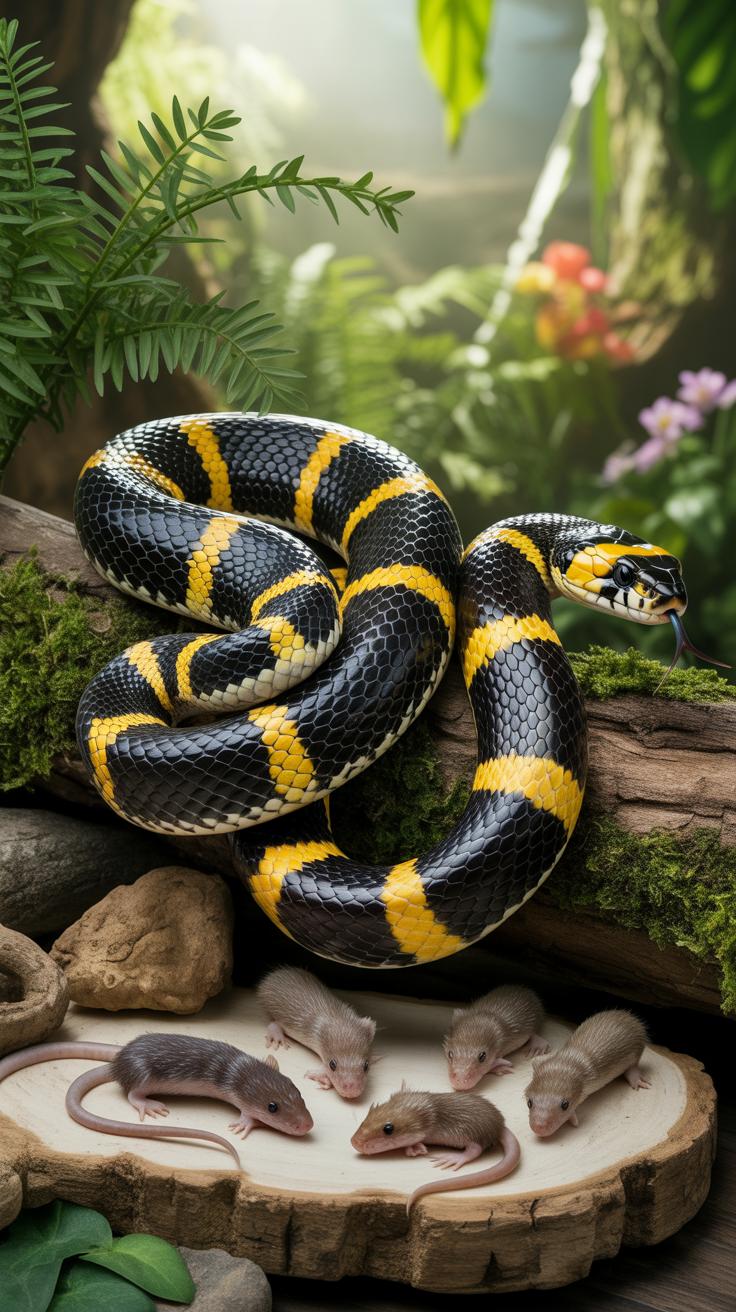
Hatchling king snakes require high energy for rapid growth. Feed them once every five to seven days. Their high metabolic rate burns through nutrients quickly. Use small pinky mice to match their developmental needs. Consistent feeding prevents stunted growth and reduces stress. Frequent meals establish a healthy digestive rhythm during this vital stage. Watch for the blue eye phase indicating a shed cycle.
Adult king snakes have slower metabolisms and need less frequent meals. Feed mature snakes once every ten to fourteen days. Overfeeding leads to obesity and internal organ strain. Monitor body condition to maintain a muscular shape. Do not feed during the shedding process to prevent regurgitation. Adjust the frequency based on the individual activity levels and seasonal changes of your specific snake.
How To Adjust Your Snake Feeding Chart As Your King Snake Grows
Transition your snake to larger prey as its girth increases. The prey item should be the same width as the widest part of the snake body. Move from pinkies to fuzzies and eventually to adult mice. Do not rely on age alone to determine schedule changes. Use the physical size of the animal to guide your decisions. Weight gain indicates when to stretch out the time.

Track every meal and shed in a log. Sudden growth spurts require a tighter feeding window. Large adults may only need one large meal every two weeks to stay healthy. Avoid feeding multiple small items if one large item fits. Larger prey provides more calcium from developed bones. Proper adjustments prevent common health issues like fatty liver disease. Always base the next meal on the previous digestion success.
Choosing The Right Prey Size For Your King Snake
How To Measure The Correct Prey To Body Ratio For King Snakes
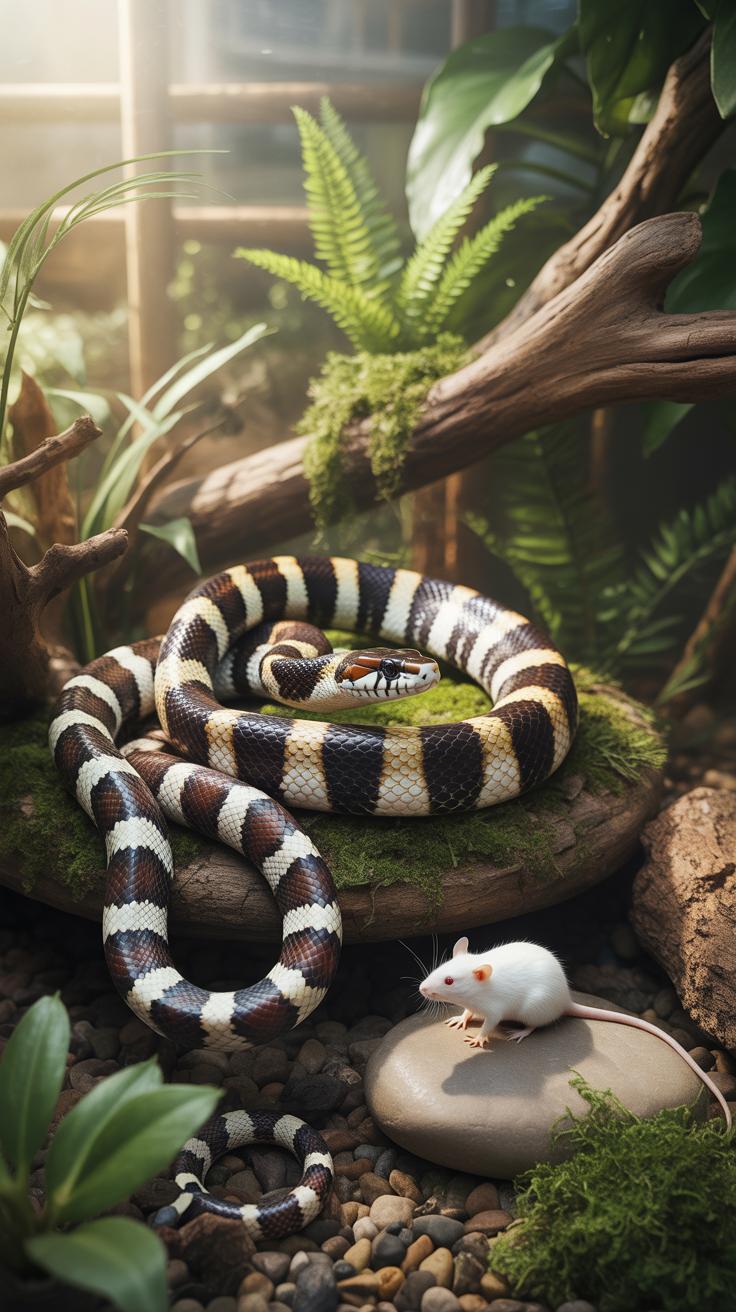
Select prey based on the widest part of your snake. The rodent should be the same diameter as the snake’s midsection or up to fifteen percent larger. Modern keepers often use the weight ratio method for higher precision. A hatchling requires a meal weighing ten percent of its body mass. This ratio ensures the snake receives enough nutrients without straining its jaw or digestive tract.
Eyeing the prey size is common but risky for beginners. Use a digital scale to track your king snake’s weight every month. Increase the prey size only when the snake grows wide enough to handle the next stage. A slight bulge should be visible after the snake swallows the meal. If the bulge disappears within twenty four hours, the prey was likely too small for the animal.
Prey Size Mistakes That Can Harm Your King Snake’S Digestion
Feeding prey that is too large causes immediate physical stress. The snake may regurgitate the meal if it cannot move it through the esophagus. Regurgitation burns the throat with stomach acid and dehydrates the snake quickly. You must wait two weeks before feeding again after a refusal or a purge. Internal injuries can occur if the snake tries to force down a meal that exceeds its physical limits.

Small meals are less dangerous but stop the snake from growing properly. Constant underfeeding leads to a weak immune system and stunted development. If the snake shows an intense hunting response immediately after eating, the meal size is insufficient. Balance is key to maintaining a healthy metabolism. Do not guestimate the size when the snake is in a shedding cycle. Scale the meal to the snake’s current physical state.
Frozen Vs Live Prey What Every King Snake Owner Should Know
Benefits Of Feeding Pre Killed Or Frozen Thawed Rodents To King Snakes
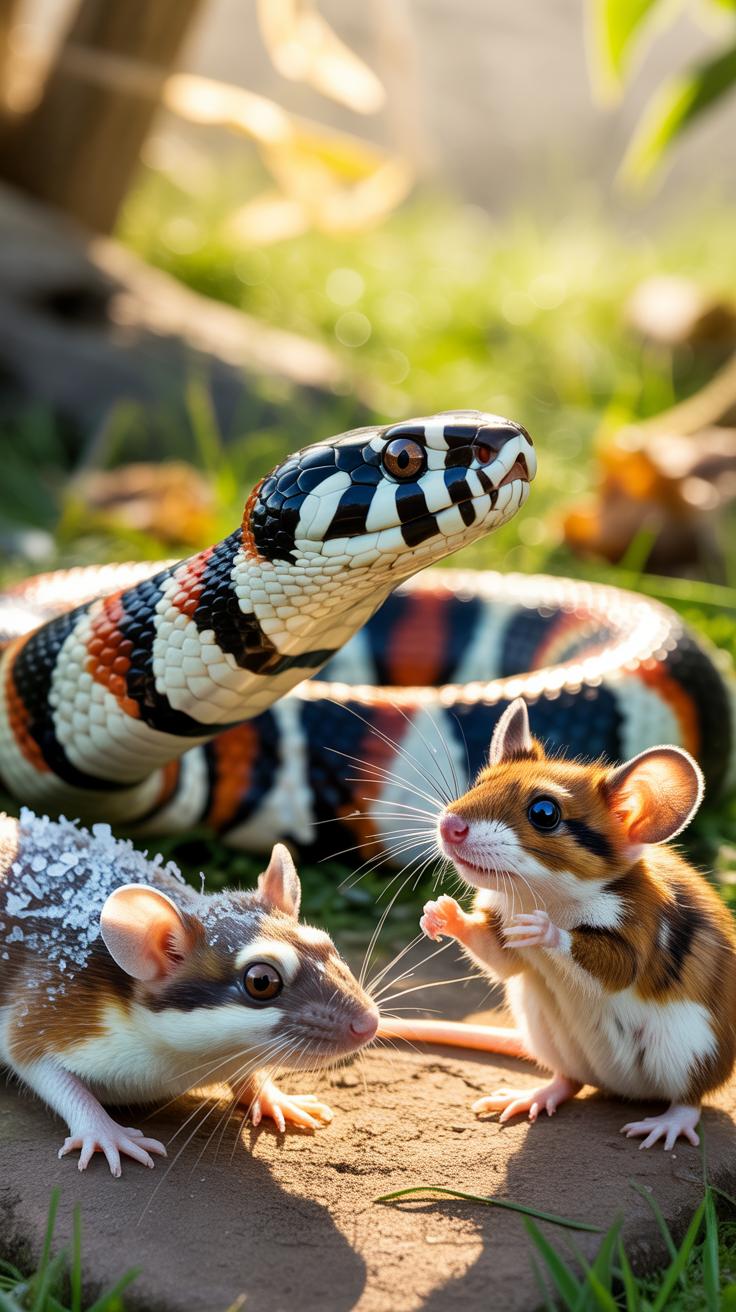
Frozen-thawed rodents eliminate the risk of injury to your king snake. Live mice fight back when attacked. They use sharp teeth and claws to bite the snake’s face or eyes. These wounds often lead to systemic infections or permanent blindness. Pre-killed prey ensures the snake remains safe during every meal. You preserve the health of your animal by removing the combat element.
Frozen prey is also more convenient and sanitary for the keeper. You can buy rodents in bulk and store them in a freezer. This method kills many external parasites that live on wild or pet store feeder animals. Tactical feeding requires a consistent supply of clean nutrition. Frozen-thawed rodents provide a stable and predictable diet. This approach reduces stress for both the owner and the snake.
Watching a young king snake grow through patient, steady feedings reminds us that nurturing life is a craft learned over time. True wisdom lies in honoring the natural rhythm of every meal, ensuring each step forward is just the right size for a flourishing future.
How To Transition A King Snake From Live To Frozen Prey
King snakes have high food drives but sometimes refuse non-living prey. You must trick their predatory instincts to trigger a strike. Use long feeding tongs to hold the thawed rodent. Move the prey item to mimic the erratic behavior of a living animal. This movement often stimulates the snake to bite and wrap the meal. Persistence is the key to a successful transition.
- Heat the Head: Use warm water or a hair dryer to raise the temperature of the rodent’s skull. Snakes use heat pits and chemical cues to locate the warmest part of their prey. A hot head provides a clear target for the initial strike.
- Scenting Techniques: Rub a frozen-thawed mouse against a live one or use reptile-safe scent markers. The smell of a familiar prey item overcomes the snake’s hesitation. You can also brain the rodent by exposing brain matter to create a stronger scent trail.
- Tongs Movement: Hold the prey by the tail or hips using feeding tongs. Twitch the rodent near the snake to simulate life. Sudden, jerky movements are more effective than slow ones. Do not shove the food directly into the snake’s face as this causes fear.
- Drop Feeding: Place the thawed rodent inside the enclosure and leave the room. Some king snakes are shy feeders and will only eat when they feel unobserved. Turn off the lights to give the snake a sense of security during the night.
- Container Feeding: Move the snake into a small, dark ventilated box with the prey item. The confined space forces the snake to acknowledge the food. This method limits distractions and focuses the animal entirely on the meal. Remove the snake once it finishes swallowing.

Avoid feeding your snake if it is in the shedding cycle. Blue eyes and dull skin indicate the snake is under stress. A shedding snake will likely refuse new food types. Wait until the shed is complete before attempting a transition. Monitor the snake’s weight throughout the process to ensure it stays healthy. Successful transitions take time but protect the snake’s long-term safety.
Comparing King Snake Feeding Schedules To Corn Snake And Milk Snake Care
King Snake Vs. Corn Snake Feeding Frequency And Prey Preferences
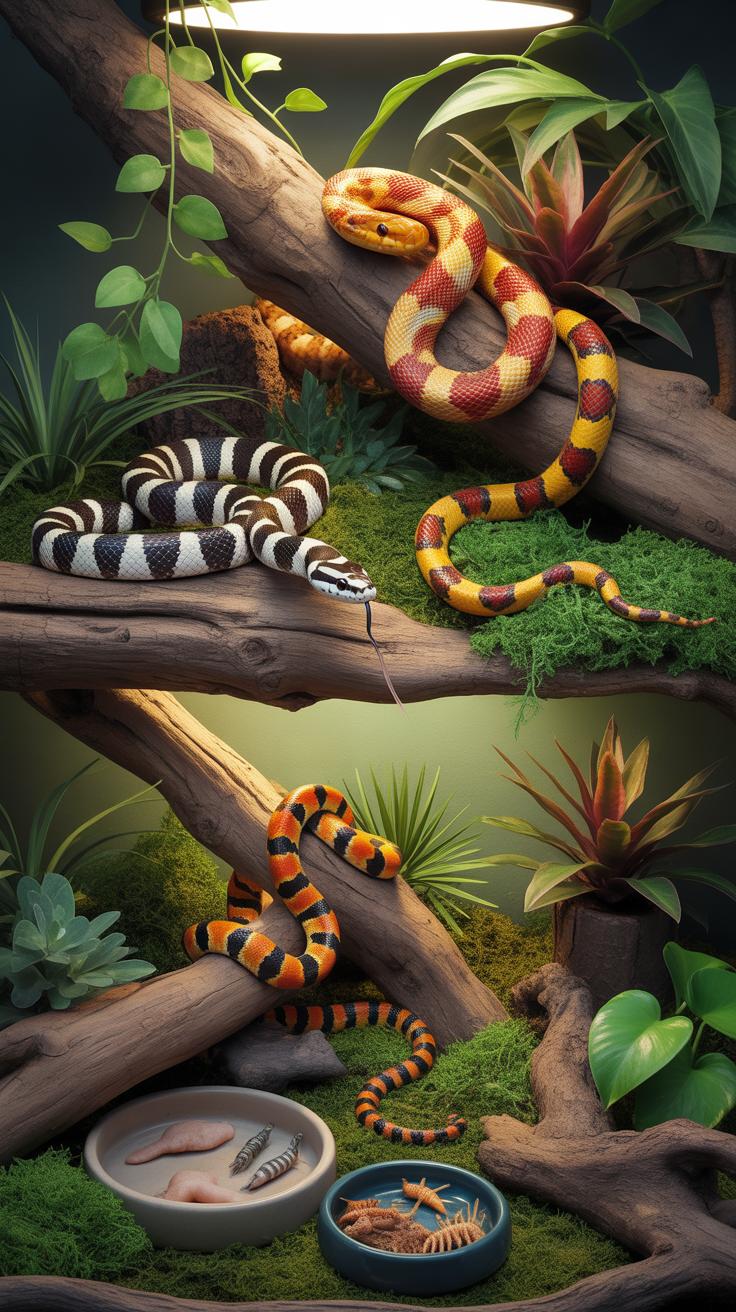
King snakes and corn snakes share similar metabolic rates as North American colubrids. You must feed juveniles of both species every five to seven days. Adult king snakes require food every seven to ten days to maintain health. Corn snakes follow a nearly identical timeline. Both species hunt rodents. King snakes differ because they also eat cold blooded prey like lizards.
King snakes possess a high feeding drive that often exceeds corn snakes. This drive makes them prone to obesity if you overfeed them. Corn snakes generally stop eating when they feel full. King snakes will continue to strike at food even after consuming a meal. You must control the king snake feeding schedule strictly. Do not rely on the snake to signal it is hungry.
What Milk Snake Care Teaches Us About Feeding Related Colubrid Species
Milk snakes belong to the same genus as king snakes. This biological link means many feeding rules overlap between the two. Both species utilize constriction to kill prey. They thrive on a diet of mice from birth through adulthood. Milk snakes often show more shyness than king snakes during mealtime. You should provide a dark space for milk snakes to eat safely.

The king snake feeding schedule mirrors the milk snake cycle. Juveniles demand high frequency to support rapid growth phases. Adults need fewer meals to avoid fatty liver disease. Observe the girth of your snake after it swallows the prey. The meal should create a small bulge that disappears within forty eight hours. This visual check works for both king snakes and milk snakes consistently.
Feeding Schedules Across Popular Pet Snakes Ball Python Care And Boa Feeding Chart Comparisons
How Ball Python Care Feeding Intervals Compare To King Snake Schedules
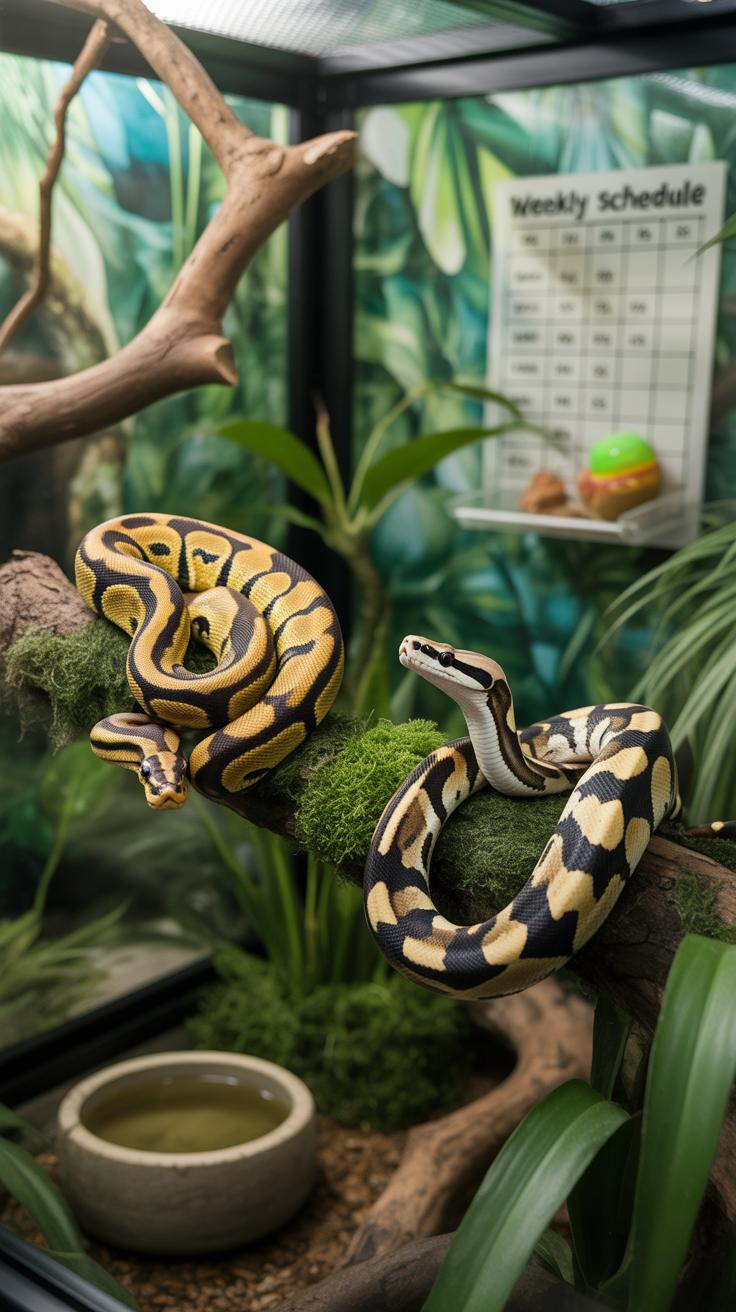
King snakes have faster metabolisms than ball pythons. You must feed young king snakes every five to seven days to support rapid growth. Adult king snakes require food every ten to fourteen days. Ball pythons are sedentary ambush predators with slower digestion. They often go on long hunger strikes. You should feed adult ball pythons every two to four weeks to prevent obesity and health issues.
Dietary consistency differs between these species. King snakes are opportunistic hunters and rarely refuse a meal. This makes their schedule predictable for owners. Ball pythons are notorious for being finicky eaters. Temperature and humidity changes trigger their refusal to eat. You must monitor ball python body condition more closely than king snakes. Overfeeding a ball python leads to lethargy and internal fat deposits quickly.
What A Boa Feeding Chart Reveals About Scaling Prey Size Over Time
Boas grow much larger than king snakes and require a different scaling strategy. Standard boa feeding charts prioritize slow growth to ensure a long lifespan. You start neonates on small mice but transition to rats as they mature. Boas need larger prey but less frequent intervals as they age. An adult boa may only eat once every four weeks. This prevents power growing which damages their organs.

King snakes require prey that creates a slight bulge in their midsection. You scale their meal size based on girth rather than weight alone. Boas have a higher risk of regurgitation if the prey is too large. You must wait for the boa to defecate before offering the next meal. King snakes process food faster and do not require such long gaps. Always match the prey width to the widest part of the snake.
Setting Up The Right Snake Enclosure For Stress Free Feeding
How Temperature And Humidity Inside The Snake Enclosure Affect Appetite
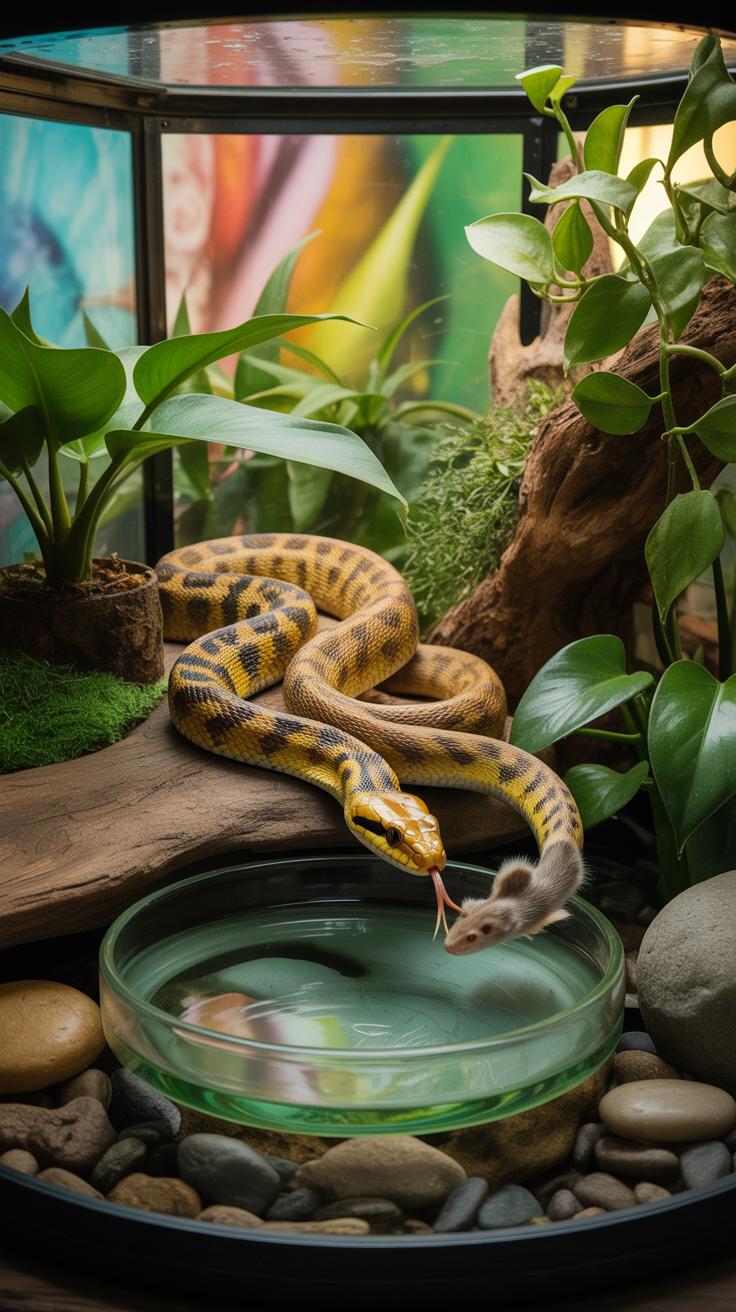
King snakes are ectotherms and rely on external heat for digestion. Without a proper thermal gradient, their metabolism slows down significantly. You must maintain a warm side between 82 and 85 degrees Fahrenheit. Low temperatures cause food to rot in the stomach before the snake can process it. This leads to regurgitation and long term health problems. Always check your thermostat settings before offering prey.
Humidity levels also dictate strike success and respiratory health. Keep the enclosure between 40 and 60 percent humidity to ensure the snake stays hydrated. Dehydrated snakes often refuse food because they cannot produce enough saliva to swallow prey. Use digital hygrometers to track these levels daily. Consistent environmental cycles tell the snake it is safe to eat. Correct parameters prevent the stress that causes most feeding strikes.
Best Practices For Feeding King Snakes Inside Or Outside Their Enclosure
Feeding inside the enclosure is the most efficient method for reducing stress. Moving a snake after it eats can trigger a defensive regurgitation response. This happens because the snake feels vulnerable while heavy with food. Use tongs to present the prey and simulate movement. This keeps your hands away from the strike zone. Indoor feeding builds a positive association with the habitat and simplifies the entire process.
- Tongs and Tools: Use long feeding tongs to offer thawed rodents. This prevents the snake from associating your hand heat with food. It also protects you from accidental bites during a high intensity feeding response.
- Substrate Considerations: Feed your snake on a flat rock or plastic deli lid if using loose substrate. This prevents the snake from swallowing wood chips or sand. Ingesting substrate causes impaction and expensive veterinary visits.
- Minimal Handling: Avoid touching the snake for 48 hours after it consumes its meal. Physical pressure on the midsection disrupts the digestive process. High stress levels immediately after a meal often lead to the snake ejecting its food.
- Scent Management: Wash your hands thoroughly before and after handling prey items. If you smell like a rodent, the king snake may mistake your fingers for food. This is the primary cause of feeding related bites in captive snakes.
- Low Traffic Areas: Place the enclosure in a quiet part of the home. Heavy foot traffic or loud noises can startle a king snake while it is eating. A calm environment ensures the snake completes the swallow without feeling threatened.

Separate feeding tubs were popular in the past but are now considered unnecessary. Every move creates a baseline level of stress for the animal. Feeding in the primary enclosure mimics natural behavior where snakes hunt in their own territory. Ensure the lid is secure after feeding because active metabolisms often lead to escape attempts. Use these tactical steps to maintain a consistent and healthy king snake feeding schedule.
Troubleshooting Common King Snake Feeding Problems
Why Your King Snake Is Refusing Food And How To Respond
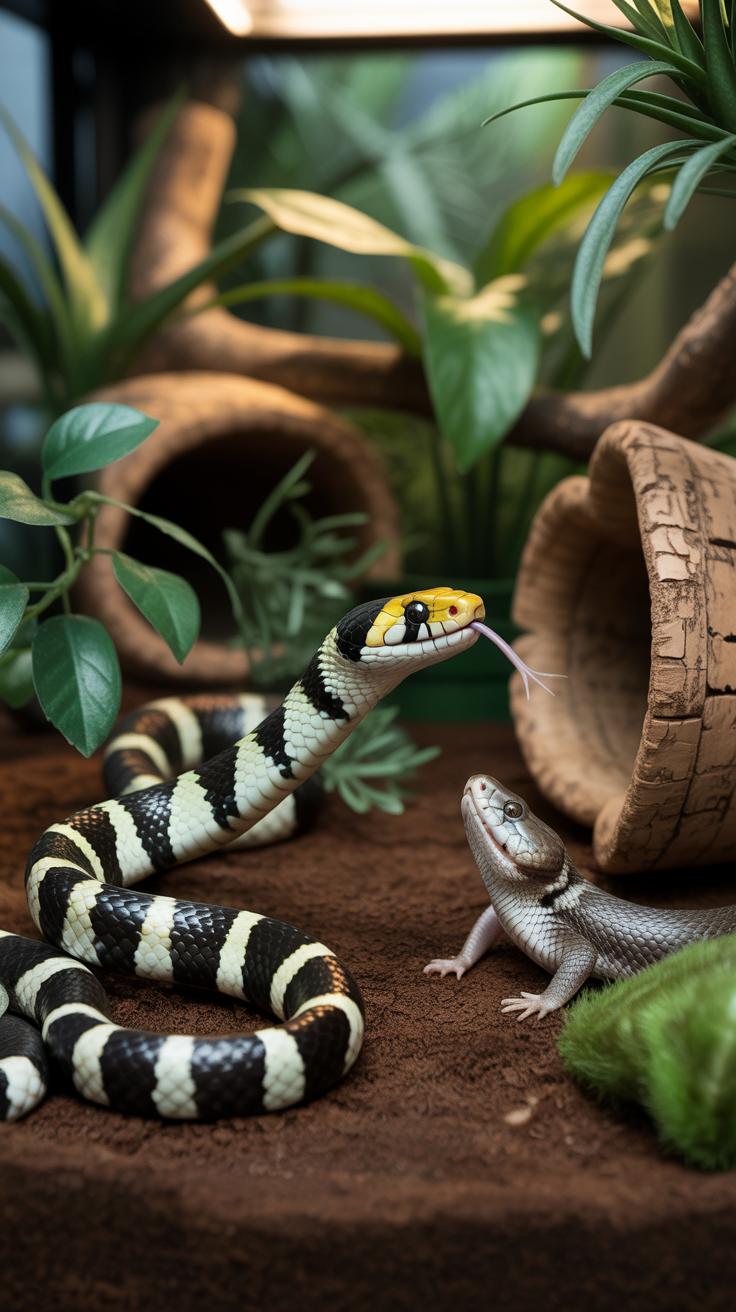
King snakes typically possess strong feeding drives. Refusal usually signals an environmental or physiological issue. Check the enclosure temperatures immediately. Low heat halts digestion and kills the appetite. Stress from overhandling or high foot traffic also shuts down feeding. Most king snakes stop eating during the ecdysis cycle. Look for cloudy eyes or dull skin. These signs indicate your snake will likely eat after it sheds.
Do not panic if a healthy snake misses one meal. Offer food again in seven days. Check your husbandry parameters with a digital thermometer. Ensure the hide boxes provide total security. If the snake remains active and maintains weight, the hunger strike is often temporary. Use tongs to wiggle the prey to trigger a strike. Avoid handling the snake for forty eight hours after a refusal to lower stress levels.
Signs Of Overfeeding And Underfeeding In King Snakes To Watch For
Overfeeding leads to obesity and internal organ strain. Look for scale spreading where the skin is visible between scales. An overweight king snake looks round or sausage like instead of a soft triangle shape. Fat deposits near the vent indicate the snake needs a leaner schedule. Reduce prey size or increase the time between feedings. Rapid growth from power feeding shortens the lifespan of the animal significantly.

Underfeeding shows through visible spinal ridges and loose skin. A starving king snake lacks muscle tone and appears skeletal. You should not see the ribs or spine prominently when the snake moves. Increase the prey size if the snake displays constant hunting behavior after eating. Maintain a steady growth rate rather than a fast one. Consistent body weight checks ensure the snake stays within a healthy and functional range.
Frequently Asked Questions

How often should I feed my new king snake?
For beginners, establishing a consistent king snake feeding schedule depends largely on the age of your pet. Hatchlings and juveniles are growing rapidly and typically require a meal every 5 to 7 days. As they mature into adults, their metabolism slows down, allowing you to stretch feedings to once every 10 to 14 days. Always monitor your snake’s body condition to ensure the frequency keeps them healthy without causing obesity.
How do I determine the correct prey size for my king snake?
Selecting the right meal size involves measuring the widest part of your snake’s body. The prey should be approximately the same width as the snake’s midsection, or no more than 1.5 times larger. Following a proper king snake feeding schedule with appropriately sized rodents ensures your snake can swallow and digest comfortably. If the item is too large, it may cause regurgitation or physical trauma, which can lead to serious health issues.
Is it more cost-effective to buy frozen prey in bulk or fresh from a shop?
Buying frozen mice or rats in bulk online is significantly more budget-friendly than purchasing individual feeders from a local pet store. Since king snakes are opportunistic eaters, stocking up allows you to maintain a steady routine without frequent trips to the shop. Frozen prey is also safer as it eliminates the risk of live prey injuring your snake and can be stored easily in your freezer for several months at a time.