Understanding Why Soaking Is Essential To Tortoise Care

How Tortoises Absorb Water Through Their Skin And Cloaca
Tortoises do not rely only on their mouths to stay hydrated. They utilize a specialized opening called the cloaca located at the base of the tail. When submerged in shallow water, the tortoise draws liquid into this opening. This process allows the animal to rehydrate its internal systems quickly. Routine soaking ensures the tortoise maintains proper fluid balance without relying solely on food moisture.
The skin of a tortoise also plays a minor role in hydration management. While their scales are thick, they help prevent water loss into the environment. Soaking softens the skin and helps with the shedding process. Constant access to shallow water mimics natural puddles found in the wild. This tactical approach to hydration keeps the organs functioning and supports the natural metabolic processes of the reptile.
The Risks Of Dehydration In Tortoises And How Soaking Prevents Them
Dehydration leads to severe health failures in captive tortoises. Lack of water causes uric acid to build up in the bladder. This buildup forms painful bladder stones that require surgery to remove. Chronic dehydration also damages the kidneys over time. Regular soaking forces the tortoise to expel waste and urates. This routine clearing of the system prevents toxic mineral accumulation and ensures long-term survival.
External symptoms of dehydration include sunken eyes and lethargy. In young tortoises, low humidity and lack of soaking cause shell pyramiding. This permanent deformity weakens the structure of the shell. A strict soaking routine prevents these physical issues before they start. It keeps the respiratory system moist and healthy. Providing consistent hydration through baths is the most effective way to eliminate these common captive health risks.

How Often You Should Soak Your Tortoise Based On Species And Age
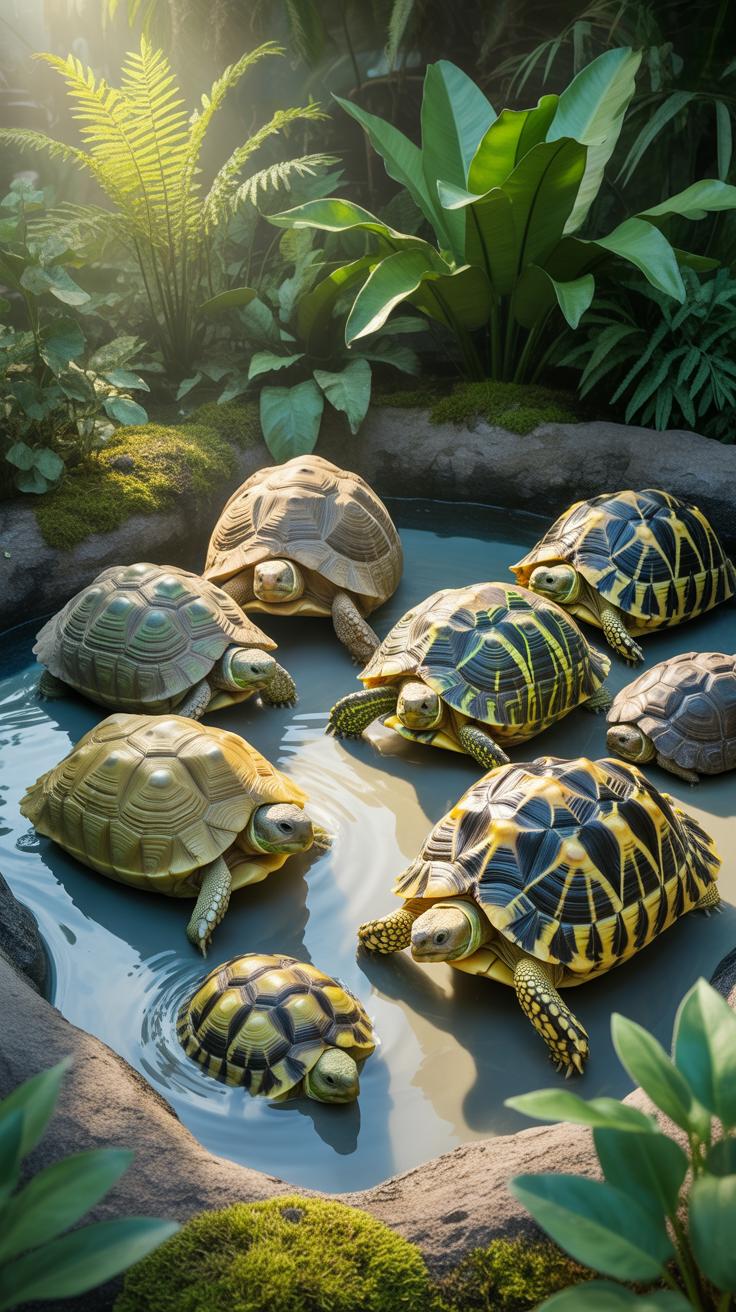
Soaking Frequency For A Baby Tortoise Versus An Adult Tortoise
Hatchling and juvenile tortoises lose moisture quickly due to their high surface area to volume ratio. Their shells are still permeable and haven’t fully hardened yet. You must soak a baby tortoise daily for fifteen to twenty minutes. This consistent schedule prevents dehydration and promotes smooth shell growth. Failure to maintain this routine leads to kidney failure or pyramiding very early in life.
Adult tortoises have thicker skin and denser shells that retain water more effectively. You should scale their soaking routine back to two or three times per week. Most healthy adults can maintain hydration through their diet if you provide wet greens. Monitor their urates specifically for a chalky texture. If the discharge becomes thick or gritty you must increase the frequency of their bath sessions immediately.
Adjusting Your Tortoise Soaking Bath Routine By Climate And Enclosure Humidity
Environmental factors dictate how fast your tortoise loses internal fluids. If you live in a dry climate or use high heat lamps you must soak them more often. Arid environments strip moisture from the skin and respiratory tract. Forced air heating in winter also drops indoor humidity levels significantly. Increase bath frequency during these periods to counteract the dry air that affects your tortoise.

Enclosure setup also dictates your daily strategy. Tortoises in open topped tables lose moisture faster than those in closed chambers. Plastic tubs and sealed terrariums hold humidity better and reduce the need for daily soaking in adults. Always check the substrate moisture levels daily. If the soil is bone dry your tortoise is likely struggling. Adjust your soaking schedule to match these specific environmental conditions to prevent long term health issues.
Step By Step Guide To Setting Up The Ideal Tortoise Soaking Bath Routine

What You Need To Prepare Before Every Soak Session
Preparation prevents stress for the animal and ensures efficiency. You must gather all equipment before removing the tortoise from its enclosure. Sudden temperature shifts or interruptions compromise the hydration process. Use a dedicated basin to prevent the spread of pathogens like Salmonella. A clean workspace allows you to focus on the tortoise’s behavior and physical condition during the entire procedure.
- Dedicated Soaking Basin: Use a plastic tub with high sides. This container must be separate from any bins used for food or human hygiene. Smooth surfaces prevent the tortoise from climbing out while allowing for easy sterilization after the session concludes.
- Digital Thermometer: Accuracy is vital for safety. An infrared temp gun or a digital probe thermometer ensures the water stays within the safe range. Do not rely on your hand to judge heat. Incorrect temperatures can lead to thermal shock or digestive shutdown.
- Warm Water Source: Access to clean filtered water is necessary. Chlorinated tap water is generally acceptable for soaking but must be at the correct temperature before the animal enters the basin. Stable water chemistry prevents skin irritation and supports overall shell health.
- Soft Bristle Brush: A soft toothbrush helps remove stubborn dirt or fecal matter from the shell. Cleaning the scutes allows for better observation of the growth plates. Ensure the brush is used gently to avoid damaging the keratin layer of the carapace.
- Absorbent Drying Towels: Keep clean towels nearby to dry the tortoise immediately after the soak. Evaporative cooling can drop the animal’s body temperature too quickly once it leaves the water. Immediate drying prevents respiratory infections caused by sudden chilling in room air.
Clean the basin thoroughly after every use. Cross-contamination poses a risk to both the reptile and the keeper. Disinfect the area with a reptile-safe solution or a mild bleach dilution. Dry all tools before storage to prevent bacterial growth. Discipline in preparation ensures the tortoise remains healthy and the soaking routine stays effective over the long term.
The Correct Water Depth, Temperature, And Duration For A Safe Soak
Water depth must remain shallow to prevent accidental drowning. Fill the basin until the water reaches the bridge where the plastron meets the carapace. The tortoise must be able to keep its head above the surface easily while standing. Young hatchlings require more frequent monitoring as they can flip over quickly. Shallow water allows the tortoise to drink through its mouth and hydrate through its cloaca.

Maintain water temperature between 85 and 95 degrees Fahrenheit. Water that is too cold will slow the metabolism and potentially cause illness. Water that is too hot can burn the skin or cause heat stress. Soak the tortoise for 15 to 30 minutes to allow for full hydration and bowel movements. Empty the water immediately if the tortoise defecates to maintain a sanitary environment throughout.
Soaking Tips Specific To The Sulcata Tortoise
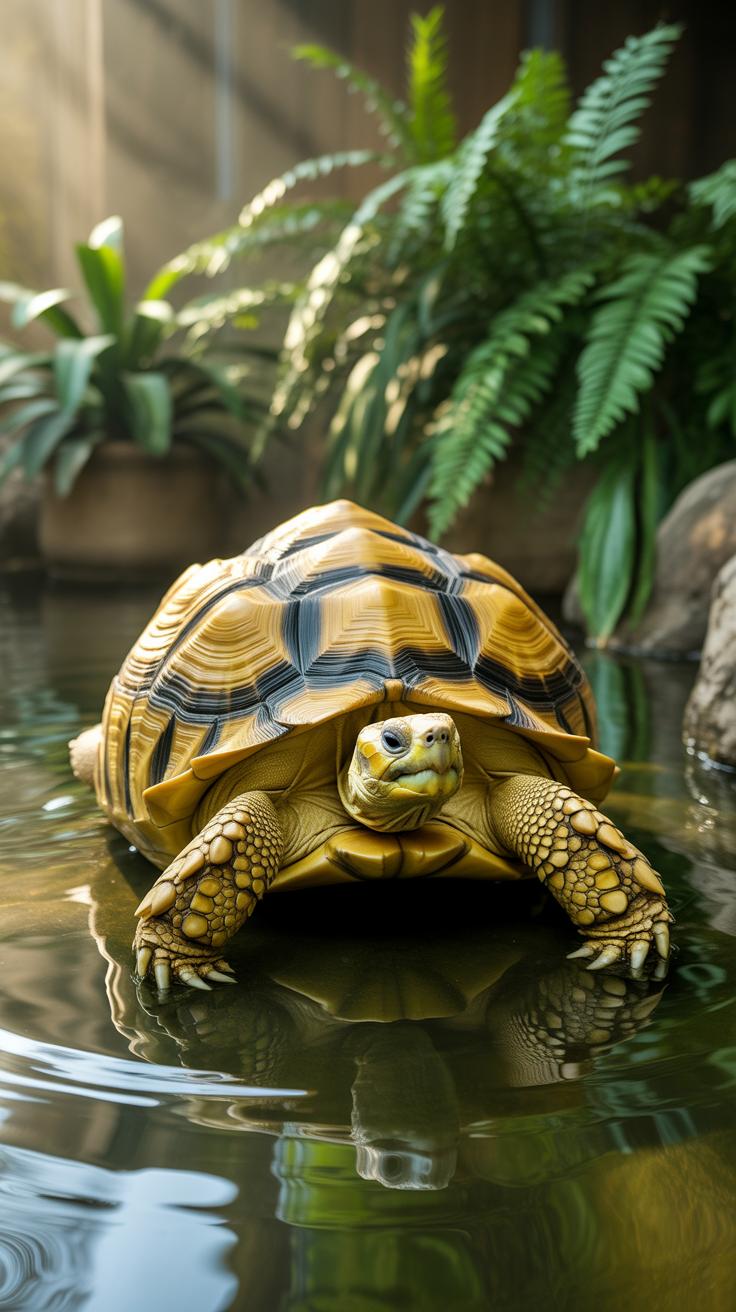
Why Sulcata Tortoises Require Consistent Hydration Despite Living In Arid Conditions
Sulcata tortoises originate from the Sahel region of Africa. This area remains dry for most of the year. However, these animals survive by retreating into deep, humid burrows. These burrows prevent water loss through their skin and shells. In captivity, indoor environments often lack this natural humidity. Forced air heating dries out their shells quickly. This makes external soaking a critical requirement for their health.
Proper hydration prevents bladder stones and renal failure. Sulcatas concentrate their urine to save water in the wild. This process creates urates. If the tortoise becomes too dry, these urates solidify and block the urinary tract. Regular soaking forced the tortoise to expel these waste products. It also allows them to drink through their mouth and nose. Consistent moisture levels ensure smooth shell growth and prevent painful pyramiding.
How To Safely Soak A Large Adult Sulcata Tortoise At Home
Large adult Sulcatas weigh over one hundred pounds and require heavy equipment. You cannot use a standard sink or small plastic tub. Use a large rubber stock tank or a specialized walk-in enclosure. Position the vessel near a floor drain or use a powerful submersible pump for drainage. Do not attempt to lift the animal alone. Use a low-entry ramp to let the tortoise enter the water independently.

Maintain water depth at mid-plastron level. This height keeps the head above water while submerging the cloaca. Use a digital thermometer to confirm the water stays between eighty-five and ninety-five degrees Fahrenheit. Cold water slows their metabolism and causes respiratory distress. Monitor the tortoise for the entire duration. Empty and sanitize the container immediately after use. Regular cleaning prevents the buildup of harmful bacteria and foul odors.
Red Footed Tortoise Soaking Needs And Humidity Considerations

How The Tropical Origins Of The Red Footed Tortoise Influence Its Hydration Requirements
Red Footed tortoises originate from the tropical forests and grasslands of South America. These regions provide high rainfall and consistent heat throughout the year. Unlike desert species, these tortoises evolved to thrive in moist environments with damp soil. Their skin and shells lose moisture rapidly in dry air. This biological trait demands a aggressive hydration strategy to prevent chronic dehydration and kidney failure.
Tactical hydration must mimic the South American wet season. Frequent soaking provides the deep tissue hydration these tortoises require to sustain shell growth and organ function. Without regular water immersion, the tortoise will experience shell pyramiding and lethargy. You must prioritize deep baths that allow the tortoise to submerge its limbs and neck fully. This process offsets the moisture loss caused by necessary heat lamps.
Balancing Soaking And Ambient Humidity In The Red Footed Tortoise Enclosure
Ambient humidity reflects the moisture in the air inside the enclosure. You must maintain this level between seventy and eighty percent at all times. Soaking serves as a direct internal hydration method, but ambient humidity protects the external shell. If the air is dry, the tortoise will dehydrate even with daily baths. Use closed chamber enclosures to trap moisture and reduce the need for constant spraying.

Substrate choice directly impacts how well you balance these requirements. Use cypress mulch or orchid bark to hold moisture without rotting. Damp substrate allows the tortoise to absorb water through its plastron while resting. Combine this with a consistent soaking routine every forty-eight hours. This dual approach ensures the animal stays hydrated externally and internally. Monitor humidity levels using a digital hygrometer placed at its shell height.
Russian Tortoise Soaking Guide And Turtle Care Tips For Drier Species
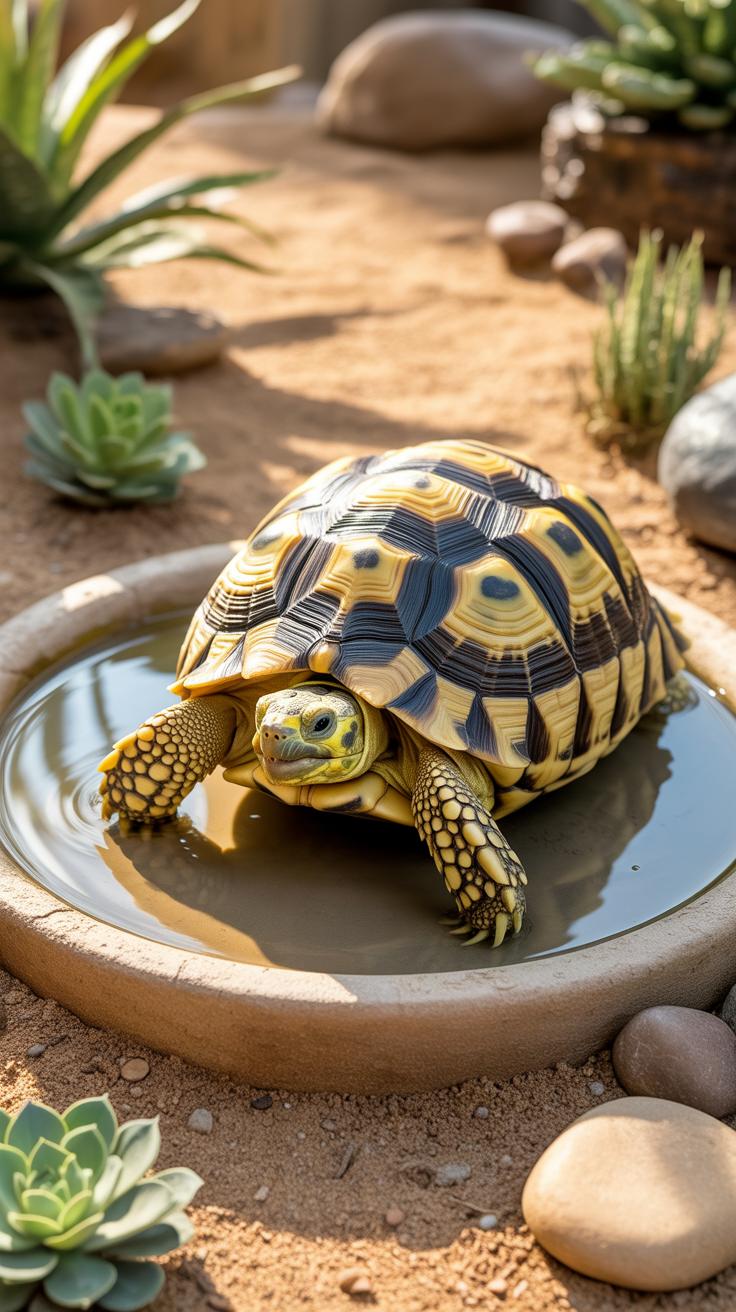
Understanding The Lower Hydration Needs Of The Russian Tortoise In Captivity
Russian tortoises originate from arid regions in Central Asia. These reptiles evolved to survive in dry steppes and deserts. They conserve water efficiently to survive long periods of drought. Their bodies extract moisture from the fibrous vegetation they consume daily. In captivity, keepers often provide high-moisture greens. This diet reduces the animal’s reliance on external water sources for basic survival.
Adult Russian tortoises do not require daily soaking like tropical species. Excessive moisture causes shell rot and fungal infections in arid-dwelling tortoises. A standard schedule involves two or three baths per week. This frequency maintains hydration without compromising skin or shell health. Monitor their activity levels and waste production. Dry urates indicate a need for more frequent soaking to flush the bladder effectively.
Practical Turtle Care Tips To Avoid Over Soaking Dry Climate Tortoise Species
Arid species require a balance between hydration and a dry environment. Controlled soaking prevents dehydration while maintaining proper shell hardness. Keepers must manage water depth and temperature to ensure safety and comfort. Use shallow containers to prevent accidental drowning. Focus on the quality of the soak rather than the quantity of baths. This approach keeps the tortoise healthy and avoids common humidity-related illnesses.
- Water Temperature Control: Maintain water between 85 and 95 degrees Fahrenheit. Use a digital thermometer to verify accuracy. Water that is too cold slows heart rates. Water that is too hot burns sensitive skin and causes immediate distress or death.
- Monitor Water Depth: Fill the basin only to the level of the tortoise’s chin. This depth allows the animal to drink but prevents it from submerging its head involuntarily. Ensuring the tortoise feels grounded reduces stress and prevents accidental water inhalation.
- Limit Soak Duration: Keep bath times between fifteen and twenty minutes. Prolonged exposure to wet conditions softens the plastron. This vulnerability leads to bacterial infections. Removing the tortoise promptly allows its skin and shell to dry completely in the enclosure.
- Observe Urates and Waste: Check for white discharge during the bath. Creamy urates are normal for dry climate species. Gritty or hard urates signal dehydration. Use these visual cues to adjust your soaking schedule and increase water intake for the animal.
- Dry Thoroughly Post Soak: Use a clean towel to pat the shell dry after removing the tortoise from the water. Returning a wet tortoise to a cool enclosure causes respiratory issues. Ensuring the animal is dry prevents substrate from sticking to the shell.

Environmental factors like substrate type and basking temperature influence hydration. Sand or soil mixes dry out quickly. This increases the importance of a consistent soaking routine. Always provide a shallow water dish in the enclosure for self-hydration between scheduled baths. This choice empowers the tortoise to manage its own moisture levels. Observe the tortoise to ensure it uses the provided bowl regularly.
Integrating The Soaking Routine Into Your Turtle Room And Turtle Terrarium Setup
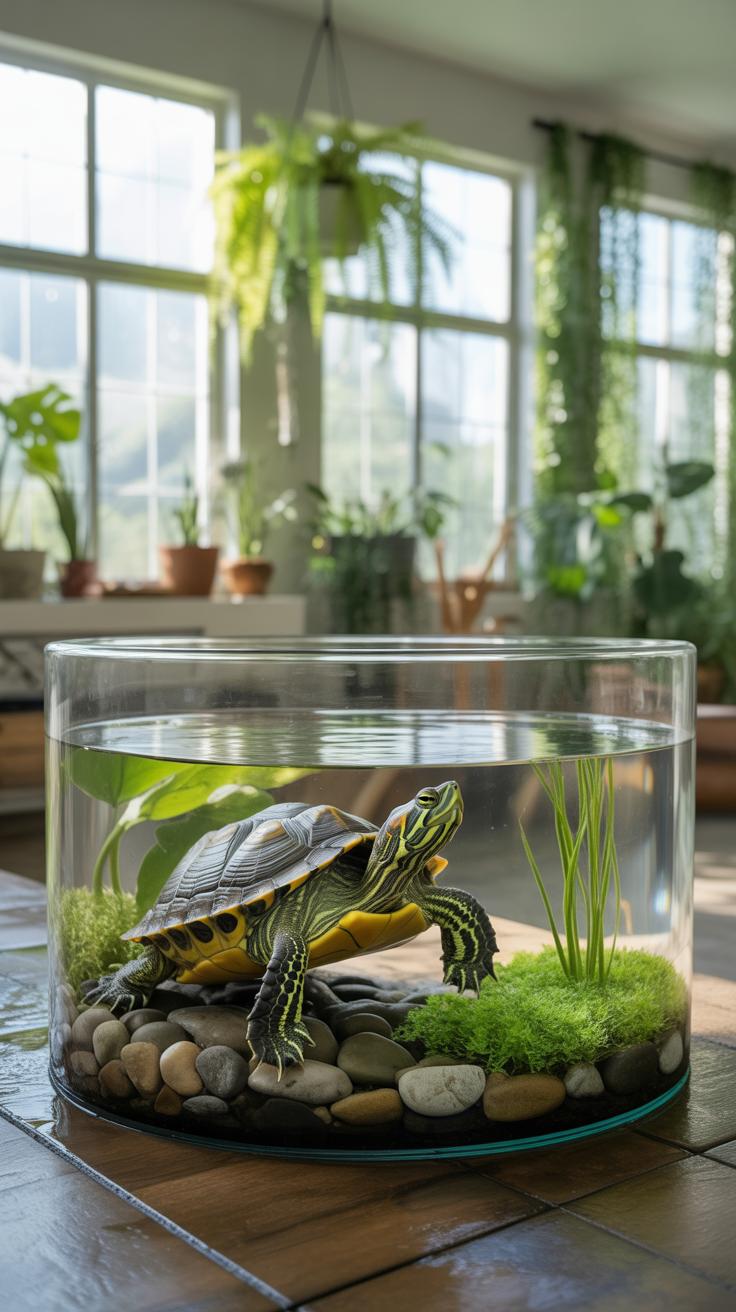
Choosing The Right Soaking Vessel And Location Within Your Turtle Room
Select a dedicated soaking bin with steep, opaque sides. Transparent walls cause stress as the tortoise attempts to walk through the plastic. The vessel must accommodate the full length of the animal while allowing it to turn around. Place the station near a floor drain or a heavy duty sink. This proximity reduces water spills and prevents heavy lifting across the room.
Position the soaking area away from high traffic zones. Sudden movements startle the animal during its hydration period. Ensure the chosen spot has access to a reliable heat source or stays within a temperature controlled zone. Dropping temperatures during a bath lead to respiratory infections. Consistency in hardware and location creates a predictable environment for the animal. This stability reduces cortisol levels during handling.
A simple soak is a gentle reminder of the slow, quiet rhythms of life that keep a soul refreshed. To care for these ancient creatures is to hold a small piece of history in the palm of your hand.
How To Maintain Hygiene And Prevent Bacterial Buildup In Your Turtle Terrarium After Soaking
Tortoises often defecate during a soak. This behavior keeps the main terrarium substrate cleaner for longer periods. Always dry the tortoise thoroughly with a clean towel before returning it to the enclosure. Damp shells trap moisture against the bedding. Excessive moisture in the substrate promotes the growth of harmful mold and pathogenic bacteria. Controlling local humidity starts with managing water exit points.

Sanitize the soaking vessel immediately after every single use. Use a veterinary grade disinfectant to kill lingering microbes. Rinse the bin until no chemical scent remains. Store the clean tub outside of the main enclosure area to prevent cross contamination. Proper drainage and drying of the soaking zone are vital. Stagnant water attracts pests and creates a biohazard for the keeper and the animal.
Common Soaking Mistakes And What Proper Turtle Care Looks Like In Practice
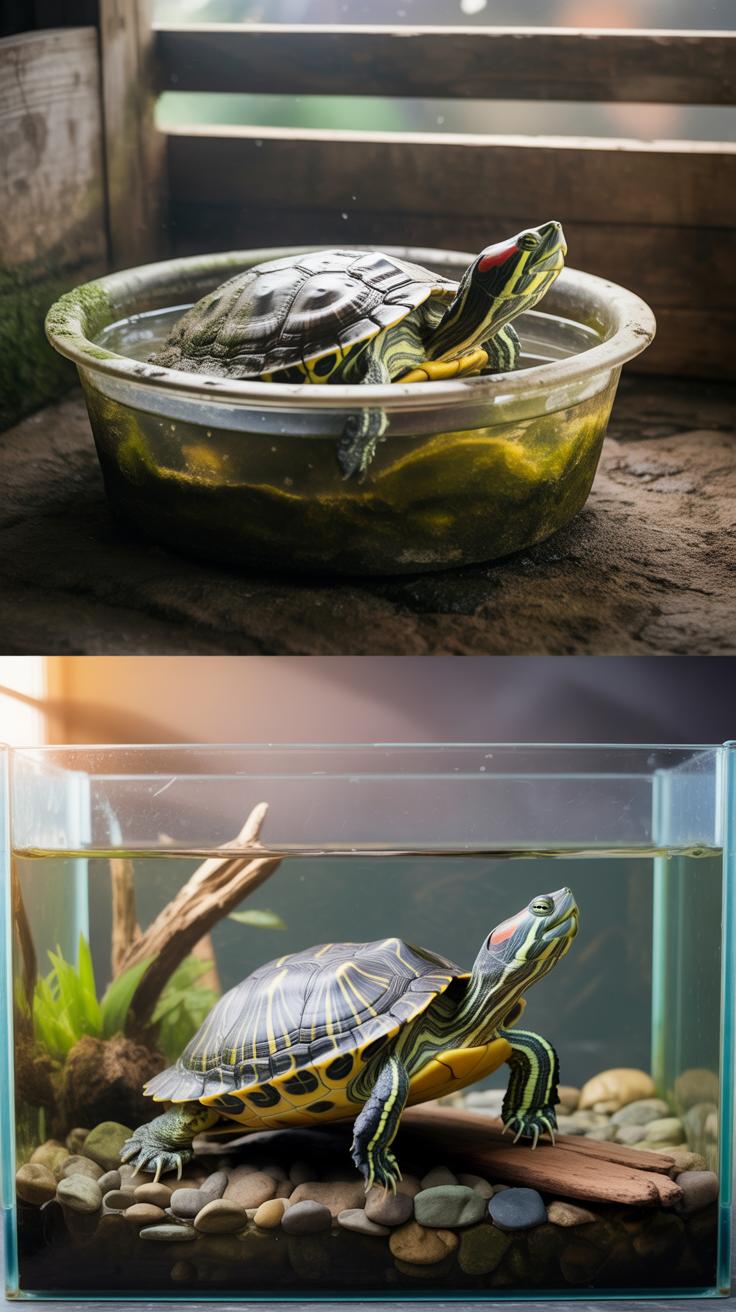
Soaking Errors That Can Stress Or Harm Your Tortoise And How To Avoid Them
Temperature management is the most common failure point in a tortoise soaking bath routine. Water that starts warm but drops below seventy degrees Fahrenheit can cause respiratory infections or digestive shutdown. You must use a digital thermometer to monitor the basin. Do not guestimate the heat with your hand. Cold water shocks the system while hot water causes internal thermal damage.
Depth and supervision are the next critical factors for safety. Never leave your tortoise alone in the water. Tortoises are poor swimmers and can flip over easily. A flipped tortoise in an inch of water will drown in minutes. Keep the water level at the bridge where the top and bottom shells meet. This depth allows the tortoise to drink without submerging its head.
Signs That Your Tortoise Soaking Bath Routine Is Working And Your Tortoise Is Thriving
A successful routine produces clear physical indicators of internal health. You will see your tortoise actively drinking within the first few minutes of the soak. The skin will appear supple rather than dry or flaky. Hydrated tortoises also pass waste more easily. Look for clear urates that are liquid or have a toothpaste consistency. Hard or gritty urates signal chronic dehydration.

Consistent soaking also improves the animal’s behavior and growth patterns. A hydrated tortoise maintains a strong appetite and high activity levels. You will notice steady weight gain and smooth shell development over time. Pyramiding or raised scutes often result from low humidity and poor hydration. If your tortoise remains alert and shows clear eyes after a bath, your soak frequency and duration are correct.
Frequently Asked Questions

Why is it important to soak my tortoise regularly?
Maintaining a consistent tortoise soaking bath routine is vital for preventing dehydration and promoting healthy kidney function. In their natural environment, tortoises absorb water through their skin and cloaca while sipping from shallow pools. Regular hydration prevents bladder stones and ensures smooth shell growth. For beginners, this simple practice is the most effective way to ensure your pet stays active, healthy, and properly hydrated throughout its long life.
What is the correct way to set up a soaking bath?
To start your tortoise soaking bath routine, fill a shallow, straight-sided container with lukewarm water. The water depth should only reach the bridge where the top and bottom shells meet—never cover the tortoise’s head. Place your pet in the container for 15 to 20 minutes, ensuring the water stays warm. Always supervise your tortoise during this time to prevent any accidental tipping and to monitor their comfort levels.
Do I need to buy expensive equipment to soak my tortoise?
Not at all! You do not need specialized pet store equipment to keep your tortoise hydrated. Practical, budget-friendly options like plastic storage bins, shallow litter pans, or even heavy-duty kitchen basins work perfectly. As long as the container is dedicated solely to your pet, easy to clean, and large enough for them to shift around comfortably, it will serve as an excellent tool for their regular health maintenance.