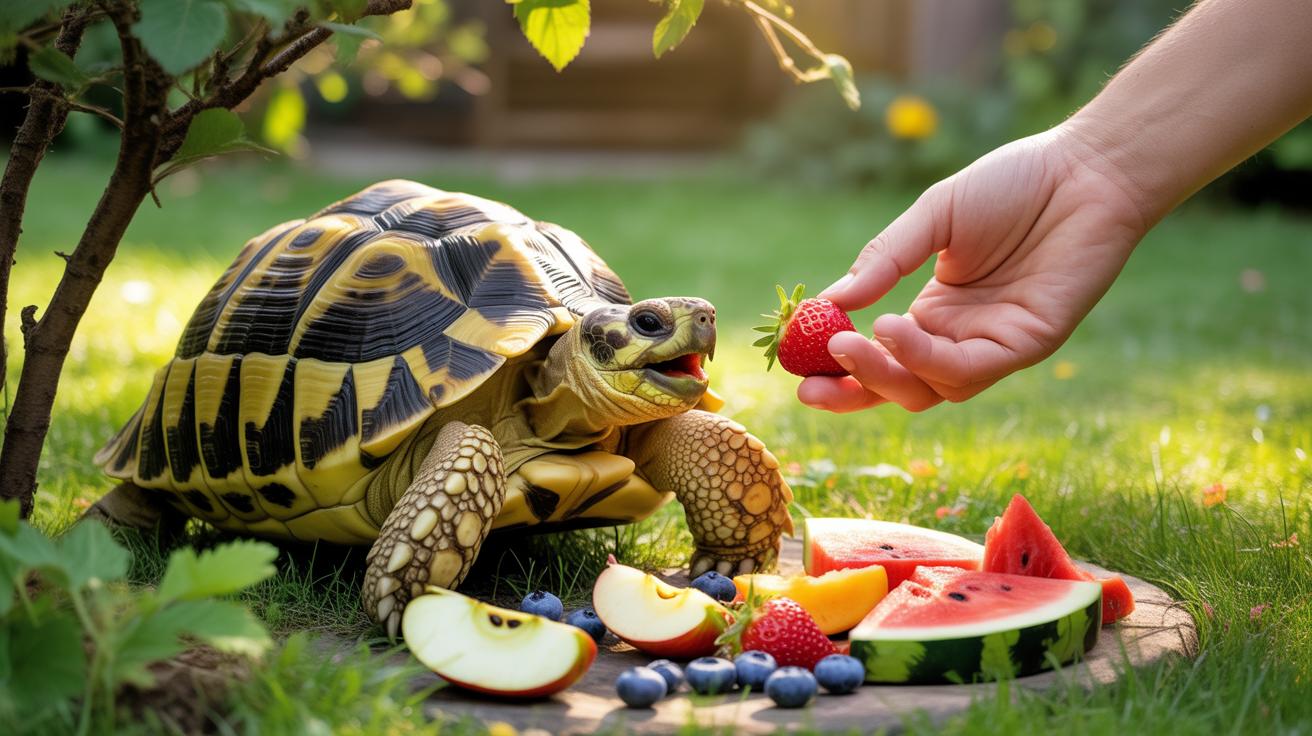
Understanding Tortoise Care And Why Diet Is The Cornerstone Of Their Health
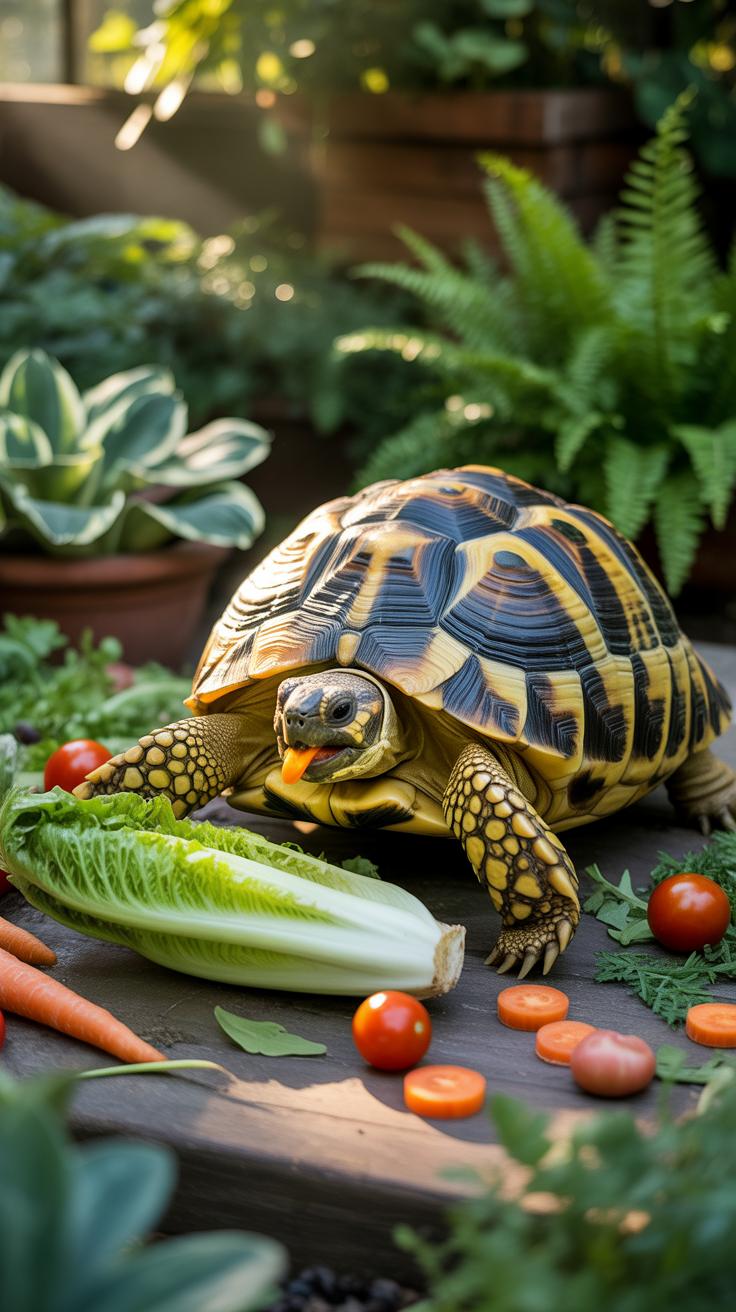
How A Tortoise’S Natural Habitat Shapes Its Nutritional Needs
A tortoise’s native ecosystem dictates its digestive biology. Arid-zone species like Africans and Mediterraneans evolved to process high-fiber, low-sugar grasses and weeds. Their hindgut fermentation systems struggle with the rapid bacterial breakdown of sugar. Tropical species from forest floors encounter fallen fruit more frequently. These biological differences determine whether fruit acts as a safe nutrient source or a dangerous metabolic disruptor.
Feeding strategies must mirror these environmental realities to ensure survival. Desert tortoises require a diet heavy in calcium and fiber with minimal moisture-dense treats. Tropical types can handle higher humidity and sugar content because their ancestors adapted to these resources. Forcing a desert species to eat fruit mimics a surplus they never faced in nature. This mismatch causes severe gastrointestinal distress and long-term organ failure.
Why Getting Tortoise Care Right From The Start Prevents Long Term Health Problems
Proper nutrition during the early growth stages prevents irreversible skeletal deformities. Metabolic Bone Disease occurs when a tortoise receives an improper ratio of calcium to phosphorus. High-sugar fruits can interfere with calcium absorption and cause the shell to soften or peak. This condition, known as pyramiding, indicates a systemic failure in husbandry. Once these structural changes occur, the tortoise remains deformed for its entire life.
Correct feeding also protects the internal organs from fatty liver disease and renal failure. A diet too high in fruit forces the liver to process fructose levels the animal cannot handle. This leads to lethargy, stunted growth, and premature death. Establishing a species-specific diet immediately ensures the tortoise reaches its full lifespan. Precision in the early years builds a foundation for decades of health and vitality.

What Counts As Tortoise Food Breaking Down The Core Dietary Categories
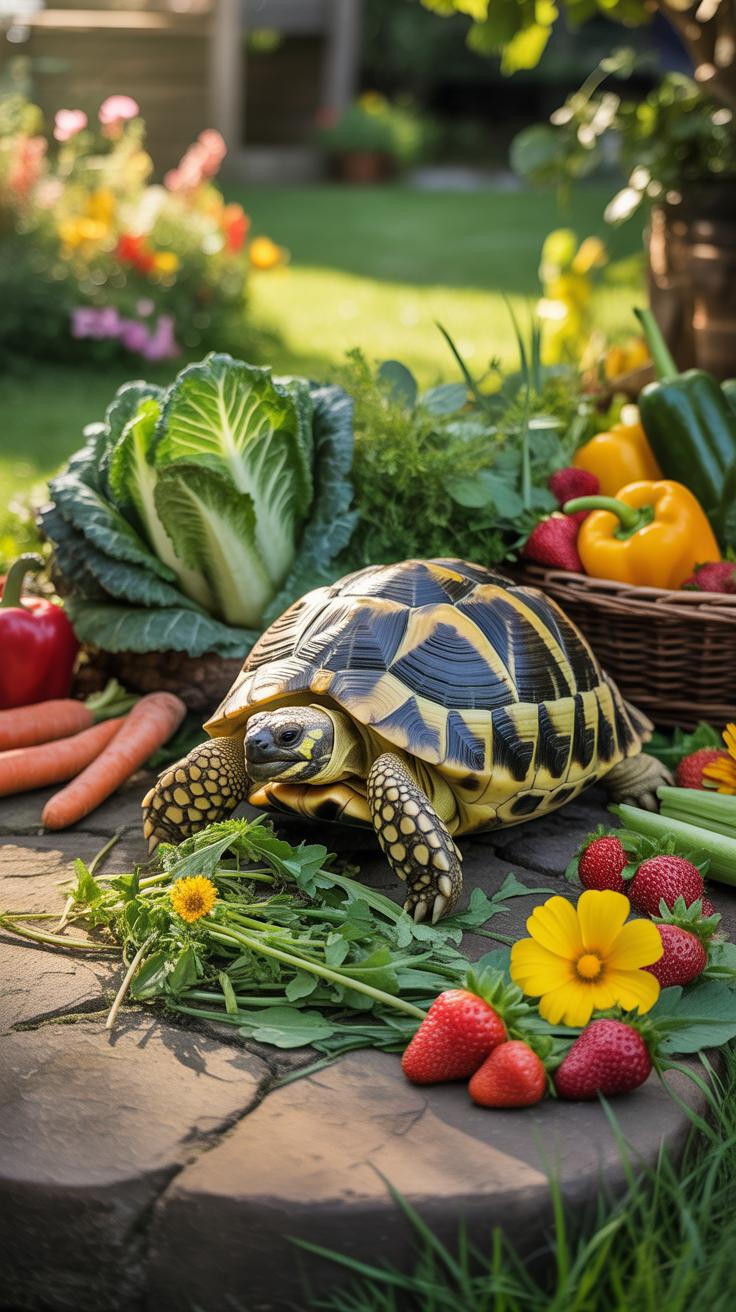
The Role Of Grasses, Leafy Greens, And Vegetables As Dietary Staples
Most tortoise species evolved as opportunistic grazers in arid or grassland environments. High fiber content drives their digestive health and maintains gut motility. Grasses and hay provide the necessary bulk to prevent loose stools and promote healthy beak wear. These staples must form the majority of the daily ration for grazing species. This diet mimics the low nutrient density found in their natural wild habitats.
Leafy greens and specific vegetables provide essential minerals and vitamins. Dark leafy greens like collards or dandelions offer calcium and vitamin A. You must balance the calcium to phosphorus ratio to ensure proper shell development. Avoid vegetables high in oxalates which bind calcium and cause kidney stones. Proper hydration comes from the water content in these fresh greens. Focus on variety to prevent nutritional deficiencies over time.
Where Fruit Fits Into A Balanced Tortoise Food Plan
Fruit is not a staple for most tortoise species. High sugar content disrupts the hindgut fermentation process required for digestion. This can lead to diarrhea, parasite blooms, and systemic infections. You should treat fruit as a rare supplement or behavioral reward rather than a daily meal. Excessive sugar intake causes rapid growth which results in permanent shell deformities such as pyramiding.

Tropical fruit eating species like Red-Footed tortoises have a different biological requirement. These specific tortoises find fallen fruit on the forest floor in their native range. Even for these types, fruit should rarely exceed fifteen percent of the total diet. Always remove pits and seeds before feeding to prevent choking or cyanide poisoning. Monitor stool consistency closely after feeding fruit to ensure your tortoise processes the sugar correctly.
The Red Footed Tortoise A Species That Naturally Tolerates More Fruit
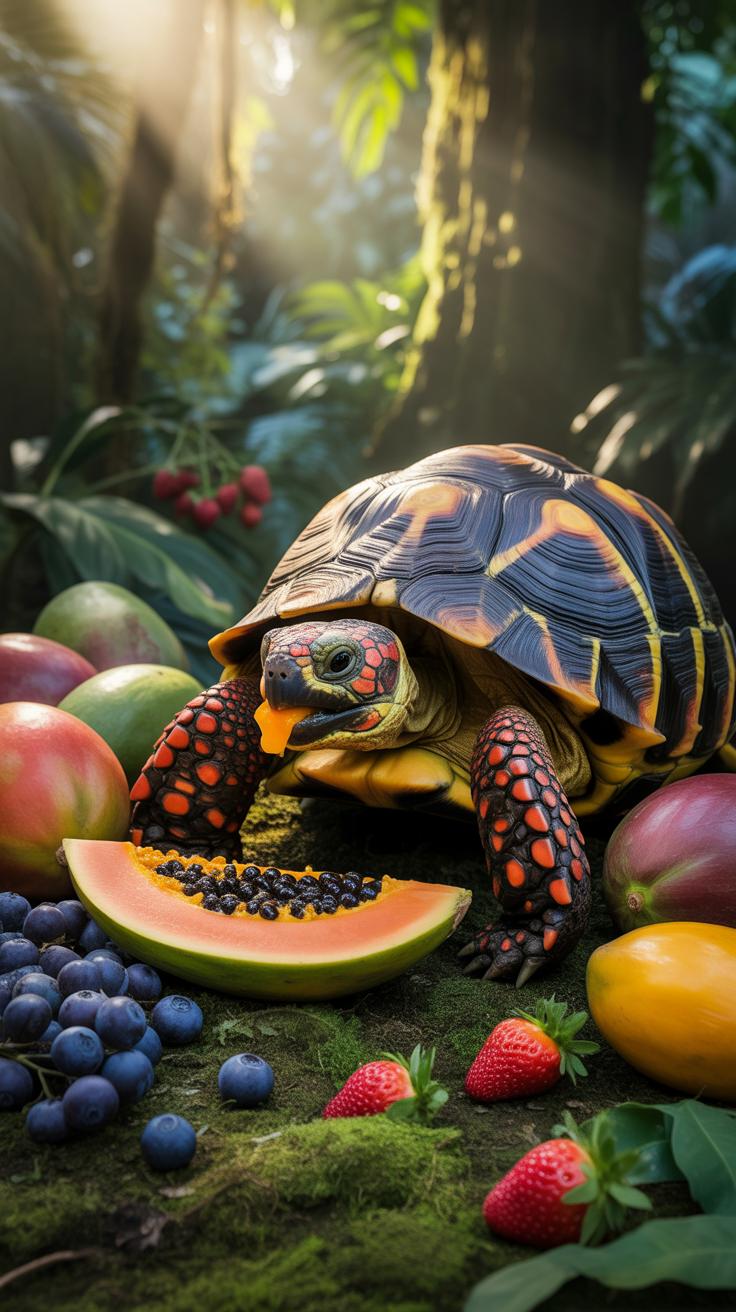
Why Red Footed Tortoises Have A Higher Tolerance For Fruit Than Other Species
Red footed tortoises originate from the tropical forests and humid savannahs of South America. Unlike desert species that graze on dry grasses, these reptiles live under fruit-bearing trees. They have evolved to process the sugars found in fallen forest fruits. Their digestive tracts handle higher acidity and sugar loads than Mediterranean or African species. This biological adaptation allows them to thrive on a more varied diet.
The natural environment provides a steady supply of fermenting fruit on the forest floor. Red footed tortoises actively seek these resources to meet their energy needs. Their gut flora is specialized to breakdown fructose without causing the severe bloat or diarrhea seen in other breeds. This historical dietary context explains why fruit is a requirement for their health rather than a dangerous treat. They need these nutrients to maintain proper gut function.
How To Incorporate Fruit Into A Red Footed Tortoise Weekly Feeding Routine
A tactical feeding plan for a red footed tortoise must balance fruit with greens and protein. Fruit should make up roughly fifteen to twenty percent of the total diet. Feed fruit twice a week to mimic natural foraging patterns. Select high-fiber options like papaya and mango to ensure proper stool consistency. Always remove pits and large seeds before offering fruit to prevent choking or intestinal blockages.

Alternate between different fruit types to provide a broad range of vitamins and minerals. Fresh berries and melons are excellent choices for hydration in tropical setups. Avoid overfeeding citrus as the high acid content can cause skin irritation around the mouth. Monitor the tortoise for any signs of loose stools after the fruit meal. Adjust the quantity if the waste becomes watery. Consistency and variety are the keys to a healthy long-term diet.
Reading A Tortoise Food Chart How To Identify Safe Vs Harmful Fruits
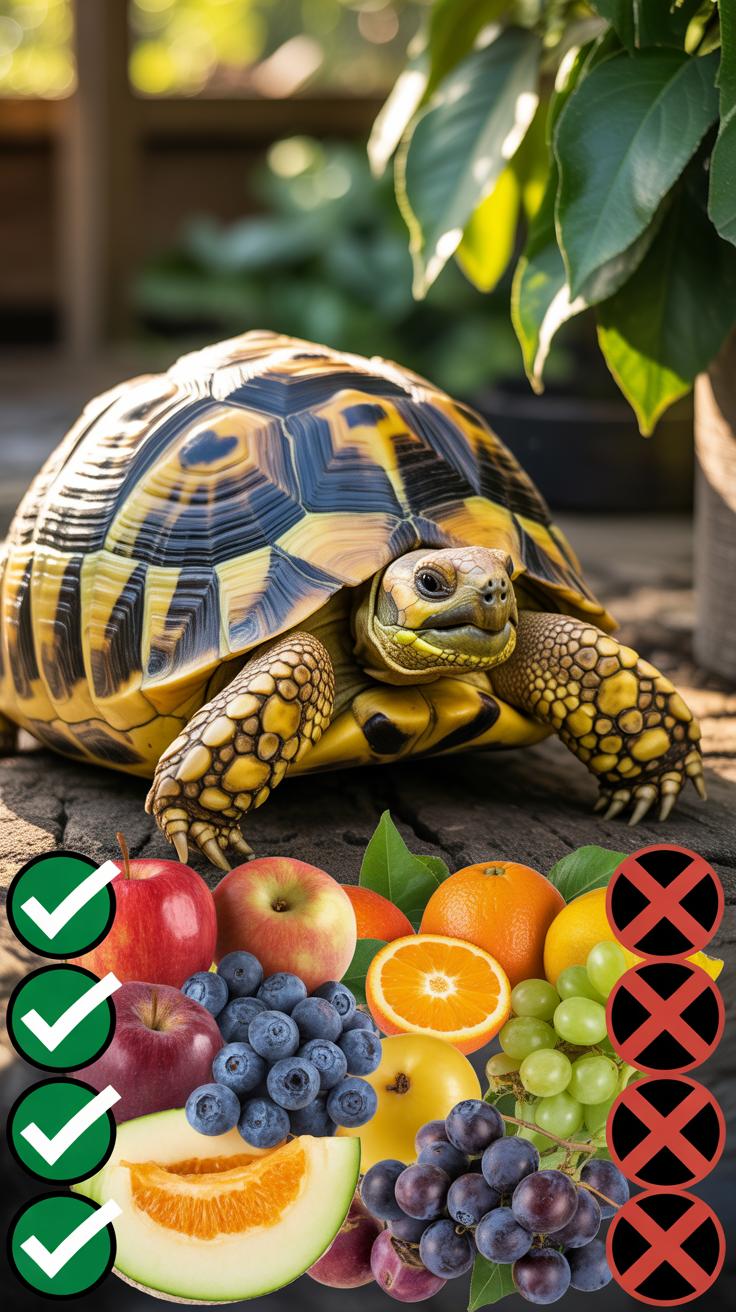
How To Interpret Fruit Frequency Ratings On A Tortoise Food Chart
Standard feeding charts categorize items by risk levels. Green labels mean the fruit is safe for occasional use. Amber or yellow labels signify caution. These items contain high sugar or acid levels. Only offer these fruits sparingly to avoid digestive upset. Most tropical and forest species can handle these more often than Mediterranean species. You must prioritize the specific needs of your tortoise species first.
Frequency terms like daily or weekly do not apply to fruit for most tortoises. Use fruit as a treat only. Most experts recommend fruit makes up less than five percent of the diet for non-fruiting species. High sugar content triggers blooms of harmful gut bacteria. These bacteria cause diarrhea and dehydration. Effective charts rank foods based on sugar, calcium, and phosphorus ratios. Stick to the low-sugar options.
Fruits That Are Consistently Flagged As Unsafe Across Most Tortoise Food Charts
Charts consistently flag citrus fruits as dangerous for all tortoise species. Lemons, limes, and grapefruits contain high citric acid. This acid irritates the digestive tract and causes pain. Avocado is another major red flag on every reliable chart. It contains persin, which is toxic to many reptiles. Rhubarb is also strictly forbidden due to high oxalic acid levels. These toxins lead to kidney failure.

Avoid fruits with large pits unless you remove the seed first. Stones in cherries or peaches contain cyanide compounds. These are lethal if the tortoise crushes and swallows them. Canned fruits are also high-risk items. They contain processed sugars and preservatives that damage tortoise internal organs. Stick to fresh, organic produce to avoid chemical pesticides. Toxic items appear in red on most charts for quick identification.
Box Turtle Diet Chart Insights What Crossover Lessons Apply To Tortoises
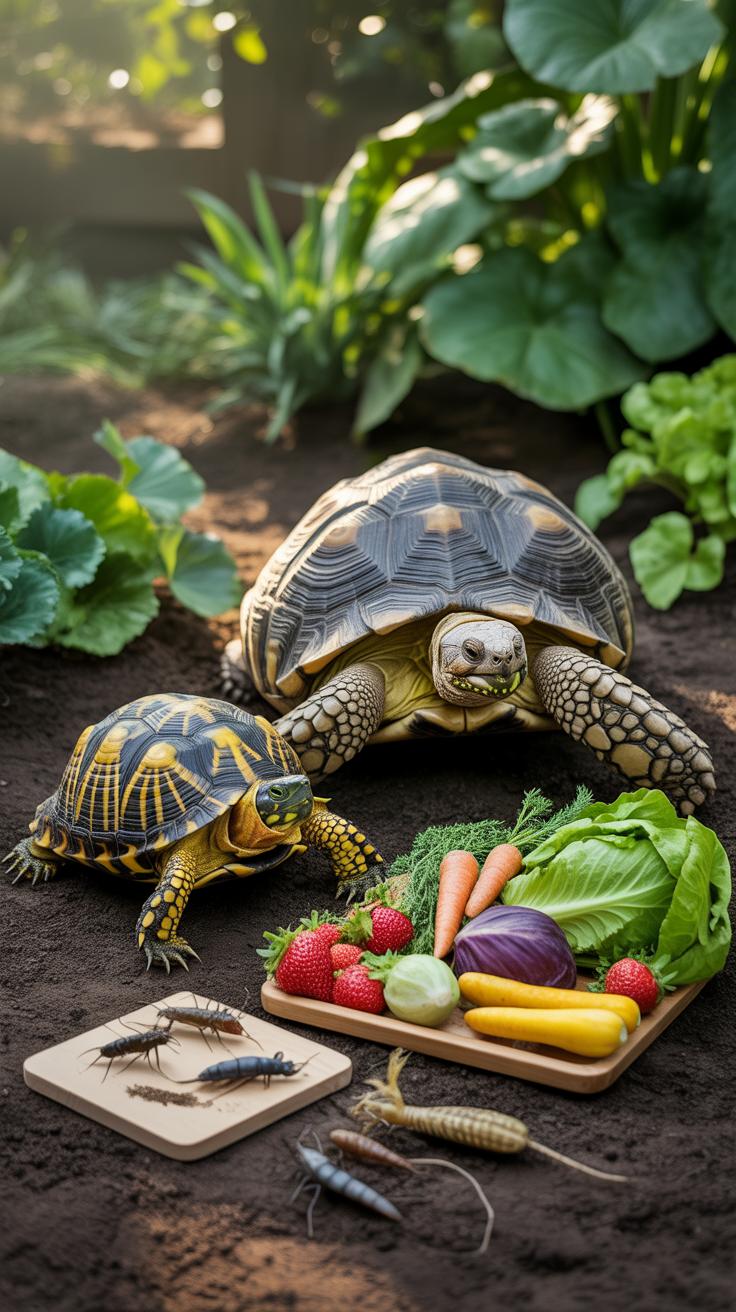
Key Similarities And Differences Between Box Turtle And Tortoise Fruit Consumption
Box turtles are omnivores while most tortoises are strict herbivores. This biological difference dictates how their bodies process sugar. Box turtles active in the wild regularly seek out fallen fruits as a primary energy source. Most tortoise species evolved in arid climates with limited access to high sugar plants. They lack the gut flora to handle large amounts of fruit without suffering digestive distress.
Tortoises and box turtles both require high fiber to maintain gut motility. Fruit provides moisture but lacks the structural cellulose found in grasses and weeds. Excessive fruit intake in tortoises leads to parasitic blooms and soft stools. While a box turtle can consume up to ten percent of its diet as fruit, most tortoises should stay below five percent. Use fruit as a hydration tool only.
What The Box Turtle Diet Chart Teaches Us About Moderation And Fruit Variety
Box turtle charts highlight the importance of dark pigments in fruit selection. Berries and melons offer antioxidants that benefit all chelonians. Strategists use these charts to identify safe options like papaya and raspberries. These fruits contain better calcium to phosphorus ratios than grapes or bananas. High phosphorus levels block calcium absorption and weaken the skeletal structure. Use these charts to filter out dangerous choices.

Variety prevents nutritional deficiencies and chemical imbalances. Rotating fruit types ensures the animal receives a broad spectrum of vitamins. However, frequency must remain low for tortoise species. Treat fruit as a delivery vehicle for powdered supplements or medication. High sugar intake causes rapid growth and shell pyramiding in young tortoises. Control the portion size to match the specific metabolic needs of your tortoise species.
Turtle Food Ideas For Pet Owners Making Fruit A Safe Occasional Treat
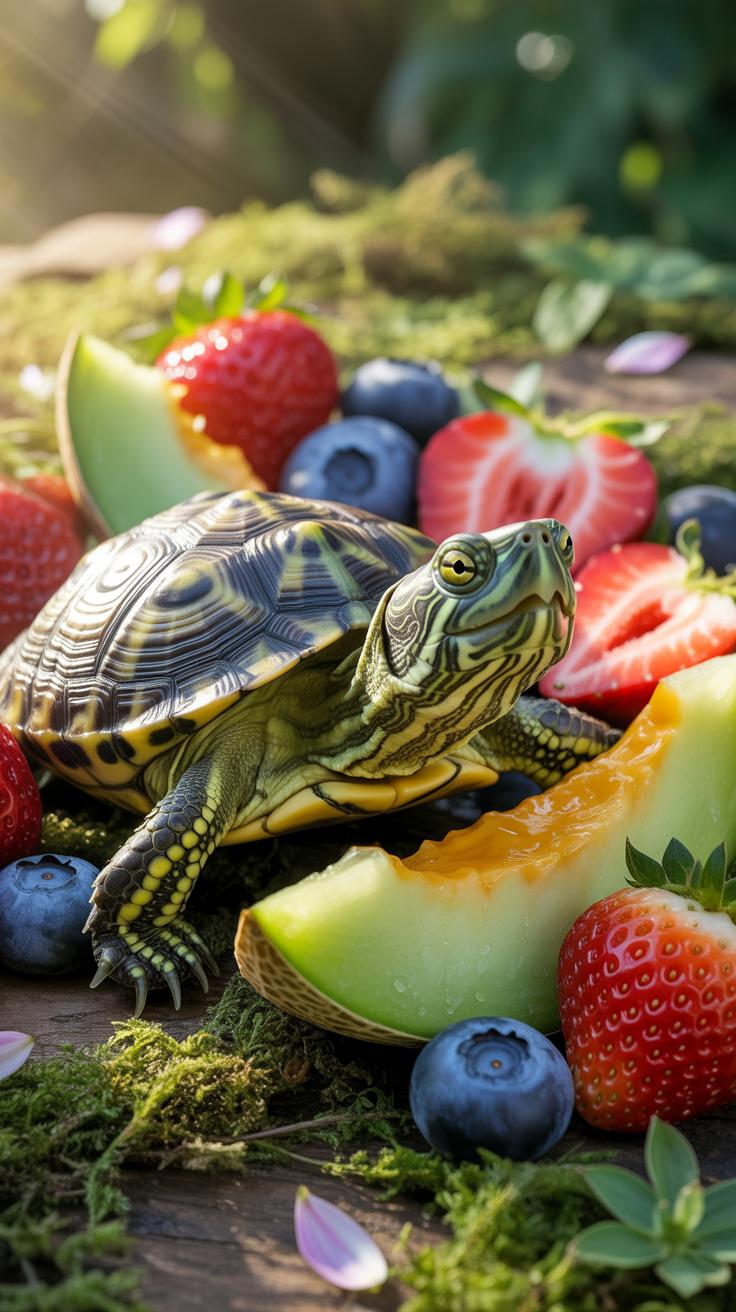
Creative And Nutritious Turtle Food Ideas That Include Small Amounts Of Safe Fruit
Fruit serves as a high-sugar snack rather than a dietary staple for most tortoises. Species naturally found in tropical rainforests handle fruit sugars better than desert-dwelling species. Mediterranean and desert tortoises have digestive systems built for high-fiber grasses and weeds. Excessive fruit causes painful gas and digestive upset in these dry-climate breeds. Limit fruit intake to less than five percent of the total diet to maintain health.
- Cactus Pears: These fruits provide high calcium and hydration levels. They mimic the natural diet of many desert-dwelling tortoises. You must remove all spines and glochids before feeding. Use this as a primary fruit choice for Sulcata and Leopard tortoises.
- Papaya: This tropical fruit contains papain which helps some species with digestion. It offers a favorable calcium-to-phosphorus ratio compared to other sugary options. Cut the flesh into small pieces and remove all seeds. It works best for Red-footed and Yellow-footed tortoises.
- Blueberries: These berries offer high antioxidant levels in a small package. They contain less sugar than many larger fruits like melons. Feed them sparingly to avoid soft stools. They help stimulate the appetite of a tortoise that has stopped eating due to minor environmental stress.
- Strawberries: These fruits serve as a high-value treat during training or health checks. They contain significant water content and vitamin C. The bright red color attracts tortoises quickly. Always wash them thoroughly to remove pesticides and remove the green tops to prevent choking.
- Melon: Watermelon and cantaloupe provide excellent hydration during extreme heat waves. They have very high sugar content and low fiber. Use them only as a hydration tool rather than a nutritional source. Remove the hard rind and all seeds before placing it in the enclosure.
Incorporate these items by mashing them into a salad of dark leafy greens. This technique encourages the tortoise to eat more fiber-rich weeds and grasses. Avoid feeding fruit alone as it spikes blood sugar and leads to picky eating habits. Variety ensures your pet receives a broad spectrum of vitamins without becoming dependent on sugar. Always monitor fecal consistency after introducing any new fruit to the feeding schedule.
How To Prepare And Serve Fruit So It Is Safe And Digestible For Your Pet
Preparation begins with a thorough wash to strip away agricultural chemicals and wax. Cut all fruit into bite-sized pieces that match the size of the tortoise’s beak. Large chunks present a significant choking hazard for smaller species. Remove every seed and pit because they often contain traces of cyanide or cause intestinal blockages. Clean the feeding area immediately after the meal to prevent the fruit from rotting or attracting pests.

Serve fruit on a flat stone or a shallow ceramic dish rather than directly on the substrate. This prevents the tortoise from accidentally swallowing sand, soil, or wood chips while eating. Soil ingestion leads to impaction which requires expensive veterinary intervention. If the tortoise does not eat the fruit within thirty minutes, remove it from the enclosure. Rapid fermentation in a warm habitat can lead to blooms of harmful bacteria and flies.
Building A Box Turtle Food List That Safely Incorporates Seasonal Fruits
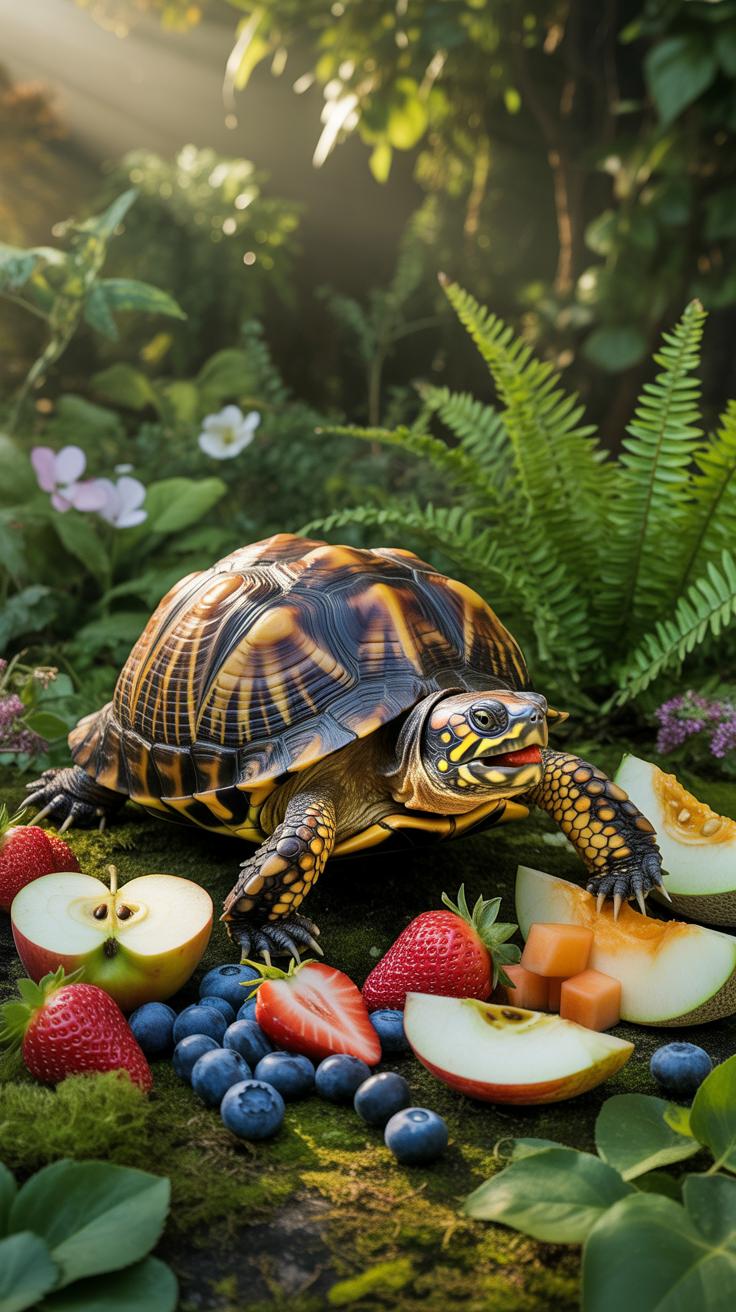
Which Seasonal Fruits Appear Most Commonly On A Responsible Box Turtle Food List
Box turtles are opportunistic omnivores. Their diet requires a higher fruit intake than grazing tortoises. You must prioritize berries like raspberries, blackberries, and strawberries during summer. These mimic the fallen fruits found in their natural forest floor habitats. These items provide essential hydration and antioxidants. Always ensure the fruit is ripe and clean to avoid introducing harmful bacteria or pesticides to the turtle.
In the autumn months, focus on pitted fruits and melons. Cantaloupe and watermelon are excellent for hydration. Grapes and sliced apples without seeds also serve as reliable energy sources. You must limit these portions to ten percent of the total diet. Overfeeding sweet fruits leads to obesity and dangerous gut flora blooms. Always balance these sugars with high-quality proteins and fibrous leafy greens for proper health.
How Seasonal Availability Affects The Nutritional Value Of Fruit You Offer
Freshness dictates the vitamin density of the fruit you provide. Seasonal fruits picked at peak ripeness contain the highest levels of Vitamin A and C. These nutrients support ocular health and immune function in box turtles. Out of season fruits often travel long distances. This transit time causes nutrient degradation. You lose the biological benefits when you feed older or chemically preserved produce.

Varying fruit by season ensures your turtle receives a diverse range of micronutrients. Monotonous diets cause nutritional deficiencies over time. Spring fruits offer different sugar profiles than winter squash or late season berries. Use the natural growing cycle to rotate your food list. This strategy prevents pickiness and mimics the dietary shifts turtles experience in the wild. High quality fuel leads to better shell growth and activity levels.
Your Practical Tortoise Feeding Guide Portion Sizes Frequency And Fruit Ratios

How Often Should You Offer Fruit According To A Trusted Tortoise Feeding Guide
Frequency depends entirely on the digestive system of your specific tortoise species. Desert and Mediterranean species evolved to process high-fiber grasses and weeds. Their gut bacteria cannot handle high sugar loads effectively. Excessive fruit causes rapid fermentation and painful bloating in these animals. Limit fruit intake for these species to once a month or avoid it entirely to maintain proper health and shell growth.
Tropical forest species require a different strategy because they encounter fallen fruit in their natural habitats. Red-footed and Yellow-footed tortoises can handle fruit more regularly than their desert cousins. Offer fruit to these specific types once or twice per week as part of a balanced meal. Always monitor stool consistency after feeding sugary items. If the waste becomes runny or loose, decrease the frequency immediately to protect the animal.
Recommended Fruit Portion Sizes Based On Tortoise Age, Size, And Species
Portion control prevents long-term health complications like metabolic bone disease and obesity. Fruit should never comprise the bulk of any meal for any tortoise species. Use the size of the tortoise’s head as a rough visual guide for the maximum amount of fruit allowed per serving. High sugar content disrupts the calcium-to-phosphorus ratio required for a strong shell. Stick to small, measured amounts to ensure safety.
- Mediterranean Species: Offer almost zero fruit to species like Hermans or Greeks. Limit intake to a single berry or a small grape slice once every few weeks. Their systems prioritize fiber over sugar.
- Desert Species: Provide Sulcatas and Leopards with very small portions rarely. A piece no larger than a thumbnail serves as a sufficient treat. These tortoises thrive on hay and grasses, not sugar-rich fruits.
- Juvenile Tortoises: Keep fruit portions extremely small for growing young. One thin slice of strawberry or melon provides enough flavor without causing digestive upset. Rapid growth requires high calcium and low sugar to prevent shell pyramiding.
- Forest Species: Red-footed tortoises can eat fruit as fifteen percent of their total diet. Provide a portion roughly the size of their head twice weekly. Balance this with dark leafy greens and some protein sources.
- Adult Giants: Large tortoises require scaling but still need strict limits. Even a massive Sulcata should only receive a handful of fruit occasionally. High sugar intake leads to dangerous parasite blooms in the digestive tract of large reptiles.

Balance every fruit portion with a heavy dose of calcium powder to offset the phosphorus. Mix the fruit thoroughly into a larger pile of weeds or greens. This prevents the tortoise from picking out only the sweet items and ignoring the nutrition. Tactical feeding ensures the animal gets hydration from the fruit without sacrificing its overall health. Monitor weight and activity levels to adjust these portions as the tortoise grows.
Understanding Tortoise Diet Risks Sugar Oxalates And Digestive Imbalance
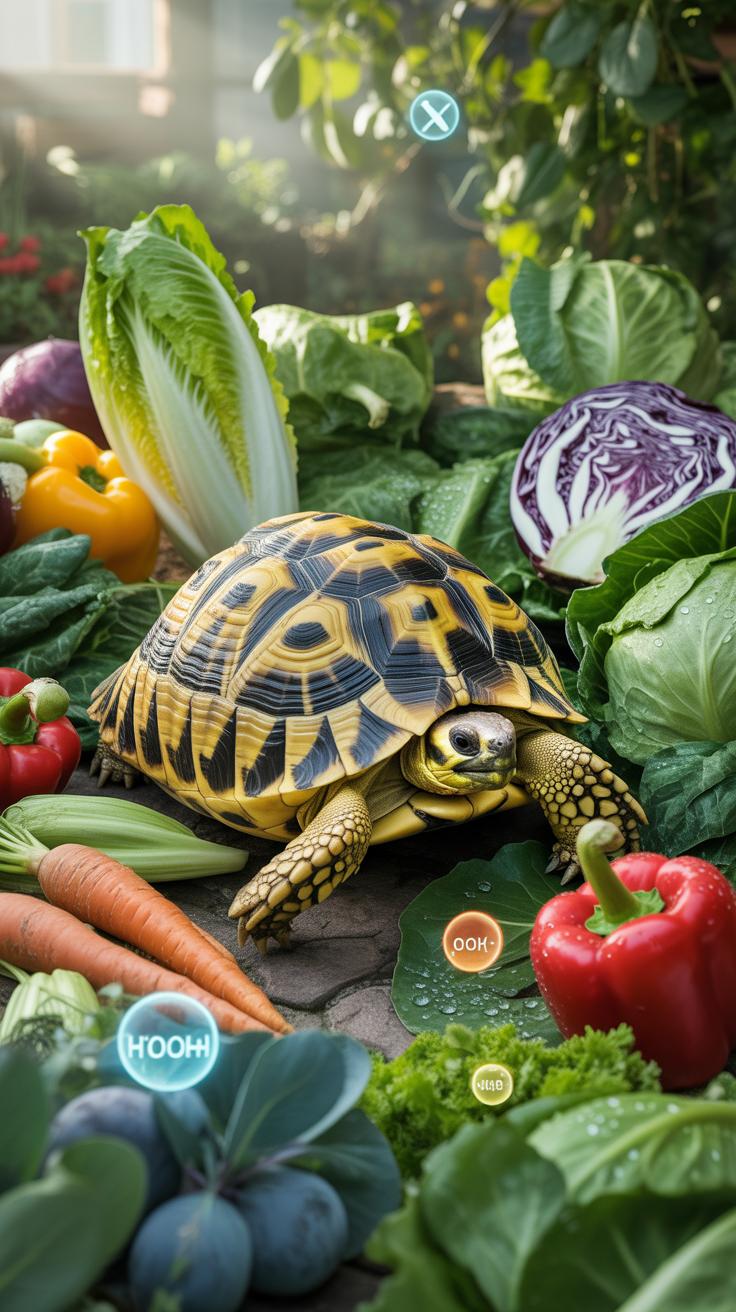
Why High Sugar Content In Fruit Can Disrupt Your Tortoise Diet And Gut Health
Tortoise digestive systems evolved to process high-fiber, low-nutrient grasses and weeds. Fruit contains high levels of fructose and glucose. These simple sugars ferment rapidly in the hindgut. This fermentation spikes acidity levels and kills beneficial bacteria. When the gut microbiome fails, the tortoise cannot extract nutrients from its main food source. This leads to severe bloating and painful gas.
Excessive sugar intake also triggers rapid, unnatural growth spurts. Fast growth causes metabolic bone disease and shell pyramiding. A high-sugar diet forces the liver and kidneys to work harder than necessary. This stress often leads to fatty liver disease or organ failure over time. Keep fruit intake below five percent for Mediterranean species. Some tropical species handle more, but moderation remains the golden rule.
A piece of fruit was a rare, sun-kissed jewel from my grandfather’s hand, taught to be given sparingly so the tortoise might thrive for generations. Treat these sweet gifts with a cautious heart to ensure your slow-moving friend sees many more summers.
The Role Of Oxalic Acid In Certain Fruits And How It Affects Calcium Absorption
Oxalic acid acts as an anti-nutrient by binding to calcium before the body can use it. This process creates calcium oxalate crystals. These crystals are insoluble and prevent the tortoise from absorbing vital minerals. Calcium is the primary building block for the shell and skeleton. Without it, the shell softens and bones become brittle. This deficiency is often fatal for young tortoises.
High concentrations of oxalates also increase the risk of bladder stones. The kidneys must filter these compounds, which causes significant internal strain. Most common fruits have low oxalate levels compared to greens like spinach. However, certain berries and star fruits contain enough to cause issues if fed daily. Always balance fruit portions with high-calcium supplements to neutralize any potential oxalate interference. Constant monitoring ensures long-term skeletal health.
Common Mistakes Pet Owners Make When Feeding Fruit To Their Tortoise
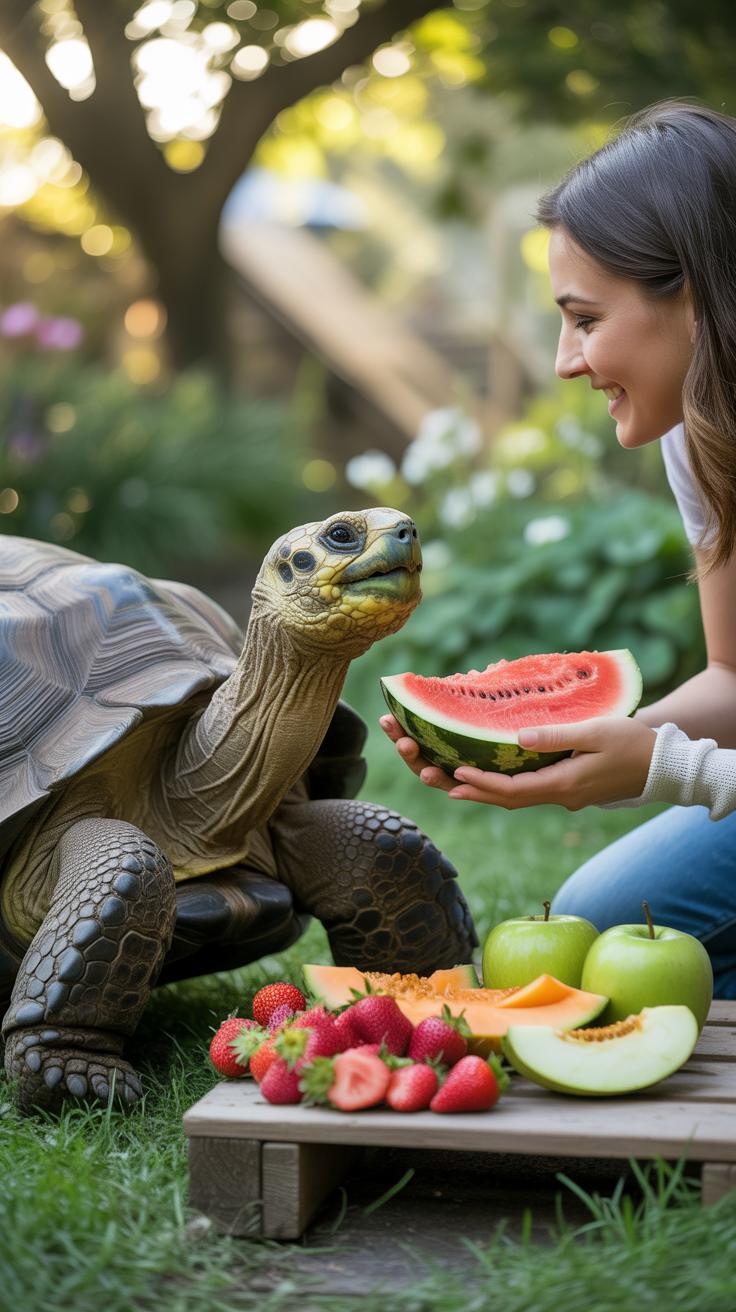
Overfeeding Fruit: How Good Intentions Lead To Nutritional Deficiencies
Excessive fruit consumption disrupts the gut flora of most tortoise species. High sugar levels trigger rapid fermentation in the digestive tract. This process causes painful bloating and severe diarrhea. Frequent fruit intake also elevates blood sugar and stresses the liver. Owners often mistake a eager appetite for a healthy diet. This leads to long-term health decline and a weakened immune system.
Nutritional secondary hyperparathyroidism often results from improper fruit ratios. Most fruits contain high phosphorus levels and very little calcium. This imbalance stops the animal from absorbing the nutrients needed for bone growth. Soft shells and deformed limbs are common results of this deficiency. You must prioritize high-fiber grasses and leafy greens over sugary treats. Stick to infrequent portions to ensure your tortoise maintains proper skeletal structure.
Ignoring Species Specific Needs: Why One Fruit Rule Does Not Fit All Tortoises
Dietary requirements vary wildly across different tortoise genera. Desert species like the Sulcata or Leopard tortoise cannot process high sugar loads. Their bodies evolved to digest tough, dry grasses and low-nutrient weeds. Giving these tortoises fruit causes intestinal parasites to bloom. It also creates acidic shifts in the gut. These changes prevent the absorption of vital minerals. You must identify your tortoise species before offering any fruit.
Tropical and forest-dwelling species have different biological needs. Red-footed and Yellow-footed tortoises naturally consume fallen fruits on the forest floor. Their digestive systems handle fructose better than arid-land species. However, even these tortoises require strict limits on sugar intake. Owners often feed too much fruit to fruit-eating species while neglecting essential proteins. Research the natural habitat of your tortoise to mimic its wild diet accurately and safely.
Frequently Asked Questions

Can all species of tortoises eat fruit as part of their regular diet?
Not all species process sugar the same way. While tropical species like Red-footed tortoises require fruit, desert species like Sulcatas should only have it as a very rare treat to avoid digestive upset. This tortoise fruit feeding guide recommends researching your specific pet first. Generally, fruit should never exceed ten percent of the total diet to ensure your tortoise maintains a healthy gut flora and consistent growth patterns over time.
How should I prepare fruit to ensure it is safe for my tortoise to eat?
Safety starts with thorough washing to remove pesticides that can be toxic to reptiles. Always remove large pits, seeds, or stones, as these can cause choking or intestinal blockages. Cut the fruit into small, bite-sized pieces that are easy for your pet to manage. Following a proper tortoise fruit feeding guide helps prevent mishaps, ensuring that sweet additions remain a safe, enjoyable supplement to their primary leafy green meals.
What are some affordable, seasonal fruits that are safe for a tortoise?
Providing a nutritious diet doesn’t have to be expensive. Depending on the season, berries, melon, and apples are budget-friendly options found at most local grocery stores. You can often find discounted “ugly” produce or overripe bananas that tortoises love. Scraps like strawberry tops or melon rinds are also excellent, zero-waste ways to offer variety. Just ensure all fruit is fresh and free from mold before offering it to your pet.