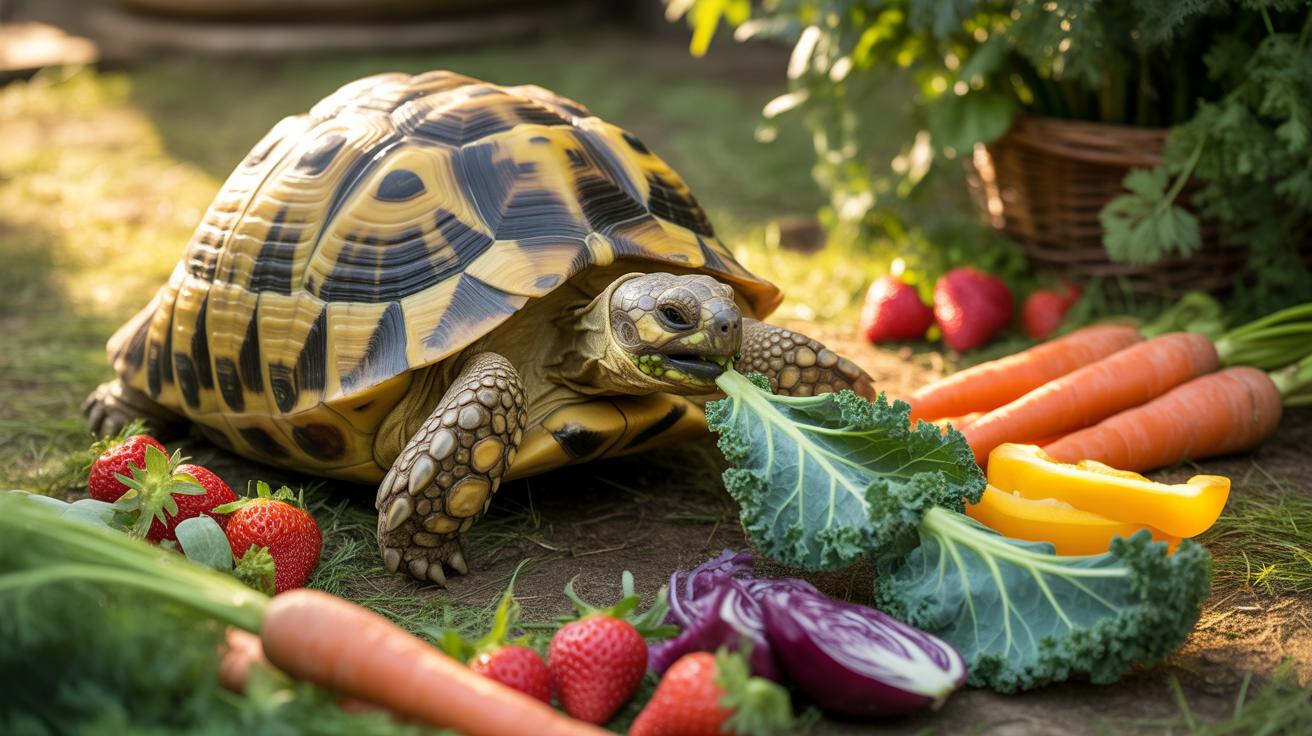
Understanding The Natural Diet Of Tortoises In The Wild
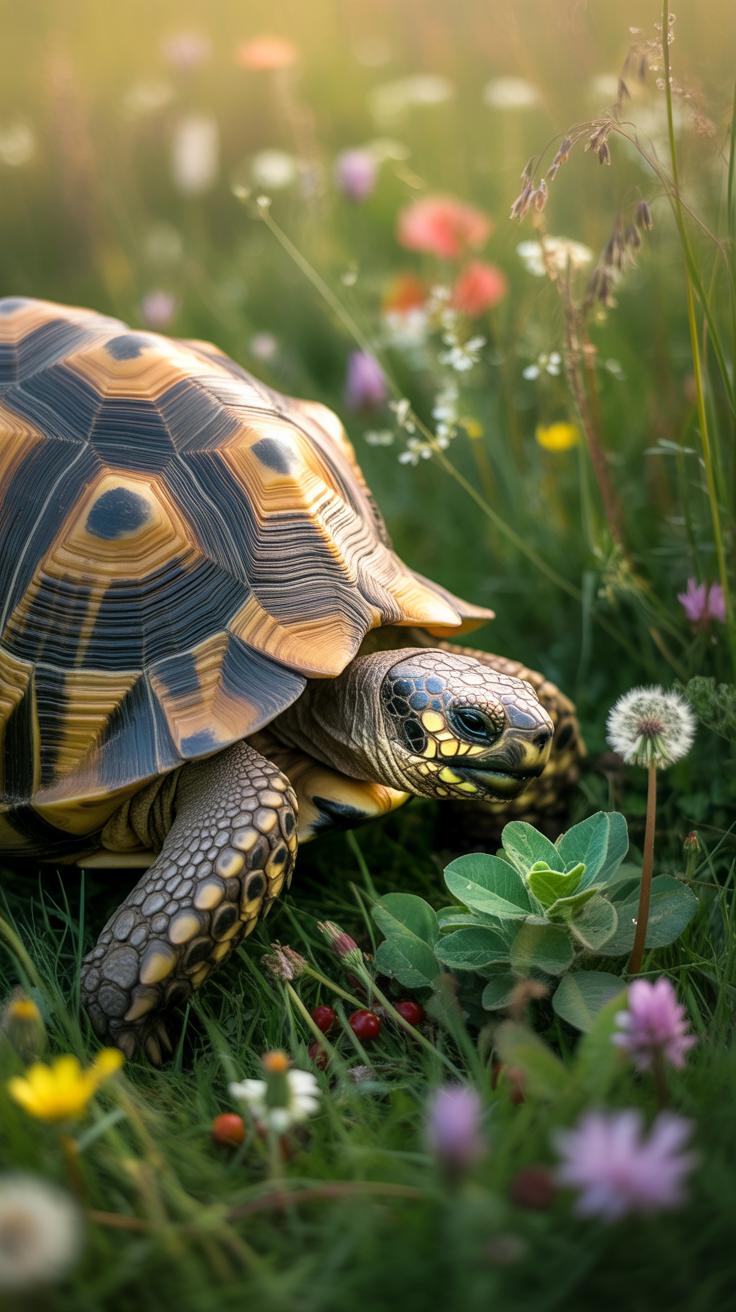
How Wild Foraging Habits Shape Tortoise Nutritional Needs
Wild tortoises travel long distances to find food. They eat hundreds of different plant species throughout the year. Most species evolved in arid or scrubland environments with low quality forage. Their digestive systems process high fiber and low protein materials slowly. This long transit time allows them to extract every nutrient from tough stalks and dry grasses. Evolution designed them to survive on scarcity rather than abundance.
Proper nutrition depends on mimicry of these natural cycles. Wild plants change with the seasons. Spring brings hydration through tender shoots. Summer offers dry, fibrous stalks. This variation prevents physical stalls in the gut. Foraging forces exertion and selective eating. These habits keep their beaks trimmed and their intestines moving. You must provide diverse plant matter to keep their biological systems functioning as they would in nature.
Why Captive Tortoises Cannot Rely On A Single Food Source
Monotony kills tortoises over time. Feeding only one type of leaf causes dangerous nutritional gaps. No single plant contains all the minerals required for healthy shell growth. Grocery store greens often lack the fiber levels found in wild weeds. Relying on a single source leads to metabolic bone disease and organ failure. Captive diets must rotate to ensure a full spectrum of vitamins and minerals.
Repeated exposure to the same plant causes chemical buildup or deficiencies. Some plants contain oxalates that bind calcium. If you feed only these, the tortoise cannot use the calcium it eats. Other plants may contain goitrogens that impact thyroid function. Variety acts as a safety mechanism. It dilutes the negative compounds of one plant with the benefits of another. Consistent rotation is the only way to ensure long term health.

The Core Principles Of Tortoise Food And Balanced Nutrition
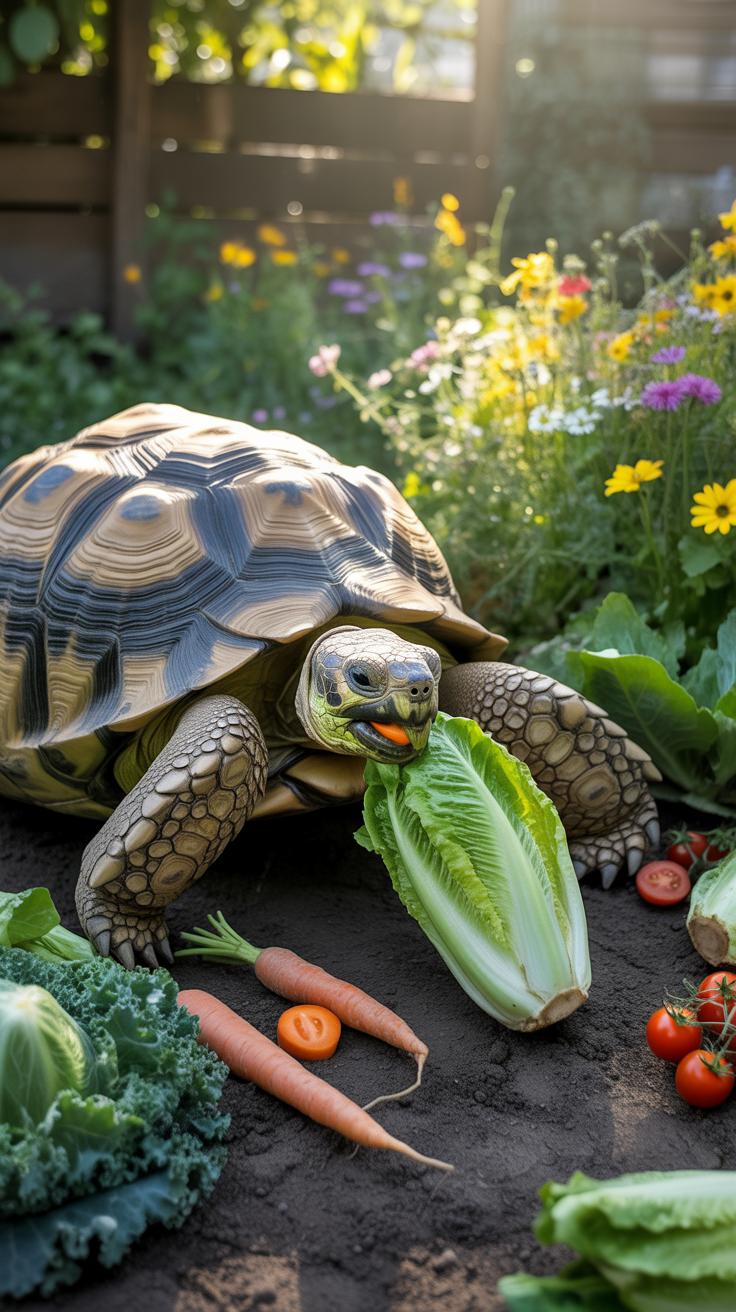
The Role Of Fiber Calcium And Phosphorus In A Tortoise Diet
Fiber drives the tortoise digestive system. High fiber content ensures slow fermentation in the hindgut. This process mimics the natural grazing habits of wild tortoises. Low fiber intake leads to loose stools and poor nutrient absorption. You must provide tough weeds and grasses to maintain gut motility. This firm texture also helps wear down the beak naturally. Proper fiber levels prevent most common digestive ailments.
Calcium and phosphorus must remain in a strict ratio for skeletal health. Aim for a two to one ratio of calcium to phosphorus. Excessive phosphorus blocks calcium absorption. This imbalance causes metabolic bone disease and soft shells. Tortoises need calcium for egg production and muscle function. Provide a cuttlebone for self-regulation. Monitor mineral intake to ensure the shell grows hard and smooth without deformities.
Providing a colorful harvest of greens and blossoms is like offering a slow-motion dance of health for your ancient friend. Every leaf and petal you choose is a small act of love that honors their long and steady journey.
Why High Sugar And High Protein Foods Can Harm Your Tortoise
High protein levels cause rapid and unnatural growth. This leads to pyramiding where the shell scutes grow into sharp peaks. Fast growth puts immense strain on internal organs like the kidneys and liver. Most tortoises are herbivores evolved for low nutrient environments. Excessive animal or plant protein creates permanent physiological damage. Stick to leafy greens and weeds to keep growth rates slow and steady.

Sugar disrupts the delicate bacterial balance in the tortoise gut. Fruit contains high levels of glucose and fructose. These sugars cause harmful blooms of protozoa and parasites. This leads to severe bloating and life-threatening diarrhea. Most Mediterranean and desert tortoise species cannot process sugar at all. Limit fruit to rare treats or avoid it entirely. Focus on fibrous vegetation to keep the digestive tract clean.
Building Your Tortoise Food List What To Feed And What To Avoid
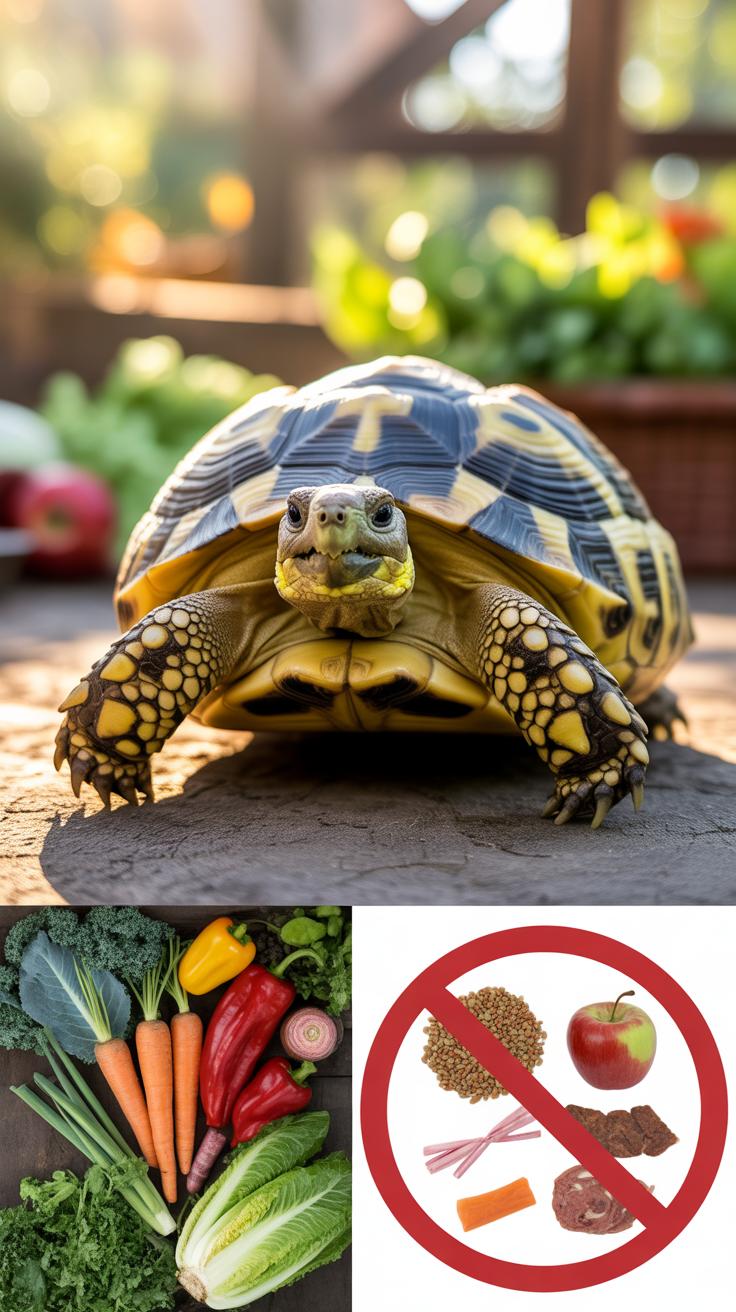
Safe And Nutritious Foods You Should Regularly Offer Your Tortoise
Tortoises require high fiber and low protein diets to maintain proper shell growth and organ function. Most species thrive on a base of leafy greens and wild weeds that mimic their natural foraging grounds. Focus on calcium rich options to prevent metabolic bone disease. Always wash grocery store produce to remove pesticides. Rotation is the core of a varied tortoise diet guide.
- Dandelion Greens: These provide high levels of Vitamin A and calcium. They act as a natural diuretic and are highly palatable for most species. Use both the leaves and the yellow flowers for variety.
- Opuntia Cactus: Also known as prickly pear, this is an excellent hydration source. It contains a superior calcium to phosphorus ratio which is vital for bone density. Remove large spines before feeding to prevent mouth injuries.
- Broadleaf Plantain: This common garden weed is a nutritional powerhouse for herbivores. It offers the tough fiber necessary for digestive tract health. It grows abundantly in many climates and resists most pests naturally without chemical intervention.
- Hibiscus Leaves and Flowers: These offer a safe way to add color and moisture to the diet. They are low in fat and provide essential antioxidants. Many tortoises prefer the bright petals over standard green leaves.
- Timothy Hay: This is a mandatory staple for large grazing species like Sulcatas. It provides the long strand fiber required to keep the gut moving. Mix it with moist greens to encourage younger tortoises to eat it frequently.
Balance is achieved by mixing at least three different food types in every meal. Do not rely on a single item like romaine lettuce as it lacks sufficient nutrients. Supplementing with a calcium powder twice a week ensures the tortoise gets what it cannot find in cultivated greens. Observe the stool consistency to verify if the fiber levels are high enough for your specific animal.
Common Foods That Are Toxic Or Harmful To Tortoises
Avoid feeding your tortoise any processed human foods or high sugar fruits. Most tortoises cannot digest glucose properly, which leads to painful gas and bloat. Spinach and beet greens contain high levels of oxalates that bind to calcium. This prevents the tortoise from absorbing the minerals it needs for shell development. Stick to items that grow naturally in arid or tropical scrub environments.

Rhubarb and avocado are strictly toxic and can cause immediate organ failure in many reptiles. Do not offer cat or dog food because the protein content is too high. Excessive protein causes pyramiding, which is an irreversible shell deformity. Avoid iceberg lettuce because it provides zero nutritional value and consists mostly of water. Use a strict screening process for any wild weeds to ensure they are free from herbicides.
Using A Tortoise Food Guide Chart To Plan Weekly Meals
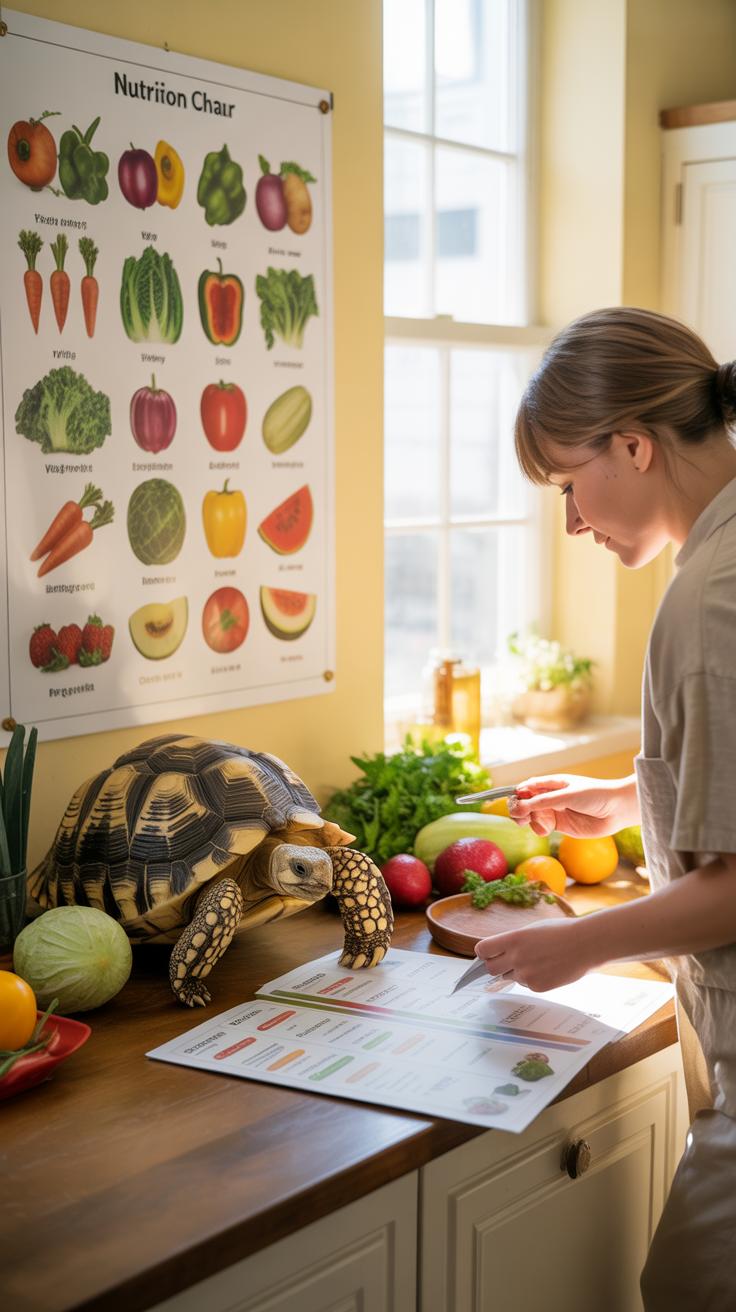
How To Read And Apply A Tortoise Food Chart Effectively
A tortoise food chart categorizes plants by nutritional density and safety. It identifies staple foods, occasional treats, and toxic plants to avoid. You must look at the calcium-to-phosphorus ratio first. Tortoises need a high ratio, ideally 2:1 or better, to maintain bone and shell health. Effective charts also rank fiber content. High fiber ensures proper digestion for these slow-moving reptiles.
Ignore items listed as treats when planning the bulk of the meal. These charts often use color coding like green for daily and red for danger. Do not mix up species-specific requirements. A Mediterranean tortoise requires different vegetation than a tropical Sulcata. Use the chart to identify seasonal weeds and leafy greens available in your local area. This saves money and improves feed quality.
Structuring A Weekly Rotation To Prevent Dietary Deficiencies
Monotonous feeding leads to malnutrition even with healthy greens. You must rotate five to seven different plant types every week. This ensures the tortoise receives a full spectrum of vitamins and minerals. For example, provide dandelion greens on Monday and prickly pear pads on Tuesday. Constant variation mimics natural foraging habits. It prevents the buildup of harmful oxalates found in certain leafy vegetables.

Planning prevents the habit of grabbing convenience foods like supermarket iceberg lettuce. Write down a seven-day schedule based on your food chart. Include a mix of broadleaf weeds, flowers, and grasses. Adjust the volume based on the size and activity level of your tortoise. If the tortoise leaves specific items untouched, try mincing those into the favored greens. Consistent rotation builds a resilient immune system.
Tortoise Diet Planning Guide Matching Food To Your TortoiseS Species

Dietary Differences Between Grassland And Mediterranean Tortoise Species
Mediterranean tortoises like the Hermann’s and Greek species require a diet rich in broadleaf weeds and leafy greens. These animals live in dry scrublands with seasonal greenery. You must provide high calcium and low protein to ensure shell health. Avoid giving them large amounts of fruit or heavy vegetable matter. Their digestive tracts handle tough plant fibers better than sugars found in human produce.
Grassland species often share similar requirements but consume more variety in wild grasses. You must monitor the calcium to phosphorus ratio for both groups. Mediterranean types focus on calcium intake through flora like dandelion and clover. Grassland types need these plus more silica from coarse plants. Both groups benefit from a strict schedule. Limit treats to prevent metabolic bone disease and fatty liver issues.
How The Sulcata Tortoise’S High Fiber Grazing Diet Differs From Other Species
The Sulcata tortoise is a massive grazer from the African Sahel region. It requires a diet consisting of nearly seventy percent grass and hay. You cannot feed it like a Mediterranean tortoise. It needs immense amounts of fiber to move food through its long gut. Without constant access to grass, these tortoises develop soft shells and digestive failure. This species thrives on roughage.

Avoid feeding Sulcatas fruits or high moisture vegetables. These items cause diarrhea and promote harmful gut parasites. Focus on Timothy hay, Orchard grass, and Bermuda grass instead. These tortoises convert dry matter into energy efficiently. They do not need the high protein found in many commercial pellets. Provide a mineral block to supplement their heavy grazing habits. This ensures they maintain high bone density.
Feeding The Red Footed Tortoise A More Omnivorous Approach
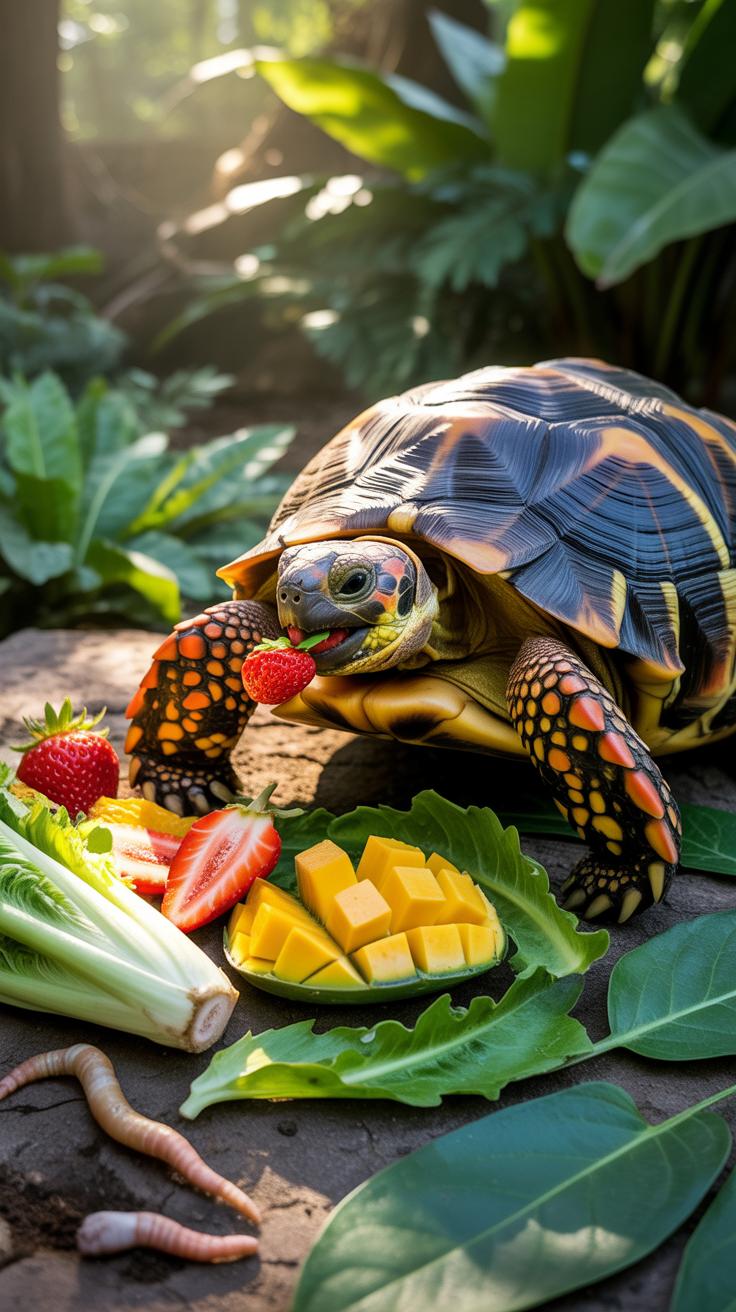
Why Red Footed Tortoises Require Fruit And Occasional Protein In Their Diet
Red footed tortoises live in humid tropical forests. These habitats provide access to dense vegetation and fallen fruits. Most tortoises are strict herbivores. The red footed tortoise evolved as an opportunist. They need sugar from fruit for energy. They also seek animal protein to support organ function. Ignoring these needs leads to poor health. They are biologically distinct from desert species.
Foraging in the wild provides insects and carrion. This protein intake supports growth and shell development. Captive diets must mimic this diversity. Lack of protein causes muscle wasting and weakness. Fruit provides essential vitamins not found in leafy greens. You must provide these nutrients to ensure a complete diet. Balance is the key to longevity. Red footed tortoises thrive when they eat like forest dwellers.
How To Balance Plant Matter And Supplemental Foods For Red Footed Tortoises
Focus on greens as the primary food source. Deep leafy greens should make up seventy percent of the total diet. Use kale, collards, and dandelion greens for calcium. These provide fiber and maintain digestive health. Avoid feeding only one type of leaf. Variety prevents nutritional deficiencies. You must track food types daily. This ensures your tortoise gets a wide range of vitamins.

Allocate fifteen percent of the diet to fruit. Use papaya, mango, and berries for variety. Give animal protein once every two weeks. High quality wet dog food or soaked tortoise pellets work well. Feeder insects like earthworms also provide natural protein. Avoid overfeeding protein to prevent shell pyramiding. Monitor the stool to ensure proper digestion. Adjust the ratio based on the age of your tortoise.
Supplements Hydration And Vitamins In Tortoise Care
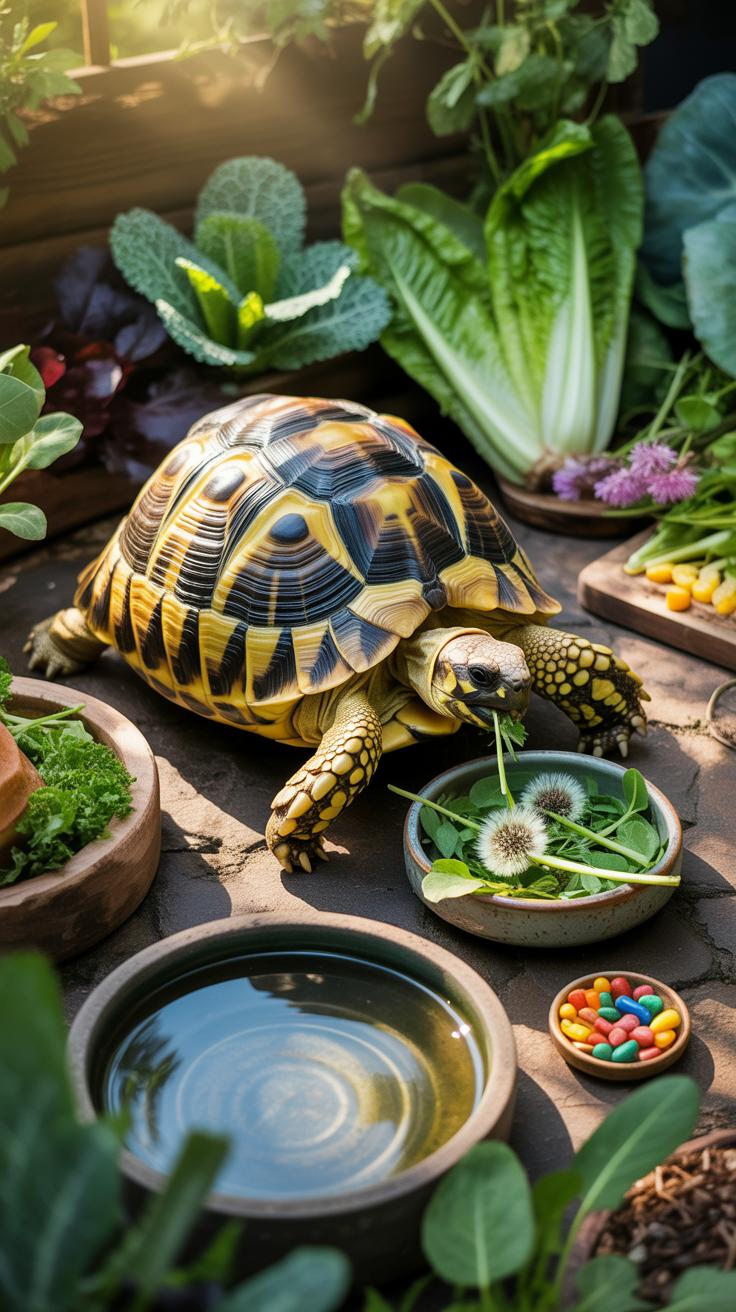
When And How To Use Calcium And Vitamin D3 Supplements Safely
Tortoises require calcium for shell integrity and bone growth. You must provide a calcium source like cuttlebone or plain powder daily. Most keepers dust high-quality greens with calcium powder to ensure intake. Metabolic bone disease occurs when calcium levels drop too low. This condition causes shell soft spots and permanent deformities. Preventative supplementation is the only effective strategy for long term health.
Indoor tortoises need Vitamin D3 because they lack natural sunlight. UVB bulbs provide some D3 but often degrade quickly over time. Use a D3 supplement twice a week for indoor reptiles. Be careful not to overdose because fat soluble vitamins can build up to toxic levels. Check the expiration dates on all supplements. Fresh powders lose potency after six months. Always store these products in cool and dry areas.
The Importance Of Fresh Water And Regular Soaking For Tortoise Health
Water is vital for kidney function and waste removal. Provide a shallow dish of fresh water at all times. The dish must be heavy so the tortoise cannot flip it over. Tortoises often defecate in their water supply. You must clean and refill the bowl immediately when it becomes soiled. Dehydration leads to uremic poisoning and painful bladder stones. Hydration keeps the digestive tract moving.
Regular soaking is a tactical necessity for captive tortoises. Place the tortoise in lukewarm water up to its chin for twenty minutes. Perform this task three times per week for adults and daily for hatchlings. Soaking forces the tortoise to hydrate and clear its bowels. This process mimics the natural rain cycles found in wild habitats. It also helps the tortoise shed skin correctly. Consistent soaking prevents lethargy and keeps energy levels high.
Turtle Care Lessons That Also Apply To Tortoise Feeding Practices
Key Differences Between Turtle And Tortoise Dietary Requirements
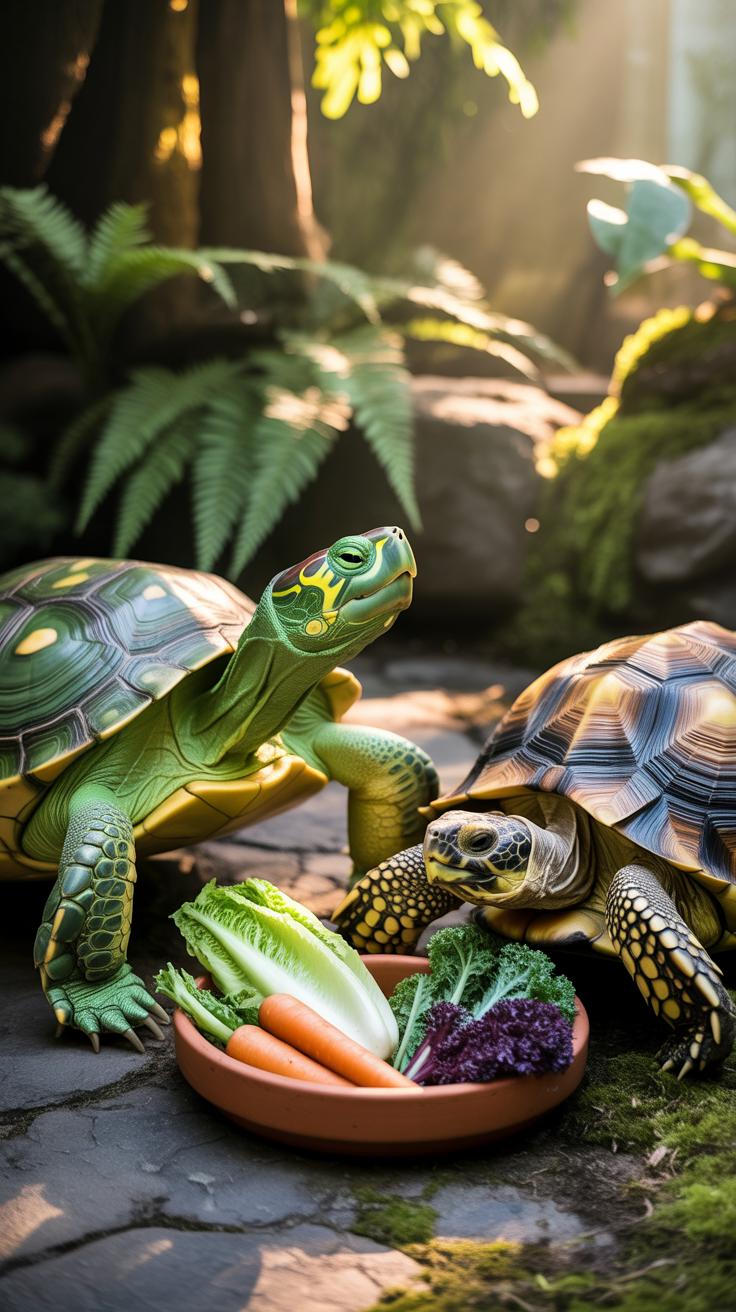
Turtles and tortoises have different metabolic needs based on their habitats. Most turtles are aquatic or semi-aquatic. They require high amounts of animal protein to maintain their energy. They eat fish, insects, and crustaceans. Their bodies process these proteins efficiently to support swimming. You cannot feed a tortoise this much protein. It will cause kidney failure and permanent shell deformities called pyramidal growth.
Tortoises are land animals that evolved to eat fibrous plants. Their digestive systems move slowly to extract nutrients from tough stalks and leaves. High moisture fruits or meat items rot in their gut. This process causes painful gas and parasite blooms. Turtles need water to swallow their food properly. Tortoises produce saliva and eat on dry land. Understanding these physiological limits prevents deadly feeding mistakes in captivity.
Shared Feeding Best Practices That Benefit Both Turtles And Tortoises
Supplying correct nutrition requires more than just picking the right food items. Both species rely on external heat to digest what they eat. You must provide a thermal gradient so they can reach their optimal body temperature. Without heat, the food sits in the stomach and ferments. This rule applies to every reptile regardless of whether they live in water or on land.
- Calcium Supplementation: Both animals need calcium powder to build strong bones and shells. Provide this mineral regularly to prevent metabolic bone disease. Use a phosphorus-free powder to ensure the best absorption rates during digestion.
- UVB Revenue: Sunlight or specialized bulbs provide Vitamin D3. This vitamin allows the body to use the calcium from their food. Without UVB light, the highest quality diet becomes useless and the reptile stays malnourished.
- Hydration Access: Clean water is vital for metabolic function and waste removal. Turtles live in it, but tortoises must have shallow bowls for soaking. Hydration helps both animals pass minerals and prevents dangerous bladder stones from forming.
- Size Appropriateness: Chop food into pieces smaller than the space between the animal’s eyes. This prevents choking and makes the nutrients easier to break down. Small bites also reduce waste because the animal can finish the portion easily.
- Gut Loading: Feed high-quality nutrients to any live prey or insects before offering them to your pet. This process transfers better vitamins and minerals directly to the reptile. It turns simple feeder items into dense packages of essential nutrition.

Variety prevents nutritional deficiencies and boredom in all chelonians. Rotating through different greens or proteins mimics a natural environment. It ensures the animal receives a full spectrum of vitamins over time. One single food source never provides everything a reptile needs to live a long life. Monitor growth rates and shell hardness to verify that your feeding schedule works effectively for your specific animal.
Seasonal And Age Based Adjustments To Your TortoiseS Diet
How Juvenile Tortoises Have Different Nutritional Needs Than Adults
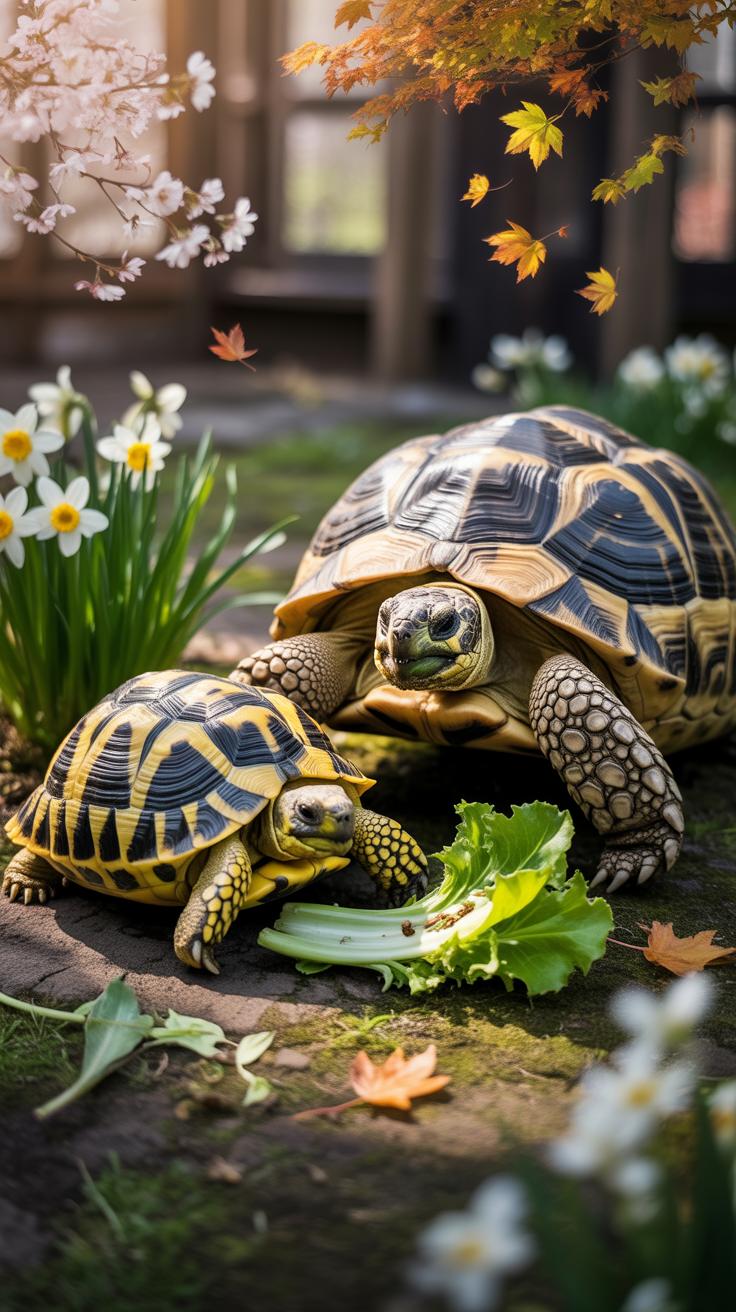
Juvenile tortoises require higher protein levels than adults to support rapid bone and shell development. You must provide a diverse range of nutrient-dense greens daily. Focus on calcium intake to prevent metabolic bone disease. Growing hatchlings utilize minerals fast. They need constant access to cuttlefish bone. You should avoid calorie-dense fruits. Excessive sugar causes gut issues and unnatural growth spurts in young reptiles.
Adult tortoises have slower metabolic rates and require a higher fiber-to-protein ratio. You must shift their diet toward tough grasses and weeds. This mimics their natural foraging patterns in the wild. Reduce feeding frequency as they age to prevent obesity. Overfeeding leads to lethargy and internal organ strain. Monitor shell hardness and weight monthly. Strategic mineral supplementation remains necessary but at lower concentrations than the juvenile stage.
Adapting Food Variety And Quantity During Hibernation And Active Seasons
Prepare your tortoise for hibernation by gradually reducing food intake while maintaining hydration. Clear the digestive tract completely before the cooling period begins. Undigested food rots in the gut during winter sleep. This process takes two to four weeks depending on the species and temperature. Provide clean water daily to ensure the bladder is full. Hydration is the most critical survival factor.
Increase food variety and quantity during the peak active seasons of spring and summer. Use the abundance of fresh wild weeds and flowers to maximize nutrient intake. Tortoises need to build fat reserves after emerging from hibernation. Focus on high-calcium plants during this period. Monitor local weather patterns to adjust portions. If temperatures drop unexpectedly, reduce food to prevent digestive backups. Active tortoises require more energy.
Frequently Asked Questions

Why is it important to offer my tortoise a wide variety of different foods?
Providing a diverse range of nutrients is essential for shell development and organ health. In the wild, these reptiles graze on dozens of plant species. By following a varied tortoise diet guide, you prevent nutritional deficiencies and boredom. Rotating leafy greens, weeds, and flowers ensures your pet receives the correct calcium-to-phosphorus ratio, mimicking their natural foraging habits for a longer, healthier life in your home.
How can I effectively transition my tortoise to a more diverse selection of greens?
If your pet is a picky eater, start by finely chopping new vegetables and mixing them with their favorite familiar greens. This varied tortoise diet guide recommends a gradual “slow-blend” approach to prevent digestive upset. Lightly misting the new mixture with water can help the scents meld together, making the unfamiliar items more enticing. Consistency is key when introducing high-fiber weeds and flowers to expand their palate over several weeks.
Is it possible to provide a nutritious and varied diet on a tight budget?
Absolutely. You can significantly reduce costs by foraging for safe, pesticide-free weeds like dandelions, clover, and plantain in your own backyard. Growing your own hibiscus or prickly pear cactus is another affordable way to ensure freshness. Buying seasonal greens in bulk and skipping expensive, processed tortoise pellets allows you to maintain a high-quality food rotation without overspending. Focus on fresh, local grocery staples like collard greens and turnip tops.