What Type Of Crab Is A Hermit Crab And Why Does It Matter
The Biological Classification Of Hermit Crabs
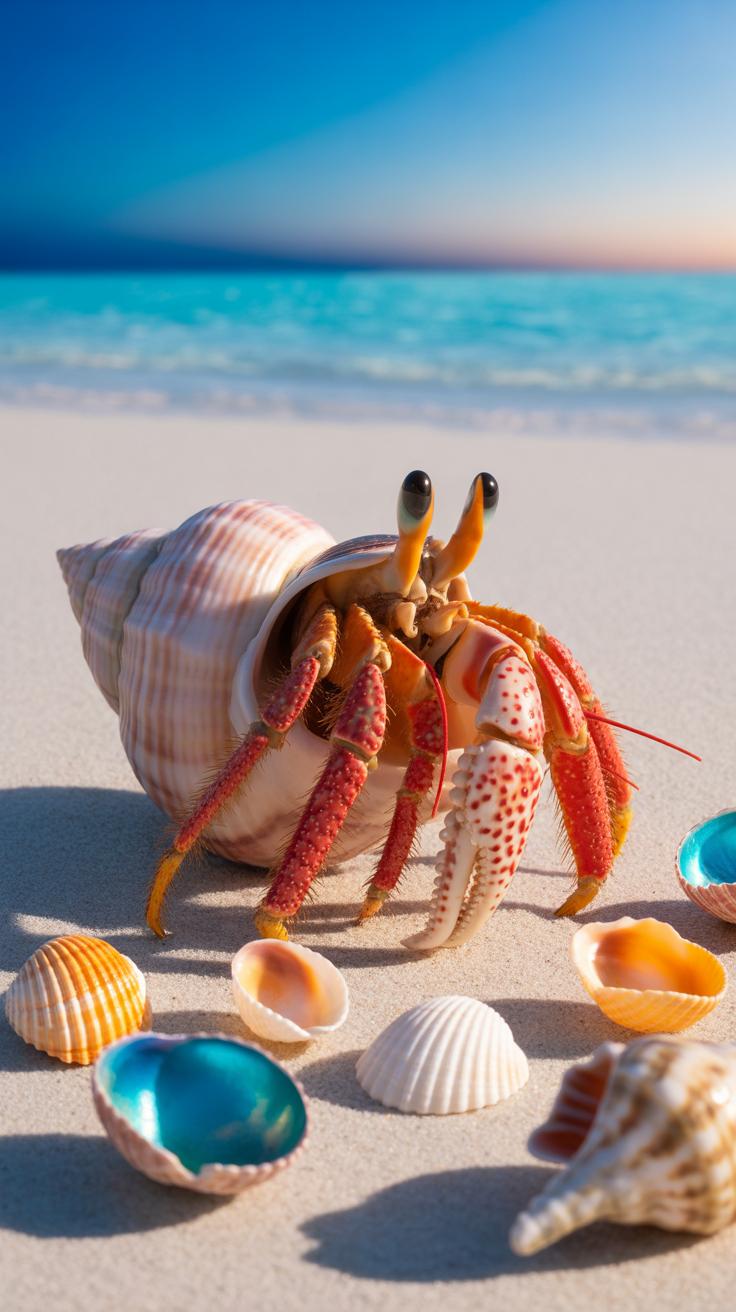
Hermit crabs belong to the superfamily Paguroidea. They are decapod crustaceans but they are not true crabs. Scientists classify them as anomurans. This group also includes porcelain crabs and king crabs. Their evolutionary path differs significantly from the Brachyura group. Understanding this classification explains their unique physical needs. They lack a fully calcified shell of their own.
These animals rely on external mobile shelters for survival. Most species inhabit discarded gastropod shells to protect their soft abdomens. This biological trait drives every aspect of their daily behavior. They are scavengers that occupy diverse niches in marine and terrestrial environments. Their internal anatomy requires constant moisture to function. This specific biological setup forces the animal to adopt a strict nocturnal schedule.
How Hermit Crabs Differ From True Crabs In Behavior And Biology
True crabs possess a hard and symmetrical exoskeleton across their entire body. Hermit crabs have a soft and asymmetrical abdomen. This physical vulnerability is a major tactical disadvantage. A true crab grows its own armor as it matures. A hermit crab must constantly find and win new housing to survive. This struggle for resources dictates their movement and energy spending.
The respiratory systems also differ between the two groups. Hermit crabs use modified gills or branchiostegal lungs that must stay damp. True crabs often have more robust protection for their breathing organs. Exposure to direct sunlight quickly dries out a hermit crab. This causes suffocation and death. Their inability to retain moisture like a true crab makes daytime activity a lethal risk for the species.

The Natural Nocturnal Instincts Of The Hermit Crab

Why Hermit Crabs Evolved As Nocturnal Creatures
Hermit crabs evolved as nocturnal animals to solve a biological problem. They use modified gills to breathe. These gills require high humidity levels to function. Direct sunlight dries out the air and the crab. Evolutionary pressure forced these creatures to hunt during the night. This schedule keeps their breathing organs moist. It ensures they do not suffocate while searching for food sources or shells.
This behavior is a survival strategy developed over millions of years. Land hermit crabs face extreme heat in tropical climates. Moving during the day leads to rapid water loss. They cannot sustain high energy levels in the sun. By staying active at night, they conserve precious energy. They maximize their metabolic efficiency when temperatures drop. Dark hours allow them to travel further distances across the sand without physical failure.
How Darkness Provides Safety And Comfort For Hermit Crabs
Nightfall provides a tactical advantage against many natural predators. Birds and large reptiles hunt by sight during the day. A moving hermit crab is an easy target on open ground. Darkness acts as a visual shield for the crab. It allows them to scavenge for food with less risk. Security is the primary driver for this behavior. They stay hidden in burrows until the sun goes down.

Lower temperatures at night provide physical comfort for the crab. High heat causes stress and triggers defensive reactions. Cool air allows the crab to focus on essential tasks like eating and hydrating. They also interact more with other crabs during these hours. Darkness creates a stable environment for their sensitive bodies. This consistency is vital for their long term health. It prevents the shell from becoming a heat trap.
What Do Hermit Crabs Do During The Day
Why Hermit Crabs Burrow And Hide During Daylight Hours
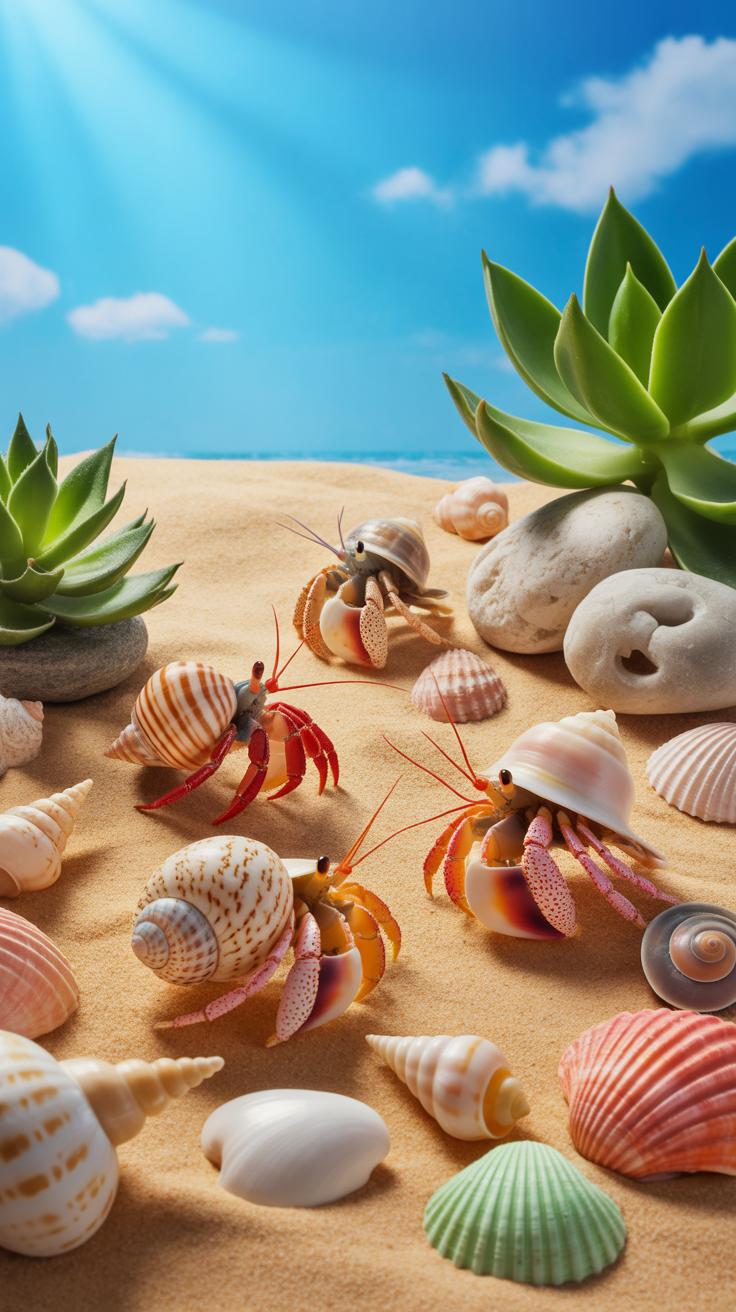
Hermit crabs burrow into sand or hide under debris to survive the day. Direct sunlight quickly evaporates the moisture they need to breathe. These animals use modified gills that require high humidity to function. If their gills dry out, they suffocate. Deep sand provides a stable, cool climate. Digging down allows them to escape the lethal heat of the afternoon sun.
Daylight also exposes hermit crabs to many predators. Birds and larger crabs hunt by sight during these hours. A shell offers some protection but cannot stop a determined predator from breaking it. Hiding in dark crevices or underground keeps them invisible. Staying stationary saves energy for nighttime foraging. They prioritize safety and moisture retention until the sun sets and the air becomes humid.
The Role Of Molting And Shell Maintenance In Daytime Inactivity
Molting is a critical biological phase that happens primarily underground during the day. Hermit crabs shed their entire exoskeleton to grow larger. This process leaves their new skin soft and extremely vulnerable. They remain buried for weeks to avoid physical threats while their new armor hardens. Emerging too early results in immediate death from predators or dehydration. This mandatory downtime dictates their daytime behavior.
Shell maintenance also consumes daylight hours. A crab must keep a small amount of water inside its shell to hydrate its body. During the day, they tuck deep inside the shell to seal in this liquid. They use their legs to clean the interior and adjust their position. Any movement outside a humid environment risks losing this vital water reserve. Staying inactive preserves their internal water supply for later use.
What Do Hermit Crabs Do At Night
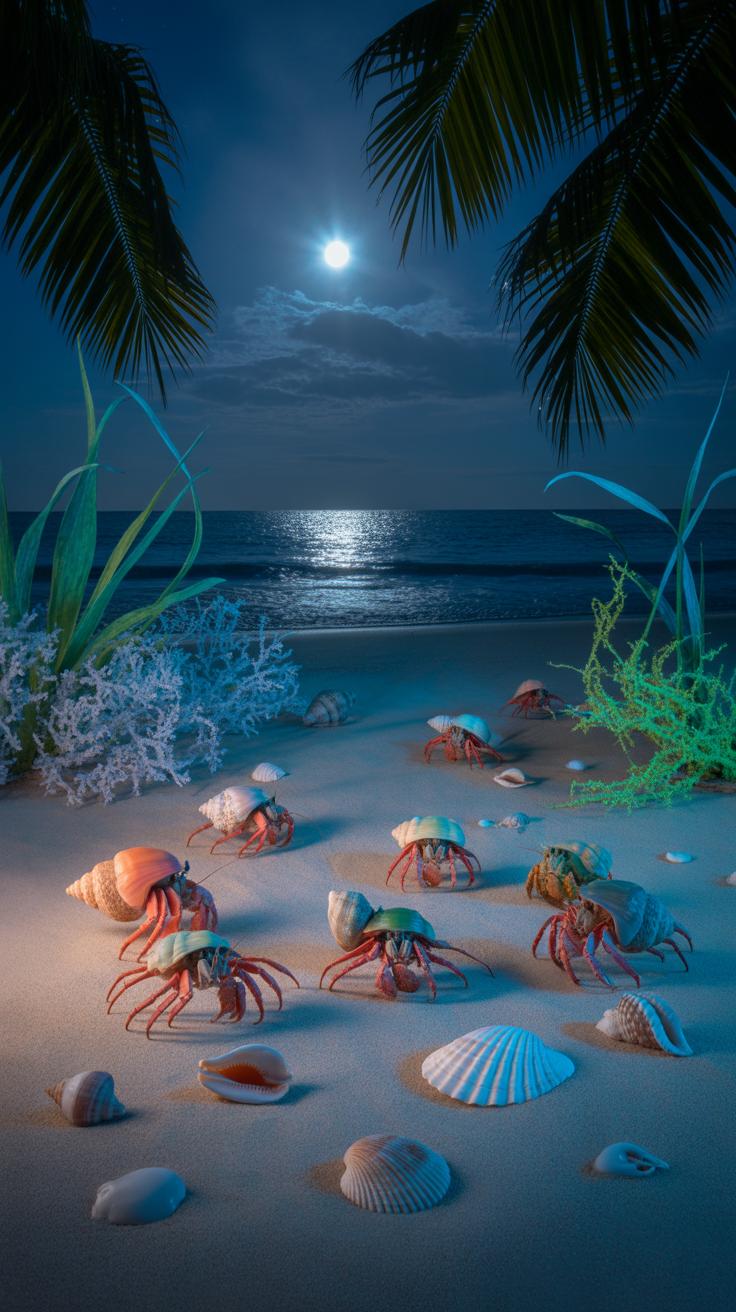
Nighttime Exploration, Climbing, And Social Interaction
Hermit crabs utilize the night for intense physical activity. They move across the terrain to find food and water sources. Darkness provides safety from visual predators like birds. This security allows them to cover more ground than during the day. They use their antennae to navigate in low light. Their activity levels peak when humidity is highest. High humidity prevents their gills from drying out.
Climbing is a core nocturnal behavior for these animals. They scale trees, rocks, and cage decor to find fruit or vantage points. This exercise maintains their muscle strength and health. Social interactions also increase during these hours. Crabs meet at common feeding spots to communicate. They use vibrations and limb movements to establish a social hierarchy. This interaction is essential for their colony structure.
Shell Swapping And Other Nocturnal Behaviors To Watch For
Shell swapping is a critical nocturnal event. Hermit crabs have soft abdomens that require hard protection. They test new shells for fit, weight, and integrity under the cover of darkness. This process is dangerous because it leaves the body exposed. Working at night reduces the risk of an attack during the transfer. They often inspect multiple shells before choosing the best upgrade.

Other behaviors include deep digging and moisture replenishment. Crabs dig into the substrate to manage their body temperature and hydration. They visit salt and fresh water pools to fill their shells. This water supply keeps their gills damp for the next day. You will also see them scavenging for proteins and calcium. They focus on eating during the night to avoid thermal stress from the sun.
Hermit Crab Feeding Habits When And What They Eat
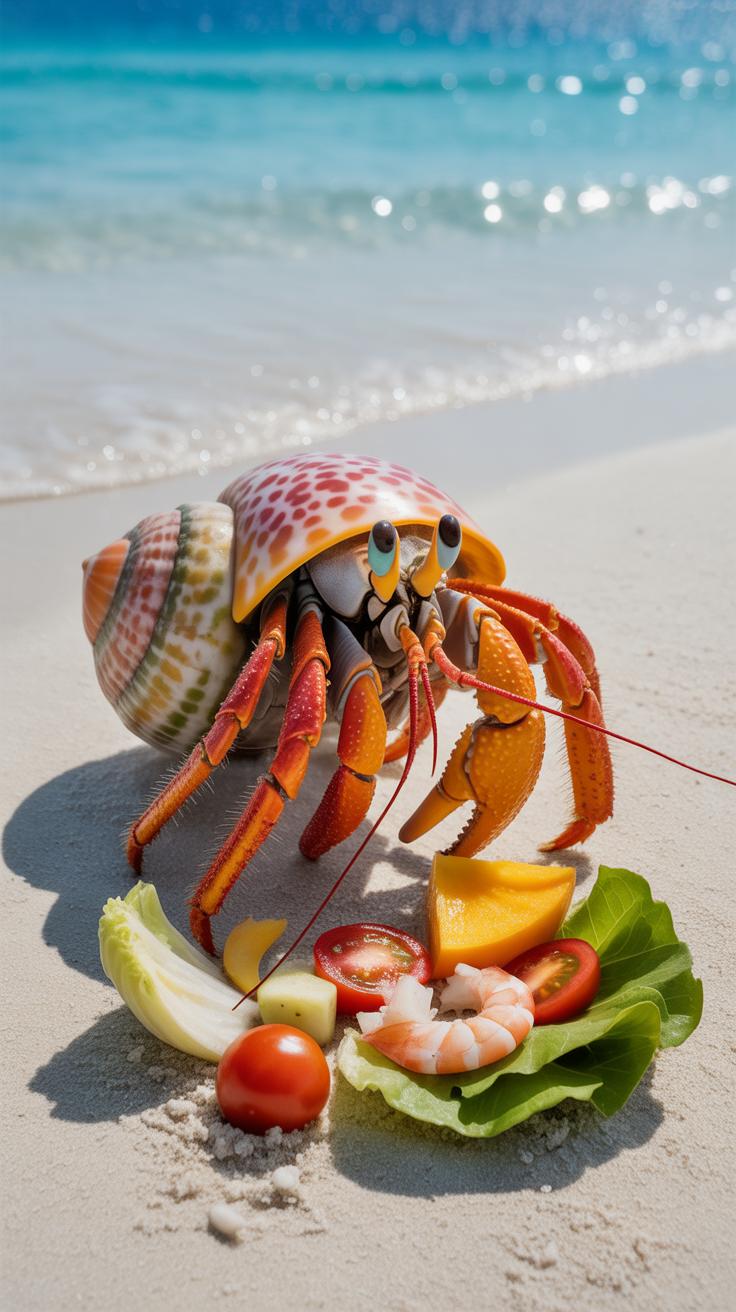
Why Hermit Crabs Prefer To Forage For Food At Night
Hermit crabs forage at night to avoid water loss through evaporation. They possess modified gills that require constant moisture to function. Daytime heat evaporates the humidity they need to breathe. By moving in the dark, they preserve internal water levels and maintain gill efficiency. This tactical timing ensures they stay hydrated while traveling between food sources and the shoreline.
Nighttime provides a critical tactical advantage against visual predators. Large birds and mammals hunt primarily by sight during the day. Foraging after dusk hides the movement of the crab and its shell. The darkness serves as a biological camouflage. This behavioral adaptation minimizes their risk of being eaten during high activity periods. Moving at night allows these scavengers to focus on finding resources.
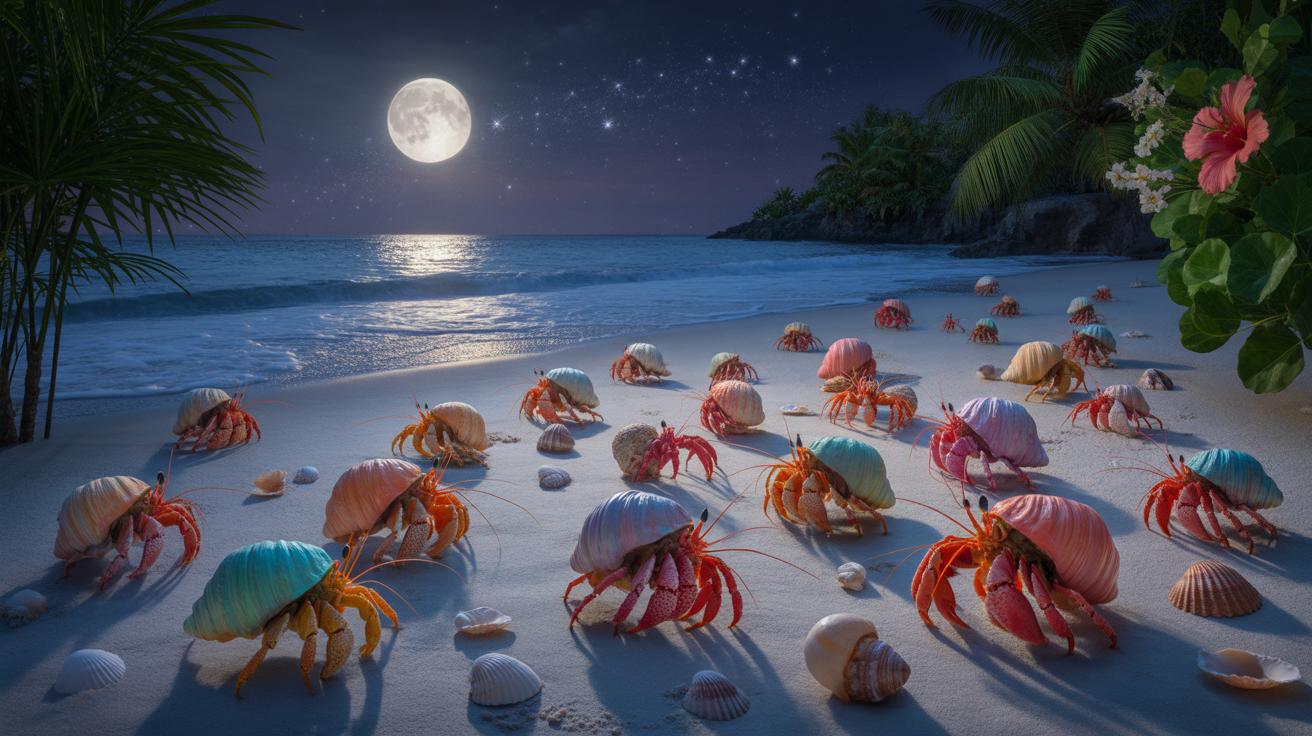
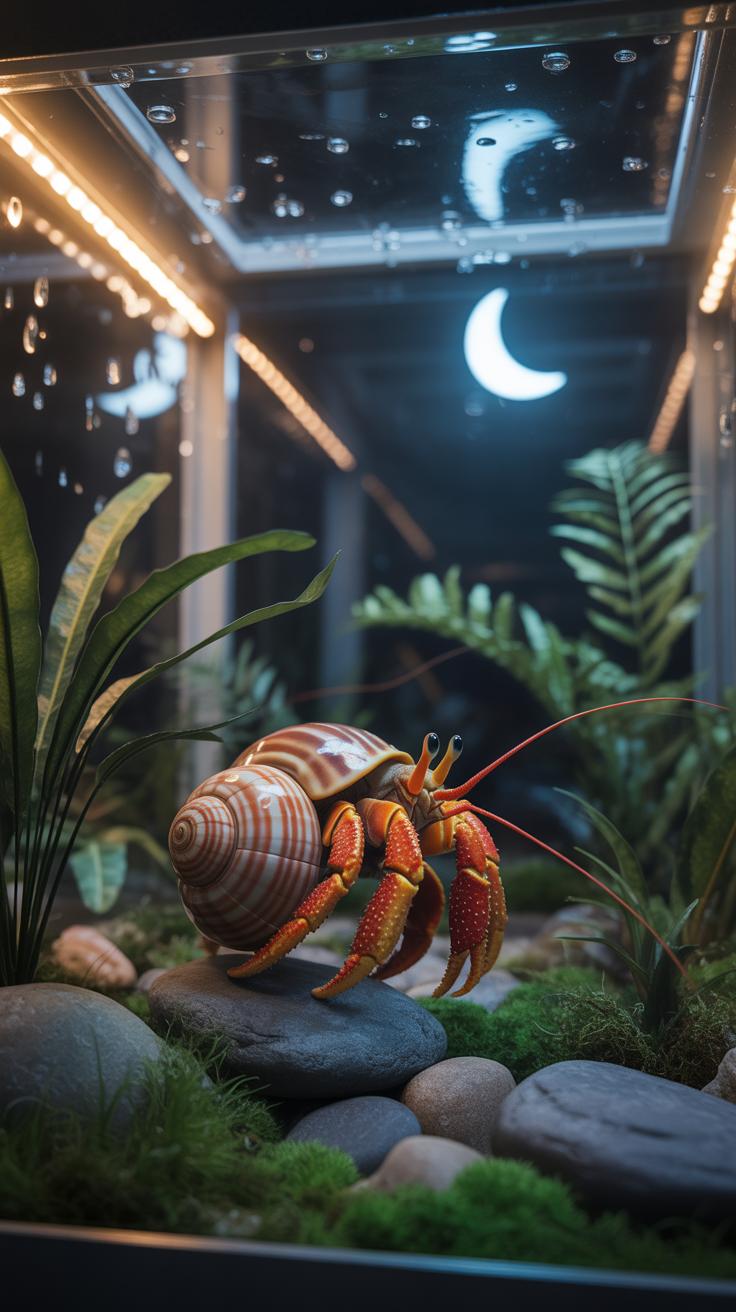
Just as the hermit crab finds its courage under the silver glow of the moon, we often find our truest selves in the quiet hours of reflection. The night does not hide us, it simply gives us the gentle room we need to grow.
What To Feed Your Hermit Crab During Their Active Nighttime Hours
Hermit crabs are scavengers that require a varied diet to maintain metabolic health. They need a mix of protein, calcium, and vegetation to support their exoskeleton integrity. Providing these nutrients during their peak activity ensures they consume enough energy before the sun rises. You must provide diverse options to mimic their natural foraging environment and prevent nutritional deficiencies.
- Animal Protein: Supply dried shrimp, mealworms, or bloodworms to meet their protein needs. These items provide essential amino acids for muscle growth and repair. Use unseasoned sources to avoid toxic additives that harm their nervous systems.
- Calcium Sources: Offer crushed eggshells, cuttlebone, or oyster shells to support the molting process. Calcium strengthens the new exoskeleton after the crab sheds its old one. Without sufficient calcium, the crab risks a failed molt and death.
- Fresh Produce: Include leafy greens, carrots, and coconut to provide vitamins and fiber. These plants replicate the fallen fruit and vegetation crabs find on tropical forest floors. Avoid citrus fruits as the acidity can irritate their delicate sensory organs.
- Seaweed and Kelp: Give them dried seaweed or spirulina for essential minerals and iodine. Iodine is critical for regulating the molting hormones in land crustaceans. These marine nutrients help maintain their internal salt balance and overall color vibrancy.
- Healthy Fats: Provide walnuts, sunflower seeds, or almonds to supply high density energy. These fats help the crab store the fuel necessary for long periods of daytime burrowing. Crushed nuts are easier for their small claws to manipulate and consume quickly.

Fresh water and salt water must remain available alongside these food groups. Remove uneaten perishable items every morning to prevent mold growth in the humid enclosure. Mold creates toxic spores that can kill crabs in confined spaces. Use heavy ceramic dishes to prevent the crabs from tipping their food into the substrate. Consistency in feeding schedules helps regulate their natural circadian rhythms.
How Temperature And Humidity Influence Nocturnal Activity
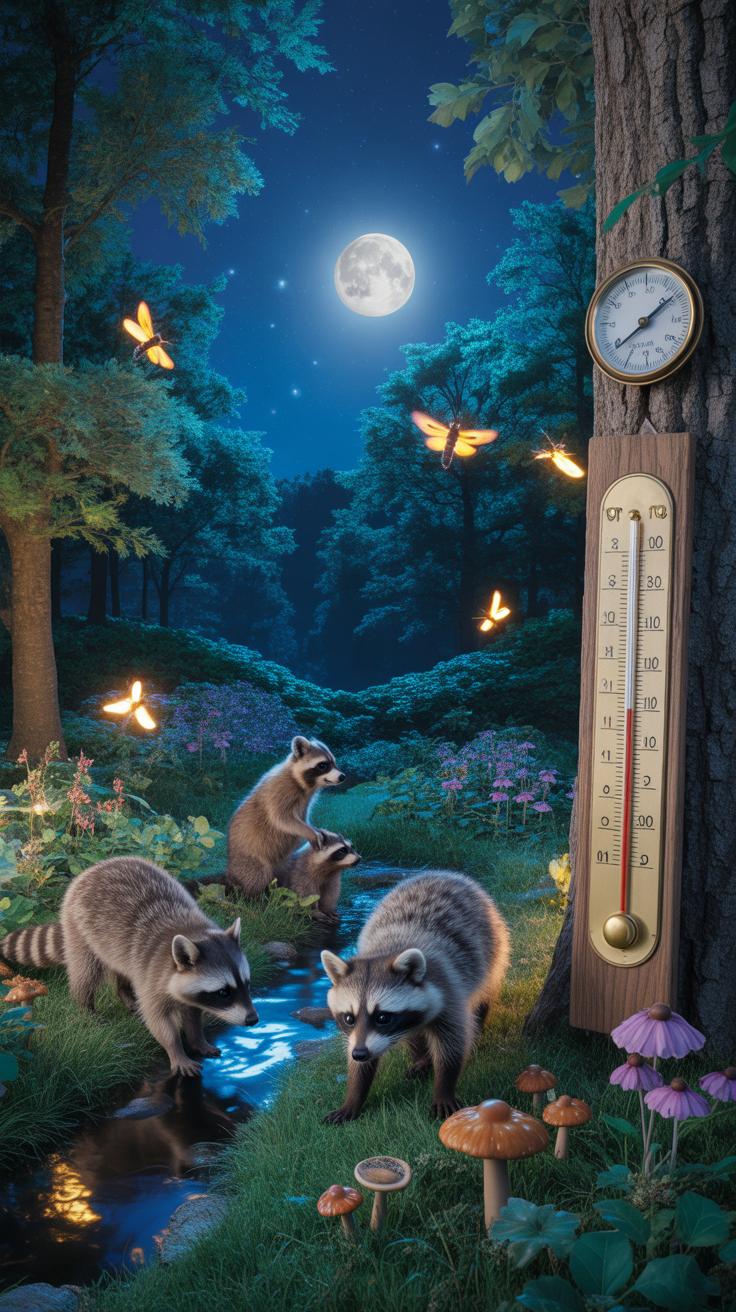
The Connection Between Cooler Nighttime Temperatures And Hermit Crab Activity
Hermit crabs are ectotherms. Their body temperature depends on the environment. High daytime heat poses a lethal risk of desiccation. They hide during peak sun hours to stay cool and save energy. Nocturnal movement allows them to forage without overheating. Lower nighttime temperatures prevent their internal fluids from evaporating too fast. This thermal regulation is vital for survival in tropical climates.
Cooler air at night provides a safer window for physical exertion. Crabs use this time to scout for food and shells. They can travel long distances when the sun is down. Heat stress during the day slows their metabolism and limits movement. By shifting activity to the night, they avoid the physical toll of extreme heat. This behavior ensures they remain hydrated and functional.
How Humidity Levels In The Enclosure Affect Their Nighttime Behavior
Humidity is a critical biological requirement for hermit crabs. They breathe through modified gills that must stay moist. Dry air causes these gills to dry out and leads to suffocation. Nighttime naturally brings higher humidity levels in the wild and in enclosures. Crabs emerge when the air is thick with moisture. This environment allows them to breathe efficiently while they explore.

High humidity triggers active behaviors like climbing and digging. Crabs feel secure when the air saturation is above seventy percent. They move more aggressively when moisture levels are stable. Low humidity forces them to retract into their shells to trap damp air. Maintaining high nighttime humidity is the most effective way to encourage natural movement. It keeps their respiratory systems working at peak capacity.
Hermit Crab Care Setting Up The Right Environment For Nocturnal Pets
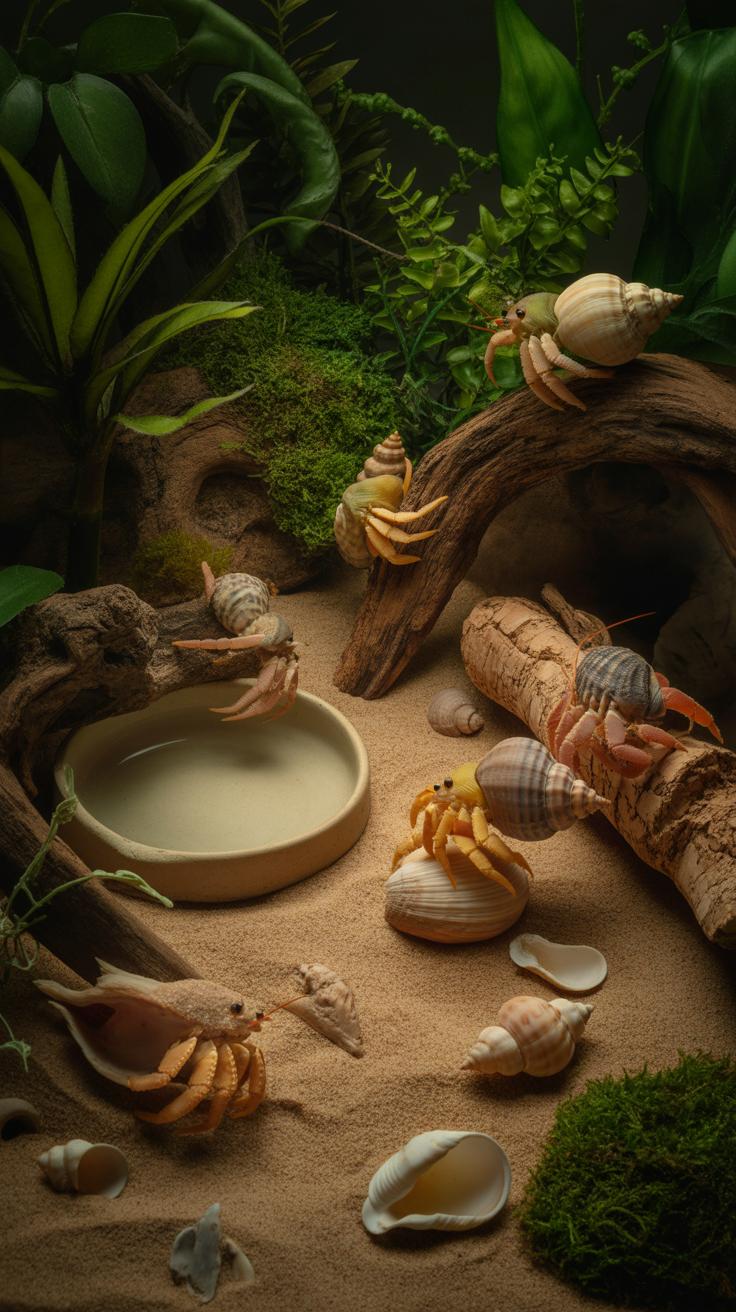
Choosing The Right Substrate And Hiding Spots For Daytime Rest
Hermit crabs require deep substrate to mimic their natural burrows. Use a mix of play sand and coconut fiber. The depth must be at least three times the height of your largest crab. This depth allows crabs to tunnel down for safety during daylight hours. Moist substrate supports these tunnels so they do not collapse. Solid burrows prevent dehydration while the crabs sleep.
Provide multiple dark hiding spots to reduce daytime stress. Use natural materials like cork bark, hollow logs, or ceramic caves. Place these items in low traffic areas of the enclosure. Crabs retreat to these spots to avoid bright light and potential predators. A dark environment signals safety and promotes healthy molting cycles. Ensure every crab has an individual space to prevent competition for resting areas.
Lighting Schedules That Respect Your Hermit Crab’S Natural Sleep Cycle
Establish a strict twelve hour light and dark cycle to regulate internal clocks. Use a low wattage day bulb to simulate sunlight. Turn off all white lights at sunset to trigger activity. Hermit crabs rely on photo periods to know when to emerge for food. Sudden changes in light timing cause significant stress. Use an automatic timer to maintain consistency for the crab habitat.

Avoid using bright white or yellow lights during the night hours. Crabs perceive these as daylight and will remain hidden. If you must watch them, use a dim red or moon glow bulb. These wavelengths allow human visibility without disrupting the crab’s nocturnal behavior. Keeping the room dark at night encourages natural foraging and climbing. Proper lighting schedules ensure the crabs maintain their metabolic health and energy.
Hermit Crab Care Tips For Observing And Supporting Nighttime Activity
Using Red Or Blue Night Lights To Watch Hermit Crabs Without Disturbing Them
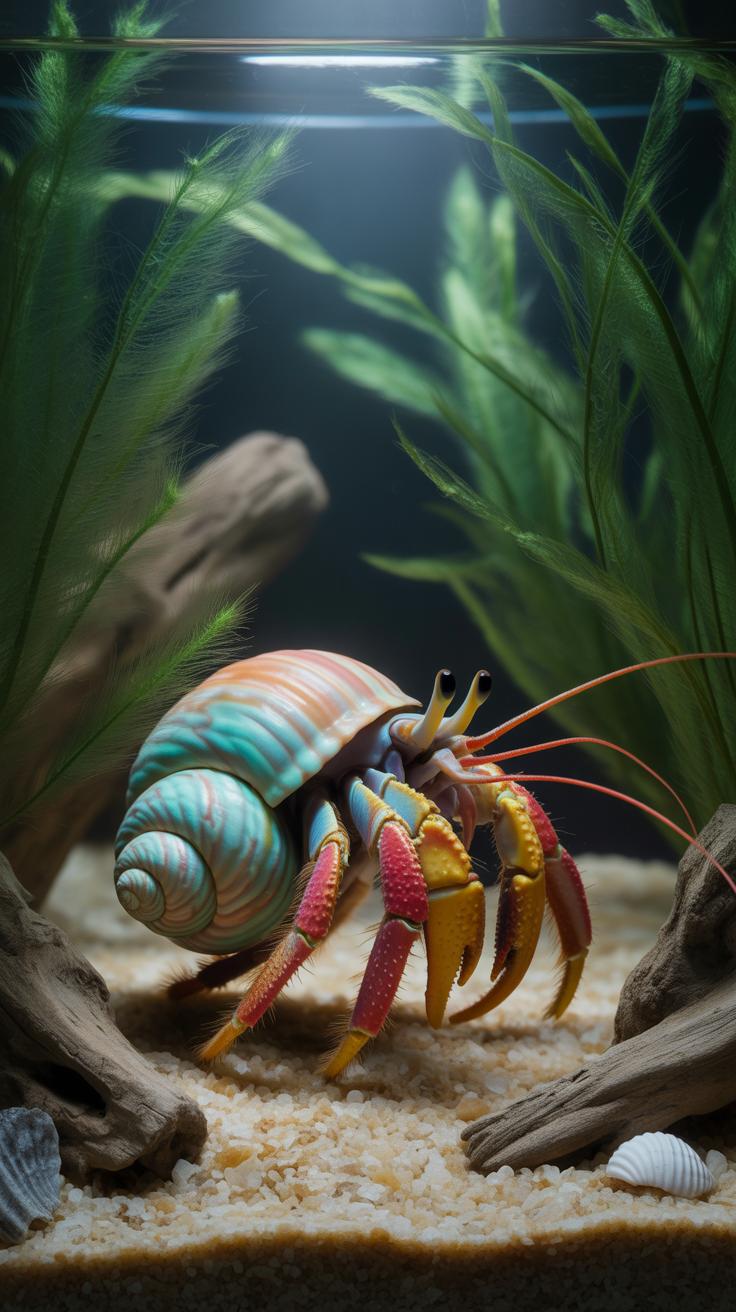
Hermit crabs possess complex eyes that detect white light and UV rays easily. Bright white light at night disrupts their internal clock. This stress stops them from foraging or molting properly. You must use specific bulb colors to watch them without causing panic. Red and blue spectrum lights allow for human visibility while remaining invisible or dim to the crabs. This strategy keeps their environment dark.
Position your night light at a distance to avoid heat spikes. Standard heat lamps can dry out the enclosure air quickly. Constant humidity is vital for their modified gills to function. Choose low-wattage LED bulbs to prevent temperature fluctuations. Smart timers help maintain a strict twelve-hour light cycle. Clear schedules mimic the natural tropical day and night shifts found in their native coastal habitats.
Top Tips For Encouraging Healthy Nocturnal Behavior In Captive Hermit Crabs
Captive crabs require specific environmental triggers to activate their nocturnal state. You must simulate a tropical environment to ensure they feel safe enough to leave their shells. Temperature and humidity stay higher at night in their natural range. High humidity allows them to breathe while they move. Darkness signals that predators are less active. Proper tank setup ensures your crabs remain active and healthy.
- Maintain High Humidity: Keep tank humidity between seventy-five and eighty-five percent consistently. Crabs breathe through modified gills that require moisture to transfer oxygen. Dry air causes physical distress and stops nighttime movement immediately.
- Provide Climbing Structures: Install driftwood or hemp nets for vertical movement. Hermit crabs are natural scavengers that climb to find food and survey their surroundings. Increased surface area encourages more physical exercise during their active hours.
- Offer Varied Substrate: Use a mix of play sand and coconut fiber. The depth must be at least six inches or three times the height of your largest crab. Deep substrate allows for safe tunnels and reduces stress.
- Deep Water Pools: Supply both fresh and saltwater pools in the enclosure. Crabs need to submerge to regulate the salinity of the water stored in their shells. This shell water keeps their soft abdomens hydrated throughout the night.
- Hide Boxes: Place multiple dark huts or hollow logs around the tank. Crabs need secure spots to retreat if they feel vibrations or see sudden movements. Security during the day leads to more confident exploration when the lights go out.

Dietary variety also plays a massive role in nighttime energy levels. Provide calcium sources like cuttlebone to support exoskeleton health during the nocturnal molt cycle. Fresh fats and proteins should be available every evening. Remove uneaten fresh food every morning to prevent mold growth in the humid air. Consistent care routines build a stable environment where hermit crabs thrive and show natural behaviors.
Your Hermit Crab Care Guide Aligning Your Routine With Their Nocturnal Schedule
When To Feed, Clean, And Interact With Your Hermit Crab For Best Results
Schedule feeding times shortly before sunset or when you turn off aquarium lights. Hermit crabs forage during the night to avoid desiccation and predators. Placing fresh food in the tank at dusk ensures the nutrients remain viable during their peak activity period. Remove uneaten perishable items every morning. This practice prevents mold growth and keeps the substrate clean from rotting organic matter.
Limit handling and heavy maintenance to early evening hours. Crabs are naturally sluggish and stressed during the day because their biology dictates rest. Disturbing them during daylight hours can disrupt their metabolic processes. Perform spot cleaning and water changes while the crabs are awake and mobile. This routine respects their biological clock and reduces the risk of stress related illnesses in your captive colony.
Signs Of A Happy, Healthy Hermit Crab Living On A Natural Nocturnal Cycle
A healthy crab exhibits high activity levels once the environment darkens. You will observe them climbing wood, exploring shells, and visiting water basins after dusk. Robust evening movement indicates the crab feels secure and has enough humidity to breathe properly. Consistent nocturnal patterns show the animal has successfully acclimated to its environment. Sluggishness during the night often signals a problem with temperature or hydration.
Monitor for regular foraging behavior and shell changes during the late hours. Healthy crabs possess a strong appetite and will investigate new food sources when the sun goes down. Their exoskeleton should appear vibrant and their eyes must be clear and responsive. If your crab remains buried for several weeks, it may be molting. Respect this phase by maintaining darkness and high humidity without disturbing the substrate.
Frequently Asked Questions

Is it normal for my hermit crab to hide all day and only be active after dark?
It is completely normal behavior for your pet to stay tucked away during daylight hours. In the wild, these creatures are nocturnal to avoid predators and prevent their delicate gills from drying out in the sun. Understanding why hermit crabs come out at night helps owners realize that a quiet tank during the day isn’t a cause for concern, but rather a sign of natural, healthy instincts.
How can I set up my tank to encourage activity once the sun goes down?
To support their natural cycle, provide plenty of hiding spots like coconut huts or driftwood for daytime rest. You can observe their nocturnal behavior by installing a specialized red or moon-glow bulb that doesn’t disturb their rhythm. Ensuring the humidity remains high in the evening explains why hermit crabs come out at night, as the damp air allows them to breathe comfortably while they explore, climb, and forage.
Do I need expensive night-vision equipment to see my hermit crabs being active?
You don’t need a big budget to enjoy your pets’ nighttime antics. Instead of pricey high-tech gear, simply use affordable red LED strips or a low-wattage nocturnal heat lamp. These budget-friendly lighting options allow you to watch them move around without startling them with bright white light. This way, you can easily witness their social interactions and climbing adventures during their peak hours of activity without spending a fortune.