What Catfish Are Good In Freshwater Aquariums
Popular Freshwater Catfish Species For Home Tanks
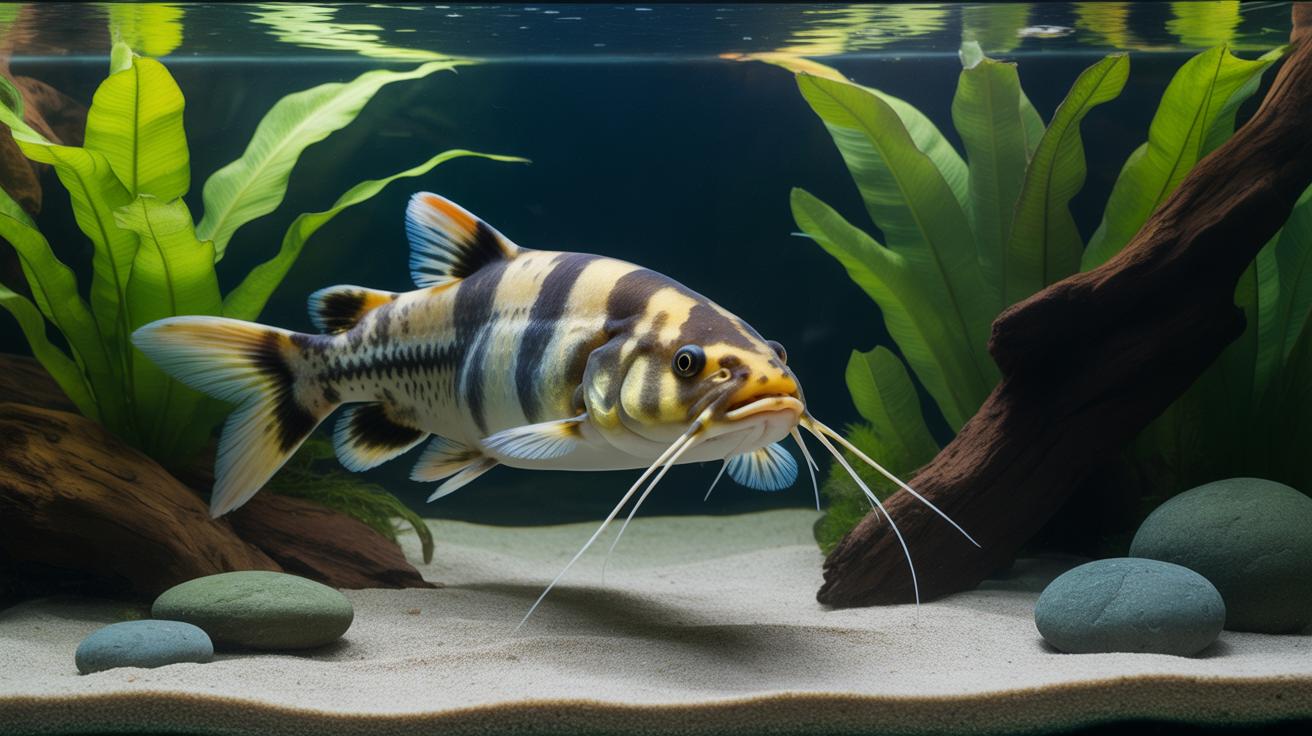
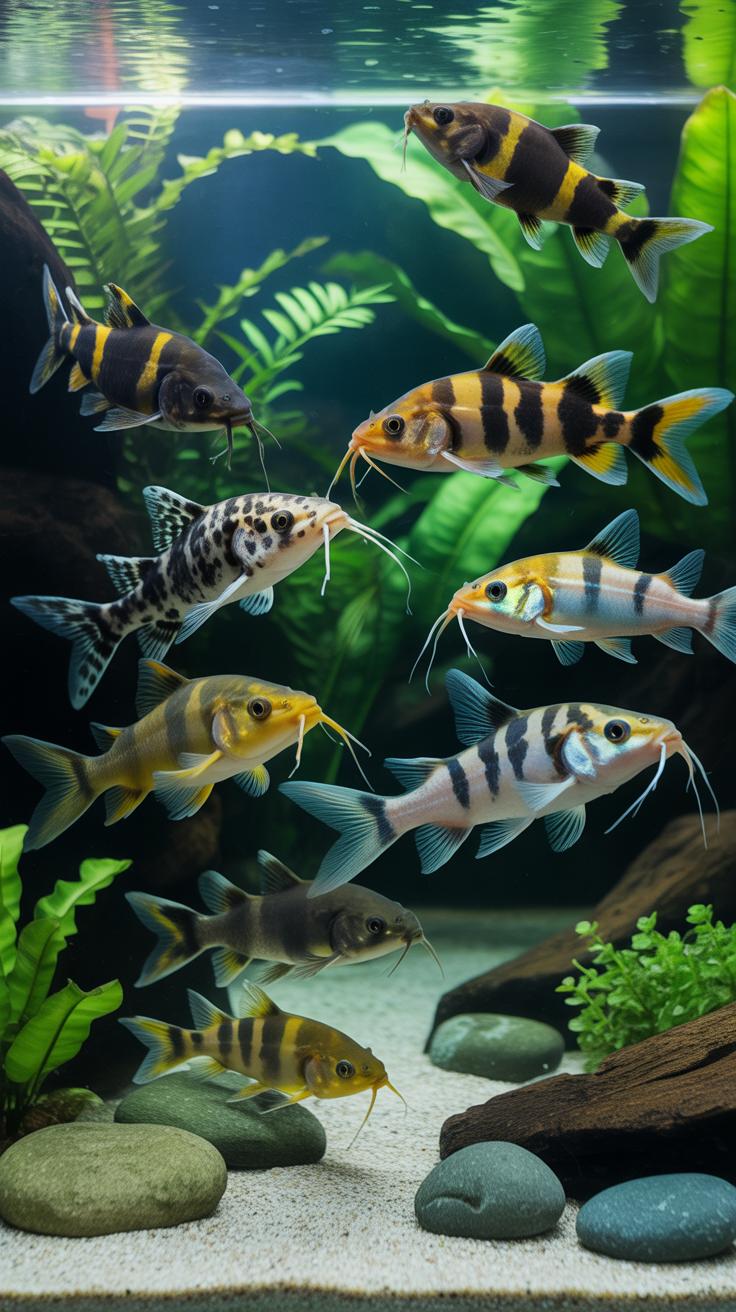
Corydoras catfish dominate the hobby due to their peaceful nature and small size. These armored catfish thrive in groups and occupy the bottom of the tank. Glass catfish offer a unique translucent appearance for middle-water movement. Plecostomus varieties like the Bristlenose stay manageable in size compared to the Common Pleco. Owners must choose species based on their specific social needs and water chemistry requirements.
Pictus catfish provide high energy and vibrant silver patterns for larger community setups. They require swimming space and move quickly during feeding times. South American Bumblebee catfish stay hidden during the day but offer striking black and yellow bands. Upside-down catfish from Africa provide interesting behavioral traits and fit well in planted tanks. Selecting the right species ensures a stable ecosystem and reduces stress for all tank inhabitants.
How To Match A Catfish Species To Your Aquarium Size And Setup
Tank volume dictates which catfish you can safely house. Small tanks under twenty gallons only support dwarf species like Pygmy Corydoras. Medium tanks allow for schooling groups or smaller L-number plecos. Large specimens like the Common Pleco grow over a foot long and require hundred-gallon systems. You must match the adult size of the fish to your equipment capacity to prevent stunted growth.
Substrate choice is critical for the health of many catfish species. Use fine sand for bottom dwellers to protect their sensitive barbels from damage. Sharp gravel can cause infections and lead to the loss of these sensory organs. Heavily planted tanks provide necessary cover for nocturnal species. Ensure your filtration can handle the high waste output typical of larger catfish. Proper planning prevents system crashes and fish loss.

How To Choose Cory Catfish For Your Aquarium
Key Traits To Look For When Selecting A Healthy Cory Catfish
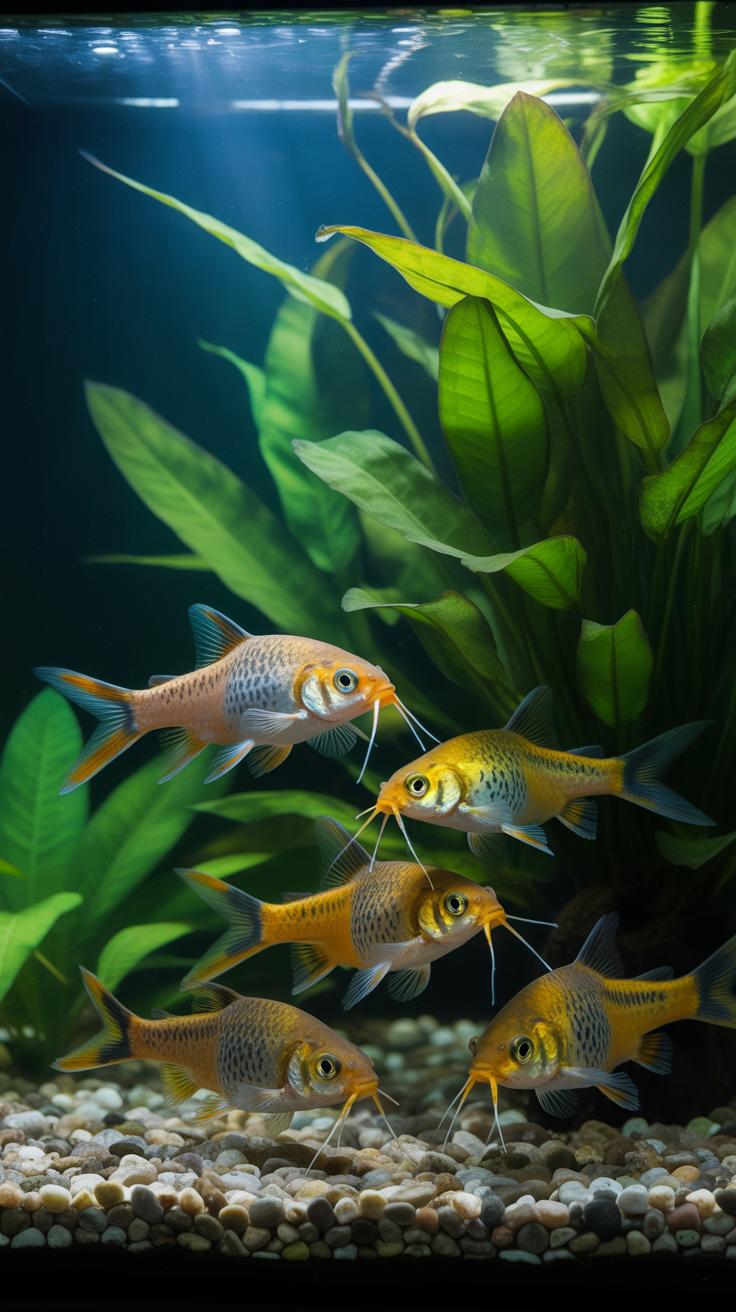
Select active fish that probe the substrate for food. Observe the snout and barbels closely for damage or erosion. Healthy barbels must be long and intact to allow the fish to navigate and feed properly. Avoid any specimen with red sores or white fuzz on the body. Check that the fish maintains a plump belly. Sunken stomachs indicate parasites or starvation.
Watch the gills for rapid movement which signals poor oxygen or high stress. Ensure the fins remain clear and upright rather than clamped against the body. Buy from tanks with clean water and no dead fish. Observe how the group interacts. Healthy Corydoras stay together in schools. Pick individuals with bright eyes and clear skin. Avoid fish that float or struggle to stay down.
Understanding The Different Species Of Corydoras Available In The Hobby
The Bronze and Albino variants represent the most hardy options for beginners. These fish tolerate a wider range of water parameters and temperatures. They grow to roughly three inches and stay visible during the day. Professional keepers often start with these because they handle stress well. Their thick plates provide protection against physical injury. These species stay affordable and widely available in most shops.

Species like the Panda or Sterbai Cory require more specific care. Panda Corys prefer cooler water and high oxygen levels. Sterbai Corys thrive in warmer tanks and display striking orange pectoral fins. Pygmy Corydoras offer a solution for small tanks since they stay under one inch. Always match the species to your existing tank temperature. Mixing different species works but they will not school together properly.
Cory Catfish Care Guide Setting Up The Right Environment
Ideal Tank Size, Substrate, And Decorations For Corydoras
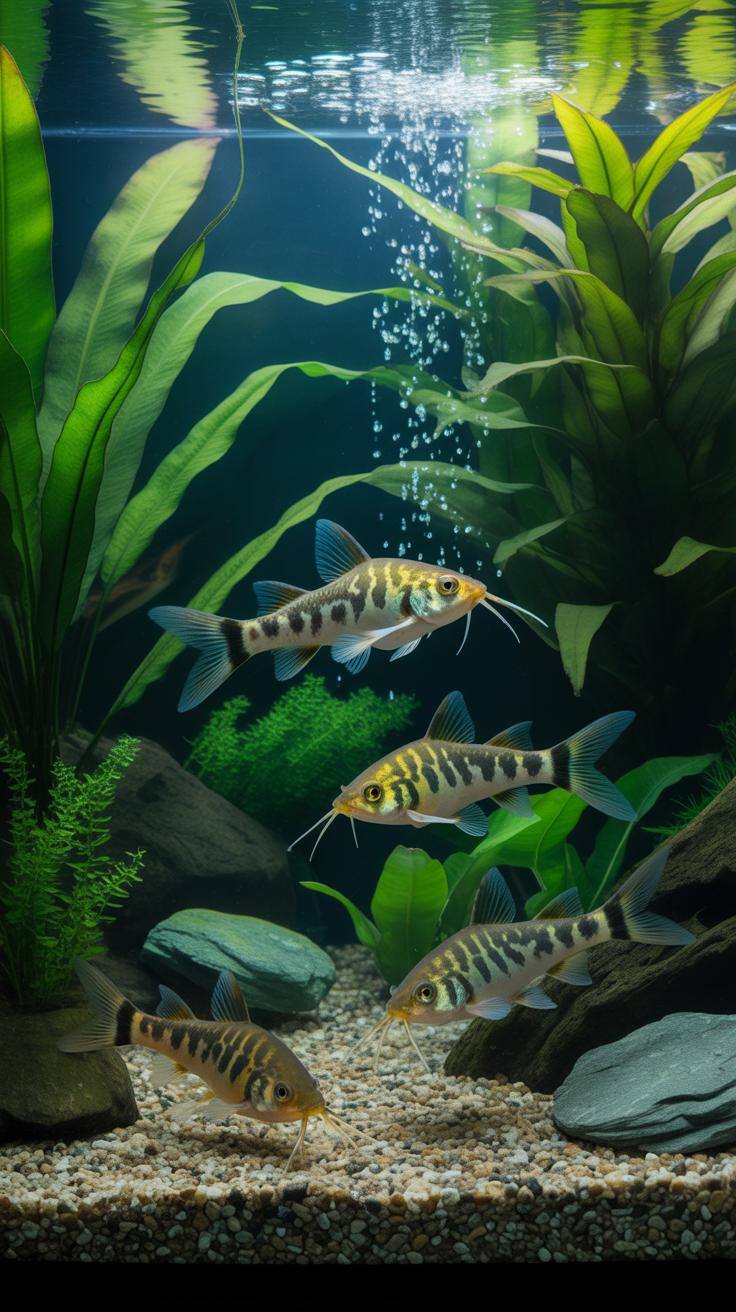
Corydoras require a minimum tank size of twenty gallons. These fish live in shoals and need horizontal space to forage. A long tank footprint outranks vertical height in importance. You must keep them in groups of at least six. Smaller groups cause stress and suppress natural behavior. Always prioritize floor space when selecting the aquarium dimensions for these bottom dwellers.
Substrate choice determines the health of your fish. Use fine aquarium sand to protect their delicate barbels. Rough gravel or crushed coral causes physical trauma and infections. Provide hiding spots using smooth rocks or driftwood. Live plants like Anubias or Java Fern offer shelter without taking up swimming room. Ensure all decor lacks sharp edges that could tear their skin during rapid movements.
To be a successful aquarist, you must first learn to think like a fish and understand the quiet life of those who dwell in the shadows. To care for these gentle scavengers is to find peace in the steady rhythm of a well-tended home.
Water Temperature, PH, And Filtration Requirements For Cory Catfish
Standard Cory catfish thrive in temperatures between seventy-two and seventy-eight degrees Fahrenheit. Some specific species from cooler regions prefer the lower end of this range. Fluctuating temperatures weaken their immune systems. Use a reliable heater and thermometer to maintain stability. Most species adapt to a pH range between 6.0 and 7.5. Avoid extreme shifts in acidity as these fish are sensitive to chemicals.

Effective filtration is non-negotiable for success. Corydoras spend their lives on the bottom where waste settles. High concentrations of nitrates and ammonia lead to barbel erosion and death. Use a filter that processes the entire tank volume four times per hour. Direct the flow to keep oxygen levels high at the surface. Perform weekly water changes of twenty-five percent to keep the substrate clean of harmful pathogens.
Corydoras Fish Care Tips Feeding And Nutrition
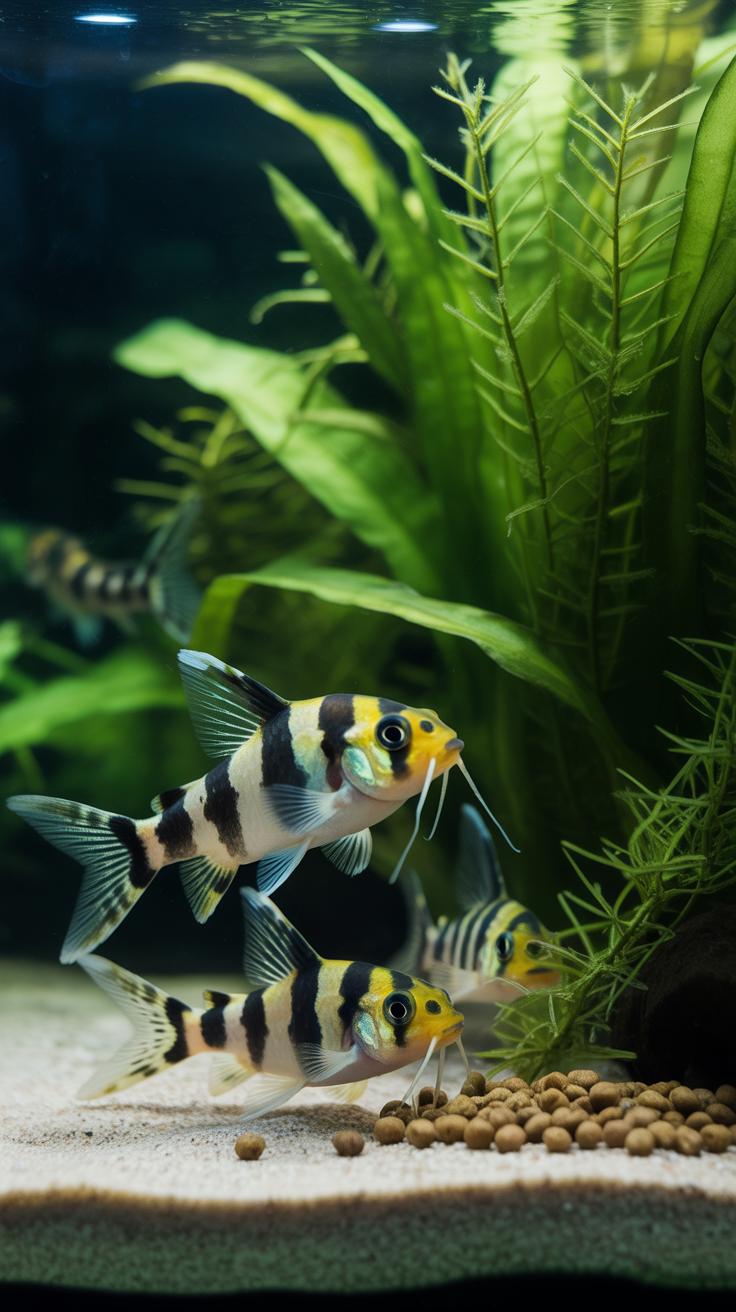
What Do Corydoras Eat And How Often Should You Feed Them
Corydoras are omnivores that require a diverse diet to thrive. They consume both plant matter and animal protein in the wild. You must provide sinking foods because these fish dwell on the bottom. Do not rely on Corydoras to eat waste or leftovers from top-dwelling fish. They need dedicated portions of high-quality nutrition. Clean the substrate regularly to ensure their food stays uncontaminated and safe.
Feed your Corydoras once or twice every day. Only provide what they can consume within three to five minutes. Overfeeding leads to poor water quality and dangerous nitrate spikes. Consistency is vital for their growth and immune system health. Use a feeding schedule to monitor their intake and behavior. Healthy fish remain active and forage constantly. Watch for sunken bellies as a sign of underfeeding problems.
Best Food Types And Feeding Practices To Keep Cory Catfish Healthy
Select foods that sink immediately to the bottom of the tank. Floating flakes or pellets will not reach Corydoras before other fish eat them. Use a mix of dry, frozen, and live foods to mimic natural feeding patterns. Variety prevents nutritional deficiencies and encourages spawning behavior in adult groups. High-protein items are essential for fry and young fish development. Ensure the pellets are small enough for their mouths.
- Sinking Pellets: These dense morsels drop straight to the substrate for easy access. Choose pellets with high shrimp or fish meal content. They provide the core protein source needed for daily energy and tissue repair in Corydoras.
- Frozen Bloodworms: These larvae offer a massive protein boost and act as a natural treat. Thaw them before adding to the tank to prevent temperature shock. They trigger hunting instincts and help condition females for egg production.
- Algae Wafers: Corydoras need vegetable matter to balance their digestive systems. These wafers break down slowly and allow the fish to graze over several minutes. They supplement the protein-heavy parts of their diet with essential fibers and minerals.
- Live Blackworms: Live foods offer the highest nutritional density for bottom dwellers. They wiggle in the substrate and encourage natural foraging behaviors. Always source live foods from reputable dealers to avoid introducing parasites or harmful bacteria into the water.
- Brine Shrimp: Use frozen or live brine shrimp to improve fish coloration and vitality. They are easy for Corydoras to digest and contain vital fatty acids. These are particularly effective for feeding smaller species or juveniles with high metabolic rates.

Avoid copper-based additives in any food products you purchase. Corydoras are sensitive to heavy metals and certain medications found in low-grade fish foods. Use a feeding tube to drop food directly onto the sand or gravel. This technique ensures the catfish get their share without competition from mid-water swimmers. Always remove uneaten food after ten minutes to maintain stable water chemistry and prevent fungal growth.
Cory Catfish Care Behavior Schooling And Social Needs
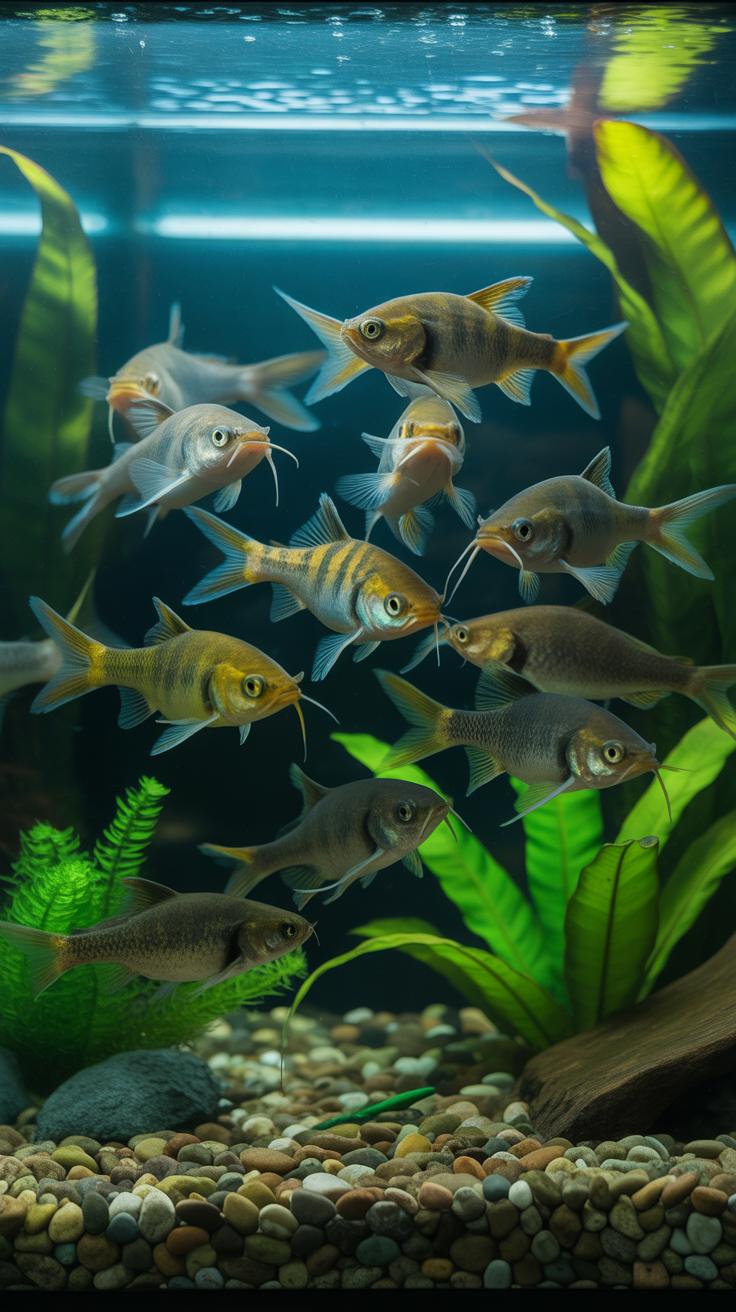
Why Cory Catfish Are Schooling Fish And How Many You Should Keep
Corydoras are highly social animals that live in massive groups in the wild. This social structure provides safety from predators and reduces individual stress. Keeping a single fish is a tactical error that leads to a suppressed immune system and premature death. You must provide a group to see their natural foraging habits. Solitary fish will hide constantly and refuse to eat properly.
A minimum of six Cory catfish of the same species is the standard requirement for a healthy colony. Mixing different species does not provide the same social security as a single-species shoal. Ensure your tank footprint accommodates this group size without overcrowding the bottom. More fish lead to more activity and better health. If you have the space, a group of ten or more is better.
Reading Cory Catfish Behavior To Understand Their Health And Stress Levels
Healthy Cory catfish stay active and probe the substrate with their barbels. They often dart to the surface for a quick gulp of air. This is normal intestinal respiration and not a sign of poor oxygen. Watch for the winking motion of their eyes during rest. Stationary fish that clamp their fins against their bodies are showing signs of extreme stress or parasitic infection.

Lethargy and rapid gill movement indicate poor water quality or high nitrate levels. If the fish lose their barbels, your substrate is likely too sharp or contains high bacterial loads. Check for red streaks on the belly or white fuzz on the mouth. These physical markers demand immediate water changes and medication. Active foraging in the open indicates a secure and well-maintained environment for the shoal.
Keeping Cory Catfish In Community Tanks
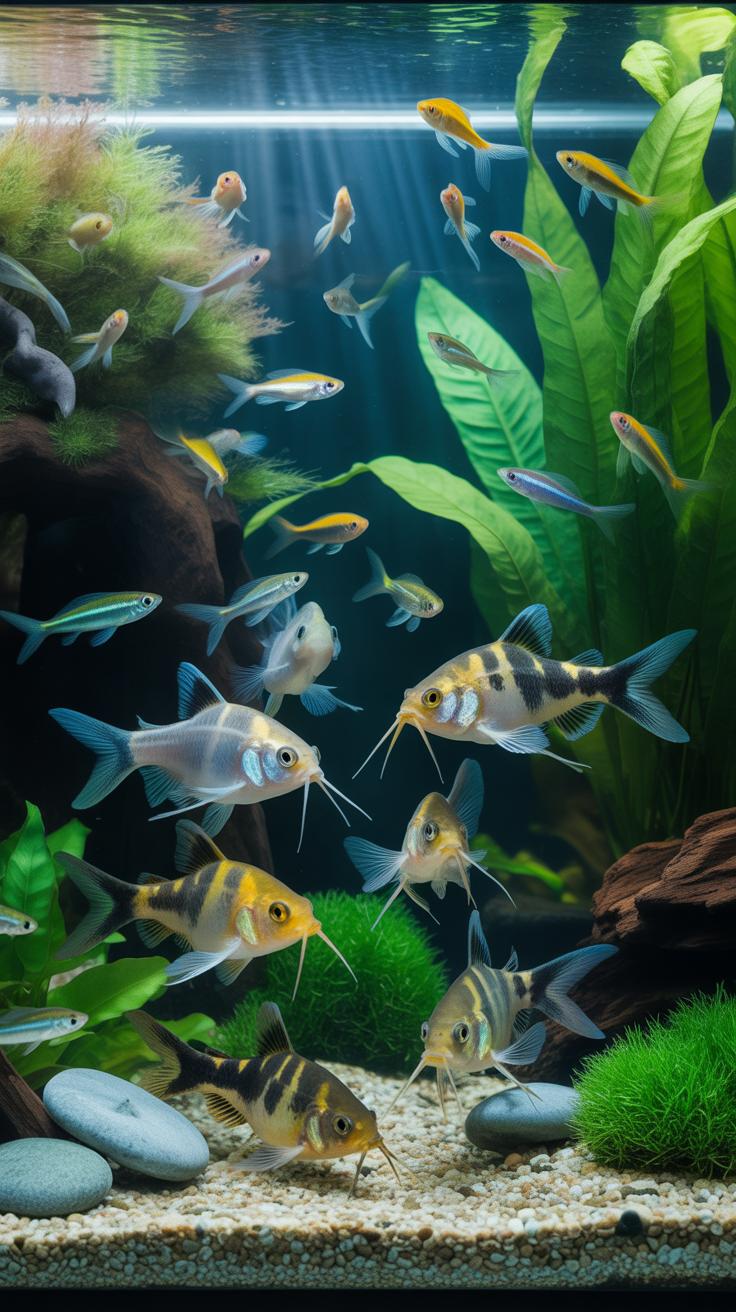
Which Fish Species Make The Best Tank Mates For Cory Catfish
Cory catfish thrive with peaceful mid-water dwellers that share similar water requirements. Ideal companions include small tetras, rasboras, and livebearers like guppies or platies. These species occupy the upper layers of the tank. This spatial separation prevents competition for swimming room. Corydoras are social fish and need a group of six or more. They feel safest when surrounded by non-aggressive species that do not nip fins.
Focus on fish that prefer soft to neutral water with temperatures between seventy-two and seventy-eight degrees Fahrenheit. Dwarf gouramis and honey gouramis work well because they move slowly and respect bottom territory. Peaceful invertebrates like cherry shrimp or mystery snails also coexist safely with these catfish. Always ensure that every tank mate is small enough to not view the corydoras as prey. This creates a stable and low-stress environment.
Fish And Invertebrates To Avoid Housing With Corydoras
Avoid housing corydoras with large or aggressive cichlids like Oscars or Jack Dempseys. These predators will view the small catfish as food. Corydoras possess sharp pectoral fins that lock into place when threatened. A predator attempting to swallow a corydoras can choke or die as the catfish becomes lodged in its throat. This situation often results in the death of both fish. Steer clear of any fish known for territory aggression.

Goldfish are poor choices because they prefer colder water and produce heavy waste. High nitrate levels from goldfish can lead to barbel erosion in corydoras. Fast-moving, aggressive fin-nippers like Tiger Barbs can also cause significant stress. Do not include large crayfish or aggressive crabs in the tank. These scavengers may attack the catfish while they rest on the substrate at night. Select passive neighbors to ensure the safety of your bottom dwellers.
How To Care For Otocinclus Catfish In A Home Aquarium
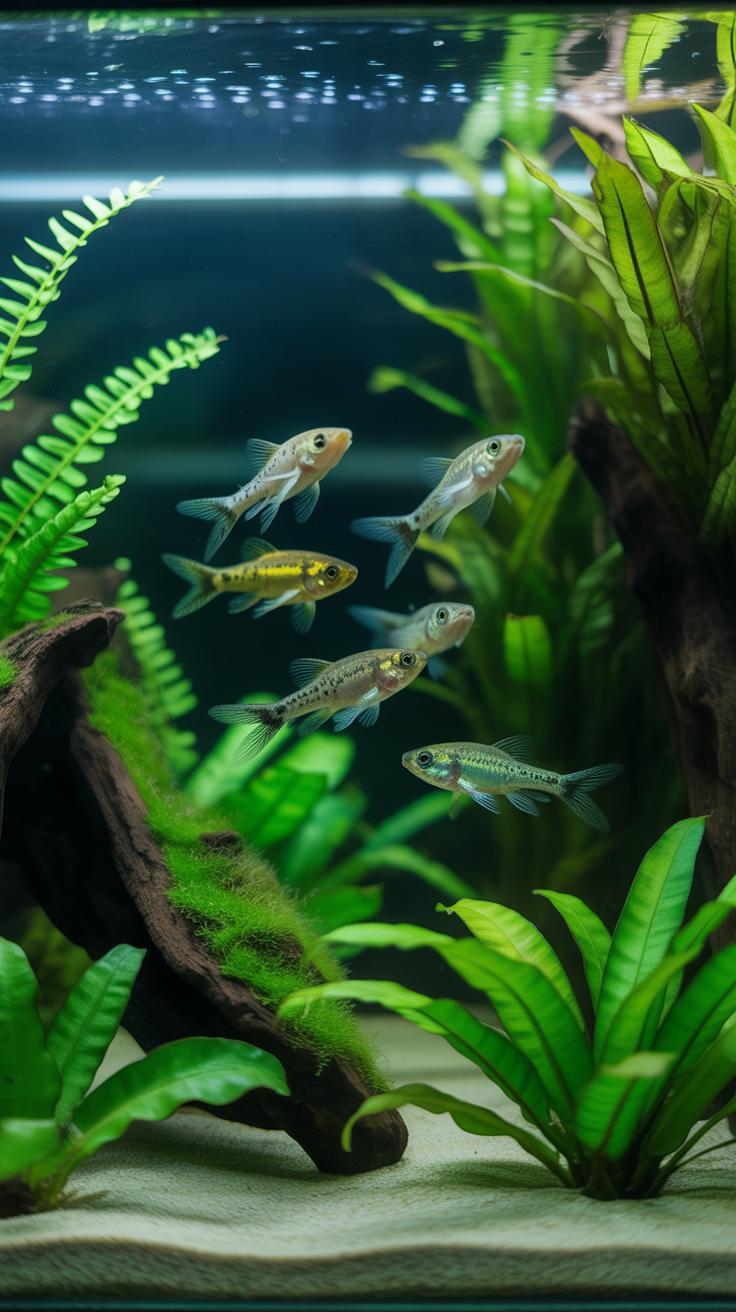
Understanding The Unique Needs Of Otocinclus Catfish Compared To Other Species
Otocinclus catfish differ significantly from larger armored catfish like Corydoras or Plecostomus. These fish are obligate herbivores and require constant access to soft algae. Most catfish scavenge for meaty leftovers on the substrate. Otocinclus focus almost exclusively on biofilm and green growth on plant leaves or glass. They are small and highly social. You must keep them in groups of six or more to prevent lethal stress.
Natural habitats for these fish are fast-flowing South American streams. They possess specialized suckermouths to hold onto surfaces in high currents. They are far more sensitive to water quality shifts than other species. High nitrate levels or sudden temperature changes will kill them quickly. Do not add them to new aquariums. They need a mature tank with established biological cycles and a steady supply of natural food sources.
Feeding, Water Conditions, And Tank Setup Tips For Otocinclus Catfish
Maintain a strict temperature range between 72 and 78 degrees Fahrenheit. Use a high-quality filtration system to keep oxygen levels elevated and ammonia at zero. These fish thrive in heavily planted tanks with driftwood. Plants provide surface area for algae to grow and offer necessary hiding spots. Use sand or smooth gravel to protect their delicate undersides. Fast water movement mimics their native environment and improves their health.

Supplying enough food is the biggest challenge for owners. If your tank is too clean, the fish will starve to death. Supplement their diet with blanched zucchini, spinach, or high-quality algae wafers. Check their bellies daily to ensure they look rounded rather than sunken. Use dim lighting to encourage algae growth if the supply runs low. Quarantine all new fish to ensure they are eating before moving them to the main tank.
Fish Care Essentials Maintaining Water Quality For Catfish
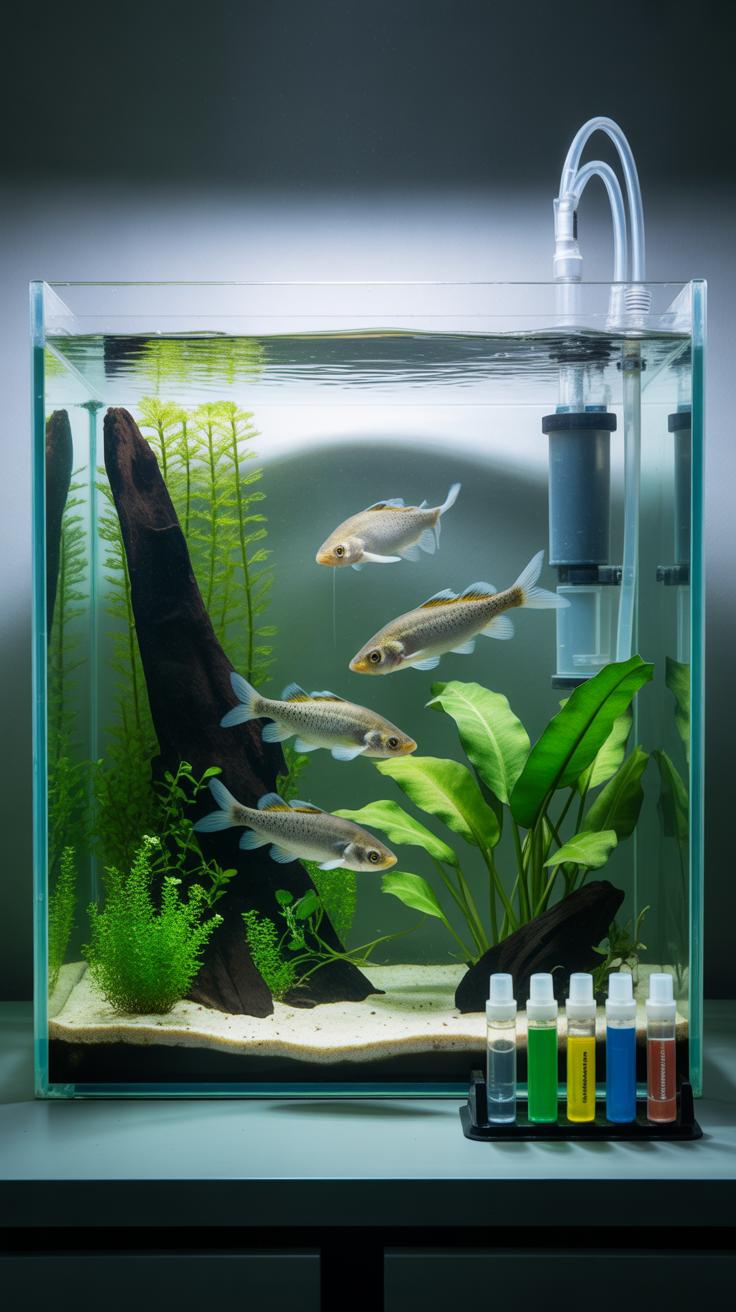
How To Perform Water Changes And Test Tank Parameters For Catfish Health
Catfish produce significant waste that decomposes into toxic nitrogen compounds. You must conduct weekly water changes to remove these pollutants before they reach lethal levels. Always use a gravel vacuum to pull debris from the substrate. Large catfish species require more frequent intervention than smaller Corydoras. Clean water prevents tissue damage and stress. Stable water chemistry remains the bridge between a thriving fish and a dead one.
- Ammonia Monitoring: Test the water weekly using a liquid kit to ensure ammonia levels stay at zero. Ammonia burns catfish gills and skin. High levels often indicate overfeeding or a failing biological filter. Immediate water changes fix spikes.
- Nitrite Testing: Maintain nitrite levels at zero at all times. This compound prevents fish blood from carrying oxygen properly. It is especially dangerous in new setups undergoing the nitrogen cycle. Use a dechlorinator that neutralizes nitrite during emergencies.
- Nitrate Management: Aim for nitrate levels below twenty parts per million. While less toxic than ammonia, high nitrate stunts growth and weakens the immune system. Regular water changes are the only reliable way to export nitrates from a closed aquarium system.
- pH Stability: Catfish prefer stable pH levels over specific numbers. Sudden shifts cause osmotic shock and death. Test your source water before adding it to the tank. Use natural wood or crushed coral to buffer the water if the pH swings often.
- Temperature Control: Use a reliable thermometer to check the tank daily. Most tropical catfish thrive between seventy-five and eighty-one degrees Fahrenheit. Large swings stress the fish and lead to diseases like Ich. Ensure the replacement water matches the tank temperature exactly.
Consistent testing provides the data needed to manage a healthy environment. Record your results in a log to identify long-term trends. Use liquid droplets instead of paper strips for better accuracy. If any parameter moves out of the safe zone, change twenty-five percent of the water immediately. Correcting chemistry slowly prevents shocking the catfish. Vigilance is your best tool for long-term success with bottom dwellers.
Common Water Quality Problems That Affect Catfish And How To Fix Them
Poor water quality manifests quickly in bottom-dwelling fish through physical symptoms. High ammonia levels cause gasping and red streaks on the belly. Low oxygen levels force catfish to the surface for air. If you see these signs, increase surface agitation with an air stone. Clean the mechanical filter media in old tank water to remove sludge. Do not use tap water because chlorine kills beneficial bacteria.

Heavy metal buildup and high organics often lead to barbel erosion. Catfish lose their whiskers when the substrate contains too much bacteria or waste. Fix this by deep cleaning the sand and adding fresh carbon to the filter. Constant monitoring of the nitrate path prevents most infections. You must maintain a strict schedule to keep the floor of the tank clean. Healthy water leads to active and hungry catfish.
Common Health Issues In Aquarium Catfish And How To Treat Them
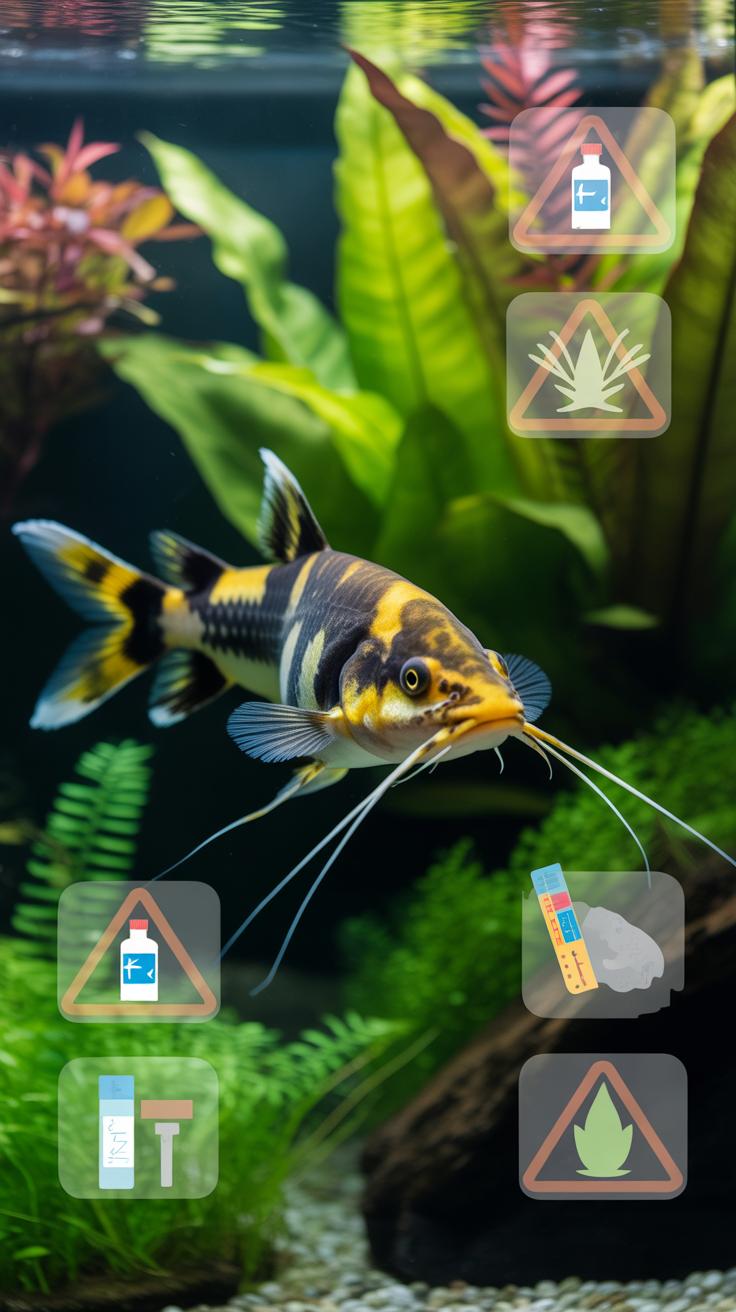
Recognizing Signs Of Disease And Stress In Freshwater Catfish
Catfish display stress through physical and behavioral changes. Watch for rapid gill movement or gasping at the surface. Healthy catfish stay active or hide in designated spots. Lethargic behavior or swimming in unusual patterns signals trouble. Check the skin for excess mucus or discoloration. Sunken eyes or a bloated belly indicate internal issues. Early detection prevents mass die-offs in your tank.
Environmental factors often trigger these symptoms. Poor water quality is the primary cause of catfish stress. Test your water for ammonia and nitrite spikes immediately. High levels burn sensitive catfish skin and barbels. Look for ragged whiskers or red sores on the underbelly. These signs mean the substrate is dirty or the chemistry is toxic. Stabilize the environment to stop disease from spreading.
Treating Common Catfish Illnesses Like Ich Fin Rot And Fungal Infections
Catfish lack thick scales and react poorly to standard medications. Treat Ich with heat and half-dose copper-free medicines. Raise the tank temperature to eighty-six degrees Fahrenheit slowly. This speeds up the parasite life cycle. Avoid using salt in high concentrations because it dehydrates scaleless fish. Explicitly check labels for catfish safety before adding any chemicals to your aquarium water.
Fin rot and fungus require clean water and specific antibiotics. Bacterial infections thrive in dirty substrate where catfish scavenge. Perform a large water change and vacuum the gravel thoroughly. Use Melafix or Pimafix for mild cases. For advanced rot, use erythromycin but monitor oxygen levels closely. Healthy diet and low stress allow the fish to heal faster. Maintain strict quarantine protocols for all new tank additions.
Breeding Catfish In A Home Aquarium What Beginners Should Know
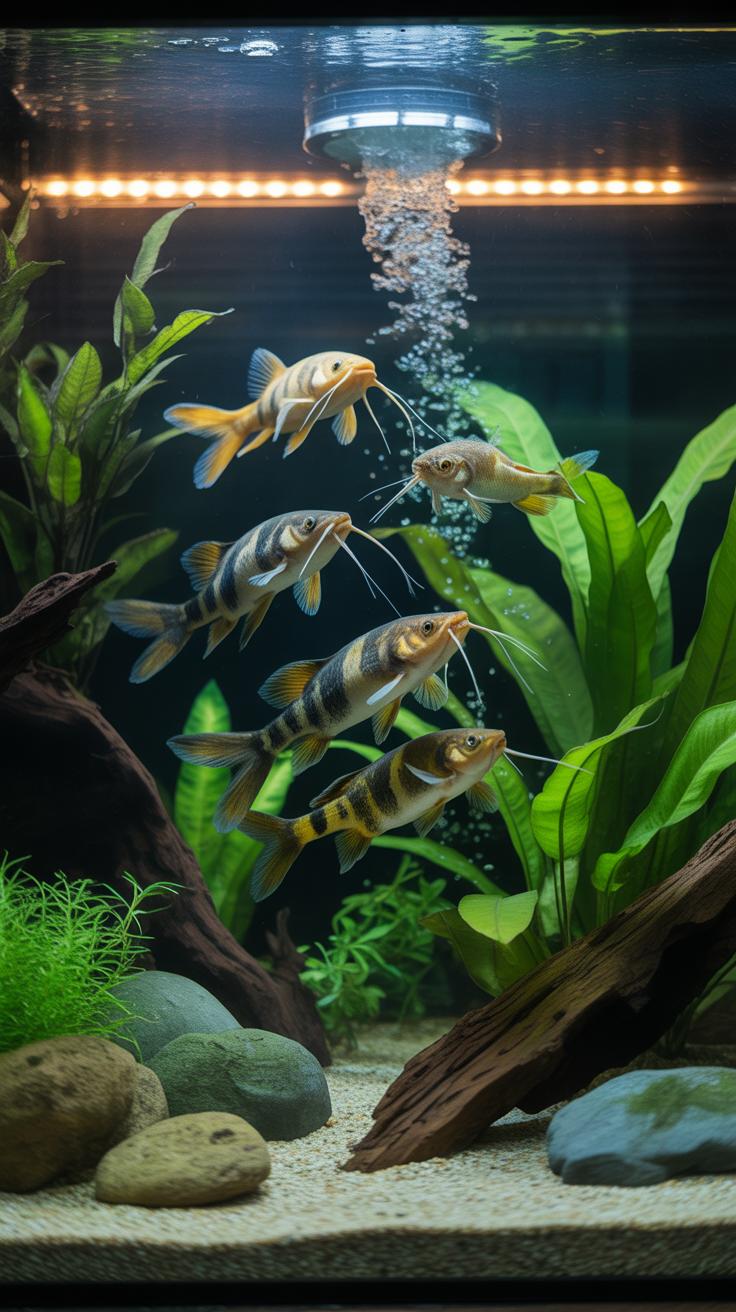
How Cory Catfish Breed In Captivity And What Conditions Encourage Spawning
Cory catfish utilize a unique T-position mating behavior. The female carries eggs in her pelvic fins to find a cleaning site. High quality live foods like bloodworms or brine shrimp trigger egg production. You must mimic the rainy season to start the process. This involves an immediate water temperature drop of five degrees. Use soft water and perform a large water change to signal the breeding cycle.
Proper surfaces are vital for egg deposition. Corydoras prefer broad leaves or smooth glass near high water flow. Remove parents after spawning to prevent them from eating the eggs. Use an air stone to keep water moving around the clutch. Add methylene blue to the water to stop fungal growth on fertile eggs. Maintain consistent water parameters to ensure the embryos develop without stress or failure.
Raising Catfish Fry Successfully: Feeding, Tank Setup, And Survival Tips
Catfish fry require a dedicated grow-out tank for survival. Use a sponge filter to prevent the small fish from being sucked into the intake. Keep the water shallow to help fry find food easily. Clean the bottom of the tank daily to remove waste. High water quality is the most important factor for growth. Frequent small water changes keep nitrate levels low and prevent sudden mass die-offs.
Feeding begins once the fry absorb their yolk sacs. Start with infusoria or liquid fry food for the first few days. Quickly transition to baby brine shrimp or microworms for high protein intake. Feed small amounts multiple times each day to match their fast metabolism. Monitor growth rates and move larger fry to bigger tanks to avoid overcrowding. Consistent nutrition and clean water determine the final survival rate of the batch.
Frequently Asked Questions

Are catfish suitable for beginner aquarium hobbyists?
Many species are excellent for beginners, but understanding catfish care in aquarium environments is essential before starting. Species like Corydoras or Bristlenose Plecos are hardy and peaceful, making them ideal for first-time owners. However, you must research the specific adult size of your chosen fish, as some grow quite large. Always ensure your tank is fully cycled and provides plenty of hiding spots to keep your new pets stress-free and healthy.
How do I maintain the right water conditions for my catfish?
Consistent water quality is the most vital aspect of catfish care in aquarium management. Most species thrive in a temperature range of 72-78°F with a neutral pH. Use a high-quality filtration system, as catfish produce significant waste. Perform weekly 25% water changes and regularly vacuum the substrate to remove trapped debris. Since many catfish are bottom-dwellers, keeping the gravel or sand clean prevents sensitive barbels from developing painful bacterial infections.
Is keeping a pet catfish expensive for a hobbyist on a budget?
Maintaining a catfish can be very affordable if you choose the right species. Smaller varieties like Glass Catfish or Corys require modest-sized tanks and standard equipment, keeping initial costs low. Their diet is also budget-friendly, consisting of sinking pellets and occasional frozen treats. To save money long-term, invest in a reliable heater and filter upfront to avoid costly emergency replacements and ensure your aquatic pets live a long, vibrant life.