What Are Mini Pigs Understanding The Breed Before You Commit
The Truth About Mini Pig Size: What Mini Really Means
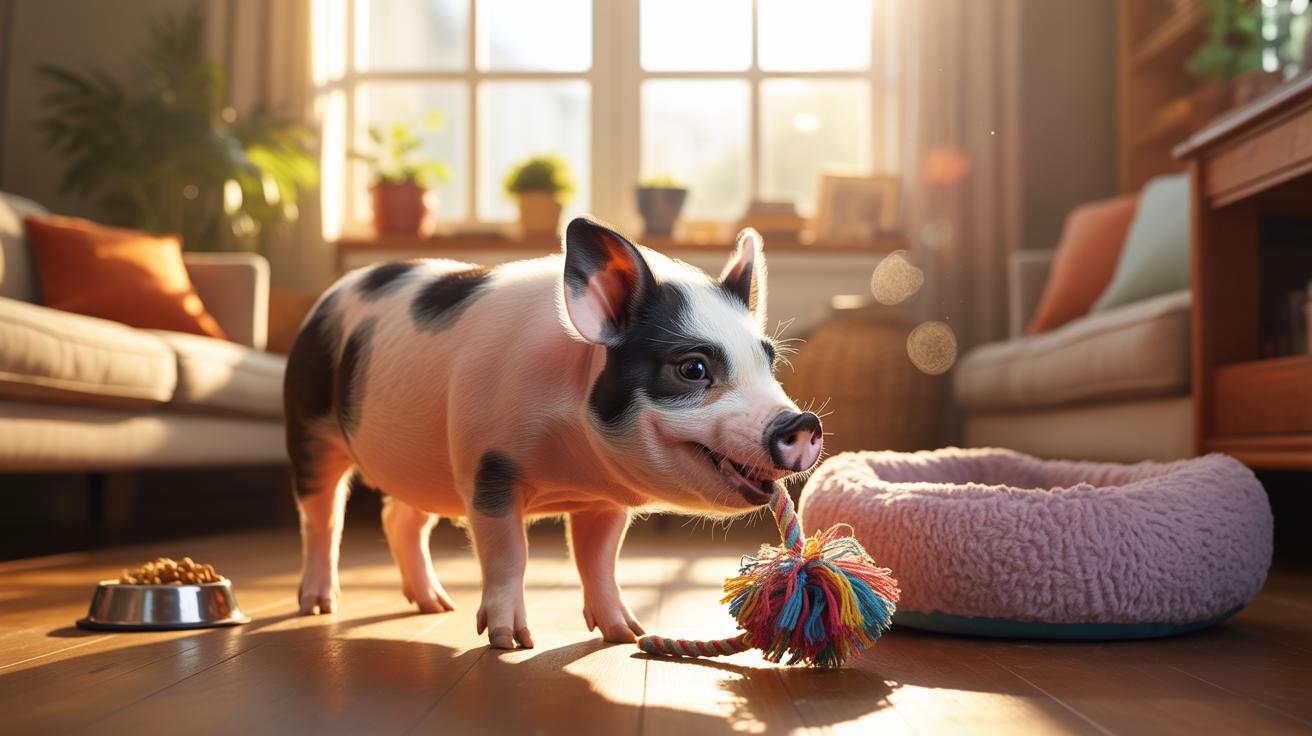
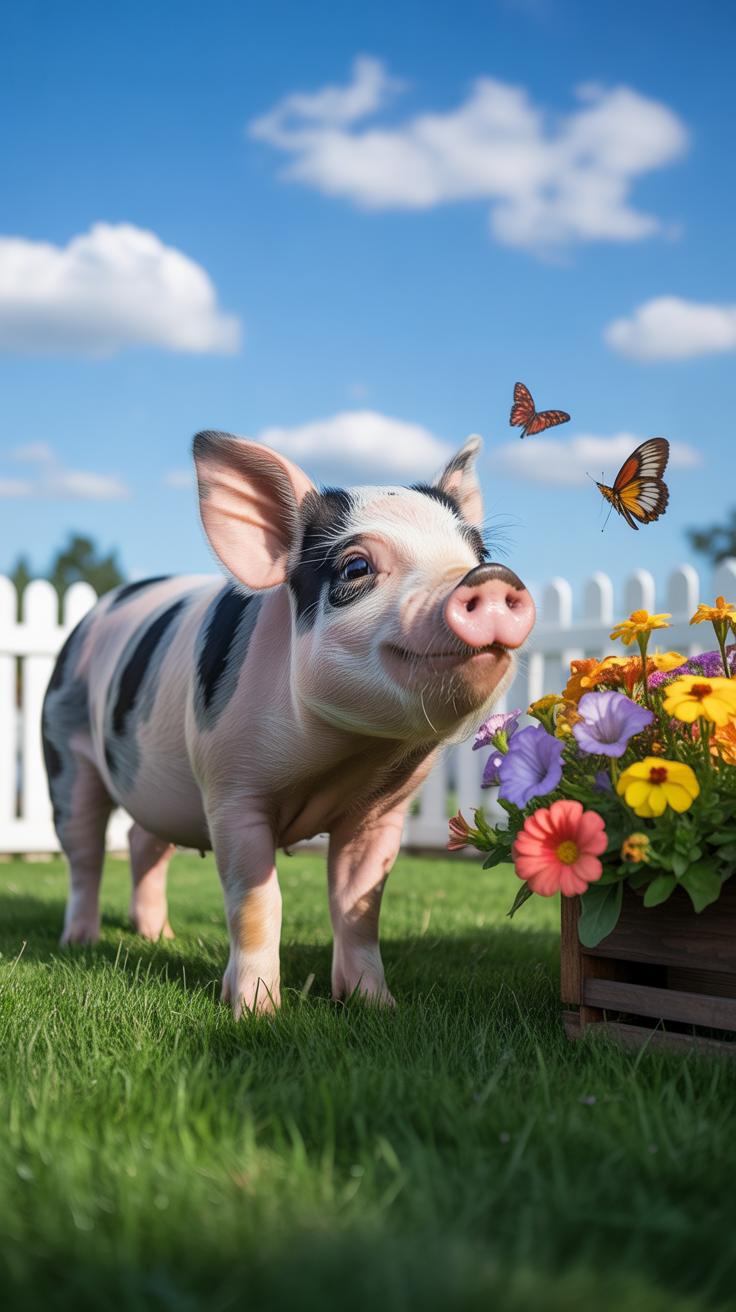
The term mini pig refers to any pig smaller than a standard three hundred pound farm hog. No healthy adult pig remains the size of a tea cup. Most mini pigs reach their full skeletal growth at five years of age. They typically weigh between seventy and one hundred fifty pounds. Expect your adult pet to be the size of a large bulldog.
Weight estimates are often deceptive because pigs are denser than dogs. A compact pig can weigh eighty pounds while looking much smaller. Breeders sometimes underfeed piglets to keep them tiny for sales. This practice causes severe health issues and bone deformities. Always look at the parents of a piglet to gauge the final size. Proper nutrition will result in a heavy and solid animal.
Popular Mini Pig Breeds And Their Unique Characteristics
The Vietnamese Potbelly is the foundation for most pet pigs in the United States. These animals have a saggy belly and a swayed back. They are highly intelligent and bond closely with their owners. Most weigh between one hundred and two hundred pounds. Their lifespan often reaches fifteen years. You must provide a yard for them to root and explore safely.
Juliana pigs are another common choice for owners seeking a smaller pet. They have spotted skin and a lean body shape. These pigs do not have the heavy rolls or saggy bellies of potbellies. They stay more athletic and enjoy physical activity. Kunekune pigs are gaining popularity due to their calm temperaments. They possess long hair and wattles under their chins.

Mini Pig Pet Care Setting Up The Right Living Environment
Indoor Vs. Outdoor Housing: What Mini Pigs Actually Need To Thrive
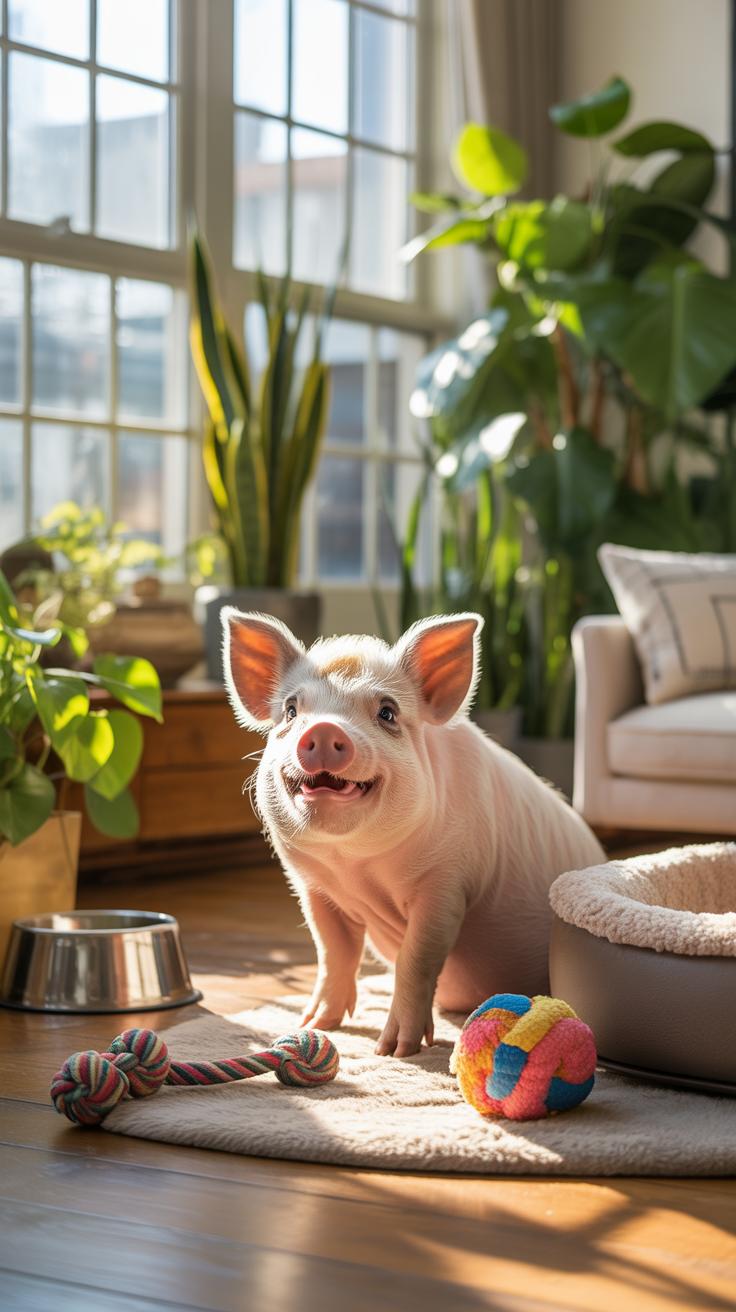
Mini pigs require a hybrid living arrangement to maintain health. Indoor spaces provide safety from predators and extreme weather. You must designate a specific area for the pig to sleep and eat. Use solid flooring like textured tile or laminate. Avoid slick surfaces because pigs have poor traction. This prevents joint injuries and long term mobility issues in your pet.
Outdoor access is non-negotiable for proper hoof wear and Vitamin D exposure. Ensure the outdoor pen has secure fencing buried at least six inches underground. Pigs are powerful excavators and will lift weak fences. Provide a shaded area and a mud wallow for thermoregulation. Pigs cannot sweat and will overheat quickly in direct sun. They need these temperature controls to survive.
Rooting, Space, And Enrichment: Designing A Safe And Stimulating Space
Environmental enrichment prevents destructive behavior in mini pigs. Rooting is a biological necessity, not a choice. If you do not provide a rooting box, the pig will destroy your flooring or drywall. Fill a shallow container with large smooth stones or plastic balls. Hide treats inside to encourage natural foraging. This mental stimulation keeps the pig engaged and reduces overall stress levels.

Space requirements scale with the size of the animal. A cramped environment leads to aggression and obesity. Designate at least 50 square feet of dedicated indoor space per pig. Remove all small objects and electrical cords from their reach. Pigs explore the world with their mouths and will ingest dangerous items. Secure all low cabinets with child proof locks to prevent accidental poisoning or mess.
Feeding A Mini Pig Nutrition Basics Every Owner Should Know
What To Feed Your Mini Pig: Safe Foods, Harmful Foods, And Portion Control
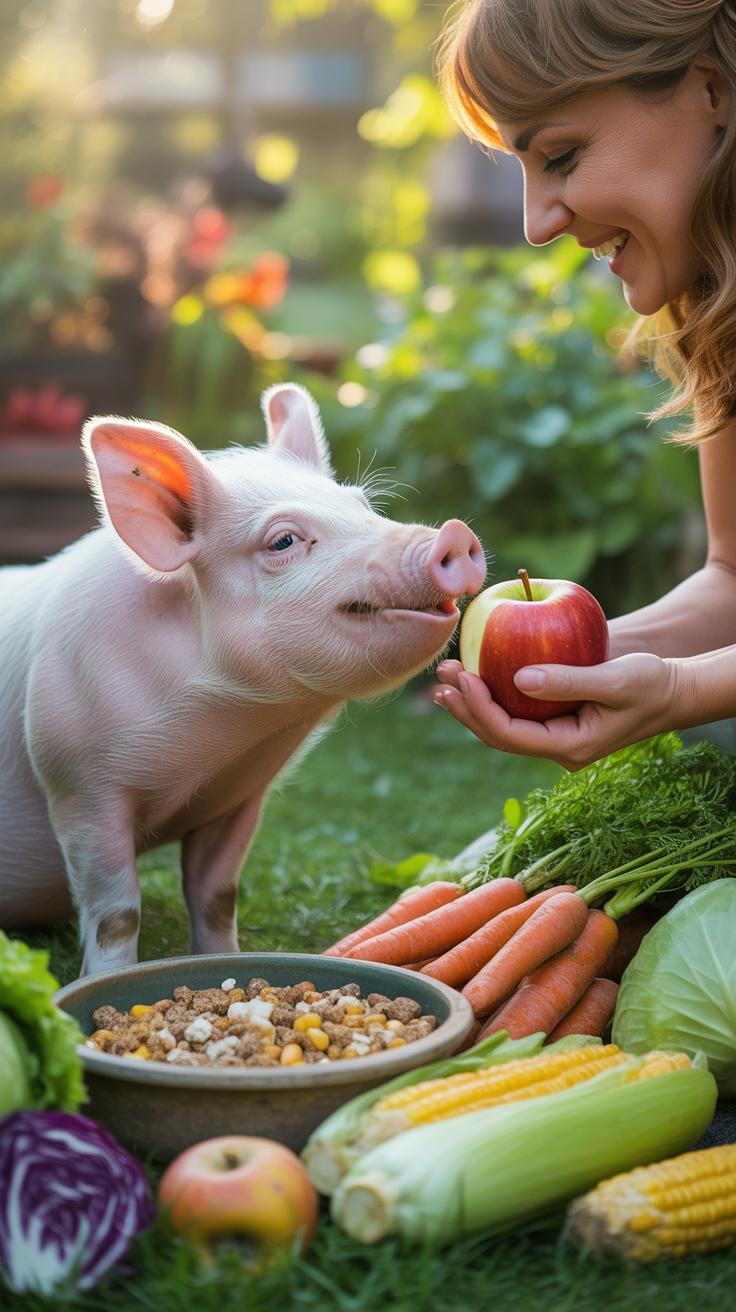
Nutritional discipline prevents obesity and organ failure in mini pigs. Owners must prioritize specialized mini pig pellets over generic farm hog feed. Pellets provide necessary vitamins and minerals without excessive calories or growth hormones. Supplement this diet with fresh greens and select vegetables. High sugar fruits and starchy vegetables lead to rapid weight gain. Proper hydration requires constant access to fresh water.
- Specialized Mini Pig Pellets: These pellets serve as the nutritional foundation. Manufacturers formulate them specifically for potbellied and mini breeds. They provide fiber and protein without the fat-building agents found in commercial meat-pig feeds.
- Dark Leafy Greens: Romaine lettuce, kale, and spinach provide essential bulk and micronutrients. These vegetables help the pig feel full without adding significant calories. Avoid iceberg lettuce as it lacks nutritional value and mostly contains water.
- Fresh Water: Pigs lack efficient sweat glands and rely on water for thermoregulation. Dehydration leads to salt poisoning, which is often fatal. Ensure the water bowl is heavy enough that the pig cannot flip it over.
- Toxic Foods: Never feed your pig chocolate, caffeine, or pits and seeds from fruits. Salty snacks and processed human foods damage their kidneys. Avocados and onions are also toxic and can cause severe illness or death.
- High Fiber Treats: Use celery or cucumbers as rewards during training sessions. These low-calorie options reinforce positive behavior without contributing to obesity. Avoid using bread, crackers, or sugary cereal as treats for any reason.
Portion control is the most critical aspect of mini pig care. You must measure every meal using a standard measuring cup. Base the amount on the pig’s current weight and activity level, not its hunger cues. Piggies are opportunistic eaters and will scream for more food even when full. Strict adherence to a calorie-controlled diet ensures a long and healthy life.
Mini Pig Feeding Schedule: How Often And How Much To Feed Each Day
Establish a rigid feeding schedule to manage the pig’s behavior and metabolism. Feed adult mini pigs twice per day, once in the morning and once in the evening. Strict routines reduce anxiety and prevent the pig from begging throughout the day. Consistent timing keeps their digestive system regular and predictable. If you miss a feeding window, do not double the next portion.
Total daily intake should generally equal one to two percent of the pig’s ideal body weight. Divide this total amount into two equal meals. Adjust the quantity if you notice the pig’s ribs becoming too prominent or if fat rolls begin to cover its eyes. Physical condition is the best indicator of proper feeding. Regularly weigh your pig to ensure your feeding plan remains accurate.
How To Care For A Mini Pig Daily Grooming And Hygiene Routines
Hoof Trimming, Skin Moisturizing, And Tusk Management Explained
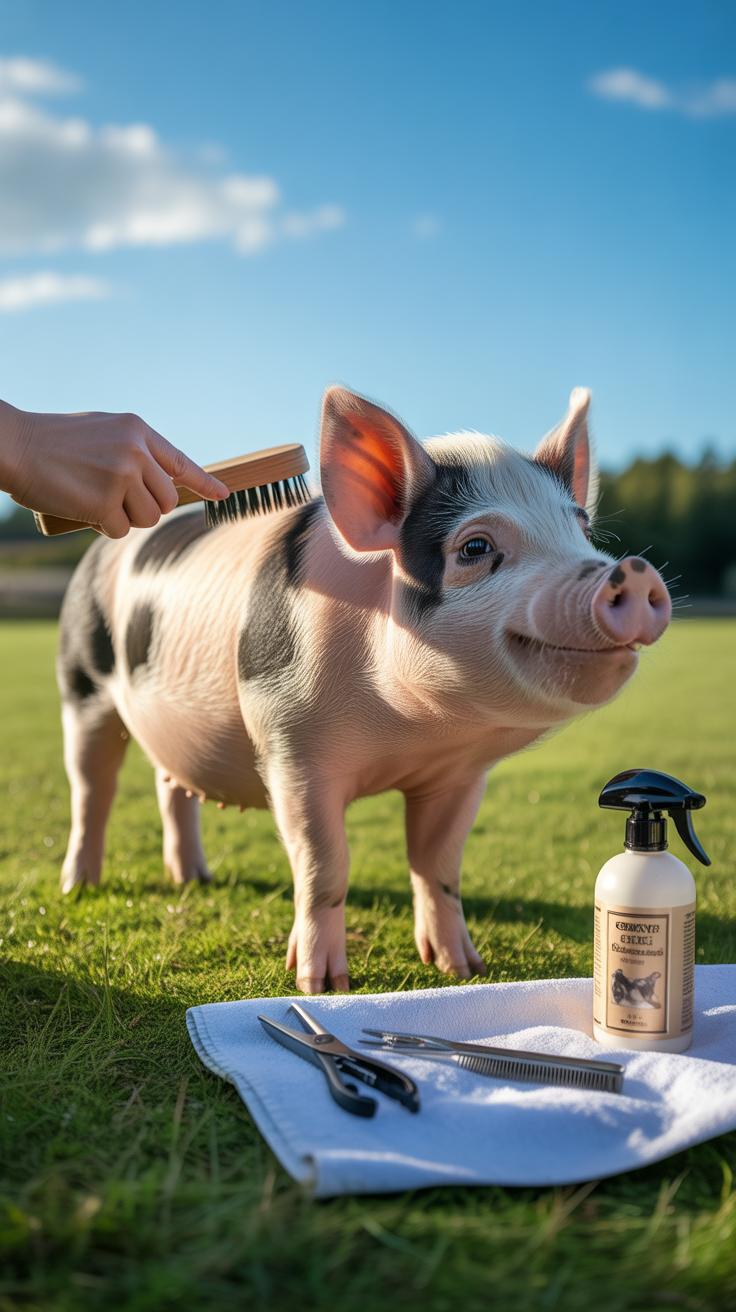
Pigs require regular hoof maintenance to prevent lameness and joint pain. Overgrown hooves alter the animal’s gait and cause permanent skeletal damage. You must trim hooves every six months using heavy duty shears or grinders. Most owners hire farriers or veterinarians for this task. Concrete pads in living areas help naturally wear down hoof walls. Proper maintenance ensures the pig moves comfortably.
Pigs lack sweat glands and suffer from dry skin. Rub virgin coconut oil or vitamin E oil into their skin to maintain elasticity. Avoid human lotions containing heavy perfumes or alcohol. Additionally, male pigs grow tusks that require trimming every year or two. These tusks are sharp and dangerous if left unchecked. Veterinarians must perform tusk trims to prevent injuries to owners and other pets.
Bathing Your Mini Pig: How Frequently And What Products Are Safe To Use
Limit full baths to once a month to prevent skin irritation. Frequent washing strips natural oils and causes extreme itching and flaking. Use tear-free baby shampoo or specialized oatmeal soaps for cleaning. Use lukewarm water and ensure the pig feels secure on a non-slip mat. Pigs often fear the sound of running water or slippery surfaces. Keep the experience calm and brief.

Spot cleaning with a damp cloth works best for daily upkeep. Focus on the snout and behind the ears where dirt accumulates. Always dry the pig thoroughly after any water exposure to prevent chilled muscles. Use a soft brush daily to remove loose hair and dead skin cells. This routine helps the pig bond with you while keeping their coat clean. Consistent grooming stops skin infections before they start.
Mini Pig Training Teaching Boundaries And Positive Behaviors Early
Litter Training A Mini Pig: Step By Step Guidance For New Owners
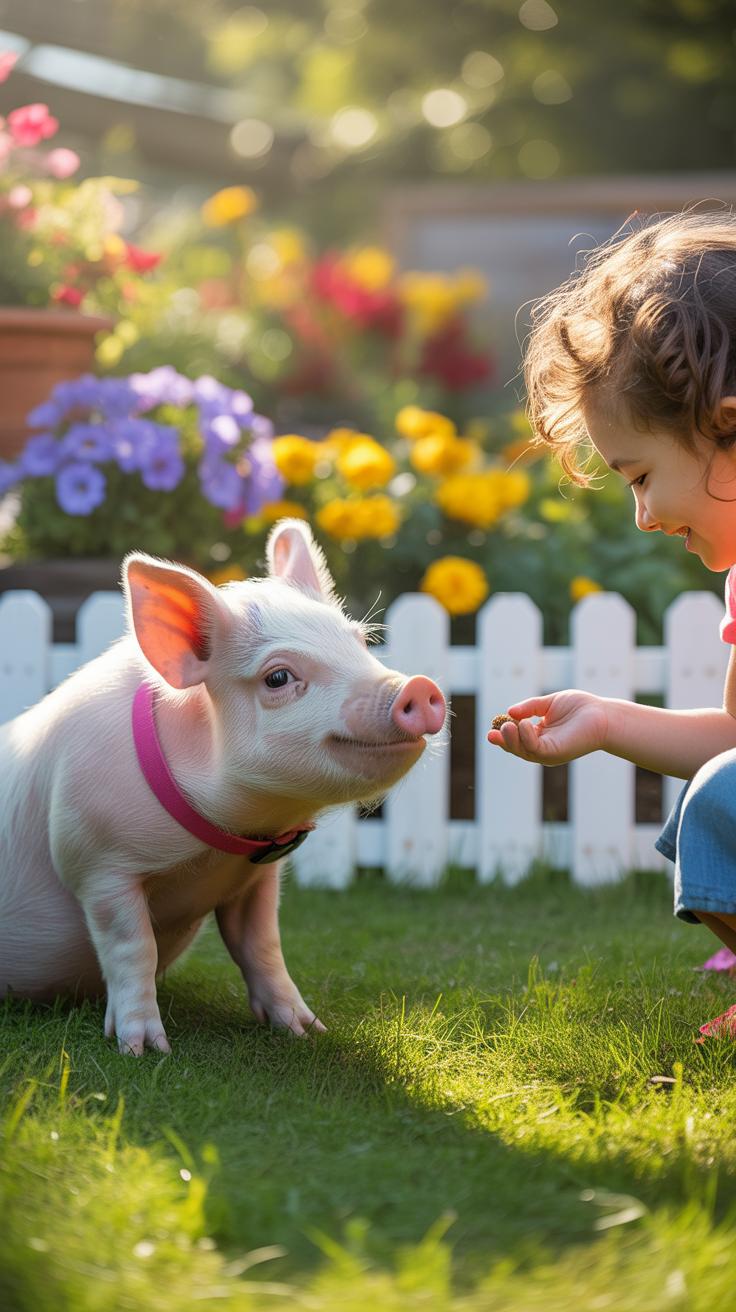
Mini pigs possess high intelligence and natural cleanliness. They prefer to eliminate away from their sleeping and eating areas. You must capitalize on this instinct immediately upon arrival. Success depends on strategic confinement. Keep the pig in a small, gated area until it masters the tray. Use a low-entry box and pine pellets. Avoid cat litter because pigs may ingest it and suffer blockages.
- Select The Right Substrate: Use recycled paper pellets or pine shavings rather than clumping cat litter. Pigs use their snouts to explore and might eat clay litter, leading to fatal intestinal obstructions. Pine pellets absorb odors and provide a clear textural cue for the animal.
- Strategic Box Placement: Position the litter tray in a corner far from food and water bowls. Pigs naturally separate their living zones. Moving the box even two feet can disrupt their routine during the early stages of training. Keep the location consistent to prevent confusion.
- Identify Elimination Cues: Watch for sniffing, circling, or lifting the tail. These physical signs indicate the pig needs to go. Immediately escort the pig to the tray when you see these behaviors. Consistent monitoring during the first week reduces accidents and reinforces the desired habit quickly.
- Use Pheromone Reinforcement: Place a small piece of soiled paper towel in the new litter tray. The scent tells the pig that this specific spot is the designated toilet. Removing all scent from accidents elsewhere with enzymatic cleaners is equally important. This ensures the pig only smells its bathroom in the box.
- Establish A Rigid Schedule: Take the pig to the litter box after every nap, meal, and training session. Regularity prevents mistakes before they happen. Praise the pig immediately after it finishes using the box. Physical rewards or small treats reinforce that the litter tray is the correct choice.
Patience and consistency determine the speed of success. Never punish a pig for accidents. Punishment causes fear and leads to secretive elimination in hidden corners of your home. Clean messes with white vinegar or enzymatic solutions to strip the pheromones completely. Once the pig uses the box reliably, slowly increase its roaming space. If accidents resume, decrease the space and restart the confinement process.
Using Positive Reinforcement To Curb Aggression And Encourage Good Habits
Pigs operate within a strict social hierarchy. They may challenge owners for dominance through head swiping or nipping. You must use positive reinforcement to establish yourself as the leader without using violence. Reward calm behavior with Cheerios or small vegetable pieces. Training sessions should last five to ten minutes to maintain focus. Clear communication through hand signals and verbal cues ensures the pig understands your expectations.
Consistency prevents the development of territorial aggression. If the pig behaves poorly, use a firm move command or a short time-out. Never use physical force as it triggers the pig’s fight-or-flight response and destroys trust. Instead, reinforce the “place” command to manage their movements during high-energy moments like meal times. A well-trained pig understands its boundaries and respects the house rules because you have rewarded its cooperation.
How To Care For Mini Pigs Veterinary Health And Preventive Care
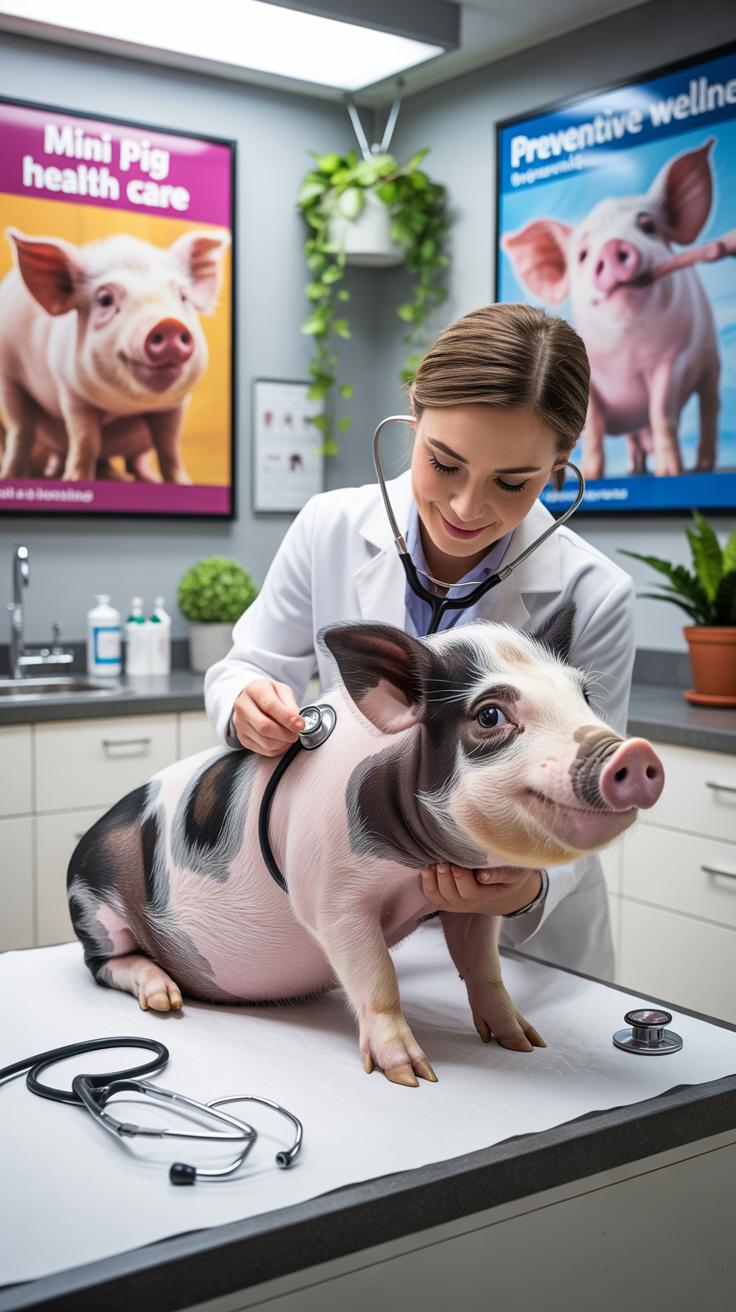
Vaccinations, Deworming, And Spaying Or Neutering Your Mini Pig
Foundational health starts with a strict vaccination schedule. Your pig needs core vaccines against Erysipelas and Tetanus every six months to a year. Some regions require additional shots for Leptospirosis or Parvovirus. You must also treat for internal and external parasites regularly. Use ivermectin or fenbendazole to prevent mange and worms. Consistent preventive care keeps your pig safe from common soil-borne pathogens.
Spaying or neutering is a non-negotiable requirement for pet pigs. Intact males develop a pungent odor and aggressive behaviors. Unspayed females face a high risk of uterine tumors and experience monthly heat cycles that cause extreme mood swings. Perform these surgeries early, typically between four to twelve weeks of age. A skilled veterinarian ensures the procedure is safe. This intervention stabilizes behavior and prevents life-threatening reproductive cancers.
A home is not a home without the pitter-patter of little hooves, but your heart must be as big as the commitment they require.
Common Health Issues In Mini Pigs And Early Warning Signs To Watch For
Mini pigs often suffer from obesity-related issues and skin problems. Excessive weight leads to joint pain and arthritis early in life. Watch for flaky skin or constant scratching, which indicates mites or dry conditions. Digestive upset is another risk if pigs ingest toxins or foreign objects. Monitor your pig for any changes in appetite or gait. A pig that stops eating requires immediate medical attention.
Entropion and diurnally variations are serious concerns. Entropion occurs when eyelashes rub against the eyeball due to excess fat on the face. This causes pain and eventual blindness without surgery. Listen for changes in breathing or coughing, which may signal pneumonia. Pigs hide pain well, so you must notice subtle shifts in energy. Check eye discharge and hoof health daily. Early detection saves money and avoids long-term damage.
Mini Pig Care Tips Social Needs Mental Stimulation And Bonding
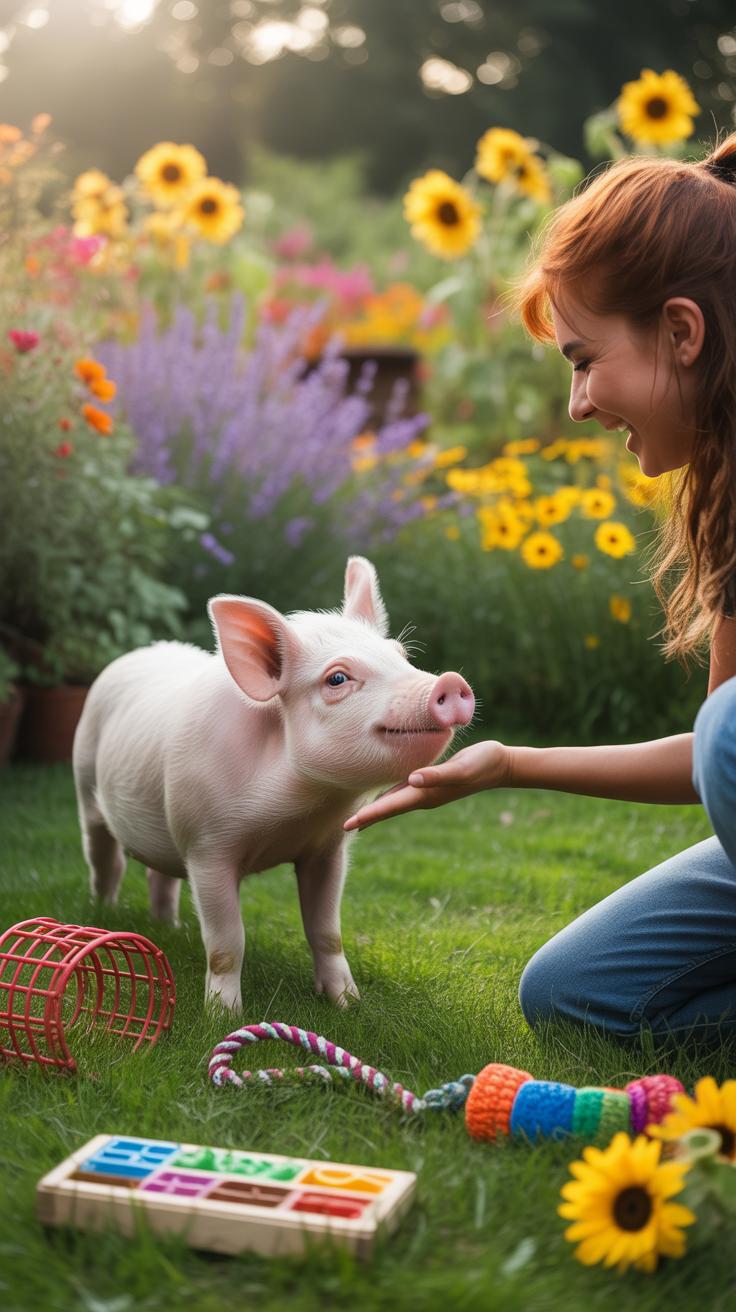
How Mini Pigs Communicate And Build Trust With Their Human Families
Pigs are prey animals and demand a specific approach to bonding. You must respect their personal space during the first few days. Sit on the floor and let the pig approach you. Avoid reaching over their heads as this mimics a predator attack. Trust comes from consistent positive interactions. Use soft vocalizations and slow movements to signal that you are not a threat.
Communication with a mini pig relies on vocal cues and body language. Pigs use distinct grunts to signal hunger, fear, or contentment. A tail twitch often indicates excitement or interest. You must establish yourself as a calm leader to prevent behavioral issues. Consistency in your responses helps the pig understand its place in the family hierarchy. This clarity prevents aggression and builds a secure long term bond.
Keeping Your Mini Pig Mentally Engaged: Toys, Foraging, And Play Activities
Mini pigs possess high intelligence and require daily mental work to prevent destructive habits. Without a job, they will root up floors or chew furniture. Foraging is their primary natural instinct. You should hide treats in a rooting box filled with smooth stones or child safe toys. This activity mimics natural outdoor behavior and keeps their brains active. Proper stimulation reduces stress and keeps the animal calm.

Physical play and training provide essential mental exercise. Pigs learn tricks quickly and respond well to target training with a clicker. Use low calorie treats like cucumber or celery to maintain focus during short sessions. Introduce new objects regularly to challenge their problem solving skills. Boredom leads to loud screaming and nudging for attention. A tired pig is a well behaved pet. Daily engagement ensures a healthy and satisfied animal.
Mini Pigs And The Law Zoning Legality And Ownership Responsibilities
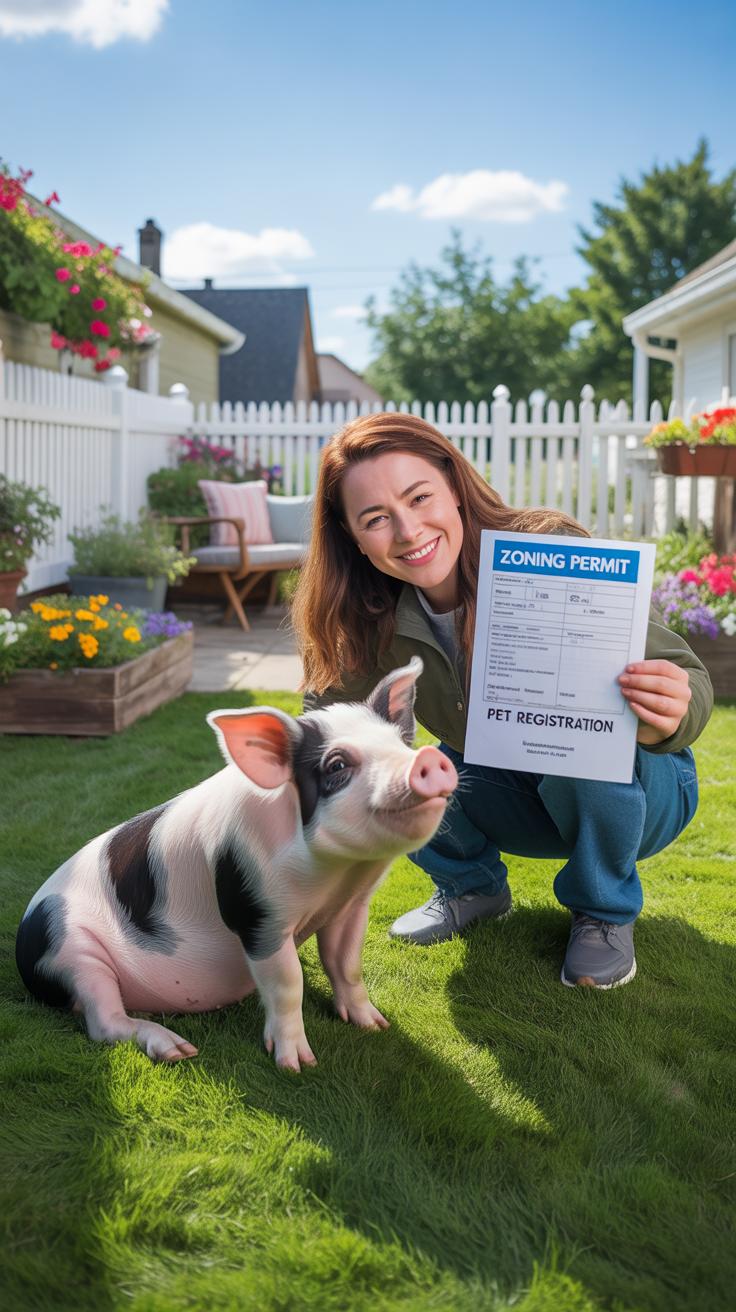
Is It Legal To Own A Mini Pig In Your City Or State? What To Check First
Zoning laws represent the primary barrier to mini pig ownership. Many municipalities classify all swine as livestock rather than pets. This distinction means city codes often prohibit pigs in residential areas regardless of their size or breed. You must contact your local planning department and review specific city ordinances. Do not rely on verbal assurances from breeders or neighbors.
State laws also dictate health requirements for transporting pigs across borders. Most states require a Certificate of Veterinary Inspection and specific blood tests for diseases like pseudorabies. Check your Homeowners Association rules as well. Even if the city allows pigs, private contracts can ban them. Failure to verify these legal details often leads to immediate animal seizure and heavy fines for the owner.
The Long Term Commitment Of Mini Pig Ownership: Costs, Lifespan, And Rehoming Realities
Mini pigs live between fifteen and twenty years. This lifespan requires a two-decade commitment to daily care and medical expenses. Annual costs include specialized feed, vaccinations, and hoof trimming. Emergency veterinary care for swine is expensive because few clinics treat them. You must secure a dedicated swine vet before purchasing. Most common small animal clinics will refuse to treat your pig during a crisis.
Rehoming a pig is extremely difficult. Most traditional animal shelters cannot house swine and will not accept them. Sanctuaries are often at full capacity due to the high number of abandoned pigs. If you cannot keep the animal, finding a safe new home takes months of effort. Owners who realize the pig grows larger than expected often face a crisis. Prepare for a lifelong responsibility or do not buy.
Frequently Asked Questions

How big do mini pigs actually get when they reach adulthood?
One of the most important aspects of mini pig as pet care is understanding their final size. While the term “mini” is relative to 800-pound farm hogs, a healthy adult mini pig typically weighs between 70 and 150 pounds. They continue growing for up to five years, so it is vital to research the parents’ sizes rather than relying solely on the weight of a tiny, young piglet.
How do I properly pig-proof my home for a new arrival?
Preparing your living space is a critical component of mini pig as pet care. You must secure low cabinets with child locks, as pigs are incredibly smart and food-motivated. Remove poisonous houseplants, hide electrical cords, and use non-slip rugs on hardwood floors to protect their joints. Creating a dedicated “nest” area with blankets will help your new companion feel safe and secure while transitioning into your home environment.
What are the primary ongoing costs of owning a mini pig?
Beyond the initial adoption fee, budget for specialized pellets, fresh produce, and routine veterinary visits. Since not all vets treat swine, search for a local exotic animal specialist early on. You should also factor in costs for hoof trimming and tusking services every six months. Expect to spend roughly $100 to $150 per month on high-quality nutrition and enrichment toys to keep your intelligent pet mentally stimulated.