Understanding The Corgi Breed And Its Natural Energy Levels
A Herding Dog At Heart: Why Corgis Are Built To Move
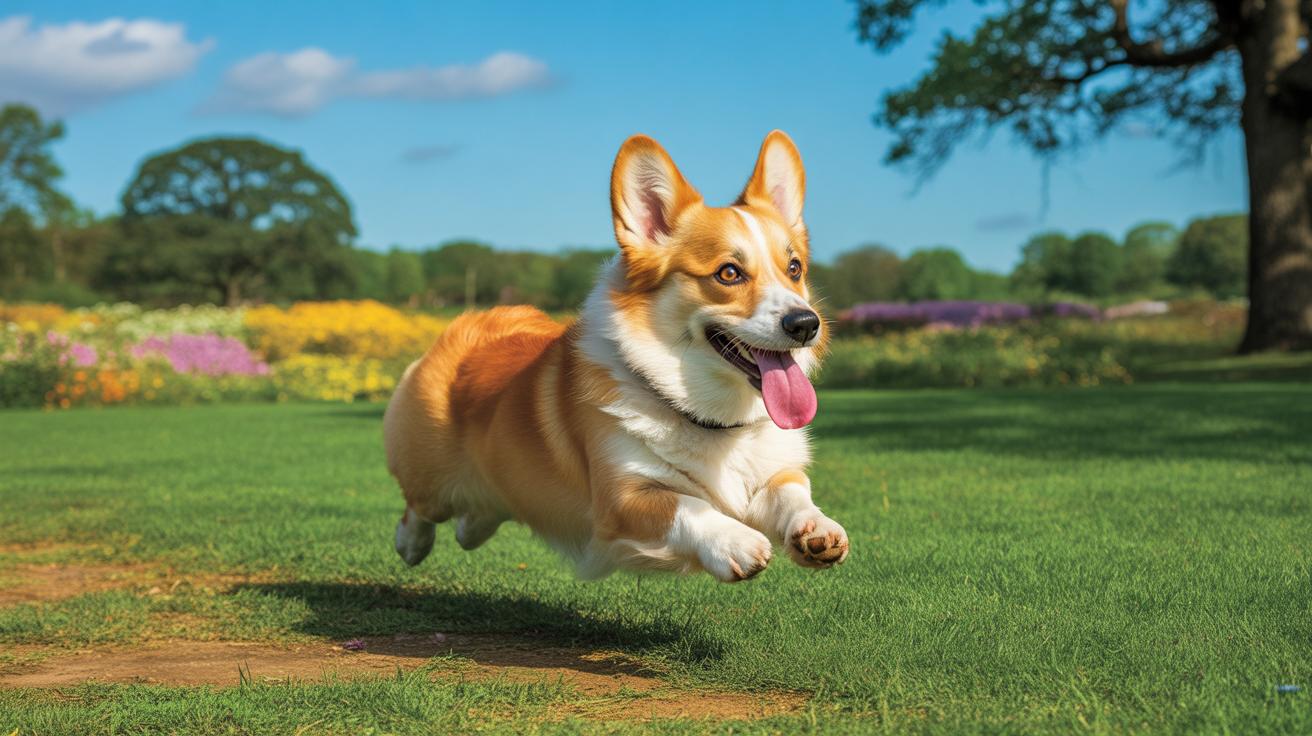
Corgis originated as versatile farm workers in Wales. Farmers bred them to drive cattle, hunt vermin, and guard property. Their short stature allowed them to nip at the heels of livestock while dodging dangerous kicks. This history created a high-stamina animal. They possess a deep drive to work and move. Physical activity remains a biological necessity for this breed because of its working roots.
Do not mistake their small size for a sedentary nature. These dogs require consistent output to manage their high metabolic energy. Without a job or regular exercise, they develop behavioral issues like excessive barking or destructive chewing. They view the world through a functional lens. Owners must provide structured activities that mimic the physical and mental demands of ancient Welsh herding tasks to ensure health.
Pembroke Vs. Cardigan Welsh Corgi: Do Exercise Needs Differ Between The Two Breeds?
The Pembroke and Cardigan are distinct breeds with separate lineages. The Pembroke is often more active and excitable. It requires frequent bursts of high-energy play to remain calm. This breed descends from Nordic spitz-type dogs. Its drive is intense and immediate. You must prioritize daily aerobic activity to satisfy its internal motor. Failure to do so results in a restless and vocal household pet.
Cardigan Welsh Corgis are generally more reserved but equally capable. They descend from the Teckel family, linked to Dachshunds. They often have slightly higher endurance but lower intensity than Pembrokes. Both breeds require at least sixty minutes of daily activity. The difference lies in temperament rather than pure physical capacity. Treat both as high-performance athletes to prevent obesity and joint stress. Focus on consistent movement for both types.

How Much Daily Exercise Does An Adult Corgi Actually Need
The General Rule: Recommended Daily Exercise Duration For Adult Corgis
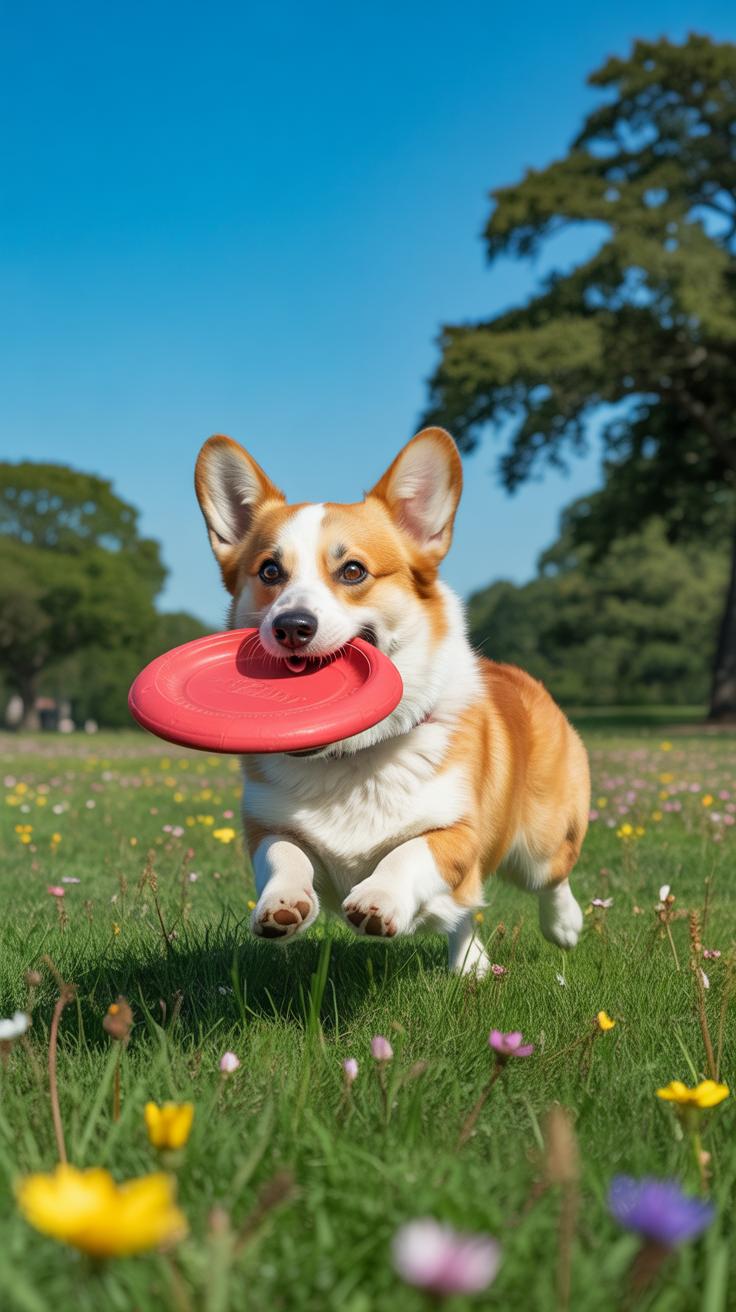
Adult Corgis require at least sixty minutes of active exercise every day. This duration meets the needs of both Pembroke Welsh and Cardigan breeds. These dogs were bred for cattle driving and possess high stamina. They are not sedentary lap dogs. You must provide physical movement to prevent obesity. Sustained walking or moderate jogging works best for their long spines and short legs.
Split this hour into two or three sessions to maintain focus. Morning and evening walks provide routine and mental stimulation. Do not skip days even if you have a yard. Corgis often sit still when left alone outside. They need structured activities like fetching or brisk walking to burn calories. Consistency keeps their joints healthy and manages their weight. Monitor their breathing and pace during these sessions.
Signs Your Corgi Is Getting Too Much Or Too Little Exercise Each Day
Insufficient exercise leads to destructive behaviors and weight gain. Bored Corgis often bark excessively or chew furniture to release pent-up energy. You will notice increased irritability or night pacing when they lack movement. Excessive weight puts dangerous pressure on their intervertebral discs. Check for a visible waistline and feel for the ribs. Lack of engagement indicates a need for more physical work.

Overtraining presents as lagging behind or heavy panting during walks. Corgis are prone to back injuries and heat exhaustion due to their build. Watch for limping or a refusal to climb stairs after exercise. Lethargy the following day suggests the intensity was too high. Scale back the duration if your dog seems stiff or reluctant to move. Always balance activity with rest to protect their skeletal health.
Corgi Puppy Exercise Needs And Corgi Puppy Training Advice For New Owners

The Five Minute Rule: How To Safely Exercise A Corgi Puppy Without Stressing Growing Joints
Corgi puppies possess growth plates that do not close until twelve to eighteen months of age. Excessive force on these joints causes permanent skeletal damage. You must follow the five minute rule to protect their long backs and short legs. This rule mandates five minutes of formal exercise per month of age, twice daily. A four month old puppy needs only twenty minutes of walking per session.
Strictly avoid high impact activities during this developmental phase. Do not let puppies jump off couches or climb steep stairs. These repetitive shocks lead to elbow and hip dysplasia in chondrodysplastic breeds. Stick to flat surfaces and soft grass to minimize joint stress. Consistent and short walks build muscle without compromising the structural integrity of the developing bone. Control their movement to ensure long term mobility.
Balancing Playtime And Rest: What Every New Corgi Puppy Owner Should Know
Pembrokes and Cardigans are high drive herding dogs. They will not stop playing even when exhausted. You must regulate their activity levels to prevent overexertion. Overstimulated puppies often exhibit biting and excessive barking. Use a crate or exercise pen to enforce naps throughout the day. A tired puppy needs sleep to process learning and recover physically. Forced rest is a vital training tool.

Balance physical movement with mental stimulation to manage energy. Fifteen minutes of scent work or basic command training tires a puppy more than a long run. Corgis are intelligent and require a job to stay calm. Use puzzle feeders and obedience drills to burn mental calories. This approach prevents destructive chewing and digging behaviors. Strategic resting periods ensure the puppy remains focused and healthy during its first year.
The Best Types Of Exercise Activities For Corgis At Every Life Stage
Top Exercise Activities That Match A Corgis Herding Instincts And Intelligence
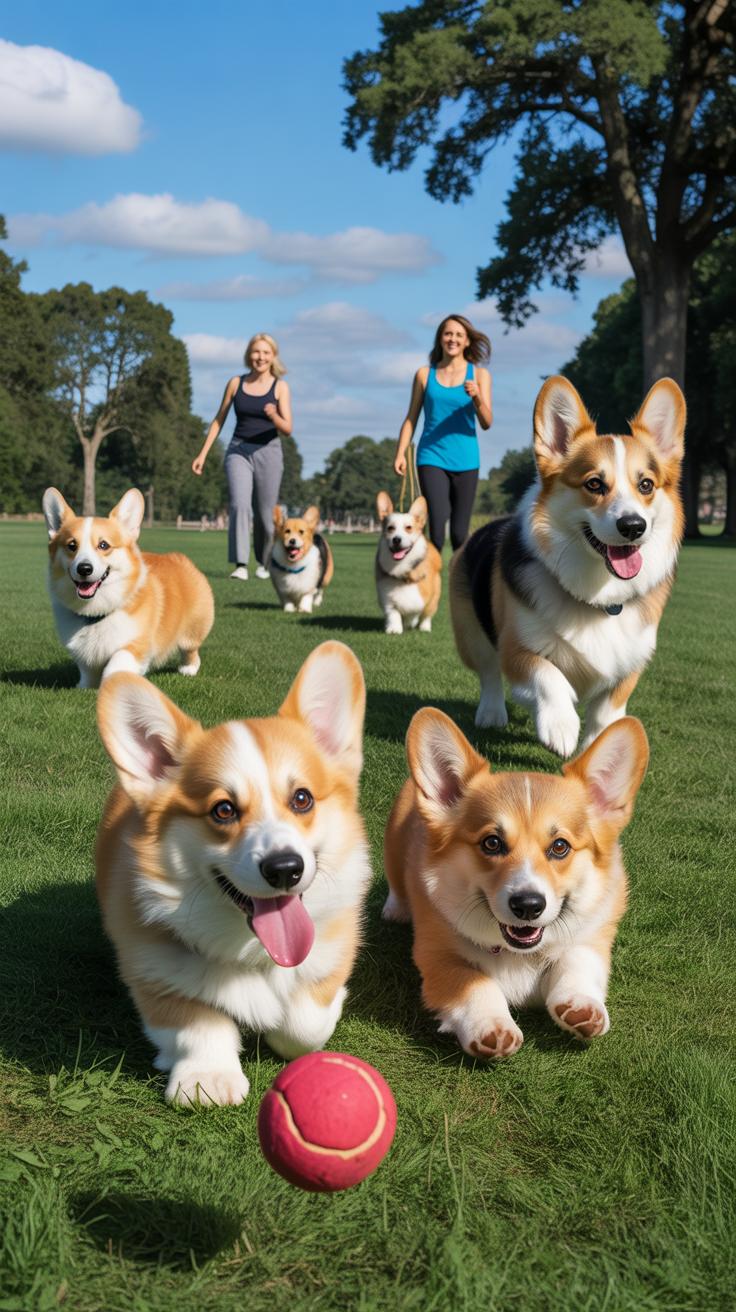
Corgis are cattle drivers by trade. They require tasks that engage their natural herding instincts and high intelligence. Standard walks rarely satisfy their drive. You must integrate activities that mimic the chase and directional control tasks they performed on farms. Physical exertion alone is insufficient. Successful routines combine rapid movement with clear mental objectives to prevent boredom and destructive behavior.
- Treibball: This sport uses large inflatable balls that the dog pushes into a goal. It replicates herding livestock without the need for live animals. It reinforces directional commands and builds core strength while keeping the dog focused on a clear task.
- Herding Trials: Natural instinct tests allow corgis to work with sheep or ducks in a controlled setting. This provides the ultimate mental and physical workout. It utilizes their historical bite-and-dodge technique while keeping them under strict handler command.
- Flirt Pole: This tool uses a lure on a rope to trigger the chase reflex. It builds explosive speed and improves coordination. You must keep the lure low to the ground to prevent the dog from jumping and risking spinal injury.
- Agility Courses: Navigating tunnels and weave poles challenges their spatial awareness. Corgis excel at this because of their low center of gravity and quick footwork. It builds a strong bond between the handler and the dog through constant communication.
- Scent Work: Hiding treats or specific odors forces the dog to use its nose to solve problems. This drains mental energy faster than a long walk. It is a productive indoor activity when weather prevents outdoor exercise.
Intelligence based games solve the problem of excessive barking. A tired mind is a quiet mind. Rotate these activities to keep the dog engaged. If you do the same drill every day the dog will become efficient and burn fewer calories. Vary the intensity and the mental load to maintain peak physical condition and sharp cognitive function.
Low Impact Exercise Options For Senior Corgis Or Those With Joint Concerns
Senior corgis often suffer from Intervertebral Disc Disease or arthritis. You must modify their routine to protect the spine and joints. Short and frequent walks on flat surfaces replace long hikes. Avoid any movements that involve jumping or sharp turns. Consistent movement maintains muscle mass which supports the skeletal structure. Use ramps instead of stairs to prevent unnecessary strain on their long backs.

Swimming provides the most effective workout for aging dogs. Water buoyancy removes weight from the joints while providing resistance for muscle maintenance. Controlled indoor sessions ensure the water temperature stays warm to soothe stiff limbs. Professional hydrotherapy tanks allow for precise movement monitoring. This keeps the heart healthy and the weight down without causing pain. Monitor the dog closely for signs of fatigue during these sessions.
How To Train A Corgi To Make Exercise Part Of A Daily Routine
Using Positive Reinforcement To Build Consistent Exercise Habits In Your Corgi
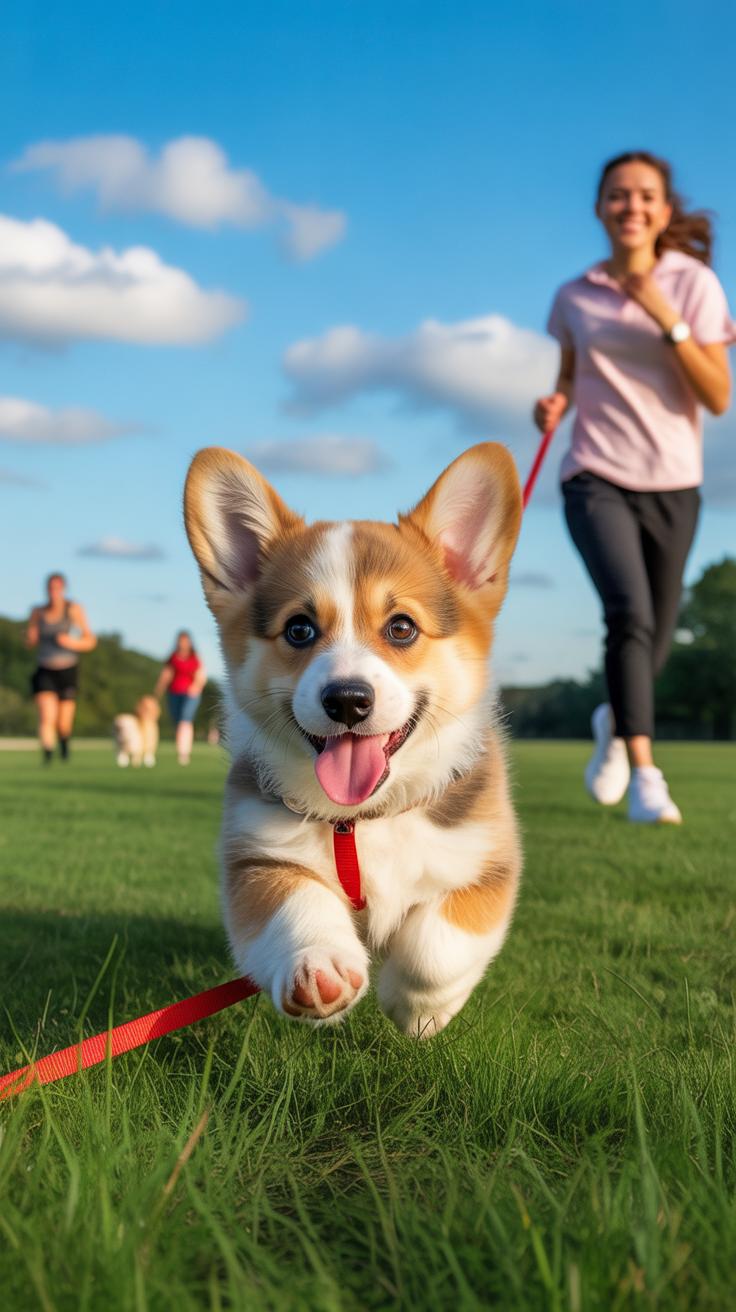
Corgis are intelligent herding dogs. They repeat behaviors that lead to rewards. Link exercise with positive outcomes to build a habit. Use high value treats or praise immediately after a walk or play session. Tactical timing is vital. If you reward late, the dog forgets the action. Consistency creates a predictable schedule that reduces anxiety and lowers stubbornness during daily activity.
Training your Corgi requires clear signals. Use specific vocal cues for exercise sessions. Say walk or play before you start. This builds anticipation and prepares the dog for physical work. Avoid punishing the dog during exercise. Negative feedback stops progress and builds fear. Focus on marking good behavior with a clicker or reward. This reinforces the corgi exercise needs daily requirement through positive associations.
How To Teach Your Corgi To Walk Calmly On A Leash For Structured Daily Walks
Leash pulling is a common issue with low-set herding breeds. Start training in a low distraction area. Use a front clip harness to manage their center of gravity. When the Corgi pulls, stop moving immediately. Do not pull back. Wait for the leash to go slack before you move again. This teaches the dog that a tight leash stops all forward progress.

Reward your Corgi when they walk by your side. Keep treats at hip level to encourage proper positioning. Short, frequent training sessions work better than long walks. Aim for ten minutes of focused leash work twice daily. High frequency builds muscle memory fast. Eventually, the dog will associate a loose leash with constant movement. This creates a more efficient and productive daily exercise routine for everyone.
Corgi Training Tips To Combine Mental Stimulation With Physical Exercise
Why Mental Exercise Is Just As Important As Physical Activity For Corgis
Corgis are historic herding dogs bred to make independent decisions while managing livestock. Physical movement alone does not satisfy their high cognitive baseline. If you only provide physical activity, you build a high-stamina athlete that remains bored and frustrated. Mental engagement lowers cortisol levels and prevents the development of destructive habits. A bored Corgi will find its own work by chewing furniture or barking.
Ignoring mental needs creates a dog that cannot settle. Herding breeds require tasks that mimic the vigilance and problem-solving used on farms. Cognitive tasks tire a dog faster than repetitive walking. Five minutes of brain work can equal thirty minutes of steady walking. You must engage their natural instincts to achieve a truly calm state. Proper mental exertion ensures your Corgi remains manageable and responsive to commands throughout the day.
Games And Training Drills That Tire Your Corgis Body And Brain Simultaneously
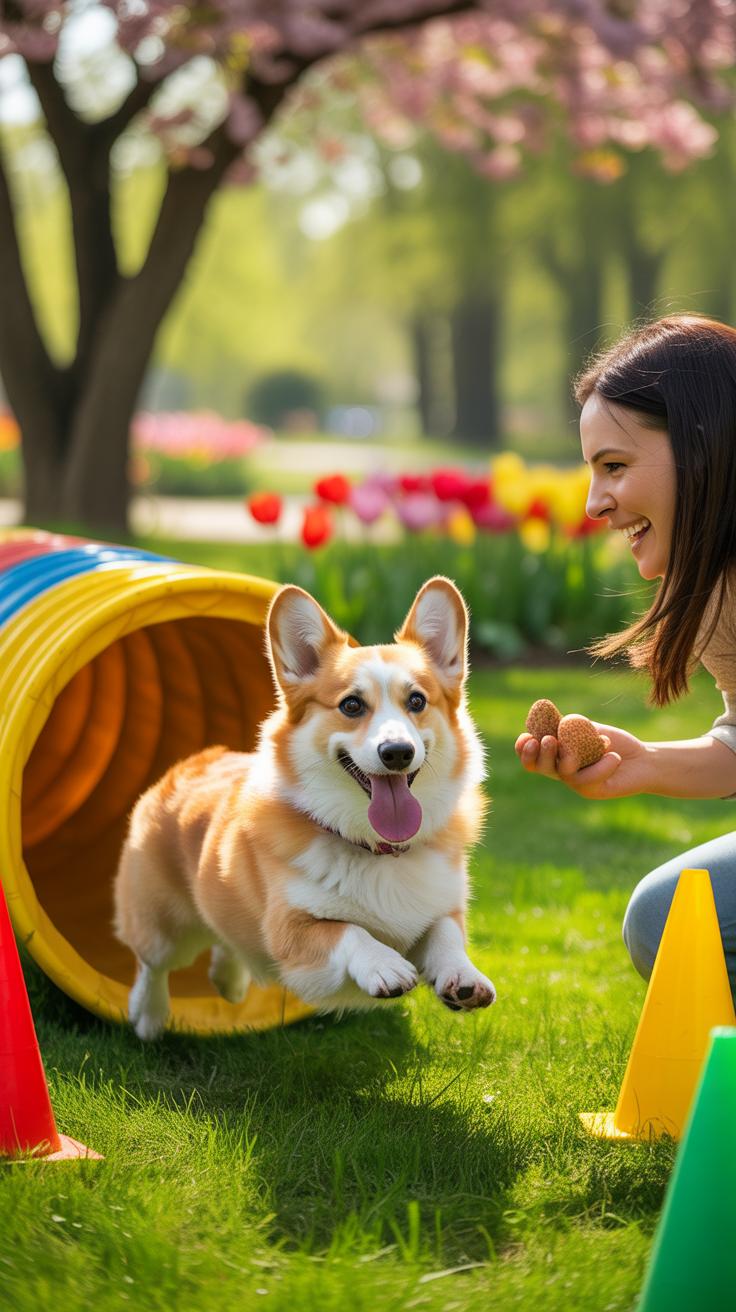
Combine physical movement with specific commands to maximize efficiency. Use hide-and-seek drills where the Corgi must locate a hidden object or person across a large area. This forces the dog to use its nose while navigating physical obstacles. Scent work taps into deep-seated instincts and requires significant focus. You are training the body to move while the brain processes complex sensory data. This dual approach provides a complete workout.

Agility training offers the best results for this breed. Navigating tunnels and weave poles requires precise footwork and intense concentration on the handler. You can simulate these drills at home using household items. Treibball is another effective option where the dog herds large balls into a goal. This mirrors historical cattle herding without the risk of injury. These drills build strength, improve coordination, and force the dog to think under physical pressure.
Corgi Care Tips How Weather Health And Weight Affect Exercise Requirements
Exercising Your Corgi Safely In Hot And Cold Weather Conditions
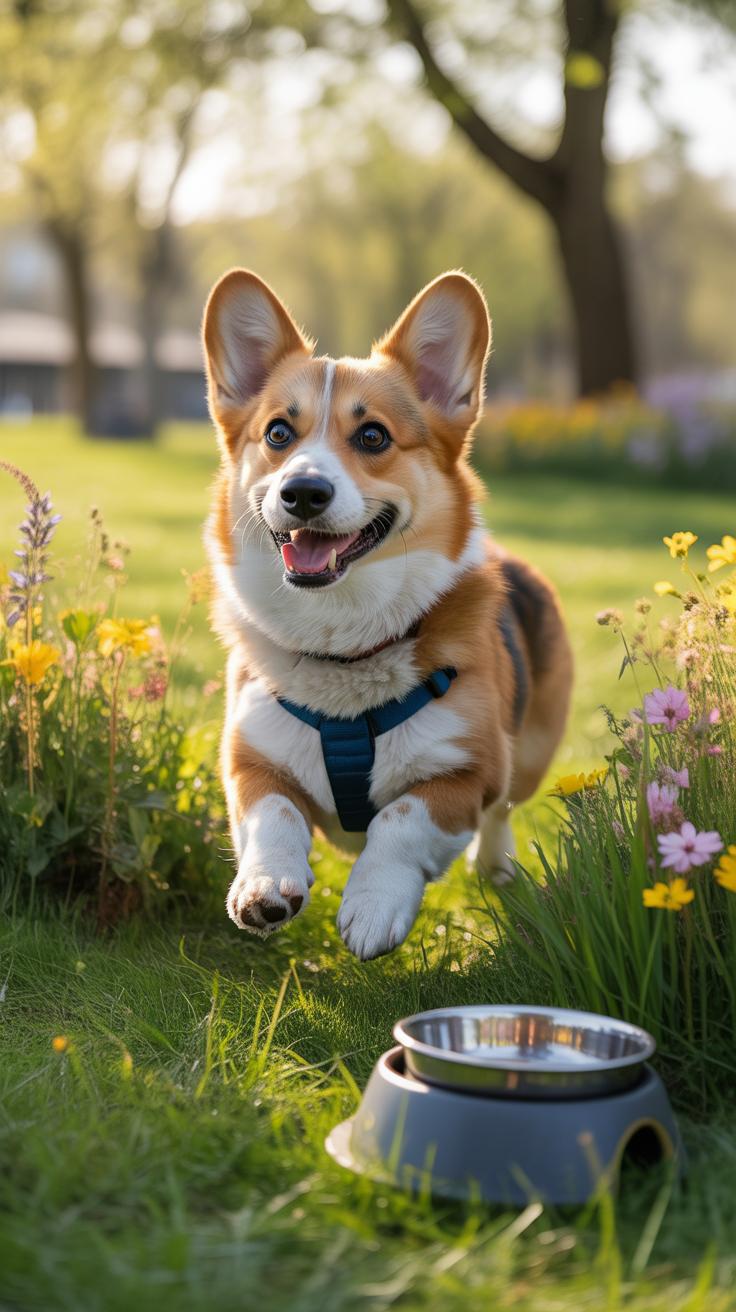
Corgis possess a thick double coat designed for herding in damp Welsh climates. This coat traps heat quickly during summer months. You must limit heavy activity when temperatures exceed seventy-five degrees. High humidity increases the risk of heatstroke because the dog cannot cool itself through panting. Schedule walks for early morning or late evening. Always provide water and shade during outdoor sessions.
Winter conditions offer different challenges for this short-legged breed. Deep snow forces the chest and belly to drag, causing rapid core temperature drops. Salt and ice melt chemicals damage sensitive paw pads. Use protective boots or paw wax for safety. Shorten outdoor duration when temperatures fall below freezing. Keep the dog moving to maintain body heat but watch for shivering or lifting of the paws.
How A Corgis Weight And Health Status Should Shape Its Daily Activity Plan
Excess weight puts immediate strain on the long spine of a Corgi. This breed is prone to Intervertebral Disc Disease. If the dog is overweight, you must reduce exercise intensity to protect the joints. Focus on low-impact walking rather than jumping or sprinting. Maintain a lean body condition to prevent permanent back injuries. Consult a vet to determine the correct caloric intake.

Age and existing health issues dictate the pace of daily movement. Senior dogs often develop arthritis or hip dysplasia which limits mobility. Do not force a sedentary dog into long treks. Instead, use multiple short walks to maintain muscle tone without causing pain. Watch for signs of fatigue or lagging. Adjust the plan based on the dog’s energy levels and physical comfort each day.
Corgi Dog Training Through Exercise Channeling Energy Into Good Behavior
How Insufficient Exercise Contributes To Destructive Or Anxious Corgi Behavior
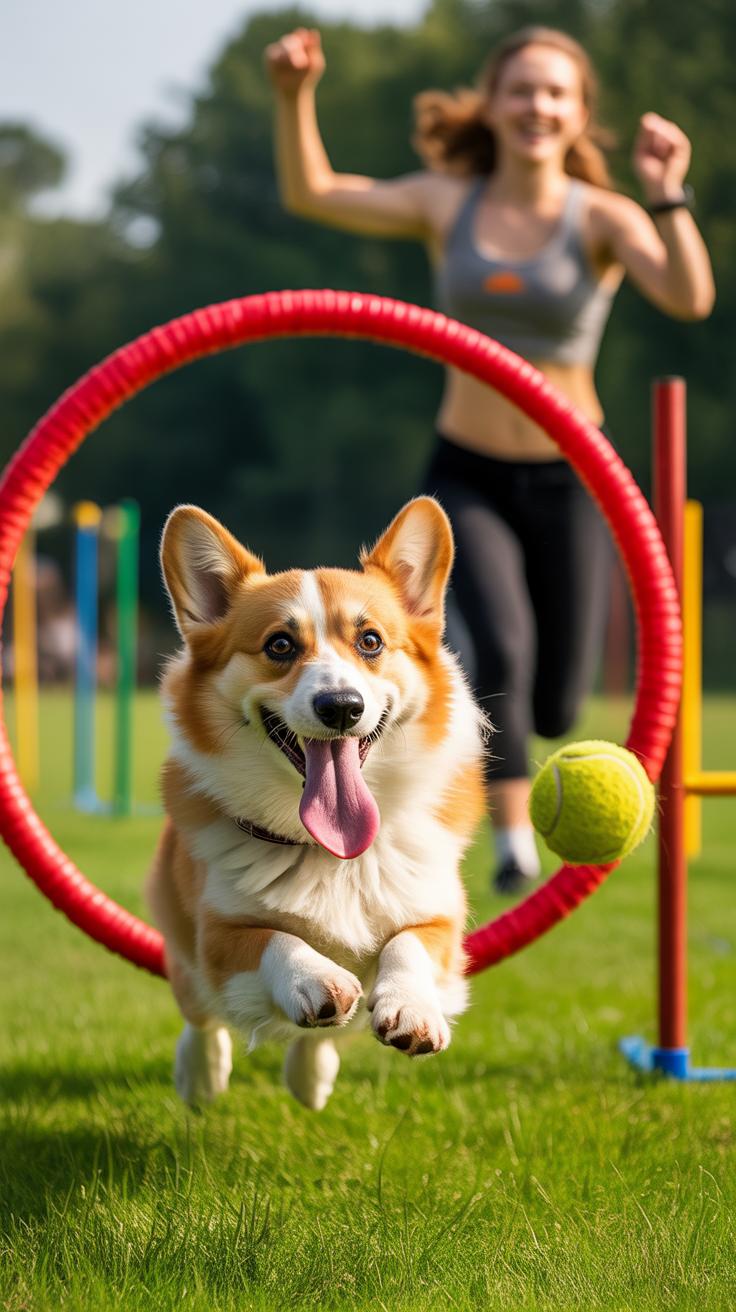
Corgis are working dogs bred to herd cattle for long hours. They possess high intelligence and deep physical stamina. When you fail to meet their daily activity requirements, this energy turns inward. Pent-up physical drive often manifests as destructive chewing or nuisance barking. A bored Corgi will find a job to do. Usually, that job involves destroying your furniture or digging through your floors.
Anxiety often stems from a lack of physical outlets. Corgis are alert dogs that react to environmental changes. Without exercise, their nervous systems remain on high alert. This leads to hyper-vigilance and reactive behavior toward strangers or other pets. You can eliminate most behavioral issues by providing structured physical work. Movement reduces cortisol levels and helps the dog maintain a calm state within the home.
A little dog is a big thing in a small package, and an hour of wandering each day keeps their spirited heart forever young.
Using Daily Exercise Sessions As Opportunities To Reinforce Obedience And Manners
Exercise sessions are the best time to drill commands. A moving dog is a focused dog. Use walks to practice heel work and sudden stops. These moments teach the dog to look to you for direction despite distractions. Mixing physical exertion with mental demands forces the Corgi to think while tired. This dual approach builds a more reliable and disciplined animal over time.

Control the pace of every activity to establish leadership. Do not let the Corgi dictate the direction or speed of the walk. Require a sit before throwing a ball or starting a game. These small hurdles create a framework of respect. Consistent training during exercise prevents the dog from becoming an independent operator. You gain a partner that listens because you have successfully integrated discipline into their daily routine.
Corgi Training Tips For New Puppy Owners Building An Exercise Schedule From Day One
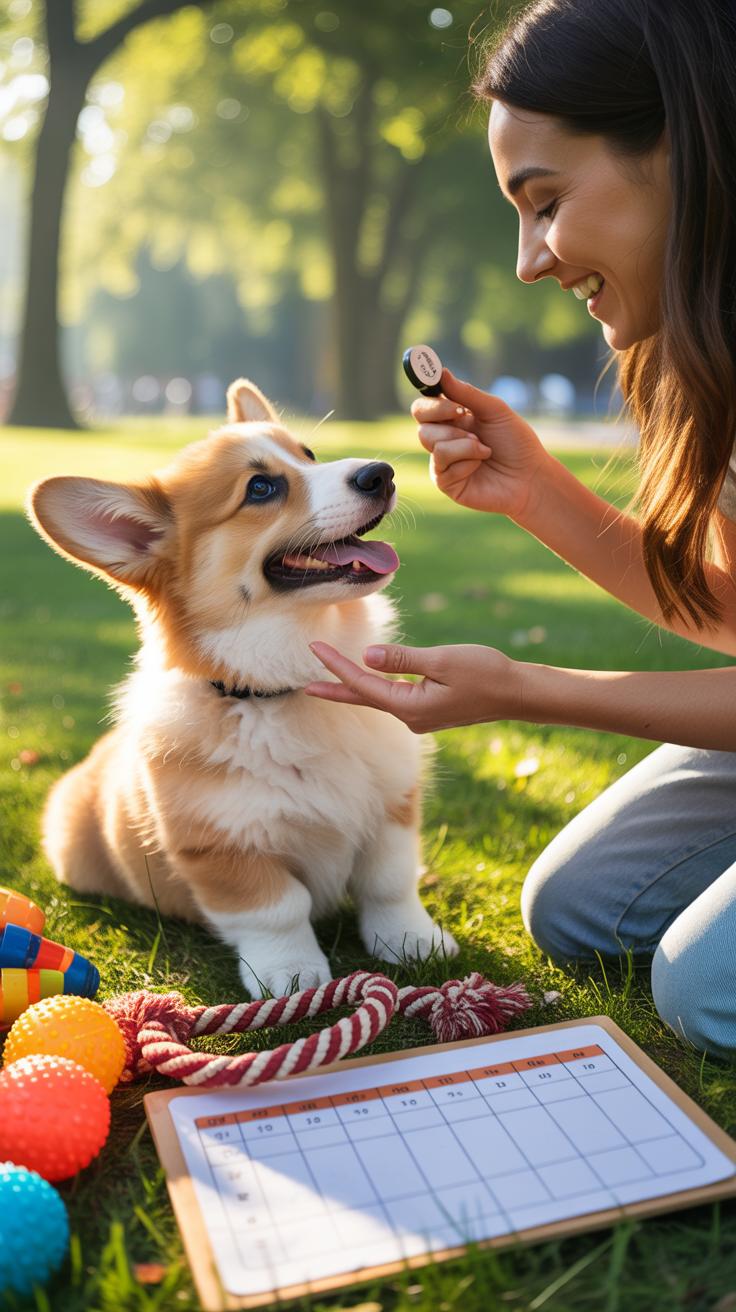
How To Structure A Daily Exercise And Training Schedule For A New Corgi Puppy
New Corgi puppies require a structured routine to manage their high energy and natural herding instincts. You must balance physical movement with mental stimulation to prevent destructive behaviors. Short bursts of activity are more effective than long walks for young dogs. Use a consistent clock to set expectations for your puppy. This helps with housebreaking and prevents overstimulation during evening hours.
- Short Walks: Limit leash walking to five minutes for every month of age twice daily. This protects developing joints while providing essential sensory exposure to the outside environment.
- Mental Puzzles: Use food dispensing toys to make the puppy work for their meals. Corgis are intelligent working dogs that need tasks to solve to prevent boredom and anxiety.
- Crate Rest: Schedule mandatory naps after every exercise session to ensure the puppy recovers. Overly tired Corgis often become nippy and difficult to manage without forced down time in a quiet space.
- Training Drills: Integrate five minute obedience sessions into the daily routine. Focus on basic commands like sit and stay to build focus and establish your role as the leader early on.
- Controlled Socialization: Introduce the puppy to different surfaces and sounds during active periods. This builds confidence and ensures the adult dog remains calm in various environments throughout its productive life.
Review the schedule weekly as the puppy grows and its endurance increases. Adjust the duration of play sessions based on energy levels and physical development milestones. Consistency is the primary factor in successful Corgi ownership. A predictable routine reduces stress for both the dog and the owner. Keep records of progress to identify patterns in behavior and physical health.
Common Exercise Mistakes New Corgi Owners Make And How To Avoid Them
Owners often force long distance runs on young Corgis before their growth plates close. This leads to permanent joint damage and chronic pain in adult years. You must avoid high impact jumping or repetitive stair climbing during the first year of life. Use flat ground for most activities to protect the long spine of the breed. Focus on quality of movement rather than total distance covered.
Ignoring the need for mental work is another tactical error. A physically tired Corgi with an under-stimulated brain will still find ways to cause trouble. You cannot outrun a Corgis energy without engaging its mind through training or scent work. Stop using generic exercise plans designed for different body types. Tailor every session to the specific orthopedic needs of the Pembroke or Cardigan breed.
Tracking Your CorgiS Exercise Needs Daily Tools Progress And When To Consult A Vet
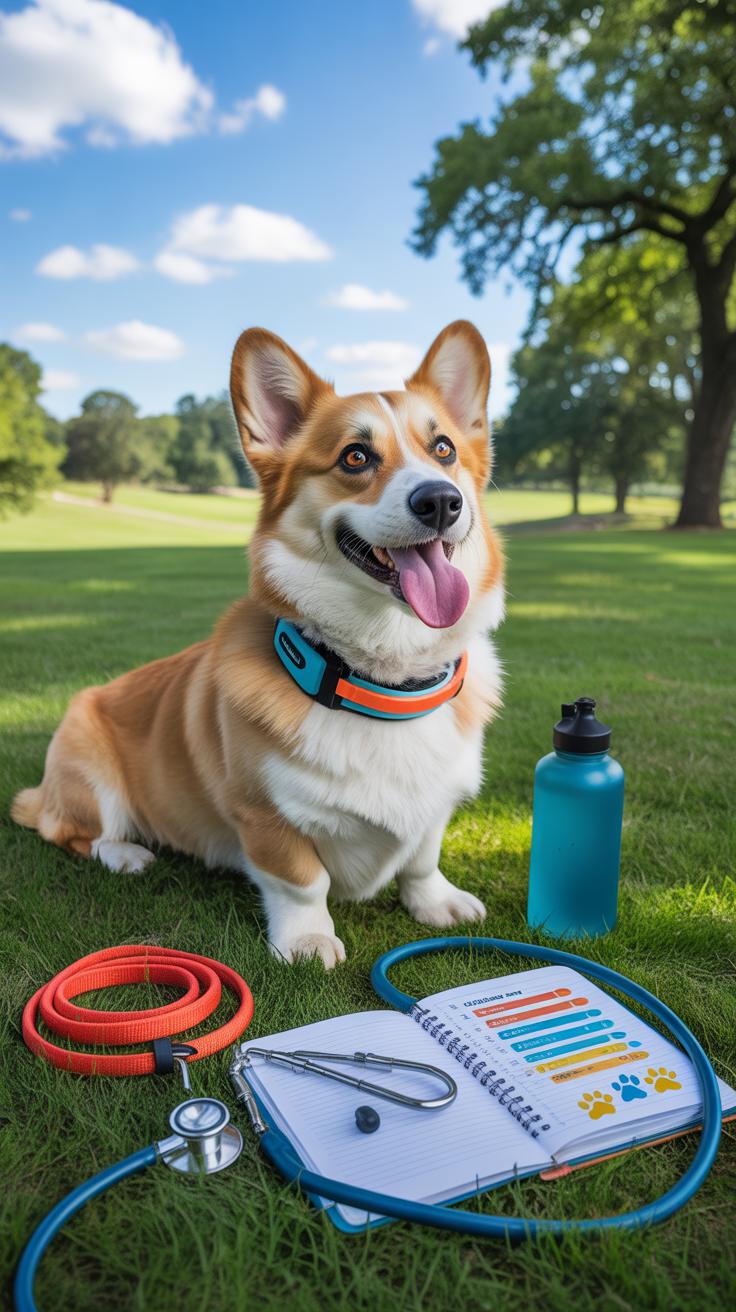
Helpful Tools And Methods For Monitoring Your Corgi’S Daily Activity Levels
Effective tracking prevents overexertion and spinal strain. Wearable GPS and activity trackers provide precise data on steps and active minutes. These devices sync with smartphone apps to show if your dog meets its specific movement targets. Physical logs also work well for documenting duration and intensity. You must record variables like weather and terrain to understand how they impact your dog’s overall energy baseline.
Objective data eliminates guesswork regarding your dog’s fitness. Consistency builds a reliable profile of what constitutes a healthy day for your pet. Digital tools often include comparative data for the breed. Use these metrics to adjust calorie intake based on calories burned. Monitoring prevents obesity, which is the primary threat to the long-term health of any dwarf breed with a long back and short legs.
When To Speak With Your Veterinarian About Your Corgi’S Exercise Routine
Schedule a veterinary consultation if you notice sudden changes in movement or stamina. Physical signs like limping, lagging behind, or heavy panting require immediate professional assessment. Corgis are prone to Intervertebral Disc Disease and hip dysplasia. A vet can use diagnostic imaging to check for these issues. They will provide a safe activity ceiling based on your dog’s age and current bone density.
Consultation is necessary before starting any high-impact sports like agility or frisbee. As your dog ages, its exercise capacity will naturally decrease. A professional can help you transition from high-intensity runs to therapeutic walks. They also provide guidance on weight management through controlled movement. Expert advice ensures your exercise plan supports joint health rather than causing permanent damage. Your vet remains your best resource for customized fitness.
Frequently Asked Questions

How much exercise does a Pembroke Welsh Corgi actually require every day?
While they may look like lap dogs due to their short stature, Corgis are high-energy herding animals that require significant activity. To meet typical corgi exercise needs daily, you should aim for at least 60 minutes of physical activity. This should be broken up into two brisk walks supplemented by play sessions. Keeping them active prevents boredom-induced barking and helps maintain a healthy weight for their long, sensitive spines.
What are some safe ways to exercise my Corgi if I don’t have a large yard?
You don’t need a massive estate to satisfy corgi exercise needs daily. Indoors, you can use puzzle feeders, hide-and-seek games, or soft plush toys for low-impact fetching. When heading outside, focus on “sniffari” walks where they can mentally stimulate their brains alongside their bodies. Always avoid high-impact jumping or steep stairs, as these can strain their joints. Consistent, moderate movement is much more beneficial than occasional intense bursts of running.
Can I adequately exercise my Corgi on a tight budget without expensive agility gear?
Absolutely! You can provide excellent physical engagement using simple household items. Create a DIY obstacle course using sturdy cushions for weaving and low broomsticks for stepping over. Neighborhood walks are completely free and remain the most effective way to burn energy. Engaging your dog in a game of “find the treat” around the living room provides the mental and physical enrichment they crave without spending a dime on fancy equipment.