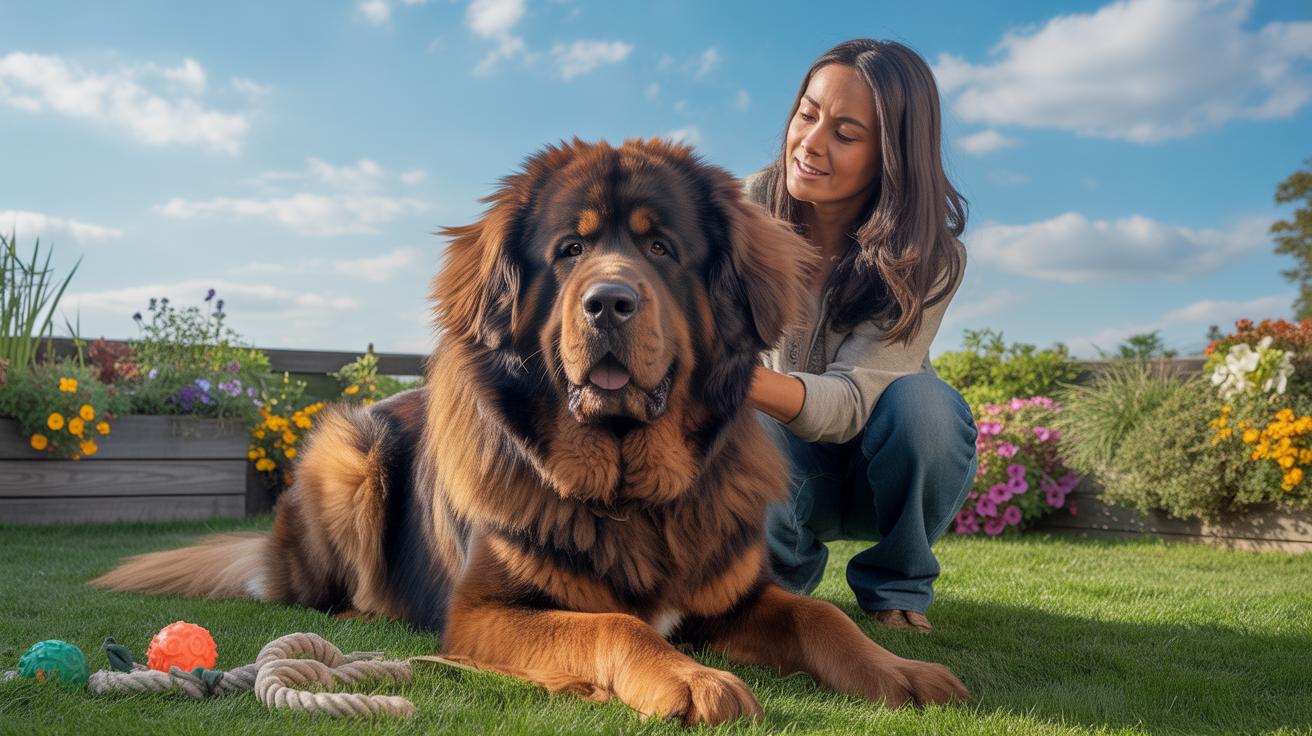
Understanding The Tibetan Mastiff Dog Origins And Breed Overview
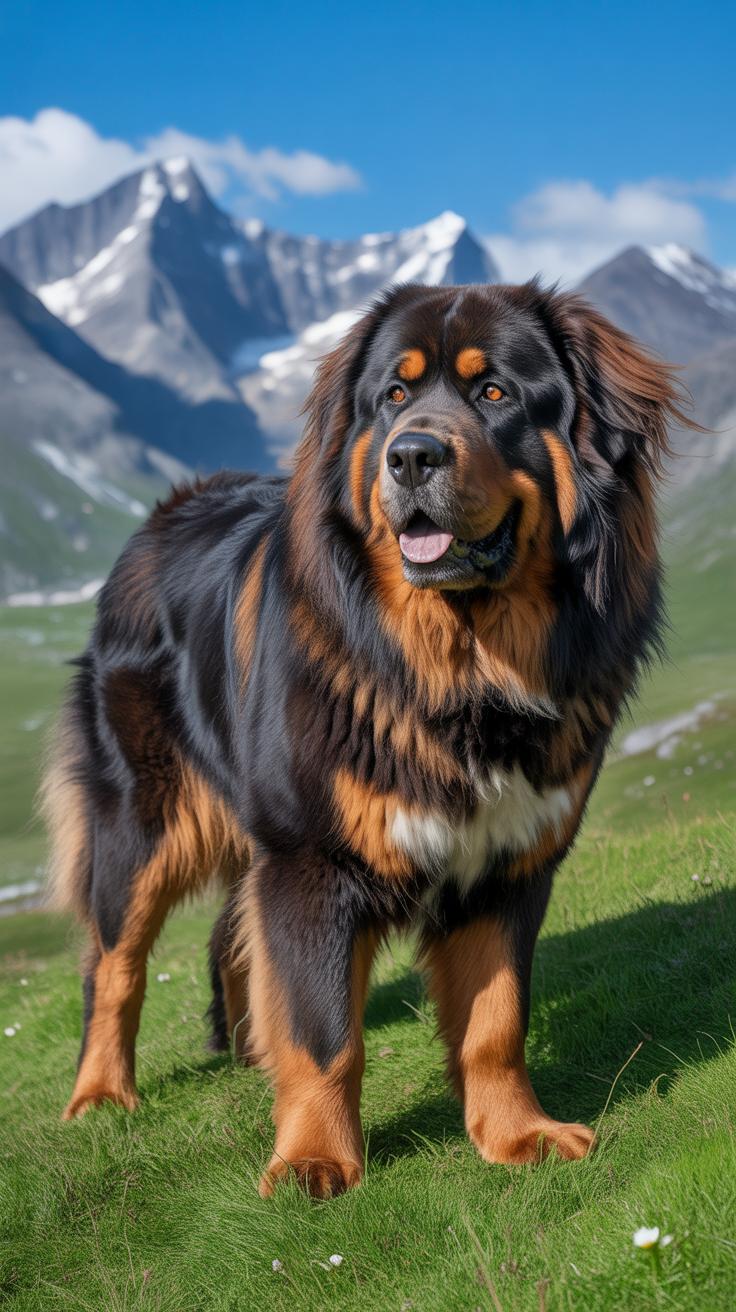
The Ancient History Behind The Tibetan Mastiff Dog Breed
The Tibetan Mastiff is a primitive landrace breed from the Himalayan mountains. It originated as a high-altitude guardian for livestock and monasteries. These dogs functioned as biological security systems for nomadic tribes. Isolation in harsh climates preserved their genetic integrity for centuries. They represent the foundation stock for many modern large mastiff breeds across Asia and Europe.
Genetics show this breed diverged from gray wolves earlier than most other domestic dogs. This early split explains their unique physiology and independent nature. They thrive in extreme cold and low oxygen environments. Historical records from travelers like Marco Polo describe their immense size and fierce loyalty. Owners must respect this lineage because it dictates every instinct the dog possesses today.
How The Breed’S Working Heritage Shapes Modern Ownership Expectations
The working history of this breed creates specific behavioral challenges for casual owners. They were bred to work alone at night without human direction. This means the dog makes its own decisions regarding threats. You cannot easily train away centuries of protective instinct. They view their property as a territory to defend. This trait requires high-security fencing and constant vigilance.
Modern homes often struggle with the breed’s nocturnal activity patterns. These dogs remain alert while the household sleeps. They bark at perceived shifts in the environment to deter intruders. This vocalization is a core part of their function. New owners often mistake this duty-bound behavior for aggression or disobedience. Understanding this heritage is vital for managing your expectations and avoiding legal liability.
Tibetan Mastiff Characteristics Every New Owner Should Understand
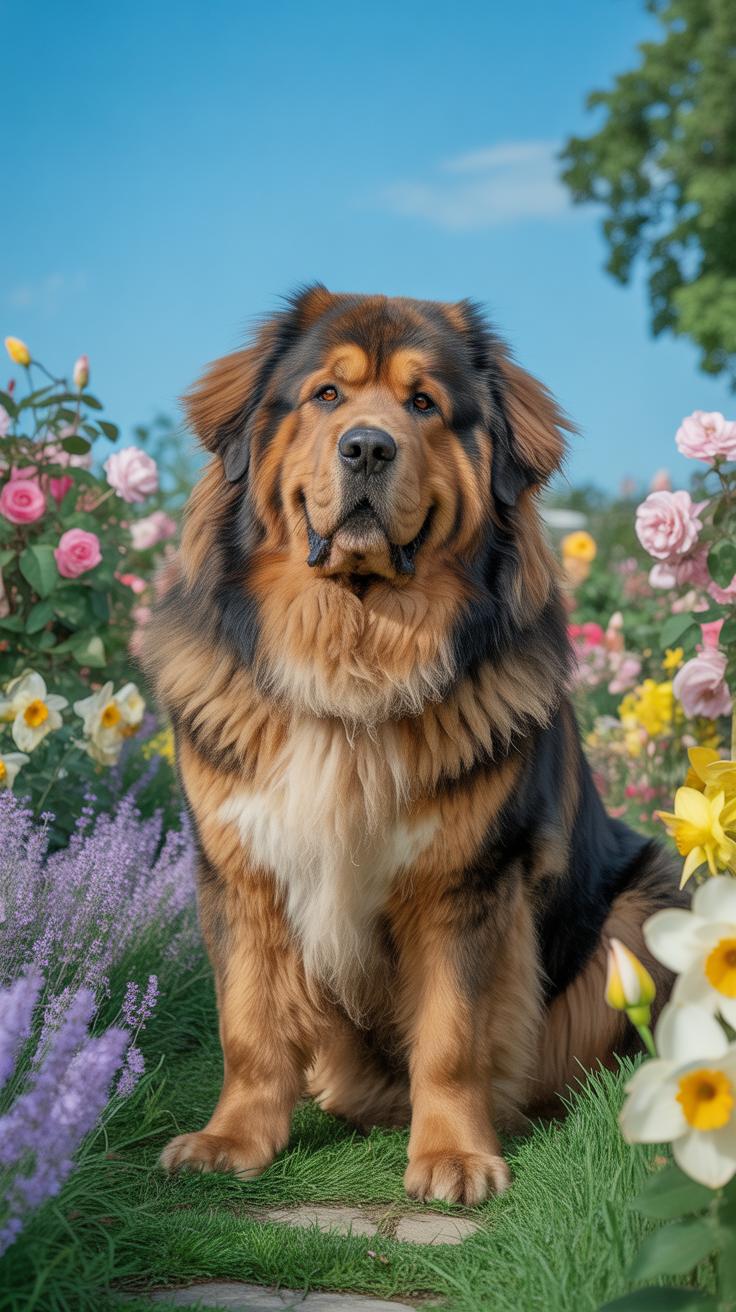
Physical Traits: Size, Coat, And Build That Impact Daily Care
Tibetan Mastiffs reach weights between 70 and 150 pounds. Their massive skeletal structure supports a thick double coat designed for high-altitude survival. This coat sheds heavily once a year during a seasonal blow. Owners must manage extreme amounts of loose fur during this period. The physical size of the dog requires heavy-duty gear and large living spaces. You cannot skip regular grooming or physical upkeep.
Owners must manage the physical reality of a giant breed dog. Their dense undercoat traps heat and moisture easily. This leads to skin infections if the coat remains damp or dirty. Their heavy bone structure makes them prone to joint issues if they grow too fast. You must monitor their weight and exercise levels daily. Proper maintenance prevents costly medical bills. Control their environment to accommodate their massive physical frame.
How Tibetan Mastiff Characteristics Differ From Other Mastiff Breeds
Most mastiff breeds are brachycephalic with short coats and heavy drool. The Tibetan Mastiff differs because it has a longer muzzle and a primitive genetic line. They evolved as independent guardians rather than driven hunters or property guards. This breed possesses an internal clock that makes them more active at night. They show deep independence and do not seek constant human approval. This shift in mindset changes training tactics.

Standard mastiffs often display high food drive and eagerness to please. Tibetan Mastiffs function with a high level of autonomy. They ignore commands if they deem them unnecessary or repetitive. Their vocalizations are deeper and more frequent than those of an English Mastiff. They use barking as a primary tool to deter intruders from a distance. You must understand these primitive traits to succeed. They are not giant Labradors in a heavy coat.
Decoding The Tibetan Mastiff Personality What New Owners Often Misread
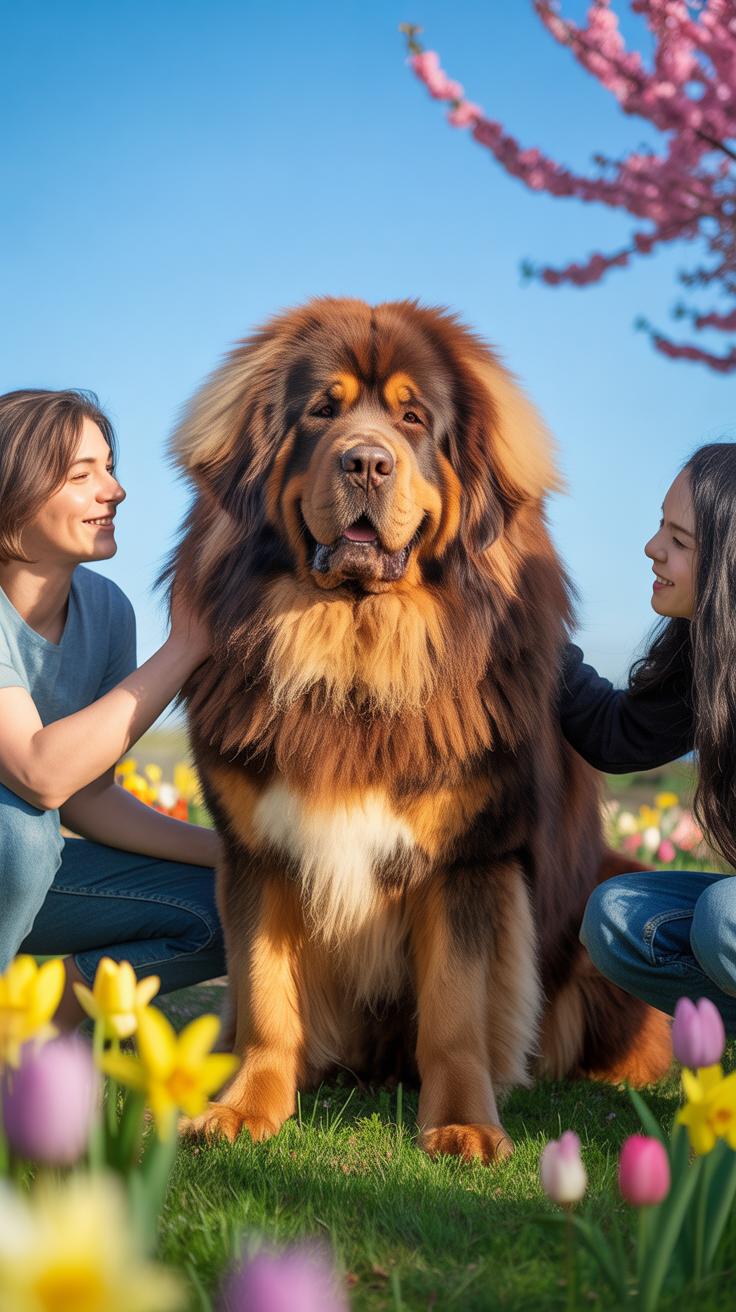
Independent And Territorial: Understanding The Core Of Tibetan Mastiff Personality
Tibetan Mastiffs are not eager to please. They evolved as livestock guardians in the Himalayas. This history created a dog that thinks for itself. They do not wait for commands to act. Owners often mistake this independence for stubbornness or lack of intelligence. In reality, the dog prioritizes its own judgment over yours. It views your instructions as mere suggestions rather than laws.
Territorial behavior is an ingrained survival trait. These dogs view your home as their perimeter. They will patrol this space instinctively. They are most active and alert at night. This nocturnal vigilance is a historical leftover from guarding camps against predators. It makes them prone to barking at night. You cannot train this instinct away. You must manage it through secure fencing and indoor confinement.
How Their Protective Nature Can Become A Challenge In Social Settings
The protective drive of a Tibetan Mastiff is intense. They distinguish between family members and outsiders immediately. New owners often struggle to manage this boundary. The dog may perceive a friendly guest as a threat to your safety. Proper socialization must start during the first weeks of life. Even with training, they remain naturally suspicious of strangers. They rarely welcome unknown people with excitement.

Social settings create high stress for this breed. They do not enjoy crowded public spaces or dog parks. These environments trigger their defensive instincts. A Tibetan Mastiff will physically block a stranger from approaching its owner. They use their massive size to control the space. Owners must develop strong handling skills to manage these encounters. Otherwise, the dog will take charge of every social interaction it faces.
Training Challenges That Catch New Tibetan Mastiff Owners Off Guard
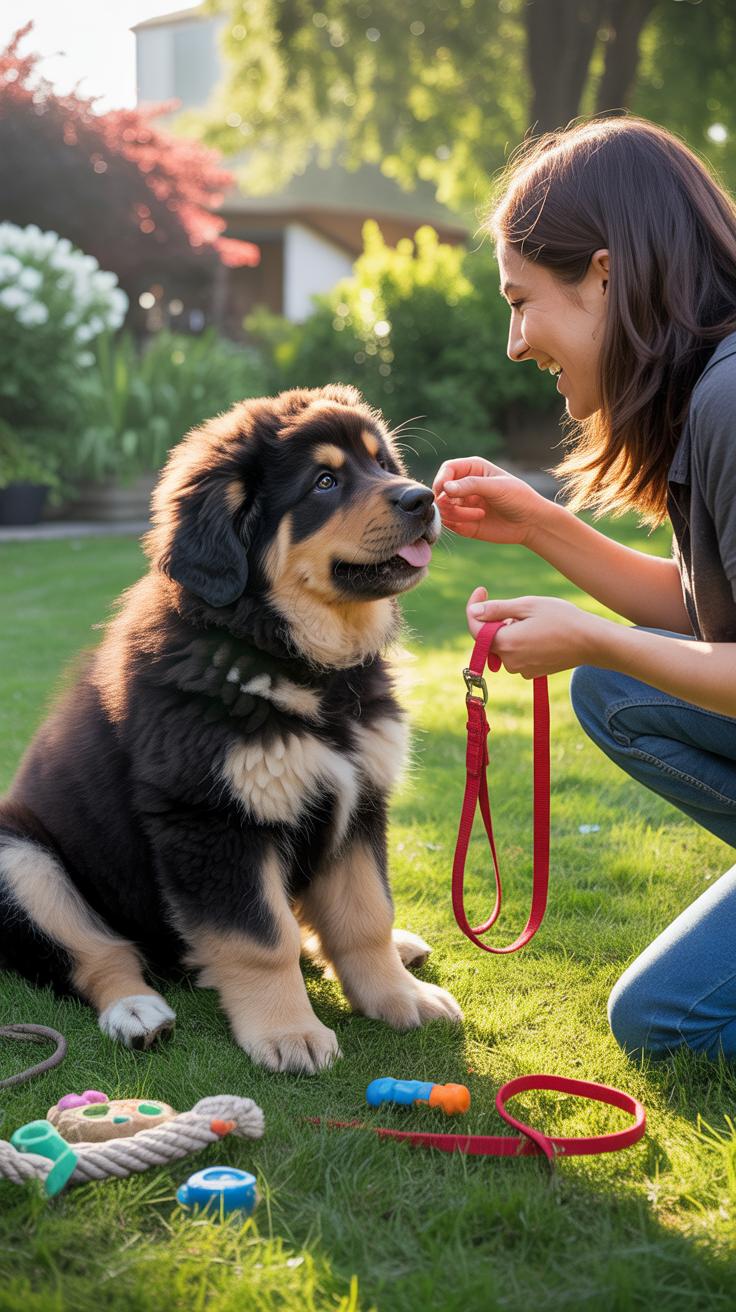
Why Standard Dog Training Approaches Often Fail With This Breed
Generic modern training relies on the dog’s desire to please the owner. Tibetan Mastiffs do not possess this trait. They were bred for thousands of years to guard livestock alone in the Himalayas. This history created a breed that thinks for itself. They see commands as suggestions rather than requirements. If they do not see a valid reason to obey, they will simply look away or ignore you.
Positive reinforcement and clicker training have limited success during high-arousal moments. Food motivation often disappears when a Tibetan Mastiff feels its territory is threatened. Traditional obedience drills bore this breed quickly. They will stop responding after three repetitions because they find the task redundant. Owners must shift from a trainer mindset to a leadership mindset. You are not his boss. You must become a partner he respects.
Their iron will and ancient independence may test your patience, but the loyalty of a guardian who chooses you is a treasure that stays in the heart forever.
Establishing Boundaries Early: The Key To Managing Stubborn Behavior
New owners must set hard rules the moment the dog enters the home. This breed interprets any lack of consistency as weakness. If you allow the dog on the couch once, it becomes his territory forever. You cannot move a 150-pound dog once he decides to stay put. Use firm and calm vocal cues. Physical force will only cause the dog to shut down or become aggressive.
Socialization must happen every single day during the first year. Expose the dog to different people, sounds, and environments. This prevents their natural guarding instinct from turning into uncontrollable suspicion. You must control every walk and every interaction. A Tibetan Mastiff that leads the walk believes he is in charge of your safety. Reversing this hierarchy after the dog reaches maturity is nearly impossible and dangerous.
Raising A Tibetan Mastiff Puppy Early Challenges You Should Anticipate
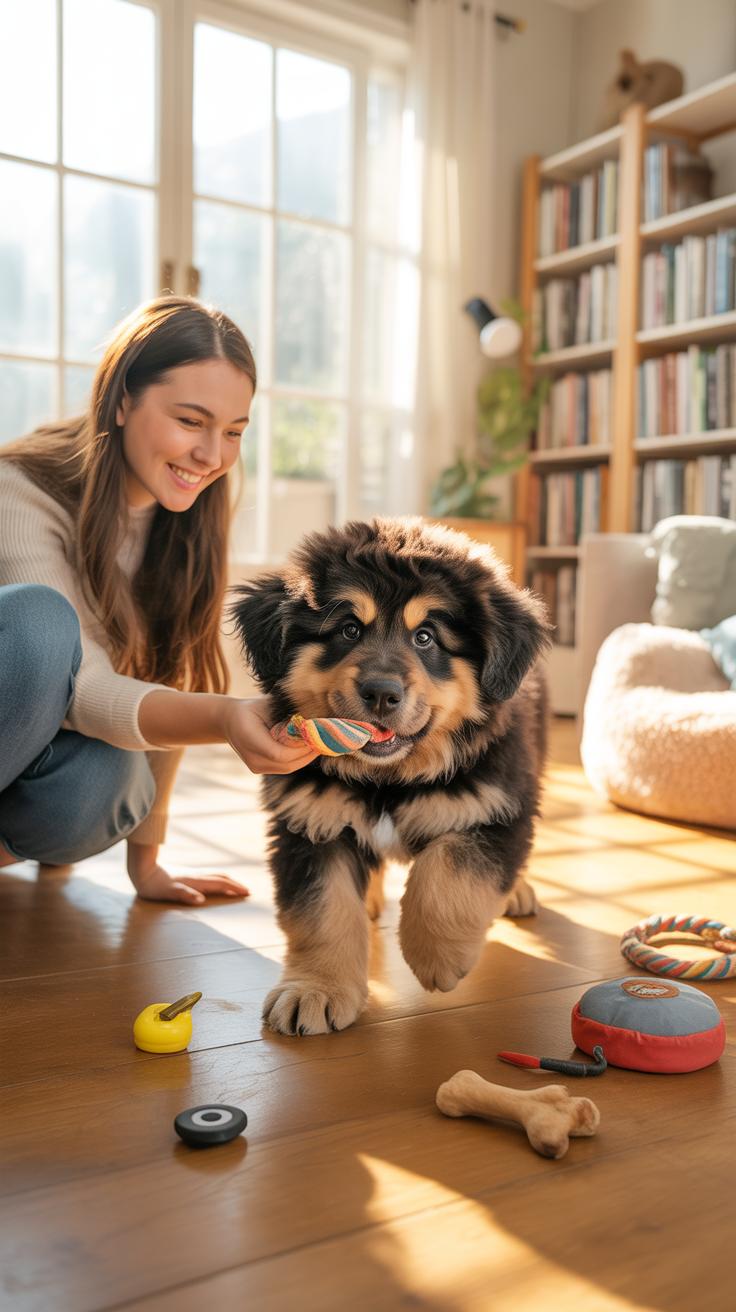
Socialization Windows In A Tibetan Mastiff Puppy And Why Missing Them Is Costly
The critical socialization window for this breed closes earlier than most dogs. Between eight and sixteen weeks, you must expose the puppy to various sounds, surfaces, and people. This breed possesses an ancient instinct to guard livestock from predators. Without heavy intervention during this phase, that instinct hardens into permanent suspicion. You cannot fix a lack of socialization once the dog reaches maturity.
Missing this window creates a massive liability for the owner. An unsocialized Tibetan Mastiff views every stranger as a lethal threat to the home. Traditional training methods rarely overcome this deep-seated wariness once the dog is adult-sized. You will face a life of strict management and isolation if you fail here. Strategic exposure now prevents dangerous aggression later. Consistency dictates the future safety of your household.
Key Milestones And Red Flags To Watch In The First Year Of Puppyhood
Watch for the onset of territorial barking around the six-month mark. This behavior is a biological milestone for the breed. It signals that the dog is starting to claim its environment. While normal, uncontrolled barking indicates a lack of mental boundaries. You must establish leadership before the dog reaches its full physical power. Physical growth often outpaces mental maturity during this first year.

Pay close attention to sudden food or resource guarding. This red flag often appears during the second fear period at nine months. If the puppy snaps or growls when you move their bowl, address it immediately. An adult Tibetan Mastiff weighs over one hundred pounds and is nearly impossible to physically move. Solve these dominance issues while the puppy is still small enough to handle. Ignoring these signs leads to disaster.
Tibetan Mastiff Care Tips The Demanding Realities Of Day To Day Ownership
Grooming, Diet, And Exercise Needs That Demand Consistent Owner Commitment
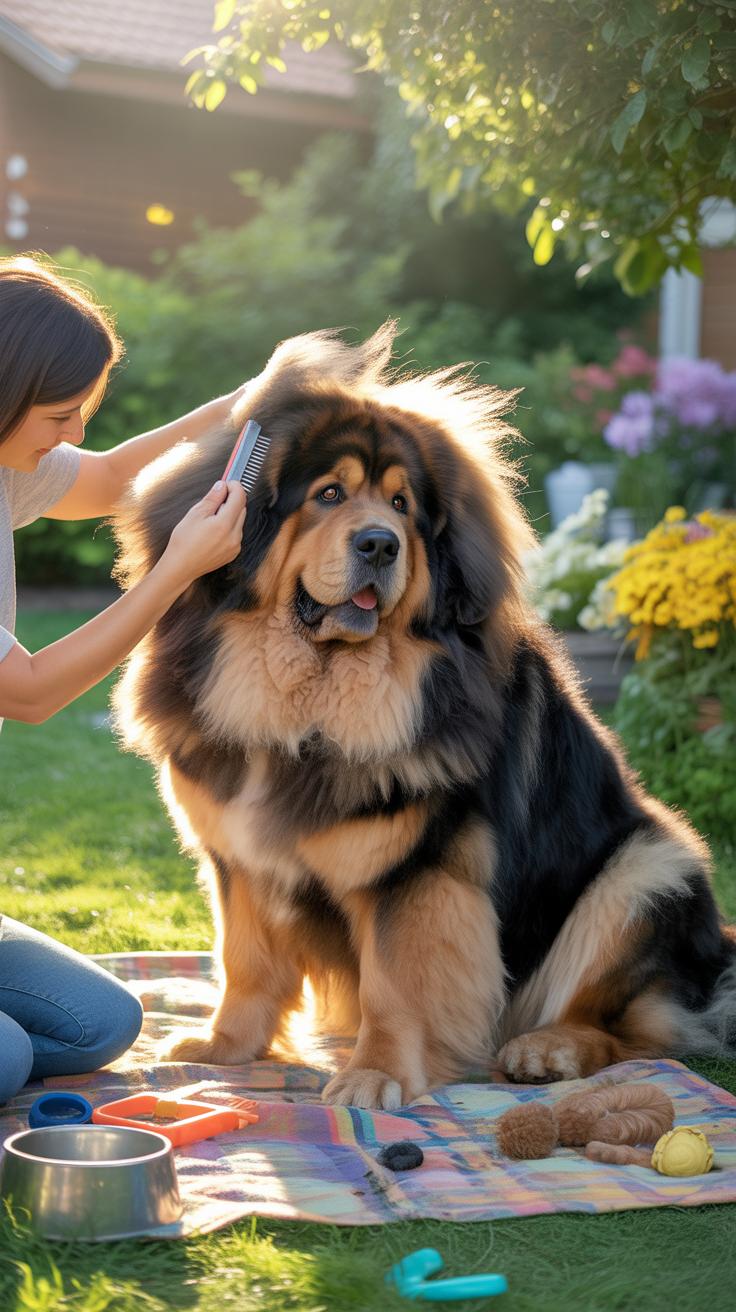
Tibetan Mastiffs possess a heavy double coat designed for high altitude survival. This coat sheds its entire undercoat once a year in a process called blowing. Owners must commit to daily brushing during this period to manage massive amounts of loose fur. Failure to groom leads to painful skin matting. Regular maintenance prevents debris buildup and skin infections from trapped moisture.
- Heavy Coat Maintenance: Owners must brush the dog at least three times a week. Use a slicker brush and long-toothed undercoat rake to reach the skin. This keeps the fur clean and reduces the amount of hair in your home.
- Low Impact Exercise: Young dogs need limited exercise to protect developing joints. Avoid long runs or jumping on hard surfaces until they reach physical maturity. Short walks on soft ground provide enough physical stimulation without causing long term skeletal damage.
- Nutrient Management: Feed high quality proteins but monitor total calorie intake closely. This breed grows slowly and can suffer from bone issues if they gain weight too fast. Keep the dog lean to reduce stress on their large frames.
- Nail Care: Strong claws grow quickly and require monthly trimming. Overgrown nails cause the foot to splay and lead to structural pain. Start this routine in puppyhood to ensure the dog remains calm during the process.
- Dental Hygiene: Large breeds are prone to gum disease if neglected. Brush teeth weekly to prevent plaque buildup and systemic health issues. Professional cleanings are expensive and require anesthesia which carries risks for giant breeds.
Standard exercise requirements differ from other working breeds. These dogs prefer patrolling their territory over playing fetch. They have low energy indoors but stay alert for threats. You cannot leave them in a yard alone for long periods. Boredom leads to destructive chewing and loud barking. Consistent engagement ensures the dog remains manageable within a domestic environment.
Health Conditions Common In The Breed And How Proactive Care Can Help
Large breed anatomy makes Tibetan Mastiffs prone to hip and elbow dysplasia. These genetic conditions cause joint instability and eventual lameness. Responsible owners buy only from breeders who provide certified health clearances. Maintaining a lean body weight through adulthood is the most effective way to manage joint stress. Early detection through regular veterinary screenings allows for better pain management options.

Eye problems like ectropion and entropion also affect the breed regularly. These conditions involve eyelids folding inward or sagging outward, causing irritation or corneal damage. Owners should also watch for signs of hypothyroidism, which affects metabolism and coat quality. Proactive blood work identifies these issues before they become severe. Consistent medical monitoring preserves the dog’s quality of life and reduces long term emergency costs.
How Much Does A Tibetan Mastiff Cost The True Financial Burden Of Ownership
Breaking Down Purchase Prices, Breeder Quality, And What Drives The Cost
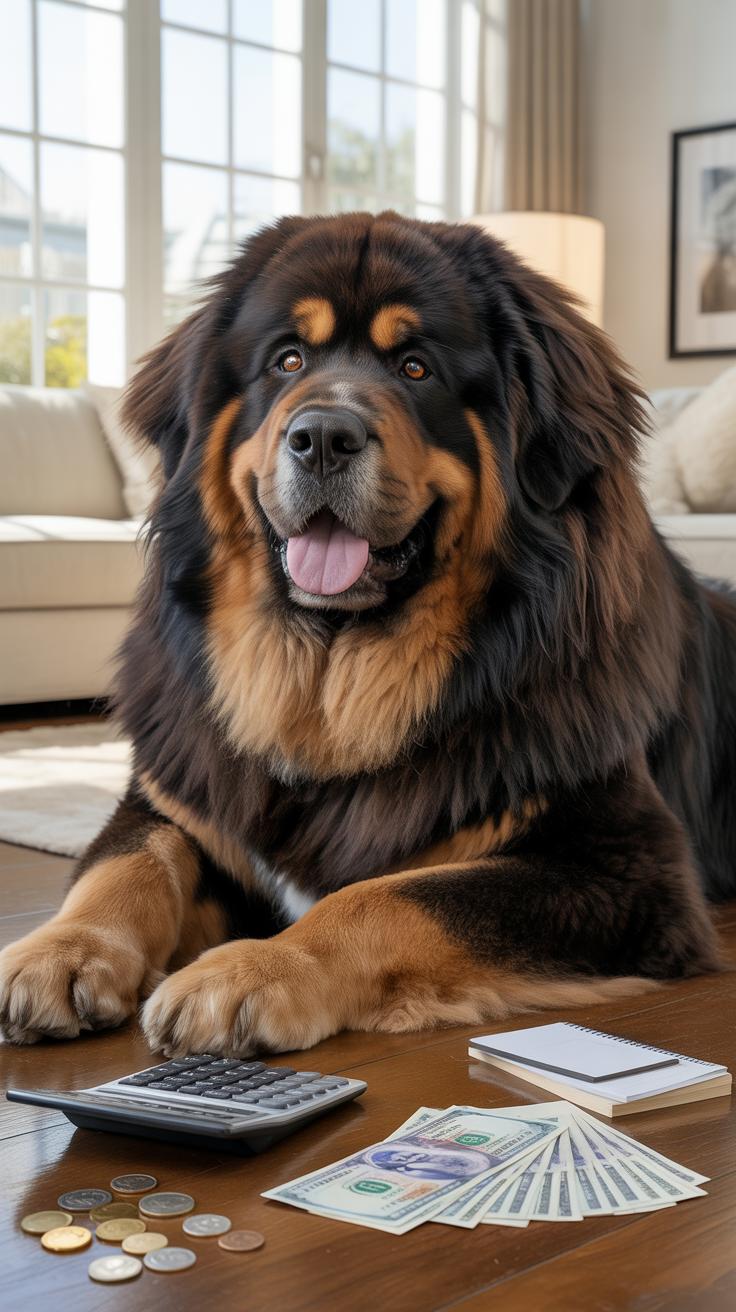
Buying a Tibetan Mastiff requires significant capital. Expect to pay between two thousand and six thousand dollars for a puppy from a reputable breeder. Prices vary based on lineage and coat color. Rare bloodlines or imported dogs cost much more. Beware of low prices from backyard breeders. Cheap dogs often come with massive medical bills or unstable temperaments. You pay for quality health testing.
High prices reflect the difficulty of breeding these dogs. Tibetan Mastiffs only go into heat once per year. This limited supply drives up the market rate for healthy puppies. Proximity to the original Himalayan bloodlines also increases the price tag significantly. Quality breeders invest thousands into hip and elbow certifications. They also perform thyroid and eye exams. You are buying a genetic insurance policy with that high initial cost.
Ongoing Expenses Beyond Purchase Price That New Owners Underestimate
Operational costs for this breed are higher than standard large breeds. You will spend thousands annually on basic maintenance and healthcare. These dogs require heavy duty equipment and specialized services. Most standard commercial products cannot handle the size or strength of a Tibetan Mastiff. You must budget for the extreme scale of their needs. Failure to plan for these costs leads to financial strain.
- Specialized Nutrition: Adult Mastiffs consume large volumes of high quality protein. You must avoid cheap fillers to prevent bloating and joint issues. Expect to spend over one hundred dollars every month on premium large breed formulas.
- Professional Grooming: The thick double coat requires professional attention several times a year. Groomers charge extra for the size and difficulty of the job. Neglecting this leads to painful skin matting and expensive medical treatments.
- Prescription Medications: Drug dosages are calculated by weight. Routine flea, tick, and heartworm preventatives cost triple what they do for small dogs. Emergency surgeries or chronic medications can cost thousands due to the massive volume of drugs required.
- Containment Systems: These dogs are escape artists and powerful chewers. Standard wooden fences often fail to contain them. You must invest in heavy duty fencing and reinforced crates. High quality containment infrastructure will cost several thousand dollars to install properly.
- Liability Insurance: Many insurance companies classify this breed as high risk. Your homeowners insurance premiums may increase significantly. Some carriers may even deny coverage entirely. You must verify your policy terms before bringing the dog home to avoid legal issues.

Veterinary care represents the largest recurring financial threat. Large breeds are prone to hip dysplasia and gastric torsion. These conditions often require surgeries costing five thousand dollars or more. Standard pet insurance policies frequently have high premiums for this breed. You need a dedicated emergency fund. Without liquid cash, a single health crisis can become a financial catastrophe for the owner.
Space Environment And Lifestyle Compatibility With Tibetan Mastiffs
Why Apartment Living And Confined Spaces Are Poorly Suited For This Breed
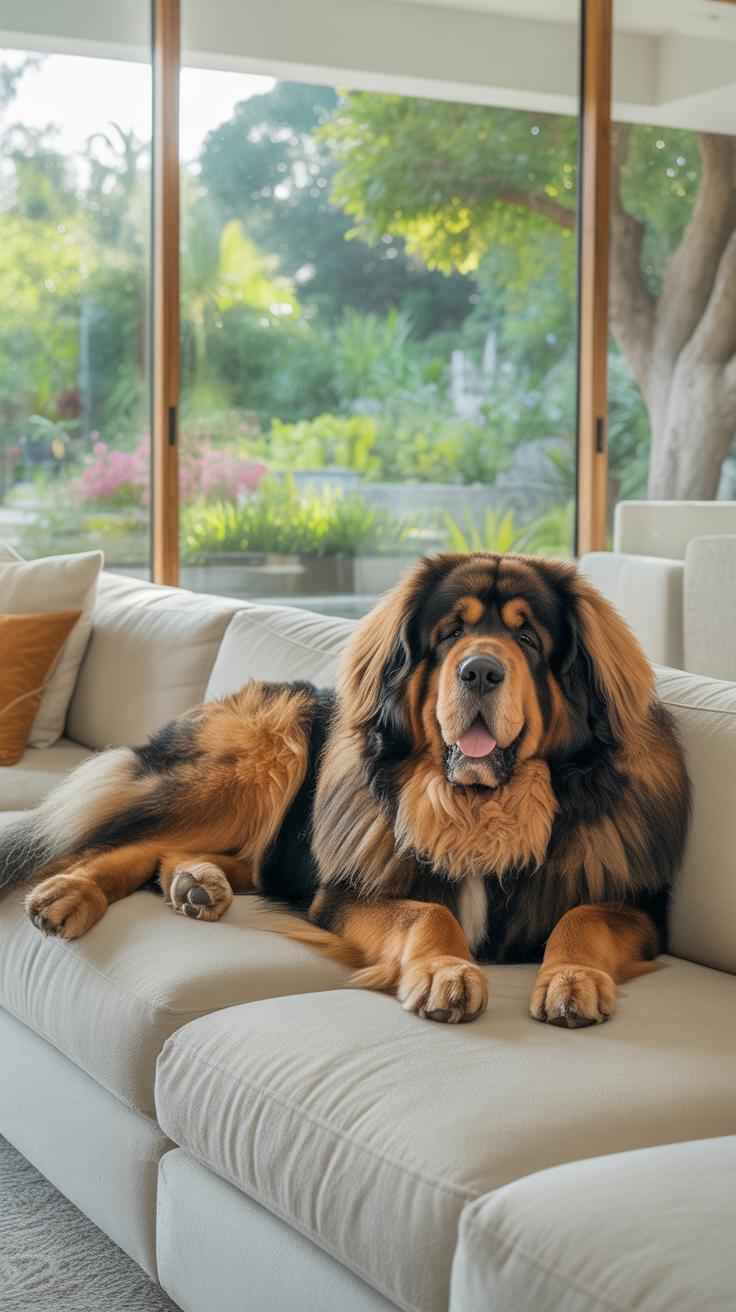
Tibetan Mastiffs are large guardians that need significant physical territory to feel secure. Small apartments lack the square footage required for these dogs to move comfortably. Confined spaces elevate stress levels and trigger destructive behaviors like chewing or digging. This breed historically patrolled vast Himalayan ranges. Standard urban housing fails to simulate the perimeter control these dogs instinctively crave to stay calm.
Proximity to neighbors creates immediate conflict due to the breed’s vocal nature. Tibetan Mastiffs bark loudly at night to deter perceived threats. Thin apartment walls and shared hallways make this habit unbearable for others. You cannot train away a guardian’s bark entirely. This breed requires large, securely fenced yards to patrol. Without a private outdoor perimeter, the dog will remain in a constant state of high alert.
Matching Your Lifestyle And Household Dynamics To The Needs Of A Tibetan Mastiff
Owners must have a predictable and controlled lifestyle to manage this breed successfully. Tibetan Mastiffs do not tolerate high-traffic homes with frequent strangers or chaotic schedules. They view new people as potential threats. You need a stoic personality and a firm hand to lead this dog. If your household is loud and unorganized, the dog will take over the leadership role. This leads to dangerous dominance issues.

Consistent routines provide the structure this breed needs to thrive. You must commit to daily socialization and boundary reinforcement from day one. Owners who travel often or work long hours outside the home should avoid this breed. They require a physically present leader to manage their protective instincts. Your lifestyle must allow for constant monitoring during guest visits. Failure to control the environment results in total liability for the owner.
Comparing Tibetan Mastiffs To Other Mastiff Breeds Is This The Right Dog For You
How The Tibetan Mastiff Stacks Up Against Other Popular Mastiff Breeds In Terms Of Difficulty
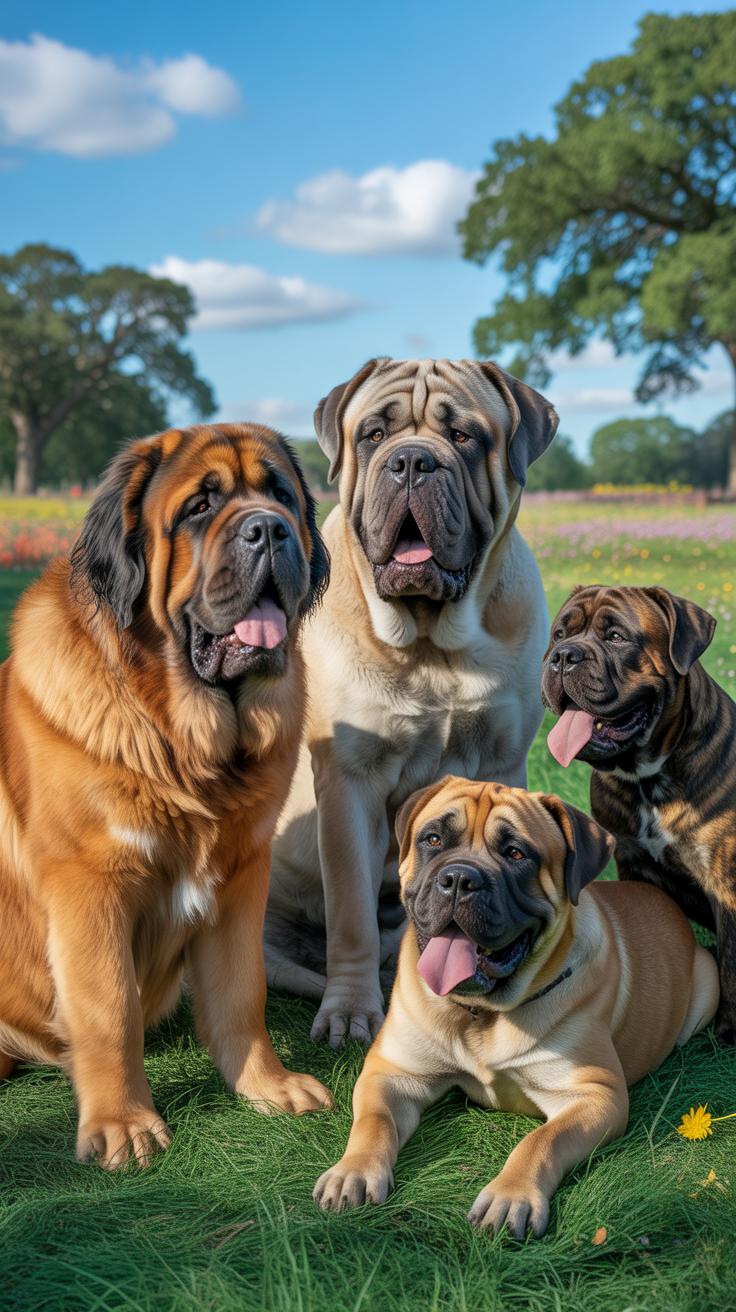
English and Bullmastiffs generally show more willingness to please handlers. They focus on human companionship and follow commands with fewer protests. The Tibetan Mastiff differs because people bred it for independent livestock protection in the Himalayas. It does not look to you for permission. This breed makes its own decisions based on perceived threats. Most Mastiffs are lazy indoors, but this breed stays alert.
Traditional Mastiffs are heavy and slow. They require moderate exercise and thrive in suburban homes. The Tibetan Mastiff is more agile and athletic. It possesses a high prey drive and extreme territorial instincts compared to the Cane Corso or Neapolitan Mastiff. It rarely tolerates strangers entering its space. You face a much steeper learning curve with this primitive breed. It requires constant management rather than simple training.
Honest Self Assessment Questions Every Prospective Owner Should Ask Before Committing
You must evaluate your living situation and local density. Do you have a secure fence that is at least six feet high? Can you handle loud, deep barking throughout the night? This breed views patrol as its primary job. Neighbors often complain about the noise. If you live in a crowded suburb, this dog will likely cause conflict. You must prioritize security over social convenience.
Consider your daily schedule and physical strength. Are you capable of handling a powerful animal that weighs over one hundred pounds? You cannot use force to train this dog. It will shut down or fight back. Do you have the patience for a dog that ignores your calls? You must accept a partner rather than a servant. If you want an obedient pet, choose a different breed.
Frequently Asked Questions

Is a Tibetan Mastiff suitable for a first-time dog owner?
While these dogs are breathtakingly beautiful, they are generally not recommended for novices. One of the primary Tibetan mastiff ownership challenges is managing their independent and stubborn nature. They require a confident leader who understands livestock guardian breeds. Without experienced handling and firm, consistent socialization from a young age, their protective instincts can become difficult for a beginner to manage safely in a modern suburban environment.
How can I effectively manage the territorial behavior of a Tibetan Mastiff?
Managing their protective streak requires a combination of secure fencing and early, ongoing socialization. New owners should expose their puppies to various people and sounds to prevent over-guarding. Establishing yourself as a calm leader is vital for mitigating common Tibetan mastiff ownership challenges. Always use positive reinforcement training, and ensure your yard has a tall, sturdy physical fence, as these dogs are notorious for patrolling their boundaries quite seriously.
What are the long-term financial costs of owning this giant breed?
Beyond the initial high purchase price, you must budget for significant ongoing expenses. Feeding a giant breed high-quality large-breed formula is costly, and veterinary care—from routine preventative meds to potential hip or joint treatments—is much more expensive than it is for smaller dogs. Professional grooming is also a recurring cost unless you invest in heavy-duty equipment to manage their dense double coats throughout the year.