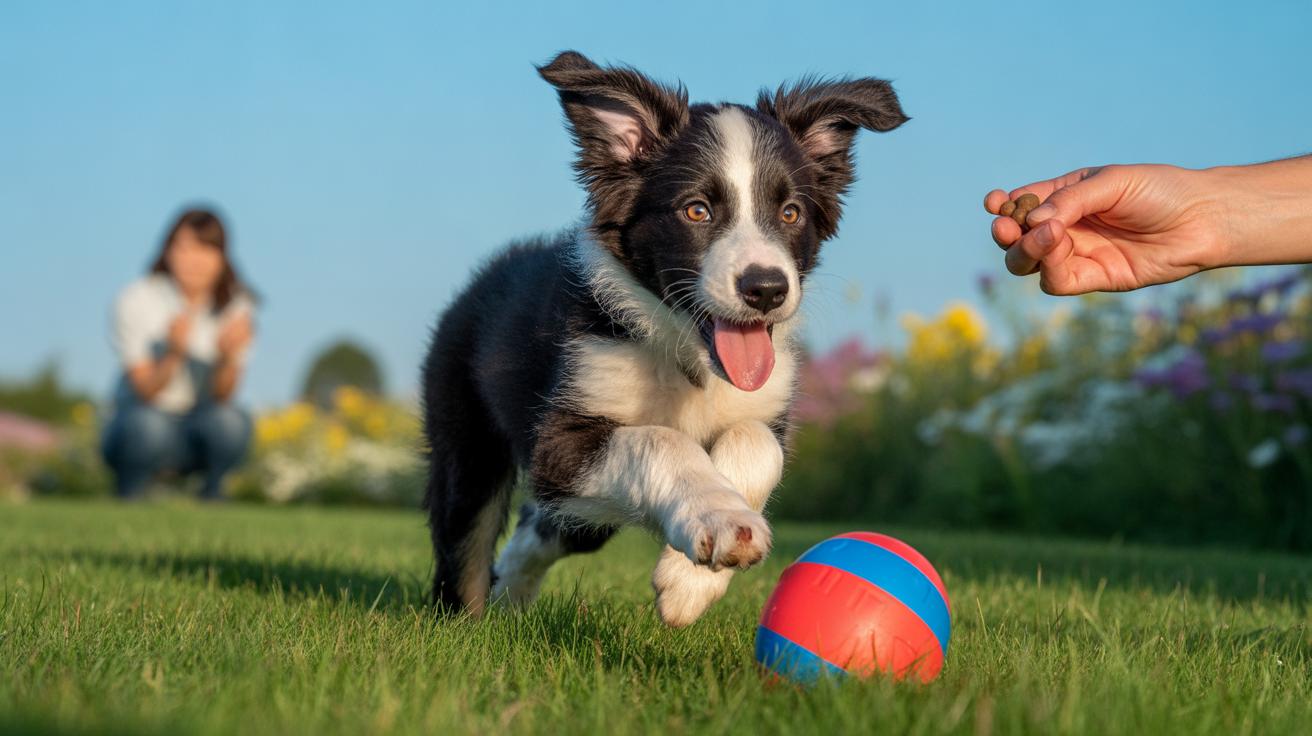
Choosing A Border Collie Puppy What To Know Before You Bring One Home

Understanding The Border Collie Breed Temperament And Energy Levels
Border Collies originate from the Anglo-Scottish borders as elite sheep herders. These dogs possess extreme intelligence and stamina. They require constant mental and physical engagement to prevent boredom. A bored Border Collie will develop destructive habits like chewing furniture or digging floors. You must prepare for a dog that needs hours of work every single day. This breed is not for casual owners.
Energy levels remain high for years. Genetics drive these dogs to stalk and chase moving objects. This instinct can lead to nipping at heels or chasing cars and bikes. You must manage this drive through structured training and firm boundaries early on. Focus on biological fulfillment through sport or task-based play. Understanding this intense drive is vital for successful border collie puppy care.
How To Select A Healthy Puppy From A Reputable Breeder Or Rescue
Choosing the right source determines the long-term health of your dog. Reputable breeders perform genetic testing for hip dysplasia and eye issues. They should show you official clearance documents for both parents. Avoid pet stores and backyard operations that prioritize profit over health. A quality breeder asks you many questions to ensure you can handle the breed. They prioritize the dog’s welfare.
Rescue organizations provide a viable alternative for finding a pet. Many young Border Collies end up in shelters because owners cannot handle their energy. When visiting a puppy, observe its behavior toward humans and littermates. Look for a puppy that is curious but not overly aggressive or shy. Ensure the environment is clean and well-maintained. Verifying the medical history protects your investment and ensures a healthier life for your dog.

Border Collie Care Guide Setting Up Your Home For A New Puppy

Puppy Proofing Your Space For A High Energy Border Collie
Border Collies possess high intelligence and intense curiosity. They find ways to access restricted areas quickly. You must secure all electrical cords behind heavy furniture or inside protective conduits. These dogs chew through wires when bored. High-value items must move to elevated shelves above waist height. Check your floor for small objects daily to prevent choking or intestinal blockages during early developmental stages.
Install heavy-duty baby gates at the top and bottom of staircases. This breed can often jump over standard short gates by twelve weeks of age. Secure all lower cabinets with magnetic locks. Border Collies learn to manipulate standard latches by watching human movement. Remove toxic houseplants like sago palms or lilies from the premises. Ensure your yard fence stands at least six feet high to prevent escape attempts.
A Border Collie is the best friend you could ever have, provided you give them a job to do and hearts to lead. Every hour of patient training is a seed planted for a lifetime of devotion.
Essential Supplies And Equipment Every Border Collie Owner Needs
You need specific gear to manage a working breed puppy. Standard pet store equipment often fails under the pressure of a high-drive dog. Focus on durability and cognitive engagement when selecting items. Professional trainers recommend gear that stands up to heavy grazing and pulling. High-quality materials reduce the long-term cost of frequent replacements. Prioritize function over aesthetics to ensure safety.
- Heavy-Duty Wire Crate: A metal crate provides a secure den for rest and house training. Choose a model with a divider panel to adjust its size as the puppy grows. It prevents the dog from wandering and destroying furniture while unsupervised.
- Mental Stimulation Toys: Border Collies require puzzle feeders and durable rubber toys to occupy their minds. These tools prevent destructive behaviors caused by boredom. Invest in items that allow for stuffing with food to prolong the physical and mental engagement time.
- Fixed-Length Training Lead: Use a solid nylon or leather leash for maximum control during neighborhood walks. Avoid retractable leashes because they encourage pulling and provide inconsistent feedback. A six-foot lead allows for proper heel positioning and keeps the puppy safe in high-traffic areas.
- Stainless Steel Bowls: Metal dishes resist bacteria growth and are impossible for puppies to chew or shatter. Plastic bowls harbor microbes and often cause skin irritation on the chin. Heavy-bottomed designs prevent the dog from flipping the water bowl during active play sessions.
- Grooming Rake and Slicker Brush: This breed has a dense double coat that mats without regular maintenance. A grooming rake reaches the undercoat to remove loose fur before it sheds. Consistent brushing sessions prepare the puppy for professional handling and keep the home environment cleaner.

Select a high-protein puppy formula designed for active breeds. Working dogs burn calories faster than sedentary household pets. Ensure the collar has a flat design with a metal buckle for security. Buy a long line for recall training in open fields. This equipment allows the puppy to explore while you maintain physical control. Having these items ready before the dog arrives ensures a controlled and successful transition.
Border Collie Puppy Care Tips Nutrition Health And Veterinary Basics
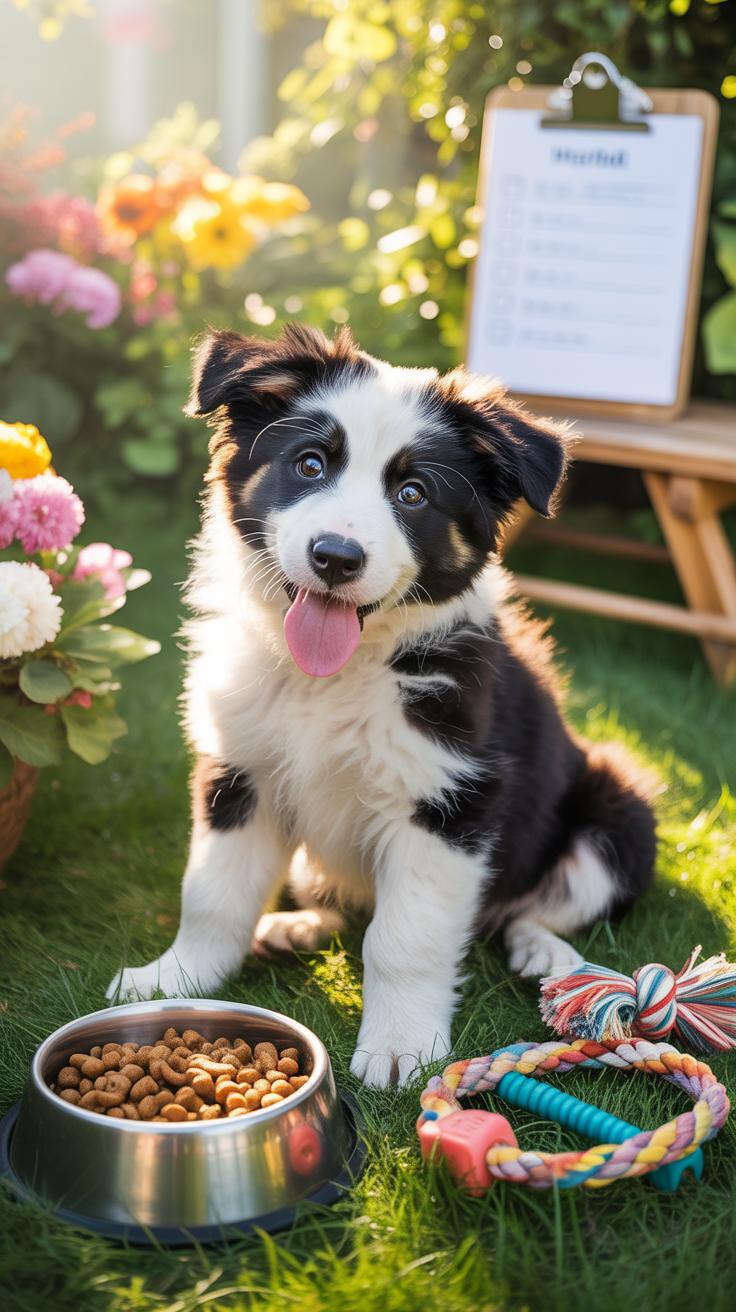
Feeding Your Border Collie Puppy: Portion Sizes, Schedules, And Diet Quality
Border Collie puppies require high-protein food to support rapid muscle development and cognitive growth. You must select a large-breed puppy formula that balances calcium and phosphorus levels. Feed your puppy three to four small meals daily on a strict schedule. This prevents blood sugar drops and aids housebreaking efforts. Do not free-feed because it leads to obesity and skeletal issues.
Monitor the body condition score of your puppy weekly. You should feel the ribs but not see them protruding. High-energy working breeds burn calories fast, but overfeeding causes joint stress. Adjust portion sizes based on growth spurts and activity levels. Always provide fresh water to prevent dehydration during exercise. Transition to adult food only after the puppy reaches twelve to fourteen months of age.
Core Vaccinations, Deworming, And Routine Vet Visits For Puppies
Professional veterinary care starts at six to eight weeks of age. Your puppy needs a series of core vaccinations to prevent distemper, parvovirus, and adenovirus. These shots occur in intervals of three to four weeks until the puppy reaches sixteen weeks. Rabies vaccinations are mandatory by law in most regions. Early medical intervention prevents expensive long-term health complications and ensures survival.

Strategic deworming is critical for young puppies to eliminate intestinal parasites. Most breeders start this process before you bring the dog home. You must continue heartworm and flea prevention monthly as directed by your vet. Schedule a baseline physical exam immediately after acquisition. This visit identifies hidden heart murmurs or hip dysplasia risks early. Keep detailed records of all medical procedures for future reference.
Understanding Border Collie Energy Exercise Needs At Every Puppy Stage
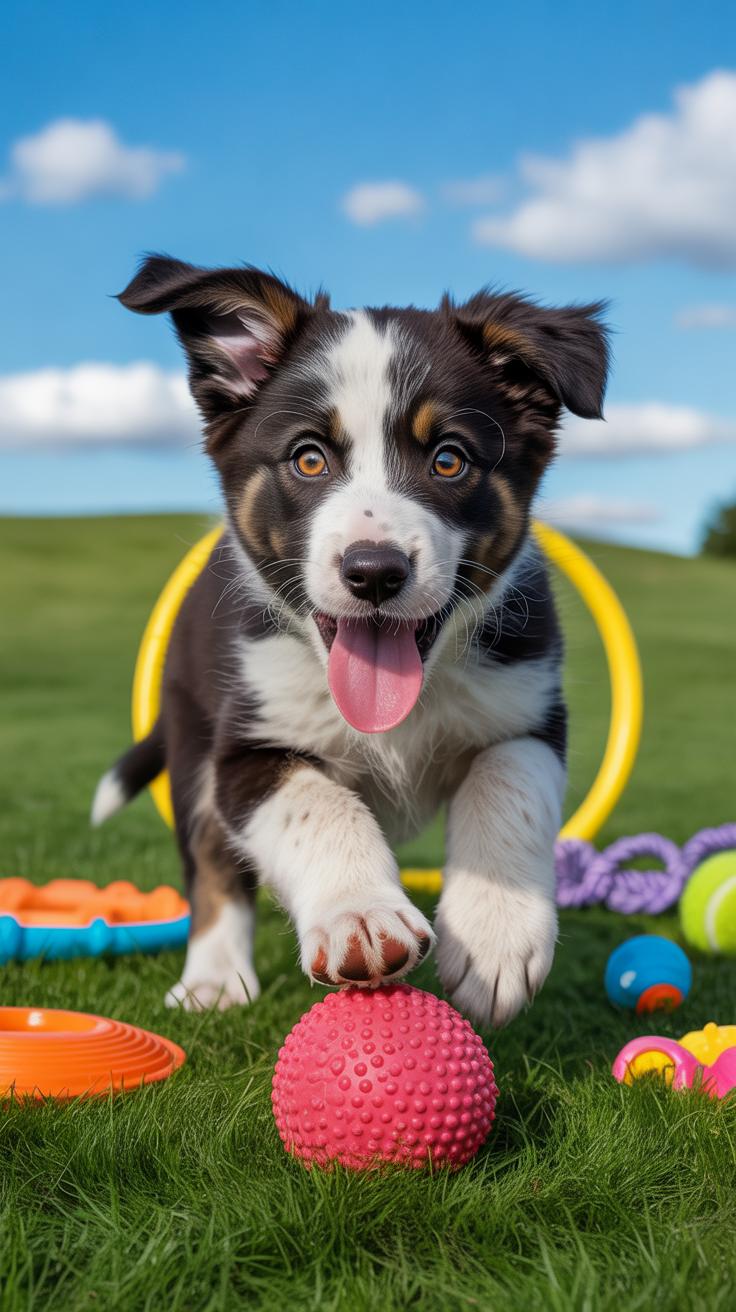
How Much Exercise Does A Border Collie Puppy Actually Need?
General guidelines suggest five minutes of formal exercise per month of age, twice daily. Overworking a young puppy causes permanent damage to developing growth plates and joints. This breed possesses high drive but lacks an off switch. You must manage their activity levels to prevent injury. Focus on quality over duration. Short sessions keep the puppy engaged without causing physical exhaustion or skeletal stress.
Mental stimulation tires a Border Collie faster than physical running. A bored puppy becomes destructive and develops neurotic behaviors like chasing cars or shadows. Use puzzles and basic obedience to drain energy safely. Balance physical movement with forced rest periods. Provide a crate to ensure the puppy recovers. Constant activity creates a high-stamina athlete that you will eventually find impossible to tire out.
Safe And Age Appropriate Activities To Channel Your Puppy’S Drive
Low-impact activities protect the skeletal system while satisfying the working instinct. Avoid jumping, sharp turns, or long runs on hard pavement until the dog is eighteen months old. Hide-and-seek games build focus and recall skills. Scent work engages the brain and mimics natural foraging behaviors. Short walks on soft grass provide sensory input without overtaxing soft tissues. Control the environment to prevent high-speed collisions or falls.

Incorporate basic herding foundations through “circle work” and impulse control exercises. Teaching a puppy to wait for a toy builds discipline. Use flirt poles with caution to ensure the puppy keeps all four paws on the ground. Controlled socialization exposes the puppy to new sights and sounds, which builds confidence. Training sessions should last no longer than ten minutes. Consistent, calm engagement prevents the development of frantic or reactive energy patterns.
How To Train A Border Collie Puppy Building A Strong Foundation Early
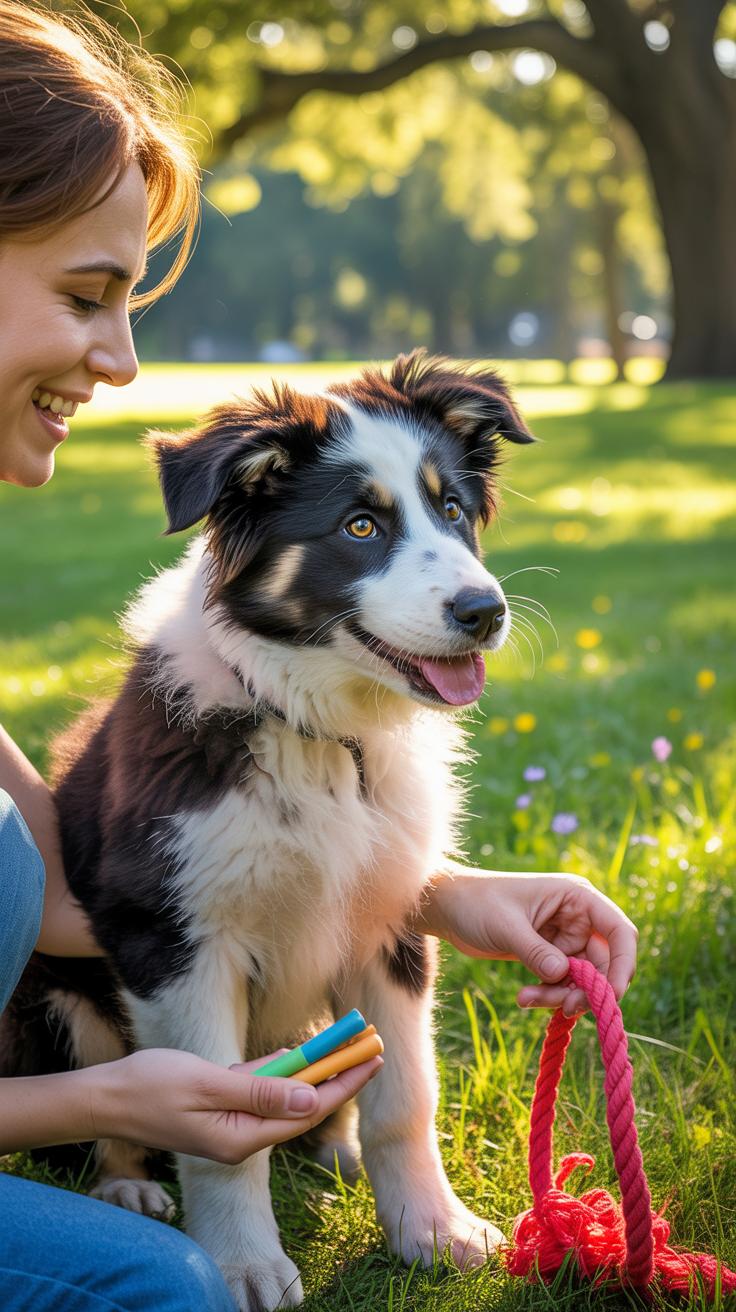
The Best Age To Start Training And Why Early Learning Matters
Begin training at eight weeks old. This breed descends from 19th-century British herding dogs bred for rapid cognitive processing. Their brains develop quickly. Delaying instruction allows bad habits to take root. Early socialization prevents the natural instinct to herd moving objects like cars or children. You must capitalize on the critical developmental window between two and four months of age.
Focused training builds a clear communication channel between owner and dog. This breed requires a job to stay stable. If you do not provide a task, the puppy will invent its own. Early work establishes you as the source of direction and rewards. Consistent sessions prevent future behavioral issues like obsessive circling or excessive barking. Start simple to ensure the puppy gains confidence through immediate success.
Core Commands Every Border Collie Puppy Should Learn First
Control commands are vital for safety and mental stimulation. Border Collies possess high drive. Without clear cues, they become reactive to their environment. Focus on obedience that interrupts their herding instincts. This creates a reliable off-switch in a high-energy dog. Master these basics before moving to advanced sheepdog trials or agility work. Start in a quiet room with zero distractions.
- Recall: Use the “come” command to ensure the dog returns immediately. This is the most important safety skill. Reinforce this with high-value rewards every time the dog responds. Proper recall prevents the puppy from chasing livestock or vehicles.
- Sit and Stay: Teach the puppy to hold its position until released. This builds impulse control and patience. Border Collies are naturally energetic and need to learn how to remain calm on command. Use a release word to signify the end of the task.
- Down and Settle: Force the puppy to lie down and relax. This command helps manage the breed’s high arousal levels. It is an essential tool for indoor living and public spaces. Practice this frequently during the dog’s peak energy periods to encourage self-regulation.
- Leave It: Train the dog to ignore specific items or movements. This disrupts the instinct to nip or herd moving targets. It protects the dog from eating harmful objects and stops unwanted chasing behaviors. Use a firm cue and offer a better alternative.
- Wait at Doors: Require the puppy to pause before entering or exiting a space. This prevents bolting and reinforces your role as the leader. It creates a structured environment where the dog looks to you for permission. Consistency here translates to better behavior on leash.

Incorporate these commands into daily activities to solidify the learning. Use short sessions lasting no more than five minutes several times a day. Long sessions lead to boredom and frustration for a young dog. Always end on a positive note with a successful repetition. This builds a strong bond and ensures the puppy enjoys the working process. Reward-based training yields the fastest results for this intelligent breed.
Border Collie Training Tips Positive Reinforcement And Mental Stimulation
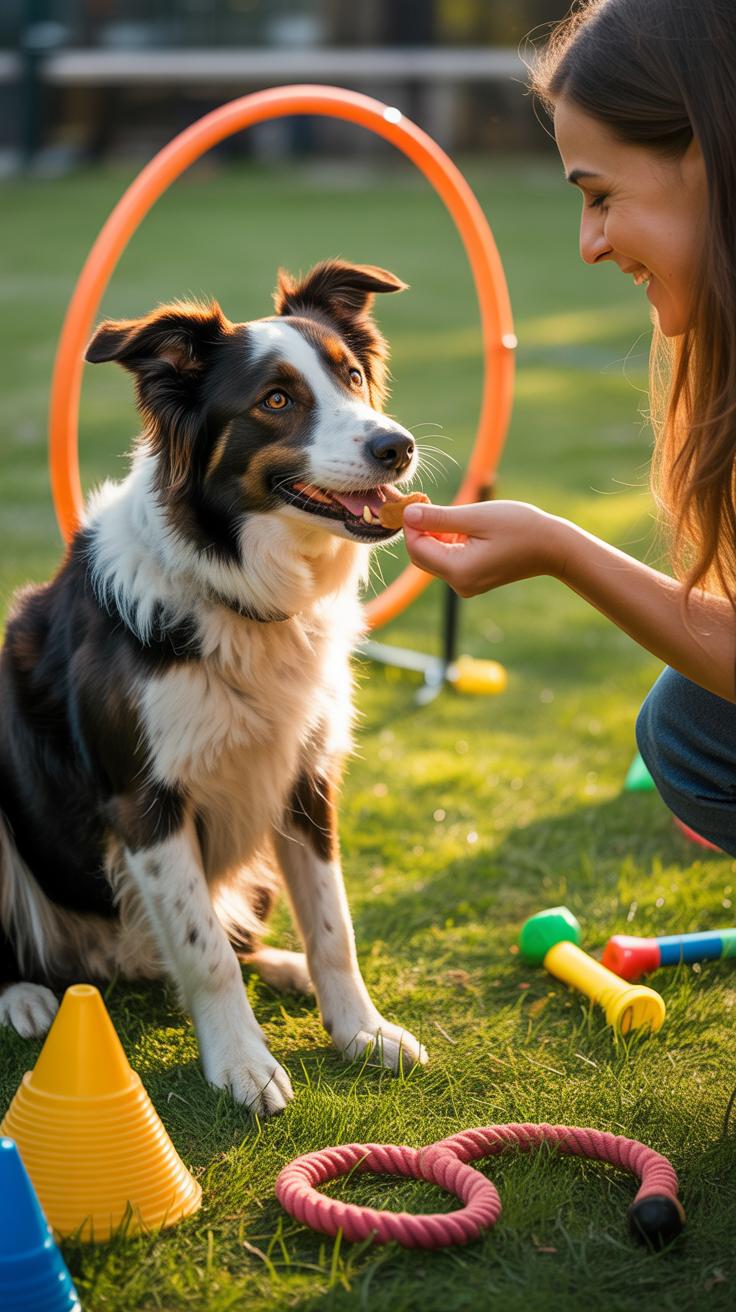
Why Positive Reinforcement Works Best For Border Collies
Border Collies possess an intense drive to work and please their handlers. This breed tracks human body language and vocal tones better than most other dogs. Harsh corrections or physical discipline often cause these sensitive puppies to shut down or develop fear-based aggression. Positive reinforcement builds a relationship based on trust. You use high-value rewards to mark correct behaviors and ignore or redirect the mistakes.
The speed of the Border Collie brain requires immediate feedback. You must deliver rewards within one second of the desired action to create a strong neural connection. Consistent timing ensures the puppy learns the specific behavior rather than just waiting for food. This method encourages the dog to offer new behaviors voluntarily. Scientific data shows that reward-based training increases problem-solving skills and long-term retention in working breeds.
Puzzle Toys, Scent Work, And Brain Games To Prevent Destructive Boredom
Physical exercise alone will not exhaust a Border Collie puppy. These dogs require heavy mental loads to avoid destructive habits like chewing or digging. Puzzle toys and slow feeders force the dog to solve problems to get food. Scent work taps into their natural sensory abilities and burns more energy than a long walk. You must rotate these activities daily to maintain high levels of engagement.

Brain games prevent the development of obsessive-compulsive behaviors in the home. Hide treats around a room or teach the puppy to identify specific toys by name. This targeted work simulates the decision-making tasks they performed as livestock herders. If you do not provide a job, the puppy will find one. Usually, that job involves herding children or destroying furniture. Mental fatigue is the only way to achieve true calmness.
How To Train Border Collies To Manage Their Herding Instincts
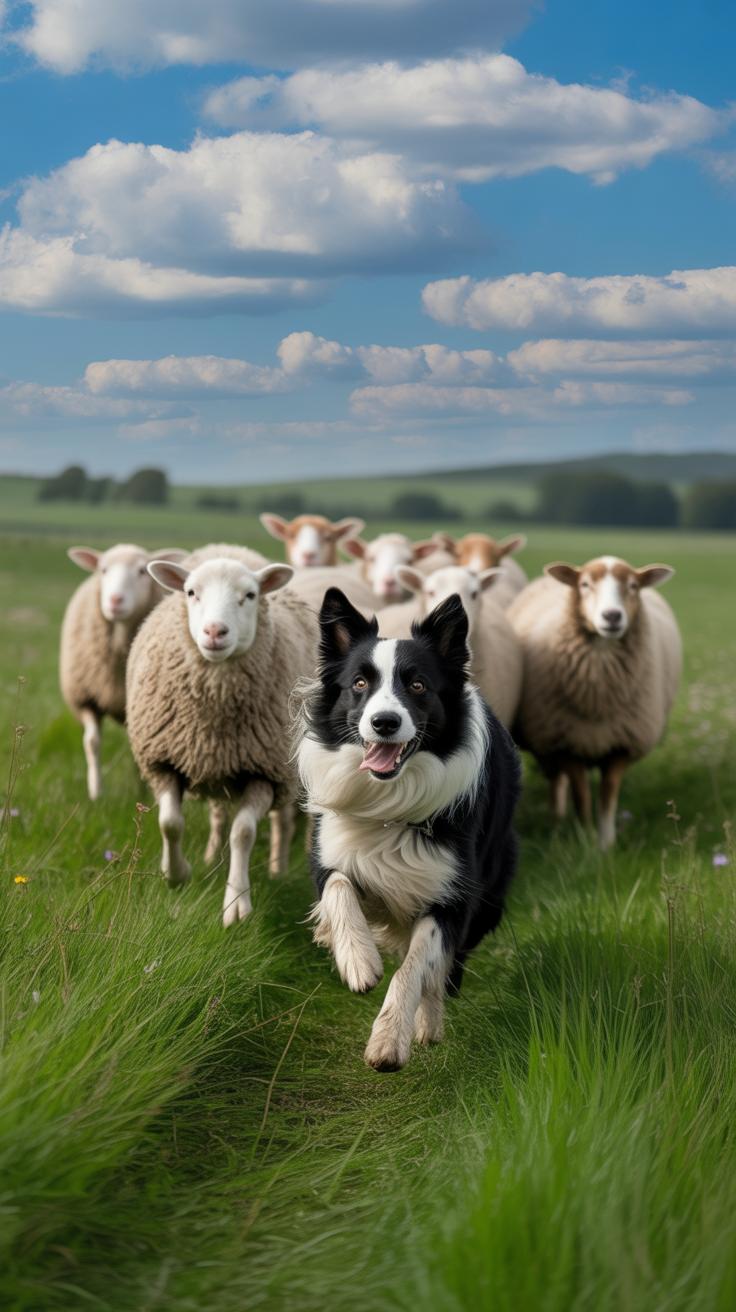
Recognizing And Redirecting Natural Herding Behaviors In Puppies
Border Collies possess an innate drive to control movement. This behavior stems from centuries of selective breeding in the Scottish borders. You will see your puppy stare intently or crouch low to the ground. They often nipping at heels or circles moving objects. This is not aggression. It is a functional work instinct. You must identify these triggers before the puppy lunges or bites.
Redirect these instincts into controlled tasks. Use a heavy ball or a flirt pole to provide a healthy outlet. When the puppy fixates on a moving car or person, use a firm command to break the eye contact. Reward the dog immediately for looking back at you. Constant engagement prevents the puppy from self-rewarding through chasing. Establish clear boundaries to ensure the dog works for you.
Socialization Strategies To Help Your Border Collie Coexist With Children And Other Pets
Socialization requires controlled exposure rather than random interaction. Puppies must learn that children and other animals are not livestock to be managed. Keep the puppy on a leash during initial introductions. Prevent the dog from circling or eye-stalking other household members. Implement a “place” command to keep the dog stationary. This stops the herding cycle before it starts. Stability in the environment reduces the dog’s stress.

Consistency across all family members is vital for success. Never allow the puppy to nip at heels during play. If the dog displays herding behavior, end the session immediately. This teaches the dog that herding people results in a loss of social contact. Focus on mental stimulation to tire the brain. A tired mind is less likely to fixate on movement. Proper structure creates a safe home for everyone.
Tips For Border Collie Owners Managing Common Behavioral Challenges
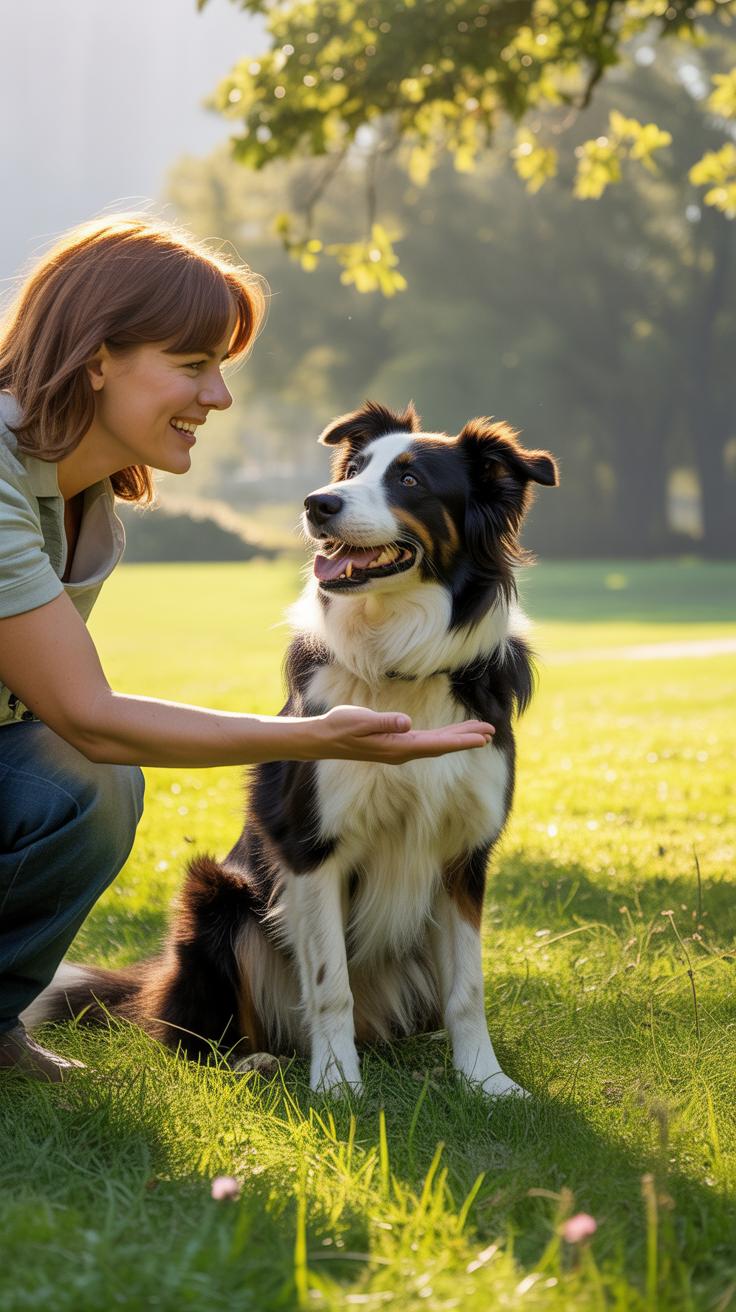
Addressing Anxiety, Excessive Barking, And Obsessive Behaviors
Border Collies possess a high drive to work. This drive turns into destructive habits if you do not provide a task. Separation anxiety often stems from their intense bond with their handlers. Barking usually signals boredom or a reaction to external movement. You must distinguish between a physical need and a neurosis. Address these issues by increasing mental stimulation rather than just physical exercise.
Obsessive behaviors like shadow chasing or light snapping come from a lack of focus. Border Collies historically managed livestock through sight and movement. Without sheep, they fixate on ceiling fans or moving cars. Correct this by redirecting their attention to a high-value toy or a specific command. Consistent redirection prevents these instincts from becoming permanent compulsions. Stop the behavior immediately when it starts to maintain control.
Crate Training And Establishing A Consistent Daily Routine
Crate training provides your Border Collie with a necessary off switch. This breed struggle to self-regulate energy levels. A crate serves as a den where the brain can rest. Use the crate for short periods during the day to prevent overstimulation. Ensure the crate remains a positive space. Never use it as a punishment. Proper crate training reduces household destruction and aids in housebreaking efficiency.

Consistency dictates the success of your puppy. Set strict times for feeding, training, and bathroom breaks. Border Collies crave predictability because it reduces their stress levels. A structured routine teaches them when to work and when to sleep. Map out your day to include at least three short training sessions. This structure prevents the dog from making its own rules. Predictability creates a calm and manageable adult dog.
Border Collie Care Advice Grooming Coat Maintenance And Long Term Wellness
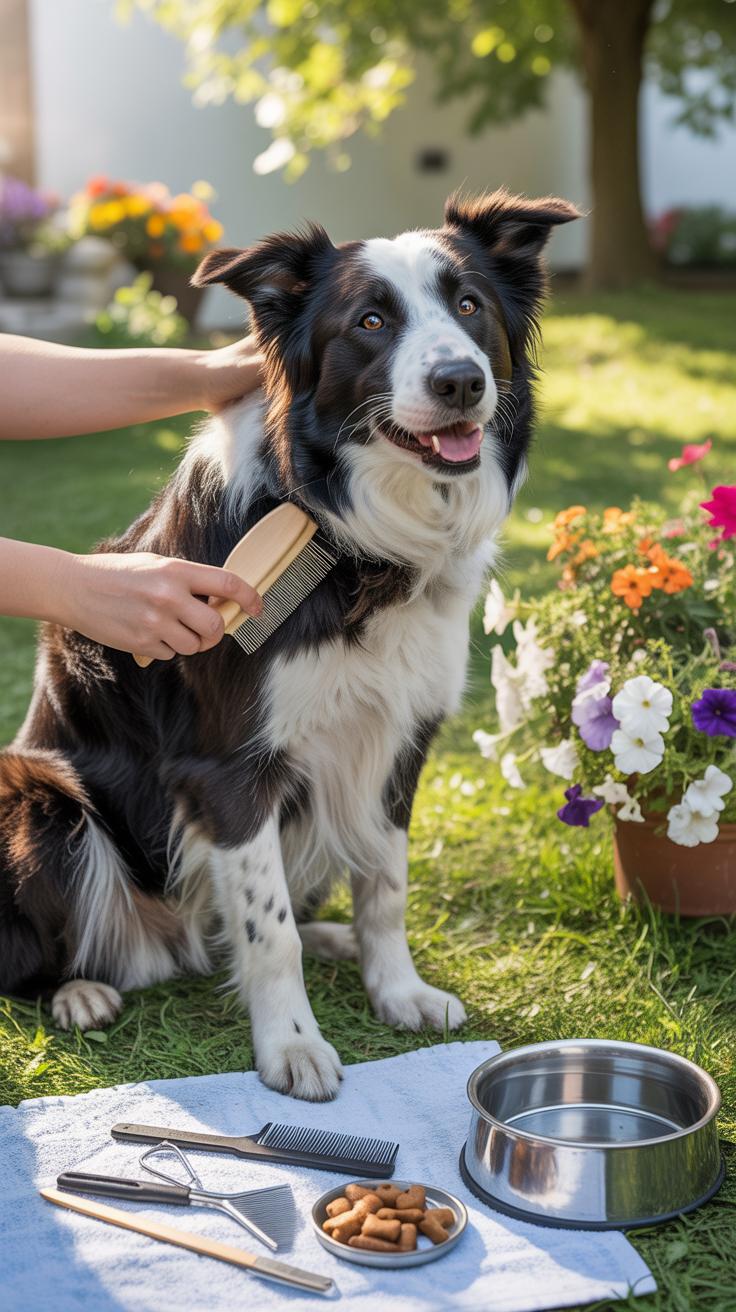
Brushing, Shedding Management, And Coat Care For Rough And Smooth Coat Varieties
Routine brushing prevents painful matting in both rough and smooth coat varieties. Rough coats possess longer fur and a dense undercoat that traps debris. You must brush these dogs at least twice weekly using a slicker brush and undercoat rake. Smooth coats have shorter hair but still shed significantly. Regular maintenance removes dead fur before it ends up on your furniture or floors.
Standard bathing should occur every two to three months or when the dog is visibly dirty. Over-washing strips natural oils and damages the weather-resistant skin barrier. Pay close attention to the feathers on the legs and the tail of rough-coated dogs. These areas tangle easily and require consistent combing. Trim the hair between the paw pads to maintain traction and prevent ice or mud buildup.
Long Term Health Considerations Including Hip Dysplasia And Collie Eye Anomaly
Genetic screening is the only way to identify risks like Collie Eye Anomaly and Hip Dysplasia. CEA is an inherited condition that affects the development of the retina and can lead to blindness. Responsible breeders test parent dogs before mating to ensure puppies do not inherit these defective genes. You must request these health clearance certificates before purchasing or adopting a puppy.
Hip Dysplasia occurs when the ball and socket joint do not fit together properly. This condition causes lameness and painful arthritis as the dog ages. Maintain a lean body weight to reduce stress on the joints. Avoid high-impact jumping on hard surfaces while the puppy is still growing. Proper nutrition and controlled exercise help protect the skeletal structure during the critical first year of life.
Frequently Asked Questions

Is a Border Collie a good choice for a first-time dog owner?
While Border Collies are incredibly intelligent, they can be a challenge for beginners due to their high intensity. Successful border collie puppy care requires a commitment to provide significant mental stimulation and physical exercise daily. If you are a first-time owner who leads an active lifestyle and is willing to invest time in consistent, positive reinforcement training, this breed can be a rewarding and loyal life companion.
How do I manage a Border Collie puppy’s high energy levels indoors?
Managing energy indoors starts with mental enrichment rather than just physical running. Incorporate puzzle feeders, scent work, and short training sessions to tire their active minds. Effective border collie puppy care involves teaching an “off switch” early on through crate training or place commands. Providing interactive toys and indoor agility drills will help channel their natural herding instincts into productive behaviors, preventing them from becoming destructive out of boredom.
Can I care for a Border Collie puppy on a limited budget?
Owning this breed doesn’t require expensive gadgets, but it does demand creativity. You can save money by making DIY enrichment toys like towel rolls or cardboard foraging boxes to keep them busy. However, you should budget for high-quality nutrition and potential professional training classes. While the upfront costs vary, the most valuable investment in your puppy’s well-being is your time and consistent engagement rather than pricey professional equipment.