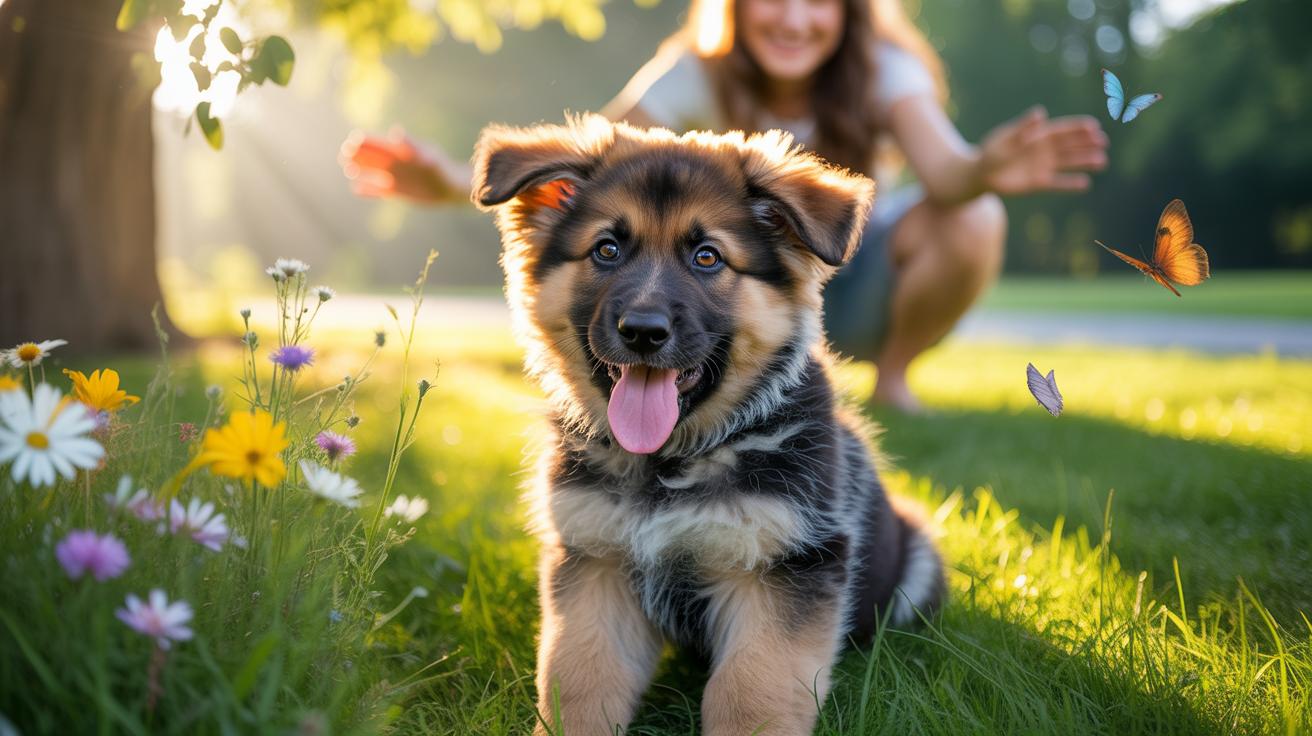
Understanding The German Shepherd Breed Before Bringing Your Puppy Home
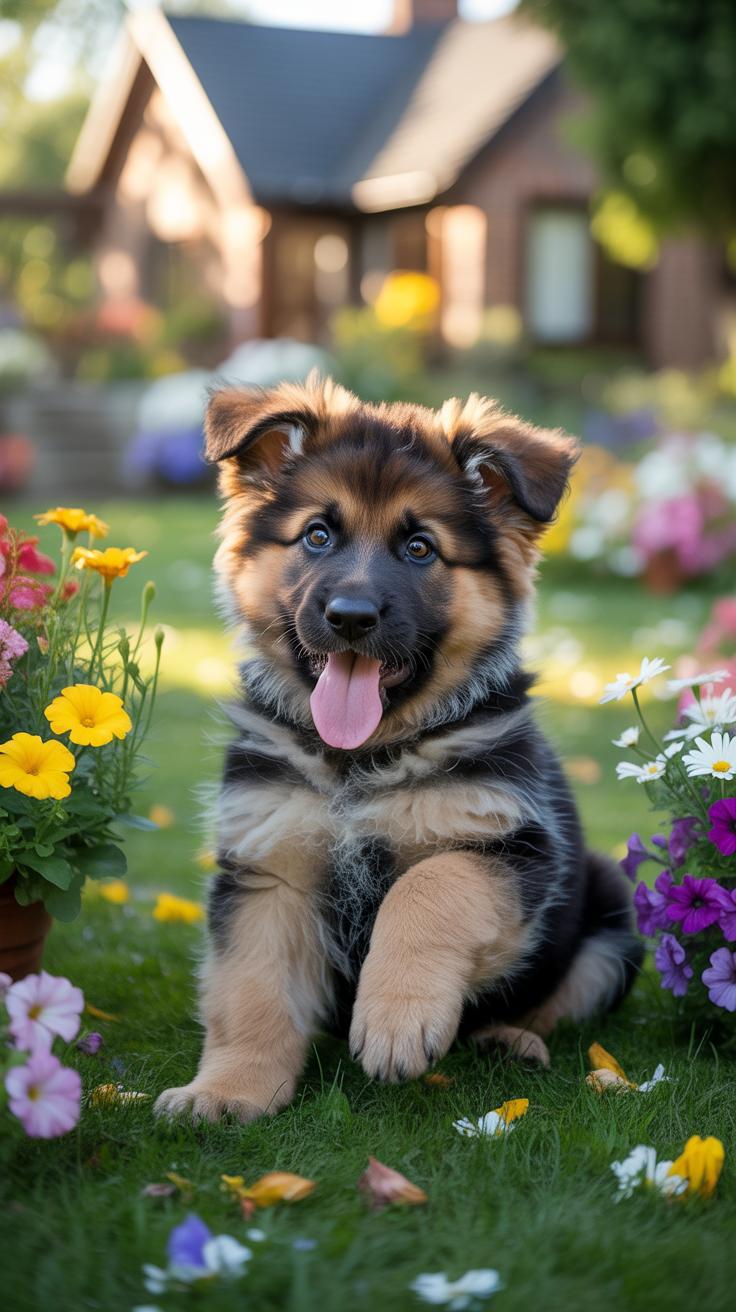
The History And Working Heritage Of The German Shepherd
Max von Stephanitz developed this breed in late nineteenth-century Germany. He wanted a perfect herding dog with high intelligence and physical utility. He standardized the breed for function rather than looks. The focus remained on a dog that could work long hours and follow complex commands. These dogs protected livestock and managed large flocks across various terrains with high efficiency.
The breed shifted from herding to police and military roles during the early twentieth century. Their trainability made them ideal for guard work, tracking, and messaging during world wars. This history creates a modern puppy with a high drive for tasks. You must understand that these dogs require a job to stay stable. They are not bred to sit idle in a small backyard.
Breed Temperament And What To Realistically Expect From Your German Shepherd Puppies
German Shepherd puppies possess a natural guarding instinct and high loyalty to their owners. They often appear aloof with strangers but bond deeply with their family. Expect a puppy that watches your every move. This breed is vocal and uses barks or whines to communicate needs. You need to manage their protective nature through early and consistent socialization to prevent future aggression.
Expect high energy levels and a need for mental stimulation every day. These puppies have powerful jaws and an innate urge to chew during development. They require firm boundaries and clear leadership from the start. Without structure, the puppy will try to take control of the household. Consistent training prevents common behavioral issues like leash pulling or excessive barking. Focus on calm and assertive handling techniques.
Setting Up A Safe And Welcoming Home For Your German Shepherd Puppy Care Journey
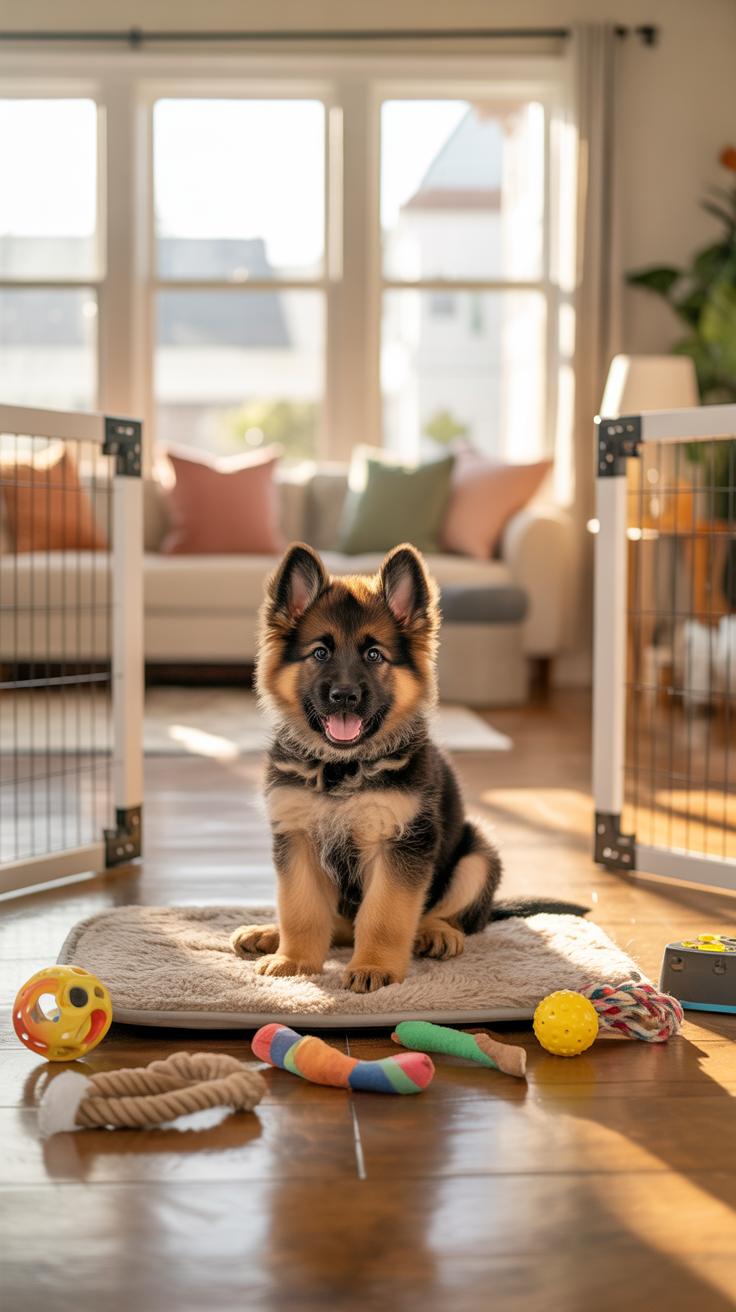
Puppy Proofing Your Living Space Room By Room
German Shepherds possess a high prey drive and natural curiosity. You must secure all electrical cords behind heavy furniture or inside protective conduits. Small objects on floors present immediate choking hazards or cause intestinal blockages. Check every inch from a ground level perspective. Remove toxic houseplants like lilies or sago palms. Place child safety locks on low cabinets containing cleaning chemicals or heavy kitchen equipment.
Garage and outdoor areas require strict containment. Store antifreeze and fertilizers on high shelves in sealed containers. Secure loose fencing to prevent escape attempts. Check for gaps larger than four inches in deck railings. These puppies grow rapidly but remain vulnerable to falls. Remove heavy rugs that slide on hardwood floors. Traction is vital for developing joints. Keep all trash bins behind closed doors or use heavy locking lids.
Essential Supplies And Equipment Every New Owner Needs Before Arrival
Proper equipment ensures immediate control and safety. You need high quality tools designed for a large breed with significant strength. Cheap gear will fail under the force of a maturing German Shepherd. Buy items made from durable materials like heavy duty nylon or steel. Focus on utility and cleanliness rather than aesthetics. This gear forms the foundation of your daily management and training routine.
- Heavy Duty Crate: Purchase a steel or reinforced plastic crate with a divider panel. The divider allows the space to grow with the puppy. Proper sizing prevents the dog from urinating in one corner and sleeping in the other.
- Biothane or Leather Leash: Choose a six foot lead for maximum control during walks. Biothane resists bacteria and provides a firm grip in wet weather. Leather offers durability and comfort for the handler during high intensity training sessions.
- Stainless Steel Bowls: Use non porous metal basins for food and water. Plastic bowls harbor bacteria and are easily destroyed by chewing. Stainless steel is easy to sanitize and lasts the entire lifetime of the dog.
- Standard Grooming Tools: Acquisition of a slicker brush and a deshedding tool is mandatory. German Shepherds have a double coat that sheds year round. Early desensitization to brushing reduces future maintenance stress and keeps the home cleaner.
- Age Appropriate Chew Toys: Provide hard rubber toys to satisfy the intense chewing instinct. Avoid soft plush toys that the puppy can easily shred and swallow. Durable toys prevent the destruction of your furniture and personal belongings.

Select a high calorie large breed puppy food to support bone health. Rapid growth can lead to skeletal issues if the calcium levels are unbalanced. Consult a veterinarian about specific nutrient ratios for working breeds. Keep these supplies in a centralized location for easy access. Organization prevents chaos during the first few weeks. Transitioning into your home becomes smoother when every tool is ready for immediate use.
Puppy Development Milestones Every German Shepherd Owner Should Know
Key Physical And Behavioral Stages From Birth To Six Months
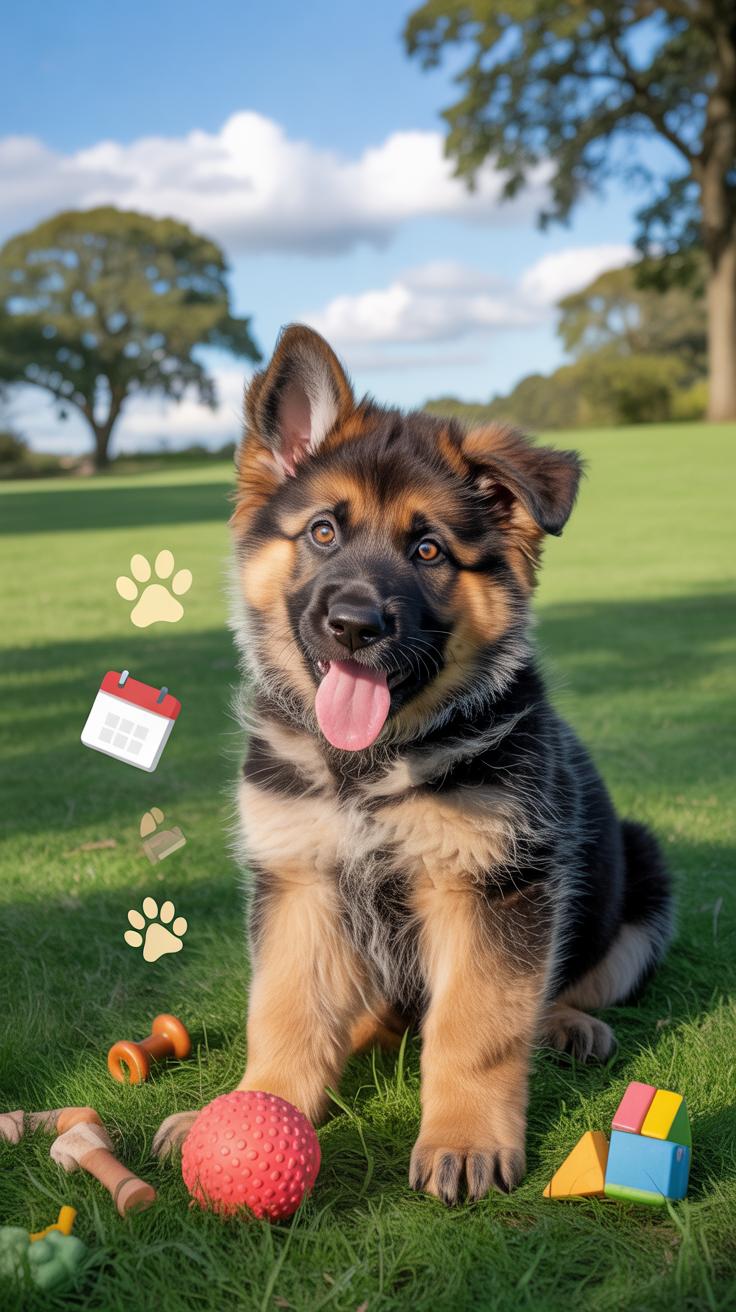
German Shepherd puppies grow faster than most large breeds. From birth to three weeks, they focus on sensory development. Eyes and ears open during this short window. By four weeks, they start eating solid food and interacting with littermates. Physical coordination improves rapidly. You must monitor their weight gain daily to ensure steady growth without putting excess strain on developing joints.
Between three and six months, the puppy enters a high-growth phase. Adult teeth replace baby teeth during this painful teething period. Significant bone elongation occurs now. You must limit high-impact exercise to protect the growth plates. Behavioral shifts occur as the puppy gains confidence and begins testing boundaries. Consistent discipline is mandatory during this stage to prevent lifelong dominance issues or destructive habits.
Understanding Socialization Windows And Why Timing Matters In Puppy Development
The critical socialization window for a German Shepherd closes at sixteen weeks. During this time, the brain is highly plastic. Positive exposure to new sounds, surfaces, and people prevents future aggression. This breed has a natural guarding instinct. If you miss this window, the dog may view every stranger as a threat. Controlled exposure is the only way to build a stable temperament.
Fear periods often occur at eight and fourteen weeks. Traumatic events during these weeks can cause permanent phobias. You must act as a calm leader to guide the puppy through these brief developmental hurdles. Proper socialization reduces the risk of fear-based biting. Focus on neutral reactions rather than forced interaction. A well-socialized German Shepherd remains calm in chaos and follows your commands without hesitation.
Nutrition And Feeding Guidelines For Optimal German Shepherd Care
Choosing The Right Puppy Food For A Large And Active Breed Like The German Shepherd
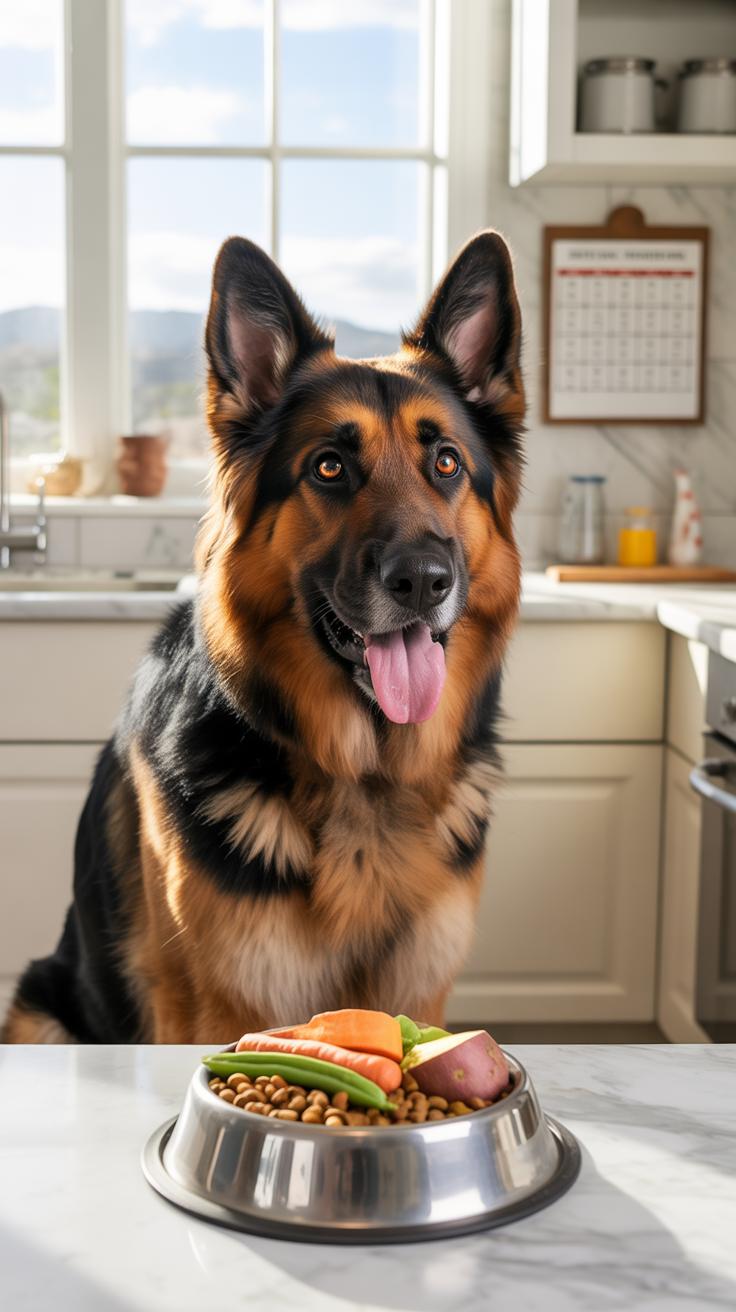
German Shepherd puppies require food specifically formulated for large breeds. Standard puppy food contains too much calcium and phosphorus. Excessive minerals cause rapid bone growth that outpaces joint development. This leads to hip and elbow dysplasia later in life. You must check labels for controlled calcium levels. Look for a protein content between 22 and 26 percent to ensure steady development.
The primary ingredient must be a high quality animal protein like chicken or beef. Avoid fillers such as corn or soy wheat gluten. These ingredients provide empty calories and increase stool volume without adding nutritional value. Select a brand that uses natural fats for energy. Healthy fats support brain function and coat health. Prioritize kibble size that encourages chewing to prevent your puppy from bolting its food.
Feeding Schedules, Portion Sizes And Foods To Avoid At Every Growth Stage
Puppies aged eight to twelve weeks need four meals per day. This split prevents blood sugar drops and keeps energy levels stable. From four to six months move to three meals daily. At six months transition to two meals per day for the rest of the dog’s life. Consistent timing builds a routine for digestion and potty training. Never feed your dog right before or after exercise.
Portion sizes depend on caloric density and activity levels. Follow the manufacturer guidelines but adjust based on rib feel. You should feel the ribs but not see them. Avoid toxic foods like grapes, onions, and chocolate. Steer clear of cooked bones that splinter and cause internal damage. Limit treats to ten percent of daily calories. This discipline prevents obesity which puts fatal strain on German Shepherd joints.
How To Train A German Shepherd Puppy Using Positive Reinforcement
The Science Behind Positive Reinforcement And Why It Works So Well For German Shepherds
Positive reinforcement utilizes operant conditioning to increase the frequency of desirable behaviors. When a German Shepherd puppy receives a reward immediately after a correct action, the brain releases dopamine. This chemical reaction strengthens the neural pathways associated with that specific command. Scientific studies show that dogs learn faster when they associate tasks with positive outcomes rather than fear or physical corrections.
German Shepherds possess a high drive to work and solve problems. Their history as herding and utility dogs makes them exceptionally sensitive to handler feedback. Using rewards creates a voluntary partnership instead of forced compliance. This method prevents the shut down behavior often seen with harsh physical discipline. You establish yourself as a source of resources and safety. This foundation ensures the puppy remains engaged and eager to perform.
Teaching Core Commands And Building Obedience Habits Early With How To Train A German Shepherd Puppy Techniques
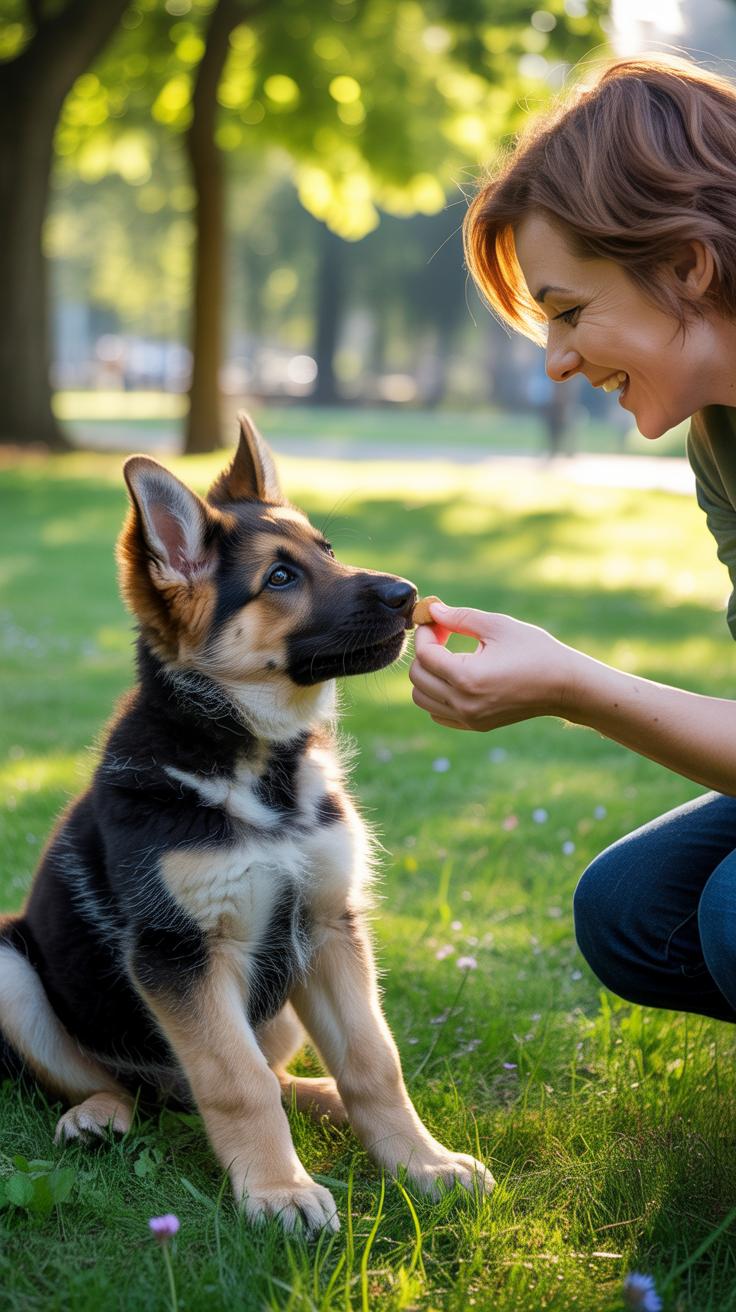
Effective training requires precise timing and high value rewards to mark the exact moment of success. You must capture the behavior before the puppy loses focus or moves to a new task. Start in low distraction environments like your hallway or living room. Consistency across all family members prevents confusion and ensures the puppy understands that the rules never change. Use small food treats to maintain high repetitions.
- The Sit Command: Hold a treat near the puppy nose and move it back over their head. As the hips drop to the floor, deliver the reward immediately. This natural movement creates a reliable sitting posture without any physical force or pushing.
- The Recall: Call the puppy name and move backward quickly to trigger their natural chase instinct. Reward they reach you to build a strong association between returning and pleasant outcomes. Never call a puppy to punish it or it will stop coming.
- Loose Lead Walking: Reward the puppy for staying at your side while the leash is slack. If the puppy pulls, stop moving immediately to show that tension ends forward progress. Resume walking only when the leash goes limp and the puppy looks back at you.
- The Down Command: Lure the puppy from a sit position by moving a treat straight down to the floor between their paws. Drag the treat forward slowly until the chest touches the ground. Give the treat instantly once the puppy achieves the full prone position.
- Stay and Release: Teach the puppy to remain in position until they hear a specific release word like Okay. Start with two seconds and gradually increase the duration. This builds impulse control which is vital for a powerful and active breed like the German Shepherd.

Repetition builds muscle memory and helps the puppy generalize commands in different settings. Once the puppy masters a skill indoors, move to the backyard and eventually a public park. Increase the level of distractions slowly to avoid overwhelming the animal. Always end training sessions on a successful note to keep motivation high for the next lesson. Short sessions of five minutes are most effective.
German Shepherd Puppies Training For Socialization And Confidence Building
Introducing Your Puppy To People Animals And New Environments Without Overwhelming Them
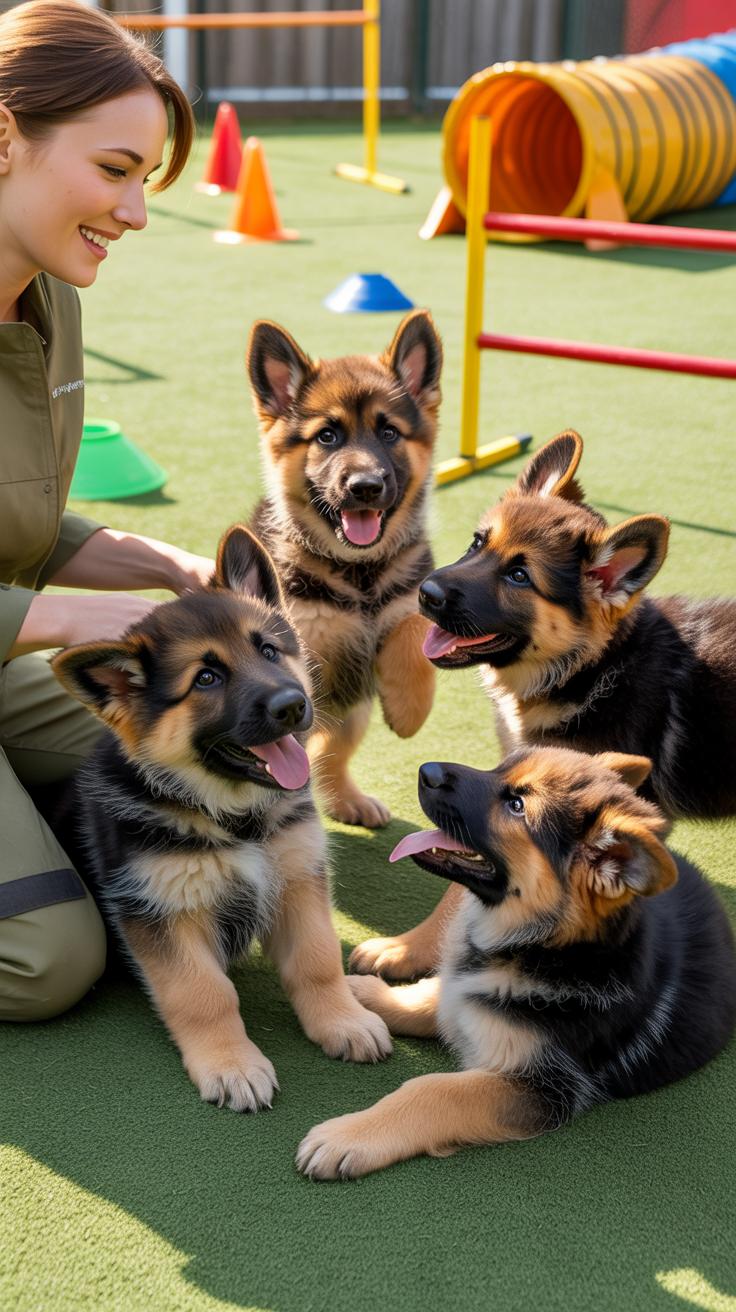
German Shepherd puppies possess a high drive and sharp instincts that require early management. Controlled exposure defines successful socialization. You must introduce the puppy to diverse sounds, surfaces, and smells before sixteen weeks of age. Keep every encounter brief and neutral. Do not let strangers crowd the dog. Forceful interactions create lifelong fear or aggression. Maintain a safe distance to ensure the puppy feels secure during new outings.
Quality beats quantity in every socialization session. Focus on the puppy observing the world without reacting. Reward calm behavior with high-value food to create positive associations. Avoid dog parks where uncontrolled animals can traumatize your puppy. Use structured environments instead. This breed needs a leader who manages the environment effectively. Direct the puppy through new experiences with a steady hand and clear signals to build lasting trust.
Recognizing Fear Responses And Using Calm Exposure To Build A Well Adjusted German Shepherd
Identify subtle signs of stress to prevent reactive behavior. Watch for pinned ears, tucked tails, or whites showing in the eyes. A German Shepherd puppy might freeze or back away when uncomfortable. Do not punish these signals. Punishment reinforces the fear and leads to future biting incidents. Stop the activity immediately if the puppy shows distress. Move the dog away from the trigger until it settles and recovers.

Use systematic desensitization to fix fear issues. Find the distance where the puppy sees the trigger but does not react. Feed treats while the trigger is visible to rewire the brain. Narrow the gap slowly over several weeks. Patience prevents the development of protective aggression. Consistent and calm exposure creates a stable adult dog. Your role is to remain stoic and provide a predictable routine that ensures the dog feels safe.
Dog Potty Training Your German Shepherd Puppy The Right Way
Establishing A Consistent Dog Potty Routine That Sets Your Puppy Up For Success
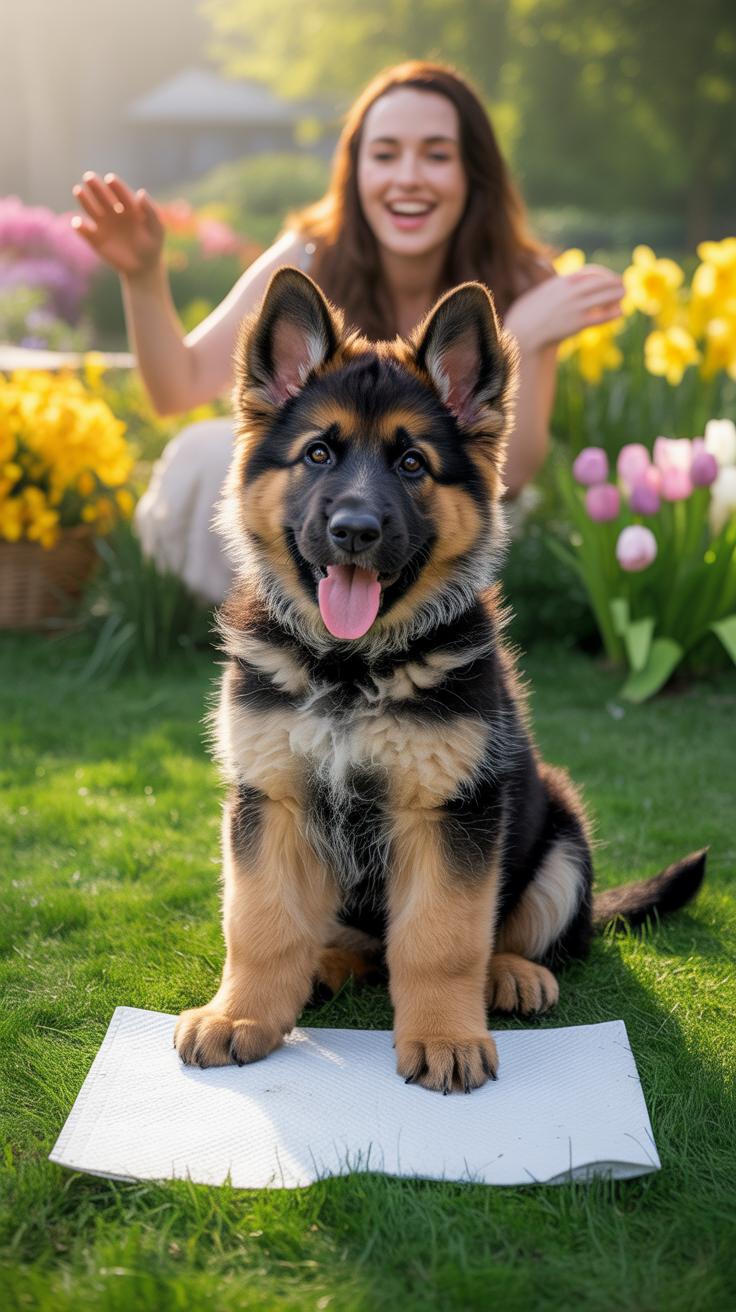
German Shepherds thrive on predictable patterns due to their working dog lineage. You must take the puppy outside immediately after waking up, eating, or playing. Young puppies have limited bladder control and cannot hold it for more than a few hours. Use a specific door and a specific spot in the yard every time. This creates a strong mental association between the location and the desired action.
Feeding schedules dictate elimination schedules. Feed your puppy at the same times every day to make their bathroom needs predictable. High-quality protein sources in their diet lead to smaller and firmer stools, which helps with bowel control. Keep a log of when your puppy goes. This data allows you to anticipate their needs before an accident happens inside. Consistency is the primary tool for fast results.
Handling Accidents With Patience And Reinforcing Outdoor Elimination Behaviors
Accidents are your failure in supervision, not the puppy’s mistake. If you catch them in the act, interrupt them calmly and carry them outside to finish. Do not yell or rub their nose in the mess. Fear-based tactics destroy the bond and make the puppy hide their messes in the future. Clean all indoor spots with an enzymatic cleaner. These cleaners break down the proteins in urine that standard soaps miss.

Reward the behavior you want immediately. As soon as the puppy finishes outside, give them a high-value treat and verbal praise. Timing is vital because dogs associate rewards with the action they just completed. Use a specific command like go potty to build a verbal cue. Eventually, the puppy will understand the command and perform on demand. This tactical approach turns a biological necessity into a trained skill.
Health Care And Veterinary Essentials For Your German Shepherd Puppy
Vaccination Schedules, Deworming And Parasite Prevention In The First Year
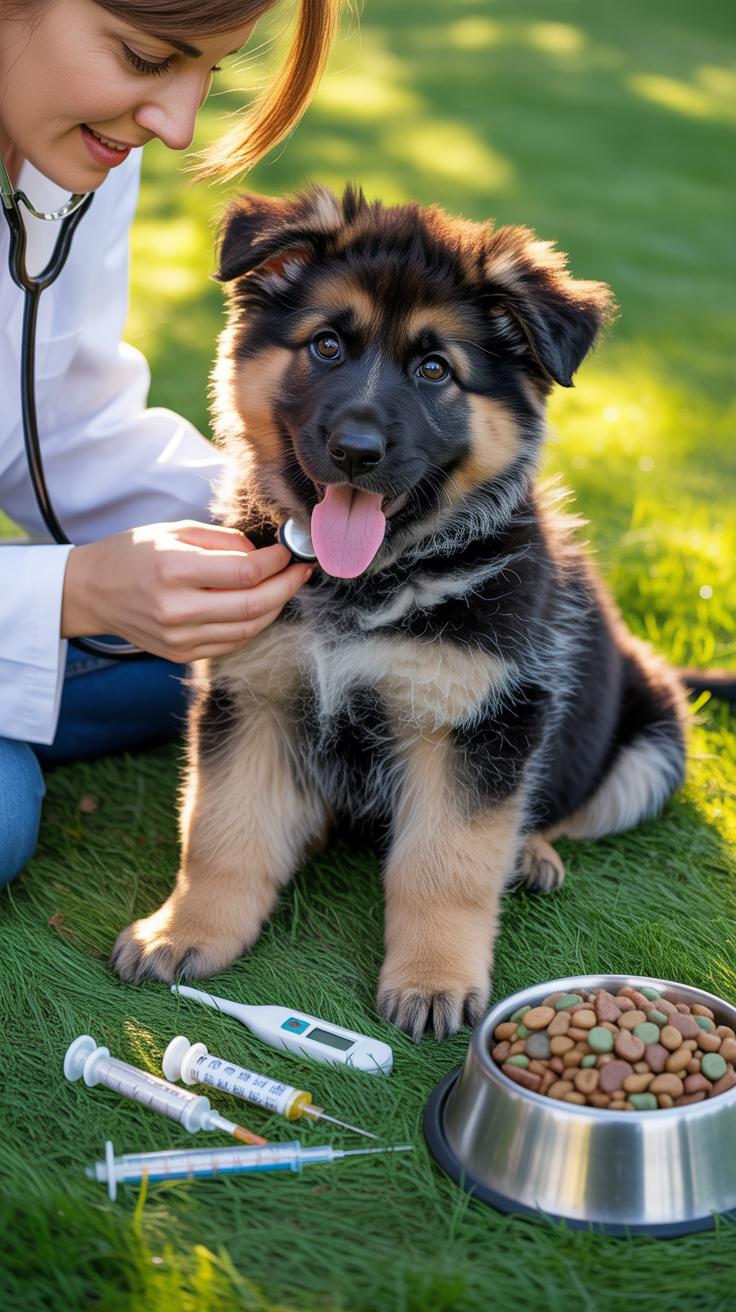
Puppies require a series of core vaccinations starting at six to eight weeks of age. These shots protect against distemper, parvovirus, and adenovirus. You must follow a strict timeline with boosters every three to four weeks until the puppy reaches sixteen weeks. Rabies shots are a legal requirement and usually occur around month four. Timely shots ensure the immune system fights deadly pathogens effectively.
Parasite control starts early to prevent internal and external infestations. Most breeders deworm puppies at two, four, six, and eight weeks. You must continue monthly heartworm prevention and flea and tick control for life. German Shepherds often spend significant time outdoors, increasing their exposure to pests. Regular fecal exams at the vet detect hidden parasites that compromise growth and energy levels in your young dog.
Common Health Conditions In The German Shepherd Breed And How To Spot Early Warning Signs
Hip and elbow dysplasia remain the most prevalent genetic concerns for this breed. These conditions involve malformed joints that cause painful arthritis and mobility loss. You should watch for a “bunny hop” gait or reluctance to climb stairs. Buy only from breeders who provide OFA or PennHIP certifications for the parents. Proper weight management and controlled exercise during the growth phase reduce the physical strain on developing bone structures.
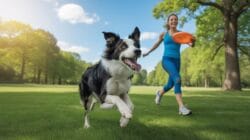
Gastric Dilatation-Volvulus, or bloat, is a life-threatening emergency for deep-chested breeds. The stomach fills with gas and twists, cutting off blood flow. You will notice a distended abdomen, unproductive retching, and extreme restlessness. Immediate surgical intervention is the only way to save a dog in this state. Feed multiple small meals daily and avoid vigorous exercise for one hour after eating to lower the risk of this fatal condition.
Exercise Mental Stimulation And Daily Enrichment For Your Growing German Shepherd
Age Appropriate Exercise Guidelines To Protect Developing Joints And Muscles
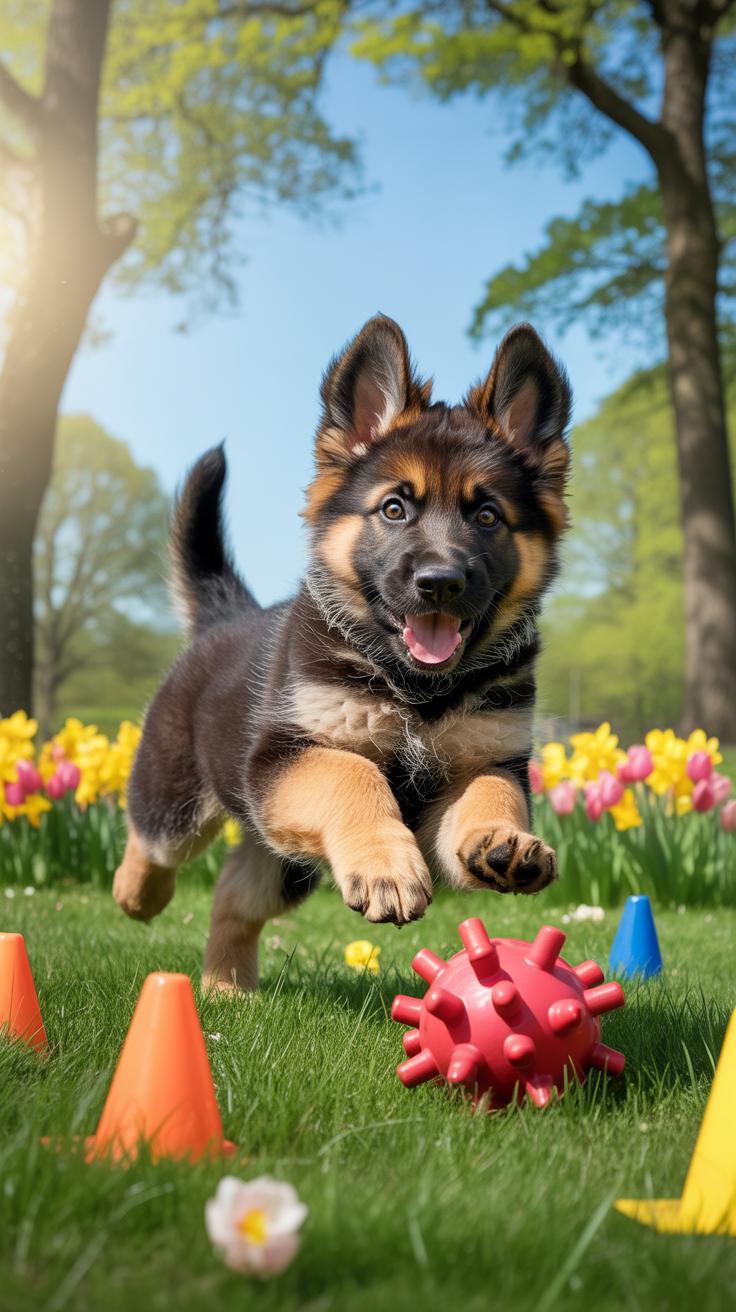
German Shepherds grow fast but their growth plates close late. Excessive impact during the first year cause permanent damage like hip dysplasia. Limit forced exercise on hard surfaces until eighteen months. Follow the five minute rule for formal walks. Provide five minutes of structured leash walking for every month of age. Stop walking if the puppy sits or lags behind.
Focus on low impact movements over long distance cardio. Allow the puppy to dictate the pace through free play on grass. Avoid jumping, sharp turns, or agility obstacles before skeletal maturity. This breed naturally wants to work but lacks physical self control. You must act as the regulator to ensure long term mobility. Proper rest periods are just as vital as movement.
To witness the steady gaze of a young German Shepherd is to see a promise of lifelong devotion and the unfolding of a noble spirit. Through patient guidance, we do not just train a dog, but cultivate a magnificent partner who will one day stand as our most faithful shadow.
Enrichment Activities And Brain Games That Keep Your German Shepherd Mentally Sharp
Physical fatigue does not equal mental exhaustion for this working breed. German Shepherds possess high intelligence and require complex tasks to stay calm. Boredom leads to destructive chewing and excessive barking. Use food puzzles and nose work to engage their natural tracking instincts. Hide high value treats around a room to stimulate their scent receptors. This activity lowers stress and tires the brain.
Incorporate basic obedience drills into every play session. Demand a sit or down command before throwing a ball. This builds impulse control and reinforces your leadership. Short five minute training bursts are more effective than long sessions. Switch tasks frequently to prevent the puppy from losing focus. Mental work burns more energy than a fast walk. Consistent brain training creates a confident and stable adult dog.
Grooming Coat Care And Hygiene Routines For A Healthy German Shepherd Puppy
Brushing, Bathing And Managing The Double Coat Of A German Shepherd Year Round
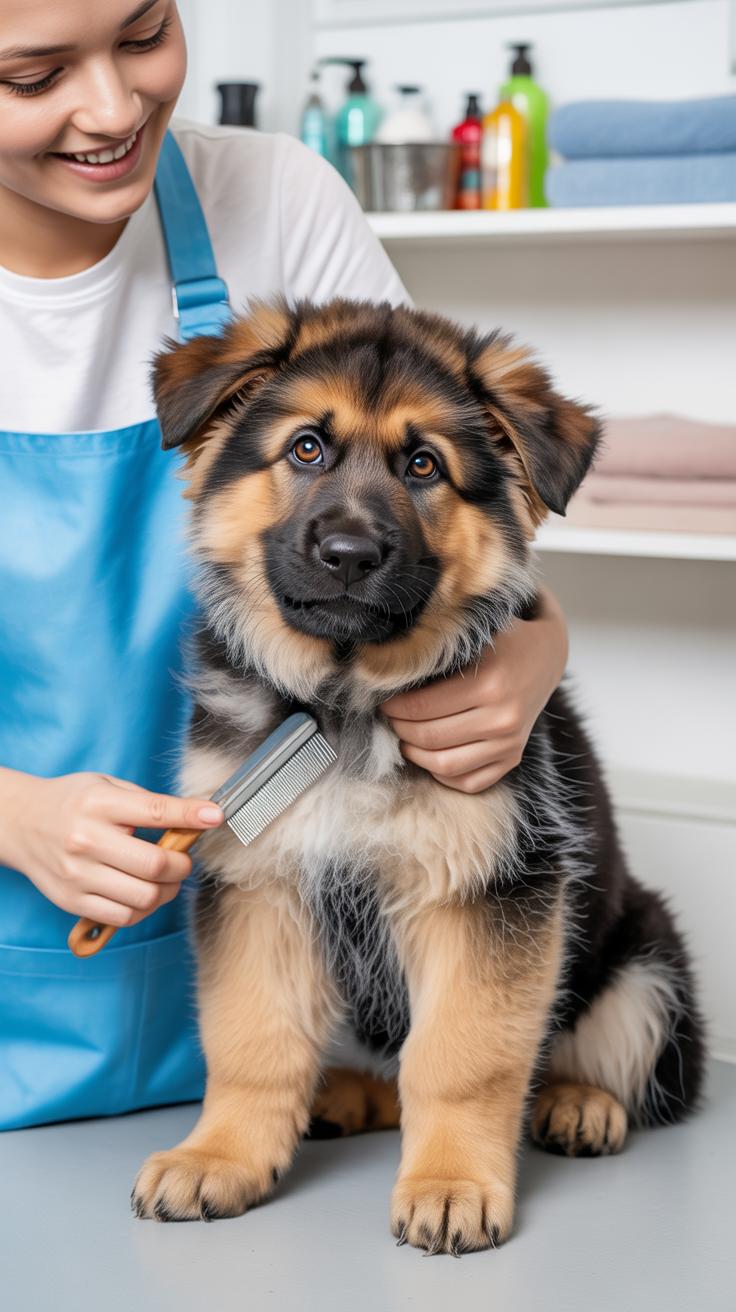
German Shepherds possess a dense double coat designed for outdoor work. This coat consists of a guard hair outer layer and a soft woolly undercoat. You must brush your puppy at least three times per week to remove loose fur. This practice prevents painful matting and controls the heavy shedding typical of the breed. Use an undercoat rake or a slicker brush to reach the skin.
Limit bathing to once every three months unless the puppy is excessively dirty. Frequent washing strips natural oils from the skin and damages the coat water-repelling properties. Use a high-quality pH-balanced dog shampoo during these sessions. Ensure you dry the coat completely after washing. Trapped moisture in the thick undercoat can cause bacterial infections or hot spots. Consistent grooming maintains skin health and reduces dander.
Nail Trimming, Ear Cleaning And Dental Care Habits To Start Early In Puppyhood
Start handling your puppy paws and ears immediately to build trust. Long nails change how the foot hits the ground and can cause skeletal stress. Trim nails every two to three weeks using sharp clippers or a grinder. Stop before reaching the quick to avoid bleeding. If you hear nails clicking on the floor they are too long. Early exposure prevents aggression during future vet visits.
Clean the ears weekly using a veterinarian approved solution and cotton balls. Do not use swabs as they can damage the ear canal. German Shepherds have large open ears that collect wax and debris easily. Brush teeth daily with dog-specific toothpaste to prevent tartar buildup. Periodontal disease starts early and leads to heart and kidney issues. Establishing these hygiene habits now ensures a manageable adult dog later.
Frequently Asked Questions

What are the first steps I should take when bringing a new German Shepherd puppy home?
Welcoming a new furry friend requires preparation and patience. Start by puppy-proofing your living space and establishing a consistent routine for feeding and potty breaks. Proper german shepherd puppy care begins with a veterinary visit to schedule vaccinations and discussing high-quality nutrition. Early socialization is also crucial; gently introducing your puppy to new sights and sounds helps build the confidence they need to grow into a well-adjusted, loyal adult companion.
How do I effectively house train and crate train a German Shepherd puppy?
Consistency is the secret to success. Establish a strict schedule by taking your pup outside every two hours and immediately after naps or meals. When indoors, use a crate to provide a secure den-like environment, which aids in bladder control. Positive reinforcement is essential in german shepherd puppy care; always reward successful outdoor bathroom breaks with praise or treats. This approach builds trust while teaching boundaries and good household manners.
Is owning a German Shepherd puppy expensive, and how can I manage the costs?
While these puppies are an investment, you can manage costs by prioritizing preventative health. Initial expenses include quality food, crates, and immunizations. To save money, consider buying durable toys that withstand heavy chewing and investing in a high-quality grooming brush to maintain their coat at home. Budgeting for professional training early on can also prevent expensive behavioral issues later, ensuring your devoted companionship remains both joyful and financially sustainable.