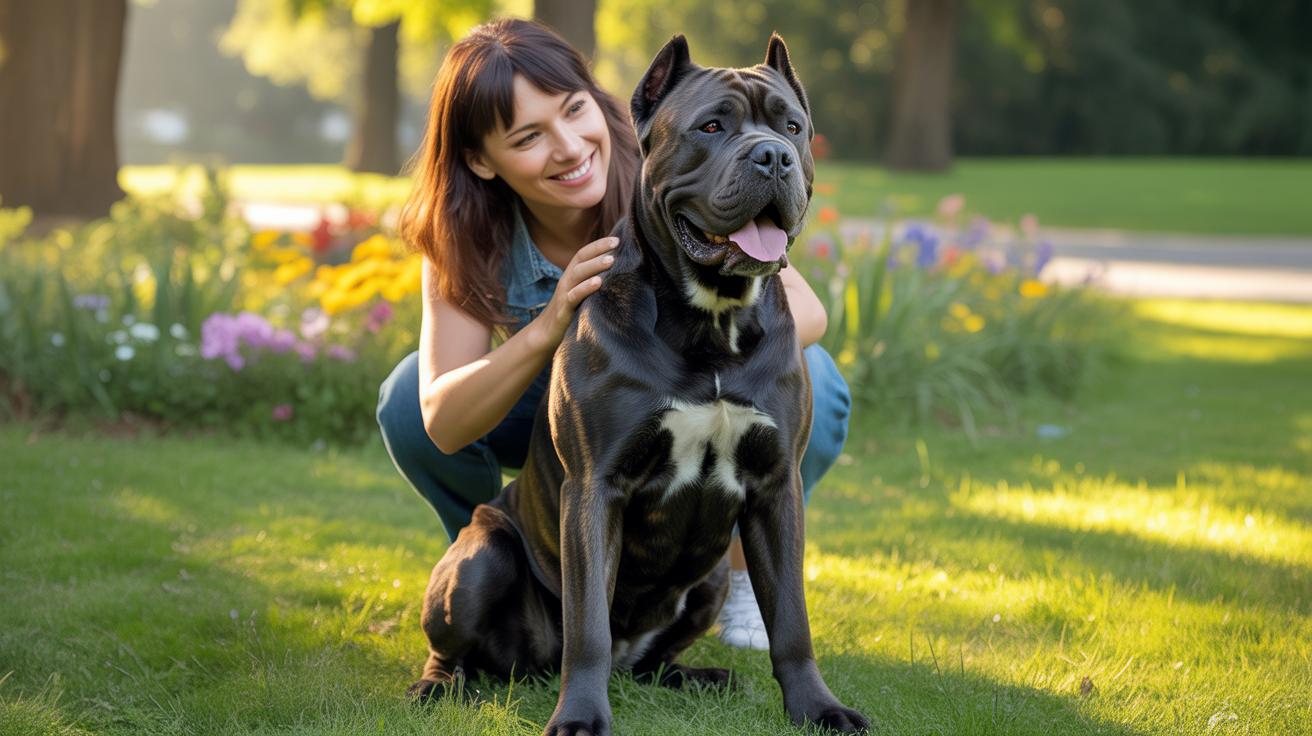
Cane Corso Breed Origins And What Makes This Dog Unique
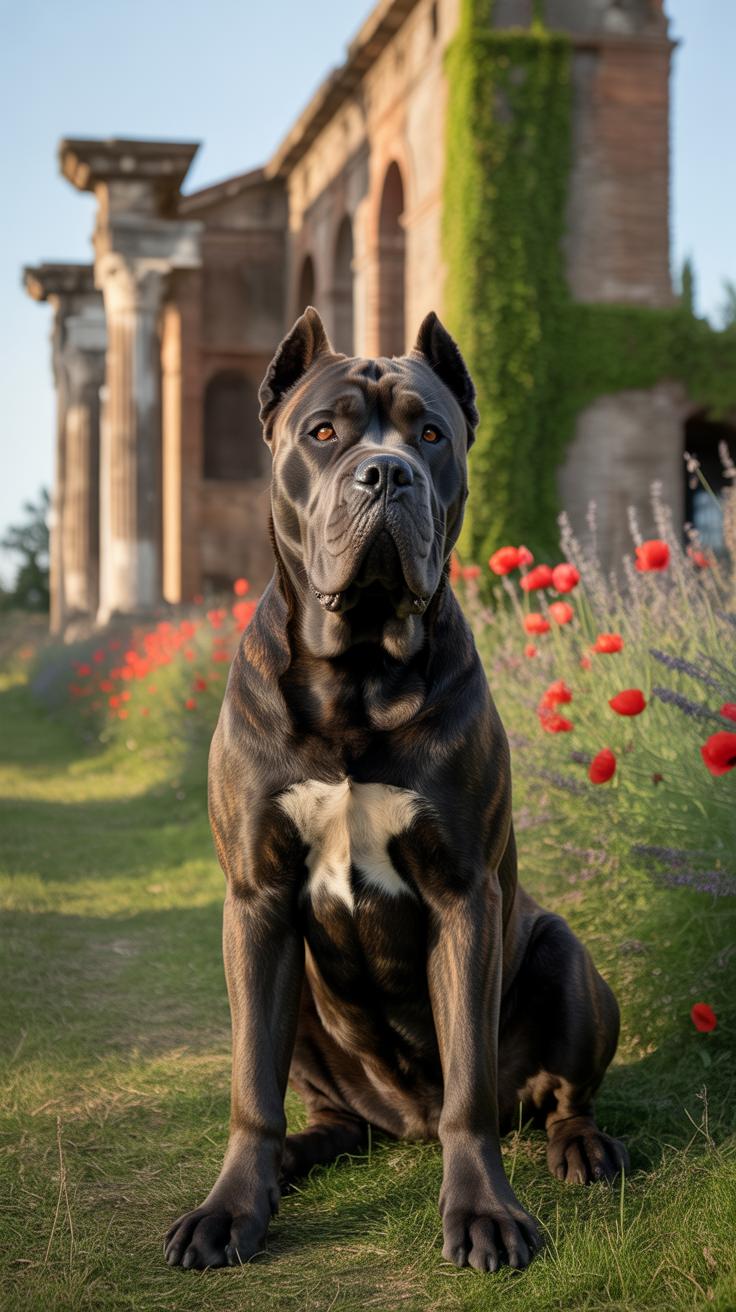
The Ancient Italian Roots Of The Cane Corso Breed
The Cane Corso descends from the Molossian war dogs of Ancient Rome. Romans bred these dogs for combat and frontline defense. They served as “piriferi” dogs that carried flaming oil into enemy lines. This grit remains in the breed today. When the Roman Empire fell, the dogs transitioned into civilian roles. They became versatile farm hands across the rural Italian landscape.
These dogs specialized in hunting large game like wild boar and protecting livestock from predators. They also guarded villas and southern Italian estates. The breed name comes from “Cohors,” meaning protector or guardian of the enclosure. Mechanized farming almost caused their extinction in the mid-twentieth century. Dedicated Italian breeders saved the lineage in the 1970s. This history created a modern dog with high utility.
Key Personality Traits That Define Cane Corso Information Every Owner Needs
Training a Cane Corso requires understanding their intense protective drive. This dog is not a social butterfly. They remain indifferent to strangers and highly devoted to their immediate family. This trait makes them elite guardians. They observe their surroundings with a quiet, watchful eye. They only act when they perceive a legitimate threat to their territory or their pack members.
Professional handling is mandatory because of their dominant nature. This breed possesses high intelligence and will test boundaries set by weak leaders. They require a job to stay mentally stable. Without structure, they become destructive and difficult to manage. Successful owners use firm, consistent rules from the first day. This ensures the dog respects the hierarchy. A focused Corso is a reliable and stable companion.

Understanding The Cane Corso Breed Standard Inside And Out
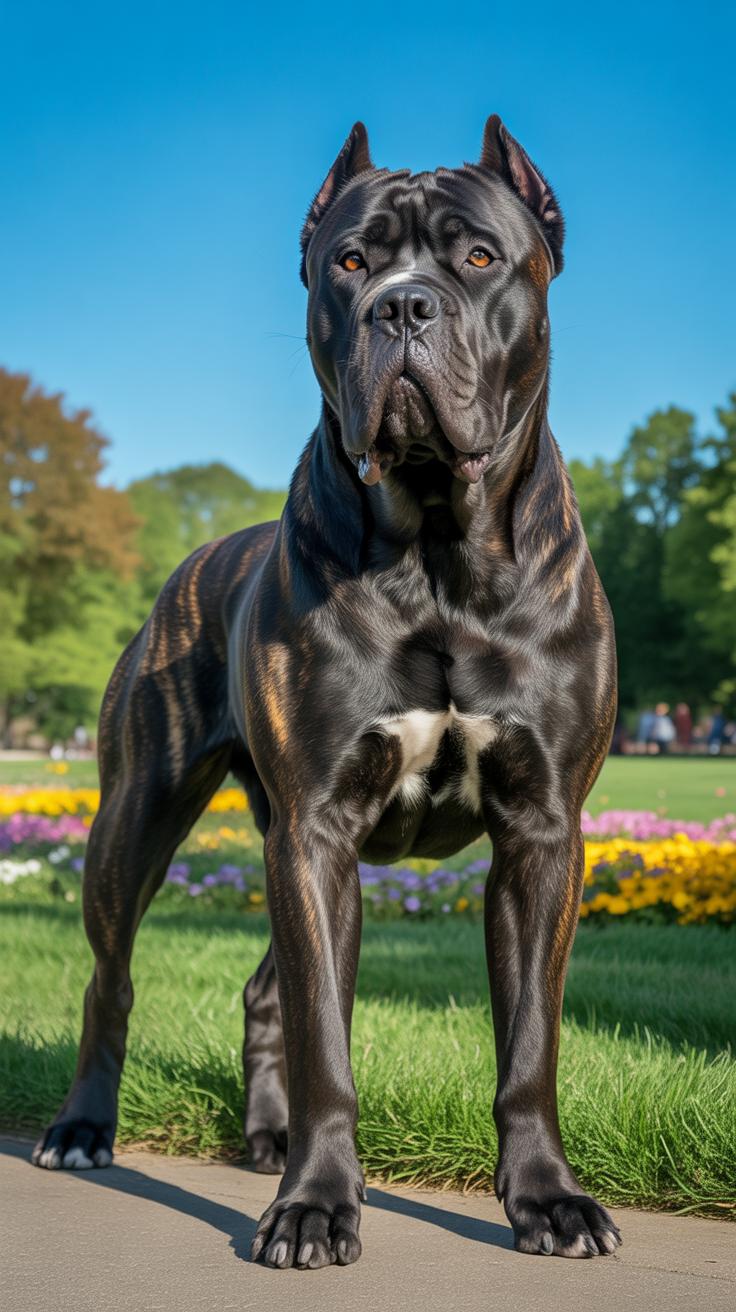
Official Cane Corso Breed Standard: Body Structure, Head Shape, And Gait
The Cane Corso is a large molloser dog with a muscular and athletic build. The breed standard requires a body that is slightly longer than it is tall. A rectangular frame provides the stability needed for power and endurance. The skin should be thick but tight to the body. This structural design reflects its history as a versatile farm and hunt guardian.
The head is a defining feature of this breed. It must be large with a slight convergence of the skull and muzzle planes. The muzzle is broad and deep, measuring about one third of the total head length. Movement should be fluid and powerful with a long stride. The dog must cover ground efficiently without wasting energy. This gait enables the breed to patrol large areas.
How The Cane Corso Breed Standard Shapes Temperament Expectations
The breed standard dictates a dog that is alert and reactive to its environment. A proper Cane Corso is stable and calm unless a direct threat appears. It serves as a watchful protector that remains indifferent to strangers when at rest. This specific temperament comes from centuries of selective breeding for farm security. Owners must understand that this protective instinct is a core genetic trait.

A standard Cane Corso shows high intelligence and a strong desire to work with its owner. It is not a submissive breed but it is highly trainable under firm leadership. The breed standard penalizes any signs of shy behavior or unprovoked aggression. A balanced dog remains confident in various settings. This mental stability is just as important as physical structure for maintaining control of such a powerful animal.
Cane Corso Size Chart Tracking Growth From Puppy To Adult

Reading The Cane Corso Size Chart: Average Weight And Height By Age
Cane Corso growth occurs in two distinct phases. Puppies gain mass rapidly during the first six months. A three month old puppy typically weighs between 25 and 35 pounds. By six months, that weight often doubles. Males generally track at the higher end of the scale. Females stay smaller and leaner. Height increases alongside weight but stabilizes sooner than total body mass.
The skeletal system matures at eighteen months, but muscle development continues. An adult male reaches 100 to 110 pounds on average. Females range from 85 to 95 pounds. They stand 23 to 27 inches at the shoulder. Larger is not always better for this breed. Excessive weight puts stress on joints. Monitor the growth curve closely to ensure steady progress without dangerous spikes in weight gain.
Factors That Influence Your Cane Corso’S Final Size And Body Composition
Genetics dictate the frame of your dog. Look at the parents to predict the adult size. Bloodlines from working stock often differ in mass from those bred for the show ring. The breed has historical roots as a versatile farm dog and guardian. This legacy requires a balance of power and agility. A heavy dog that cannot move loses its primary functional purpose.

Nutrition and physical activity shape the final form. High protein diets support muscle growth but must not trigger rapid bone expansion. Overfeeding a puppy leads to permanent orthopedic damage. Early neutering or spaying also impacts size. Removing hormones too early can cause bones to grow longer than intended. This produces a taller, less stable dog. Keep training sessions short to protect developing growth plates.
Cane Corso Color Chart Coat Variations And What They Mean
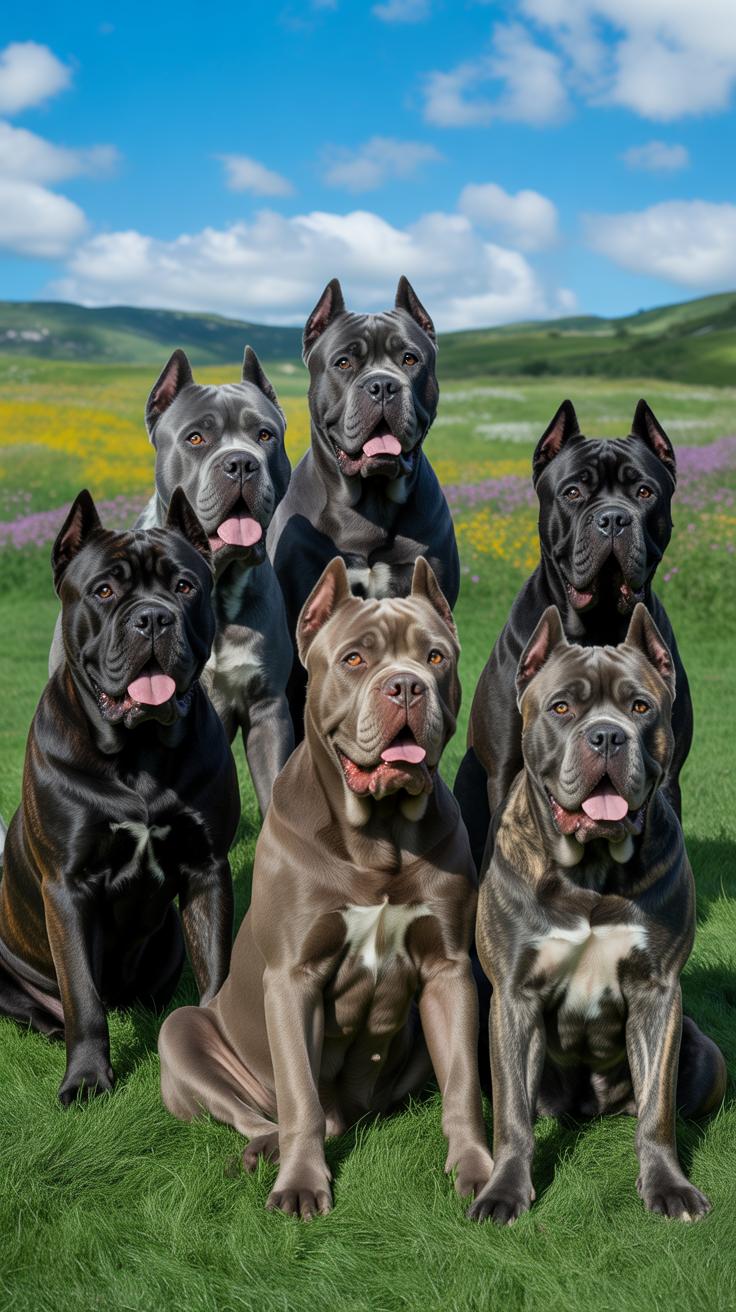
Exploring The Cane Corso Color Chart: From Black To Fawn And Everything Between
The Cane Corso color palette stems from two primary pigments: eumelanin and phaeomelanin. Black and grey represent the eumelanin spectrum. Fawn and red represent the phaeomelanin spectrum. Brindle patterns occur when black or grey stripes overlay a lighter base color. These variations served historical functions in guarding and hunting. Darker coats provided camouflage at night. Lighter coats helped handlers spot dogs in open fields during the day.
Consistency in pigmentation indicates proper breeding selection. A true black coat should be solid without rusty undertones. Grey ranges from light lead to deep slate. Fawn and red dogs must have a black or grey mask on their muzzle. This mask should not extend past the eyes. Understanding these colors helps owners identify purebred traits. Selecting a standard color ensures your dog adheres to the historical lineage of the breed.
Rare And Disqualifying Colors: What The Breed Standard Says About Coat Pigmentation
The AKC and FCI standards strictly define acceptable colors to preserve breed integrity. Disqualifying colors often link to genetic health issues. Blue eyes or lack of pigment on the nose indicate poor breeding. Solid white patches are only allowed on the chest, throat, chin, and toes. Any white on the head or back is a major fault. Breeders selling rare colors often prioritize profit over the health of the dog.

Chocolate, liver, and blue dilutes without masks fall outside the standard. These colors often result from recessive genes that weaken the coat or skin. Dilution alopecia is a common risk in non-standard colors. If a breeder charges more for a rare color, walk away. Strategic owners choose dogs based on temperament and health rather than trendy coat colors. Stick to the recognized chart to ensure you receive a powerful and healthy guardian dog.
Cane Corso Puppy Care Tips For The First Year Of Life

Essential Cane Corso Puppy Care Tips: Feeding, Socialization, And Vet Visits
Large breed growth management is your primary objective during the first twelve months. You must monitor skeletal development to prevent hip and elbow dysplasia. Stick to a high-quality large breed puppy formula to control growth speed. Rapid weight gain puts lethal stress on developing joints. Establish a strict feeding schedule and avoid free-feeding. Consistency builds the foundation for a stable and healthy adult dog.
- Controlled Nutrition: Feed a diet specifically formulated for large breed puppies. These recipes contain precise calcium to phosphorus ratios. This balance prevents bones from growing too fast for the supporting ligaments.
- Early Socialization: Expose the puppy to diverse sounds and people before sixteen weeks. This breed possesses strong protective instincts by nature. Early positive exposure ensures these instincts remain controlled and predictable in adult life.
- Vaccination Schedule: Follow a strict protocol for core vaccines like parvo and distemper. Puppies require multiple rounds to build immunity. Consult with a veterinarian to establish a timeline that fits your specific geographic risks.
- Joint Protection: Limit high-impact activities like jumping or long runs on hard surfaces. The growth plates remain open for at least one year. Forceful impact during this window causes permanent structural damage to the limbs.
- Bite Inhibition: Teach the puppy to control the force of its jaws immediately. Cane Corsos have immense bite pressure as adults. Use consistent redirection techniques to ensure the dog understands that human skin is off-limits.
Veterinary care during the first year involves more than just shots. You need regular fecal exams and heartworm prevention starting early. Talk to your vet about the timing for spaying or neutering. Large breeds often benefit from waiting until physical maturity to ensure proper hormone levels for bone growth. This strategic approach minimizes long-term health risks and ensures your Corso reaches its full physical potential.
To understand the noble spirit of a Cane Corso is to embrace a guardian whose loyalty echoes through the ages of history. Mastering their care is the greatest tribute we can pay to the ancient bond between man and his most faithful protector.
Building A Safe Home Environment For Your Growing Cane Corso Puppy
Your home must function as a secure training ground. Remove toxic plants and secure all electrical cords immediately. This breed explores with its mouth and possesses significant jaw strength even at four months. Use heavy-duty crates to provide a safe den and prevent destructive behavior when unsupervised. A structured environment reduces anxiety and prevents the ingestion of dangerous household objects that cause intestinal blockages.

Install non-slip flooring or use rugs in high-traffic areas. Slick surfaces force the puppy to splay its legs, which damages developing joints. Secure your perimeter with a fence at least six feet high. Use high-quality materials that withstand the weight of a powerful dog. An organized home minimizes distractions during training sessions. Focus on creating a space where the puppy can rest and grow without constant physical stress.
Training The Cane Corso As An Effective And Reliable Guard Dog
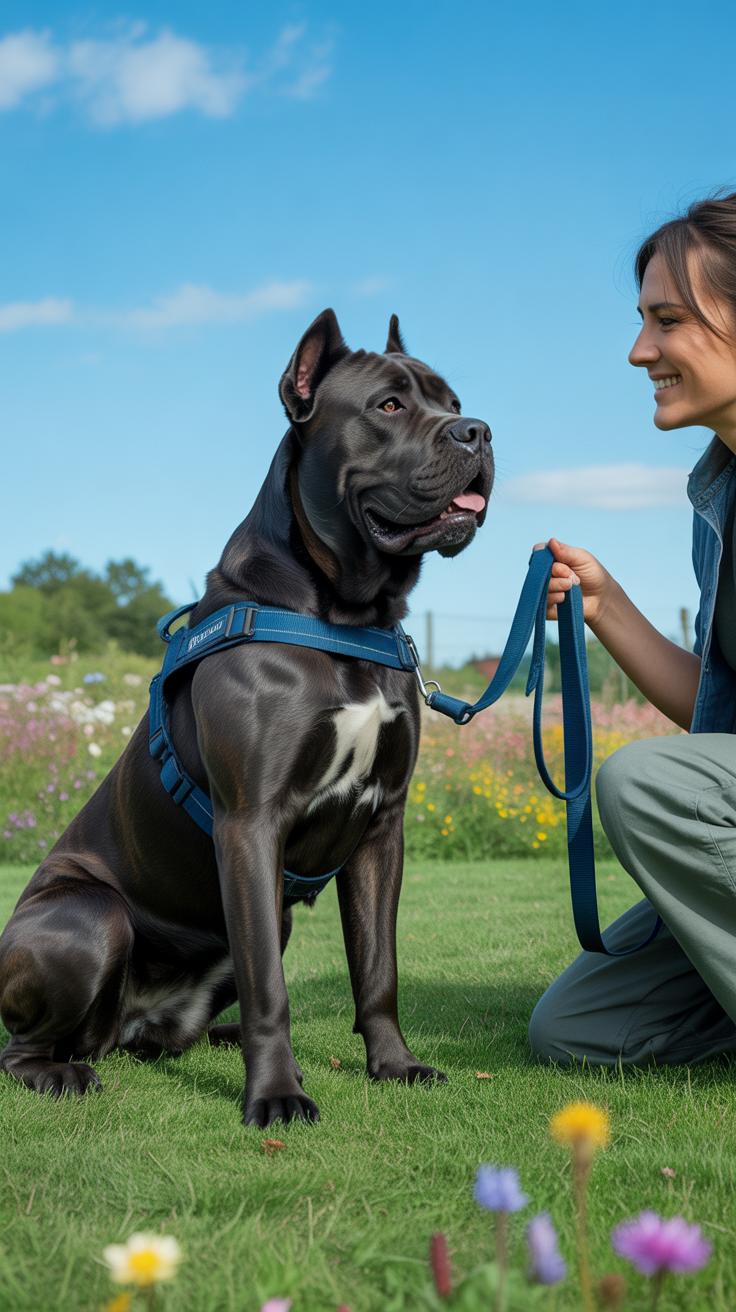
Why Cane Corsos Excel As Guard Dogs: Natural Instincts And Territorial Awareness
The Cane Corso descends from ancient Roman war dogs known as the Canis Pugnax. This lineage bred them for battle and protection. They possess a natural drive to guard their property and their family. This breed does not need training to become protective. Their instinct allows them to distinguish between normal activity and potential threats without any human prompting or guidance.
Territorial awareness is a core trait of the breed. They monitor boundaries constantly. A Corso views the home as a perimeter that requires active defense. They use their imposing size and deep bark to deter intruders. Unlike more reactive breeds, the Corso remains calm until a genuine threat appears. This discernment makes them superior guardians compared to dogs that bark at everything.
Structured Training Methods That Bring Out The Best In Guard Dogs Like The Cane Corso
Control is the most important part of guard dog training. You must establish yourself as the clear leader. Use obedience drills to ensure the dog listens under pressure. Focus on the “place” and “quiet” commands. A guard dog that you cannot stop is a liability. Reliable guarding requires a dog that looks to the owner for final cues during tense situations.

Socialization prevents the dog from becoming a danger to the public. Expose the Corso to different people and environments early. This teaches the dog what is normal behavior. A well-socialized Corso can identify abnormal behavior quickly. Training must focus on desensitization to common sounds and sights. This ensures the dog only reacts to actual intruders. Proper training creates a disciplined and predictable protector.
Dog Care Essentials Health Nutrition And Grooming For The Cane Corso
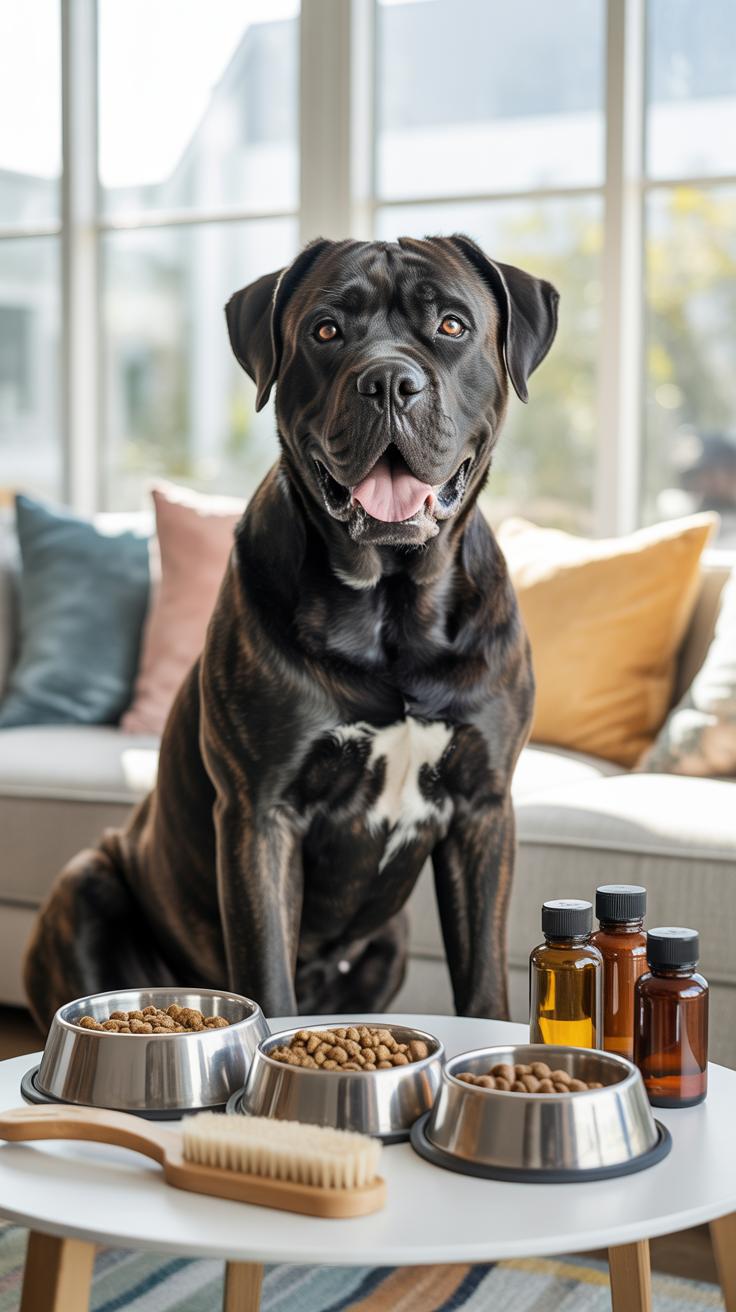
Common Health Conditions In The Cane Corso And How To Stay Ahead Of Them
Cane Corsos face specific genetic risks due to their large frame and deep chests. Hip and elbow dysplasia remain the most prevalent skeletal issues. You must vet breeders for OFA or PennHIP certifications to minimize these risks. Gastric Dilatation-Volvulus, or bloat, is a lethal emergency. This condition occurs when the stomach twists. Use elevated feeders and avoid heavy exercise after meals to prevent it.
Cardiac issues like subaortic stenosis and eyelid problems like ectropion also occur frequently. Regular veterinary screenings are non-negotiable for this breed. Early detection of heart murmurs can extend life through medication. Monitor the eyes for redness or drooping to prevent infections. Maintain a lean body weight to reduce stress on joints. Excessive weight worsens every known health condition in these massive Italian mastiffs.
Daily Dog Care Routines: Diet, Coat Maintenance, And Exercise For A Thriving Cane Corso
A strict daily routine maintains the physical power and mental stability of the Cane Corso. High-quality protein supports muscle mass while controlled calories prevent rapid growth in puppies. Grooming requires minimal effort but consistent attention to the short, dense coat. Exercise must be vigorous to satisfy their working dog heritage and prevent destructive behavior. Focus on structured activities that engage both the body and the mind.
- High-Protein Nutrition: Feed a diet rich in animal proteins to support large muscle groups. Avoid fillers like corn or soy that offer little nutritional value. Measure every meal to prevent obesity which destroys joint health.
- Controlled Exercise: Provide at least sixty minutes of active movement daily. Include hiking, brisk walking, or weight pulling to burn energy. Avoid high-impact jumping until growth plates close around eighteen months of age to protect skeletal integrity.
- Weekly Brushing: Use a firm bristle brush or rubber mitt once a week. This removes dead hair and distributes skin oils across the coat. Regular brushing reduces shedding and keeps the skin healthy throughout the changing seasons.
- Dental and Nail Care: Trim nails every two weeks to prevent gait imbalances or pain. Use a grinder if the dog resists traditional clippers. Brush teeth daily to stop plaque buildup and prevent systemic infections caused by poor oral hygiene.
- Ear Cleaning: Check the ears weekly for wax buildup or foul odors. Use a veterinarian-approved cleanser and cotton balls to wipe the outer canal. This prevents yeast infections and ear mites which can cause chronic discomfort for the dog.

Consistent care prevents expensive medical bills and behavioral lapses. Short sessions of obedience training during exercise periods reinforce your leadership. The Cane Corso thrives on clear expectations and a clean environment. Monitor skin folds for moisture to prevent dermatitis. A well-maintained dog exhibits a shiny coat and alert eyes. Match your intensity to the needs of the breed to ensure a functional working companion.
Your Complete Cane Corso Breed Guide Is This The Right Dog For You
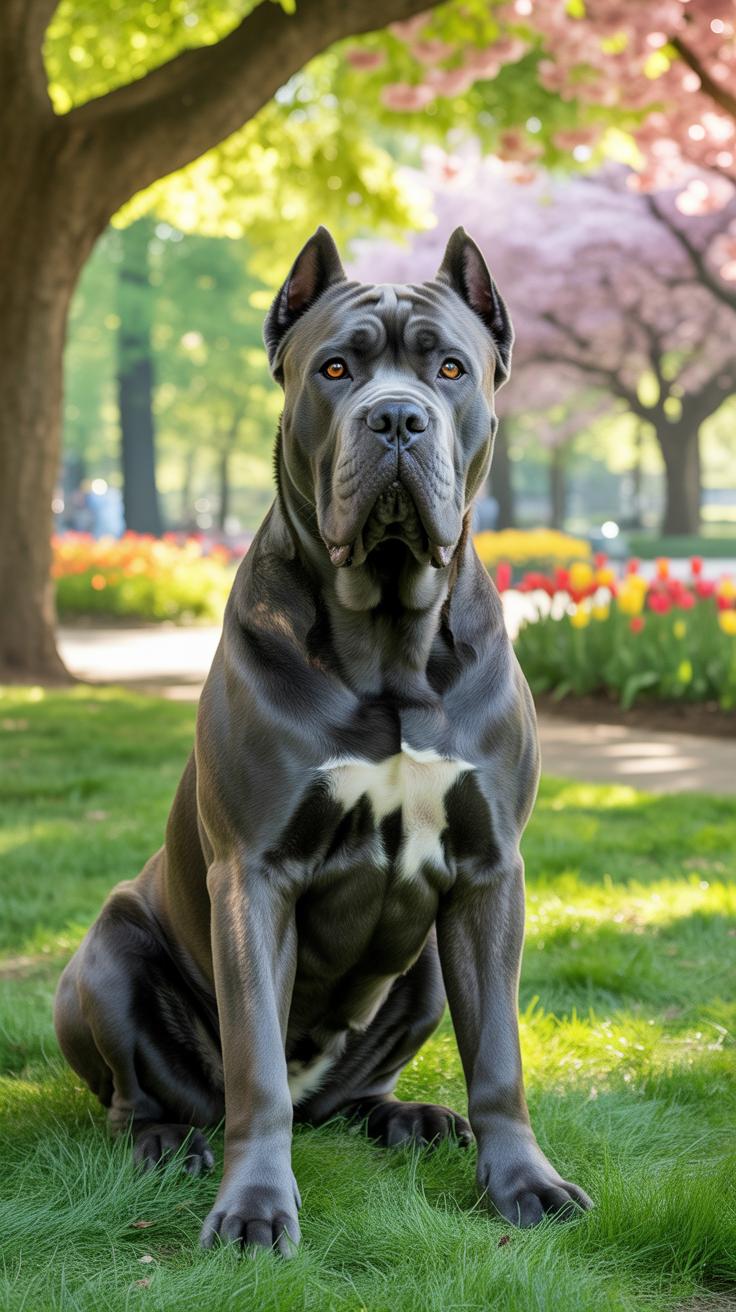
Lifestyle Compatibility: What The Cane Corso Breed Guide Says About Ideal Owners
Ideal owners possess a firm mindset and clear leadership skills. This breed originated as a Roman war dog and later served as a property guardian. Its DNA demands a job and a confident handler. You must provide structure every single day. Weak boundaries lead to a dominant animal that ignores commands. Only experienced large-breed owners should consider this specific guardian dog.
Physical space and time are non-negotiable requirements for this breed. Apartment living rarely works unless you spend hours outdoors daily. You need a secure yard with high fencing to manage their protective instincts. Owners must commit to heavy socialization during the first year of life. This prevents the dog from becoming overly aggressive toward strangers or other animals in your neighborhood.
Long Term Commitment: What Owning A Cane Corso Really Looks Like Year After Year
Owning this breed is a decade-long financial and physical investment. Adult males weigh over one hundred pounds and require high-quality protein diets to support bone health. You will spend thousands on food, preventative veterinary care, and giant-sized equipment. Joint issues and bloat are common risks that require proactive medical management. You must prepare for the physical reality of controlling a powerful predator.

Training never truly ends with a Cane Corso. You must reinforce basic obedience and social boundaries throughout the dog’s entire life. As the dog ages, physical exercise needs decrease, but mental stimulation remains vital. You will deal with heavy drooling and seasonal shedding regularly. This dog becomes a shadow that follows you from room to room. Loyal guardian behavior is constant and requires your total attention.
Frequently Asked Questions

Is a Cane Corso a good choice for first-time dog owners?
While magnificent, this breed is best suited for experienced owners who understand guardian breeds. Our cane corso care guide emphasizes that these dogs require firm, consistent leadership and early socialization to manage their protective instincts. Without a confident owner to provide structure and clear boundaries, their size and intelligence can become overwhelming for a beginner. They are devoted companions, but they demand a serious commitment to ongoing training.
How much daily exercise and mental stimulation does a Cane Corso need?
A healthy Cane Corso requires at least 60 to 90 minutes of active exercise daily to stay physically and mentally fit. This cane corso care guide recommends a mix of brisk walks, hiking, and engaging activities like obedience training or scent work. Because they are working dogs, providing them with a “job” prevents destructive behaviors rooted in boredom. Mental engagement is just as vital as physical exertion for this powerful, athletic breed.
Is owning a Cane Corso expensive to maintain on a monthly basis?
Owning this breed is a significant financial commitment compared to smaller dogs. Beyond the initial purchase, monthly costs include high-quality large-breed kibble, preventative veterinary care, and durable toys that can withstand heavy chewing. You should also budget for professional training sessions and potentially higher pet insurance premiums. While incredibly rewarding, prospective owners must ensure their lifestyle can accommodate the higher costs associated with the food and health needs of a giant breed.