
Understanding The Rescue Pet Adjustment Period And Dog Adoption
What Does The Adjustment Period Really Mean For A Rescue Pet?
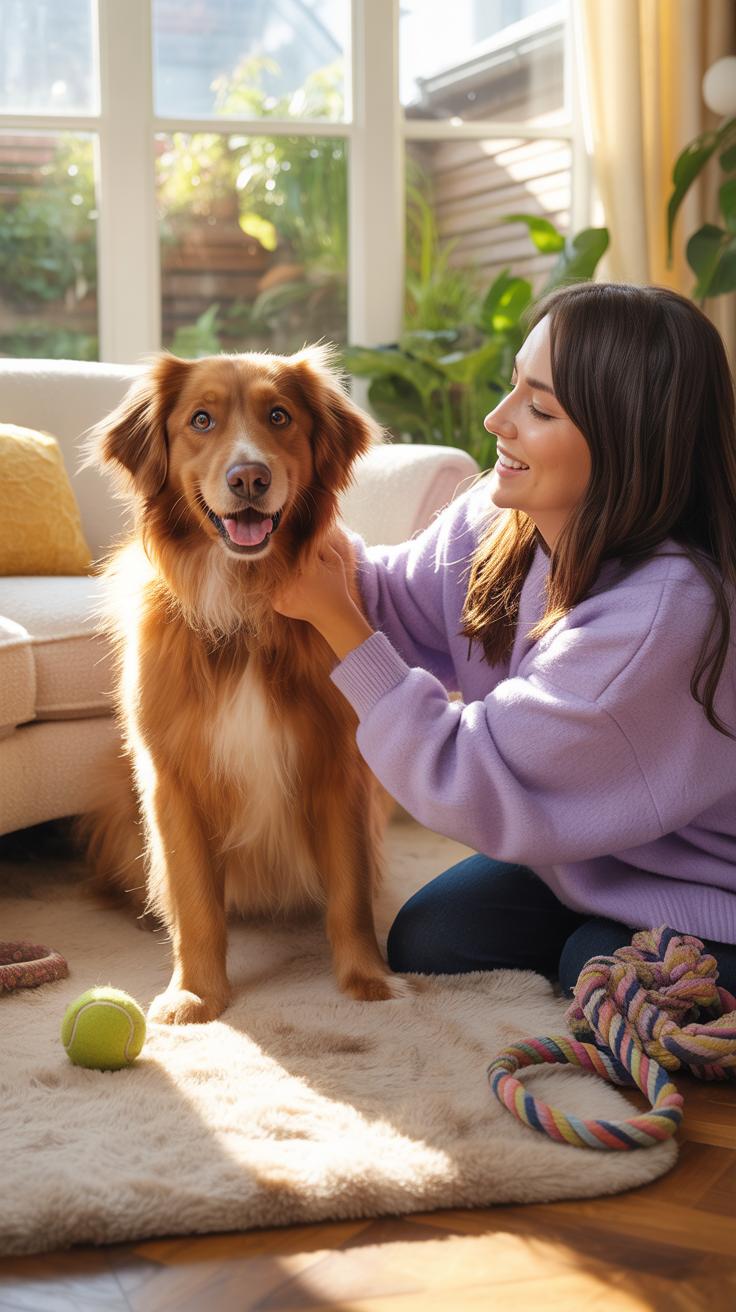
The rescue pet adjustment period represents the physiological and psychological transition from a state of chronic stress to one of perceived safety. During this time, the animal shifts out of a survival mindset. Cortisol levels remain elevated for days or weeks after entering a new environment. This period is not about training or bonding. It is about biological stabilization and neurological decompression.
Owners must view this phase as a mandatory cooling off period for the animal. Behavior observed during the first month rarely reflects the permanent personality of the pet. Animals often show extreme lethargy or hyper-vigilance as they process new sensory inputs. Successful management requires strict routine and low environmental stimulation. You are giving the brain time to rewire its expectations of danger.
Why Every Rescue Pet Adjusts At A Different Pace
Individual adjustment speeds depend on genetic resilience and previous environmental history. A pet from a high intake municipal shelter faces more sensory trauma than one from a foster home. Factors like breed traits, age, and duration of neglect dictate how quickly the animal trusts new patterns. Younger animals often bounce back faster due to neuroplasticity. Senior pets may require more time to unlearn defensive habits.
Specific past experiences with humans or other animals create unique triggers that delay progress. A dog might master house training in three days but take three months to stop hiding under furniture. You cannot force this timeline through affection or discipline. Progress follows a non-linear path where setbacks are normal. Consistency in your actions provides the data the pet needs to feel secure.

The 3 3 3 Rule For Rescue Dogs A Proven Framework For Settling In
Breaking Down The 3 Days 3 Weeks And 3 Months Stages
The first three days focus on survival and decompression. Adrenaline levels remain high as the dog processes a new environment. Expect the animal to feel overwhelmed or shut down during this period. They may refuse food or hide in corners. Limit visitors and loud noises during this critical window. Establish a silent sanctuary where the dog feels safe from any perceived threats.
By the three week mark, the dog begins to grasp your daily routine. They understand when you eat, sleep, and walk. This consistency lowers cortisol levels and builds trust. True personality traits emerge as the dog tests boundaries and explores their surroundings. Use this phase to implement formal training. Clear structure prevents behavioral issues from taking root while the dog settles into your lifestyle.
How The 3 3 3 Rule Helps You Set Realistic Expectations
The 3 3 3 rule provides a tactical roadmap for new owners. It prevents frustration by aligning human expectations with canine biology. Many owners expect immediate affection. This framework explains why a dog might remain distant early on. Knowing the adjustment period lasts months reduces the risk of returns to the shelter. Patience becomes a strategic tool rather than a vague emotional concept.

Consistent application of the rule ensures long term success. It mandates a slow introduction to the world. You must avoid dog parks or crowded events until the three month milestone. This delay allows the bond to solidify completely before facing external stressors. Following this timeline protects the dog from sensory overload. Proper management during these stages creates a stable and confident companion for years to come.
How To Adopt A Dog From A Rescue First Steps Before Bringing Them Home

Choosing The Right Rescue Organization And Completing The Adoption Process
Selecting a reputable rescue organization requires due diligence. Look for 501c3 non-profit status to ensure legal and financial transparency. Established rescues provide full medical records and behavioral assessments for every animal. Avoid organizations that bypass home checks or skip vet references. These steps prove the rescue prioritizes long-term success over quick placements. Research their return policy to understand your support options during the initial transition.
The adoption process involves several phases to match the right dog with your lifestyle. Submit an application detailing your living situation and previous pet experience. Expect a phone interview and a physical or virtual home visit. Rescues use these tools to identify potential hazards or lifestyle mismatches. Once approved, meet the dog in a neutral space. Sign the adoption contract and pay the fee to finalize the legal transfer of ownership.
Preparing Your Home Before Your Rescue Dog Arrives
Physical preparation of the environment is the first step in successful integration. You must secure the perimeter and internal living spaces before the dog enters the home. Remove toxic plants, secure loose electrical cords, and store cleaning chemicals in locked cabinets. Designate a specific low-traffic area for the dog to decompress. This controlled environment reduces sensory overload and prevents the dog from feeling trapped or overwhelmed.
- Crate Setup: Place a sturdy crate in a quiet corner away from household foot traffic. Line the bottom with washable bedding and cover the top with a blanket to create a den-like atmosphere. This provides a safe retreat where the dog can observe the home without feeling exposed.
- Nutrition Station: Establish a permanent location for food and water bowls on a non-slip surface. Maintain the same brand of food the rescue provided to prevent digestive upset during the move. Sudden dietary changes combined with environmental stress often lead to predictable health issues and bathroom accidents.
- Escape Prevention: Inspect all fencing for gaps or weak points where a stressed dog might squeeze through. Double-check the integrity of gates and latches. Purchase a front-clip harness and a standard six-foot leash. Retractable leashes are dangerous and provide poor control during the critical first walks in a new area.
- Cleaning Supplies: Stock up on enzymatic cleaners specifically designed to break down organic waste. Standard household cleaners often leave behind scent markers that encourage repeat accidents. Having these supplies ready allows for immediate cleanup without frustration. Prompt action prevents odors from soaking into flooring and establishing bad habits early on.
- Identification Tools: Prepare a collar with a temporary ID tag containing your current phone number. Do not wait for the microchip registration to update in the national database. A physical tag provides the fastest way for a neighbor to contact you if the dog escapes during the first few days of the adjustment period.

Organize your household schedule to ensure a consistent routine from day one. Assign specific duties to family members regarding feeding, walking, and bathroom breaks. Consistency builds trust and helps the dog understand the new rules of the house. Eliminate high-energy activities or large social gatherings during the first week. Focus on creating a predictable environment that allows the dog to lower its cortisol levels and begin the bonding process.
The First 72 Hours Rescue Dog Tips For A Calm And Safe Welcome
What To Expect From Your Rescue Dog In The First Three Days
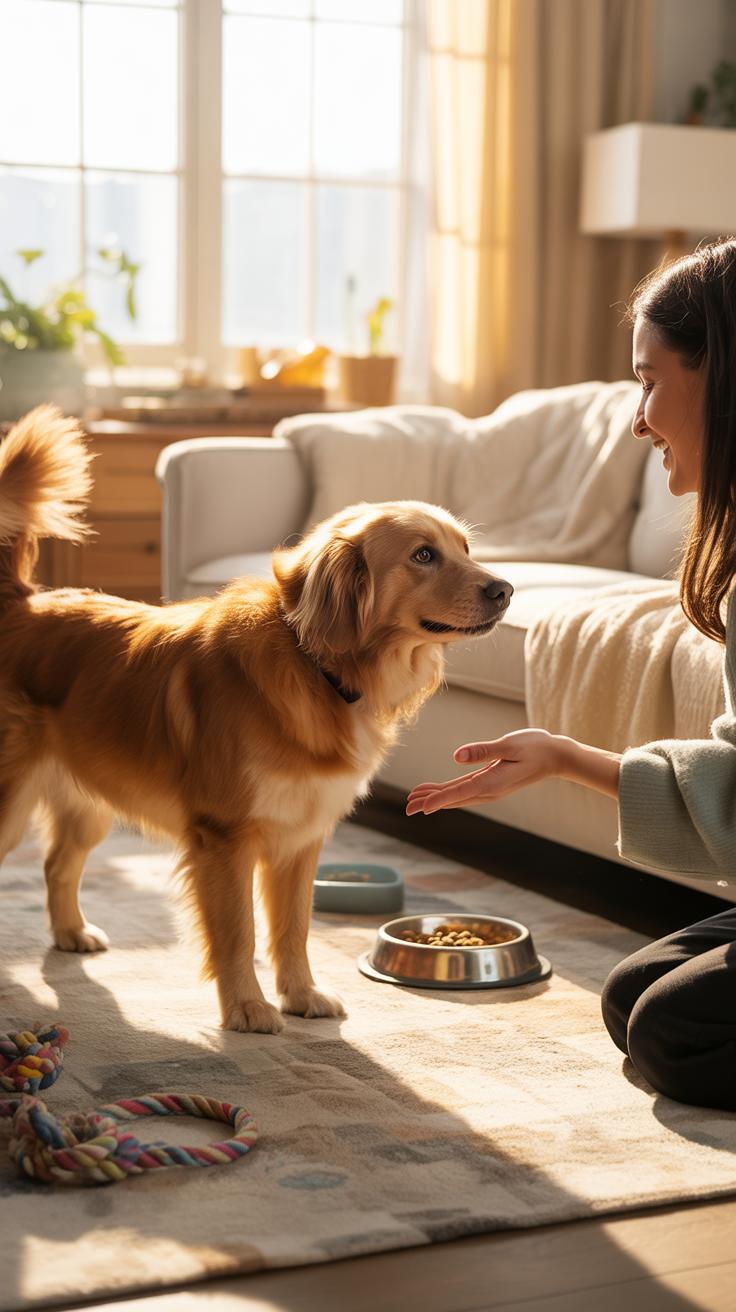
The first three days represent a state of sensory overload for a rescue dog. The animal enters your home in a high-arousal state known as the shutdown phase. Expect the dog to test boundaries or remain completely immobile. Adrenaline and cortisol levels remain elevated during this period. You must provide a predictable environment to lower these stress hormones and establish basic safety.
Tactical success in these 72 hours requires restricted movement and minimal social pressure. Do not invite guests or visit pet stores yet. Keep the dog on a leash even inside the house if necessary to prevent accidents and flight risks. Focus on basic biological needs like hydration and scheduled bathroom breaks. Consistency creates a sense of security. Reliable patterns prove to the dog that their new environment is stable.
Behaviors That Are Normal During The Initial Transition Period
Expect irregular sleep patterns and changes in appetite during this window. Many dogs experience digestive upset or refuse to eat entirely when they first arrive. This is a physiological response to stress, not necessarily a medical emergency. The dog might hide in corners or under furniture to find a secure vantage point. Allow them to occupy these safe zones without forcing unwanted physical interaction or eye contact.

Panting, pacing, and whining are common signals of anxiety as the dog processes new smells and sounds. Some dogs exhibit temporary house-soiling even if they were previously potty trained. These lapses occur because the dog does not yet understand the layout of the new territory. Maintain a neutral reaction to these setbacks. Punitive measures backfire during this phase. Use positive reinforcement to reward calm behaviors and successful outdoor bathroom trips.
Helping Your Rescue Pet Feel Safe In A New Environment

Creating A Dedicated Safe Space For Your Rescue Pet
A rescue pet needs a low traffic zone to decompress immediately. Select a quiet corner or a separate room away from household noise. Place a crate or a bed in this area to serve as a den. This physical boundary provides psychological security during the initial rescue pet adjustment period. Use solid materials like plastic or metal for crates to ensure a stable structure.
Do not force the pet to leave this space. Let the animal choose when to explore the rest of the home. Keep food and water bowls within reach of this designated area. This setup reduces the need for the pet to take risks while they are still hyper aware of their surroundings. Control the environment by removing loud electronics or sudden movements near this safe zone.
Saving one dog will not change the world, but surely for that one dog, the world will change forever. It takes time for a heart to realize it is finally safe at home.
How Routine And Consistency Reduce Anxiety In A New Environment
Predictability lowers cortisol levels in animals. Establish a strict schedule for feeding, walks, and bathroom breaks from the first day. Use the same doors and paths for every outing. This repetition helps the pet map their new territory without fear of the unknown. Consistency allows the animal to stop scanning for threats because they know exactly what happens next in their day.

Match your body language and verbal cues to this structured routine. Use short and clear commands for all interactions. Avoid changing the furniture layout or introducing too many new people during the first few weeks. Stable environments allow the central nervous system to shift from a fight or flight state to a resting state. This transition is essential for long term bonding and successful behavioral integration.
Animal Rescue Tips Building Trust And Bonding With Your New Pet
Gentle Techniques To Build Trust With A Fearful Or Shy Rescue Animal
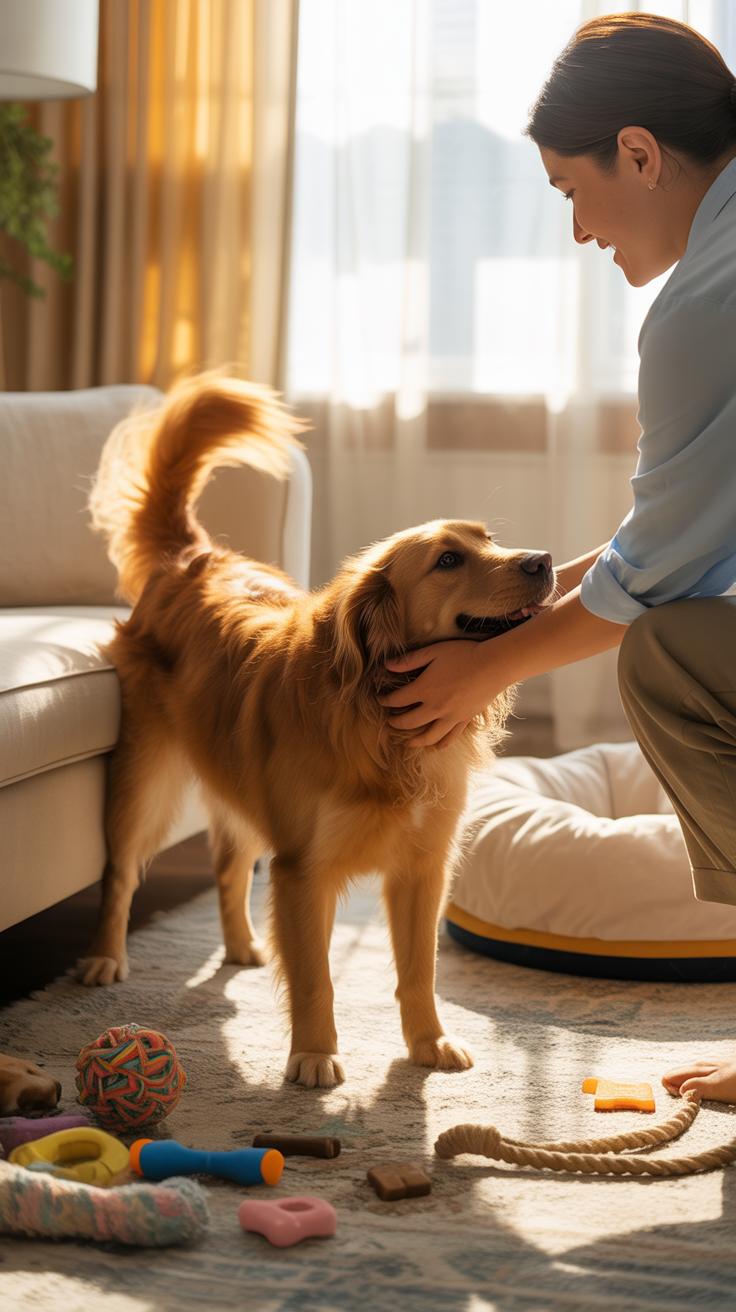
Respect personal space to lower cortisol levels in shy animals. Let the pet approach you instead of forcing physical contact. Sit on the floor to appear smaller and less threatening. Avoid direct eye contact since many animals view staring as a challenge or threat. Keep your voice low and movements slow. Predictive behavior creates a sense of safety during the rescue pet adjustment period.
Create a safe zone with a crate or bed in a quiet corner. Limit the animal to one room initially to prevent sensory overload. Use high value treats to create positive associations with your presence. Do not rush the process or punish fearful behavior. Patience is a tactical tool. Consistent routines help the pet learn that your home is a predictable and safe environment.
The Role Of Positive Reinforcement In Strengthening Your Bond
Positive reinforcement uses rewards to encourage desired behaviors in your pet. This method builds confidence by focusing on success rather than failure. Give treats, praise, or play immediately after the pet does something right. This timing is critical for clarity. It creates a clear communication loop between you and the animal. Reward based training reduces stress and speeds up the overall adjustment process.

Avoid all forms of physical or verbal punishment with rescue animals. Punishment triggers fear and destroys trust. It often causes the pet to hide or become defensive. Focus on capturing good behaviors as they happen naturally. Consistent rewards tell the pet exactly what you expect. This clarity builds a strong bond based on cooperation. Effective training relies on repetition and clear signals to achieve lasting results.
Tips For Pet Rescue Success Managing Common Behavioral Challenges
Understanding Stress Related Behaviors Like Hiding Barking And Accidents
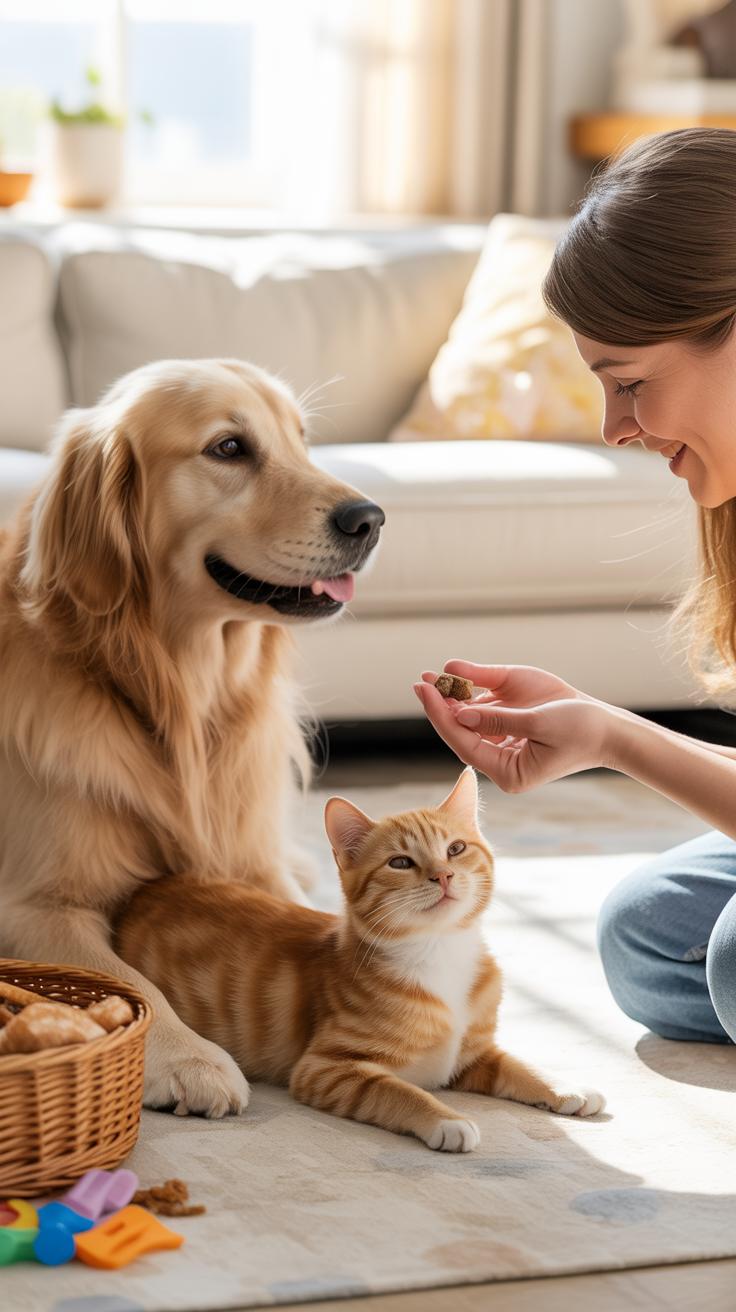
Rescued animals often arrive in a state of sensory overload. Hiding is a foundational survival mechanism. It allows the pet to observe the new environment from a safe vantage point. Barking usually signals defensive alertness or fear of the unknown rather than aggression. You must view these actions as neurological responses to change. Forcing interaction during this phase creates more distrust.
House training lapses occur because stress disrupts digestive and urinary systems. Even previously trained pets lose their routine in a new territory. Do not punish the animal for accidents. Punishment increases anxiety and slows the rescue pet adjustment period. Clean messes with enzymatic cleaners to remove scent markers. Maintain a strict walking schedule to rebuild their biological clock and sense of security.
When To Seek Professional Help From A Trainer Or Veterinarian
Distinguishing between normal adjustment and serious medical or behavioral pathology is critical for safety. Some issues require immediate intervention to prevent long term damage. Aggression that results in skin breaking or persistent self mutilation is not standard behavior. You must act when the pet exhibits signs of extreme distress that do not improve after the first two weeks of placement.
- Resource Guarding: Seek help if the pet growls or snaps when you approach their food or toys. This behavior stems from past scarcity and can escalate into dangerous physical confrontations without professional counter conditioning.
- Severe Separation Anxiety: Professionals are needed if the pet destroys doors or injures themselves when left alone. This level of panic requires a structured desensitization plan and possibly pharmacological support from a vet.
- Sudden Lethargy or Inappetence: Refusing food for over twenty four hours or extreme weakness often indicates an underlying medical infection. Shelters are high stress environments where pets easily contract respiratory or digestive illnesses that require antibiotics.
- Uncontrolled Fear Response: If the pet remains frozen or refuses to move for several days, consult a behaviorist. Chronic shut down states prevent the pet from bonding and can lead to permanent psychological damage if left unaddressed.
- Repetitive Compulsive Actions: Constant pacing or tail chasing suggests high neurological stress or neurological disorders. A veterinarian can rule out physical pain or brain chemistry imbalances that behavioral training alone cannot fix for the animal.

Veterinarians rule out physical pain that often masquerades as bad behavior. A trainer focuses on teaching the animal new ways to cope with triggers. Ensure you hire certified professionals who use positive reinforcement methods. Harsh training techniques often backfire on traumatized rescue animals. Early intervention saves the placement and ensures a successful transition for both the owner and the pet.
Animal Rescue Care Tips Health Nutrition And Veterinary Essentials
Scheduling Your Rescue Pet’S First Veterinary Checkup
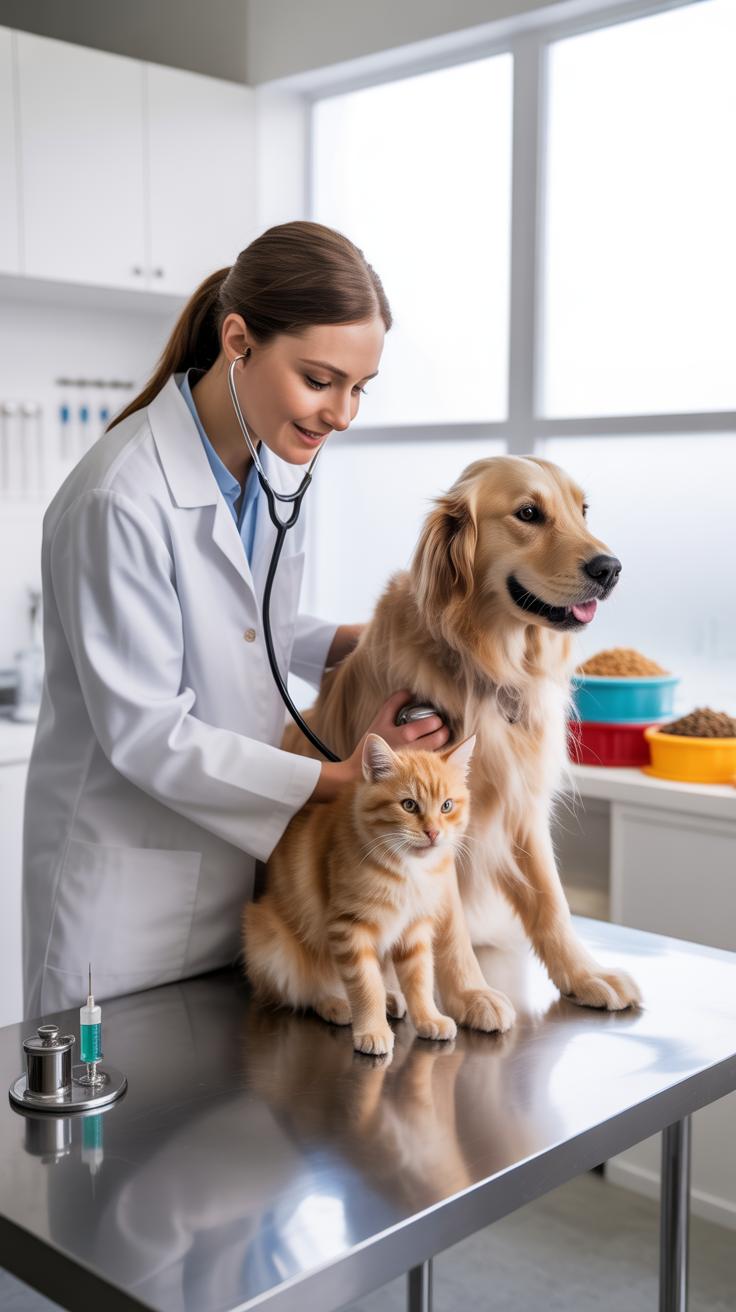
Book a veterinary appointment within the first forty eight hours of bringing your rescue pet home. You need a professional baseline for the animal regardless of shelter records. Shelters often operate on tight budgets and may miss underlying conditions. This initial visit confirms the pet’s current health status and creates a formal medical record. It ensures you catch contagious diseases before they spread to other household pets.
Bring all shelter paperwork to this first visit. The vet needs to see previous medications and diagnostic results to avoid redundant testing. Ask for a complete physical exam and a fecal sample analysis. This visit also allows you to discuss specific behavioral concerns seen during the rescue pet adjustment period. Quick action prevents minor issues from becoming expensive medical emergencies. Establish this professional relationship early to ensure long term health.
Nutrition, Vaccinations, And Spay/Neuter Considerations For Rescue Pets
Feed the exact diet used by the shelter for at least two weeks. Rapid food changes cause gastrointestinal distress and add unnecessary stress during the rescue pet adjustment period. Use a high quality meat based protein to support immune function. Transitions to new brands must happen slowly over seven days. Accurate calorie counts prevent obesity, which is common in newly stable rescue animals. Proper nutrition stabilizes energy levels and temperament.

Maintain a strict vaccination schedule to prevent preventable diseases like rabies and distemper. If the pet is not fixed, schedule the spay or neuter surgery immediately. Intact animals often exhibit more territorial aggression and roaming behaviors that hinder the bonding process. This surgery reduces the risk of certain cancers and eliminates heat cycles. Follow the recovery instructions precisely to ensure the surgical site heals without infection or complications.
Long Term Adjustment How Life At Home Evolves Beyond The First Three Months

Signs Your Rescue Pet Has Fully Settled Into Their New Home
A fully settled rescue pet demonstrates consistent behavioral patterns and physiological relaxation. You will notice the animal sleeping in vulnerable positions with their belly exposed. They no longer startle at common household noises like the vacuum or dishwasher. The pet follows a predictable routine without showing signs of anxiety or hyper-vigilance. They seek out physical affection and initiate play sessions frequently.
True integration shows when the pet expresses their unique personality traits. They may develop specific vocalizations to communicate needs or claim favorite resting spots. Their appetite remains steady and they maintain healthy weight levels. Eye contact becomes soft and comfortable rather than a challenge or a threat. These markers indicate the animal feels safe within the hierarchy of the home and trusts their surroundings.
Continuing To Support Your Rescue Pet’S Emotional Well Being Over Time
Maintenance of a rescue pet requires long-term commitment to structure and mental stimulation. Animals thrive on predictable schedules for feeding, exercise, and rest. Disruptions to this flow can trigger dormant stress responses. Introduce new changes to the environment slowly to prevent regression. Continue to reward positive behaviors with high-value reinforcements. This reinforces the bond and keeps the animal focused on your cues.
Monitor your pet for sudden behavioral shifts as they age. Health issues often manifest as aggression or withdrawal in former rescue animals. Schedule regular veterinary checkups to catch physical discomfort early. Provide environmental enrichment like puzzle feeders or scent games to prevent boredom and anxiety. Consistent training sessions keep their minds sharp and build confidence. Active management ensures the rescue pet adjustment period transitions into a permanent state of security.
Frequently Asked Questions

How much time should I expect my new animal to need to settle in?
Understanding the rescue pet adjustment period is best viewed through the “3-3-3 rule.” Generally, it takes three days to decompress, three weeks to learn your home’s routine, and three months to feel fully secure and bonded. Every animal is an individual, so while some may thrive within days, others with complex histories might require several months of patience and consistent love before their true personality shines through.
What steps can I take to help my pet feel comfortable more quickly?
To support a smooth rescue pet adjustment period, start by establishing a predictable daily routine for feeding and walks. Designate a “quiet zone” in your home featuring a comfortable bed and familiar scents where they can retreat when overwhelmed. Use positive reinforcement and avoid forcing interactions. By providing a stable environment with clear boundaries and low noise levels, you allow your new companion to build confidence at their own pace.
Are there affordable ways to create a welcoming environment for a rescue?
You don’t need an unlimited budget to help a pet adjust. Use existing blankets to create cozy nests and craft DIY enrichment toys from cardboard boxes or old towels to keep them mentally stimulated. Focus on “low-cost, high-patience” interventions, such as spending quiet time in the same room without making direct eye contact. Providing a safe, consistent space and your undivided attention is more valuable than expensive gadgets during this transition.